In vitro Thrombolytic and Anti-arthritic activities of Heritiera fomes
By
Momtahina Eusufzai 16146047
A thesis submitted to the Department of Pharmacy in partial fulfillment of the requirements for the degree of Bachelor of Pharmacy (Hons.)
The Department of Pharmacy Brac University
March, 2020
© 2020 Brac University All rights reserved.
Declaration
It is hereby declared that
1. The thesis submitted is my own original work while completing degree at Brac University.
2. The thesis does not contain material previously published or written by a third party, except where this is appropriately cited through full and accurate referencing.
3. The thesis does not contain material which has been accepted, or submitted, for any other degree or diploma at a university or other institution.
4. I have acknowledged all main sources of help.
Student’s Full Name & Signature:
Momtahina Eusufzai 16146047
iii
Approval
The thesis titled “In vitro Thrombolytic and Anti-arthritic activities of Heritiera fomes”
submitted by Momtahina Eusufzai (ID-16146047) of Spring, 2016 has been accepted as satisfactory in partial fulfillment of the requirement for the degree of Bachelor in Pharmacy on 27th February, 2020.
Examining Committee:
Supervisor:
(Member) _______________________________
Dr. Farhana Alam Ripa
Assistant Professor, Department of Pharmacy Brac University
Program Coordinator:
(Member) _______________________________
Dr. Hasina Yasmin
Professor and Academic Coordinator Department of Pharmacy Brac University
Departmental Head:
(Chair) _______________________________
Dr. Eva Rahman Kabir
Professor and Chairperson, Department of Pharmacy Brac University
Ethics Statement
This study did not involve with any kind of human or animal trial.
v
Abstract
One of the most popular ancient ideas are to find the healing power in plants because many medicinal plants and herbs have been used to fix a lot of diseases and health conditions for a long time. Almost 80% of the present medicines are been found from either directly or indirectly from medicinal plants. One of those most important medicinal plants is Heritiera fomes which is also locally known as Sundari found in Sundarban and locally used by healthcare practitioners to treat different human diseases. It was believed that this tree has thrombolytic and anti-arthritic efficacy also but no study was conducted to prove that. In this in vitro study, extracts of ethanol, petroleum ether, chloroform and ethyl acetate were produced individually from leaves, roots and barks of H. fomes. Successfully, it was found later that the all extracts showed the thrombolytic effect having the percentage of clot lysis up to 22.98±0.2%
being so close to standard 24.05±0.4%. Also it possessed anti-arthritic effect by having the percentage of denaturation of protein up to 49.49±0.3% having more than half of the standard efficacy 96.91±0.3% which made this study succeeded in term of both efficacy in H. fomes.
Keywords: H. fomes, Thrombolytic, Anti-arthritic.
Dedication
Dedicated to my mother
vii
Acknowledgement
I would like begin by thanking the Almighty Allah, our creator, the source of our life and strength, our knowledge and wisdom, for the blessings and mercy. All praises to the Almighty Allah and I would like to express my gratitude for blessing me with immense patience, strength, gratefulness and assistance when necessary to complete this project. This research would not have been completed without the support of the people who are gratefully recognized here.
First and foremost, I would like to express my deepest gratitude and honor to my most esteemed supervisor Dr. Farhana Alam Ripa, Assistant Professor, Department of Pharmacy, Brac University, one of the finest, kindest and elegant human being I have ever come in contact with.
At first, I would like to thank her for giving me the opportunity and enabling me to work with her. Her constant support, direction and encouragement towards this project allowed me to complete the project. Her linguistic skill helped me to build up the capacity of expressing thought in an ordered manner. Her enthusiasm and dedication towards research and teaching have inspired me to be a part of this novel profession in future.
Then I would like to express my gratitude and appreciation to Professor Dr. Eva Rahman Kabir, Chairperson, Department of Pharmacy, Brac University. I am highly grateful for her valuable input and suggestions throughout the project.
Last but not the least, I would like to thank my family and friends for being with me, supporting me and encouraging me work harder and harder in every phase of my life. Without their prayers and unconditional love, I would not have come this far.
Table of Contents
Declaration... ii
Approval ... iii
Ethics Statement... iv
Abstract ... v
Dedication (Optional) ... vi
Acknowledgement ... vii
Table of Contents ... viii
List of Tables ... x
List of Figures ... xii
List of Acronyms ... xiii
Chapter 1 Introduction... 1
1.1 Habitat and Morphology ... 5
1.2 Ethnomedicinal Reports and Phytochemical Constituents ... 6
1.3 Antidiabetic Activity ... 11
1.4 Antimicrobial Activity ... 12
1.5 Antioxidant Activity with Various Effects ... 13
1.6 Antinociceptive and Anti-Inflammatory Activity ... 14
1.7 Anticancer Activity ... 15
1.8 Literature Review... 15
Chapter 2 Methodology ... 18
ix
2.1 Collection of Plant materials ... 18
2.2 Preparation of Extraction ... 18
2.3 Solvent Extraction ... 19
2.4 In vitro Thrombolytic Activity... 20
2.4.1 Reagents and Instruements ... 20
2.4.2 Preparation of Extract Solution for Thrombolytic Test ... 20
2.4.3 Preparation of Clopidogrel Solution ... 21
2.4.4 Test procedure for Thrombolytic Test ... 21
2.5 In-vitro Anti-arthritic Activity ... 22
2.5.1 Reagents and Instruements ... 22
2.5.2 Preparation of Reagentst ... 22
2.5.3 Methodology for Arthritis Test ... 23
Chapter 3 Results ... 24
3.1 Result for Thrombolytic Method ... 24
3.2 Result for BSA method for anti-arthritic activity ... 25
Chapter 4 Discussion ... 26
4.1 Thrombolytic Activity of H. fomes ... 27
4.2 Anti-Arthritic Activity of H. fomes ... 28
Chapter 5 Conclusion ... 29
Future Work ... 30
References ... 31
List of Tables
Table 1: Different plant parts of H. fomes with mode of preparation and administration in different human diseases as medicinal usage ... 3 Table 2: Phytochemical constituents obtained from H. fomes...……….……7 Table 3: Invented pharmacological activity of H. fomes by conducting various chemical test methods with different types of solvent extractions ……….………....…10 Table 4: Specific Gravity of the following constituents………20 Table 5: % of lysis for Standard and water………24 Table 6: % inhibition of denaturation for the extracts of leaves, roots and barks of H. fomes comparing to standard diclofenac sodium ………....………25
xi
List of Figures
Figure 1: (a) H. fomes tree with leaves, (b) Roots, (c) Barks. ..………..……..6 Figure 2: Chemical structures of some phytochemical chemical constituents found from H.
fomes.…...….9
List of Acronyms
BSA Bovine Serum Albumin LPE Leave Petroleum Ether Extract RPE Root Petroleum Ether Extract BPE Bark Petroleum Ether Extract LEA Leave Ethyl Acetate Extract REA Root Ethyl Acetate Extract BEA Bark Ethyl Acetate Extract LE Leave Ethanol Extract RE Root Ethanol Extract BE Bark Ethanol Extract LC Leave Chloroform Extract RC Root Chloroform Extract BC Bark Chloroform Extract Conc. Concentration
1
Chapter 1 Introduction
Mangrove forests are consist of very specialized plant species that mainly grow up at the end of between sea and land in such area like subtropical or tropical regions. In the part of the world where those forests are actually exist in different temperature, fast winds, strong tides, very high salinity as long as anaerobic soil. There is no other plant species in this world that can survive this physiological and morphological of the mangrove environments and can adapt this particular conditions (M. Hossain, Saha, Raqibul, Siddique, & Hasan, 2014). Because of this type of environmental effects of the trees of mangrove forests and their morphological conditions, these trees have been used traditionally by the local people living beside those mangrove forests. The traditional uses of these mangrove plants have drawn the attention of the scientists from many years. In the whole world, around 112 countries have mangrove plants in many distributed territories. One of the most surprising information is, globally the area of the mangrove plants are around 18 million hectares (Mollik, Hossan, Paul, & Rahmatullah, 2010). Due to having the unique biochemically in nature, these mangrove plants are believed to have the source of novel natural elements inside it. Mainly, polyphenols and tannins are most two common chemical elements that can be found in the mangrove plants. Phenol and flavonoids are another two common chemicals which are found in the leaves of the mangrove plants and those are mainly used in the sun screen products to have a protection against the ultraviolet ray. Also, some other chemical compounds which can be found in the mangrove plants are traditionally used to treat different kind of diseases of the local people. Not only they are being used to treat different diseases but also the extracts of the different mangrove plants’ leaves, roots, barks or root barks are being found to be very active against animal, human and plant viruses (Pal, Zaman, Pramanick, & Mitra, 2017).
Again, mangrove plants are different in a sense from the other plants is that, those are very tolerable to the extreme concentration of salt water as well as also can be submerged in the high contained saline water for whole lifetime of them (Wangensteen, Cam, et al., 2009). As the distribution of the mangrove forests around the world are not equally adequate, the forests in the different parts of the world, the plant species of the plants in mangrove forest are still unknown to a vast population. The people form the ancient time did not use those plants easily because they could hardly enter to those areas. However, a lot of people are now living beside the mangrove forest and depending on the plants for their livelihood earning and also the healthcare benefits. The people live in this southern part of Bangladesh are very far from the civilized town and they don’t have any hospitals or doctors to do their treatments. These people are mainly dependent on the local practitioners of healthcare for treating various health problems and diseases. Many of those mangrove plants are being used by not only the rural people living on those area but also byt he local practitioners for the treatment purpose (M. M.
Rahman, Rahman, & Islam, 2010). These use of the mangrove plants are indicating the importance of the research in order to develop a better medical condition for the people living there.
But there is lack of proper data on those plants due to small in number in species and it is really tough to collect them with proper identification. Moreover, the all other information needed to conduct a research on those are not found correctly (M. M. Rahman et al., 2010). H. fomes is a full form growing evergreen tree in Sundarbans which is also locally known as “Sundari”.
Mainly, the tress are having a height of 25m and the trunk is having a diameter of 50 cm.
Shining golden-brown scales are covering the young branches of the trees. H. fomes is very one of the most important mangrove species or tress which are having ethno medicinal uses in traditional and folk medicines (Ellison, Mukherjee, & Karim, 2000). The vast population who are living just beside the Sundarban are using this plant in a very trusted way to treat their some
3
of the diseases. Mainly the parts of the trees are being used as gastrointestinal disorders as well as diarrhea, indigestion, dysentery, constipation, stomachache etc. And according to some local practitioners that plant is also suggested for many skin problems such as dermatitis, rash, itch, scabies, eczema, boils, sores, infections in hepatic disorders including jaundice, hepatitis and so on (Chowdhury, Ridder, & Beeckman, 2016). It is also very much convenient for treating of diabetes and goiter. Rather the use of that, it is also being used as a good insect repellent by the local people and has wound healing activity according to them (Kathiresan & Rajendran, 2005).
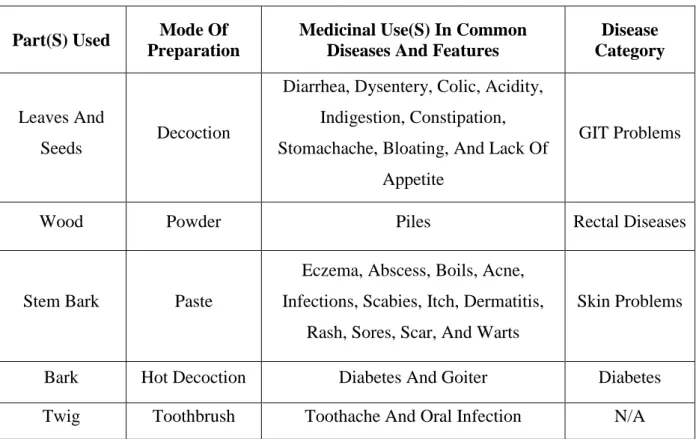
Table 1: Different plant parts of H. fomes with mode of preparation and administration in different human diseases as medicinal usage (Mahmud, et al., 2014).
Part(S) Used Mode Of
Preparation
Medicinal Use(S) In Common Diseases And Features
Disease Category
Leaves And
Seeds Decoction
Diarrhea, Dysentery, Colic, Acidity, Indigestion, Constipation, Stomachache, Bloating, And Lack Of
Appetite
GIT Problems
Wood Powder Piles Rectal Diseases
Stem Bark Paste
Eczema, Abscess, Boils, Acne, Infections, Scabies, Itch, Dermatitis,
Rash, Sores, Scar, And Warts
Skin Problems
Bark Hot Decoction Diabetes And Goiter Diabetes
Twig Toothbrush Toothache And Oral Infection N/A
From some previous researches it was found that H. fomes has a significant antioxidant, antihyperglycemic, antinociceptive, antimicrobial efficacy with anticancer activities. In fact, in the cardiovascular problems for the local people living there, Sundari has been the first choice as medicinal plant to treat that disease. Other than the use of the medicinal purpose, this plant is also used by the local people for many different purposes. The wood which can get from this
plant, people use those to make boats as well as for some other construction purposes. (Gupta, Sahoo, & Basak, 2015).
1.1 Habitat and Morphology
H. fomes or also known as Sundari is mainly and in a huge amount found in Sundarban which is very popular as the world’s largest mangrove forest. The location of this particular forest is at the southern part of Bangladesh with the Indian state of West Bengal. This largest mangrove forest of the world has an area of 6017 sq·km. 1874 sq·km of the whole area of that forest are totally covered with different types of rivers. The only ocean of Bangladesh which is known as the Bay of Bengal is located at the south side of the forest while on the other side, north, are having a border between the forest and the living area of the local people with the agricultural lands with polders. The maximum ground elevation is 3 meter is above the mean of the common sea water level (Polidoro et al., 2010).The land of the forest has developed due to the subsidence and down wrapping of sediments. Sediments are deposited to those lands due to the continuation water flow of the river and the sea water. The ecological balance of Sundarban are very different from the other forests and it certainly has the temperature ranging from 20.4°C to 31.5°C (Basak, Das, & Das, 1996). Rainfall of this forest is higher than the other parts of this country and it starts from 1640 which ends at 2000 mm. Due to the standing of the forest on the sea interface, this forest is always associated with the saline water. In order to survive, H. fomes has to have extremely low saline condition unlike all other species in a mangrove forest which is 5–15 psu. The number of this tree in Sundarban is larger than any other trees and it is believed by the local people there that, the name Sundarban had come from the name of this tree which is locally known as Sundari. 52.7% of the whole area of Sundarban is covered with the different kinds of trees and also constitutes about 63.8 percent of the current standing volume (Fomes, Sterculiaceae, & Albino, 2011).
5
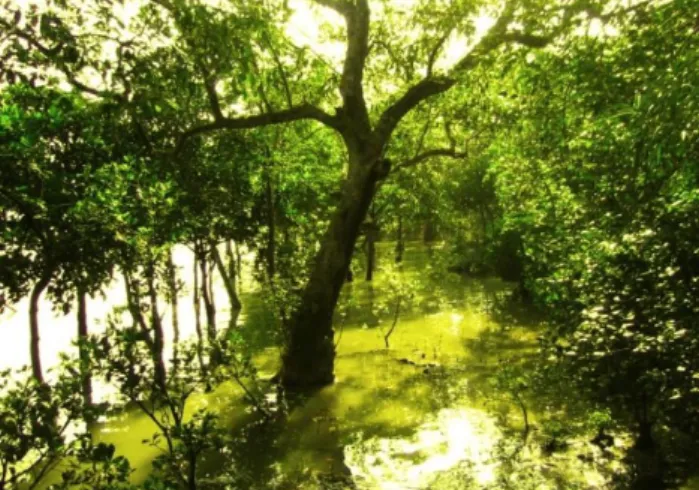
Sundari is a medium size tree with a height of 25 meter, it is also evergreen in nature. The leaves of that tree are mainly dark green in color and the size of the petioles are 1 cm long and they are grouped with the branches at the end part of the leaf (Figure 1). The species starts the production of pneumatophores at the very age of three. Pneumatophores of this tree is about 50 cm long and later it was proved that H. fomes is the only surviving Heritiera species belongs in this world which makes pneumatophores among themselves (Pharmacy, Hasan, Uddin, &
Masud, 2006). Pneumatophores are kind of one type of spread branched roots which are not positive geotropic in nature. It comes out of the mud surface to the open space to access the environmental oxygen. The sapwood of H. fomes is pinkish grey in color. The color of the heartwood is dark to radish dark brown which is very common in these species. The wood of this tree is very hard, heavy and durable in term of the making things with that (M. S. N. Islam
& Gnauck, 2009). The flowers of these trees are unisexual in terms of nature which are also have the entrance in panicles. These are consist of 5 stamens which mainly fused to form a cylinder dumbbell which are also popular to the researchers as pistilloid. H. fomes mainly flowers between the month of March and April. The Fruits of theses tress are very light green in color and they become deep brown in color when it is the time of ripening. The seeds which is found from the fruits are single in nature with fat endosperm situated inside it. The size of the seeds varies between 3 cm–5.5 cm long and the wide becomes 3.5 cm–5 cm. The shedding of the seeds mainly occurs during the month of June and July (M. A. Rahman, 1996).
1.2 Ethnomedicinal Reports and Phytochemical Constituents
Ethnomedicine is also known as the traditional medicine in this country is a subclass of medical anthropology which is related to the treatment of the diseases of the human and animals. This is not only dependent on the hand written documents of the people practiced earlier but also to the people who practice and then experience, lastly share this knowledge to the next generation
to different places. Novel drug discovery as well as the anthropological research sometimes are dependent on this ethnomedicinal reports. The mangrove forest Sundarban is a store of various species which is very valuable economically to the supply of various medicines while providing strong wood to build stuffs and food such as bee honey, sea crabs, and river fish. H. fomes is a well-known is very popular in the southern part of Bangladesh to treat many diseases of the people living on those areas which are being practiced by the local healthcare professionals.
The leaves, roots, and barks of H. fomes are used by the local people for the treatment of skin diseases, gastrointestinal discomforts, and hepatic disorders with a lot other common heath problems (Gupta et al., 2015).
(a)
(b) (c)
Figure 1: (a) H. fomes tree with leaves, (b) Roots, (c) Barks (Mahmud, et al., 2014)
7
Specifically bark is used for diabetes and goiter which are being used by the rural people of those area. This plant is also being used by the rural people of those areas to treat the fever and local pain because these people are too far away from the modernized medicines. Another very dangerous fact is, according to the IUCN who published a Red List Categories, this particular plant is facing danger and has a chance of fast disappearing in many other regions which is happening because of the globalized coastal development and it should be reduced to save those species around the world (Polidoro et al., 2010).
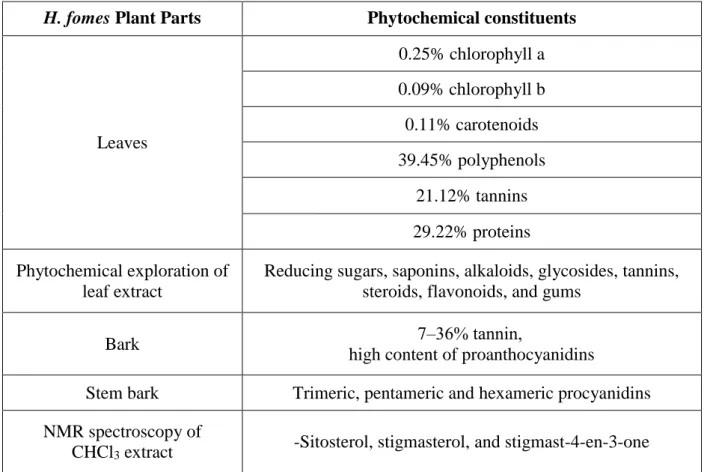
H. fomes is a very promising among all mangrove plant species. Though it has an enormous potential benefits but there are also few other reports which are available on this particular species about its main biological activities (Pal et al., 2017). However, it has also some active principles which are responsible for such activities (Table 2).
Table 2: Phytochemical constituents obtained from H. fomes (Mahmud, et al., 2014)
H. fomes Plant Parts Phytochemical constituents
Leaves
0.25% chlorophyll a 0.09% chlorophyll b 0.11% carotenoids 39.45% polyphenols
21.12% tannins 29.22% proteins Phytochemical exploration of
leaf extract
Reducing sugars, saponins, alkaloids, glycosides, tannins, steroids, flavonoids, and gums
Bark 7–36% tannin,
high content of proanthocyanidins
Stem bark Trimeric, pentameric and hexameric procyanidins NMR spectroscopy of
CHCl3 extract -Sitosterol, stigmasterol, and stigmast-4-en-3-one
H. fomes is consisted of 0.09% chlorophyll b in a low amount, 0.11% carotenoids in a small higher amount, 39.45% polyphenols which is the highest amount found in this tree, 0.25%
chlorophyll a, 21.12% tannins which is the second largest chemical fount in it, and the number of titratable acid (TAN) with an amount of 34.50. The proof of the presence of reducing sugars, glycosides, steroids, tannins, flavonoids, alkaloids, saponins, and three gums has been mainly found by the phytochemical full exploration of Sundari leaves extract of this species. Sundari leaf has full of 29.22% protein in it. The bark of this particular tree is consisted of 7–36% of tannin and it has a very high chemical content of proanthocyanidins. Tannins molecules are mainly distributed fully into two groups which are water soluble chemical tannins is also known as hydrolysable and proanthocyanidins which is known as condensed tannins. High amount of procyanidins are present in the stem bark. Trimeric, pentameric, and hexameric procyanidins was also found in that particular species of plant. By the help of the NMR spectroscopy of CHCl3 plant extract of the Sundari, stigmasterol, β-Sitosterol, and stigmast-4- en-3-one was also meant to be found in it (M. Hossain et al., 2014).
In previous researches, it was found that, all plant parts like leaves, barks and roots of H. fomes are highly used in the treatment against different diseases for example, the leaves and the seeds which can get from the fruits are being used for the gastrointestinal discomforts such as dysentery, acidity, constipation, diarrhea, indigestion as well as stomachache. The bark and the stem bark are extensively used to have remedies for diabetes and skin diseases such as boils, acne, sores, abscess, rash, dermatitis, eczema etc. Local people who are living in the southern part of Bangladesh are sometimes are mainly found to use twig to clear their tooth and helps to relive cough when they got cold (Mitra & Banerjee, 2010).
H. fomes are being found to have some large amount of groups of phytochemical medicinal constituents which have been explained to have a very wide range of pharmacological and
9
chemical activities. The saponins which are also found in Sundari are being reportedly have some very important biological and chemical activities like spermicidal, antimicrobial, molluscicidal, anti-inflammatory and also in some cases cytotoxic activities. It was also been established that flavonoids which are also found in this plant are being reportedly to release antioxidant activity through a very spread area of oxidizable compound(s) (M. M. Rahman et al., 2010). On the other hand, the present of polyphenols in this particular plant species which might be responsible for the treatment of these different human disorders. Actually polyphenols has been found to one of the main components which are mainly responsible for the defense mechanism and those are generated by medicinal plants. Later it was reported to have free radical UV scavengers, large antimicrobial, and sometimes anticancer agents. The polyphenolic chemicals compounds also help in platelet aggregation for human (Mahmud, Islam, Saha, Barman, Rahman, Anisuzzman, et al., 2014).
Figure 2:Chemical structures of some phytochemical chemical constituents found from H. fomes (Wangensteen, Dang, Uddin, Alamgir, & Malterud, 2009).
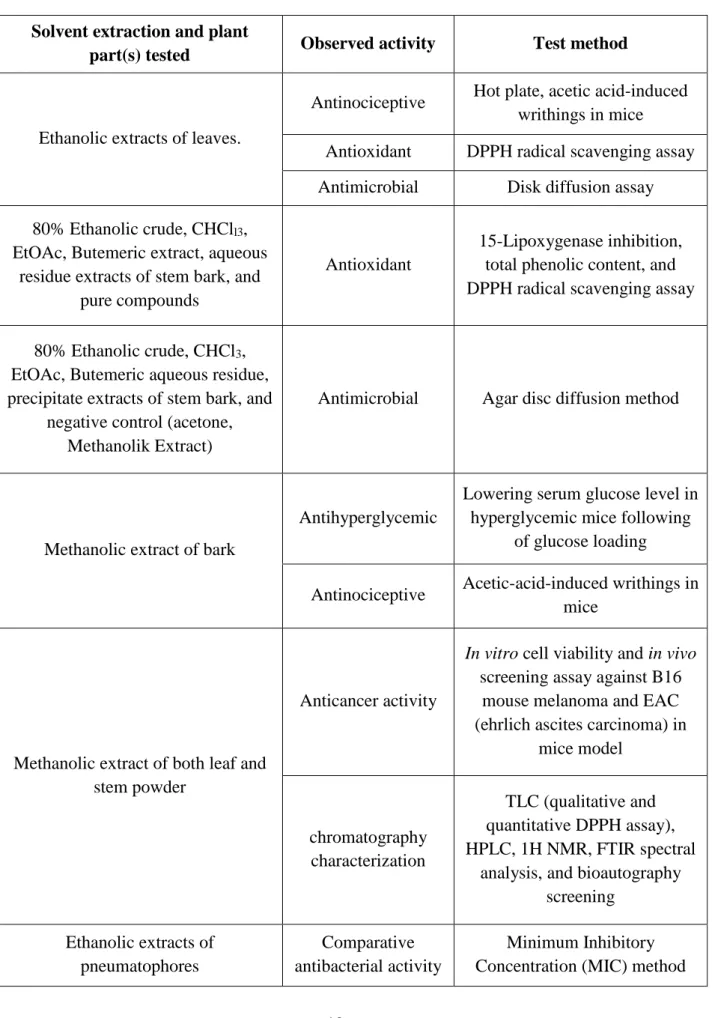
Table 3: Invented pharmacological activity of H. fomes by conducting various chemical test methods with different types of solvent extractions (Mahmud, et al., 2014).
Solvent extraction and plant
part(s) tested Observed activity Test method
Ethanolic extracts of leaves.
Antinociceptive Hot plate, acetic acid-induced writhings in mice Antioxidant DPPH radical scavenging assay Antimicrobial Disk diffusion assay 80% Ethanolic crude, CHCll3,
EtOAc, Butemeric extract, aqueous residue extracts of stem bark, and
pure compounds
Antioxidant
15-Lipoxygenase inhibition, total phenolic content, and DPPH radical scavenging assay 80% Ethanolic crude, CHCl3,
EtOAc, Butemeric aqueous residue, precipitate extracts of stem bark, and
negative control (acetone, Methanolik Extract)
Antimicrobial Agar disc diffusion method
Methanolic extract of bark
Antihyperglycemic
Lowering serum glucose level in hyperglycemic mice following
of glucose loading
Antinociceptive Acetic-acid-induced writhings in mice
Methanolic extract of both leaf and stem powder
Anticancer activity
In vitro cell viability and in vivo screening assay against B16
mouse melanoma and EAC (ehrlich ascites carcinoma) in
mice model
chromatography characterization
TLC (qualitative and quantitative DPPH assay), HPLC, 1H NMR, FTIR spectral
analysis, and bioautography screening
Ethanolic extracts of pneumatophores
Comparative antibacterial activity
Minimum Inhibitory Concentration (MIC) method
11
Different biological activities like antibacterial, cytotoxic, antiherpetic, antineoplastic and anthelmintic are seen to do efficacy in human because of the presence of tannins and proanthocyanidins in medicinal plants. For this reason they provide defense mechanism against herbivores as well as invading many dangerous parasites. Also, the proanthocyanidins are flavonoid chemical polymers which are been used to have efficacy against diarrhea. Many studies have been successful the efficacy of some good flavonoids as agents which are catechins, proanthocyanidins, proanthocyanidin etc. They are also been used as great antioxidants as well as they can inhibit dysentery problems which is mainly caused by the microorganism Entamoeba histolytica lectin as well as Shigella dysenteriae toxin (A. Hossain, Panthi, & Khan, 2013). This discussion has proved the ethnomedicinal usage of this particular plant in various gastrointestinal diseases. So it can be said that, this plant might be a huge store of antidiarrheal phytomedicines to treat. Free chemical radicals are so much damaging due to their side chain properties and also they can cause some reactions inside the body which will adverse the effect that is wanted. The reducing amount of free radicals in the body can be entered with the help of phytochemicals and later that can find a path to a very healthier body system which can be found from Sundari (Chowdhury et al., 2016).
Neither toxic effects nor the negative interactions was found in the test called brine shrimp assay of H. fomes parts extracts in the amount of 10–1000 μg/mL. There were maybe in vitro studies were conducted and from all of these it was found to have a great efficacy of H. fomes as antidiabetic, antimicrobial, antioxidant, antinociceptive, and anticancer properties into human body system (Table 3).
1.3 Antidiabetic Activity
The bark extracts of H. fomes are found to have a very potential antidiabetic effect that was conducted on mice with a dose of 250 and 500 mg/kg body weight which was done for the
antidiabetic test in a research study. Those extracts used on the study was successful to reduce the sugar in the blood 49.2%. When the glucose was consumed higher in the swiss albino mice, after 60 minutes with a dose 10 mg/kg body weight was found to reduce serum glucose by 43.5% by one standard drug for diabetes known as glimepiride. Again with dose of 250 and 500 mg/kg body weight it was reported that the bark extracts of H. fomes surprisingly reduced the amount of blood glucose by 35.6 and 44.7% in the same mice and that was doing by conducting 120 min of glucose loading in the mice and when glibenclamide was using with at a dose of 10 mg/kg body weight was found to lower the blood glucose level up to 30.1% and the same mice were involved (A. Hossain et al., 2013).
1.4 Antimicrobial Activity
H. fomes leaf was established to exhibit a formidable antimicrobial activity also in inhibition sector against gram-positive and gram-negative pathogens casing a range of 3.92 to 7.63 mm additionally 7.86 to 13.45 mm, if the dose is fixed at 250 μg/disc and 500 μg/disc. Furthermore, researchers pointed extracts from the bark of H. fomes have a weighty antibacterial activity against some microorganisms like S. aureus, P. aeruginosa, K. rhizophila and B. subtilis (Pharmacy et al., 2006).
Some in vitro studies highlighted that in the zone of inhibitions >10 mm, pneumatophores of Xylocarpus moluccensis and H. fomes has been found to show almost similar efficacy as antibacterial properties. The extracts of pneumatophores of H. fomes was also noticed to exhibit a commanding area of blocking against Enterobacter aerogenes though the diameter having the zones of inhibition was being encircled between the number 19 mm and 21 mm. Then, the MIC (minimum inhibitory concentration) which was found from the extracts from H. fomes were estimated by a method called broth dilution method which lighted noteworthy minimum inhibitory concentration resulted as MIC = 400 and 500 μg/mL against Shigella boydii as well
13
as Shigella sonnei at the sometime. Besides that, it was one of the most gigantic mangrove medicinal plants (M. S. N. Islam & Gnauck, 2009).
1.5 Antioxidant Activity with Various Effects
Copious mangrove species plants have antioxidant impacts. For conducting quantitative and subjective antioxidant movement, the extracts of H. fomes was taken via in vitro. The quantitative measure strategy was marked after through DPPH test on the contrary which is known as hydrogen measure and subjective measure was carried out through thin layer chromatographic (TLC) strategy taken after by DPPH splash. Withdrawal of extract was remarked as it shows extraordinary antioxidant movement with the IC50 with an esteem of 26.30 μg/mL. Thenceforth the Bark extricate of H. fomes emerged robust antioxidant movement with a 50% of inhibitory concentration (IC50) esteem of 22 μg/mL further viable concentration (EC50) esteem of 19.4 μg/mL. Administration of the extract was pointed a growth in a chemical named glutathione peroxidase along with superoxide dismutase pharmacological activity having the power of inhibition lipid peroxidation. The antiulcer activity found from this plant’s bark extraction was seasoned in acetic acid-induced gastric ulcer models. It was considered truthful that the most protective action has been ascribed to polyphenols which is attending in the fraction as well as their anti-oxidative effects. (Pharmacy et al., 2006)
Sulfated polysaccharides can be found in the bark Rhizophora apiculata bark extract which has been revealed to perform a shielding performance with the help of free chemical radical rummaging some properties against the mitochondrial dysfunction problems caused by the induction of the naphthalene. Moreover, with the help of α,α-diphenyl-β-picrylhydrazyl also known as DPPH free chemical radical rummaging activities it was possible to isolate the glucoside and flavones. Fresh acetylated flavanol, 3, 7-O-diacetyl (-)-epicatechin, and other
flavanol derivatives was found from the extraction of Rhizophora stylosa. The elements displayed DPPH radical scavenging activities. Flavan-3-ol glycosides and flavan-3-ols with DPPH scavenging activity can also put in list where it can be elaborated from stems of this plant. The sum of phenolic content and antioxidative activity of methanolic extract of leaves of Rhizophora mucronata have been demonstrated to be very strong (Gupta et al., 2015). The extracts found from Rhizophora apiculata has been made as methanolic extract and later it was evaluated for its anti-inflammatory and antitumor activity against B16-F10 melanoma cells in some mice on which the cancer previously introduced. After the administration of the extract into the mice, successfully the result was found to inhibit the progression of tumor inside it.
GSH, γ-glutamyl transpeptidase (GGT) and nitric oxide (NO) are one of the main causes of tumor progression in animals, but after the administration of the extracts into the animals or mice it was found to inhibit the all three factors of tumor progression. 4-pyrrolidinyl, pyrazole, and ketone all were found later after the breakdown of the extracts into different chemical compounds (M. S. N. Islam & Gnauck, 2009). From that research study, it was conformed that H. fomes possesses some of the constituents which confirmed show antioxidant activity which was found in in vitro test.
1.6 Antinociceptive and Anti-Inflammatory Activity
100, 250, and 500 mg/kg of dose extracts from H. fomes has been orally administered which showed the lowering the amount of acetic acid-induced writhings in mice upto 8.5, 26.4, and 43.4% in sequal manner and on the other hand aspirin with a dose of 250 mg/kg was mainly used as the standard drug which showed 20.9% writhing less inhibition in the same mice (Alamgeer, Uttra, & Hasan, 2017).
Also, leaf extracts of H. fomes with a dose of 250 mg/kg and 500 mg/kg body weight was found 34.83% as well as 59.20% inhibition of pain and inflammation whereas diclofenac sodium with
15
a dose of 25 mg/kg was used as the standard drug which showed 70.65% of writhing inhibition.
Another method called hot plate test method it was seen that leaf extracts with a dose of 500 mg/kg was found to show the highest one nociceptive inhibition and also took larger time for conducting the reaction that was comparable to another standard one morphine sulfate which was used as the reference drug at the dose of 5 mg/kg (Thangakumar et al., 2017).
1.7 Anticancer Activity
The assessment of the phytochemical constituents from the extracts of leaves of H. fomes has been proved the presence of tannins, saponins, glycosides, alkaloids, flavonoids, steroids reducing sugars as well as gums. Also the proanthocyanidins was found to reportedly possessing anti-viral, as antibiotic with enzyme inhibiting, then antioxidant, and anticarcinogen properties among themselves. The leaves and stem extraction of H. fomes was found to have a great anticancer properties against B16 tumor factor in mice with a great reduction rate of 40%
(Kamble et al., 2017).
1.8 Literature Review
The tree H. fomes which is also known as Sunadri and mainly found in the mangrove forest Sundarban. Already it came to light that, this tree is used by not only the local healthcare practitioners but also the rural people lived in the southern part of Bangladesh. It was clear by that information that, this tree has a great ethnomedicinal characteristics in it (Mahmud, Islam, Saha, Barman, Rahman, Anisuzzman, et al., 2014). From many previous studies it has been come to light day by day this particular tree possesses therapeutic efficacy for different kind of diseases. In a previous study, it was found that the ethanolic extract of the bark from this tree contains procyanidins. Also trimeric, pentameric and hexameric procyanidins were found to be rich in this tree. From the in vivo test on mice, scientists have discovered that, the elements that stays in the barks of H. fomes are capable of reduction in the blood glucose level of a diabetic
patient to 49.2 % in only one hour (Sinica et al., 2013). The dose of extracts from the bark was adjusted to 500 mg/kg body weight. The same constituents taken from bark was found to have an antimicrobial activity against P. aeruginosa, S. aureus, K. rhizophila, and B. subtilis. On the other hand, from another study conducted on the elements of the leaves of H. fomes by broth dilution method, was found to have a great MIC (Minimum Inhibitory Concentration) against Shigella boydii and Shigella sonnei which was 400 and 500 μg/mL. It was also proved to have a better antimicrobial efficacy against Enterobacter aerogenes (Wangensteen, Dang, et al., 2009). Moreover, Significant antioxidant activity with the IC50 (50 percent inhibitory concentration) was invented also from the extract of leaves of this particular tree with a value of 26.30 μg/mL as well as the bark extract showed a similar effect. One of the most surprising factors is, the leaves, barks and roots of H. fomes, all have such ingredients which have the ability to inhibit the cyclooxygenase-2 (COX-2) on mice and shrimps (Mahmud, Islam, Saha, Barman, Rahman, Anisuzzman, et al., 2014). SO, it must show the anti-inflammation efficacy on human as it is highly used by the local people living there to reduce the pain and fever.
Lastly, both leaves and stems extract of H. fomes demonstrated anticancer properties against B16 mouse melanoma with 40% inhibition and EAC (Ehrlich Ascites Carcinoma) in Swiss albino mice (Patra & Thatoi, 2013). Now from some reviews study it was also believed that Sundari tree also shows efficacy for arthritis and thrombolytic problem as local people and local healthcare practitioners’ statement from the southern part of the Bangladesh. But no in vivo study was performed to prove that statement. This current study will perform the in vivo study for looking anti-arthritis and thrombolytic efficacy of H. fomes from the extracts of leaves, roots and barks.
Among all the activities found from the H. fomes it is quite confirmed that it has one of the best roles in order to treat the rural people living southern part of the Bangladesh. This study was conducted to find out whether H. fomes possesses any thrombolytic effect and anti-arthritic
17
effect or not. If do so, then the local healthcare professionals can use the same plant to treat more diseases rather than they are treating the infections right now. As the southern part of the country is far behind from the modernized medicines then this might be able to help not only the healthcare professionals to treat the different diseases but also it will play a great role to the ethnomedicine report which will help to invent new medicines from the current study. The aim of the study was to extract the different parts of the Sundari tree and use them in vitro to find out whether the efficacy for thrombolytic effect and the anti-arthritic effect can found. The whole study was a phytochemical research based work where the leaves, roots and barks from H. fomes and extracted to different solutions to find out it’s new efficacy though from some previous researches it was found that it possesses thrombolytic and anti-arthritic activity but this current study will prove that extraction of the constituents with different methods will show different efficacy towards the problem.
Chapter 2 Methodology
2.1 Collection of Plant Materials
The leaves, roots and barks of H. fomes have been collected from Sundarban forest located in the south-west of Bangladesh between the river Baleswar in the East and the Harinbanga in the West, adjoining to the Bay of Bengal, is the largest contiguous mangrove forest in the world.
Later it was authenticated from the expert of Bangladesh National Herbarium (DACB) and the accession number was 50,664. The parts which were taken from H. fomes were gathered in their fully mature kind from Sundarban forest (Gunathilake, Ranaweera, & Rupasinghe, 2018).
2.2 Preparation of Extraction
After the collection of the leaves, roots and barks of H. fomes, they were cleaned in dry conditions for coarse grinding. The leaves, roots and barks were then separated from undesired parts of the tree to prepare for crushing in powder. After the cleaning, the roots and barks were cut and chopped into small pieces. The small pieces of the roots and barks with leaves were dried in room temperature afterwards for 7-10 days (Shilpa, Chacko, Shetty, & A, 2018). The collected materials were then shade dried to achieve the necessary form for grinding. When they were completely dried, all parts of the tree were crushed to fine powder by using an electrical blender. Around 500gm of powdered leaves, roots and barks were kept in an airtight container in a suitable cool, dry place for further investigation. Those powder were later sieved through a mesh in order to get a fine powder particle. This grinding process was conducted to make the plant parts make exposed to the solvents in a way so that the easy penetration of the phytoconstituents to the extract which will make this research more convenient. The powdered
19
sample of all were sampled and stored in an air tight container to inhibit its exposure from the humidity, temperature etc (Kiranmayi et al., 2018).
2.3. Solvent Extraction
250 mg of dried powder of each part of the plant was extracted with ethanol. In order to do that, dried powder soaked with ethanol for 1 week where leaves were soaked into 650 ml of ethanol, roots were soaked into 500 ml of ethanol and barks were soaked into 800 ml of ethanol.
The jars taken with the materials were being shook in a way so that the materials inside it did not spill carefully. During shaking of the jars, those were handed carefully again and the gaseous materials inside the materials was let out. After that more solvent was added which was soaked by the powdered plant parts of H. fomes and it was shook as well as stirred. This method was kept as continuation for one more week. The mixture of those plant parts and solvents was then filtered with the help of Whatman filter paper. The ethanolic extracts was then obtained by the evaporation of the filtrates which was filtered earlier of leaves, roots and barks to 50 ml in a water bath. After that those were allowed to fan dry to obtained green colored thick extract for leave and deep brown color for roots and barks. This is called as the crude form of leaves, roots and barks (Padmaswari, Mendis, & Balams, 2019).
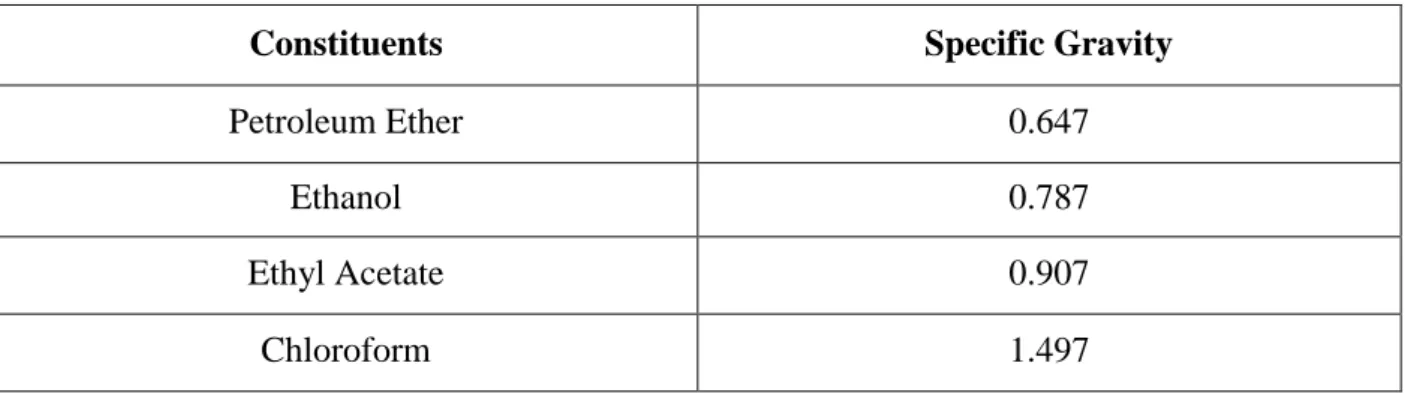
The filtrates of the other jars for all parts were undergone fractional separation to obtain three different type of extract. At first ethanolic leaves extract was mixed with the Petroleum Ether and kept for few minutes to make it stable in a separation funnel. As following the data of (Table 4) it was clear that due to have less specific gravity than ethanol, the upper portion of the solution was be the petroleum ether and the bottom was the ethanol one. From the separation tunnel the ethanol was poured into one beaker from the bottom part. After it was done, the upper portion was taken into another beaker which was the petroleum ether and the nest tests were conducted by the second portion of the solution. Following the same way and
with the help of the specific gravity the ethyl acetate and chloroform extract was taken into another beaker for leaves, roots and barks. Finally, the all solvents were removed from the extracts under reduced pressure by using a rotary vacuum evaporator (Tubon et al., 2019).
Table 4: Specific Gravity of the following constituents (Tubon et al., 2019).
Constituents Specific Gravity
Petroleum Ether 0.647
Ethanol 0.787
Ethyl Acetate 0.907
Chloroform 1.497
2.4 In vitro Thrombolytic Activity
Thrombolysis is the breakdown (lysis) of clotted blood which is related to the pharmacological means. It is also known as the clot busting. It works by the help of fibrinolysis stimulation by plasmin regarding tissue plasminogen activator (tPA) through infusion of analogs. Tissue plasminogen activator (tPA) is the protein that normally activates plasmin inside the human body (M. I. Hossain & Mahmood, 2015).
2.4.1 Reagents and Instruments:
Eppendorf tube, Centrifuge machines, Microliter Pipettes/ micropipette, Weight machine, Digital shaking incubator.
2.4.2 Preparation of Extract solution for Thrombolytic Test
100 mg of the extract was dissolved in 10 ml of distilled water. Later, it was shaken vigorously in a vortex mixer in order to have a good mixing. After the mixture it was kept overnight. Then the solution was gradually poured to eliminate the soluble supernatant, which was later filtered
21
through filter papers (Whatman No. 1). At the end of the day, the solution was found, it was ready for the in vitro thrombolysis study (Sinica et al., 2013).
2.4.3 Preparation of Clopidogrel Solution
This solution was used as being a stock from which 100 μl was used for throughout vitro thrombolysis and it was used as the standard solution for the thrombolytic test (Sinica et al., 2013).
2.4.4 Test Procedure for Thrombolytic Test
Venous blood was drawn from healthy human volunteers which was later transferred with eighteen numbers of pre-weighed sterile Eppendorf Tubes having a measurement of 500μl/tube. After that those tubes were incubated at 37 °C upto 45 minutes. Doing so, when clot enhancement took place, the serum from those tubes was fully removed where clot was not affected at all for the coming research. Each Eppendorf tube which were having clot were again weighed to measure the clot weight (Pal et al., 2017).
Clot weight = Bodyweight of clot containing tube - Weight of tube alone
Each of the tubes then got clot inside it. 100 μl of each plant extract which were leaves, roots and barks were added in the tubes. All the tubes having each plant extract were later incubated at 37 °C temperature for 90 minutes. After that the clot lysis was observed into each tubes.
After that incubation some fluid was obtained in the tube which was totally removed from that tube. Then, the tube was again weighed to find out the observation regarding the weight difference after the lysis of the blood clotting (Rajeswari & Vidhya, 2017). The differences which was found just before and right after the clot lysis in the tube was expressed in the percentage form.
% clot lysis = (Weight of the clot lysis / Weight of clot before lysis) × 100
It was found that the thrombolytic activity was blocked by H. fomes leaves, roots and barks.
Clopidogrel and water were used being a positive and negative (non-thrombolytic) demand respectively. The experiment was repeated for a few times with the blood samples regarding different volunteers (Tabassum, Chadni, & Akter, 2017).
2.5 In-vitro Anti-arthritic Activity:
The in-vitro anti-arthritic activity was studied by using the bovine serum protein denaturation method.
2.5.1 Reagents and Instruments:
UV Spectroscopy, Micropipette, Pipette, BSA (Bovine Serum Albumin), Test tube, Beaker, Weight machine.
2.5.2 Preparation of Reagents
0.5% Bovine Serum Albumin (BSA):
500mg of BSA (Bovine Serum Albumin) was dissolved in 100 ml of distilled water (Ellison et al., 2000).
Phosphate Buffer Saline PH 6.3:
8 g of sodium chloride (NaCl), 0.2 g of potassium chloride (KCl), 1.44 g of disodium hydrogen phosphate (Na2HPO4) and 0.24g of potassium dihydrogen phosphate (KH2PO4) was dissolved in 800 ml of distilled water. Then using 1N HCl, the pH was adjusted to 6.3. After the adjustment of the pH the total solution was made upto the volume to 1000 ml by using distilled water (Karim & Mahmood, 2015).
23
2.5.3 Methodology for Arthritis Test:
Test solution: 0.5ml solution which was consisted of 0.45ml of Bovine Serum Albumin (0.5%W/V aqueous solution) including 0.05ml of test solution of various concentrations.
Test control solution: 0.5ml solution which was consisted of 0.45ml Bovine Serum Albumin (0.5%W/V aqueous solution) as well as 0.05ml of distilled water.
Product control: 0.5ml solution which was consisted of 0.45ml of distilled water including 0.05 ml of test solution.
Standard solution: 0.5ml solution which was consisted of 0.45ml Bovine Serum Albumin (0.5%w/v aqueous solution) including 0.05ml of Diclofenac Sodium in various concentrations (Rajeswari & Vidhya, 2017).
Procedure: 0.05 ml of various concentrations which are 100, 250 & 500 μg/ml of test dugs were taken as well as diclofenac sodium in various concentrations like 50, 100 & 250μg /ml were taken as standard drug respectively. 0.45 ml (0.5% w/V BSA) was mixed to every each of them. After that the samples were incubated at 37°c for 20 minutes. Later the temperature was increased to 57°C which was kept for 3 minutes. All the samples were kept later to cool down. After cooling 2.5 ml of phosphate buffer was added to the each of the above solutions.
Absorbance was measured using UV-Visible spectrophotometer at 255 nm (M. Islam, Islam, Talukder, & Clinton, 2017). The control represents 100% protein denaturation. The results were compared with Diclofenac sodium. The percentage inhibition of Protein denaturation can be calculated as:
Percentage Inhibition = 100 – [{(optical density of test solution – optical Density of control)/optical density of test}/ × 100]
Chapter 3 Results
3.1. Result for Thrombolytic Test
Table 5: Percentage of lysis for thrombolytic activity of different parts (leaves, roots and barks) of H. fomes with standard clopidogrel solution and water.
Sample Weight of
tube
Weight of tube with clot
Weight of tube clot after lysis
Weight of clot
Weight
of lysis % of lysis Clopidogrel
(Standard) 0.81±0.01 1.52±0.15 1.35±0.13 0.71±0.16 0.17±0.12 24.05±0.4
Water 0.81±0.01 1.47±0.12 1.39±0.10 0.65±0.13 0.07±0.12 11.52±0.5
LE 0.81±0.01 1.47±0.12 1.32±0.15 0.65±0.13 0.14±0.13 22.64±0.1 LPE 0.82±0.01 1.49±0.10 1.34±0.14 0.67±0.12 0.15±0.13 22.98±0.2 LEA 0.76±0.01 1.58±0.11 1.42±0.09 0.79±0.11 0.16±0.12 20.98±0.4 LC 0.81±0.01 1.45±0.13 1.34±0.14 0.63±0.14 0.11±0.16 16.67±0.5 RE 0.83±0.01 1.46±0.12 1.34±0.14 0.63±0.14 0.12±0.15 19.53±0.3 RPE 0.78±0.01 1.48±0.11 1.34±0.14 0.69±0.10 0.14±0.14 20.46±0.1 REA 0.82±0.01 1.49±0.11 1.35±0.13 0.67±0.12 0.13±0.14 19.85±0.1 RC 0.81±0.01 1.51±0.16 1.41±0.16 0.69±0.10 0.11±0.17 14.55±0.6 BE 0.81±0.01 1.45±0.13 1.31±0.16 0.64±0.14 0.14±0.14 21.99±0.1 BPE 0.81±0.01 1.42±0.15 1.29±0.10 0.60±0.17 0.12±0.15 20.59±0.3 BEA 0.80±0.01 1.47±0.12 1.32±0.15 0.66±0.12 0.15±0.13 22.72±0.2 BC 0.82±0.01 1.50±0.17 1.37±0.13 0.68±0.11 0.12±0.16 18.06±0.4
25
3.2. Result for BSA Method for Anti-arthritic Efficacy
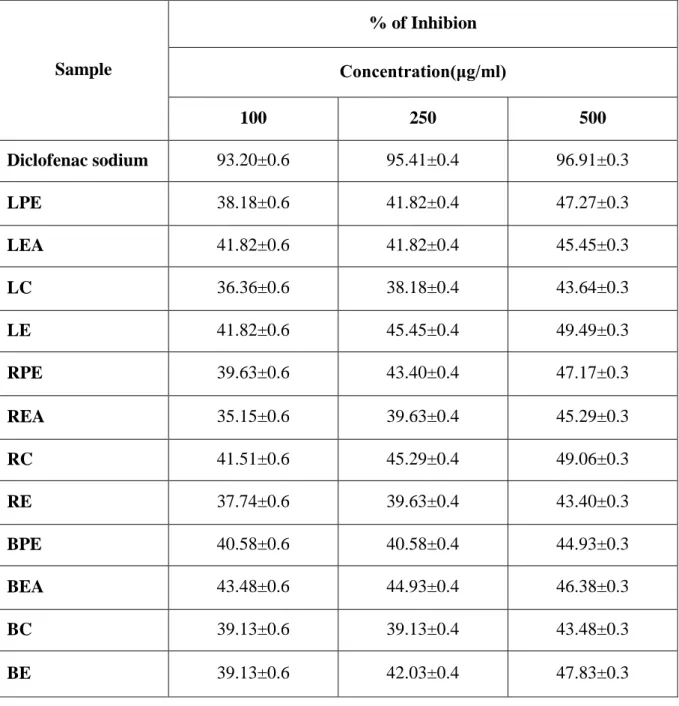
Table 6: % inhibition of denaturation for the extracts of leaves, roots and barks of H. fomes comparing to standard diclofenac sodium
Sample
% of Inhibion Concentration(μg/ml)
100 250 500
Diclofenac sodium 93.20±0.6 95.41±0.4 96.91±0.3
LPE 38.18±0.6 41.82±0.4 47.27±0.3
LEA 41.82±0.6 41.82±0.4 45.45±0.3
LC 36.36±0.6 38.18±0.4 43.64±0.3
LE 41.82±0.6 45.45±0.4 49.49±0.3
RPE 39.63±0.6 43.40±0.4 47.17±0.3
REA 35.15±0.6 39.63±0.4 45.29±0.3
RC 41.51±0.6 45.29±0.4 49.06±0.3
RE 37.74±0.6 39.63±0.4 43.40±0.3
BPE 40.58±0.6 40.58±0.4 44.93±0.3
BEA 43.48±0.6 44.93±0.4 46.38±0.3
BC 39.13±0.6 39.13±0.4 43.48±0.3
BE 39.13±0.6 42.03±0.4 47.83±0.3
Chapter 4 Discussion
4.1.1 Thrombolytic efficacy of H. fomes
Among all the tests done with the leaves, roots and barks of the H. fomes it was found that almost all the extracted parts of the tree showed the thrombolytic effect with the in vitro test.
The more the % of lysis of a constituent is, the more thrombolytic effect can be get from that (Gunathilake et al., 2018). In case of leaves (Table 5) the highest result was found from the extract of Leaf Petroleum Ether (LPE) (22.98±0.2%) and the lowest was got from the Leaf Chloroform (LC) (16.67±0.5%). After that when the all extracts of roots (Table 5) had come to in front, it was found that the highest % of lysis was from Root Petroleum Ether (RPE) (20.46±0.1%) and the lowest was found from Root Chloroform (RC) (14.55±0.6%). But the result was slightly changed in case of all the extracts of the barks. After the analysis of all the results of the barks, surprisingly the highest % of lysis was found from Bark Ethyl Acetate (BEA) (22.72±0.2%) and the lowest was again got from the Bark Chloroform (BC) (18.06±0.4%).
Later all the highest % of lysis was compared with the standard data which was found from Clopidogrel as it is one of the most used thrombolytic agents used by all the healthcare professionals (Table 5) (M. M. Rahman et al., 2010). After the comparison it came to the light that, all the highest % of lysis was very close to the standard % of lysis which was 24.05±4%.
It could be said easily that, the all extracts which were told before must have thrombolytic activity and they were surely able to break the clotting of the blood.
From another point of view, the one of the most important factors showed up that the chloroform extracts always had the lowest % of lysis in all cases of leaves, roots and barks.
Also, most of the tine the Petroleum Ether had the highest % of lysis. But the other two extracts
27
which were Ethanol and Ethyl Acetate had the % of lysis close around to the highest ones. It can be said that, when these parts of the plant will be used to extract the constituents to form a medicine for commercial purpose it would be better to avoid the extraction with the chloroform one as it was unable to take the constituents from the plant parts perfectly. On the other way, in case of leaves and roots the petroleum ether will be the best option to extract the medicinal molecule from the plant as it showed the highest % of lysis. For barks, the Ethyl Acetate method would be the perfect choice.
Lastly it can be said that from this phytochemical research, of course H. fomes possesses thrombolytic activity which can be used to human after all the trials. The important factor to consider here is the way of extraction method of the constituents from the plant as different method different kind of efficacy. This knowledge can be shared to the local healthcare practitioners or the other researchers which will help them to have a better ethnomedicinal knowledge regarding H. fomes.
4.2 Anti-arthritic Activity of H. fomes
From the previous literatures and researches it was clear that the denaturation of protein is one of the main causes of the disease named rheumatoid arthritis. It was assumed earlier and later the proof came that, the production of auto-antigens in most rheumatoid diseases may happen due to in vivo denaturation of the proteins (M. Islam et al., 2017). It was also believed that the mechanism of denaturation involves with the alteration in hydrogen, hydrophobic electrostatic, and disulphide bonding. Substances which have the ability to prevent protein denaturation could be used as anti-arthritic drug. That says that, in the term of our research the more the % inhibition of denaturation will happen the more anti-arthritic efficacy can be found from the plant (Sinica et al., 2013).
Now from the results were taken from this study after the in vitro research. From the current research it was found that from all the extracts used in this study which were the leaves (Table 6), roots (Table 7) and the barks (Table 8) was able to inhibit the denaturation of protein which is definitely an anti-arthritic potential in a dose dependent manner when compared to that of diclofenac sodium which was taken as standard. Though there were a little bit differences in the results at different concentrations but all the extracts used in this study showed a potential percentage of inhibition of denaturation of protein. Among all of them in case of the leaves the Leaf Ethanol (LE) extraction was found to have the highest percentage of inhibition. For roots, the Root Chloroform (RC) was found to have the highest inhibition rate and lastly for the barks again the Bark Ethanol (BE) extraction was found to have the highest inhibition rate. Unlikely the thrombolytic analysis, this time different types of extraction method showed different potential efficacy in term of the anti-arthritic activity. But it was confirmed that, the nature of H. fomes to inhibit the protein denaturation surely possess the anti-arthritic property among itself.
29
Chapter 5
Conclusion
After the whole study was conducted in vitro with the different parts of the H. fomes, it can be said that, it possesses some constituents which will show both the thrombolytic and anti- arthritic effects on human. The research also concludes that different types of extraction method showed different efficacy in term of treating the diseases. It won’t be a good idea to follow the same extraction method to extract elements from different parts of the same tree.
Also when the elements were compared to the results of the standard drugs and data, surprisingly in both cases the data was close to the standard data which made this research stronger in term of ethnomedicinal report to invent new efficacy from an old source of natural medicines which will help the rural people in the southern part of Bangladesh to have a better treatment in some more diseases and also it will help the researcher to concentrate more on the ethnomedicine sector to incent some new and potential medicines from the mangrove plants and the plants from the saline water environment. It is very important and necessary to find it out the bioactive compounds which are hiding in these natural sources and they are responsible for these activities. To fulfil this systematic approaches like bioassay-guided fractionation can be conducted. The present study should serve as a basis and an important tool for future chemical screening and biological assays and should open new perspectives for new drug discovery for the thrombolysis and arthritis problems.
Future Work
The current study showed the in vitro method of gaining the efficacy of the plant Sundari to have thrombolytic effect and anti-arthritic effect but now the most important task to do is in vivo study. The animal trial should be done soon in near future to see whether it can cause any harmful effect on human or animal body or not. Also some new extraction method can be developed where more constituents can be absorbed than the current ones and we will have more percentage of lysis and percentage of denaturation of protein in order to treat thrombolytic and arthritic problem. Also, the side effect, drug interaction, effect on children, effect on pregnant woman etc studies should be conducted also so that it cannot do any harm to any kind of patients of all ages and all conditions. The computational study can also be performed in future to find some more efficacy against new diseases of this particular plant.
31
References
Bangladesh Journal of pharmacology evaluation of in vitro and in vivo -arthritic potential of berberis calliobotrys. (n.d.). https://doi.org/10.3329/bjp.v10i4.23779
Basak, U. C., Das, A. B., & Das, P. (1996). Chlorophylls , carotenoids , proteins and secondary metabolites In leaves Of 14 species of mangrove. 58(3), 654–659.
Chowdhury, Q., Ridder, M. De, & Beeckman, H. (2016). Climatic Signals in Tree Rings of H. fomes Buch . -Ham . in the Sundarbans ,. 1–18.
Ellison, A. M., Mukherjee, B. B., & Karim, A. (2000). Testing patterns of zonation in mangroves : scale dependence and environmental correlates in the Sundarbans of Bangladesh. (Whittaker 1967), 813–824.
Fomes, H., Sterculiaceae, B.-H., & Albino, S. (2011). An evaluation of antihyperglycemic and antinociceptive effects of methanol an evaluation of antihyperglycemic and antinociceptive effects of methanol extract. (April).
Gunathilake, K. D. P. P., Ranaweera, K. K. D. S., & Rupasinghe, H. P. V. (2018). in vitro anti- inflammatory properties of selected green leafy vegetables. Biomedicines, 6(4), 1–10.
https://doi.org/10.3390/biomedicines6040107
Gupta, N., Sahoo, D., & Basak, U. C. (2015). Evaluation of in vitro solubilization potential of phosphate solubilising Streptomyces isolated from phyllosphere of H. fomes (mangrove).
(August).
Hossain, A., Panthi, S., & Khan, S. A. (2013). Phytochemical and pharmacological assessment of the ethanol leaves extract of H. fomes buch . ham . (Family- Sterculiaceae). 2(3), 95–
101.
Hossain, M. I., & Mahmood, A. Al. (2015). Study on in-vitro thrombolytic activity of
methanolic extract of Mesua ferrea leaves. 52–55.
Hossain, M., Saha, S., Raqibul, M., Siddique, H., & Hasan, N. (2014). Salinity stress on growth , nutrients and carbon distribution in seedlings salinity stress on growth , nutrients and carbon distribution in seedlings parts of H. fomes. (December).
Islam, M., Islam, S., Talukder, M. B., & Clinton, C. D. (2017). Short communication thrombolysis potential of methanol extracts from the five medicinal plants leaf , available in Bangladesh. https://doi.org/10.5567/pharmacologia.2017.78.82
Islam, M. S. N., & Gnauck, A. (2009). Threats to the Sundarbans mangrove wetland ecosystems from transboundary water allocation in the ganges basin : a preliminary problem analysis. 13, 64–78.
Karim, N., & Mahmood, a. al. (2015). In-vitro thrombolytic activity 0f herbal anti- artherosclerosis. (January).
Kathiresan, K., & Rajendran, N. (2005). Mangrove ecosystems of the Indian ocean region.
34(March), 104–113.
Kiranmayi, G. V. N., Anusha, V., Chandrika, Y., Satya Priya, I. V., Santhu Swetha, K. U. B.
G., & Krishna, Y. V. (2018). Preliminary phytochemical screening and in vitro evaluation of anti-inflammatory, antiarthritic, and thrombolytic activities of ethanolic leaf extract of Bauhinia purpurea. International Journal of Green Pharmacy, 12(1), S241–S247.
Mahmud, I., Islam, K., Saha, S., Barman, A. K., Rahman, M., Rahman, T., … Rahmatullah, M. (2014). Pharmacological and ethnomedicinal overview of H. fomes : Future Prospects. 2014.
Mahmud, I., Islam, M. K., Saha, S., Barman, A. K., Rahman, M. M., Anisuzzman, M., … Rahmatullah, M. (2014). Pharmacological and ethnomedicinal overview of H. fomes :
33
future prospects. International Scholarly Research Notices, 2014, 1–12.
https://doi.org/10.1155/2014/938543
Mitra, A., & Banerjee, K. (2010). Pigments of H. fomes seedlings under different salinity conditions : perspective sea level rise. 25(1), 1–10.
Mollik, A. H., Hossan, S., Paul, A. K., & Rahmatullah, M. (2010). A comparative analysis of medicinal plants used by folk medicinal healers in three districts of Bangladesh and inquiry as to mode of selection of medicinal plants. 8, 195–218.
Padmaswari, V., Mendis, S., & Balamas, S. (2019). In vitro anti-arthritic activity of cissus quadrangularis stem extract. Asian Journal of pharmaceutical and clinical research, 12(1), 250. https://doi.org/10.22159/ajpcr.2019.v12i1.27353
Pal, N., Zaman, S., Pramanick, P., & Mitra, A. (2017). Impact of aquatic salinity on mangrove seedlings : a case study on H. fomes ( Common Name : Sundari ). 1(4), 982–986.
https://doi.org/10.26717/BJSTR.2017.01.000348
Patra, J. K., & Thatoi, H. (2013). Anticancer activity and chromatography characterization of methanol extract of H. fomes Buch. Ham., a mangrove plant from Bhitarkanika, India.
Oriental Pharmacy and Experimental Medicine, 13(2), 133–142.
https://doi.org/10.1007/s13596-013-0113-7
Pharmacy, O., Hasan, S., Uddin, S. J., & Masud, M. M. (2006). Antioxidant , antinociceptive activity and general toxicity study of Dendrophthoe falcata and isolation of quercitrin as the major component. (December). https://doi.org/10.3742/OPEM.2006.6.4.355
Polidoro, B. A., Carpenter, K. E., Collins, L., Duke, N. C., Ellison, A. M., Joanna, C., … Ong, J. E. (2010). The loss of species : mangrove extinction risk and geographic areas of global concern. 5(4). https://doi.org/10.1371/journal.pone.0010095
Rahman, M. M., Rahman, M. M., & Islam, K. S. (2010). The causes of deterioration of Sundarban mangrove forest ecosystem of Bangladesh : 3(2), 77–90.
Rajeswari, S., & Vidhya, R. (2017). Evaluation of in vitro thrombolytic and antiproteinase activities of wedelia trilobata ( Linn .). 5(3).
Shilpa, K., Chacko, N., Shetty, P., & A, S. S. (2018). Investigation of anti-arthritic activity ( in-vitro models ) of Hibiscus hispidissimus Griffith. 7(1), 60–65.
Sinica, D. P., Das, A., Masudur, S., Dewan, R., Ali, R., Debnath, P. C., & Billah, M. (2013).
Pelagia research library investigation of in vitro thrombolytic potential of ethanolic extract of Momordica charantia fruits : an anti-diabetic medicinal plant. 4(2), 104–108.
Tabassum, F., Chadni, S. H., & Akter, M. (2017). In-vitro thrombolytic activity and phytochemical evaluation of leaf extracts of four medicinal plants of Asteraceae family In-vitro thrombolytic activity and phytochemical evaluation of leaf extracts of four medicinal plants of Asteraceae family. (October).
Tubon, I., Zannoni, A., Bernardini, C., Salaroli, R., Bertocchi, M., Mandrioli, R., … Forni, M.
(2019). In vitro anti-inflammatory effect of salvia sagittata ethanolic extract on primary cultures of porcine aortic endothelial cells. Oxidative Medicine and Cellular Longevity, 2019. https://doi.org/10.1155/2019/6829173
Wangensteen, H., Cam, H., Dang, T., Uddin, S. J., Alamgir, M., & Malterud, K. E. (2009).
Natural product communications antioxidant and antimicrobial effects of the mangrove.
Wangensteen, H., Dang, H. C. T., Uddin, S. J., Alamgir, M., & Malterud, K. E. (2009).
Antioxidant and antimicrobial effects of the mangrove tree H. fomes. Natural Product Communications, 4(3), 371–376. https://doi.org/10.1177/1934578x0900400311