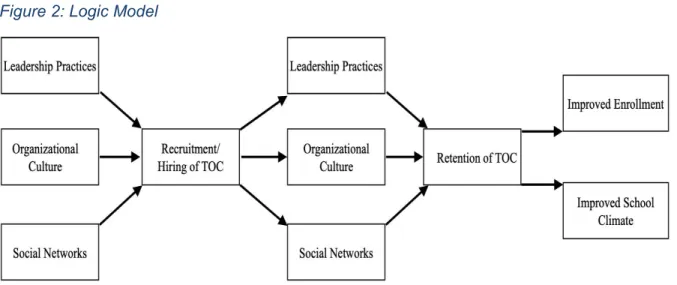
This study examines the school characteristics that influence the recruitment and retention of teachers of color. We seek to clarify how leadership practices, organizational culture, and social networks influence the recruitment and retention of teachers of color in independent schools. Teachers and staff at independent schools – the vast majority of whom are white – still need training in diversity, equity and inclusion practices that make these schools welcoming and hospitable.
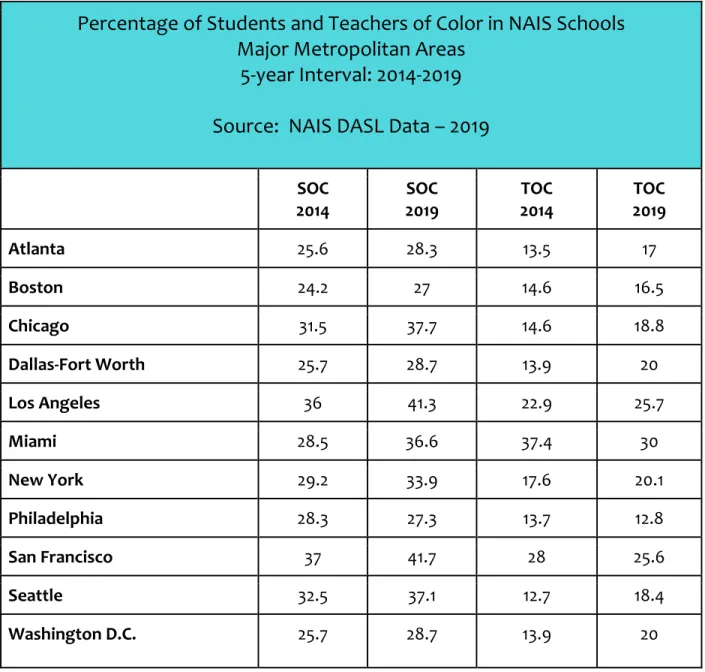
Students of color are defined in the same way and do not include international students. Question #1: How do leadership practices, organizational culture, and social networks influence the recruitment and retention of teachers of color in independent schools. In short, hiring and retaining more faculty and administrators of color—the strategic components of which this study aims to uncover—could improve student academic, social, and civic outcomes and overall enrollment.
Organizational management researchers Adler & Kwon (2002) define social capital as “the goodwill available to individuals or groups. After surveying independent schools on the role of diversity practitioners in their schools, AKSHI published their findings in the Status of Diversity Practice report (2019). The theme of AC 2020 was 'Your School, Your Legacy'. The first day of the conference was dedicated to “pre-conference workshops,” which require additional payment beyond the typical conference registration.
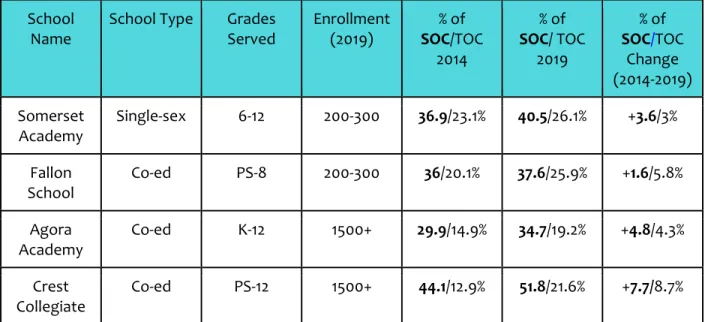
The large variety of independent schools affects the internal validity of the study due to challenges with comparison.
Key Findings
I am ultimately responsible for hiring at the school, so promoting the hiring of candidates of color is also part of that role. Heads up on all aspects of developing a culturally competent community that ensures DEI becomes as much a part of the culture as breathing. So it's really important to my Equity and Inclusion Coordinator that I stand up for the faculty and talk about these issues.
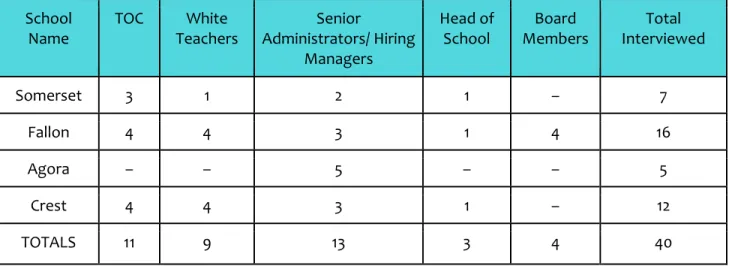
Six of the seven heads we spoke to had attended the People of Color conference and/or the White Privilege conference. When it comes to the types of challenges DEI principals face, a minority (23.7%) of respondents talk about hiring, recruiting, and retaining teachers. Question 2: How do schools with higher recruitment and retention rates of teachers of color compare to schools with lower recruitment and retention rates of teachers of color in the key areas of leadership practices, organizational culture, and social networks.
The same administrator explained that the purpose of the program is to build leaders, but also shared that it can serve as a way to retain employees at the school. Regardless of their level of engagement in the recruitment process, the school principal can serve as a kind of proxy for the inclusive nature of the school itself. In fact, every principal interviewed commented on the importance of a diverse board or one that reflects the school's population.
A surprising 41% neither agreed nor disagreed with the statement, one of the highest percentages of any statement asked in the survey. Of the 234 written responses received, only 82 (or 35%) identified that their own self-awareness was important to understanding the cultures of others (see Table 10). Affirmation and support to retain teachers of color goes beyond facilitating a culturally competent faculty and staff; it also includes providing affirmation and more support structures such as the mentoring programs mentioned above.
If they did not attend, they were well aware of the central role POCC played in the lives of independent black people. The support network for teachers/administrators of color at POCC is critical for many participants. Their presence is also evident at POCC, where search firms serve as exhibitors and conference sponsors (see Figure 8).
One recruiting firm specializing in recruiting teachers of color opposed allowing recruiting firms to play an active role in POCC. Interviews with teachers, senior administrators, and leaders of color reveal the importance of their independent school social networks in identifying employment opportunities and whether the school's organizational culture can provide the types of support needed for TOC.
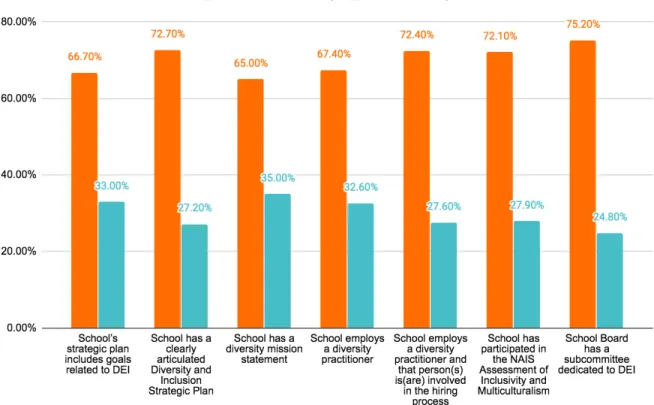
Interestingly, a similar percentage of diversity practitioners were involved in the recruitment process: 60% of principals in our study involved diversity practitioners in the recruitment process and 69% of diversity practitioners in the Torres (2015) study were involved in their school's recruitment process. Despite the Principles of Good Practice (2020) which state: “The headteacher ensures that diversity initiatives are coordinated and led by a designated individual who is a member of one of the school leadership teams” (p. 12), little progress has been made in the four years since Torres' (2015) study. The role of heads in the recruitment process continues to vary significantly from school to school.
Overwhelmingly, the principals in our study reported their involvement and leadership in DEI professional development. Both in our survey among school principals and in the interview data, we found the importance of social networks in the recruitment and selection of TOC. The NAIS independent school job market is distinctive and separate from the pathways to employment found in the public or charter school worlds.
Independent schools operate as small businesses, with nearly 70% having fewer than 500 students, with hiring practices as varied as the types of schools found in the association (NAIS, About NAIS, 2020). Independent schools have had success using recruitment firms, such as NEMNET, Strategenius or East Ed, which specialize in TOC recruitment. Social networks serve as invaluable resources in the independent school labor market and can be the most effective way to recruit and retain TOC.
From the research conducted, it is clear that social networks play a crucial role in the independent job market in schools. Many of these firms sponsor POCC and are well positioned in the conference exhibit hall. School leaders who actively embrace their role in TOC recruitment will be more successful in attracting TOC to their institutions.
These individuals are highly connected within the TOC school's independent social network and can serve as a source of recruitment while helping to communicate to the school community the importance that a diverse faculty brings to educational institutions. School leaders should make it a priority to invest the time and professional development resources to train administrators, staff, and teachers in cultural competency. School principals must recognize the importance of POCC in the independent TOC process of schools; Therefore, encouraging participation and investment in financing for POCC is critical.
You are encouraged to complete this survey (link to external survey site), which examines your role in recruiting and retaining teachers of color in independent schools. The purpose of this survey is to gather information about your perspectives on your work as a school leader in the recruitment and retention of teachers of color.