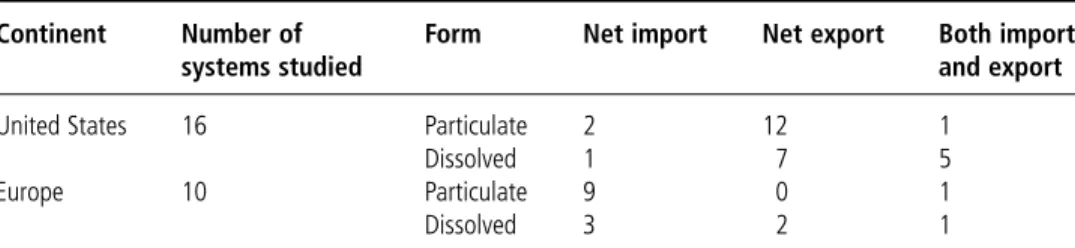
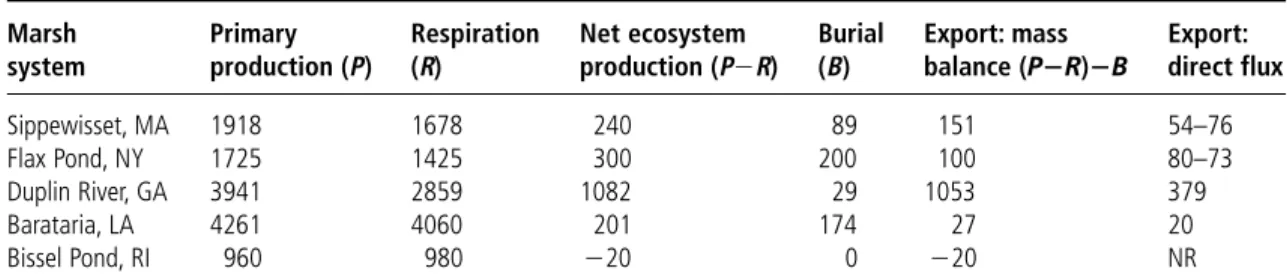
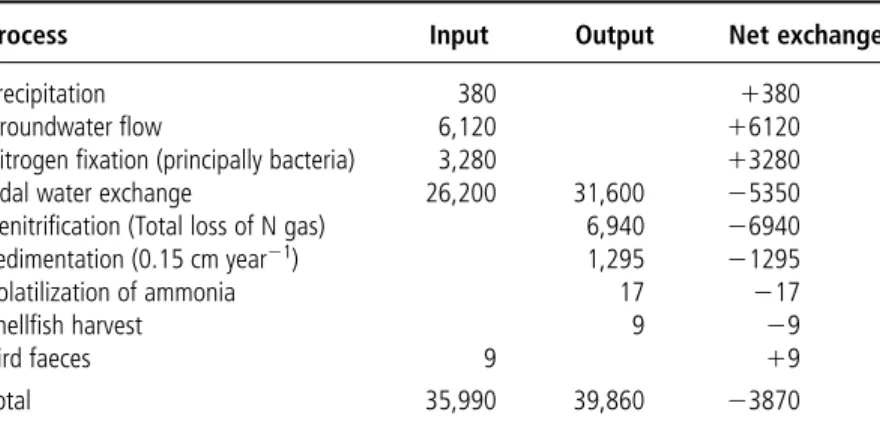
The nitrogen balance of the Western Scheldt in the Netherlands shows little cycling within the system. The bacteria, which consume the dissolved organic matter, themselves become part of the particles in the estuary.
Molluscs
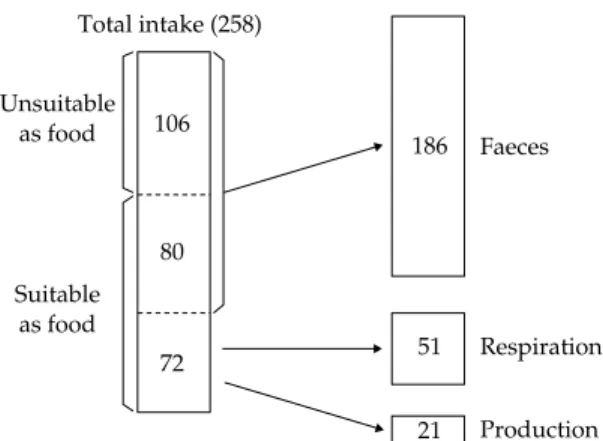
4.3 much of the total food intake is rejected as unsuitable and is lost as faeces (or pseudofeces). The presence of the mat reduces the biomass and diversity of the infauna, but leads to a large increase in the number and biomass of Hydrobia.
Annelids
In the Weser estuary in northern Germany, populations of the polychaete Lanica occur on 20,000 animals m2 together with 700 m2 of the suspension-feeding anemone Sagartia troglodytes. Their enormous biomass of more than 1.1 kg dry weight m2 is only possible due to the strong currents in the area (up to 1 m s1), which transport the diatoms and plankton that feed the estuarine benthos. A fourth estuary study recorded a biomass of 27.97 g dry weight m2 of oligochaete from organically enriched areas and 6.30 g dry weight m2 from more typical estuarine muds.
Crustacea
For example, the highest production rate of the Mytilus population of 268 g dry meat per m2 year1 in Ythan is maintained only in the estuary shellfisheries, which. The production level of Mytilus, averaged over the entire estuary, is 48.7 g of dry meat wt m2year1, which is more comparable to other fauna of the estuary (Table 4.2). Smaal and Prins (1993) showed that suspension feeders can generally be limited by food supply, which is directly affected by water retention time in the mouth.

Grazers
Other large members of the zooplankton are the jelly (Ctenophore) and the true jellyfish (Scyphozoan). Internal cycling, mainly in the water column, results in the removal of most of the carbon. Collections in colder waters (autumn and winter) are less abundant and diverse and mainly in the main estuary channel.
Estuarine fish assemblages in the North Sea consist of several components with different ecosystem requirements. In the Sheepscot Estuary, Maine, gulls (three Larus species) were estimated to remove 6.8% of the worm N .

Aquaculture (culture of finfish and shellfish)
In studies of mussel farming in the Ria de Arosa estuary in northwestern Spain, Tenore et al have shown that mussels are a "keystone species" in determining ecosystem structure and dynamics throughout the area. There may be acute and chronic disturbance of breeding, feeding and wintering areas and disturbance of the site (due to loss of land and water use) as well as an influx of opportunistic birds. Note that some of the effects are conflicting and not all effects will be seen in one location.

Petrochemical discharges and inputs Crude oil is a complex natural mixture dom-
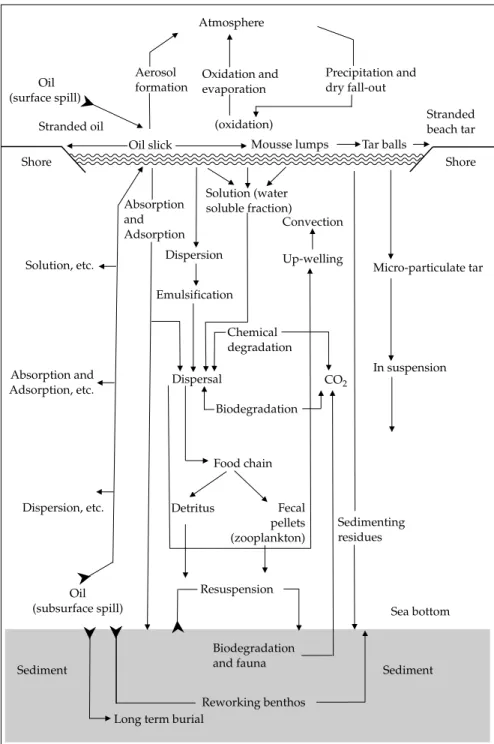
The impacts of the oil industry on estuaries can be divided into (1) the impact of large spills due to shipping accidents or human error at a loading terminal, (2) the impact of wastewater produced by refineries and petrochemical industries, and (3) the consequences of oil extraction. Hence the importance of weather conditions that influence the fate and consequences of the spilled oil. An abiotic zone was found near the outlet, devoid of any life.
Heavy metals
That is, they show an increase in concentration as one proceeds up the trophic levels of the estuarine ecosystem. As metals are discharged into turbid estuarine waters, they can rapidly bind to the surface of fine sediment particles. In many of the estuaries bordering the North Sea, it is estimated that about half of the metals entering the estuaries are trapped inside.
Organohalogens
The sedimentation processes within estuaries, discussed in the first chapter, can serve to relieve the estuarine and marine ecosystem from some of the worst effects of heavy metal pollution. As sedimentary particles settle into intertidal muds, metals are gradually buried. Because of the biomagnifying effects of PCBs, top predators such as birds and seals are particularly at risk.
Radioactive discharges
So, like metals, these substances are permanent additions to the estuarine ecosystem, but compared to metals, even small amounts of these man-made substances can pose a danger to estuarine life. In recent years, the amount of waste discharged from reprocessing plants has decreased significantly, but it remains the main source of man-made radioactivity in estuaries. Laboratory studies have shown acute lethal effects of high radiation doses on many organisms, but it must be said that existing levels of natural and man-made radiation in estuaries and the ocean have so far had no measurable environmental impact on these ecosystems. .
Threats from industrial pollutants
In Great Britain, such a land claim took place mainly on the east coast, and in Denmark, such a land claim took place in West Jutland. Within Southampton Water, land reclamation has occurred over many years to meet the needs of new docks, oil refineries, power stations and other industries (Fig. 6.21). On the East Coast of the United States, more than 25% of estuarine wetlands have already been lost to land claims.

Dutch delta works
Due to inland water projects, less than 40% of the original river flow now reaches the estuary, a factor that has significantly reduced pollutant flushing from the bay area. Regardless of where, and for what purpose, land claims occur, the birds and fish that live in estuaries simply find that a large part of their food supply has disappeared. US law now requires new land claim schemes to compensate for habitat loss by providing alternative sites; however, it is highly doubtful that such compensation can ever fully replace a habitat that has taken centuries to develop.
Sea-level rise and estuarine development
Ports, navigation, and dredging
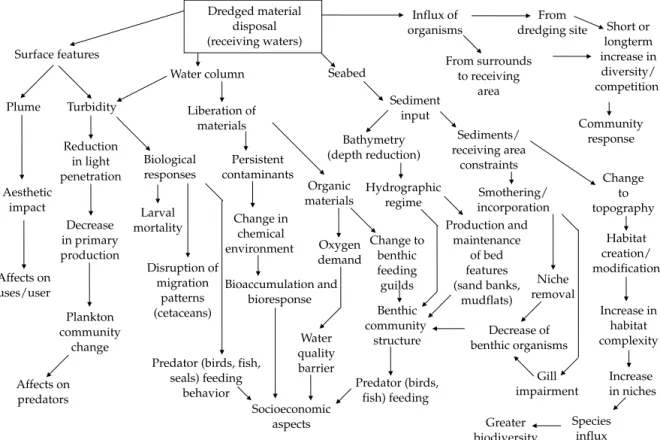
Sand and gravel are often dredged from the bed of the lower reaches of an estuary. Finally, the visual impact of the plant can affect the amenity value of the area. The most important impact is the change to the shape of the estuary and thus the distortion of the hydrographic regime.
Behavioral bioassays and sediment testing
For example, mesh bags containing excised discs of the green alga Enteromorpha or the growing tips of the brown alga Fucus vesiculosus can be located in wastewater concentrations, and then the viability of the cells or the growth of the tissue can be measured as a response.
Toxins and bioaccumulation
The presence of these detoxification mechanisms or the bioaccumulation of the contaminant will indicate recent exposure. Species such as estuarine ⁄ marine macroalgae such as Fucus vesiculosus and Enteromorpha, the suspension-feeding marine mussels Mytilus and the estuarine fishes: the flounder, Platichthys foutus and the eelpout, Zoarces viviparous have many of the above-mentioned characteristics necessary for sentinel organisms. Monitoring the health of estuaries will require the use of a sentinel organism or at least estuarine inhabitants with a small home range, reducing uncertainty in the interpretation of the data and the link between the health of the biota and the environment is enlarged. stressors.

Individual health and external and internal body condition
These provide a simple qualitative analysis of the response to pollutants and other stressors in the area, and can change the structure and functioning of the population, although the effects are difficult to quantify. Changes may occur in the reproductive capacity or success of the organisms, i.e. fewer eggs may be produced, or fatal deformities may occur in the larvae due to contaminants in the environment. The condition of an estuarine organism's flesh, an index of fatness, and the relationship between weight and size or volume, and its overall individual health can also provide valuable information about the health of the system.
Molecular and genetic techniques
An analysis of population dynamics, that is, the relative size of age stages in the population, will indicate whether younger and more vulnerable stages have been adversely affected. The presence of the states in that histogram will indicate the average sizes of cohorts, and then changes in the frequency and average sizes at successive samplings will indicate the mortality (survival) and growth. Once growth as size or weight at any given age has been determined, it can be summarized in numerical models, which can be theoretical or empirical—the former designed to describe the sigmoid growth curve followed by most organisms, while the empirical models simply provide a best fit the observed growth at any time or place (see Bagenal 1978; Elliott and Hemingway 2002 for further details).
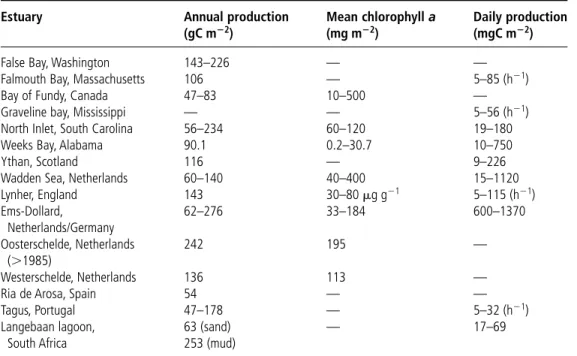
Biological production
A typical estuarine sampling program will collect benthos samples from the intertidal and subtidal areas of the estuary. Needless to say, the sampling grid must reflect the environmental variability of the estuary – hydrographic and sedimentary regime. Such comparisons can be made on the basis of the number of collected species, abundance of individual organisms, biomass.
Numerical analysis of estuarine data There are many numerical methods relevant
Methods are needed to show the human and natural importance of areas, habitats and populations. For example, mid-estuarine salt marshes, mussel beds, or muddy biotopes include key physical features of the habitat and dominant organisms (Spartina, Nereis, and Mytilus, respectively). Therefore, EIA should quantify the spatial and temporal impact of each part of.
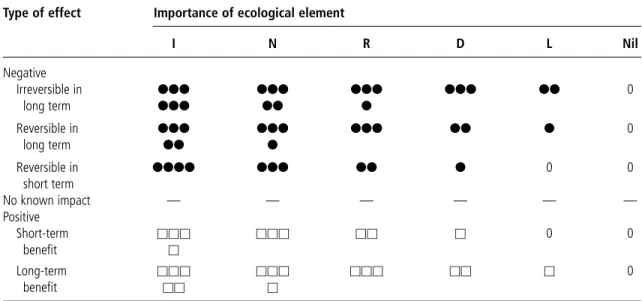
Decision Tree
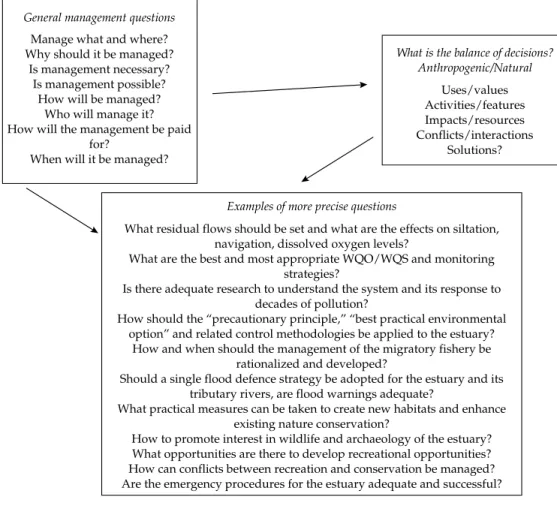
In this it is recognized that all the components of the estuarine ecosystem are interconnected and thus all these, physical-chemical and biological, must be managed in such a way that the system is sustainable. In addition to these changes, we must increasingly take into account the aspirations of Man - the increase in environmental awareness of the population. Because of this, there is a need for indicators to describe the status of the ecological elements of the ecosystem, such as
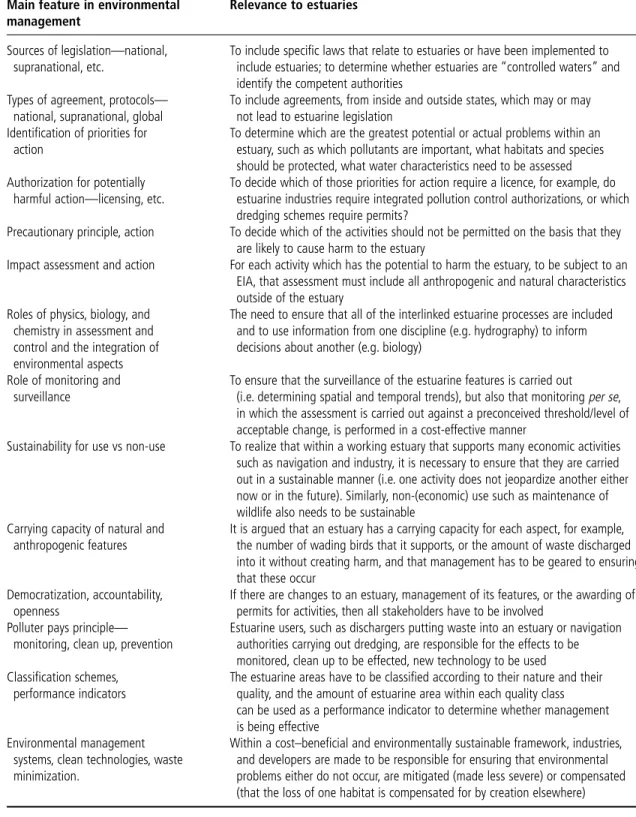
Management and licensing of activities In most areas, permission from a relevant
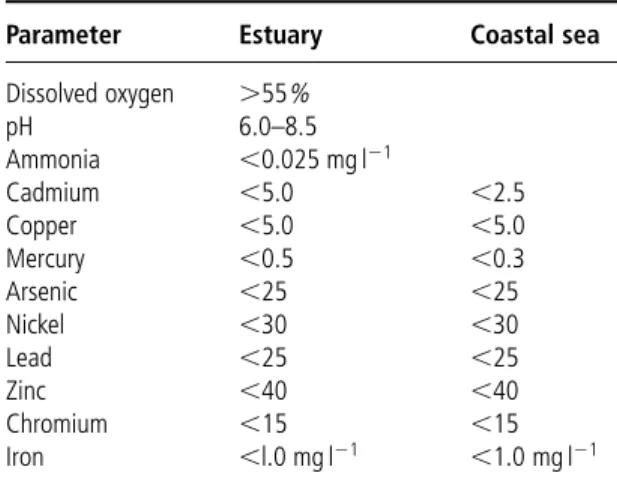
The standard for the permitted effluent can thus be different in different parts of the estuary. The list is of the "Paris" Convention and "List I" of the European Dangerous Substances Directive. Substances whose control is a priority, which will be controlled in the North Sea and its estuaries by cuts in all emissions, regardless of the body of water to which they are discharged.
Management of estuaries
According to national and international legislation and agreements (see below), the quality of the material that is excavated must be analyzed for the presence of pollutants. Eg. created the port of Rotterdam at the mouth of the Rhine in the 1990s two large bonded containment areas - Papasbiek for the most heavily contaminated excavations and Slufter for the less contaminated material. Faced with a changing shoreline, the estuary manager has four options: to hold the line, to advance the line, to withdraw the line, or to do nothing—the latter always being an option.
Management and protection of catchments and adjacent coastal
There is still a seasonal decrease in the oxygen content of the water (Fig. 8.3), but as a result of these improvements. Note the decrease in the duration of the critical period of low dissolved oxygen over time. The recovery of fish species diversity in the Thames, as shown in Fig.

Monitoring for management
In the Thames, there was a steady decline in estuary oxygenation from 1920 to 1955, with periods of complete deoxygenation occurring regularly. Since that date, improvements, especially in the field of sewage, have resulted in a significant improvement in the condition of the middle stream. In both cases, restoration of the estuary required decades of effort and large sums of money.
Legislative—types of instruments National
This is under the auspices of the Paris Commission and is designed to produce an inventory of materials entering the marine areas of the European shelf. These may be translated into Directives and will aim to integrate many of the Directives mentioned here. The UN through its Convention on the Law of the Sea (UNCLOS) also defines general principles for the management of marine areas and the prevention of damage to these systems.
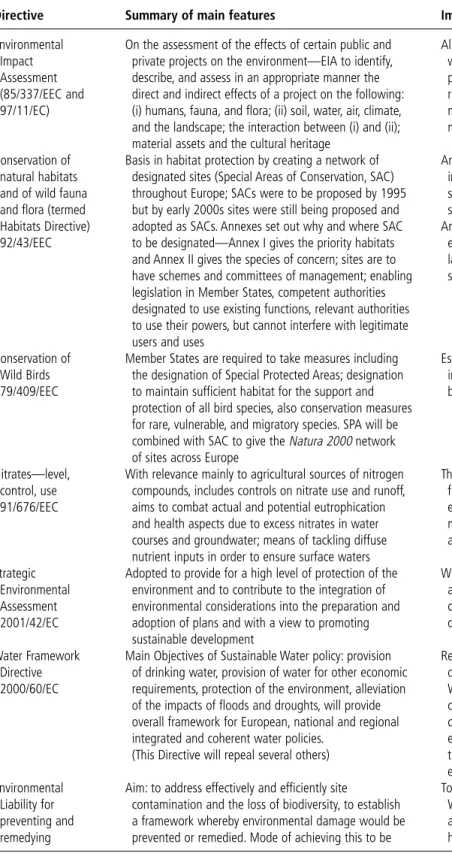
Administrative/organizational management framework
Box 8.5 Case study—Estuarine and coastal management framework in Scotland (2003), as an example of the legal complexities of estuarine management. These government departments oversee the respective environmental protection agencies and statutory conservation bodies of the countries of the United Kingdom. For example, in the United Kingdom there are many strongly conservation-based NGOs such as the Royal Society for the Protection of Birds (RSPB), the Wildlife Trusts, the Worldwide Fund for Nature (WWF), the Campaign for the Protection of Rural England. (CPRE), Greenpeace and Friends of the Earth.