INTRODUCTION
According to Lilienfeld [1], epidemiology is the study of the distribution of a disease or a physiological condition in the human population and the factors that influence that distribution.
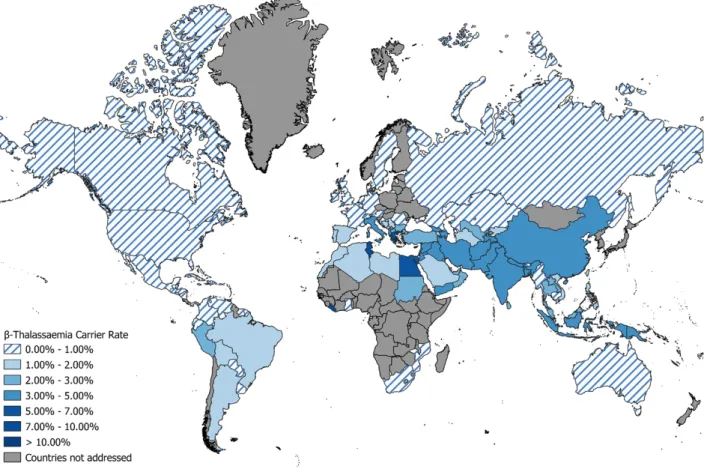
An inherited disorder like β-thalassaemia has its own distinct geographical distribution, affecting certain populations more than others. Environmental factors have influenced the landscape of this genetic condition. To this interplay of genetic and environmental factors, other confounding factors, such as customary consanguineous marriages, prevention programmes, and population migrations, have influenced the prevalence of both carriers and actual clinically affected individuals globally. The most important environmental factor that has affected thalassaemia epidemiology is the protective effect the carriers have when infected by Plasmodium falciparum [2,3]. This selective advantage has contributed to the survival of carriers with the mutated β globin gene allowing them to increase in numbers in areas where the malarial parasite is or was most active. This correlation has been more strongly supported where the sickle cell gene and α-thalassaemia are concerned, but the geographical coexistence between β-thalassaemia and the malaria belt seems to confirm the same relationship. The well-known thalassaemia belt has been mapped through epidemiological studies:
It has been estimated that 5%–7% of the world’s population carries a mutated gene affecting the production or function of the haemoglobin molecule [4]. This suggests that over 330,000 affected infants are born annually of which 83% are sickle cell disorders and 17% are thalassaemias (around 56,000). These numbers, and country specific figures, are based on data collected by individuals and groups who maintain databases based on literature reports. These include Modell's Haemoglobinopathologist's Almanac (www.Modell-Almanac.net) and the IthaMaps database maintained by the Ithanet project (www.ithanet.eu › ithamaps). The Thalassaemia International Federation (TIF) keeps its own database, based not only on published surveys, but also on information gathered through country visits and discussions with local experts. In this report the discussion is about β-thalassaemia, even though the geographical distribution of this condition coincides with other haemoglobin disorders, mainly α-thalassaemia and sickle cell syndromes. There is no attempt in this report to provide data on the whole global picture. Countries were selected because of high birth incidence of beta thalassaemia or in order to study current population movements and their possible effect on services to the patient community.
1. GLOBAL EPIDEMIOLOGY OF THALASSAEMIA
AUTHORS: M. Angastiniotis, L. Cannon, S. Soteriades, E. Antoniou, A. Eleftheriou
Figure 1. β-Thalassaemia carrier rates across the World, based on data gathered by TIF.
WHY ARE EPIDEMIOLOGICAL DATA IMPORTANT?
The importance of collecting data and supporting databases lies in the role that accurate epidemiological facts have in the development of health policies. Epidemiology is the basis of public health and policy-making and not an academic exercise, to quote an eminent epidemiologist and ex-director of the CDC, William H Foege emphasised that ‘epidemiology is no better than the information on which it is based’ [5]. Indeed complex chronic disorders such as β-thalassaemia require policies and strategies to provide a strong diagnostic infrastructure, day transfusion services, multidisciplinary care, cost-effective treatment modalities, centres of expertise and screening services that offer the possibility of preventing affected births [6]. In view of the economic pressures that such policies imply, providing policymakers with convincing information is a major step in advocating for change and service improvement for the benefit of the patient. In addition, such data enable further understanding of the social implications of disease. Epidemiological data provide invaluable information for the monitoring and evaluation of policies, as well as for the study of the natural history and prognosis of syndromes allowing the observation of changes over time and place.
The collection of accurate figures (using surveys and registries) is therefore imperative, as is their correct interpretation (using probability and other statistical methods). However, the data collected by various databases are in fact not always of the quality that can assure accuracy or even approximation in many locations. Additionally, patient registries that are regularly updated are hard to come by. Survey data are often based on small projects, which cannot be representative of the whole population. In fact, approximations have become an accepted norm since carefully conducted surveys seem to be rarely applied. The question arises whether approximations are adequate to establish a health policy and plan adequate quality services.
The Thalassaemia International Federation (TIF) collects such epidemiological information to support its advocacy efforts in promoting national health service development for haemoglobin disorders. This role is fulfilled through the provision of tailored, evidence-based recommendations to competent national authorities for the development of policies and services that can improve the lives of patients. In addition, TIF develops and provides tools and resources that will assist national patient associations to better influence their local governments thus making them productive and active partners in the decision-making process. TIF is fully aware of the limitations of the data collected, which are explained below. The need to regularly review data is recognized, and the effort to reach as near to the truth as possible cannot be abandoned since the unmet needs of patients must be brought to the attention of policymakers to ensure that the appropriate resource allocation is provided for the development of new policies, or the refinement of existing policies for patients with β-thalassaemia.
METHODOLOGY
The data which are collected for the TIF epidemiological database are listed in Table 1. The collective interpretation of these indicators provides a meaningful picture of the national landscape regarding α- and β-thalassaemia.
Information describing each country’s development profile varies from year to year and is regularly updated, based on international databases, such as the World Bank and the CIA Factbook, as well as WHO sources.
Table 1. Data collected for each country in the TIF database COUNTRY INDICATORS FOR MAJOR
HEMOGLOBIN DISORDERS
SUBGROUPS
OVERALL CARRIER RATES
Alpha thalassaemia (overall) β-thalassaemia
HbE HbS HbC
ANNUAL EXPECTED BIRTHS/1000 LIVE BIRTHS
β-thalassaemia homozygotes HbE/β-thalassaemia
HbS homozygotes HbS/β-thalassaemia
TOTAL AFFECTED BIRTHS EXPECTED ANNUALLY
β-thalassaemia homozygotes HbE/β-thalassaemia patients
Total β-thalassaemia syndromes (1+2) Sickle cell disease (SS+SC)
HbS/β-thalassaemia
Total sickle c ell syndromes (4+5) TOTAL NUMBER OF KNOWN PATIENTS β-thalassaemia syndromes
Sickle cell syndromes COUNTRY PROFILE
POPULATION CHARACTERISTICS
Total population Crude birth rate Total annual births RELEVANT HEALTH INDICES
Infant Mortality Rate/1000 livebirths (lbs) Under-5 mortality rate/1000 livebirths (lbs) Consanguinity rate/coefficient
COUNTRY HEALTH DEVELOPMENT
Human Development Index (HDI) Income per capita
Health expenditure per capita Universal Health coverage
In addition, a more detailed literature review was undertaken concerning the global epidemiology of both α- and β- thalassaemia, with the objective to both update data and to review the accuracy of the methods used in various studies. This review was assigned to the Epidemiology Department of the University of Larissa (Greece). The research group conducted an overview of the research efforts made over the last decade (2009–2019), with the aim of establishing the prevalence and incidence of thalassaemia as a disease or of thalassaemia-related genes around the world. Three research databases were searched (namely PubMed, Scopus and Web of Science) for studies whose methodology involved sampling and screening of the following conditions: thalassaemia, α-thalassaemia trait (α+-thalassaemia and α0-thalassaemia), Haemoglobin H disease, Hb Barts hydrops fetalis, β-thalassaemia heterozygotes and β- thalassaemia homozygotes.
A total of 6,373 research articles were identified by the initial search. Their abstracts were then screened to decide if they contained relevant information. Of those, 432 articles were selected, which then underwent a more thorough process of evaluation, by reading the full text of the articles, in order to compose a final list. In the end, 116 studies were identified.
RESULTS
LITERATURE REVIEW (2009–2019)
The Epidemiology Department of the University of Larissa (Greece), which undertook a targeted literature review as described in the Methodology section of this Chapter, identified a total of 116 studies in 31 countries that fulfilled the search criteria. However, about two thirds of the studies occurred in only four countries, namely China, India, Thailand and Turkey. Only three studies were nationwide (Brazil, Malawi and Saudi Arabia).
One of the first objectives is to establish the proportion of the population at a given location that carries a thalassaemia gene. The elements for accurate estimation of carrier frequency include the following:
THE LABORATORY METHODS USED IN SURVEYS
For thalassaemia, relatively simple techniques, suitable for testing large numbers of individuals exist, and in fact these have been used extensively in screening programmes as well as in surveys [7]. Extensive heterogeneity existed among the studies about the way in which carriers or cases were ascertained. For example, in the case of β- thalassaemia minor, the commonest diagnostic method was measuring the levels of HbA2. However, different thresholds were applied. Although most studies used
>3.5%, some studies used 3.4%, 3.6%, 3.9% or 4.0% as the cut-off point. Furthermore, some studies used the naked-eye single-tube red-cell osmotic fragility (NESTROF) test, others used capillary electrophoresis to measure HbA2, while others still used high-performance liquid chromatography or reverse dot-blot hybridisation.
Furthermore, other studies checked for specific β-globin gene mutations using DNA sequencing. Some studies had two stages of screening, in which they would check the levels of HbA2 and then perform DNA sequencing on those who were positive in the first stage. This diversity of methodology is understandable since each diagnostic test has a different cost and each research team in each of the studies did not have the same amount of funding or resources available to them. However, this precludes an accurate comparison of different studies.
Therefore, any comparisons that do occur should be made with caution.
In the literature review the sample size varied from 120 participants to 4.6 million. The median sample size was 1,272 participants.
CARE NOT TO INTRODUCE BIAS. The way population samples are selected is variable and a variety of methodologies were employed. The vast majority were cross-sectional (over a period of a few months) or prospective studies (lasting more than one year). Recurring themes included (a) screening camps in specific rural/tribal communities, (b) blood donors, (c) pregnant women visiting antenatal clinics, (d) couples seeking premarital screening (mandatory or voluntary), (e)
Having simple and adequate laboratory methods to identify carriers in the target population, with minimal error rates.
healthy subjects receiving routine health checks, and (f) screening newborns and students. Very few studies applied multi-stage clustered or stratified sampling, which would be the most reliable way to minimise the risk of bias.
Furthermore, many studies were not very clear as to how they selected their participants and the sampling methodology was only implied or omitted completely. This means that an assessment of the risk of bias cannot be made with confidence and thus there is significant
uncertainty about the external validity (generalisability) of the results. It is important to mention that studies were excluded if they involved participants that were referred for thalassaemia screening specifically because of anaemia or clinical suspicion of thalassaemia or known family history. Such a sample would be heavily biased and would not allow for an estimation of thalassaemia prevalence that is representative of the general population.
STATISTICAL ANALYSIS. In this recent review of the literature, the most striking finding was that only three studies reported 95% confidence intervals along with their point estimates.
Considering that science is the study of uncertainty, the application of well-established methods to quantify this uncertainty should be pursued. Another observation was that since most samples were non-probabilistic, weighting could not be applied to the individual measurements.
In the case of probabilistic sampling, it was not always clear if and how weighting was applied.
MICROMAPPING. The importance of micromapping cannot be overemphasised, since even in relatively small countries the distribution of thalassaemia is uneven, with some areas or tribal groups being more affected than others. This observation was recognised many years ago and has been related to a possible relationship with the historical malaria prevalence in a specified region [8]. For a more accurate estimate of the number of carriers, the number of at-risk couples and the need for service planning, the local data for a country are good indicators of where to locate services and the size of services to meet real needs. Micromapping is an essential exercisethat is rarely found in practice [9]. Examples of such efforts are given below, including those of Iran and Azerbaijan. Micromapping provides information about geographic variations and should provide more accurate prevalence data on which to base calculations concerning birth incidence and other indicators of the burden of disease.
The sample size is adequate and unselected to reflect the defined population.
Figure 3. HbS (SCD) carrier rates across the World, based on data gathered by TIF.
Figure 4. World distribution of Malaria, from mid-19th century to 2010.
Figure 2. HbE carrier rates across the World, based on data
gathered by TIF.
PART 1
THE EPIDEMIOLOGY OF Β-THALASSAEMIA AND SICKLE CELL ANAEMIA
The following portray results from selected countries with a significant birth incidence of β- thalassaemia patients, and for which data has been collected. In addition, European countries affected by recent migrations have also been included. Data are derived from published literature, TIF country visits and reports (including those obtained in the course of conferences).
Countries have been grouped in regions as defined by the World Health Organisation.
EASTERN MEDITERRANEAN REGION
AFGHANISTAN: This high prevalence country was not included in our previous edition because of the unstable political situation, including the political violence that was a feature of daily life.
Health services were beginning to improve, but the American withdrawal, which was completed in August 2021, has resulted in a ‘stable’ government with the expectation that health services might be given the attention and development needed. By the end of 2023, this hope has not materialised and chronic conditions like thalassaemia still suffer from poor attention by service providers. However, a country with a rough estimate of over 16,000 thalassaemia patients is a major hub for this severe condition. The political situation has resulted in a steady flow of refugees from Afghanistan to Pakistan and Iran, but mainly to Europe. Within the country the new regime has not favoured humanitarian aid, which had helped to sustain services prior to the withdrawal, while the country's economy has undergone a deep crisis, leading to acute food shortages and pushing 97% of the country's population below the poverty line (increased from about 50% in 2020). The country's biggest health programme (Sehatmandi) has lost its World Bank and other financial support. Health performance is reflected in an infant mortality rate of 46/1000LBs while under-5 mortality is reported to be 58/1000LBs [10](UNICEF https://data.unicef.org/topic/child-survival/under-five-mortality/). Health expenditure per capita remains tragically low at $66/year.
With a current population of 3,8415,100, 3.8% are estimated to be carriers of beta thalassaemia [11], with a homozygote birth rate of 1118/year. No sickle cell or other variants are reported.
Diagnostic tests that are necessary for screening are inaccessible and unaffordable. Illiteracy is another major problem that has hindered the treatment of thalassemia patients and is added to the high cost associated with treatment leading to many untreated or minimally treated patients [12]
BAHRAIN: This is a small country of around 1.5 million people. It has a very high HDI and a health expenditure/ cap of over $11,000. IMR is 5.9/1000LBs and under-5 mortality rate of 6.9/1000LBs. These are indicators of a well-developed health system and there is universal health coverage. Sickle cell syndromes are predominant, but the β-thalassaemia carrier rate is also significant. The Hereditary Disease Programme started in Bahrain in 1984, and in 1991 a National Committee for Prevention of Genetic Disease was formed to plan the control programme of these diseases in the country. The prevention strategy consisted of health education, screening and counselling programmes. A law was passed in 2004, which made premarital counselling mandatory (implemented in 2005) [13]. Premarital counselling is provided by physicians supported by trained health nurses at all health centres and is based on clearly defined protocols and guidelines laid down by the Ministry of Health.
The sickle cell trait in a sample of 60,424 students was found to be 13.3% [14]. This rate was confirmed in an unpublished survey of 82,000 pupils in 2012 (13.05%) (Al Arrayed and Al Mahdi.
Unpublished report). The β-thalassaemia carrier rate was reported as 2.9% in a survey of 5,685 pupils [15]. For this reason β-thalassaemia is a significant contributor to the disease burden in Bahrain, since as well as thalassaemia homozygotes there will be a significant number of children born with HbS/ β-thalassaemia.
The total consanguinity rate and the first cousin marriages rate in 1990 were 39% and 24%, respectively, while the rate was reduced to 11% and 7.8%, respectively, in 2007; denoting a 66% decline (from an unpublished report by Al Arrayed). Based on these data, the expected homozygote β-thalassaemia annual affected births would be 8, while 134 would have sickle cell syndromes including S/S and S/β thalassaemia. It is noted that in this calculation we have ignored the quoted coefficient of consanguinity due to the expected continued reduction in cousin marriages.
Hence, Bahrain has a very high burden of haemoglobin disorders, but a well-structured service led by the Ministry of Health, which deals successfully with these syndromes, both in terms of prevention and clinical care.
EGYPT: Egypt is a populous country of over 100 million people, making health issues difficult to manage. Its health expenditure/cap is $112. IMR is 17/1000LBs and under-5 mortality is 24/1000LBs. Income /cap is low at $3,020, and even though financial support for a chronic condition like thalassaemia is free-of-charge for patients under the age of 18, older patients are still not fully covered. All elements of prevention, screening, prenatal diagnosis and preimplantation genetic testing are available, but not as a nationally coordinated policy; since the population is poorly informed, uptake of these services in order to make an impact on the health burden is limited.
The national response is running behind the real needs, which are quite high given the carrier rate for β-thalassaemia which has been estimated to vary between 5.3% and 9% in various surveys [16]. Sickle cell trait is confined to specific oases, so that in the general population the
rate is about 0.3%. In a recent survey of 4320 randomly selected students from four governorates of the Nile Delta region, 6.13% were found to be carriers of β-thalassaemia [17]
Based on these figures it is expected that 0.702/1000 live births will have homozygous β- thalassaemia and 0.082/1000 live births will suffer from sickle cell syndromes. On the basis of the current population, this adds up to around 2,000 thalassaemia births per year and around 230 sickle cell births. If all expected β-thalassaemia births were to survive to 10 years, then there should be at least 20,000 living patients receiving treatment. Current reports from physicians and clinics (there is no national register) indicate around 10,000 patients of all ages are receiving treatment. This suggests a considerable loss of children due to haemoglobin disorders, unless the data are inaccurate.
Alpha thalassamia is less common in Egypt since one study, based on neonatal samples and molecular analysis, reported that 3.1% had one α-globin gene deleted and 4.2% had two (see section on alpha thalassaemia further down).
Thus, Egypt is a country with a rapidly increasing population with scarce resources allocated to chronic diseases as a result of its many other health priorities. Expertise in thalassaemia management is not lacking and bibliography from academic centres is prolific on the subject.
National prioritization of haemoglobin disorders, including prevention, should be promoted. Full insurance coverage is provided for young patients but only partially for adults, resulting in severe out-of-pocket expenses.
IRAN (ISLAMIC REPUBLIC OF): Iran is another large country of 85 million people with a large burden of thalassaemia and sickle cell disease that has resulted in much effort being applied by the authorities to address the issue. All health indices are improving with the IMR 12.4/1000LBs (17.7 in 2009) and under-5 mortality of 14.4/1000LBs in 2018. Health expenditure/capita is
$1,372, but development is severely limited by difficulties in foreign trade due to political embargo [18].
Assessing the disease burden has been an ongoing exercise in Iran and the carrier rates of each administrative district have been calculated (Figure 2) [19]. The most quoted carrier rate is 4%.
Calculating from the reported population of each region, the population who are carriers amounts to 4.56% of the total population. To have an accurate a picture as possible of the expected births, the actual births of each region should be known so that an estimate of affected births can be calculated according to the Hardy Weinberg rule. Even so, high carrier rates in some nomadic groups are not included in the micromapping exercise [20]. Taking the overall rate of consanguineous marriage into account, reported as 38.6% with a mean inbreeding coefficient of 0.0185 [21], the expected thalassaemia births is 700 per year (0.4/1000LBs). The overall sickle cell carrier rate is 1%, with the highest prevalence in southwest Iran, mainly in Khuzestan province, where the rate reaches 7% [22]. Concerning sickle cell genes, micromappingof the whole country is not reported, therefore it is difficult to estimate birth incidence of sickle cell disease (SS + S/β thalassaemia), which could be as high as 300 per year (0.225/1000LBs).
According to these estimates, Iran has a high prevalence of haemoglobin disorders in its population. According to current reports, there are 18,777 transfusion dependent patients and 2,000 non-transfusion dependent patients, along with 2,000 sickle cell patients living in the country. Access to some services (such as MRI) is limited. A national prevention policy has been implemented over the last 25 years and has limited new births (See Chapter 2 on prevention).
Considering that the average annual cost per patient was estimated $8321.8 [23] in a country in which the income per capita is estimated to be $4234, the economic burden of such a large number of patients is significant. Policies to reduce the costs that patients have to pay are necessary, as well as improving the prevention programme to further reduce the birth incidence.
Figure 5. Micromapping of β-thalassaemia in Iran (Source: Miri M. et al 2013 [18])
IRAQ: Iraq has suffered much political and civil upheaval in the last few decades that has made it difficult to take advantage of its oil revenue to support its health service [24]. Health indicators have been improving steadily over the years. IMR is still high at 21.8/1000LBs and an under-5 mortality rate of 25.9/1000LBs. Health expenditure per capita is low at $210.3.
The haemoglobinopathy burden is considerable; the overall carrier rate for β-thalassaemia is quoted to be 4.8%, even though data on all provinces is not available. The highest carrier rate is reported from Erbil province at 6.94% (with a total population of almost 3 million), while most provinces report around 4% carriers [25]. Sickle cell carriers are prominent in the southern governorates, mainly Basrah,where 6.5% carry the S-gene compared to less than 1% in the northern Kurdish populations [26]. It is expected that, each year, there will be at least 600 new births with β-thalassaemia syndromes and around 200 with sickle cell syndromes.
Iraq is a country with distinct population and ethnic groups in which the epidemiology, including molecular epidemiology characterize each group. One example are the Kurds, an ethnic and linguistic group whose home is mainly the Northern and Northeastern regions of the country.
Yet there is a difference in the molecular characteristics of thalassaemia between Muslim Kurds and Kurdish Yazidis [27]. Similarly the sickle cell Benin haplotype is predominant in the north, while in Southern Iraq the Arab-Indian haplotype is predominant, similar to Eastern Arabian Peninsula [28]. Such regional and ethnic differences must be considered when policy and strategy decisions are taken especially concerning prevention policies.
The latest information received by TIF from Ministry of Health officials is that there are 19,955 β- thalassaemia patients (an increase from 17,000 one year ago) and 6,075 sickle cell patients receiving treatment. There is no national registry, but these numbers were derived from the sum of local hospital registries. In the absence of systematic prevention, these figures will increase each year; from the Kurdish areas alone there is a reported increase of 50 new cases per year, yet in these areas some screening and even prenatal diagnosis are offered. According to published reports, the management of patients, who have a median age of 13 years, is suboptimal compared to Western standards (1–35 years) [29].
Policies have varied in the various provinces, and the Kurdish areas have taken the initiative for prevention. In 2008, a mandatory premarital screening programme to identify carriers of haemoglobinopathies was initiated in three provinces of the Kurdistan region in Northern Iraq (Duhok, Erbil and Sulaimaniyah) [30]. Prenatal diagnosis (PND) and selective termination of the pregnancy were offered as choices.
A policy and action plan for haemoglobin disorders is underway by the Ministry’s Advisory Committee on Haemoglobin Disorders in an effort to address these issues. Insurance coverage is universal but not all services are available. In September 2022 it was reported to TIF that the ministry has prepared national guidelines, which will be distributed to all centres.
JORDAN: The β-thalassaemia carrier rate in Jordan reflects those in much of the neighbouring Arab populations, with a variable rate across the country [31] ranging from 3.04% to 3.5%.
General health parameters are improving, with IMR now at 12.8/1000LBs and under-5 mortality rate of 16.2/1000LBs. Health expenditure per capita is low at $340.66 and income per capita is $4,330. First-cousin marriages have declined from 28.5% (marriages conducted between 1950 and 1979) to 19.5% (marriages conducted after 1980) [32]. Sickle cell carriers were 3.17%
according to a newborn screening sample from north Jordan [33], while, in a sample 1,000 subjects, 1% were identified to be carriers [34]. These studies were by the same group in the north of the country, while other regions of the country have no published data. It is assumed that in Jordan at least 1.5% of the total population are carriers of AS until a nationwide survey is carried out. With these assumptions, there should be 80–100 new β-thalassaemia births annually and about 80 new cases with sickle cell syndromes.
Of the number of known patients recorded, 1450 had thalassaemia and 150 had sickle cell disorder. In a country of 10.8 million, this is a significant burden on the health services (exactly half of the total for Greece in both carrier rates and number of patients – see more information below).[35]
Jordan has implemented a premarital screening programme supported by the choice of prenatal diagnosis. In the 2019 Arab Thalassaemia Forum, the effect of Jordan’s ongoing prevention programme was estimated to have prevented around 50% of new affected births, but there were no formal figures to confirm. Patient care is supported by the health service, but it is unclear whether quality of care meets high standards. In a 2018 publication, the most reported clinical complication was facial deformity in 86.9%, which suggests under-transfusion of patients [36].
SAUDI ARABIA: The Kingdom of Saudi Arabia is a high income country with a GDP/capita of
$23,139. This has allowed high quality treatment centres to be developed and universal health coverage to be provided at least to the indigenous population. The major haemoglobin disorder in this country is sickle cell disease. The Saudi Premarital Screening Programme estimated the prevalence of the sickle cell gene in the adult population at 4.2% for sickle-cell trait and 0.26%
for SCD, with the highest prevalence noted in the eastern provinces (approximately 17% for sickle-cell trait and 1.2% for SCD) [37]. In the eastern provinces there is also a high β- thalassaemia rate, estimated at 3.4% [38]. The distribution of the major haemoglobinopathy syndromes is accurately pictured by the premarital screening programme [39] that has been active in the country for many years now, as depicted in Table 2 below [40].
Table 2. Prevalence rate for β-thalassaemia and sickle cell disorders by region in Saudi Arabia, 2011–
2015. [40]
These figures must be reviewed over time as new data become available; for example, a recent study from the Asir region estimates the β-thalassaemia minor prevalence at 3.57% (contrasted with 6.7% quoted in Table 2) and AS at 6.79% (contrasted with 42.5%) [41]. Similarly, a recent
survey in a town in the Ar Riyad province in the centre of the country indicated a β-thalassaemia rate of 0.69% (vs. 7%) and AS 0.32% (vs. 18%) [42].
Alpha thalassaemia is also prevalent in the Arabian peninsula even though it is less well mapped.
In a study from the southwest corner of Saudi Arabia (Jazan city), a carrier rate of suspected alpha thalassemia was 4.43%, which was found from a sample from the premarital screening programme. [43]. This is in line with the previously reported 5.7% in the general Saudi population [44]. There is a much higher prevalence in the eastern provinces.
Based on this information and population figures from each province (2017), the total carrier prevalence for β-thalassaemia is 1.2% and for AS, 4.66%. These figures are derived mainly from the Saudi population, while non-Saudi residents affect these totals mainly in so far as β- thalassaemia is concerned, but they also introduce HbE (at a rate potentially reaching 1.9%).
The expected births for thalassaemia are expected to be 130 per year while the figure is much higher for SCD at 420.
In 2004, the Health Ministry issued a Royal Decree that made premarital screening compulsory for potential partners. This programme has met variable success because marriage cancellation has not been fully accepted (See Chapter 2on prevention).
In the absence of a national patient registry, it is not possible to have accurate data on the number of patients. However, it is estimated that there are around 9,000 thalassaemia patients and 26,000 sickle cell patients in the country (in a recent meeting in November 2022 with TIF, Saudi experts agreed that around 9000 represents thalassaemia patients but the actual number of patients with sickle cell syndromes is nearer 90,000–100,000). The National Guidelines for Blood Safety and Transfusion Services are based on international standards and all three iron chelation drugs are available. However, only a small number of hospitals offer a multidisciplinary monitoring service.
National health insurance covers all of the indigenous population, while expatriates, who represent around 30% of the total population, have mandatory health insurance. The majority of expats (around 90%) are from high prevalence countries.
Figures 6 & 7. Carrier rate for β-thalassaemia and sickle cell disorders of provinces in Saudi Arabia.
KUWAIT: Kuwait is a petroleum-based economy and one of the richest countries in the world – 4th richest in per capita income. Universal health coverage is available to all Kuwaiti nationals.
A public health insurance scheme allows non-citizens to utilise these services at the cost of KWD 50 per year. Expats, however, make up around almost 70% of the population. Since they originate mainly from Arab and Asian countries with a high haemoglobinopathy prevalence, there are many patients with these disorders in the expat community and many have actually been born in Kuwait. The quality of health care in Kuwait is generally high. Infant mortality ratio is currently reported as 6.8/1000LBs and the under-5 mortality rate is 8.1/1000LBs.
Concerning the epidemiology of haemoglobin disorders, much reliance is put on the data accumulated by the premarital screening programme, which was initiated in 2014 as an obligatory programme aiming to reduce ‘unsafe’ marriages. From the first 130,000 tests (unpublished data reported by Prof Roohaldeen), the results indicate the following:
• β- thalassaemia carriers: 2.2%
• Sickle cell carriers: 1.99%
• Other variants: 0.5%
These findings are in contrast to the findings of a study published in 2002 on 2,386 cases where the β-thalassaemia carrier rate was reported as 14% and HbS as 6%. This may not have been a random sample [45]. The results of the population screening are regarded as more accurate because of the large sample and with selection bias less likely. Based on these figures and according to the Hardy-Weinberg rule, the birth incidence based on an annual birth rate of 13.77 (2019) and a total of 63,737 reported births in 2018 is as follows.
CLINICAL CATEGORY EXPECTED NO. AFFECTED PER 1000 LIVE BIRTHS /YEAR
ANNUAL TOTAL NO. OF EXPECTED AFFECTED BIRTHS
Β-THALASSAEMIA 0.112 30
HBS/S 0.082 25
HBS/Β-THALASSAEMIA 0.192 30
This calculation has not included the consanguinity coefficient, which for Kuwait is reported to be 0.02.
The most recent publication from the premarital screening program indicates that from 275,819 adults screened over 11 years, 2.12% had β-thalassaemia trait and 1.81% had the Sickle cell trait; these are results which confirm the previous report. It is also claimed that 50.4% of at-risk marriages were prevented by issuing unsafe marriage certificates [46].
The premarital screening has now exceeded 300,000 tests, and 218 at-risk marriages were prevented, but the current birth incidence is not known. A national patient registry is an urgent requirement. The estimated patient population is 475 thalassaemia patients and over 600 sickle cell patients. As far as patient care is concerned, a national reference centre with a multidisciplinary team is under consideration, to be housed in new hospital premises currently under construction. A newborn screening policy has been decided, and, at the time of writing, it is about to start.
LEBANON: Lebanon is a country with developed health services and satisfactory health indicators, despite political upheaval. IMR is currently at 6.8/1000LBs and the under-5 mortality rate is 7.4/1000LBs. Health expenditure per capita is $901 and income per capita is $19,500.
However, it is a middle-income country (HDI 0.730, which ranks high) with a healthcare system that provides limited social protection for its citizens (For more information, see Chapter 8 on social protection). The creation of the Chronic Care Centre (CCC), supported by both private funds and government funding, has enabled free care to be provided to patients and the effective management of the national prevention programme, based on mandatory premarital screening (For more information, see Chapter on prevention).
Screening programmes showed a carrier rate of 2.3% for β-thalassaemia in the general population [47]. Neonatal screening of 10,095 neonates indicated 1.8% carried HbS, and 0.04%
HbC. Geographical clustering of sickle cell was noted in two regions: North Lebanon (50, 66%) and South Lebanon (30, 26%) [48]. Apart from regional variations, there are marked differences in the various religious groups, which are important since marriages are likely to be within each group, and cultural differences will affect the response to the prevention programme. These differences were identified in a study based on the population of thalassaemia patients, where 42% of patients were from the Shia community (27% of the total national population), 36.2%
from the Sunni (27% of the total national population), 11.9% from the Maronite community (21%
of the national population), 5% Orthodox Christians (8% of the national population) and 2.3%
Druze (5.6% of the national population) [49].
The latest figures from the CCC report 375 thalassaemia patients and 387 sickle cell patients who benefit from high level clinical care and take part in clinical trials.
Beyond the needs of the indigenous patients who suffer from periodic civil unrest and financial crises, Lebanon hosts a refugee population originating from Syria. Around 100–125 of these refugee patients have been under the care of Medicins Sans Frontieres; the sustainability of this unit has now been transferred to a local NGO.
Morocco: A North African country, the Kingdom of Morocco has a population of 37,971,510.
Its HDI ranking is 0.683 (in the medium category), while IMR (2022) is 16.866/ 1000LBs and under-5 mortality is 18.7/1000LBs. Haemoglobinopathy carriers are less prevalent in Morocco compared to other North African countries. In a survey conducted around 2011, financed by Rotary Geneva Nord, the reported carrier rate for β-thalassaemia was 1.67% and for AS was 1.76% (unpublished data). Since then there has been one reported survey in North Morocco, screening 12,000 individuals, which recorded β-thalassaemia at 0.74% and AS at 1.55%. This was a regional survey but it does confirm the same range of prevalence.
Concerning prevention, new legislation is ready for the promotion of a prenuptial certificate. In Morocco the consanguinity rate has fallen to 15.25% (mean inbreeding coefficient of 0.0065), but it is higher in the families of patients. A premarital programme is facilitated since all perspective couples in Morocco are obliged to visit a doctor before marriage.
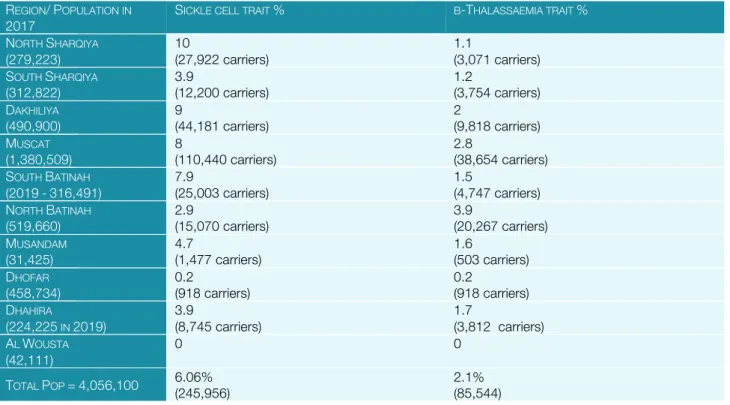
OMAN: Oman is a very high HDI ranking country with well organised health services. Current health indices indicate an infant mortality rate of 6.8/1000LBs and an under-5 mortality rate of 11.4/1000LBs. Haemoglobin disorders are prevalent in this population as demonstrated by a neonatal survey of 7,837 babies, where 5.46% were found to carry a HbS gene [50].
Micromapping of the country was conducted in 2003by screening6,342 children under 5 years of age, with overall findings: S-trait 6%, β-thalassaemia 2.1%, HbD 0.6%, HbE 0.3%, HbC 0.02%, G6PD 25% (M) and 10% (F) [51].
Table 3. Regional micromapping in Oman REGION/POPULATION IN
2017 SICKLE CELL TRAIT % Β-THALASSAEMIA TRAIT %
NORTH SHARQIYA
(279,223)
10
(27,922 carriers)
1.1
(3,071 carriers) SOUTH SHARQIYA
(312,822) 3.9
(12,200 carriers) 1.2
(3,754 carriers) DAKHILIYA
(490,900)
9
(44,181 carriers)
2
(9,818 carriers) MUSCAT
(1,380,509) 8
(110,440 carriers) 2.8
(38,654 carriers) SOUTH BATINAH
(2019-316,491) 7.9
(25,003 carriers) 1.5
(4,747 carriers) NORTH BATINAH
(519,660)
2.9
(15,070 carriers)
3.9
(20,267 carriers) MUSANDAM
(31,425) 4.7
(1,477 carriers) 1.6
(503 carriers) DHOFAR
(458,734)
0.2
(918 carriers)
0.2
(918 carriers) DHAHIRA
(224,225 IN 2019)
3.9
(8,745 carriers)
1.7
(3,812 carriers) AL WOUSTA
(42,111)
0 0
TOTAL POP =4,056,100 6.06%
(245,956)
2.1%
(85,544)
With these carrier rates, it is expected that there will be 0.121/1000LBs (26 new cases /year) on current birth rate) with β-thalassaemia syndromes and 1.48/1000LBs of sickle cell syndromes (about 180/year on current birth rate) each year. This calculation does not include the effect of consanguinity (coefficient 0.018).
From a TIF visit in 2019, it was noted that 591 β-thalassaemia patients were being followed in two central thalassaemia centres and some smaller centres in the periphery. These patients are regularly followed in the university centre according to guidelines, while in the general hospital there was a lack of multidisciplinary teamwork. The peak age is 20–30 years, with older patients increasing. Sickle cell patients are less regularly followed, and their numbers are estimated to be about 8,000.
Like all Gulf States, around 2 million (45% of the entire population) expatriates live in Oman, most of whom are workers from India, Pakistan, Bangladesh, Morocco, Jordan, and the Philippines – all high prevalence countries. These expatriates are not covered by the national health insurance scheme and so are expected to hold private insurance. The real numbers of haemoglobinnopathy patients in the expat community is not known.
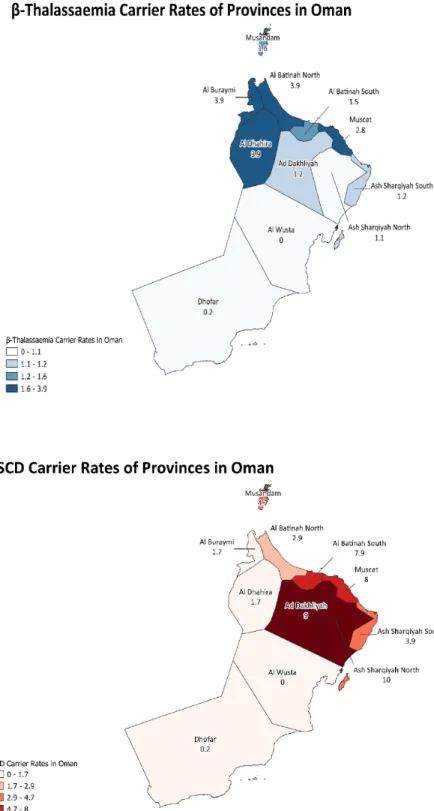
Figure 8 β-Thalassaemia carrier rates of
provinces in Oman based on data gathered by TIF.
PAKISTAN: Pakistan has a very large population of 233 million, of which 60% live in the province of Punjab, which has the most organised services. Much of the population, around 60%, live in underdeveloped rural areas and health expenditure per capita is very low ($22.56) while income per capita is also low at $2,500. This means that the prevalence and chronicity of haemoglobin disorders has led charity organisations to take over the creation of treatment centres, many of
Figure 9. SCD carrier rates of provinces in Oman based on data gathered by TIF.
which have developed their own blood banks and laboratories to support clinical care. The quality of the services offered by these centres varies considerably, as does the level of out-of- pocket expenses expected from families [52]. Some patients pay for blood transfusions and most pay for blood filtration. Laboratory tests are almost always paid out-of-pocket. A national charity organisation, Bait-ul-Mal, has also created treatment centres and provides financial support to many families. Regional governments support screening programmes, especially in Punjab and Sindh. Prenatal diagnosis is available in major urban centres (acceptance of termination of pregnancy is based on fatwas expressed at various times and locations [53].
Concerning the epidemiology of β-thalassaemia, there are regional and tribal differences in the prevalence of carriers. Some data are available concerning these differences, which indicate that there are 10–11 million carriers, or 4.5% of the total population [54]:
Table 4. The carriers of b-thalassaemia in the provinces of Pakistan
REGION REGION POPULATION CARRIER RATE (%) EST.NO. OF CARRIERS
PUNJAB 100 million 4.6% 4.63million
PATHAN 25 million 5.2% 1.3million
SINDHI 49.8 million 4.3% 2.1 million
BELUCHI 12.3 8.0% 1 million
URDU SPEAKING 30 million 5.3% 1.6 million
In one study in Karachi, in the province of Sindh, involving 202,600 subjects, the carrier rate was 5.2%. In a recent publication, the β-thalassemia (β-thal) trait frequency was reported to range between 5.0%–7.0%, thus, there are more than 10 million carriers in the country. Every year, around 5000 children are diagnosed with β-thalassaemia major [55]. Based on this data, it is expected that 0.9–1.0/1000LBs will be affected by β-thalassaemia and 0.077/1000LBs by sickle cell disease. With 6.4 million births per year in Pakistan, this means an estimated annual 6,334 affected births with thalassaemia and 490 annual affected births with sickle cell. These are approximate estimates and it should be remembered that consanguineous marriages are predominant in Pakistan. This rate is one of the highest in the world and is relatively constant over the last decades; it was 63.0% in 1990–1991, increasing to 67.9% in 2007–2008, and was still 63.6% in 2018 [56].
It is difficult to estimate the actual number of patients. Quality of care is variable and poor for the majority, so mortality in the early years is expected to be high. If all patients survive to 10 years, then at least 60,000 patients should be living, and this is the figure quoted by local experts. In a recent study from four centres, approximately half (52%) of the patients demonstrated severe myocardial iron overload (T2* <10 ms) and the majority (58%) were not on adequate chelation therapy [57]. Another characteristic study, reflecting not only Pakistan but most of Asia, referred to the outcomes of patient who are seriously undertreated [58].
In large countries with limited resources, keeping up with chronic and complex conditions is difficult. Pakistan, through an increasing private/public collaboration, acknowledged during a TIF visit in 2016 that it has been making serious efforts to raise standards. More control of the NGO / charity services, especially concerning quality of blood for transfusion, is in progress.
PALESTINE: The development of healthcare services is challenging in Palestine, with a population divided between the West Bank and Gaza. This division, as well as other political and social considerations, is reflected in the health indicators which are moderately high – IMR is 16.6/1000LBs (2019) and under-5 mortality rate is 19.4/1000LBs.
The carrier rate for β-thalassaemia in Gaza, calculated from 21,825 samples from the premarital screening programme, has been found to be 2.6% [59].The prevalence of β-thalassaemia trait in the West Bank is 3.5% [60]. The sickle cell gene is less prevalent, and reported to be 1.2% in the West Bank and 1% in Gaza.
Based on these estimates, the birth rate for β-thalassaemia patients is expected to be 0.4/1000LBs, 0.04/1000LBs for HbSS and 0.25/1000LBs for β thalassaemia/HbS. Therefore, in accordance to the current total births, and without considering prevention, the expected annual affected births would be about 53 with thalassaemia and 39 with sickle cell disease. The most recent information (unpublished 2018) from the local patient association indicated the existence of 864 thalassaemia patients in both Gaza and the West Bank and about 200 with sickle cell disease.
Obligatory premarital tests were adopted in Gaza in 2000, and within ten years the number of new β-thalassaemia births had dropped to zero [61]. Similar results have been shown in the West Bank. Some residual births do occur, but prevention remains effective, with an over 90%
reduction of new affected births. Prenatal diagnosis is accepted as part of the programme. (For more information, see Chapter 2 on prevention)
Government health insurance covers 75% of the population in both Gaza and the West Bank.
This allows free treatment for all thalassaemia patients since 2009. However, the political instability, especially in Gaza, limits the possibility of introducing services such as multidisciplinary care. Despite this, basic care (including blood transfusions and iron chelation) are provided and many patients are now in adulthood.
QATAR: A country with a well-developed economy and an income per capita of $65,000, Qatar also has well-developed health services. Infant mortality is at 5.7/1000LBs and under-5 mortality rate is 6.8/1000LBs. Carrier rates for β-thalassaemia are estimated to be 2%–3%, while for sickle cell the rate is 5%–6% in the indigenous population. However, 88% of residents in Qatar are foreign migrants, mainly from the Indian subcontinent. With such a large proportion of the population unstudied, the number of carriers cannot be accurately estimated and thus predictions of affected births cannot be made.
According to TIF’s latest reports, 500 patients with sickle cell disease and around 150 with β- thalassaemia are being followed in the country. The high standards of care are reflected in the many publications made by the Hamad Medical Centre. Expatriate patients can be covered by a Qatar expat health insurance plan.
TUNISIA: A country of the Mediterranean basin, Tunisia has both sickle cell and thalassaemia. β- thalassaemia carriers are reported to be 2.21% of the population, while the HbS trait is 1.89%
[63, 64]. Expected annual affected births are 0.122/1000LBs for β-thalassaemia and 0.3/1000LBs for sickle cell syndromes. Despite the lack of a systematic prevention programme, prenatal diagnosis has been available since 1994 [65].The latest report from local experts (unpublished) stated there were 742 thalassaemia patients and 1,526 sickle cell disease patients.
The HDI level is in the high level group (0.739), but health expenditure per capita is rather low ($250.5), and income per capita is $4,405. It is a middle-income country and health services are producing indices which are as expected from LMIC countries (IMR at 12.25/1000LBs and According to the latest study by Aldwaik et al. [62], the prevalence of thalassemia was 17.4 per 100,000 population in 2018, with a total number of 847 symptomatic thalassemia patients in both the West Bank and Gaza Strip. The age distribution of a 309 cohort of these patients is:
0–9 years: 20 (8.2%) 10–19 years: 69 (28.3%) 20–29 years: 110 (45.0%) 30–39 years: 28 (11.5%)
≥ 40 years: 17 (7.0%)
under-5 mortality rate is 16/1000LBs). Healthcare is free for all but there is a quality gap between the capital city and the periphery, especially affecting those with haemoglobin disorders. The low level of health expenditure restricts the provision of multidisciplinary care to few centres. In a centre-based study, it was found that LIC was over 15 mg/g dw in 25 % of patient [66]. This is in line with many clinical services across the world and supports the presumption of suboptimal treatment being provided, especially iron chelation.
UNITED ARAB EMIRATES: A Gulf State in the high income bracket and in the very high HDI rank, the United Arab Emirates have an income per capita at $43,000, about ten times higher than that of Tunisia in terms of current USD. This is reflected in the health indices where IMR is at 6/1000LBs and under-5 mortality rate is 7.5/1000LB.
Approximately 88% of the population are expatriates, of which almost 4 million originate from the Indian subcontinent. The burden of haemoglobin disorders is expected to be high, as shown in Table 4.
Table 4. Carrier rates in the United Arab Emirates
SAMPLE TYPE SAMPLE SIZE Β-THAL
CARRIERS HBE
CARRIERS HBS CARRIERS HBC
CARRIERS REFERENCE
EMIRATI CHILDREN 262 9.7% 4.6% Miller CJ et al
2003 [67]
UAE NATIONALS,
REGIONAL,
PREMARITAL
6,420 4.73% (Hb
Lepore added) 0.03% 2.9% Belhoul et al 2013
[68]
REGIONAL, TRIBAL,
PREMARITAL
5,672 2.3% Denice y al 2013
[69]
BEDOUIN 394 3% Al-Dabbagh 2014
[70]
PREMARITAL,
REGIONAL
17,862 2.98% 1.05% Salama et al
2016 [71]
NEONATAL SCREENING NATIONWIDE
22,200 0.58% 1.5% Emirati
0.8% non- citizens
3.2% Al Hosani et al 2005 [72]
NEONATAL SCREENING NATIONWIDE
750 365 0.83% (overall) 0.02% Al Hosani et al
2014 [73]
These studies demonstrate that there is an uneven distribution of haemoglobin disorders across the Emirates. It should be noted that most of these studies refer to the indigenous population, while the migrant population (around 80% of the total national population) may also contribute to the disease burden, since as seen in the other Gulf States, migrants are mostly from the Indian subcontinent, with a high haemoglobinopathy prevalence. Since only the neonatal studies refer to the total population and not just to Emirati citizens, we can only conclude that the HbS gene is carried by around 1% of the indigenous population. The β-thalassaemia gene frequency is less clear. The premarital screening sample of nearly 18,000 individuals however has shown a 3% carrier rate and is most likely to approximate the truth [68]. With these figures the expected
annual affected births of β-thalassaemia syndromes would be 0.230/1000LBs and 0.175/1000LBs with sickle cell syndromes.
Reported thalassaemia patients are about 2,000, and the number of sickle cell patients is unknown. The level of care is high with reference centres in major cities, which adhere to good clinical care guidelines. The large expat population is not covered by the national system but by private insurance, and charity organisations support thalassaemia patients to a significant degree. Even though reports on clinical outcomes are not published, the increasing use of electronic medical records for thalassaemia in the United Arab Emirates is expected to provide such data in the future [74].
EUROPEAN REGION
The countries selected for this report are generally chosen because of their high birth incidence of β-thalassaemia; nonetheless, in Europe a broader epidemiological study is attempted to include countries where, at the present time, migrations are impacting the epidemiological scene. The extent to which this is happening may challenge now and in the future the already robust national health services of many EU Member States. Considered under the umbrella term
‘rare disorders’ (as defined by the European Union), the increasing prevalence of this complex group of disorders requires further monitoring in the years to come.
ALBANIA: Albania is a country of just over 3 million people, which has been developing economically over the last few years; the HDI score was 0.644 (medium) in 1990, rising to 0.791 (high) in 2018. Income per capita was $5,353 in 2019, however out-of-pocket health expenditure is still high. Nonetheless, health indices are improving and the IMR is now at 8.6/1000LBs from a recent (2011) rate of 10.8/1000. Under-5 mortality rate is 9.7/1000LBs. A good level of care for thalassaemia patients is therefore expected and seems to be best achieved in Tirana and Lushnja. The rest of the country, especially in the southern, high prevalence regions, services for thalassaemia are still very basic. Full free iron chelation was introduced in the list of reimbursable drugs in 2018, according to the Compulsory Health Insurance Fund (HSCSA); this involved mainly generic deferasirox.
The β-thalassaemia carrier rate is recorded as being 5%, while HbS is 1.4%. It is estimated that the overall carrier frequency of β-thalassaemia and sickle cell anaemia is about 8%. The distribution is not even; the Adriatic coast, especially the region of Lushnja, has a high prevalence of β-thalassaemia (5.2%) as well as HbS (3.2%) [75]. A complete nationwide survey has not been conducted to-date. Based on limited data, the birth estimate for β-thalassaemia is estimated at 0.6250/1000LBs and 0.399/1000LBs for sickle cell syndromes. According to recent figures from the patients’ association, there are 356 thalassaemia patients and 174 sickle cell patients. In the most recent virtual meeting in September 2022, the doctors reported 291 thalassaemia major (180 Tirana, 110 Lushnje, 1 Fier) and 290 sickle cell syndromes (190 Lushnje, 5 Fier, 95 Tirana)
Albania has a universal healthcare system which is as yet underfunded, and thus thalassaemia patients do not benefit from coordinated multidisciplinary monitoring. Rough indicators of clinical outcomes include a rate of alloimmunization of 22.8% [76], HCV positivity of 28% and 12.6%
HBsAg positivity [77]. Shortages in blood supply were still reported in 2017 and hospital conditions where patients receive treatment were rather poor. However, in the most recent virtual meeting in September 2022, the national blood bank reported that the system is now centralized and that the bank is better equipped with increased safety. All three chelators are available and free of charge.
There is no MRI T2* scanning in Albania.
AZERBAIJAN: Micromapping of Azerbaijan for β-thalassaemia carriers has been reported by Hajiyev AB. at the 5th International Summer school 2008 [78](Figure 11). From this map the great variability in the distribution of carriers is demonstrated, showing the existence of hot spots. An overall carrier rate of about 10% is estimated based on this data. Earlier similar studies by Kuliev suggested a 6% carrier rate [79]. A more recent summation of the premarital screening programme (2015–2018) with 430,668 individuals tested, found 3.71% to be carriers [80, 81].
These are widely disparate results.
Figure 10. Micromap of frequency of β-thalassaemia gene carriers in different regions of Azerbaijan. (Source, Kuliev, 1994 [76]
Figure 11. Regional mapping (Source: Hajiyev, 2008 [78])
Reports on the premarital screening programme in 2017 and 2018 were based on large population samples from all over the country, and they included molecular verification where necessary. These are likely to be the closest to the truth, indicating that 20% of these marriages are consanguineous (previously reported coefficient 0.0103), while taking into account that in recent years’ urbanisation may have reduced this practice. According to the carrier rate, the expected annual birth rate for β-thalassaemia is 0.344/1000LBs and 0.164/1000LBs for sickle cell syndromes.
The total thalassaemia patients are estimated to be 1,350 while there are also around 200 sickle cell patients. Most patients are treated in the Republican Thalassaemia Centre in the capital city of Baku, including those living outside the city.
There is a steady improvement of the overall health performance in the country, as shown in the decline of the IMR from 54.6/1000LBs in 2009 to 18.2/1000LBs in 2020. Likewise, the under- 5 mortality rate was 45.6 in 2007 and is now 20.4/1000.
BULGARIA: The carrier frequency of β-thalassaemia in Bulgaria has been found to be 2.5% [82], with no HbS in the indigenous population. As in other countries, the geographical distribution of the affected population is not even, and according to local experts (unpublished) there is an average of 6% carriers in coastal areas. By calculation, the expected births are 0.1563/1000LBs, which roughly translates to 9–10 cases per year. There is no national registry, but an estimated total of 270–300 patients are followed in the three main centres (Sofia, Plovdiv and Varna). Thalassaemia patients are covered by the National Health Insurance Fund.
The health services in Bulgaria are able to support chronic diseases like thalassaemia, and the main treatment centres are able to offer treatment according to accepted guidelines. The effectiveness of the health infrastructure is reflected in an IMR of 5.6/1000LBs and an under-5 mortality rate of 6.7/1000LBs.
AUSTRIA: Austria is a central European country with a very low carrier rate of haemoglobin disorders in the indigenous population. Recent migrations from countries of high prevalence have introduced increasing numbers of carriers, and presumably patients, suffering from these conditions. The carrier rate and patient prevalence for either condition (v. thalassaemia or sickle cell disease) in Austria are not known since there is no national registry. Physicians estimate around 60 patients throughout the country.
Table 5. Origin of sickle cell carriers in Austria
COUNTRY OF ORIGIN IMMIGRANTS MPI DATA CARRIER RATE (%) EST.TOTAL NUMBER OF CARRIERS
Albania 1,834 1.4 26
Brazil 2,722 9.8 267
Greece 3,060 0.53 16
India 8,163 6 490
Iran 11,459 1 100
Iraq 3,101 1 22
Italy 26,099 2 522
Lebanon 1,147 2 23
North Africa 13,433 1.64 220
Nigeria 2,913 22 641
Other Africa 6,205 12 744
Pakistan 2,197 0.25 5
Turkey 125,026 0.44 550
TOTAL 207359 1.75 3,626
In a study conducted by TIF in 2015 (unpublished), it was noted that 3.3% of the Austrian population, i.e., 285,538, were migrants, all originating from high prevalence countries; 170,000 of these had arrived within the previous five years. This number may have increased even more during the 2016 refugee crises. It is expected that since 2010 haemoglobin disorders would have increased considerably across the country. Sickle cell is not included in the national neonatal screening programme.
Like most European countries, Austria has robust health infrastructure with an IMR of 3/1000LBs and an under-5 mortality rate of 3.5/1000LBs. Haemoglobin disorders are still very rare and treated in paediatric and adult haematology departments, mostly in Vienna. Each clinic has a small number of thalassaemia patients, with the adult clinic in Vienna having 15–20 patients (TIF visit report, 2019), and the paediatric clinic has 20. Expertise in case management and the development of reference centres in Vienna to support peripheral centres are ongoing initiatives.


![Figure 5. Micromapping of β-thalassaemia in Iran (Source: Miri M. et al 2013 [18])](https://thumb-ap.123doks.com/thumbv2/123dok/12091803.0/11.892.158.736.417.797/figure-micromapping-β-thalassaemia-iran-source-miri-2013.webp)