Volume 13 • Number 1 • 2023
OTORITAS : Jurnal Ilmu Pemerintahan
Published by the Department of Government Studies,
Faculty of Social and Political Sciences, Muhammadiyah University of Makassar
For further information, please visit: https://journal.unismuh.ac.id/otoritas ISSN: 2088-3706 (Print) | 2502-9320 (Online) | DOI : 10.26618
Firstpublished in April 2011
Please send all articles, essays, reviews, and documents to:
Regular Mail:
Department of Government Studies Faculty of Social and Political Sciences
5th Floor of Menara Iqra, Muhammadiyah University of Makassar Jl. Sultan Alauddin No.259 Makassar, 90221
South Sulawesi, Indonesia E-Mail:
OTORITAS : Jurnal Ilmu Pemerintahan is an internationally peer-reviewed open access journal published triannual in April, August and December, aims to publishes significant
and cutting-edge research drawn from all areas of politics and governmental studies and promotes scholarly, theoretical, pragmatic, and contemporary research, which makes a clear conceptual and methodological contribution to existing international
literature.
OTORITAS : Jurnal Ilmu Pemerintahan indexed by :
OTORITAS : Jurnal Ilmu Pemerintahan have been double blind-reviewed by international peer reviewers. The decision on whether the scientific article is accepted
or not in this journal will be the Editorial Board’s right based on peer reviewer's recommendation.
About the Journal
OTORITAS : Jurnal Ilmu Pemerintahan, with registered number ISSN 2088-
3706 (Print), ISSN 2502-9320 (Online), is an internationally peer-reviewed open access journal published triannual in April, August and December by Department of Government Studies, Faculty of Social and Political Sciences, Universitas Muhammadiyah Makassar in collaboration with Muhammadiyah’s College Association of Government Studies (AIPPTM) and Asia Pacific Society for Public Affairs (APSPA).
OTORITAS : Jurnal Ilmu Pemerintahan aims to publishes significant and
cutting-edge research drawn from all areas of politics and governmental studies and promotes scholarly, theoretical, pragmatic, and contemporary research, which makes a clear conceptual and methodological contribution to existing international literature.
OTORITAS : Jurnal Ilmu Pemerintahan Starting from 2015 it is available in e-
journal version and has been currently indexed by both national and international indexer institutions such as: ESCI Web of Science (International), DOAJ (International), ASEAN Citation Index (International), Dimensions (International), Garba Rujukan Digital (National), Google Scholar (International), Crossref (International), BASE (International), SINTA (National), and Indonesia One Search (National).
OTORITAS : Jurnal Ilmu Pemerintahan Starting from 2016 and for the
upcoming years, the process of manuscript submission and other management processes will be conducted online through Otoritas : Jurnal Ilmu Pemerintahan website and for the betterment of the quality and quantity of Otoritas : Jurnal Ilmu Pemerintahan qualified reviewers and editors are recruited. Besides that in the same year we collaborated with Muhammadiyah's College Association of Government Studies (AIPPTM) on the publication of this journal.
OTORITAS : Jurnal Ilmu Pemerintahan Starting from 2018, we collaborated
with Asia Pacific Society for Public Affairs (APSPA) on the publication and has
been accredited by National Journal Accreditation (ARJUNA) Managed by Ministry
of Research, Technology, and Higher Education of Republic Indonesia.
Focus and Scope
Otoritas: Jurnal Ilmu Pemerintahan (Journal of Political Science and
Government) promotes scholarly, theoretical, pragmatic, and contemporary research, making a clear conceptual and methodological contribution to existing international literature. Its spesific aim is to enhance the broad scholarly understanding of governance, public administration, public law, religion and politics, comparative politics, international studies, and democratic institutions in emerging countries.
Otoritas : Jurnal Ilmu Pemerintahan (Journal of Political Science and
Government) is committed to disseminating rigorous, high-quality research and
debate with a scientific influence on the international society. To that purpose,
the Editorial team follows a meticulous editorial procedure, bringing the most
sophisticated research on modern politics and governance to the academic
community and policymakers. The journal is online and has open access, and its
internal publication procedure enables it to distribute its research findings
internationally promptly.
Editorial Board
EDITOR-IN-CHIEF
Andi Luhur Prianto, Scopus ID: 57208214401, Universitas Muhammadiyah Makassar, Indonesia
MANAGING EDITORS
Nur Khaerah, Scopus ID: 57708938300, Universitas Muhammadiyah Makassar, Indonesia
ACCOCIATE EDITORS
Abel Kinyondo, Scopus ID: 55293738000, University of Dar Es Salaam, Tanzania Abel Polese, Scopus ID: 57201804952, Dublin City University, Ireland
Ilyas Mohammed, Scopus ID: 57221933986, University of Liverpool, United Kingdom Michael Hatherell, Scopus ID: 56433408300, Deakin University, Australia
Nursaleh Hartaman, Scopus ID: 57395318100, Universitas Muhammadiyah Makassar, Indonesia Riccardo Pelizzo, Scopus ID: 6507727385, Nazarbayev University, Kazakhstan
INTERNATIONAL EDITORIAL
Adam Tyson, Scopus ID: 35337925000, University of Leeds, United Kingdom
AKM Ahsan Ullah, Scopus ID: 10043791400, Universiti Brunei Darussalam, Brunei Darussalam Ahmad Harakan, Scopus ID: 57203222670, Universitas Muhammadiyah Makassar, Indonesia Andreas Ufen, Scopus ID: 24280605600, German Institute of Global and Area Studies, Germany
Farida Tadjine, Scopus ID: 57678049100, University of Kasdi Merbah Ouargla, Algeria Mergen Dyussenov, Scopus ID: 57190342068, National University of Singapore, Singapore
Mohd Afandi Salleh, Scopus ID: 55582821500, Universiti Sultan Zainal Abidin, Malaysia Mubashar Hasan, Scopus ID: 45861188500, Oslo University, Norway
Muh Firyal Akbar, Scopus ID: 57210750267, Universitas Muhammadiyah Gorontalo, Indonesia Ni Putu Tirka Widanti, Scopus ID: 57970637000, Universitas Ngurah Rai, Indonesia Nuryanti Mustari, Scopus ID: 57395318000, Universitas Muhammadiyah Makassar, Indonesia
Önder KUTLU, Necmettin Erbakan Universitesi, Turkey
Rudi Hardi, Scopus ID: 57395626900, Universitas Muhammadiyah Makassar, Indonesia Wolfgang Drechsler, Scopus ID: 36840148600, University College London, United Kingdom
EDITORIAL ASSISTANTS
Abdillah Abdillah, Scopus ID: 57697035900, Universitas Muhammadiyah Makassar, Indonesia Hamrun Hamrun, Scopus ID: 57395116400, Universitas Muhammadiyah Makassar, Indonesia
Table of Contents
The excellence scholarships program: Analysis of implementation aspects and societal impact
Achmad Kosasih1, Nurzela Eka Juniarfa2, Yusuf Fadli3, Adie Dwiyanto Nurlukman4, Abdul Basit5
1,2,3,4 Department of Government Science, Faculty of Social and Political Sciences, Universitas Muhammadiyah
Tangerang, Indonesia
5 Department of Communication Science, Faculty of Social and Political Sciences, Universitas Muhammadiyah Tangerang, Indonesia
1-15
How to deal with children’s violence? Implementation of child protection policies in Bekasi Regency, Indonesia
Aos Kuswandi1, Ainur Rofieq2, Siti Nuraini3, Noer Kholis4
1, 3, 4 Department of Government Science, Graduate School, Universitas Islam 45, Indonesia
2 Department of Government Science, Faculty of Social and Political Sciences, Universitas Islam 45, Indonesia
16-29
Unfolding women’s role in small-scale fishing community in The Philippines toward formulating a gender-sensitive local government policy
Joy Tricia Mae Corpuz1, Reynald Cacho2, Brenda Villamor3, Maria Gracia Samson4, Ma.
Sheila Simat5
12345 Philippine Normal University - South Luzon, Philippines
30-43
Regional head elections, high-cost politics, and corruption in Indonesia
Leo Agustino1, M Dian Hikmawan2, Jonah Silas3
1 Department of Public Administration, Faculty of Social and Political Science Universitas Sultan Ageng Tirtayasa, Indonesia
2 Department of Government Science, Faculty of Social and Political Sciences, Universitas Sultan Ageng Tirtayasa, Indonesia
3 Indonesian Politics Research & Consulting (IPRC), Indonesia
44-59
Territorial reform of areas with concentrated residence of minorities within decentralization policy under polyethnicity in Ukraine
Sierhiei Sakhanienko1, Natalia Kolisnichenko2*), Oleg Dolzhenkov3
1 Public Administration and Regional Studies Chair, Odessa Regional Institute for Public Administration of the National Academy for Public Administration under the President of Ukraine
2 Odessa Regional Institute for Public Administration of the National Academy for Public Administration under the President of Ukraine
3 Educational Management and Civil Service Chair, South Ukrainian National Pedagogical University named after K.D. Ushynsky.
60-79
The implementation of Sewakadharma work culture to improve public service quality in Denpasar City, Indonesia
Ni Putu Tirka Widanti
Departement of Public Administration
Postgraduate Program, Universitas Ngurah Rai, Indonesia
80-91
Mainstreaming state auxiliary agency to handling revenge porn victims in Indonesia, 2020-2021
Pamela Setya Miliasari1, Dede Sri Kartini2, Nandang Alamsah Delianoor3
123 Department of Government Studies, Postgraduate Program, Faculty of Social and Political Sciences, Universitas Padjajaran, Indonesia
92-110
Public service transformation trough digital-based services during Covid-19 pandemic in Riau Province, Indonesia
Panca Setyo Prihatin1, Pahmi Amri2, Agung Wicaksono3
1,2 Department of Government Studies, Faculty of Social and Political Sciences, Universitas Islam Riau, Indonesia
3School of International Relations and Political Science, Corvinus University of Budapest, Hungary
111-124
Islamophobia as a religious-based horizontal conflict and its resolution
Rodon Pedrason1*), Waluyo Handoko2, Paulus Israwan Setyoko3, Denok Kurniasih4
1 Departement of Defense Diplomacy, Faculty of Social and Political Science Universitas Pertahanan Indonesia, Kawasan - Indonesia Peace and Security Center (IPSC), Indonesia
2 Departement of Political Science, Faculty of Social and Political Science, Universitas Jenderal Soedirman, Indonesia
3,4 Department of Public Administration, Faculty of Social and Political Sciences, Universitas Jenderal Soedirman, Indonesia
125-140
Social capital as a political strategy: evidence from Nasdem Party in Makassar City, Indonesia
Suhardiman Syamsu1, Andi Muhammad Rusli2, Miranda Malinda Hamka3
1,2 Department of Government Studies, Faculty of Social and Political Sciences, Universitas Hasanuddin, Indonesia
3 Department of Social Anthropology, Faculty of Social and Political Sciences, Universitas Hasanuddin, Indonesia
141-155
Local development and enviromental governance: Experienced from extractive industry in East Luwu, Indonesia
Umar Congge1, Srirath Gohwong2
1 Departement of Public Administration, Faculty of Social and Political Sciences, Universitas Muhammadiyah Sinjai, Indonesia
2 Department of Political Science and Public Administration, Faculty of Social Sciences, Kasetsart University, Thailand
156-168
Policy model for development of tourism villages based on local wisdom towards self-reliant village in Pangandaran Regency, Indonesia
Yaya Mulyana1, Abu Huraerah2, M. Budiana3,Regan Vaughan4
1 Departement of Administration and Public Policy, Graduate Program, Universitas Pasundan, Indonesia
2 Departement of Social Welfare, Faculty of Social and Political Science, Universitas Pasundan, Indonesia
3 Departement of International Relations, Faculty of Social and Political Science, Universitas Pasundan, Indoenesia
4 Departement of Public Administration, Faculty of Social and Political Science, Universitas Pasundan, Indonesia
169-181
Article Guidelines
Article Title: Segoe UI, 14pt Bold, alignment centered, single-line spacing and All Caps. Article title should be written briefly and clearly. It shows exactly the issue to be discussed and should not create misinterpretations. Article title is written in capital letters symmetrically and does not contain unusual abbreviations. Express the main idea of a new article and followed by another explanation.
Author Details: Segoe UI, alignment centered, Article title, author's name (without academic degree(s)), and author's affiliate address are written in the center on the first page under the article title. The distance between title and author's name is double-spacing; meanwhile the distance between author's affiliate address and abstract title is single-spacing. Keywords should be written under abstract for each language. It is arranged alphabetically and separated by a semicolon consisted of 3-5 words. For Indonesian article, the title is translated into English at the beginning of English abstract (see the example above).
Corresponding Author should be marked with an asterisk and followed by a comma "*)" as the example above. At the bottom of the left column on the first page/abstract, it is written the Corresponding Author’s mark and his/her email address (see example). Article revisions and final decisions will only be communicated through the Corresponding Author’s email.
If there is more than one author, write the authors’ names separated by a comma (,). If the author's name consists of two words, the first name should not be abbreviated. If the author’s name consists of only one word, write his/her actual name in one word. However, the online version (HTML) will be written in two words consisting of the same name (repeatedly) for metadata indexation purpose (Camdali & Tunc, 2006; Fridman, 2008).
Introduction: Introduction consists of (in sequence) general background, state of the art as the basis for the scientific novelty statement of the article, scientific novelty statement, and research problem or hypothesis. In the end, introduction should mention the purpose of article review.
Literature review is not allowed in the scientific article format, so it is replaced by the state of the art to prove the novelty of the article.
Research Methods: Method is implemented to solve problems, including analytical method.
The method used to solve the research problems is described in this section.
Results and Discussion: This section consists of results and discussion. Every result should be supported by sufficient data. Then, result should be able to answer the research question or hypothesis stated earlier in the introduction.
Conclusion: Conclusion states the answer of the hypothesis and/or research objective or scientific finding. Conclusion is not the repetition of findings and discussion, but it is the summary of findings as expected in the objective or hypothesis. If necessary, conclusion can also be ended with the next idea to be implemented to the study.
Acknowledgment: Acknowledgment are primarily addressed to research funders or donors.
Acknowledgment can also be dedicated to people who contribute in the study.
References: All references used in the article should be listed in the References section.
References should contain reference literature originating from primary sources (scientific journals at least 80% of the entire references) published in the last 10 (ten) years. Each article contains at least 10 (ten) references. It is better to write the reference system in the article and in the references section using the reference management programs such as Mendeley, EndNote, Zotero, or others.
Publication Ethics
Otoritas : Jurnal Ilmu Pemerintahan, with registered number ISSN 2088-3706 (Print), ISSN 2502-9320 (Online) is a peer-reviewed journal, available in print and online and published tri-annual. This statement clarifies ethical behaviour of all parties involved in the act of publishing an article in this journal, including the author, the chief editor, the Editorial Board, the peer-reviewer and the publisher (Department of Government Studies, Faculty of Social and Political Sciences, Universitas Muhammadiyah Makassar in collaboration with Muhammadiyah’s College Association of Government Studies (AIPPTM) and Asia Pacific Society for Public Affairs).
This statement is based on COPE’s Best Practice Guidelines for Journal Editors.
ETHICAL GUIDELINE FOR JOURNAL PUBLICATION
The publication of an article in a peer-reviewed Otoritas : Jurnal Ilmu Pemerintahan is an essential building block in the development of a coherent and respected network of knowledge.
It is a direct reflection of the quality of the work of the authors and the institutions that support them. Peer-reviewed articles support and embody the scientific method. It is therefore important to agree upon standards of expected ethical behaviour for all parties involved in the act of publishing: the author, the journal editor, the peer reviewer, the publisher and the society.
Department of Government Studies, Faculty of Social and Political Sciences, Universitas Muhammadiyah Makassar in collaboration with Muhammadiyah’s College Association of Government Studies (AIPPTM) and Asia Pacific Society for Public Affairs as publisher of Otoritas : Jurnal Ilmu Pemerintahan takes its duties of guardianship over all stages of publishing seriously and we recognize our ethical and other responsibilities. We are committed to ensuring that advertising, reprint or other commercial revenue has no impact or influence on editorial decisions.
PUBLICATION DECISIONS
The editor of the Otoritas : Jurnal Ilmu Pemerintahan is responsible for deciding which of the articles submitted to the journal should be published. The validation of the work in question and its importance to researchers and readers must always drive such decisions. The editors may be guided by the policies of the journal's editorial board and constrained by such legal requirements as shall then be in force regarding libel, copyright infringement and plagiarism.
The editors may confer with other editors or reviewers in making this decision.
FAIR PLAY
An editor at any time evaluate manuscripts for their intellectual content without regard to race, gender, sexual orientation, religious belief, ethnic origin, citizenship, or political philosophy of the authors.
CONFIDENTIALITY
The editor and any editorial staff must not disclose any information about a submitted manuscript to anyone other than the corresponding author, reviewers, potential reviewers, other editorial advisers, and the publisher, as appropriate.
DISCLOSURE AND CONFLICTS OF INTEREST
Unpublished materials disclosed in a submitted manuscript must not be used in an editor's own research without the express written consent of the author.
DUTIES OF REVIEWERS:
Contribution to Editorial Decisions
Peer review assists the editor in making editorial decisions and through the editorial communications with the author may also assist the author in improving the paper.
Promptness
Any selected referee who feels unqualified to review the research reported in a manuscript or knows that its prompt review will be impossible should notify the editor and excuse himself from the review process.
Confidentiality
Any manuscripts received for review must be treated as confidential documents. They must not be shown to or discussed with others except as authorized by the editor.
Standards of Objectivity
Reviews should be conducted objectively. Personal criticism of the author is inappropriate.
Referees should express their views clearly with supporting arguments.
Acknowledgement of Sources
Reviewers should identify relevant published work that has not been cited by the authors. Any statement that an observation, derivation, or argument had been previously reported should be accompanied by the relevant citation. A reviewer should also call to the editor's attention any substantial similarity or overlap between the manuscript under consideration and any other published paper of which they have personal knowledge.
Disclosure and Conflict of Interest
Privileged information or ideas obtained through peer review must be kept confidential and not used for personal advantage. Reviewers should not consider manuscripts in which they have conflicts of interest resulting from competitive, collaborative, or other relationships or connections with any of the authors, companies, or institutions connected to the papers.
DUTIES OF AUTHORS Reporting standards
Authors of reports of original research should present an accurate account of the work performed as well as an objective discussion of its significance. Underlying data should be represented accurately in the paper. A paper should contain sufficient detail and references to permit others to replicate the work. Fraudulent or knowingly inaccurate statements constitute unethical behaviour and are unacceptable.
Originality and Plagiarism
The authors should ensure that they have written entirely original works, and if the authors have used the work and/or words of others that this has been appropriately cited or quoted.
Multiple, Redundant or Concurrent Publication
An author should not in general publish manuscripts describing essentially the same research in more than one journal or primary publication. Submitting the same manuscript to more than one journal concurrently constitutes unethical publishing behaviour and is unacceptable.
Acknowledgment of Sources
Proper acknowledgment of the work of others must always be given. Authors should cite publications that have been influential in determining the nature of the reported work.
Authorship of the Paper
Authorship should be limited to those who have made a significant contribution to the conception, design, execution, or interpretation of the reported study. All those who have made significant contributions should be listed as co-authors. Where there are others who have participated in certain substantive aspects of the research project, they should be acknowledged or listed as contributors. The corresponding author should ensure that all appropriate co- authors and no inappropriate co-authors are included on the paper, and that all co-authors have seen and approved the final version of the paper and have agreed to its submission for publication.
Disclosure and Conflicts of Interest
All authors should disclose in their manuscript any financial or other substantive conflict of interest that might be construed to influence the results or interpretation of their manuscript. All sources of financial support for the project should be disclosed.
Fundamental errors in published works
When an author discovers a significant error or inaccuracy in his/her own published work, it is the author’s obligation to promptly notify the journal editor or publisher and cooperate with the editor to retract or correct the paper.
125 Otoritas : Jurnal Ilmu Pemerintahan Vol. 13, No. 1, 2023
DOI: https://doi.org/10.26618/ojip.v13i1.9414
Islamophobia as a religious-based horizontal conflict and its resolution
Rodon Pedrason1*), Waluyo Handoko2, Paulus Israwan Setyoko3, Denok Kurniasih4
1 Departement of Defense Diplomacy, Faculty of Social and Political Science Universitas Pertahanan Indonesia, Kawasan - Indonesia Peace and Security Center (IPSC), Indonesia
2 Departement of Political Science, Faculty of Social and Political Science, Universitas Jenderal Soedirman, Indonesia
3,4 Department of Public Administration, Faculty of Social and Political Sciences, Universitas Jenderal Soedirman, Indonesia
Abstract
Keywords: horizontal conflict, anti-Islam sentiment, islamophobia, islamophobia resolution
*) Correspondence Author:
E-mail: [email protected]
Introduction
After the tragedy which was claimed as an Al-Qaeda terrorism attack which destroyed the twin towers of the World Trade Center (WTC) on September 11, 2001 in New York, sentiments of hatred towards Islam and Muslims increased significantly (Sirin and Balsano 2007). Since that incident, Islam has been considered as the most responsible for all problems of terrorism and extremist violence throughout the world.
Moreover, these acts of terror in the name of Islam as a justification for their actions (Mahfud et al. 2018).
Islamophobia is a complex issue to discuss, starting from history, to the terrorist and extremist acts behind it. The definition of the term Islamophobia itself is studied to look at this issue from the point of view of conflict with two perspectives of perpetrators and victims as well. This also includes the influence of the media in herding opinions and disseminating them, as well as the Islamophobia Resolution established by the United Nations as an effort to counter this anti- Islamic sentiment. Islamophobia is included in the category of a dangerous circle where if the chain is not immediately broken, discrimination will continue to occur, leading to violence that results in victims. Alignment between racism and Islamophobia is also important in order to build a narrative that both views are prohibited. There is no single solution to combat Islamophobia, but several efforts can be made to build awareness and integrate Islamic values with universal humanity values, and the Islamophobia Resolution is one of the initiatives for that.
126 Figure 1. Expressions of Hate by One Muslim Group
Source: State of Hate Report 2019
In England, a British soldier who was a veteran of the Afghanistan war, was brutally killed by two extremists who claimed revenge against British soldiers who were considered to be making Muslims suffer. In 2017, the perpetrator with the identity of Khalid Masood carried out a terror attack on Westminster Bridge which resulted in three people being killed and 29 people injured, Masood was called an ISIS soldier. Still in England, a suicide bombing after an Ariana Grande concert at the Manchester Arena killed 22 people, and left 59 others injured. The terrorist act was recognized by ISIS as part of its attack.
Indonesia also has its own record of a series of terrorism cases which include Islamic narratives in them. Among them in 2002, there was a bomb explosion which was said to be the second deadliest terrorist attack after the 9/11 WTC tragedy in the United States (Kellner 2004). This attack killed 200 people, and about 2,000 people were injured. It is known that Jamaah Islamiyah is the network behind this incident. In 2003 and 2004 there were also a series of terrorist acts in a number of places, including the National Police Headquarters, Soekarno Hatta Airport, JW Marriot, Australian Embassy, and in several areas such as Palopo Sulawesi and Immanuel Church in Palu City (Sim 2017). The data reported by the Center for Social Conflict and Radical Terrorism Studies at the University of Indonesia in 2015 summarizes that since 2010-2015 there have been more than 250 cases categorized as acts of terrorism in Indonesia.
These terrors built a perception of the world community, where all Muslims are considered to have the same potential to become terrorists. As well as Islam as a religion is considered to have teachings that refer to violence and terrorism. This perception made America release a list of immigrants who were considered potential terrorists since October 1, 2002 (Cherney and Murphy 2016). After the Bali bombing, the Australian government also issued a series of anti-terrorism regulations that included house searches of Muslims. In England, dozens of Muslims from South Asia were suspected of having terrorist ties (Poynting and Mason 2006).
127 The perception that Islam is a threat then develops into a special anxiety, which continues to fear and hatred of Islam and dislike of the Muslim community. This hatred and dislike has taken place in several western countries during the last twenty years where this hatred has been shown to be more extreme. This is justified by Wildan and Husein (2021) who said that the phenomenon of discrimination appeared in almost all European Union countries in various aspects of public life such as hijab, mosque construction, and housing. This phenomenon needs to be studied from the point of view of conflict, where a conflict should be seen not only from the aspect or side of the perpetrator, as so far it has been given more attention and attention, but also from the side of the victim. As conveyed Prajarto (2004) that the point of view of the victim really needs to be presented because the victim is an individual who can also become the perpetrator of the conflict in the future. The many negative impacts felt by victims make the community communally feel angry, traumatized, hateful, antipathy, to revenge. It was exacerbated by the herding of opinions carried out by interested people, and being disseminated in the form of information that was not entirely true.
That's what makes the conflict continuous.
Such as what happened when a van hit a crowd at the Finsbury Park UK Mosque in June 2017, as well as mass shootings at two mosques in Christchurch City, New Zealand, during Friday prayers on March 15 2019. As well as various other attacks aimed at Muslims as the output of the perception that Islam is a threat, as well as deep- rooted hatred for acts of terrorism in the name of Islam. On the other hand, many acts of terrorism in the name of Islam are also carried out by various Muslim groups who depart from backgrounds of victims of violence, or see Muslims globally as a community who are positioned inferior and often become victims. Thus, conflict victims who have the potential to become conflict perpetrators are a source of conflict resolution itself. So that resolution efforts are focused on recovering from traumatic understandings and awareness to get to know the religious group that is considered to be most responsible for the extreme actions up to terrorism earlier. This is expected to break the chain of continuous horizontal conflict outbreaks.
Research Methods
This research uses literature study as its research method. The literature study method is a series of activities related to library data collection methods, with the focus of activities including reading and taking notes, as well as managing research materials.
A literature study is carried out with the main objective of building a theoretical foundation and framework from a variety of literature selected based on the context studied. Data collection comes from books, journals, and scientific articles according to the concepts and theories used in dissecting problems.
Results and Discussion
Terrorist activities and the position map of the media's role when matrixed will lead to a relationship line between terrorism and the mass media (Prajarto 2004). On this basis, scrutiny of the media and its relation to the mission against terrorism, especially by the government, is important to study considering that the media is also used by terrorist groups to spread their threats and propaganda. Producing large-scale victimization is one of the main goals of terrorists around the world. As in the 9/11 attacks which claimed more than 3,000 lives, the clear aim was to provoke maximum public attention. Unfortunately, support for victims, both directly and indirectly due to the impact of terrorist acts, is often considered to be inadequate. This article analyzes
128 the situation of victims of terrorism within a theoretical victimological framework, and legislation that favors victims of terrorism from a comparative perspective (Albrecht and Kilchling 2010).
Victims of violence due to acts of terrorism are called very important to receive more comprehensive attention. Because if it is not handled properly, this can transform into new seeds of conflict in the future. So that it becomes crucial because the handling of victims of acts of terrorism by the government so far has not been carried out optimally (Pratiwi, Malik, and Setiawan 2020). Three countries namely Austria, Belgium and Germany to represent European Union countries for the phenomena of discrimination and Islamophobia whose numbers have risen significantly in line with the increasing number of Muslim population there. Various cases of discrimination and Islamophobia are presented, as well as the internal dynamics of the Muslim community regarding the culture and challenges of discrimination that occur there (Wildan and Husein 2021).
Anti-Islamic Sentiment Before 9/11
At the beginning of the narrative it is said that the biggest trigger for the emergence of Islamophobia is the existence of acts of terrorism in the name of Islam in various parts of the world which were pioneered by the 9/11 tragedy. However, in reality, sentiment towards Islam had existed for years before the shocking tragedy in the United States occurred. The Runnymede Trust, an institution that focuses on issues of racial equality published its report in 1997, in which through its report Islamophobia is defined as groundless hostility towards Islam which results in discriminatory behaviors against Muslims (Allen 2016). The Runnymede trust, commission on British Muslims and Islamophobia has been studying and analyzing Islamophobia since 1995.
The commission reports that Islam is perceived as a threat, both specifically in the UK and globally. Islam is even said to be a substitute for Nazi to communist forces because it contains images of invasion and infiltration. This is part of the evidence that the sentiment towards Islam which developed into an anti-Islamic view to Islamophobia had existed long before the 9/11 tragedy.
Not only in social life in general, discrimination against Muslims has also affected the life of the nation and state. As was done by the Chinese government in appointing imams for the Uighur minority who were considered to have violated the limits of Muslim freedom, as well as in the Amendment to the 1912 Law on Islam in Austria, where the amendment regulates the content of Islamic teachings and determines Muslim clerics starting from recruitment, training , until its transfer (Shaheed 2021).
The question is why sentiment towards Islam can develop so far? After 2001, of course, this was greatly influenced by the 9/11 tragedy, but in the years before that, anti-Islamic views and Islamophobia have proven to have spread massively. One of them is caused by the phenomenon of anti-Asia, anti-Arab, anti-immigrant which then transforms into anti-Muslim and anti-Islam and is followed by discrimination and terror attacks (Poynting and Mason 2007).
Still based on The Runnymede Trust, the report indicated that the media played an active role in spreading narratives of hatred against Islam, especially in England between 1992-1997. As shown in the following report:
129
“Massacre by Muslim rebels in last night's attack,” read a headline in the Guardian (23 April 1997), without further specifying that those killed were also Muslims, or that the government the rebels were fighting was also Muslim.
“Slaughtering goats, burning books, mutilating teenagers… and they still want me to respect the Muslim way?” said the headline People (January 15, 1995) next to a photo of a Muslim praying.
Two examples of the many headlines that use negative framing of Islam, by the media in England. The image of Islam immediately becomes bad and is synonymous with violence and even terrorism. In addition, Islam is also considered as a monolithic religion and contains teachings that are contrary to universal values. Like the hijab worn by Muslim women which is considered to limit women's freedom, polygamy is misinterpreted as a Muslim tradition and qisas punishment which is considered as violating human rights. Therefore, many people doubt the possibility of Muslims integrating into western culture (Shihab 2011).
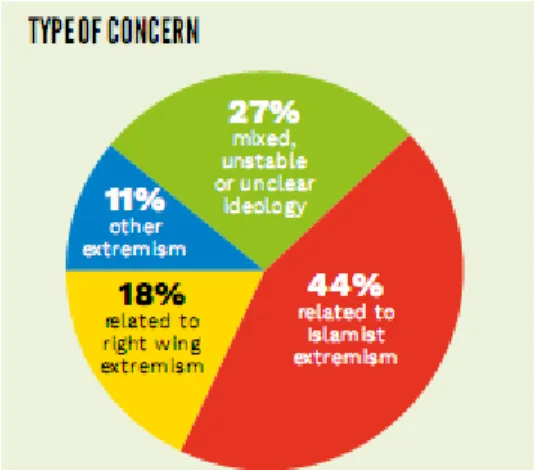
Figure 2. British Public Perceptions of Terrorism Source: State of Hate Report 2019
Based on this percentage, it is certainly not an exaggeration if the term Islamophobia is used as the most definitive description of the view of the majority of society towards acts of terrorism. Meanwhile, the term Islamic extremist makes it seem as if the extremist context and Islam are one unit. It doesn't matter that these extremist groups in the name of Islam are only a small part of the large Muslim community, so they are unable to represent the true characteristics of Islam.
Islamophobia as a Religious-Based Horizontal Conflict
The spread of anti-Islam sentiment which led to discrimination and Islamophobia is a form of religious-based horizontal conflict. This horizontal conflict is not only worldwide, but has also been going on for a very long time and has unknowingly created so many cases of violence over deep-rooted hatred. In Indonesia itself, as a country with the largest Muslim population, we do not experience it directly.
However, that does not mean that the social life of the people here does not have negative implications for this issue. Especially with the multiculturalism that characterizes the people here.
Moreover, Indonesia is also one of the countries that has a record of terrorism cases in the name of Islam which are not small and not small. This has led to various debates and divisions, both among Indonesian people in general, and among Muslims
130 in particular. Some feel that within the Muslim community itself it really needs to be corrected. Some others feel that Muslims should fight, which then creates a new dichotomy about how Muslims should fight. Most believe Muslims must fight intellectually and prove that Islam is a tolerant religion, and there are others who justify extreme actions as a form of resistance.
The people feel angry because they think that their religion has been tarnished and misused, causing a negative stigma not only among the Indonesian people, but also in the international world. Broadly speaking, conflicts with a background of religious sentiments that spread among civil society have become prolonged horizontal conflicts (Rudolph 2018). This causes people to be afraid and feel insecure in carrying out their daily lives, especially with people of different groups, religions, or foreign nationals who are targets of acts of terrorism.
It becomes very complex and seems like an endless vicious circle. Therefore it is important to see horizontal conflict from two perspectives, namely the perspective of the perpetrator and the perspective of the victim. However, both parties, namely Muslims and those who have hatred against Islam, both feel that they are in the victim's position. Where when the victim feels quite a lot of negative impacts such as physical injury, trauma, loss of relatives, or loss of job. This then makes the victim potentially involved in conflict by carrying out attacks or revenge so that the victim can transform into the perpetrator of the conflict (Malik 2017).
Acts of terrorism in the name of Islam, of course, make many parties position Muslims as perpetrators. On the other hand, anti-Islamic sentiments to extreme actions aimed at Muslims have made the position of Muslims here as victims. Based on these two sides, it is important for the world community to see from both sides, in order to avoid blind spots that trigger each party to feel the most correct of their views.
From the data that has been described, acts of terrorism in the name of Islam are indeed not small. Victims to the losses incurred are also very large. Not to mention the impact of global hatred, acts of terrorism have always succeeded in dividing the world community so that it has a long-lasting negative effect. For example, the deadly tragedy of 9/11 which killed thousands of people. As well as the presence of the ISIS group which is known to be sadistic and inhuman. Apart from the conspiracy theories that accompany it, the 9/11 tragedy and the presence of ISIS have created a lot of trauma and deep hatred towards the perpetrators and their groups, which in this case are groups that claim to carry out jihad missions in their actions. This case makes the Muslim side can be seen as perpetrators and victims as well as being the most to blame.
On the other hand, there are not a few cases where Muslims are not only victims of hatred and discrimination, but also violence. As many as 130,000 Rohingya Muslims are imprisoned in 24 internment camps in Rakhine, Myanmar, where they are placed in unfit conditions as well as physically abused and forced confinement. In China, there are reports that Muslim Uighur women are being systematically raped, abused, and tortured in so-called "re-education" camps in Xinjiang Province. Not to mention hate crimes against Muslims between 2014 and 2019 which recorded more than 10,000 Islamophobic incidents across the United States, ranging from stabbings to mass shootings (Shaheed 2021).
131 Muslim women are also the most frequently targeted for verbal abuse, harsh words, to physical intimidation and death threats in public spaces. In a survey, it was said that 96% of Muslim women in Australia had experienced these things, especially when wearing the hijab (Shaheed 2021). Not to mention the effects of the terrorist attacks in 2015 in Paris and in San Bernardino, United States of America, which caused hate crimes against Muslims to increase threefold worldwide. Even in 2017, the United States Government through Executive Order No. 13769 (the same as the Presidential Decree in Indonesia), prohibits immigrants from seven Muslim countries from entering their country. This order received protests and criticism from various parties because the rule entitled "Protecting the Nation from Foreign Terrorist Infiltration into the United States," was considered a prohibition for Muslims as well as containing anti- Islamic sentiment with the diction "foreign terrorist" used in the rule.
These data are considered sufficient in proving that Muslims receive discriminatory treatment up to torture and murder in various countries as a result of hatred. In the two examples of cases, both terrorism and anti-Islam based violence, both of them contributed to widely placing Muslims as victims. Although it cannot be denied that the perpetrators in terrorism cases are Muslim militant groups, which are not necessarily motivated by religion. From various sides it can be seen that it is humanity that is truly the victim, and the real perpetrators are extremists from any party.
Starting from the victim's perspective, this is often used as a "scapegoat" by militant groups within the Muslim community, to then use the cover of "jihad" in justifying their acts of revenge. This is a kind of endless loop or repetition if neither party breaks the chain of hatred or misunderstanding that has already spread.
Not only in western countries, the narrative of Islamophobia has spread throughout the world, including Indonesia. In recent years, this narrative has even been used as an instrument of identity politics in the five-year contest. In Indonesia, Islamophobia is used as an instrument of power that takes advantage of public identity sentiments to gain this power (Supriyadi 2015; Syarif, Mughni, and Hannan 2020).
The black campaign, which uses Islamophobic narratives to attack opposing parties stems from the politicization of religion and ethnicity, has a very negative impact on the process of rotation of power thereby weakening the reality of Indonesia's diversity as a plural nation(Syarif et al. 2020). Accusations against the government as a party with Islamophobic views are also frequently heard. From news articles to social media, the Jokowi regime is labeled as an Islamophobic regime by government opposition groups(Irawan and Nasution 2021). This gave rise to various kinds of debate, friction, to trigger horizontal conflict between various parties.
The term Islamophobia
There are so many names in the discussion of this religious-based horizontal conflict. Need a term to simplify or equate the context in an effort to build awareness of this problem. This article also repeatedly mentions anti-Islam sentiment, discrimination, and Islamophobia. It is important to first define the meaning and significance, before discussing this issue further from various angles.
132 First, anti-Islam sentiment is a view based on exaggerated feelings towards Islam in a negative way. This exaggerated feeling can be motivated by experience, environment, media influence or even have no basis at all. While discrimination and Islamophobia, according to the American Psychological Association, discrimination is defined as "unfair or detrimental treatment of persons and groups based on characteristics such as race, religion, gender, age or sexual orientation," (Mohamed Nawab Bin Mohamed Osman 2017). Whereas Islamophobia is defined as “a term used to describe irrational hostility, fear, or hatred towards Islam, Muslims, and Islamic culture, as well as active discrimination against groups or individuals within them,”(Wildan and Husein 2021).
This term was first met in 1912, and was reintroduced by a research-based commission in England called the Commission on British Muslims and Islamophobia, in its report entitled The Runnymede Trust in 1997. This term refers to its initial development in western countries, and started worldwide since the 9/11 incident in 2001. In the report the term Islamophobia is defined as baseless hatred. Meanwhile, in general, Islamophobia departs from various stigmatizations against Muslims, such as
"radical," "extremism," to "terrorists."
Furthermore, Islamophobia as a socio-religious term began to be commonly used in the late 1980s to describe fear and hatred of Islam and Muslims and the context of social groups (Saeed 2007). So that in terminology, Islamophobia refers to fear, hatred which is manifested in perceptions and attitudes of resistance to Islam and Muslims, especially when seen as a source of terrorism problems (Tudor and Egorova 2003).
Even though it contains the word "phobia" in it, this term is not part of clinical psychological symptoms such as fear of heights (acrophobia) and so on. This term refers more to an exaggerated view that has implications for a negative attitude aimed at Islam and its adherents. This term can be aligned with racism, apart from being a horizontal sentiment, Islamophobia is also included in the category of social issues rather than religious issues. In fact, according to the definition published by the British Parliament in 2018 regarding British Muslims, it is said that Islamophobia is rooted in racism and is a type of racism that targets Muslims or matters that deal with Muslims (Poynting and Mason 2006).
Islamophobia is known to have various views, some specifically hate Muslim women who wear the hijab, and those who generally hate all Islamic practices, attributes and symbols. However, all of them still refer to the same stereotype that Islam is a religion that is close to violence. In Europe in particular, Islam is considered very much against the culture and way of life of western people. This is marked by the development of mentions of Muslim migrants in Europe who used to be referred to as
“guest workers”, “foreigners”, “Muslims” (Ceylan 2017; Penninx 2005), in recent years the terms have begun to change to negative connotations such as “economic migrants”, “refugees”, “threats” to “terrorists” (Bayraklı, Hafez, and Faytre 2018).
In numbers, there has also been a significant increase in the phenomenon of Islamophobia. Based on Austria's Dokustelle Islamfeindlichkeit und antimuslimischer Rassismus (Office for documentation of Islamophobia and anti-Muslim racism) found an increase of around 74% anti-Muslim racist acts from 309 cases in 2017 to 540 cases in 2018(Wildan and Husein 2021).
133 Although the term Islamophobia is not a relatively new word, the use of this term globally is still relatively new in line with the increase in anti-Islam sentiment in recent years. The use of this term is believed to play a role in efforts to correct perceptions, as well as to provide a more consistent emphasis on building dialogue and dealing with practices related to anti-Islam sentiment. Positioning Islamophobia as an issue that is in harmony with racism also has its own goal, namely to remind the world community that Islamophobia is something that should be banned, just like racism.
Discrimination Controlled by the Media
Talking about the media is talking about power in distributing information and forming public opinion, regardless of whether the information or opinion disseminated has truth that can be accounted for or not. In relation to Islamophobia, much of the news, especially in the western media, tends to be negative and contains stereotypes of extremism and terrorism as synonymous with Islam. This is certainly very dangerous considering the role of the media which is so strong in leading public perceptions.
European Network Against Racism (ENAR) in Brussels which states that the main source of the negative image of Muslims in Belgium is media coverage which states that Muslims are one of the five dangerous communities in Europe(Wildan and Husein 2021). Likewise in the United States, the American media reported that Muslims as a community have the potential to produce extremism and brutal acts (Said 2008).
The media industry, which often gets intervention from politicians, capital owners and interested people, makes reporting far from objective. In fact, although not part of the three pillars of power, the media is often the last hope and is even considered the fourth pillar of power when a system is judged to be corrupt or not based on justice. So, if discrimination is actually distributed by the media, then you can imagine how massive the negative perception that is built on something. In this case, the negative perception that is built is the perception of Islam. As found in a study from the European Commission Against Racism and Intolerance (ECRI) that more than 600,000 stories published in 2016 and 2017 in the Netherlands, used the adjectives
“radical,” “extremist,” and “terrorist,” in describing Muslims(Shaheed 2021).
An organization that oversees all Muslim groups in Austria (IGGiÖ), also said that many of their activities were not appreciated by the media but instead looked for weaknesses, fundamentalist and extremist elements in them. Carla Amina Baghajati as spokesperson for IGGiÖ explained that it took eight years for this organization to finally be approved by the Austrian government. Baghajati conveyed further that the negative framing by the media for their reporting on Islam is undeniably caused by the presence of extremist elements in Muslim society, but this is only a small part and should not be used as a full representation of Muslims. “Of course, we do not close our eyes to the existence of extremist groups in society. But we feel that the groups are very small in number, and they don't congregate at mosques in general,"(Wildan and Husein 2021).
Based on these data, it is not surprising that Islamophobia is spreading so quickly and widely. News about terrorism cases carried out by Muslim extremist groups always emphasizes the religious identity of the terrorists, but the opposite does not apply when a terrorist attack is carried out by extremists from another group. This is because in general in Europe and the United States, many parties including prominent politicians, influencers and academics believe and build their discourse through the
134 media that Islam is innately contrary to universal culture, democracy and human rights.
They even think that all Muslims actually feel oppressed in carrying out their own religious teachings.
Not much different from narratives about Islam that are built on social media with a higher level of freedom, so that hateful content and expressions are so easy to find. On the positive side, Muslims have the same opportunity to build narratives or express themselves in proving that Islam is a religion that is tolerant and able to integrate with various cultures and uphold human rights. So far, many Muslim intellectuals and intellectuals have open-mindedness towards Islam, building channels and accounts containing content that rectifies narratives about Islam and other erroneous narratives, as well as various other educational content. Two of them are Nas Daily and Project Nightfall, whose content is quite global.
Indications of Islamophobia are also often found in works of art which are forms of expression of the views of a person or group of people. Among them is a film called Innocence of Muslims which was made by an American citizen. The film was considered insulting to the Prophet Muhammad, triggering protests from various parts of the world, including Indonesia. There is also a caricature that was also deemed insulting to the Prophet Muhammad by the Charlie Hebdo newspaper in France. The artwork then sparked a revenge act that killed twelve Charlie Hebdo employees as a result of a mass shooting by three gunmen who were suspected of being members of Al-Qaeda.
Islamophobia Resolution
Islam, which has made a major contribution in advancing science and building civilization, should be able to integrate more easily with various cultures in the world if Islamophobia can be stopped or at least reduced. Such as in Europe, where Islam in general has historical ties with European Union countries so that reciprocally impacts many social and economic benefits.
There needs to be some kind of assimilation between Islam and European culture, which can shape European Islam which considers the local context in its interpretation of religion(Wildan and Husein 2021). Like Islam in Indonesia, which uses an approach that tends to be moderate, democratic, and non-violent in both religious, social and political life (Safei 2021). So that it is friendly with the diversity that is characteristic of Indonesian society. Likewise with its application in various countries that have their own cultural characteristics.
Talking about culture, it is important for the world community to start seeing Islam separately from the culture where Islam originated or was first passed down. Arab and Islamic cultures are often seen as one entity when the two actually come from different contexts. Arabs are a nation and culture while Islam is a religion, both of which have experienced acculturation so that it seems as if Arabs are Islam and Islam is Arab.
This has a negative impact because many customs of the Arab nation, including those that are bad or jahiliyah (in the term commonly used by Muslims) are considered Islamic teachings. Not only Arabs, all nations and cultures throughout the world certainly have flaws and bad sides, so that the arrival of Islam is believed by its adherents as a guide to correct and straighten out what is bad from humans in each culture.
135 In line with a European of Egyptian descent, Tariq Ramadan, who said “We need to separate Islamic principles from their culture of origin and relate them to the cultural realities of Western Europe. I can incorporate anything that is not against my religion into my identity and that is a revolution. In addition, he also considers that the true Muslim identity is fully open, dynamic, interactive, and able to adapt wherever they are.
"So, when Muslims can complete the spiritual and ethical modalities of harmonious life through real integration, they will create a European Islamic culture," (Wildan and Husein 2021).
On the other hand, Muslims also cannot fully assume that the formation of Islamophobia is a western mistake. Muslims must look objectively, both from a cause- and-effect perspective, as well as from various cultural perspectives, not all of which are easy to accept Islam, especially if it is presented in a rigid, closed, intolerant manner and appears to be under pressure. All people from various cultures, backgrounds and religions should see extremist groups in any name, as real opponents. Likewise Muslims, providing a tolerant view of acts of violence will only harm Muslims and Islam itself in the end.
The rest, the government's role is needed in realizing harmonization among religious communities. Like in Portugal, where Muslims there live peacefully side by side with the majority of the population who are non-Muslims. In fact, they claim to have never experienced "Islamophobia" events seriously(Sa‟adi 2021). There are 488 Indonesian expatriates in Portugal and 384 (78%) of them are Muslims, which justifies this. This is due to the policy of the Portuguese government which is neutral towards Muslim immigrants, and even supports religious facilities, organizations, and the freedom of Muslims and any religion in worship. In line with the secular democratic principles adopted by the Republic of Portugal.
Even so, there is no single strategy or solution to a complex issue such as Islamophobia. However, for Muslims, integrating identity with the culture in which they live is the best way to deal with this problem. Identity integration, which means showing a dynamic side, being tolerant of differences, and participating in fighting for humanity in general. Whereas in countries where Islamophobia originates and continues to increase, it is hoped that they will not issue discriminatory policies and regulations against Muslims, especially with the liberal ideology that is carried by the majority of western countries. Where human rights should be upheld, and freedom of religion is protected.
Last but not least is dialogue, both interfaith dialogue, and between policy makers from various countries. Even though dialogue is considered unable to immediately resolve conflicts, as stated by Rene Garfunkel,
“Dialogue is an important step to change attitudes and lay the foundations for building peace in the future. Interfaith meetings in themselves do not resolve conflicts, but are an important step towards changing attitudes towards an issue so that it can help lay the foundations for building cooperative peace in the future”.
Just like terrorism, Islamophobia must also be fought jointly by all parties. The first resistance that can be done to build resistance is dialogue. As was done by a combination of Non-Govermental Organizations (NGOs) in Bristol, spearheaded by
136 Stand Against Racism & Inequality (SARI), they hold regular conferences with the aim of building initiatives in reporting cases of Islamophobia. With the hope that society in general and the most disadvantaged parties in particular, will not submit and perpetuate hatred.
This effort can be modeled and practiced in various countries that are known to be affected by Islamophobia. Moreover, SARI has also formed a group that brings together representatives of the Muslim community, the police and other agencies in several regions in England. "We want the media to be able to ensure there are messages that are positive while respecting the Muslim community in this city," Alex Raikes, SARI's representative, told the BBC. Resistance efforts also emerged from the All Party Parliament Group (APPG) by creating a definition asserting that Islamophobia "is rooted in racism and is a type of racism that targets the perception of Muslims as its target,".
Given the global nature of this issue, the United Nations (UN) has also played a role in fighting against Islamophobia. The United Nations issued an Islamophobia Resolution which contained a declaration and stipulation of the International Day Against Islamophobia which falls on March 15 each year. In its declaration, the UN General Assembly also invites all UN members and organizations related to the UN system as well as international, regional, private sector, faith-based organizations and the general public to raise awareness of Islamophobia and jointly fight against it. The following is the contents of the declaration entitled "International Day to Combat Islamophobia."
The General Assembly,
Reaffirming the purposes and principles of the Charter of the United Nations and the Universal Declaration of Human Rights, for the promotion and protection of all human rights and fundamental freedoms for all persons,
Recalling its relevant resolutions, including resolution 75/187 of 16 December 2020 on combating intolerance, negative stereotyping, stigmatization, discrimination, incitement to violence and violence against persons, based on religion or belief, and resolution 75/188 of 16 December 2020 on freedom of religion or belief,
Recalling also its resolution 36/55 of 25 November 1981, by which it proclaimed the Declaration on the Elimination of All Forms of Intolerance and of Discrimination Based on Religion or Belief, and its resolution 73/296 of 28 May 2019, in which it decided to designate 22 August as the International Day Commemorating the Victims of Acts of Violence Based on Religion or Belief, Emphasizing that freedom of religion or belief, freedom of opinion and expression, the right to peaceful assembly and the right to freedom of association are interdependent, interrelated and mutually reinforcing, and stressing the role that these rights can play in the fight against all forms of intolerance and of discrimination based on religion or belief,
Recognizing with deep concern the overall rise in instances of discrimination, intolerance and violence, regardless of the actors, directed against members of