Department of Psychiatry and Behavioral Sciences, Department of Psychology and Neuroscience, and Department of Medicine, Duke University School of Medicine, Durham, NC, USA. Department of Geriatrics and Extended Care, Greater Los Angeles Veterans Healthcare System, Los Angeles, CA, USA.
Ethnogeriatrics Foundations: Defi ning Key Terms and Concepts
A person with origins in any of the original peoples of Hawaii, Guam, Samoa or other Pacific Islands. White A person with origins in any of the original peoples of Europe, the Middle East or North Africa.
Between and With-In Group Heterogeneity in Health
Explaining Racial and Ethnic Health Disparities
- Historical Context
- Psychosocial and Individual Level Factors
- Social Networks
- Environment
In addition, African American seniors are more likely than white seniors to incorporate nontraditional self-care strategies, such as home remedies, to manage chronic conditions. African American elders are more likely than whites to live with a child or grandchild [66.
Challenges to Providing Health Care in an Aging and Diverse Population
Inadequately Prepared Health Care Workforce
Lack of diversity in the clinical care and management workforce is associated with health care access and quality of care, particularly for minorities [96. Minority physicians are more likely to provide care to minority and underserved patients [99], and racially consensual patient-provider interactions are associated with higher levels of patient satisfaction and trust.
Organizational and Structural Health System Challenges
Recent statistics indicate that while African Americans, Hispanics/Latinos, and Native Americans collectively make up about 25% of the US, implicit and unconscious cognitive processes can influence physicians' perceptions of patients and social categorization based on physical characteristics. such as race/ethnic stereotypes among physicians.
Gaps in Knowledge
To provide health care for the changing demographics of the population, further research related to health and aging in other racial/. Many Native Americans/Alaska Natives live in rural settings, making access to health care challenging.
Key Points
Health care provided by the Indian Health Service, a federally funded program, is the primary channel of health care for many of the members of these communities [112. Available data show that immigrants experience unique barriers related to health care, including limited knowledge of the U.S.
Race and health profiles in the United States: a social gradient study through the 2009 CHIS adult survey. Racial and ethnic disparities in health care access and health outcomes for adults with type 2 diabetes.
Historical and Conceptual Foundations of Ethnogeriatrics
Historical Development of Ethnogeriatrics
- Ethnogeriatric Education
- Clinical Ethnogeriatrics and Ethnogeriatric Research
Mary Harper of ADAMHA, who was a great advocate for the development of the field of ethnogeriatrics [6. The decade of the 1990s saw increasing emphasis on ethnogeriatrics in healthcare training programs in various disciplines, in multidisciplinary education and in policy discussions, as well as development of a comprehensive model curriculum.
Conceptual Foundations of Ethnogeriatrics
- Demographics : Our Ethnogeriatric Imperative
- Epidemiology : Risk of Diseases Among Diverse Elders
- Acculturation: Cultural Competence and Cultural Humility
- Historical Experiences: Cohort Analysis
- Clinical Skills in Ethnogeriatric Care
A large part of the relevance of ethnogeriatrics lies in the importance of bringing insights into unique cultural issues affecting the health care of older adults. Some of the important skills geriatric providers need to care for the increasingly diverse population of the US.
Conclusion
Examples are the importance of dying facing Mecca, washing the body of the deceased, and regulations on who should perform the washing. Doorway thinks: cross-cultural nursing for older adults, From the Committee on Ethnogeriatrics of the American Geriatrics Association, vol.
Introduction-Aging, Race, and Ethnicity
The racial and ethnic term of African American and the color term of Black have largely the same meaning in the United States. While Title VII does not define "color," the Courts and Commission interpret "color" in its commonly understood meaning: pigmentation, skin color, or skin color or tone.
National and International Projections for Racial and Ethnic Composition
- European Patterns
- Geographic US Patterns
- Impact of Immigrants
American Indian and Alaskan Native populations are among the smallest populations in the United States. While many of the longer-term immigrants have nearly the same Social Security eligibility as the native-born (80.7% vs. 88.6%), the newer immigrant's qualifications and amount of benefits vary based on years since immigration and can range from 22 .5 to
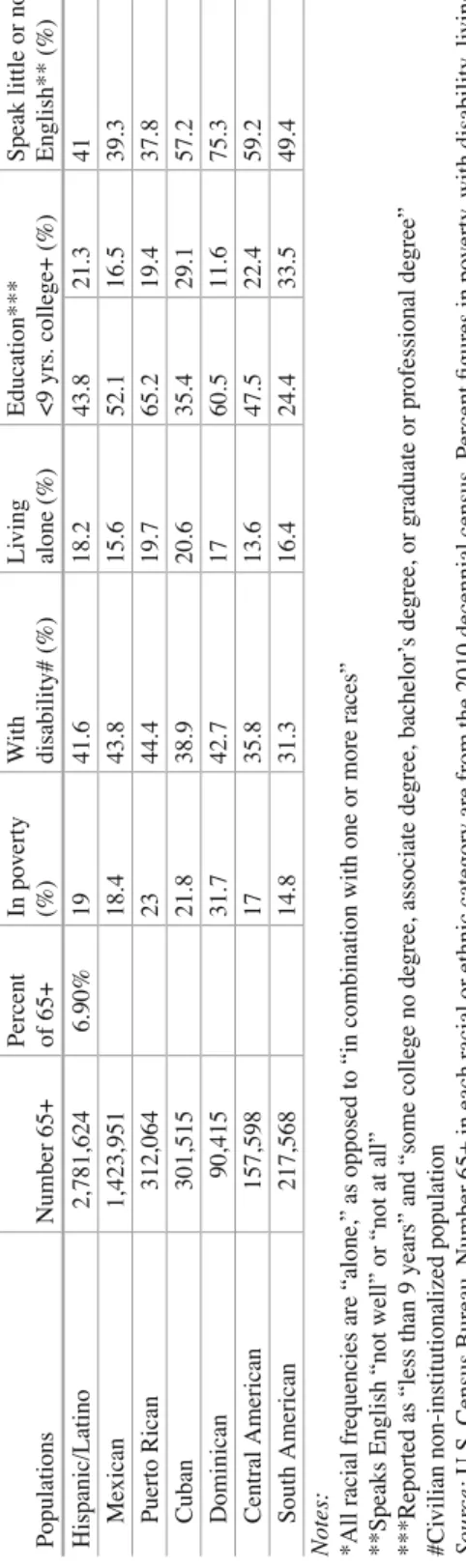
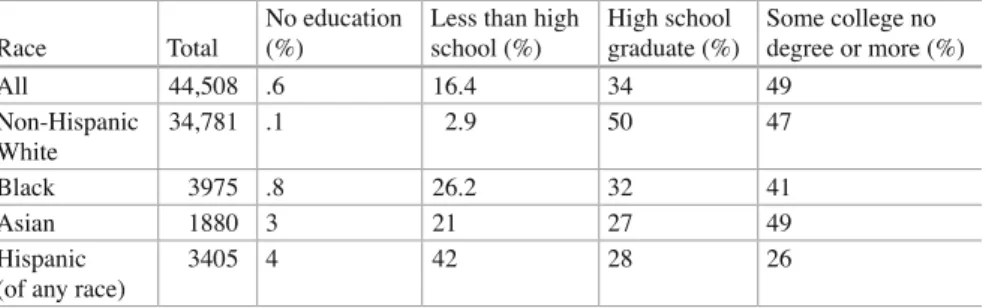
- Socioeconomic Factors
- Religion
- Language
- Disease and Disability
Marital status of people 15 years and older, by age, sex, personal earnings, race, and Hispanic origin: 201 http://www.census.gov/compendia/statab/2012/tables/12s0058.pdf/. Twenty-one percent of the population spoke a language other than English at home; 58% spoke English “very well” and 62% spoke Spanish or Spanish-Creole, which is the most common language spoken other than English in the United States (US Census 2013).
Conclusion
Immigration and generational trends in body mass index and obesity in the United States: results from the National Survey of Latinos and Asians, 2002–2003. All-cause and cause-specific mortality among immigrants and native-born in the United States.
Impact of Immigration: Disease Exposure and Health Maintenance
- Introduction
- Occupational Hazards Among Older Immigrants
- Disease Exposure
- Communicable Disease
- Noncommunicable Disease
- Health Maintenance
- Health Screening and Immunizations
- Health Education and Mental Health Counseling
- Nutrition and Exercise
- Eliciting Explanatory Models
By the second half of the twentieth century, immigrants who came to the United States were generally healthier people. The older Chinese tended to report better health, and they generally had a lower prevalence of NCDs compared to the other three ethnic groups of the study (Malaysians, Indigenous and Asian Indians).
How to Study Ethnogeriatrics from the Global to the Local
Introduction
Questions
Disparity at the Population Level
Deconstructing Disadvantage
The concepts of cultural competence for the providers and health literacy for the patients address these questions. There is general agreement that competency training and health literacy awareness improve "quality" and help reduce inequality, but the studies are small and heterogeneous.
Intermediate Studies
Public health surveys such as the National Health and Retirement Survey, successive waves of the National Health and Nutrition Examination Surveys, the Longitudinal Studies of Aging, and many other representative sample surveys use items and rating scales that have been developed, tested, and validated over many years. . Researchers with fewer resources and a narrow target population must consider, in addition to sampling, the accuracy of the language, the acceptability of the survey format, and the acceptability of interviewers as data collectors in assessing the quality of the data they receive. .
The Place of Ethnology in Ethnogeriatrics
At some funerals, important members of the community who are not family members receive special recognition. Explaining paradoxical age-race differences in survival after trauma: The role of the health care setting.
Signifi cance of Minority Inclusion in Research
Although health disparities remain an issue of concern for countries such as the United States (US), ensuring appropriate and representative sampling in clinical research studies remains one of the most viable strategies for reducing health disparities. According to the National Institutes of Health (NIH), health disparities research focuses on studies that seek to understand, treat, or prevent diseases or disorders that are more prevalent in medically underserved communities.
Barriers to Participation
These data highlight a gap in minority enrollment, particularly for minorities who will become the majority of the US population in the near future. 32 ] only 2.7% of the investigators surveyed target all of the racial/ethnic minorities defined by the NIH.
Important Concepts That Address Barriers to Recruitment and Retention
These formal and informal relationships are often established before a research study begins, allowing community stakeholders to participate in research planning. Such long-term relationships and the constant engagement of the researcher and the research team provide opportunities for establishing trust and relaxation in minority communities.
Summary Statement
Lessons learned regarding minority recruitment and retention from the Centers on Minority Aging and Health Promotion. A systematic review of strategies that increase recruitment and retention of African American adults in genetic and genomic studies.
Introduction
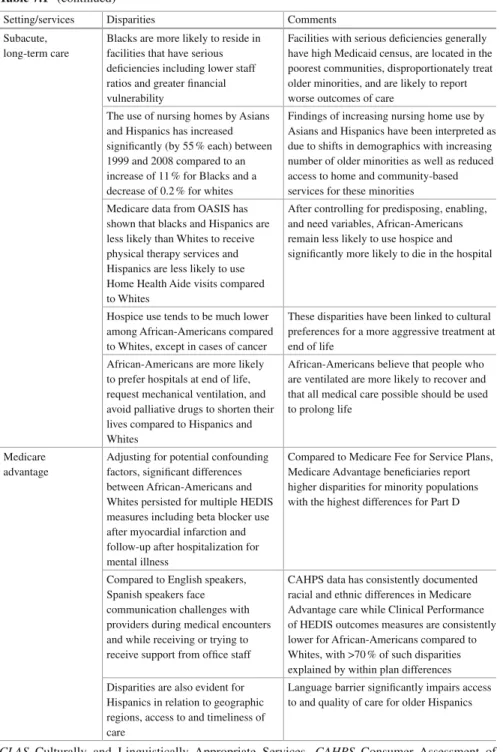
As a result, patients are unable to access and optimally benefit from advances in medicine and health care and are exposed to unnecessary risks of iatrogenic harm. In addition, health care systems are also exposed to unnecessary expenses that may lead to significant costs [7, 8.
Data Challenges in Clinical and Translational Research
American-born older adults with usual care or those who speak English at home are more likely to be vaccinated. Incorporating the values and preferences of older adults from racial and ethnic groups is critical to advancing translational research.
Impact on Guidelines and Systems of Care
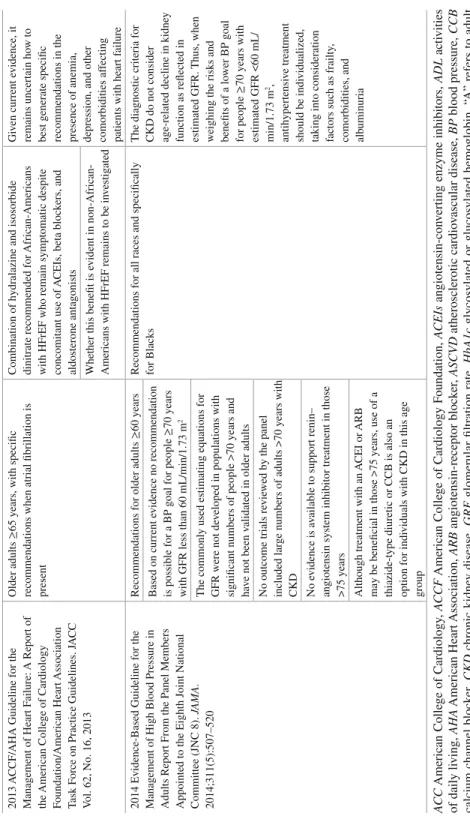
Journal of the American College of Cardiology Few people over the age of 75 were included in the reviewed randomized controlled trials of statins. Limited information, no clear support for the introduction of high-intensity statin therapy for secondary prevention in individuals over 75 years of age. Few data are available to suggest a benefit in reducing ASCVD events in primary prevention in individuals older than 75 years who do not have clinical ASCVD (continued) .
Cultural Considerations in Clinical Practice and Outcomes
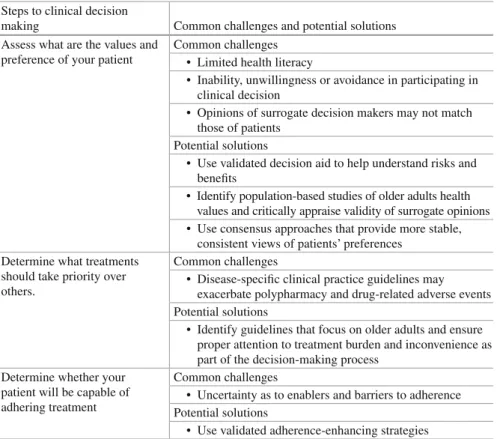
The American Geriatrics Society Expert Panel on the Care of Older Adults with Multimorbidity has published guiding principles to help clinicians change or accommodate their practices to provide better care for older adults in the context of multi-morbidities [37. An algorithm stepwise adapted from AFM approach to patient-centered care for older adults with multiple chronic conditions is shown in Fig.
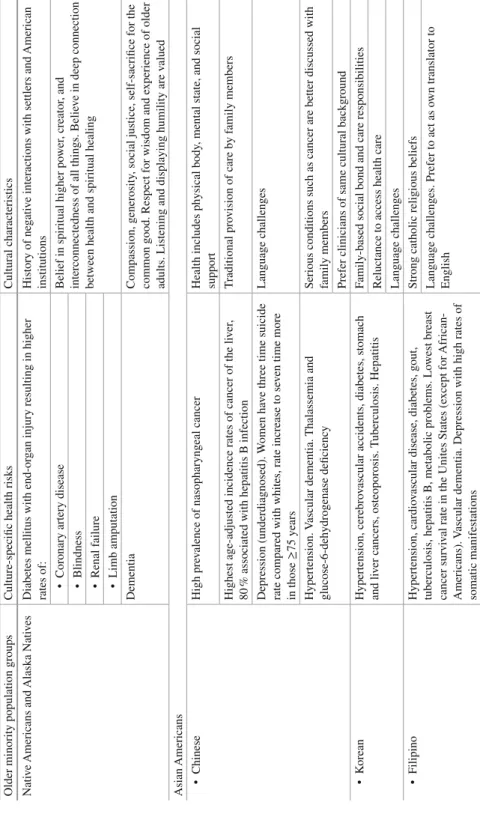
Hepatitis Family social bond and care responsibilities Reluctance to access health care Language challenges • Filipino Hypertension, cardiovascular disease, diabetes, gout, tuberculosis, hepatitis B, metabolic problems. Finally, the Andersen behavioral model of health care utilization is one of the most widely used models to explain factors that influence an individual's health care utilization.
Greater Understanding and Improvement in Health Care Utilization, Access, and Outcomes
In this regard, Section 4302 of the Patient and Protection Affordable Care Act of 2010 addresses the issue of reducing or eliminating disparities through improving data collection and developing data collection standards across age, sex, race/ethnicity, and disability status [ 54. The establishment of these standards (October 2011) represent a good opportunity for health systems to increase and improve the collection of data relevant to older minorities.
With advances in information technology, electronic health records or other possible methodological approaches should enable better monitoring of patient outcomes and system performance, facilitate the development and implementation of data-driven quality improvement strategies, and the introduction of new capacity measures to better support reimbursement for care. elderly minorities with complex multimorbidities, physical and cognitive impairments.
Conclusions
Clinical complexity in middle-aged and older adults with diabetes: The Health and Retirement Study. Patient-centered care for older adults with multiple chronic conditions: a step-by-step approach from the American Geriatrics Society.
Epidemiology of Aging: Racial/Ethnic Specifi c Disease Prevalence
Introduction
Clearly, malignancy and heart disease are common causes of death and are often caused by or the cause of chronic disease. Chronic liver disease and cirrhosis are frequent causes of death in all breeds except AAs.
Risk Factors
The top ten causes of death among the over-65s in order are heart disease, malignant neoplasms, chronic lower respiratory disease, cerebrovascular disease, Alzheimer's disease, diabetes mellitus, flu/pneumonia, accidental injury, nephritis and septicemia. . In addition, the risk of pneumonia and flu is clearly linked to pre-existing structural lung disease and vaccination.
- Cancers
- Prostate Cancer
- Breast Cancer
- Colon Cancer
- Lung Cancer
- Cancer Summary
- Chronic Lower Respiratory Disease
- Unintentional Injures
- Stroke
- Dementia
- Diabetes
- Infl uenza/Pneumonia
- Kidney Disease
Debate continues regarding the possible increased prevalence of the ε4 allele among AAs compared to whites. Whites and those of mixed race/ethnicity had the highest rates of stroke compared to other racial/ethnic groups.
Conclusion
Northern Manhattan Stroke Study Collaborators (NMSSC), Sacco RL, Boden-Albala B, Gan R, Chen X, Kargman DE, et al. Variants in the ATP-binding cassette transporter (ABCA7), apopoprotein E e4 and risk of late disease of Alzheimer's in African Americans.
Demographics
Hispanic and Asian Americans are more likely to live with the person they care for than Caucasians and African Americans. Hispanics are more likely to provide approximately 40 hours of caregiving per week compared to their white, African American, and Asian counterparts [1, 6.
An estimated 33% of African Americans and whites care for a person living in their own home, compared to minorities, who are also more likely to take advantage of new caregiving models that allow their family member to stay at home.
Perception of Caregiver
Filial piety has also been identified in African American caregivers and may be greater in older caregivers [3, 13. Development of caregiver interventions and support in partnerships with religious communities may be an effective way to provide support to caregivers.
Depression and Caregiver Burden
Overall, caregiver stress and lack of social support are significant predictors of the level of depressive symptoms and increased incidence of depression [29. In a Duke study, when the care recipient lived in their own home or in an institutional setting (living apart from a caregiver), Caucasian caregivers reported more depressive symptoms than African American caregivers.
Caregiving Effect on Health
The reverse was true for African American caregivers (reporting more depressive symptoms when caregivers lived with them) [36. White caregivers tended to report greater depression and rated caregiving as more stressful than African American caregivers.
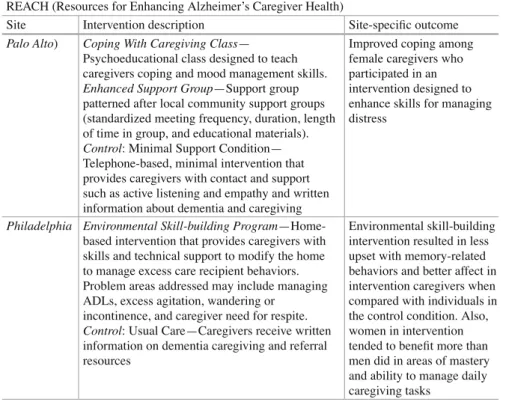
Interventions
Enhanced Caregiving – Caregivers receive written information and training on skills and behavior modification strategies to reduce caregiver stress (relaxation training, coping strategies). Control: usual care (information and referral) – Carers receive written information about dementia care and referral resources.
Conclusion
Monitoring medication use by informal caregivers: a qualitative study of families of Mexican descent with severe mental illness. Assessment, coping and social support as mediators of well-being in black and white caregivers of Alzheimer's patients.
Hospice/Palliative Care: Concepts of Disease and Dying
- Culture and Ethnicities: End-of-Life (EOL) Care Disparity Among Diverse Populations
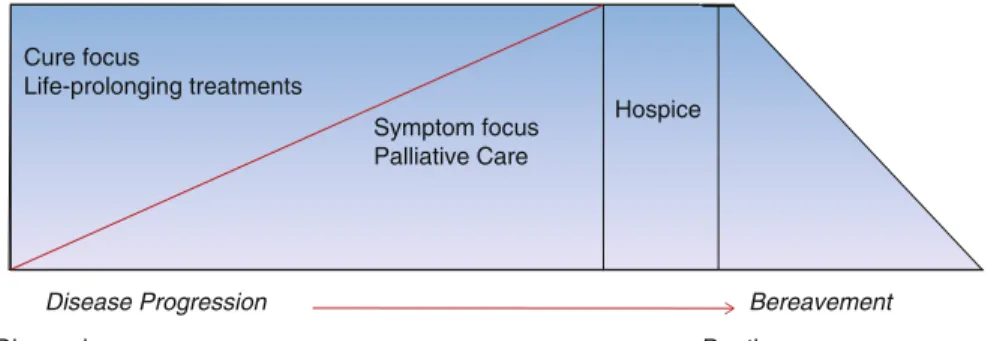
- Delivery of EOL Care
- Background of Ethnicities in the US
- Communication and Interpreter Use
- Caregiver Role
- Concepts of Disease and Dying
- Beliefs and Education
- Death and Dying
- EOL Preferences
- Place of Death
- Hospice Use
- Suggestions for Future EOL Care Among Ethnically Diverse Patients
Expectations of end-of-life care among white and Chinese older people in the UK. Impact of race/ethnicity and socioeconomic status on end-of-life care in the ICU.
Geriatric Psychiatry: Perceptions, Presentations, and Treatments
- Introduction
- Ethnic and Cultural Infl uence in Mental Health
- Ethnic and Cultural Stigma Associated with Mental Health
- Acculturation
- Ethnic Identity and Mental Health
- Religious Infl uence in Mental Health
- Mental Health in Minority and Ethnic Groups
- Depression
- Anxiety
- Bipolar Disorder
- Psychosis
- Behavioral and Psychological Symptoms of Dementia
- Suicide
- Primary Care-Based Intervention
- Treatment Effi cacy and Ethnicity
- Adherence , Compliance, and Access
- Cultural Assessments/Competence and Cultural Concepts
- Conclusion
Seeking mental health help in older adults with depression: the impact of stigma and race. Mental Health: Culture, Race and Ethnicity - A Supplement to Mental Health - A Report from the Surgeon General.