APPLICATION OF HIGH CONCENTRATION OZONE GAS TO EXTEND SHELF-LIFE OF FRESH LONGAN
SARANYAPAK CHAMNAN
DOCTOR OF ENGINEERING IN FOOD ENGINEERING MAEJO UNIVERSITY
2020
APPLICATION OF HIGH CONCENTRATION OZONE GAS TO EXTEND SHELF-LIFE OF FRESH LONGAN
SARANYAPAK CHAMNAN
A DISSERTATION SUBMITTED IN PARTIAL FULFILLMENT
OF THE REQUIREMENTS FOR THE DEGREE OF DOCTOR OF ENGINEERING IN FOOD ENGINEERING
ACADEMIC ADMINISTRATION AND DEVELOPMENT MAEJO UNIVERSITY 2020
Copyright of Maejo University
APPLICATION OF HIGH CONCENTRATION OZONE GAS TO EXTEND SHELF-LIFE OF FRESH LONGAN
SARANYAPAK CHAMNAN
THIS DISSERTATION HAS BEEN APPROVED IN PARTIAL FULFLLMENT OF THE REQUIREMENTS FOR THE DEGREE OF DOCTOR OF ENGINEERING
IN FOOD ENGINEERING
APPROVED BY Advisory Committee
Chair
(Associate Professor Dr. Jaturapatr Varith) .../.../ ...
Committee
(Associate Professor Dr. Somkiat Jaturonglumlert)
.../.../ ...
Committee
(Associate Professor Jakraphong Phimphimol)
.../.../ ...
Program Chair, Doctor of Engineering
in Food Engineering (Assistant Professor Dr. Chanawat Nitatwichit) .../.../ ...
CERTIFIED BY ACADEMIC
ADMINISTRATION AND DEVELOPMENT
(Associate Professor Dr. Yanin Opatpatanakit) Vice President for the Acting President of Maejo
University
.../.../ ...
C
ABSTRACT (THAI)
ชื่อเรื่อง การประยุกต์แก๊สโอโซนความเข้มข้นสูงเพื่อยืดอายุลำไยสด
ชื่อผู้เขียน นางสาวศรัลยภัคร์ ชำนาญ
ชื่อปริญญา วิศวกรรมศาสตรดุษฎีบัณฑิต สาขาวิชาวิศวกรรมอาหาร
อาจารย์ที่ปรึกษาหลัก รองศาสตราจารย์ ดร.จตุรภัทร วาฤทธิ์
บทคัดย่อ
ลำไยเป็นผลไม้ที่เสื่อมเสียตามธรรมชาติ และเกิดโรคหลังจากการเก็บเกี่ยวได้ง่าย ซึ่งเป็น สาเหตุทำให้ลำไยมีอายุการเก็บรักษาสั้นที่อุณหภูมิห้อง งานวิจัยนี้จึงมีวัตถุประสงค์เพื่อประยุกต์การ ใช้แก๊สโอโซนความเข้มข้นสูงสำหรับยืดอายุลำไยในอุณหภูมิแช่เย็น ในการทดลองส่วนแรกได้นำลำไย พันธุ์ดอมาผ่านการรมด้วยแก๊สโอโซนความเข้มข้น 4,000 ppm นาน 5 นาที และนำไปบรรจุในบรรจุ
ภัณฑ์ 3 ชนิด ได้แก่ ถุงโพลีเอทีลีน (polyethylene, PE) ถุงโพลีโพรพิลีน (polypropylene, PP) และ ใส่ถาดโฟมหุ้มด้วยฟิล์มโพลีไวนิลคลอไรด์ (foam tray wrapped with polyvinyl chloride (PVC) film, WF) จากการวิจัยพบว่าเมื่อระยะเวลาการเก็บรักษานานขึ้น ลำไยจะมีการเกิดโรค การ เกิดสีน้ำตาลที่เปลือก และน้ำหนักที่สูญเสียไป เพิ่มขึ้นในทุกทรีตเมนต์ จากบรรจุภัณฑ์ทั้ง 3 ชนิดนี้ จะ พบว่าลำไยที่ผ่านการรมด้วยแก๊สโอโซนและบรรจุถุง PE จะมีอายุการเก็บรักษาที่นานที่สุด คือ 36 วัน และสามารถยืดอายุการเก็บรักษาลำไยได้มากกว่าถึง 140% เมื่อเปรียบเทียบกับตัวอย่างควบคุม
สำหรับการทดลองส่วนที่สองได้ทำการศึกษาผลของการรมแก๊สโอโซนความเข้มข้นสูงที่มี
ต่อคุณภาพของลำไย นำลำไยมาผ่านการรมด้วยแก๊สโอโซนที่ความเข้มข้นต่างๆ ดังนี้ 4,000 8,500 และ 13,000 ppm เป็นเวลา 5 10 และ 15 นาที โดยทำการบรรจุในถุง PE พบว่าลำไยที่ผ่านการรม ด้วยแก๊สโอโซนความเข้มข้น 8,500 ppm นาน 5 นาที เป็นทรีตเมนต์ที่ดีที่สุด คือสามารถยืดอายุการ เก็บรักษาได้นาน 35 วัน และสามารถยืดอายุการเก็บรักษาได้มากกว่าลำไยที่ไม่ผ่านการรมด้วยแก๊ส โอโซน (10 วัน) ประมาณ 57% อายุการเก็บรักษาของลำไยที่ผ่านการรมด้วยแก๊สโอโซนความเข้มข้น สูงในการทดลองส่วนที่สองสั้นกว่าการทดลองส่วนที่หนึ่งอาจจะเกิดความแตกต่างของคุณภาพลำไยใน ฤดู (ส่วนที่ 1) และนอกฤดู (ส่วนที่ 2)
ในส่วนที่สาม ได้ทำการศึกษาจลนพลศาสตร์การเสื่อมเสียของลำไยที่ผ่านการรมด้วยแก๊ส โอโซนความเข้มข้น 8,500 ppm นาน 5 นาที มีค่า rate constants (k) of 0.74 x 10⁻² day-1 ซึ่งมี
ค่าน้อยกว่าลำไยที่ไม่ผ่านการรมด้วยแก๊สโอโซนถึง 3 เท่า นอกจากนี้ผลจาก SEM ยังแสดงให้เห็นว่า ลำไยที่ไม่ผ่านการรมด้วยแก๊สโอโซนจะมีเส้นขนที่พื้นผิวมากกว่าลำไยที่ผ่านการรมด้วยแก๊สโอโซน
D และเส้นขนเหล่านี้อาจเป็นแหล่งที่อยู่ของเชื้อต่างๆ ที่ก่อให้เกิดการเสื่อมเสียของลำไยอย่างรวดเร็ว จากการทำนายอายุการเก็บรักษาของลำไยด้วยสมการโพลีโนเมียล พบว่าลำไยที่ผ่านการรมด้วยแก๊ส โอโซนจะมีอายุการเก็บรักษานาน 36 วันซึ่งมีค่ามากกว่าลำไยที่ไม่ผ่านการรมด้วยแก๊สโอโซนถึง 2 เท่า การที่รมแก๊สโอโซนด้วยความเข้มข้นสูงมีผลต่อคุณภาพของลำไยที่เก็บรักษาในตู้แช่เย็น โดยช่วยยืด อายุการเก็บรักษาให้นานขึ้น และยังเป็นมิตรกับสิ่งแวดล้อม นอกจากนี้สามารถนำวิธีการดังกล่าวไป ประยุกต์ใช้ และเป็นอีกทางเลือกหนึ่งเพื่อทดแทนการรมลำไยด้วยซัลเฟอร์ไดออกไซด์อีกด้วย คำสำคัญ : ลำไย, โอโซนความเข้มข้นสูง, บรรจุภัณฑ์ลำไย, ยืดอายุการเก็บรักษา, จลนพลศาสตร์ของ การเสื่อมเสีย
E
ABSTRACT (ENGLISH)
Title APPLICATION OF HIGH CONCENTRATION
OZONE GAS TO EXTEND SHELF-LIFE OF FRESH LONGAN
Author Miss Saranyapak Chamnan
Degree Doctor of Engineering in Food Engineering Advisory Committee Chairperson Associate Professor Dr. Jaturapatr Varith
ABSTRACT
Longan is a tropical fruit with highly rotten decay and postharvest disease which greatly shortens its shelf-life at room temperature. The objective of this work was to apply the high concentration ozone (HCO) gas to extend shelf-life of longan fruit during cold storage. The first part was conducted on the longan cv. “Daw” by fumigating it at a concentration of 4,000 ppm for 5 min. Longan were packed using 3 different types of packaging materials, namely, polyethylene bag (PE), polypropylene bag (PP) and foam tray wrapped with polyvinyl chloride (PVC) film (WF). Results show that as storage time progressed, all longans became more susceptible to disease incidences, pericarp browning, and weight loss in all treatments. Among the three different types of packaging, the HCO longan stored in PE yielded the longest storage time with a shelf-life of up to 36 days, accounting for 140% longer shelf-life than that of the control.
In the second part, the effects of ozone concentration on fresh quality of longan fruit were studied. Longan was exposed to ozone gas at varied concentrations of 4,000 8,500 and 13,000 ppm with holding time of 5 10 and 15 min and packed with PE bag. Results show that the HCO longan exposed to ozone gas at 8,500 ppm for 5 min was considered an optimal treatment to extend shelf-life up to 35 days, account for 57% longer shelf-life than that of the non-ozonated longan with shelf-life of 10 days. The shorter shelf-life of HCO longan in the second part than that of the first part
F is possibly due to differences in quality longan between in-season (1st part) and off- season (2nd part).
For third part, the kinetics of deterioration on the HCO longan was studied.
At 8,500 ppm for 5 min, the HCO longan exhibited the deterioration rate constants (k) of 0.74x10⁻² day-1, which were approximately 3 folds lower than that of the non- ozonated longan. The SEM images reveal that the non-ozonated longan was covered with surface epidermal hairs more than the ozonated longan. The existence of epidermal hairs may inhabitant the microorganisms and cause the shelf-life decay.
From shelf-life prediction using polynomial equation, the HCO longan had a shelf-life of 36 days, which was 2 folds longer shelf-life than that of the control. The HCO treatment on the quality of fresh longan during cold storage can be further developed as an environmental friendly alternative to sulfur dioxide fumigation to extend the shelf-life of longan.
Keywords : Fresh longan, High concentration ozone, Longan packaging, Shelf-life extension
G
ACKNOWLEDGE MENTS
ACKNOWLEDGEMENTS
I would like to express my sincere thanks to my advisor, Associate Professor Dr.
Jaturapatr Varith, who continuous support of my study and related research, for his patience, motivation, and immense knowledge. His guidance helped me all the time of research and writing of this thesis. Without his helpful, this thesis would not have been successful.
In addition, I wish to thank the rest of my thesis committee, Associate Professor Jakraphong Phimphimol and Associate Professor Dr. Somkiat Jaturonglumlert, who not only gave insightful comments and encouragement, but also for the helpful questions which incented me to widen my research from various perspectives.
My sincere thanks to Assistant Professor Dr. Chanawat Nitatwichit, Assistant Professor Dr. Kanjana Narkprasom and Assistant Professor Dr. Yardfon Tanongkankit, who advice and support on the laboratory and research facilities. Without they precious support it would not be possible to conduct this research. I would like to express my appreciation to the financial support provided by Graduate program in food engineering at the faculty of engineering and agro-industry, Maejo university, Chiang Mai, Thailand. I thank my friends in the following institution, who helped and suggestion about my research.
I would like to thank my family; my parents, sister and nephew for their great love and spiritually support throughout writing this thesis and my life in general. They kept me going on and this work would not have been possible without their support.
Saranyapak Chamnan
TABLE OF CONTENTS
Page ABSTRACT (THAI) ... C ABSTRACT (ENGLISH) ... E ACKNOWLEDGEMENTS ... G TABLE OF CONTENTS ... H CONTENT OF TABLES ... L CONTENT OF FIGURES ... N
CHAPTER 1 INTRODUCTION ... 1
1.1 Background of Research ... 1
1.2 Objectives of research ... 3
1.3 Scope of research ... 3
1.4 Keywords ... 4
CHAPTER 2 LITERATURE REVIEW... 5
2.1 General information of longan fruit ... 5
2.1.1 Morphology and botany ... 5
2.1.2 Fruit growth ... 6
2.1.3 Harvest maturity ... 6
2.1.4 Physiology ... 7
2.1.5 Cultivars developed ... 9
2.1.6 Pathology ... 13
2.1.7 Technology... 14
2.2 Background of ozone ... 18
2.2.1 Ozone properties ... 19
2.2.2 Ozone applications ... 21
2.2.3 Advantages and disadvantages ... 23
2.2.4 Ozone manufacturing process ... 23
2.2.5 Food industry application ... 29
2.3 Background of packaging ... 34
2.3.1 Packaging systems ... 34
2.3.2 The packaging system with fruit and vegetables ... 35
2.3.3 Packaging requirements for fresh produce ... 36
2.3.4 Materials and formats for fresh produce packaging ... 37
2.3.4 Types of plastics and general properties ... 44
2.4 Reaction kinetics ... 48
2.4.1 Reactions in foods that affect quality ... 48
2.4.2 Kinetic modeling of food quality attributes ... 51
2.5 Literature review... 55
2.5.1 Effect of chemical treatment on quality of longan fruit ... 55
2.5.2 Effect of ozone on fruit ... 56
2.5.3 Effect of packaging on fruit and vegetable ... 57
2.5.4 Kinetic of quality and deterioration on fruit and vegetable ... 58
CHAPTER 3 RESEARCH METHODOLOGY ... 61
3.1 Part 1: Effect of suitable packaging on quality in fresh longan fruit ... 62
3.1.1 Longan fruit sample ... 62
3.1.2 Ozone fumigation system ... 62
3.1.3 Ozone fumigation process and packaging study ... 63
3.1.4 Quality analysis ... 65
3.1.5 Statistical analysis ... 67
3.2 Part 2: Determination of optimum conditions for ozone fumigation on quality of longan fruit ... 67
3.2.1 Longan fruit sample ... 67
3.2.2 Ozone fumigation system ... 67
3.2.3 HCO treatment ... 68
3.2.4 Quality analysis ... 69
3.2.5 Statistical analysis ... 70
3.3 Part 3: Kinetics of deterioration of HCO treated longan during cold storage ... 70
3.3.1 Longan fruit sample ... 71
3.3.2 Ozone fumigation system ... 71
3.3.3 Kinetics of deterioration ... 71
3.3.4 Quality analysis ... 74
CHAPTER 4 RESULT AND DISCUSSION ... 76
4.1 Effect of suitable packaging on quality in fresh longan fruit ... 76
4.1.1 Disease incidence... 76
4.1.2 Pericarp browning ... 77
4.1.3 Weight loss ... 78
4.1.4 Firmness ... 79
4.1.5 Color parameters ... 80
4.1.6 Shelf-life ... 81
4.2 The optimum HCO treatment for using ozone gas on quality of longan fruit ... 82
4.2.1 Disease incidence... 82
4.2.2 Pericarp browning ... 84
4.2.3 Weight loss ... 85
4.2.4 Total soluble solid content (TSS) ... 86
4.2.5 Color parameters ... 86
4.2.6 Sensory evaluation ... 88
4.2.7 Shelf-life ... 90
4.3 Kinetics of deterioration after HCO fumigation on the longan during cold storage ... 92
4.3.1 Gas composition ... 92
4.3.2 Kinetics of deterioration ... 93
4.3.3 Quality parameter ... 94
CHAPTER 5 CONCLUSION ... 104
REFERENCES ... 106
APPENDIX ... 114
APPENDIX A Longan picture ... 115
APPENDIX B Quality analysis ... 117
APPENDIX C Research publication ... 119
CURRICULUM VITAE ... 130
CONTENT OF TABLES
Page
Table 1 Planted area, production and export of longan fruit in different countries. .... 5
Table 2 Fruit characteristics of longan fruits. ... 7
Table 3 Major postharvest pathogens of longan fruit... 13
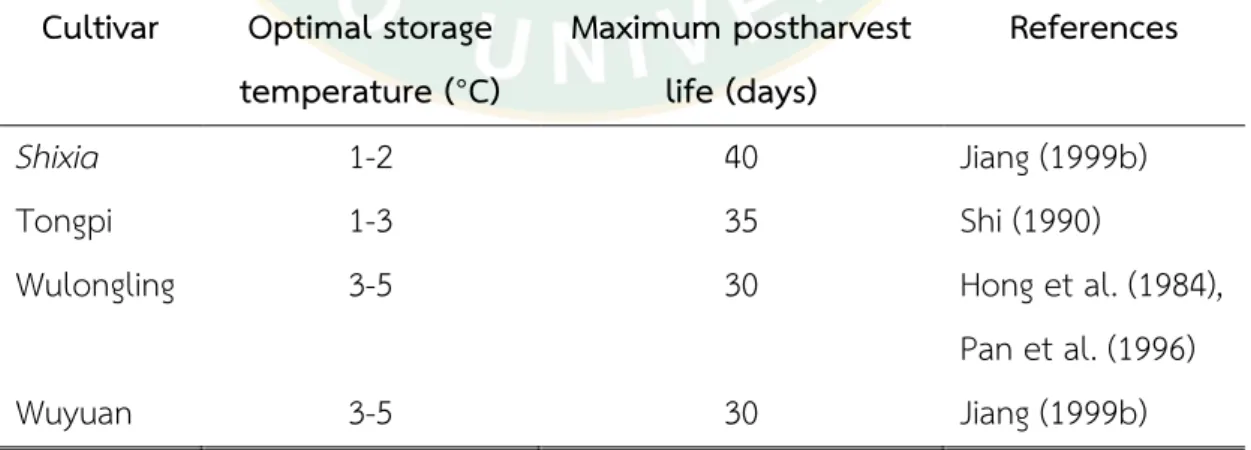
Table 4 Optimal storage temperature recommendations for longan fruit cultivars. ... 17
Table 5 Ozone vs. oxygen properties. ... 19
Table 6 Typical ozone half-life vary temperature. ... 20
Table 7 Ozone compatibility with surfaces of material. ... 27
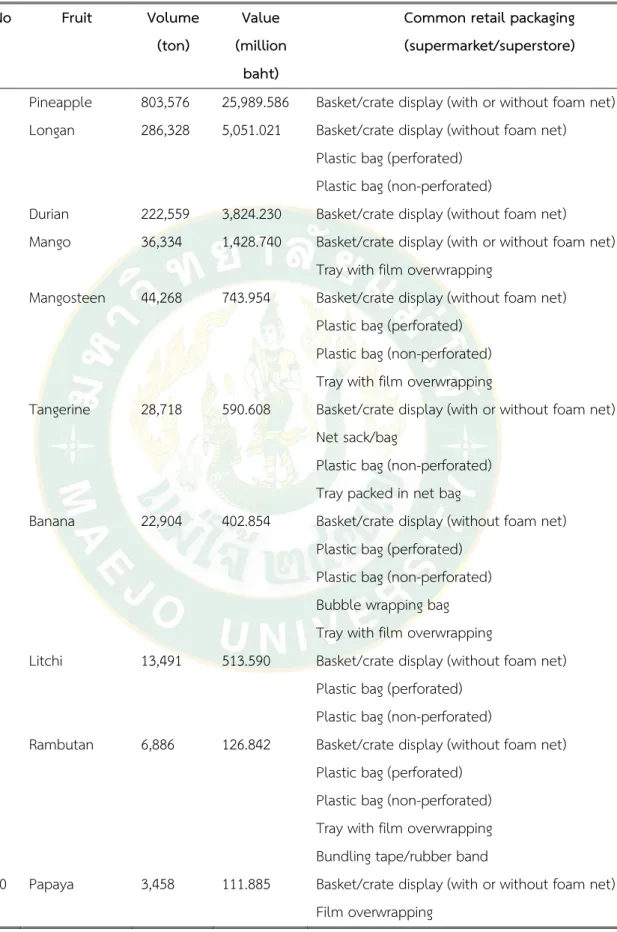
Table 8 Retail packaging formats of Thai fruits in export value in 2009. ... 42
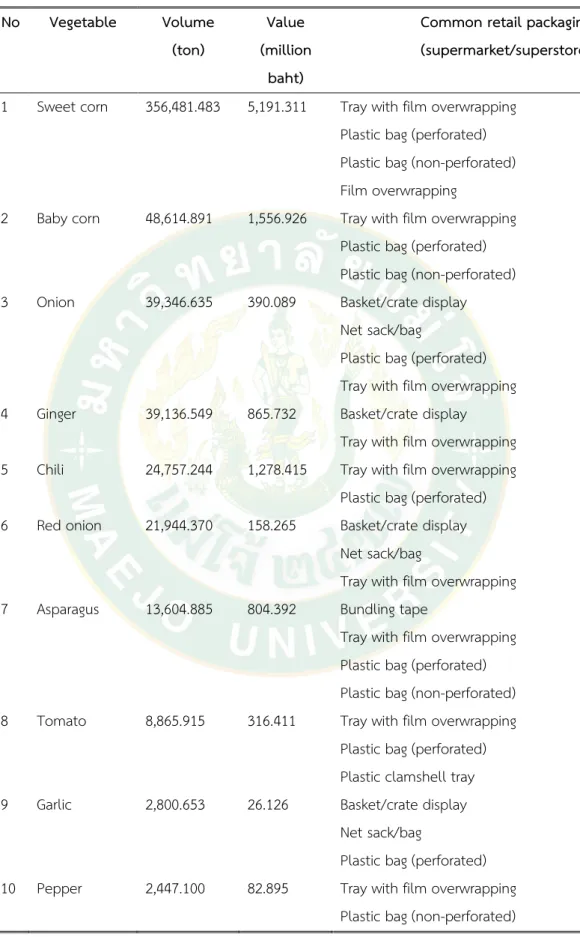
Table 9 Retail packaging formats of Thai vegetables in export value in 2009. ... 43
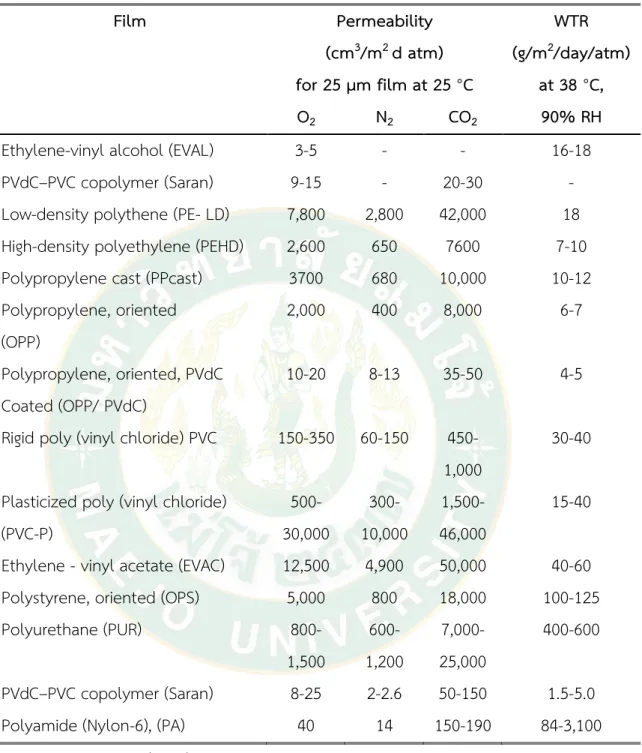
Table 10 Gas permeability and water transmission rate (WTR) of polymeric film ... 45
Table 11 Overview of reactions in foods affecting quality. ... 49
Table 12 Reactions of key components in foods. ... 50
Table 13 Permeability of gas through plastic films. ... 64
Table 14 Treatment conditions of HCO fumigation on longan fruit. ... 68
Table 15 Shelf-life at various treatment of longan fruit during storage at 5oC. ... 82
Table 16 Effects of HCO treatment on sensory evaluation for 15 days of longan. ... 89
Table 17 Effect of HCO treatment on shelf-life of longan. ... 91
Table 18 Kinetics parameters for the deterioration of the longan fruit during storage. ... 93
Table 19 SEM micrographs (50 µm) of the control and HCO treatment of longan epicarp cross and surface section. ... 99
Table 20 General characteristics of longan all treatment in 0 days (Part 2). ... 116
Table 21 Disease incidence level of longan fruit. ... 118 Table 22 Pericarp browning level of longan fruit. ... 118
CONTENT OF FIGURES
Page
Figure 1 General appearance of longan fruit. ... 6
Figure 2 Mechanism of ozone generation. ... 18
Figure 3 Scheme of corona discharge method. ... 25
Figure 4 Ultra-violet lamp method. ... 26
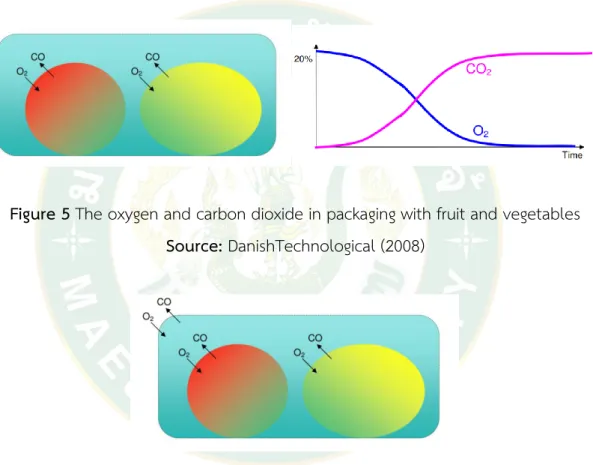
Figure 5 The oxygen and carbon dioxide in packaging with fruit and vegetables ... 35
Figure 6 The respiration rate in packaging with fruit and vegetables. ... 35
Figure 7 Different types of bulk packaging in wholesale markets of Thailand. ... 37
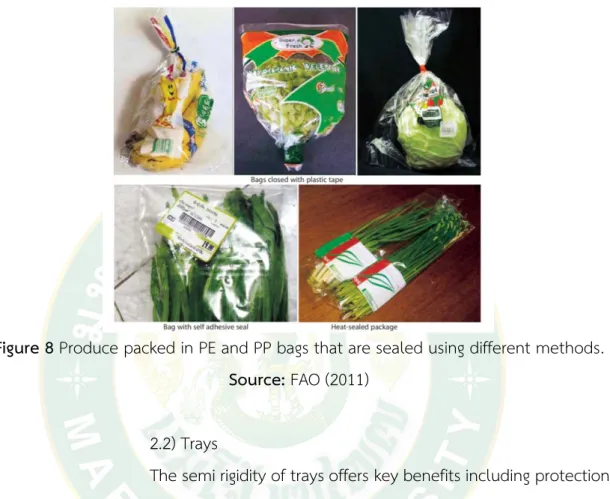
Figure 8 Produce packed in PE and PP bags that are sealed using different methods. ... 39
Figure 9 Tray overwrapped with film... 40
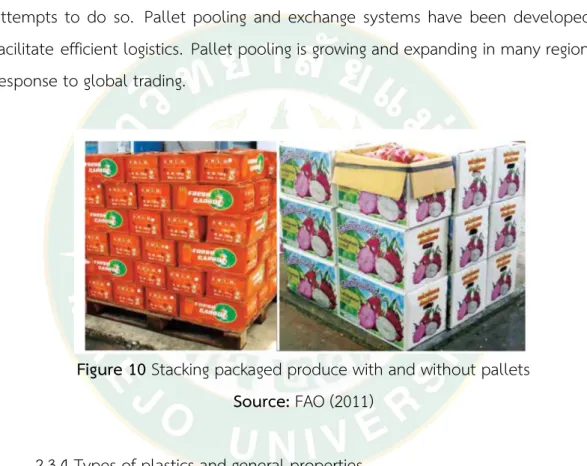
Figure 10 Stacking packaged produce with and without pallets ... 44
Figure 11 Chemical structure of polyethylene ... 46
Figure 12 Chemical structure of polypropylene ... 47
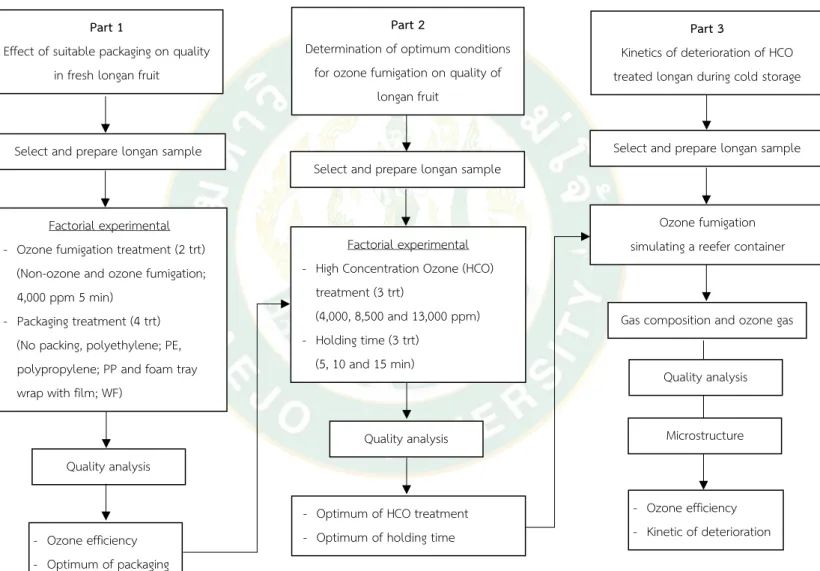
Figure 13 Research diagram and framework. ... 61
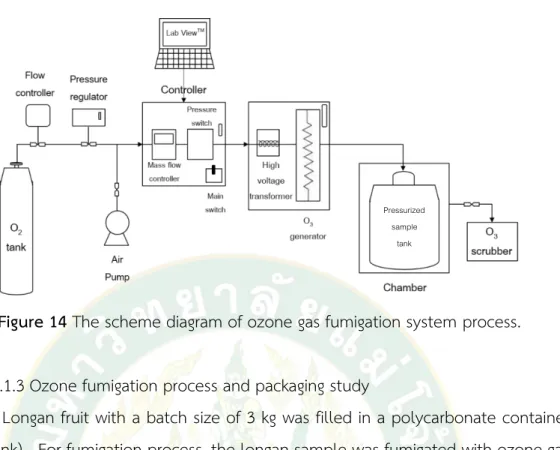
Figure 14 The scheme diagram of ozone gas fumigation system process. ... 63
Figure 15 Packaging material of this experiment ... 64
Figure 16 Size and perforation characteristics of PE and PP bag. ... 64
Figure 17 Longan transport simulation for kinetic of deterioration modelling. ... 72
Figure 18 Effect of ozone fumigation and packaging materials on disease incidence of longan. ... 76
Figure 19 Effect of ozone fumigation and packaging materials on pericarp browning of longan. ... 78
Figure 20 Effect of ozone fumigation and packaging materials on weight loss of
longan. ... 78
Figure 21 Effect of ozone fumigation and packaging materials on firmness of longan. ... 79
Figure 22 Effect of gaseous ozone and packaging type on color parameters; ... 80
Figure 23 Effect of HCO treatment on disease incidence of longan. ... 83
Figure 24 Effect of HCO treatment on pericarp browning of longan. ... 84
Figure 25 Effect of HCO treatment on weight loss of longan. ... 85
Figure 26 Effect of HCO treatment on TSS content of longan. ... 86
Figure 27 Effect of HCO treatment on color ... 87
Figure 28 Effect of HCO treatment on acceptance scores of longan. ... 90
Figure 29 Relationship of gas composition during storage of longan fruit. ... 92
Figure 30 Correlation relationships between deterioration rate constants of ... 93
Figure 31 Disease incidence of longan fruit during storage. ... 94
Figure 32 Pericarp browning of longan fruit during storage. ... 95
Figure 33 Weight loss of longan fruit during storage. ... 96
Figure 34 Color parameters ... 97
Figure 35 Overall acceptance of longan fruit during storage. ... 98
Figure 36 Prediction and experimental data of shelf-life; ... 100
Figure 37 Predict shelf-life ... 102
1.1 Background of Research
Longan (Dimocarpus longan Lour.) the one of economically important fruits in the north of Thailand, which was exported longan fruit 1,022,927 tonnes in 2019 (Office of Agricultural Economics, 2020). Importing countries of Thai longan include China, Vietnam, Indonesia, Hong Kong and Malaysia (Department of International Trade Promotion, 2020). However, the quantity of domestic and export longan fruit is limited by highly rotten nature, susceptible to various postharvest pathogens after just a few days at room temperature, resulting in a short storage life and reducing market value (Saengnil et al., 2014). The main problem resulting in restrictions on the export of longan to long distant markets is rapid pericarp browning during storage (Sardsud et al., 1994). Browning reaction can be related with dehydration, heat stress, senescence, chilling injury or disease (Apai, 2010). Chilling injury symptoms including water soaking and/ or area of browning on the pericarp (Jaitrong, 2006) are normally deserved. After 5 days of storage, the symptoms appear normally on the inner side of pericarp longan fruit. Next, the pericarp of both sides become brown color (Jiang et al., 2002).
Generally, the most common method used to prevent pericarp browning and control postharvest deterioration in longan fruit is sulfur dioxide (SO2) fumigation.
Recently, importing countries such as China, Malaysia and Canada have restricted import regulation of longan, and reduced the maximum permitted residual level of sulfur dioxide. Moreover, consumers are becoming aware of sulfur dioxide residues, due to its negative effect to human body, particularly for asthmatics and sensitive individuals (Apai, 2010). Thus, there is a need to develop alternative methods to replace sulfur dioxide fumigation, with less harmful technology to humans and the environment. With this research, we proposed the use of ozone gas as an alternative to sulfur dioxide fumigation on longan (Whangchai et al., 2006).
Ozone (O3) is an unstable triatomic oxygen molecule. The high energy such as electrochemical, ultraviolet radiation or electrical discharge is usually a source of ozone (Miller et al., 2013) . It is becoming a popular alternative to traditional antimicrobial agents such as chlorine, chlorine dioxide and organic acids because of it is effective antimicrobial property and lack of residual substances (Guzel-Seydim et al., 2004). It can be applied in both gas state or dissolved state in water (Gabler et al., 2010). The ozone gas treatments are generally more effective than aqueous ozone treatments (Akbas and Ozdemir, 2008). Habibi Najafi and Haddad Khodaparast (2009) found that gaseous ozone were able to reduce Bacillus cereus in dried figs up to 2 log10 CFU/ g. Whangchai et al. (2011) reported that the eating quality of lychee after treatment with the ozonated water decreased significantly from compared with the control and the ozone fumigated groups.
Ozone is a ‘Generally Recognized As Safe’ (GRAS) status antimicrobial agent that is used for food treatment, storage, food processing (FDA, 2001) disinfecting water, in the food industry such as sanitation of food plant equipment, surface hygiene and reuse of waste water (Habibi Najafi and Haddad Khodaparast, 2009) . Ozone is an effective treatment for increasing shelf-life and decreasing fungal deterioration in the postharvest treatment of fresh fruit such as stone fruit (Palou Lluı´s et al., 2002) and papaya fruit (Ong et al., 2014) because of the lack of residues on the product. The effects of ozone on the reduced growth of microorganisms also have been reported with regard to reduction of total bacterial count, Coliform, Staphylococcus aureus and yeast/ mold counts on Iranian date fruits (Habibi Najafi and Haddad Khodaparast, 2009), Penicillium digitatum, Penicillium italicum and Botrytis cinerea (Ozkan et al., 2011). As the use of sulfur dioxide is prohibited or use to be discontinued, ozone could be an acceptable technology to use with fruit marketed under “organic” classification (Gabler et al., 2010).
Additionally, if ozone treatment is to be used with proper packaging, it may give several benefits for fruit such as control of weight loss, protection from browning skin, reduced contamination during handling and extend shelf-life of fruit (Mario et al., 2010). The proper packaging has a good character of proper permeability where a desirable equilibrium modified atmosphere, when the rate of gas (oxygen and carbon
dioxide) transmission through the pack balances the respiration rate of fruit (Kartal et al., 2012).
From a number of researches, ozone exhibit a great potential to solve problems for extending the shelf-life of longan fruit without sulfur dioxide fumigation.
The main purpose of this study was to determined appropriate packaging, effective fumigation and kinetics of deterioration under high concentration ozone (HCO) fumigation on the longan during cold storage which may lead to the further developed as an alternative to sulfur dioxide fumigation to prevent desiccation and prolong the shelf-life of longan fruit.
1.2 Objectives of research
The objective of this research was to determine the optimum conditions of ozone fumigation process for extending shelf-life on longan fruit which consists of 3 objectives below:
1. To determine the suitable packaging on quality in fresh longan fruit.
2. To determine the optimum conditions for ozone fumigation on quality of longan fruit.
3. To investigate the kinetics of deterioration of HCO longan during cold storage.
1.3 Scope of research
1. Longan fruit (Dimocarpus longan Lour.) cv. ‘‘Daw’’, harvested less than 3 days was obtained from a commercial orchard in the north of Thailand.
2. Longan fruit selected for uniformity of size of >31 mm (grade AA) in diameter, uniform peel-color and non-disease appearance.
3. Ozone used in gas condition and ozone gas fumigation system has flow rate 7.5 L/min, under gas pressure of 11-25 kPa.
1.4 Keywords
Fresh longan, High concentration ozone, Longan packaging, Shelf-life extension, Kinetics of deterioration
2.1 General information of longan fruit
Longan (Dimocarpus longan Lour.) is a tree of the Sapindaceae family. It is indigenous to the foothills of mountainous areas of northern Myanmar and northeast and southern China. Longan fruit is commercial grow in many countries such as China, Thailand, India and Vietnam as shown in Table 1.
Table 1 Planted area, production and export of longan fruit in different countries.
Country Year Planted area (ha)
Production (metric
ton)
Export (%)
References
China 1997 444,400 495,800 a Liu and Ma (2001)
Taiwan 1998 11,808 53,385 - Wong (2000)
Thailand 1997 41,434 227,979 50 Subhadrabandhu and Yapwattanaphun (2001a), Wong (2000) Vietnam 1999 41,000 365,000 10 Wong (2000)
a Net importer.
Source: Jiang et al. (2002)
2.1.1 Morphology and botany
Longan is a tropical evergreen tree. Longan tree grows depending on climate and soil type with a typical tree height of 30–40 feet and the round crown. The limited natural flowering period leads to a short production. Recent investigations of longan fruit growth and development indicate that flowering can be regulated by application of chemicals such as chlorate and/or plant growth regulators.
Longan fruit contains a relatively black or brown seed. The fruit is conical heart or spherical shape with a thin pericarp. The pericarp can vary in color from yellowish to light brown, and the skin is smooth (Figure 1). The edible portion of the longan fruit is a fleshy translucent white aril. The pulp is delicate, juicy and sweet.
Figure 1 General appearance of longan fruit.
2.1.2 Fruit growth
Longan fruit have a sigmoidal growth curve. Initially, longan growth from the seed, the pericarp and aril growth, respectively.
2.1.3 Harvest maturity
Longan fruit is non-climacteric, which does not continue to ripen once removed from the tree. Consequently, fruit must be harvested when their skins become yellow- brown and their flesh reaches the optimal eating quality. Maturity can be determined by fruit weight, skin color, flesh sugar concentration, flesh acid concentration, sugar:
acid ratio, flavor and/or days of fruit (Table 2). However, harvest maturity is usually assessed on the basis of fruit color and flavor by visual.
Table 2 Fruit characteristics of longan fruits.
Mean Fruit Cultivar No. Years
Data Collected
Weight (g)
Length (mm)
Width (mm)
% Aril
% Brix
Flesh Texture
Comments
Biew Kiew 5 11.5 25.6 28.0 64.9 20.9 Crisp Excellent quality Chompoo I 5 9.4 23.7 25.8 64.4 19.7 Crisp Sweet, good flavor Chompoo II 5 8.7 24.4 26.2 62.6 21.5 Crisp Sweet, good flavor Dang 5 9.4 23.5 25.6 63.4 19.9 Crisp Sweet, good flavor Daw * 4 9.6 24.3 25.8 60.9 19.2 Crisp Sweet
Haew* 4 9.5 23.8 26.4 63.3 19.6 Crisp Sweet, good flavor
* Mean of two trees
Samples based on means of 25 fruit for length and width, 10 for brix and 5 for weight and % aril. Source: Winston and O'Farrel (1989)
2.1.4 Physiology 1) Respiration
Longan fruit is non-climacteric. It gradually increase respiration rate at 25 °C. When fruit stored at 4 °C, it continuously decline and slow down the respiration.
2) Ethylene production
Longan fruit produce ethylene at low levels after harvest (2.3 l/kg per h) when comparison with climacteric fruits. The ethylene production rate of fruit stored at 1 or 4 °C remained relatively constant for 30 days. After 30 days, the ethylene production rate increases and associates with decay.
3) Composition
Longan fruit increases in soluble solid concentration (SSC), titratable acidity (TA) and total sugars during ripening and then gradually decrease after harvest.
The main sugars in longan fruit are sucrose, fructose and glucose. Differences the ratio
of sugars are a result of differences in invertase activities, maturity and cultivars. TA and SSC of the pulp have been slightly decreased during cold storage.
4) Color
Rapid pericarp browning of longan fruit a few days after harvest is one of the most important problems in marketing. Browning can be associated with desiccation and/or heat stress, senescence, chilling injury and pest or pathogen attack.
Browning has been attributed to enzymatic oxidation of phenolic by polyphenol oxidase (PPO). PPO is activated by moisture loss from the fruit. Treatments to reduce desiccation also reduce browning. Many studied use substance for inhibit browning such as propyl gallate (Lin et al., 2015), hydrogen peroxide (Lin et al., 2014) and 2- butanol (Li et al., 2015).
5) Texture
Longan fruit pulp had a little research about the textural changes. Pulp integrity does not appear to be adversely affected by chilling temperatures. When stored at 0 °C, longan fruit maintain good eating quality such as flavor and texture.
6) Disorders
Skin splitting can occur with cultivars, rain or sudden uptake of water during the last stage of fruit development. Disorders effects the pulp faster than the skin, result in skin rupture. Aril breakdown has been observed after storage and over mature fruit.
7) Chilling injury
Longan fruit are more tolerant of low temperatures than other tropical and subtropical fruits. It is difficult to separate effects of chilling injury of longan fruit from desiccation or fruit senescence.
8) Peroxidative activity
Decrease superoxide dismutase activity in longan fruit indicates a decreased ability of harvested fruit to eliminate active oxygen in association with an increased peroxidation of membrane lipids.
2.1.5 Cultivars developed
There are several cultivars of longan fruit in Southeast Asia. However, the diversity among cultivars is lower in other regions. The following are the characteristics of the most commonly cultivated varieties in the world (Mishra et al., 2018).
1) Chuliang
This cultivar is native to Guangdong Province in China of superior quality longan cultivar. Fruit size is large (12.0-16.5 g). Aril constitutes about 69-74% of total fruit weight. The thick, firm and fragrant aril is sweet in taste with TSS content 20-23%.
It is suitable for processing. Attractive golden yellow color is formed in aril after drying which fetches good market price. The cultivar produces high and stable yield.
2) Shixia
It is another popular cultivar in Guangdong Province, China. It has a long history of cultivation about 140 years. Fruits are small, but crisp, thick and sweet aril with TSS (19-20%) and with good flavor. It is the best cultivar for consuming as fresh fruit and produces heavy crops regularly on unusually large panicles. It is generally consumed as fresh. The small fruits have sweet aril with TSS content 19-20%. This cultivar is suitable for high density planting.
3) Wuyuan
Wuyuan (syn. Black Round) is another important longan cultivar in Guangdong province, China. Fruit size is medium (15 g) with large seed, soft and juicy aril of average quality with TSS (14-15%). Trees are high yielding. The fruit is suitable for eating fresh and dried. Seedlings are vigorous and consequently useful as rootstock.
4) Fuyan
It is an important longan cultivar in Fujian province, China, occupied about 90% of the area under the province. Fruit is large sized (18 g) with thin skin, small seed and thick crisp aril. Yield is high. It is best used for canning since the fruits have a low TSS value of 15-16%.
5) Wulongling
This is another major cultivar in Fujian province, China. Its history of cultivation can be traced up to more than 150 years. Fruit is medium in size (15 g) with
thick skin, good aril recovery and sweet flavor, TSS (21-23%). It has a distinct alternate bearing cropping.
6) Daw
Daw is the most popular longan cultivar of Thailand, accounted for about 73% of the total cultivation area under longan in the country. The name Daw meaning early, indicating it early maturing. Flowering takes place in December and fruit harvesting occurs in late June to early July. Thus, fruits fetch high premium from foreign markets. It is the most regular bearer and has no irregular bearing problem. In addition, the cultivar is relatively free from infection by witches’ broom disease. The aril content is low due to big seed, though have a large fruit size. The aril is sweet and with good flavor, is rather tough and not as crispy when compared to the aril of Biew Khiew.
Fruits do not keep well on the tree and the seed may even germinate within the fruit.
The fruits can be consumed fresh or processed. This cultivar is normally grown in the Northern provinces where the cool winter months are necessary for induction of flowering.
7) Chompoo
It is another Thai cultivar. It is a mid maturing cultivar. Fruit is medium size, oval shape with greenish light brown skin. Aril is very sweet and slight pink, hence named Champoo. Aril content is high due to small seeds with high TSS (21-22%) and pleasant aroma. It is irregular bearer.
8) Biew Khiew
A late maturing cultivar of Thailand. Fruit is round, large, brownish green color and high aril content. Aril is crispy, pleasant scented and sweet (TSS, 22%) and of excellent quality. Peel is thick, therefore, advantageous to longer shelf-life. It exhibits irregular bearing and is susceptible towitches’ broom disorder.
9) Haew
Haew longan is a Thai cultivar which is a late maturing cultivar. It flowers in late January to early February. Fruits mature during mid to late August. Fruit is medium to large size, small seed and average aril content. Aril is firm and of good eating quality. Peel is rough, thick and therefore, advantageous for longer shelf-life.
Haew flowers easily and of high yielding. However, it is an alternate bearer. The fruits are suitable for canning. It required cool winter for flowering induction.
10) Dang
The fruits are harvested during mid July to early August and therefore, classified in mid maturing cultivar of Thailand. Fruit is large with reddish brown rind.
Aril content is low due to large seed size. The fruit quality declines with maturity. Yield and quality are similar to Daw. Dang is susceptible to water logging.
11) Baidum
This is also a mid maturing regular bearing cultivar from Thailand.
Harvesting of fruits is carried out during the month of mid July to early August. Fruit is medium size with rough rind, small seed and moderate aril content. Aril is of acceptable flavor, crispy, very sweet and is bright white in color. This cultivar is a regular bearer and can withstand drought quite well.
12) Talub Nak
This is an early maturing cultivar whose fruits are harvested in mid to late July. Fruit is medium sized, with small seed and high aril content. Aril is bright white in color and less sweet.
13) Phetsakon
It is an early maturing regular cultivar of longan. Differing to other varieties of Thailand, it is not required cooler climate for induction of flowering. This cultivar is mainly growing in central region of the country in Samut sakhon and Ratchaburi provinces.
14) Fengko
It is the most popular cultivar of longan in Taiwan Province of China, occupied about 98% of the longan area under cultivation. It is a good yielder. Fruit is evenly large sized. Fruit rind is yellowish brown which turns brighter at low temperature. Aril is very sweet, TSS content 20%. Fruits attached firmly with the stalk, not easily detached which is considered as a good quality.
15) Chingko
Another famous cultivar of longan in the Taiwan Province of China. Fruit rind is light brownish green on ripened. However, fruit quality is easily affected by environmental conditions. As compared to Fengko, fruits are easily detached from the stalk and aril is less sweet. Therefore, it is considered to be of a poor quality fruit.
16) Longnhan
A popular cultivar of longan in the Mekong delta, Vietnam. It is a truly tropical longan which can yield two crops per year.
17) Tieuhue
Tieuhue is also a true tropical longan which can yield three crops in two years in the Mekong delta of Vietnam.
18) Longhungyen
It is a popular cultivar of longan in the Northern region of Vietnam. The cultivar thrives only in subtropical conditions and produces only one crop per year.
19) Kohala
It is popular in Florida, USA. Fruits are large size, high aril content with sweet spicy flavored aril. Pruning of panicle (2/3 of the length) in order to increase the fruit size is a common practice in this cultivar.
20) Egami
This cultivar was originated in Hawaii. Kona No. 1 was selected from an open pollinated seedling of unknown origin at Kona Research Station, College of Tropical Agriculture and Human Resources (CTAHR). This Kona No. 1 was named
“Egami” in honor of Mr. Yosoto Egami. The panicles bear fruits in large cluster with excellent fruit setting percentage (more than 50 fruits/panicle). Flowering starts in late February and continue to the end of March. Fruits are ripened during August to early October. The aril constitutes 70-75% of total fruit weight with TSS content 18-22%.
This cultivar is suitable for drying.
2.1.6 Pathology
Longan fruit are very susceptible to postharvest decay as a result of bacterial, fungal and yeasts infections (Table 3). The most important causing disease organisms include Botryodiplodia sp. and Geotrichum candidum. About 106 species of microorganism have been isolated from longan fruit, consist of 36 bacteria, 63 mold and 7 yeast species (Jiang et al., 2002).
Table 3 Major postharvest pathogens of longan fruit.
Pathogens References
Bacteria
Enterobacter srtohrnrd, Acinetobacte sp.
Mold
Botryodiplodia sp.
G. candidum Link ex Pers.
Penicillium sp., Rhizopus sp., Alternaria sp.
Aspergillus sp., Fusarium spp., Lasiodiplodia theobromae
Pestalotiopsis sp., Cladosporium spp.
Lu et al. (1992) Jiang (1997)
Tsai and Hsieh (1998) Lu et al. (1992) Sardsud et al. (1994b) Sardsud et al. (1994b) Source: Jiang et al. (2002)
For many years, the recommended method to control postharvest decay and prevent pericarp browning in longan fruit has been sulfur dioxide (SO2) treatment.
Sulfur dioxide a reducing agent, is able to protect longan fruits from turning brown as a result of reducing PPO activity. It acts as a bleaching agent and also plays a role in decay inhibition (Apai, 2010). Recently, importing countries such as China and Singapore have restricted the import of longan fruit products and other fruits and reduced the maximum permitted residual level of sulfur dioxide. Consumers are becoming cautious regarding sulfur dioxide residues, due to allergenic symptoms. There is a need to develop effective methods to replace sulfur dioxide treatment, with something less
harmful to humans and the environment. An alternative method is the use of ozone (Whangchai et al., 2006).
2.1.7 Technology 1) Grading
No official grade or international standards have been set for longan fruit. In practice, fruit are graded on the basis of size or weight. In Thailand, a fruit count in the range of 50–75 fruit per kg is considered as the top grade. Longan fruit is sorted into three size-grades according to commercial marketing practices: AA (diameter greater than 31 mm), A (diameter between 27-31 mm) and B (diameter less than 27 mm) (Jaisin et al., 2013).
2) Treatments
Techniques to reduce browning, control postharvest decay, and extend storage life of longan fruit have included fungicide dips, application of plant growth substances, waxes and chitosan coatings, use of microbial antagonists such as Bacillus subtilis, sulfur fumigation, irradiation and heat treatments. Of these, only fungicide dips and sulfur fumigation have been used commercially.
2.1) Sulfur
SO2 fumigation has been the most effective practical postharvest treatment for control of color change and inhibit postharvest microbial diseases of fruit. Although recommendations vary slightly, fumigation is achieved by burning of sulfur powder, vaporizing liquid sulfur dioxide, or dissociation of sulfite compounds. However, sodium metabisulfite is less effective and more variable than sulfur dioxide treatment. Sulfur residues were higher in the pericarp than in the aril, and decreased rapidly during the first few days after fumigation of longan fruit. A proposed an alternative improvement of the technology to alleviate the problem by applying a vertical forced-air technique with the sulfur dioxide gas that reduced sulfur dioxide residue in longan fruit. The technique was as effective as the conventional method in preventing postharvest diseases and skin browning of treated fruit. The sulfur dioxide concentration is approximately 3- 5 times lower than official recommendations (Phimphimol et al., 2010). In recent years, there has been increasing
concern about sulfur residues in fruit, particularly as some people are sensitive to sulfites.
2.2) Fungicides
Longan fruit browning and fungal contamination can be controlled for 5–7 days at ambient temperature or at low temperature by application of fungicides before packaging. Fungicides used commercially include benomyl, thiabendazole and iprodione. However, postharvest fungicides are not readily available in all growing areas to control longan fruit diseases.
2.3) Microbial metabolites and plant extracts
Because SO2 and fungicide applications are not favored by consumers, regulatory authorities and environmentalists, acceptable alternatives have been investigated. Jiang ( 2008) reported that the culture supernatant of B. subtilis was effective in controlling Botryodiplodia sp. Treated longan fruit could be stored for about 30 days at 5 °C, with good turnout quality. However, it showed little effect against disease development on longan fruit. Plant extracts for the control of the decay should be further evaluated, given the extensive world plant resource.
2.4) Irradiation
Irradiation could be a viable alternative to chemical treatments, particular SO2 fumigation, which is detrimental to fruit quality. Co60 irradiation at a relatively high dosage (200–400 Gy) resulted in no visual injury on longan fruit. For most fresh fruits, irradiation is not yet commercially used.
2.5) Heat treatment
Methods for heat treatment of harvested fresh fruit and vegetables include hot water, vapor heat and hot air. Hot water was originally used for fungal control, but has also been extended to insect disinfestation. Short-term high temperature is effective for fungal pathogen control because fungal spores and latent infections are often either on the surface or in the outer layers under the epidermis of fruits and vegetables.
2.6) Plant growth regulators
Application of kinetin at 20 ppm to longan fruit postharvest extended the shelf-life, while postharvest dipping in GA3 at 50 ppm did not prolong storage life. Spraying longan trees with maleic hydrazide at 250 ppm or B9 at 150 ppm 45–50 days after flowering produced smaller fruit, but prolonged their storage life.
Treatment with 1-methylcyclopropene, an inhibitor of ethylene reception, reduced the respiration rate of longan fruit, but had no effect on storage life.
2.7) Coatings
Skin coatings have generally been effective in extending storage life of longan fruit. Example, use of waxes reduced water loss, chitosan extended storage life at 5 °C or dipping in acidic chitosan solution could inhibited PPO activity, which would also help delay pericarp browning of longan fruit.
2.8) Disinfestation treatments
Longan fruit is a fruit fly host and, thus, disinfestation is required by many countries, particularly the USA and Japan. Cold storage for 15 days at 1.1 °C has been suggested as a method for insect disinfestation of longan fruit. However, storage at this low temperature resulted in patches of bronze discoloration on the pericarp. Furthermore, fruit can deteriorate rapidly when removed from cold. Hot water treatment could kill China fruit fly without adversely affecting the eating quality and may not be acceptable for marketing of longan fruit. The irradiation is a promising quarantine treatment. The International Consultative Group on Food Irradiation has recommended 150 Gy as a minimum dosage for treating eggs and larvae of fruit flies to prevent emergence of normal adults. Further investigation with regard to optimum doses of irradiation and variable responses of different cultivars is needed.
3) Packaging
Storage in plastic bags was effective in reducing longan fruit moisture loss over a wide temperature range of 3–30 °C. Under conditions minimizing moisture loss, the shelf-life of longan fruit stored at low temperature was limited by a decline in organoleptic quality rather than in visual appearance.
4) Storage
Visual appearance, a reduction in organoleptic quality and the development of disease that causes the longan fruit shelf-life is limited. Rapid moisture loss occurs from fruit during storage despite a pericarp with few stomata or lenticels.
Under low humidity, visual appearance declines to unacceptable levels due to skin dehydration and browning. The visual appeal of longan fruit can deteriorate rapidly under ambient conditions within 3–4 days following harvest many researchers suggest that a relative humidity (RH) of 85–95% is an optimal condition for storage (Jaitrong, 2006). Higher humidity is conducive to water soaking and decay. Storage of fruit at lower RH resulted in water loss, causing formation of a dry epidermal layer. Maximum postharvest life of longan fruit is obtained in the lower temperature range of 1–5 °C, where the decline in visual appearance and flesh breakdown eventually limit longevity.
The minimum temperature at which fruit can be stored without exhibiting chilling symptoms varies among cultivars (Table 4). Atmosphere control has been reported to modulate the rate of skin color change in longan fruit. Packing within plastic bags and sealed containers can reduce the rate of pericarp color change. However, effects of packaging on RH tend to confound any carbon dioxide and/or oxygen concentration effects.
Table 4 Optimal storage temperature recommendations for longan fruit cultivars.
Cultivar Optimal storage temperature (°C)
Maximum postharvest life (days)
References
Shixia Tongpi Wulongling Wuyuan
1-2 1-3 3-5 3-5
40 35 30 30
Jiang (1999b) Shi (1990)
Hong et al. (1984), Pan et al. (1996) Jiang (1999b) Source: Jiang et al. (2002)
5) Processing
Dried longan fruit are referred to as longan nut and are popular with Asians. The fruit is often dried outdoor as the controlled conditions are often not available, particularly in countries such as China and Vietnam. The fruit can be blanched and treated with sulfur to help retain their light color during drying. Longan fruit can be also frozen without any adverse effects on the aril. However, if they are frozen whole, the pericarp appears darken on freezing and brown when thawed.
Similar treatments to those used for drying can be applied to maintain pericarp color.
Longan fruit can be canned in syrup or processed to produce wine or juice. Due to their high SSC content, little sugar additive is required and longan fruit can be canned in their own juice.
2.2 Background of ozone
Ozone is triatomic oxygen (O3) (Whangchai et al., 2006), generated by the passage of air or oxygen gas through a high voltage electrical discharge or by ultraviolet light irradiation (Figure 2). It can be applied either as a gas or dissolved in water (Gabler et al., 2010). Ozone is one of the powerful oxidants and strong capacity of disinfection and sterilization.
Figure 2 Mechanism of ozone generation.
Source: Gonçalves and Kechinski (2011)
Weak link
(O)
(O
2) (O
2) (O
3)
2.2.1 Ozone properties
The disinfectants properties of ozone are superior to oxygen (Table 5). It is a powerful germicide which destroys bacteria and fungi. Other property of ozone is the capacity of absorption of flavors and strange smells in the water. Meanwhile, ozone has a deodorization role of the air. Ozone has a longer half-life in the gaseous state than in aqueous solution (Table 6). Ozone is unstable in pressure and temperature normal conditions. Ozone has been confirmed GRAS status as a food processing aid and is compliant with the Environmental Protection Agency Disinfection by Products Rule (Ong et al., 2014). In addition, ozone could be an acceptable technology to use marketed under “organic” classification (Gabler et al., 2010).
Table 5 Ozone vs. oxygen properties.
Property Ozone Oxygen
Molecular Formula O3 O2
Molecular weight 48 g.mol-1 32 g.mol-1
Color Light blue
Clothes after being outside on clothesline
colorless
Smell Photocopy machines,
smell after lighting storms
odorless
Boiling Point -111.3 °C -183 °C
Density 2.141 kg.m-3 1.429 kg.m-3
Solubility in water (LO3/LH2O)
0.64 (190 mgL-1)
0.049 (14.6 mgL-1) Source: Gonçalves and Kechinski (2011)
Table 6 Typical ozone half-life vary temperature.
Gaseous Dissolved in water (pH7)
Temp (°C) Half-life* Temp (°C) Half-life*
-50 3 months 15 30 minutes
-35 18 days 20 20 minutes
-25 8 days 25 15 minutes
20 3 days 30 12 minutes
120 1.5 hours 35 8 minutes
250 1.5 seconds - -
* These values are based on thermal decomposition only. No wall effects, humidity, organic loading or other catalytic effects are considered.
Source: Gonçalves and Kechinski (2011)
The bactericidal effects of ozone have been studied on a variety of organisms, including gram positive and gram-negative bacteria as well as spores and vegetative cells. Ozone destruction of bacteria is accomplished by attack on the bacterial membrane glycoproteins and/or glycolipids. It oxidized and penetrates bacterial walls, including essential components such as enzymes proteins and DNA (Oner et al., 2011).
The required concentration and time ratio depend on the type of microorganisms, the grade of biological contamination, temperature, pH, turbidity and on the presence of ozone oxidizing substances. The presence of ozone oxidizing substances increases the ozone demand, and this can retard disinfection until the initial ozone demand has been satisfied. A high level of organic substances will have a negative impact on the disinfection rate.
Ozone is an irritate gas with poisonous effect for human. The ozone threshold concentration for continuous human exposure (8 h standard) is 0.075 µLL−1 (Gabler et al., 2010).
2.2.2 Ozone applications
Ozone is a powerful antimicrobial substance due to it is potential oxidizing capacity. Ozone use may have many advantages such as food industry application, cleaning-in-place (CIP) and sterilization-in-place (SIP), process water sterilization, and water recycling. For the food industry in applications of ozone include food surface hygiene, sanitation of food plant equipment, reuse of waste water, lowering biological oxygen demand (BOD) and chemical oxygen demand (COD) of food plant waste.
Ozone has been used in the food processing industry such as poultry, meat, seafood, dairy, fruit and vegetable, cereal and beverage. In addition, the application of ozone in the food storage has been applied in freezing chambers and warehouses etc.
In this case, ozone application will only refer to fruit and vegetable industry.
Recently, concerns have been raised about the safety of fruits and vegetables for fresh agricultural product and in particular on the intervention methods to reduce and eliminate human pathogens from fresh product. Chlorine is the most widely used sanitizing agent available for fresh product, but it has a limited effect in killing bacteria on fruit and vegetable surfaces. Research and commercial applications have verified that ozone can replace traditional sanitizing agents and provide other benefits. Many research and industrial trials validate the use of ozone in the production industry.
Ozone has been evaluated for postharvest disease control and other storage uses for many years. Some commercial use has occurred with a few commodities such as apples, cherries, onions, carrots, tomato and papaya (Ong et al., 2012). There is increasing interest and empirical activity in the evaluation of ozone for a diversity of water treatment and air treatment uses in postharvest quality management. Examples include ethylene degradation, odor elimination for mixed storage, disinfection of humidification systems, eliminated fungal spore in storage room and treatment of superficial mold after long distance shipping. Ozone treatment has been reported to induce natural plant defense response compounds thought to be involved in postharvest disease resistance.
One way to maintain or even improve the safety of fresh product is to wash vegetables and fruits using ozonated water. Washing system had two types (spray and flume) can be used to reduce microbial counts on the surface of product.
Additional research is needed to define the potential and limits of effective use of ozone for postharvest treatment of whole and minimally processed vegetables and fruits. Minimally processed produce is commonly subject to limited cleaning and sanitizing prior to consumption. Besides, the mechanical damage after processing may cause an increase in respiration, surface dehydration, moisture loss and oxidative browning, and provide attachment sites and nutrients for microbial contamination and growth.
Besides the effectiveness in microorganisms, excessive use of ozone may change the surface color of fruits and vegetables such as peaches, strawberry, persimmon and tomatoes. If appropriate used, ozone can cause some effects on products, such as losses in eating quality. Treatment conditions should be specifically determined for all kinds of products for effective and safe use of ozone.
To prevent the potential contamination and extend the shelf-life of agricultural produce, various chemical treatments have been suggested. Among them, chlorine and associated compounds remain to be the most commonly used sanitizers. Ozone can be employed in cold storage of produce to against mold and bacteria at very low concentration ozone. It can not only destroy mold and bacteria in the air and on the surface of produce. Many studies used gaseous ozone to prevent microbial activity on food surfaces and extend the shelf-life of fruits and vegetables. Numerous experiments have been done on a wide variety of fruits and vegetables, including apples, potatoes, soybeans, strawberry, broccoli, mushrooms, pears, cranberries, oranges, peaches, grapes, corn, and tomatoes (Zambre et al., 2010).
One of the important effects of ozone in cold storage is to slow down the fruit and vegetable ripening process. During ripening, many fruits such as bananas and apples, release ethylene gas which activated the ripening process. Ozone is effective in removing ethylene through chemical reaction to extend shelf-life of fruits and vegetables (Gonçalves and Kechinski, 2011).
2.2.3 Advantages and disadvantages
• Advantages
- Ozone can be generated on-site
- Ozone is one of the most active, readily available oxidizing agents
- Ozone rapidly decomposes to oxygen leaving no traces - Reactions do not produce toxic halogenated compounds - Ozone acts more rapidly, and more completely than other
common disinfecting agents do
- Ozone reacts swiftly and effectively on all strains of viruses
• Disadvantages
- High cost compared with other oxidation/ disinfection techniques
- Ozone is a potent oxidant and can reduce bacterial levels in pure culture, the use in food processing operations
- This danger was recognized in the early stages of ozone research 2.2.4 Ozone manufacturing process
1) Ozone generation
The ozone production takes place generally by the ventilation of electrical discharges of high voltage in the air or pure oxygen. This radiation affects a common oxygen molecule that is found in atmosphere which produces the split of the molecule and separation of free oxygen atom. These atoms collide with other oxygen molecules, forming therefore ozone molecules.
• The energy absorbed by an oxygen molecule break it in two oxygen atoms.
O2 + hv O + O
• Each one of these atoms is joined to an oxygen molecule to give another one of ozone.
O + O2 O3
• Finally, the ozone molecule is destroyed again absorbing more ultraviolet radiation.
O3 + hv O + O2
• Ultraviolet energy is absorbed in a closed cycle of formation and destruction of the ozone
In order to generate ozone, a diatomic oxygen molecule must first be split. The resulting free radical oxygen is thereby free to react with other diatomic oxygen to form the triatomic ozone molecule. However, in order to break the O–O bond, a great deal of energy is required. Ultraviolet radiation (188 nm wave length) and corona discharge methods can be used to initiate free radical oxygen formation and, thereby generate ozone. In order to generate commercial levels of ozone, the corona discharge method is usually used.
1.1) Corona discharge
There are two electrodes in corona discharge, one of which is the high tension electrode and the other is the low tension electrode (ground electrode). These are separated by a ceramic dielectric medium and narrow discharge gap is provided (Figure 3). When the electrons have sufficient kinetic energy (around 6–7 eV) to dissociate the oxygen molecule, a certain fraction of these collisions occur and a molecule of ozone can be formed from each oxygen atom.
Figure 3 Scheme of corona discharge method.
Source: Gonçalves (2009)
In synthesis, electrical energy flowing across a narrow gap that is filled with oxygen splits the oxygen molecules into oxygen atoms (O). These atoms combine with other oxygen molecules (O2) to form ozone (O3), as illustrated in Figure 3. The unstable ozone gas quickly reverts back to molecular oxygen; thus, it cannot be stored in a container. If air is passed through the generator as a feed gas, a 1-4% of ozone can be produced. However, use of pure oxygen allows yields to reach to 16%
ozone. Consequently, ozone concentration cannot be increased beyond the point that the rates of formation and destruction are equal. Ozone gas cannot be stored since ozone spontaneously degrades back to oxygen atoms. The advantage of corona discharge is: high ozone concentrations, best for water applications, fast organic (odor) removal and equipment can last for years without maintenance.
1.2) Ultraviolet radiation
The method is based on conversion of oxygen on ozone molecules by lamp of ultraviolet light (wavelength of 188 nm, Figure 4). Nevertheless, the ozone production is of low intensity. At low temperatures, the process of ozone ventilation is made with greater facility. The ozone formed, after certain period of time,
is degraded spontaneously in oxygen. The advantages of UV light are: simple construction, lower cost than corona discharge, output hardly affected by humidity and fewer by-products vs. corona discharge.
Figure 4 Ultra-violet lamp method.
Source: Gonçalves (2009)
1.3) Electrolytic
Electrolytic generation of ozone has historical importance because synthetic ozone was first discovered by Schönbein in 1840 by the electrolysis of sulfuric acid. The simplicity of the equipment can make this process attractive for small-scale users or users in remote areas. Many potential advantages are associated with electrolytic generation, including the use of low-voltage DC current, no feed gas preparation, reduced equipment size, possible generation of ozone at high concentrations, and generation in the water, eliminating the ozone-to-water contacting processes. Problems and drawbacks of the method include: corrosion and erosion of the electrodes, thermal overloading due to anodic over-voltage.
1.4) Radiochemical
High- energy irradiation of oxygen by radioactive rays can promote the formation of ozone. Even with the favorable thermodynamic yield of the process and the interesting use of waste fission isotopes, the cheminuclear ozone generation process has not yet become a significant application in water or waste water treatment due to its complicated process requirements.
2) Corrosion and degradation of materials Table 7 Ozone compatibility with surfaces of material.
Material Compatibility Material Compatibility
304 stainless steel B-Good Kalrez A- Excellent
316 stainless steel A- Excellent Kel-Fr A- Excellent
ABS plastic B-Good LDPE C-Fair
Acetal (Delrinr) C-Fair Natural rubber D-Severe effect
Aluminum B-Good Neoprene C-Fair
Bronze B-Good Nylon D-Severe effect
Buna N (Nitrile) D-Severe effect Polycarbonate A- Excellent Carbon Steel C-Fair Polyetherether-
Ketone (PEEK)
A- Excellent
ChemRaz (FFKM) B-Good Polypropylene B-Good
Copper A- Excellent Polyurethane A- Excellent
CPVC A- Excellent PTFE A- Excellent
EPDM A- Excellent PVC B-Good
Fluorocarbon (FKM) A- Excellent PVDF(Kynar®) A- Excellent
Hypalonr A- Excellent Silicone A- Excellent
Hytrelr C-Fair Viton A- Excellent
Ratings = Chemical Effect A = Excellent.
B = Good: Minor Effect, slight corrosion or discoloration.
C = Fair: Moderate Effect, not recommended for continuous use. Softening, loss of strength, swelling may occur.
D = Severe: Effect, not recommended for ANY use.
Source: Gonçalves (2009)
The power of ozone as an oxidant requires careful selection of construction material in design to provide a facility that is resistant to the attacks of gas-phase ozone and ozone dissolved in the liquid being treated (Table 7). Much of the information is basically rule-of-thumb, but there are several published papers on
the subject. Operational experience in U.S. installations has provided information that provides design guidance for the various components of an ozonation facility.
When the gas preparation system is from air feed gas, the material selection process should include materials that would be used for conventional compression, drying, and conveyance for ambient air. Carbon steel, cast iron, aluminum, conventional gasketing, and piping coupling techniques are all acceptable for the air preparation system to a point prior to the ozone generators may backflow or migrate upstream of the generators with deleterious effect on that portion of the gas preparation system.
3) Residual ozone destruction
If the contact with reactor vessel is not pressurized as is the cases for most bubble diffuser system, a blower will need to be fitted onto the ozone destroyer to pull a slight vacuum to draw the vent gas into the destroyer. If a degas tank is being employed, as in a side stream injection system, these tanks normally operate under pressure and there should be sufficient pressure to push the vent gas through the ozone destroyer system.
3.1) Thermal
Ozone decomposes spontaneously at elevated temperature to oxygen. Thermal ozone destroyers simply heat the vent gas to the necessary temperature. The systems are the simplest and least expensive on a capital cost basis.
They do use more energy than other systems so they are usually only applied to relatively small ozone water treatment systems. Essentially all of the gas that passes through the contact/ reaction vessel must be heated to the decomposition temperature (gas from the ozone generator, water vapor from the reactor vessel and any air that leaks into the contact tank).
3.2) Thermal catalytic
In the presence of a catalyst the temperature needed to decompose ozone is greatly reduced. This reduces the energy required to for the ozone destruct system. However, the capital cost for the catalyst base system is higher than for a pure thermal system. The additional capital cost is easily paid for as the size