GENERAL INTRODUCTION AND STATEMENT OF PROBLEM
DROUGHT STRESS : THE SOUTH AFRICAN EXPERIENCE
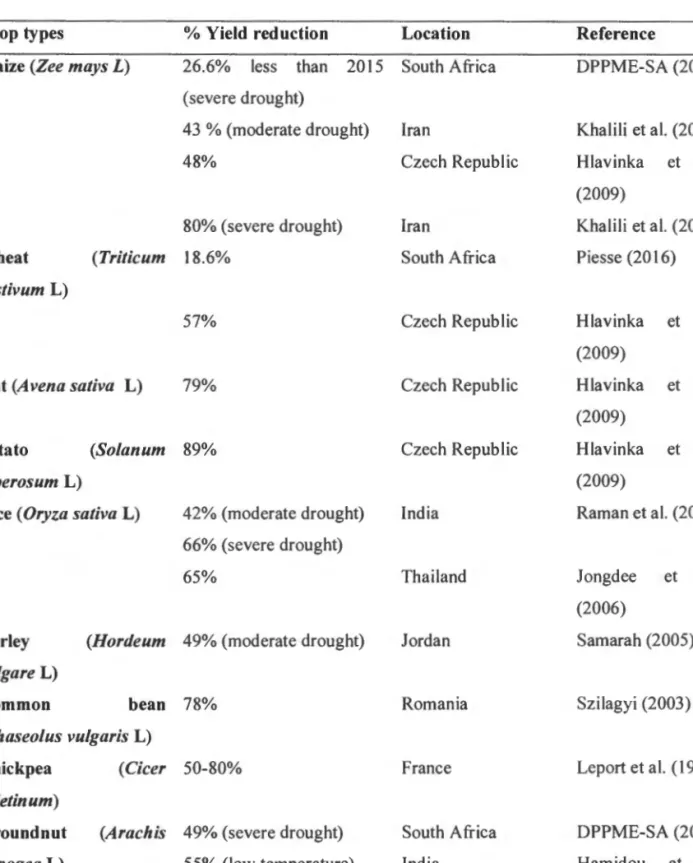
On the African continent, South Africa is the main producer of maize as approximately 2.5 million ha of maize land are planted annually. The decrease in the production of maize was brought about by severe drought conditions in the maize producing areas of the country (DPPME-SA, 2016; Piesse, 2016; Lydia, 2017). It was therefore recorded as the second highest import ever made in the history of South Africa.
PLANT PHYSIOLOGY UNDER DROUGHT STRESS
According to SAWS, rainfall in the country's nine provinces averaged 608 mm per year since 1904, while in 2015; it averaged only 403 mm, which is only 66% of the annual average. Not only did drought affect the growth and yield of maize crops in the country, it also had a very devastating impact on the country's general agriculture and economy, although it doubled in 2017. It can also cause an increase in extracellular matrices, inhibition in cell enlargement and concentration of solutes in the plant cytosol (Bardi and Malusa, 2012).
PLANTS RESPONSE S TO DROU GHT STRESS
In the case of mild water deficit conditions, plants usually cope with physiological and molecular mechanisms; however, this will result in a lower biomass yield. The resulting effects are: constant accumulation of compatible osmolytes and abscisic acid (ABA) and excessive production of reactive oxygen species (ROS), which eventually lead to wilting and death of the plant.
DROUGHT ESCAPE
DEHYDRATION A VOID AN CE
- REDUCED LEAF EXPANSION
- ROOT ELON GATTON
- STOMATA_ L CLOSURE
- OSMOTIC ADJUSTMENT
In this case, stomata close as a reduction in guard cell turgor caused by a decrease in solute concentration (Foley et al., 2011; Bardi and Malusa, 2012; Dai, 2013). When a plant is dehydrated, abscisic acid produced in the root is translocated to the stem through the xylem (Sah et al., 2016). Maintenance of turgor pressure in root meristems enhances the maintenance of root growth (Farooq et al., 2009).
D EHYDRATION (DRO UGHT) TOLERAN CE
EFFECTS OF DROUGHT STRESS ON PLANT MORPHOLOGY
- REDUCED CROP GROWTH AND YIELD
- WAT ER AND NUTRIENTS RELATIONS
- PHOTOSYNTHE SIS
- PARTITIONING OF ASSIMlLATES
- OXIDATIVE DAMAGE
This is because a reduction in the rate of transpiration caused by drought reduces the absorption of nutrients and the efficiency of their use (Farooq et al., 2009). Reduction in the rate of photosynthesis as a result of severe drought can lead to a decrease in Rubisco activity (Bota et al., 2004). Seed set and fill may be incomplete due to utilization (sink limitation) or availability (assimilation source) (Asch et al., 2005).
METHODS TO IMPROVE PLANT DROUGHT TOLERANCE
- TRANSGENIC METHOD
- BREEDING OF DROUGHT TOLERANT GENOTYPES
- USING MICROORGANISMS TO PROMOTE DROUGHT TOLERANCE IN PLANTS
- MODIFICATIONS IN PHYTOHORMONES
From the work of Mayak et al. 2004) a bacterial strain (Achromobacter piechaudii) containing l-aminocyclopropane-1-carboxyl (ACC) deaminase induced drought stress tolerance in tomato and pepper. Plants inoculated with Pseudomonas putida were reported to survive drought stress due to IAA production (Marulanda et al., 2009). According to Cohen et al. 2009), production of ABA and gibberellins by Azospirillum lipoferum alleviated drought stress in maize plants.
These studies provide evidence for the use of plant growth-promoting bacteria in improving drought tolerance in plants through altering antioxidant activity under drought stress (Gusain et al., 2015). Under uninoculated conditions, the negative effects of drought stress on plant growth may be a result of reduced sugar levels (Sandhya et al., 2010).
MATERIALS AND METHODS
- ISOLATION AND SELECTION OF BACTERIA
- MORPHOLOGICAL CHARACTERISTICS OF BACTERIAL ISOLATES
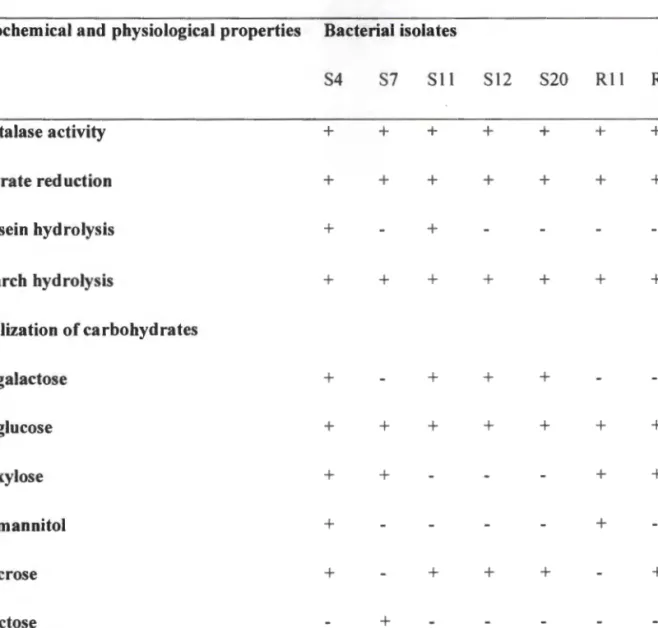
- NITRATE REDUCTION TEST
- UTILIZATION OF CARBO HYDRA TE SOURCES
- CAT ALA SE PRODUCTION TEST
- EFFECT OF PEG 8000 ON BACTERIAL GROWTH
- EFFECT OF TEMPERATURE ON THE GROWTH OF BACTERIA
- EFFECT OF pH ON THE GROWTH OF BACTERIA
- MOLECULAR CHARACTERIZA TlON OF BACTERIAL ISOLA TES
- DNA PURIFICATION, SEQUENCING AND PHYLOGENETIC ANALYS fS
A loopful of each bacterial isolate was streaked onto starch agar plates (Sigmon, 2008) in triplicate, plates were incubated at 30°C for 8 days. The ability of selected isolates to hydrolyze casein was determined by spot-inoculating prepared skimmed milk agar plates with a loopful of each bacterial isolate in triplicate. Bacterial growth was determined after 8 days by measuring the OD of 2 ml of each culture at 600 nm using a UV spectrophotometer (Thermo Spectronic, Merck, SA).
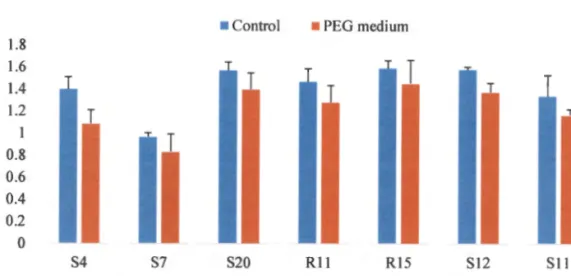
The effect of pH on bacterial growth was determined by growing 10 µI of each bacterial culture in tubes containing 10 ml of sterilized ISP I medium supplemented with 5% PEG 8000. The inoculated tubes were incubated at 25 °C under shaking conditions (150 rpm min). ) for 7 days, and then the OD of each culture was measured with a UV spectrophotometer (Thermo Spectronic, Merck, SA). Bacterial NaCl tolerance was assessed according to the method of Ndeddy Aka and Baba Iola (2017) by inoculating 20 µI of each bacterial isolate into 20 mL of sterilized ISP ISP medium containing various concentrations of NaCl and 1.0%).
The inoculated tubes were incubated at 25°C for 5 days and the OD was measured at 600 nm using a UV spectrophotometer (Thermo Spectronic, Merck chemicals, SA). The growth of each bacterial isolate was obtained by measuring the OD at 600 nm using a UV spectrophotometer (Thermo Spectronic, Merck chemicals, SA). Amplifications were performed in a final volume of 25 µI consisting of 12.5 µI of 2x PCR Master mix (0.05 U/µI Taq DNA polymerase, 4 mM MgCb and 0.4 mM dNTPs (Fermentas)), 1 µI template of genomic DNA, 0.5 µI each of forward and reverse primers, and 11 µI nuclease-free water.
The PCR for siderophore and ACC deaminase genes was performed as follows: 2 µl (approximately 1 Ong) of each DNA extract was amplified with 12.5 µl of 2x PCR Master mix (0.05 U Taq DNA polymerase4 mM MgCb and 0.4 mM dNTPs (Fermentas) ), 1 µM of each primer and 8.5 µI nuclease-free water, in a 25 µL reaction mix in a Cl000 thermal cycler (BioRad) with the following PCR conditions: 30 denaturation cycles at 94° C for 1 minute, annealing temperatures of 55°C for side and 52°C for 45 s, extension of 72°C for 2 minutes and a final extension step of 72°C for 7 minutes.
DATAANALYSIS
RESULTS AND DISCUSSION
- ISOLATION AND CHARACTERIZATION OF ACTINOMYCETES
- EFFECT OF PEG 8000 ON BACTERIAL G ROWTH
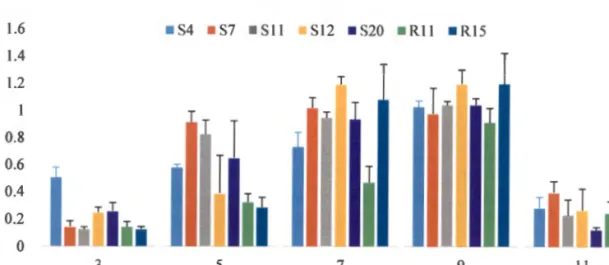
- EFFECT OF pH ON BACTERIAL GROWTH
- EFFECT OF SODIUM CHLORIDE (NaCl) ON BACTERIAL GROWTH
- PHYLOGENETIC ANALYSIS
- PRIMER DESIGN AND AMPUFICA TION OF DROUGHT TOLERANCE AND
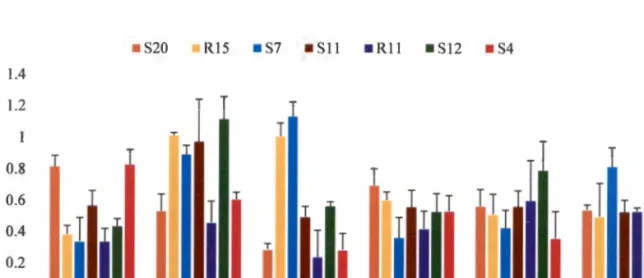
The results obtained for each of the isolates at different temperatures are shown in Figure 2.2. The effect of temperature on the growth of the tested bacterial strains showed that these bacteria can survive in different temperature ranges. The level of microbial activity in soil is usually influenced by soil pH.
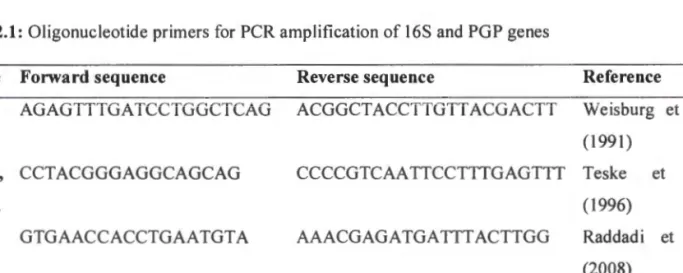
The results obtained, as shown in Figure 2.3, showed that optimal growth at 0D600 for all bacterial isolates tested was observed between pH 5 and 9. The ability of the selected bacterial isolates to tolerate drought was evaluated based on concentration and time. PCR amplification of the 16S rRNA genes was successfully performed using two sets of universal primers as shown in Table 2.1.
The relationship between the isolates was based on evolutionary distances using Neighbor-joining (NJ) and the Maximum Likelihood method according to Tamura et al. The phylogenetic relationship of the bacterial isolates used in this study was first estimated using a blast search of the GenBank database, and the most closely related strains were selected for pairwise sequence comparison, hence the construction of the phylogenetic tree. Most of the closest strains to the bacterial isolates in this study have been associated with one or the other stress tolerance.
The ability of some of the tested isolates to amplify at the target product sizes of drought tolerance and PGP genes used in this study could indicate the presence of these genes in their genome or. The presence of the Aced gene in the isolates in this study could be of great importance in field application under stress conditions. 2016) Improvement of drought stress tolerance in crops by plant growth promoting rhizobacteria. 1987) Report of the ad hoc commission on reconciliation of.
INTRODUCTION
The use of actinomycete species to enhance stress tolerance in plants has received little attention over the years. Actinomycetes, found mainly in soil, are widely recognized for their antibiotic production and their remarkable ability to survive in unfavorable environments (Passari et al., 2015). Their ability to produce certain plant growth promoting properties has also been identified, but with little information on the extent of these properties produced (Ali et al., 2014; . Sreevidya et al., 2016).
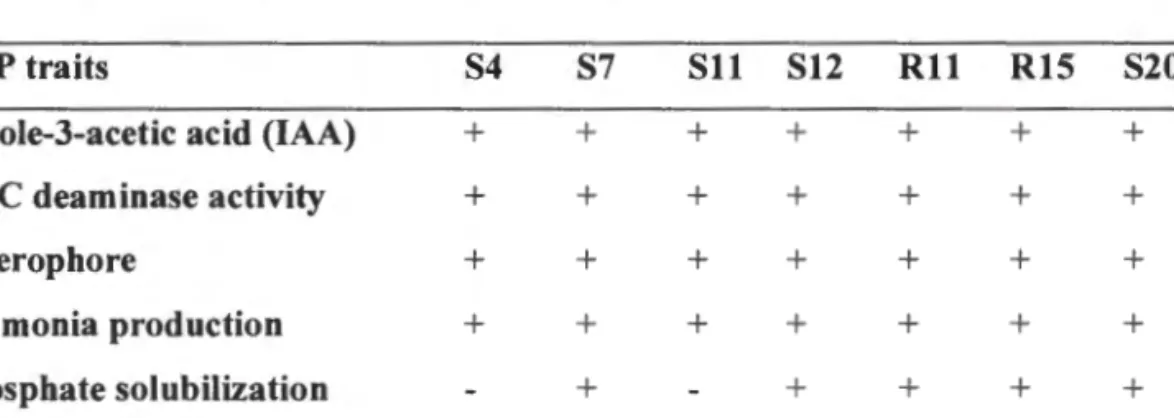
Screen drought-tolerant bacteria for the production of elements that promote plant growth (PGP) such as ACC, IAA, siderophore, phosphate and ammonia (NH3). Quantify some PGP elements (!AA, ACC deaminase, siderophore) produced by drought tolerant bacteria;.
MATERIALS AND METHODS
- ISOLATION AND SELEC TION OF DROUGHT TOLERANT BACTERIA
- QUALITATIVE AND QUANTITAT IVE ASSESSMENT OF PLANT GROWTH
- GREENHOUSE EXPERIMENTS
After incubation, 1 ml of the bacterial culture was transferred to sterile Eppendorf tubes and centrifuged for 15 minutes at 5000 g. 2 mL of Salkowsky's reagent was added to 1 mL of each standard and incubated at room temperature for 20 min. The final mixture (100 ml) was added while stirring to 900 ml of sterilized LB broth adjusted to pH 6.8 and poured into Petri dishes.
Hexadecyltrimethylammonium (HDTMA, 21.9 mg) was dissolved in 25 ml of distilled water with constant stirring and low heat. All bacteria were first grown in 5 ml tryptone-soy broth (TSB, rich medium) and incubated at room temperature for 48 hours. Washed cells were resuspended in 2 ml of modified OF minimal medium containing 3 mM concentration of ACC, then incubated with shaking at 30 °C for 7 days.
Finally, one ml of 2 N NaOH was added to the samples, after which their absorbance was measured at 540 nm using a UV spectrophotometer (Thermo Spectronic, Merck chemicals, SA). Inocula were prepared by growing the bacterial strains in 250 ml conical flasks containing I 00 ml of sterilized LB broth. Sterile seeds were soaked in 10 ml of bacterial suspension for 5 hours on a rotary shaker at 150 rpm, after which 20 seeds were placed in each Petri dish and incubated at 25°C for 10 days.
Pots were irrigated daily with 200 ml of water for the first 15 days after seed germination before drought stress was induced and lasted until the 35th day.
DATA ANALYSIS
RESULTS AND DISCUSSION
- DROUGHT TOLERANCE BY ACTINOMYCETES ISOLATES
- PLANT GROWTH PROMOTING CHARACTERISTICS OF BACTERIAL
- INDOLE-3-ACETIC ACID PRODUCTION BY BACTERIAL ISOLATES
- PHOSPHATE SOLUBJLIZATION BY BACTERIAL ISOLATES
- ACC DEAMINASE ACTIVITY OF BACTERIAL ISOLATES
- AMMON IA, SIDEROPHORE AND HYDROGEN CYANIDE PRODUCTION
- SEED GERMINATION TESTS
- EFFECT OF BACTERIAL INOCULATION ON DROUGHT TOLERANCE IN
Some bacterial species are able to indirectly enhance plant growth by inhibiting the growth of pathogens (Dobbelaere et al., 2003; Ndeddy Aka and Babalola, 2016). Plant growth-promoting bacteria produce ammonia as a secondary metabolite, playing a major role in antagonistic effects (Compant et al., 2005). Plant growth-promoting rhizobacteria capable of colonizing both the surface and internal parts of plant roots play essential roles that directly or indirectly affect plant growth and development (Gerhardt et al., 2009).
Various mechanisms have been proposed for the promotion of plant growth by PGPR, which include the indirect improvement of seed germination and vitality index by reducing the incidence of seed mycoflora, which can adversely affect plant growth (Begum et al., 2012). The production of phytohormones such as IAA is another commonly described plant growth promoting mechanism (Patten and Glick, 2002). IAA promotes root development and nutrient absorption, making it a very important plant growth promoting mechanism.
Drought stress also affects the physiological, morphological, ecological and genetic processes of plant growth (Taiz and Zeiger, 2002). Plant growth-promoting bacteria are also able to produce compatible solutes (glycine-betaine and pro-line) that help in the processes of osmoregulation (Dimkpa et al., 2009). 2014) Physiological and agronomic aspects of phytohormone production by model plant growth promoting rhizobacteria (PGPR) belonging to the genus Azospirillum.
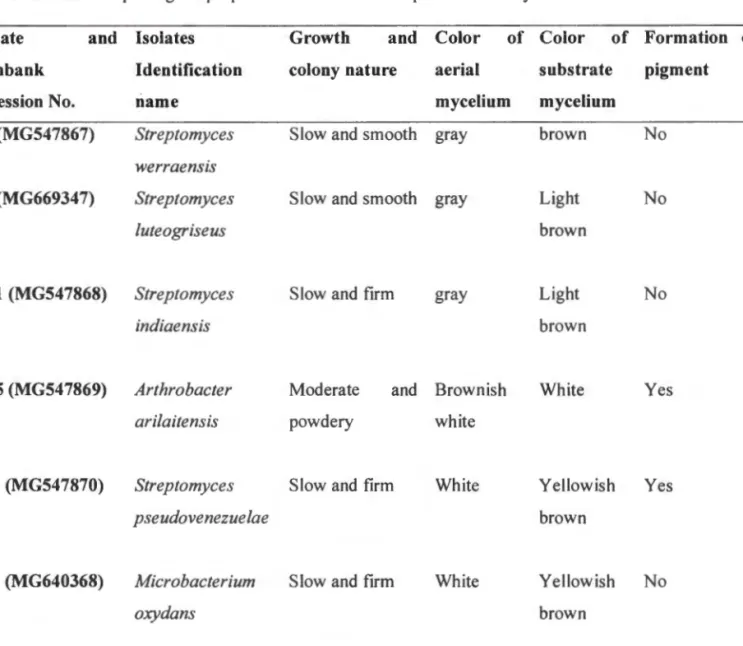
Back to the roots: those microbial ecologies of the rhizosphere. 2010) Antifungal compounds of plant growth promoting rhizobacteria and its mode of action. Plant growth-promoting actinobacteria: a new strategy for sustainable production enhancement and protection of legumes. However, the bacterial isolates Streptomyces pseudovenezuelae (MG547870) and Arthrobacter arilaitensis (MG547869) were selected for drought tolerance studies in the greenhouse due to their exceptional ability to grow in both the highest concentration of PEG 8000 and their outstanding promotional plant growth.