i
Barriers and Facilitators to Healthy Eating and Physical Activity
of Office-Based Workers in New Zealand
Prasadie Rashmini Manawaduge Silva
A thesis submitted in partial fulfilment of the degree Master of Applied Management
at Otago Polytechnic Auckland International Campus, Auckland, New Zealand
July 2022
i
ABSTRACT
The high rate of global mortality due to obesity has encouraged researchers to identify the major factors associated with the increased prevalence of obesity and other non-communicable diseases. Unhealthy eating and physical inactivity are major contributors to morbidity and premature death. The working population spends the majority of their waking hours in the workplace and the workplace setting has been identified as an ideal environment to improve healthy eating and physical activity of workers. While many occupations and community settings have been researched, little is known about office-based workers eating behaviour and physical activity level in the workplace. The primary goal of this research is therefore to explore the barriers and facilitators that New Zealand office-based workers face in terms of healthy eating and physical activity in the workplace.
This research used a mixed methodology; a combination of quantitative and qualitative methods to answer the research questions. A total of 106 office-based workers in New Zealand completed the questionnaire and of these participants, 13 were participated for the semi-structured interviews. Descriptive statistics have primarily been used to analyse the quantitative data while thematic analysis was used to analyse the qualitative data.
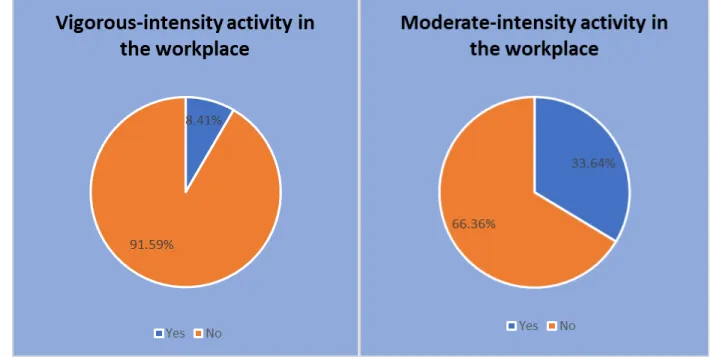
The quantitative survey results indicated that the majority of office-based workers' workplace fruit intake is in line with the New Zealand health recommendations. Notably, their sweets intake in the workplace is higher than the general health recommendations. In terms of physical activities, the majority of the office-based workers' occupation does not involve any vigorous- intensity or moderate-intensity activity during their work time and their sitting time is seven to eight hours in the workplace. The qualitative interview results discovered that excessive workload, work stress, nature of work, organisational culture, unavailability of healthy food options in the workplace, and lack of encouragement from the management were the main barriers to healthy eating and physical activity in the workplace.
To promote healthy eating and physical activity in the workplace, the research recommends that the management should streamline the physical environment of the workplace by cultivating a positive organisational health climate by reducing workload, increasing work flexibility, providing compulsory breaks for stretching and exercise, longer lunchtimes for walking groups or fitness classes and increasing the availability of healthy food options in the workplace.
ii
ACKNOWLEDGEMENTS
I would like to express my sincere gratitude to my research supervisor Dr. Indrapriya Kularatne and research co-supervisor Dr. Edwin Rajah for providing me with unfailing support, direction, and constant encouragement. Your ongoing advice, encouragement, and wisdom were priceless for me and my research throughout this entire process.
I would also like to thank Dr. Olufemi Omisakin for your time and support. You have guided me into the exciting world of scientific research and showed me the endless opportunities it could create.
A massive thank you to Jeanette O’Fee for your continuous and detailed feedback and endless corrections which helped me to improve my writing dramatically. I would not have completed this thesis without your help, and I will always be truly grateful for your support.
My gratefulness to Otago Polytechnic Auckland International Campus, for allowing me to grow academically and for the generous student support throughout this time.
My acknowledgements to all the participants of my research who took time out from their busy schedules to be involved in this research. Your time, honest ideas, and efforts were truly appreciated.
My parents and family for believing in me and joining me on this journey far away from home.
My final acknowledgement is to my husband, Dhanushka, my son, Menula, and two daughters Dinugi and Jenuli. Balancing work, thesis and family has been challenging, and I have been exceptionally fortunate to have a supportive and caring husband and three beautiful children to keep things in perspective and support me from the very beginning to the very end.
This is for them.
iii
TABLE OF CONTENTS
ABSTRACT ... i
ACKNOWLEDGEMENTS ... ii
TABLE OF CONTENTS ... iii
LIST OF TABLES ... vi
LIST OF FIGURES ... vi
LIST OF ABBREVIATIONS ... vii
CHAPTER 1: INTRODUCTION ... 1
1.1 Background ... 1
1.2 Rationale for the Current Research ... 3
1.3 Research Interest ... 6
1.4 Research Aim and Objectives... 6
1.5 Research Questions ... 7
1.6 Structure of Thesis ... 7
CHAPTER 2: LITERATURE REVIEW ... 9
2.1 Healthy Eating ... 9
2.1.1 Healthy Eating in New Zealand ... 10
2.2 Physical Activity ... 11
2.2.1 Physical Activity in New Zealand ... 12
2.3 Healthy Eating in the Workplace ... 13
2.4 Physical Activity in the Workplace ... 15
2.5 Barriers and Facilitators to Healthy Eating and Physical Activity in the Workplace ... 16
2.5.1 Organisational Barriers and Facilitators to Healthy Eating in the Workplace ... 17
2.5.2 Social Barriers and Facilitators to Healthy Eating in the Workplace ... 18
2.5.3 Individual Barriers and Facilitators to Healthy Eating in the Workplace ... 19
2.5.4 Policy Level Barriers and Facilitators to Healthy Eating in the Workplace ... 20
2.5.5 Organisational Barriers and Facilitators to Physical Activity in the Workplace ... 21
2.5.6 Social Barriers and Facilitators to Physical Activity in the Workplace ... 22
2.5.7 Individual Barriers and Facilitators to Physical Activity in the Workplace ... 23
2.5.8 Policy Level Barriers and Facilitators for Physical Activity in the Workplace ... 24
2.6 Workplace Health Promotion Programmes ... 25
2.7 Office-Based Workers’ Preference for Health Promotion Initiatives in the Workplace ... 26
iv
2.8 Summary ... 27
CHAPTER 3: METHODOLOGY ... 28
3.1 Research Design ... 28
3.2 Online Questionnaire ... 30
3.2.1 Questionnaire Participants ... 31
3.2.2 Questionnaire Materials ... 32
3.2.3 Questionnaire Data Analysis ... 34
3.3 Semi-Structured Interview ... 34
3.3.1 Interview Participants ... 35
3.3.2 Interview Materials ... 35
3.3.3 Interview Data Analysis ... 37
3.4 Ethical Consideration... 37
3.5 Summary ... 38
CHAPTER 4: RESULTS ... 39
4.1 Questionnaire Results ... 39
4.1.1 Characteristics of the questionnaire Participants ... 39
4.1.2 Office-Based Workers' Healthy Eating Behaviour and Physical Activity Level in the Work-Place ... 40
4.1.3 Summary of Questionnaire Results ... 47
4.2 Interview Results ... 48
4.2.1 Characteristics of the interview Participants ... 48
4.2.2 Barriers and Facilitators to Healthy Eating and Physical Activity in the Workplace ... 50
4.2.3 Organisational Barriers and Facilitators to Healthy Eating and Physical Activity in the Workplace ... 52
4.2.4 Social Barriers and Facilitators to Healthy Eating and Physical Activity in the Workplace ... 58
4.2.5 Individual Barriers and Facilitators to Healthy Eating and Physical Activity in the Workplace ... 59
4.2.6 Policy Level Barriers and Facilitators to Healthy Eating and Physical Activity in the Workplace ... 62
4.3 Office-Based Workers’ Perception of Healthy Eating and Physical Activity ... 62
4.4 Office-Based Workers’ Preference for Health Promotion Initiatives in the Workplace ... 65
4.5 Summary ... 68
v
CHAPTER 5: DISCUSSION ... 72
5.1 Introduction ... 72
5.2 Overview ... 72
5.3 Organisational Barriers and Facilitators to Healthy Eating in the Workplace ... 73
5.4 Organisational Barriers and Facilitators to Physical Activity in the Workplace ... 74
5.5 Social Barriers and Facilitators to Healthy Eating in the Workplace ... 76
5.6 Social Barriers and Facilitators to Physical Activity in the Workplace ... 76
5.7 Individual Barriers and Facilitators to Healthy Eating in the Workplace... 77
5.8 Individual Barriers and Facilitators to Physical Activity in the Workplace ... 79
5.9 Policy Level Barriers and Facilitators to Healthy Eating in the Workplace ... 80
5.10 Policy Level Barriers and Facilitators to Physical Activity in the Workplace ... 81
5.11 Workplace Health Eating Behaviour and Physical Activity Level of Workers ... 81
5.12 Office-Based Workers’ Perception of Healthy Eating and Physical Activity ... 84
5.13 Office-Based Workers’ Preference for Future Health Initiative Strategies ... 86
5.14 Recommendations for Managers ... 89
5.15 Strengths of the Research ... 91
5.16 Limitations and Future Research Opportunities ... 92
5.17 Conclusion ... 94
REFERENCES ... 97
APPENDICES ... 120
Appendix A: Ethics approval ... 120
Appendix B: Online Questionnaire ... 121
Appendix C: Interview Guide ... 125
vi
LIST OF TABLES
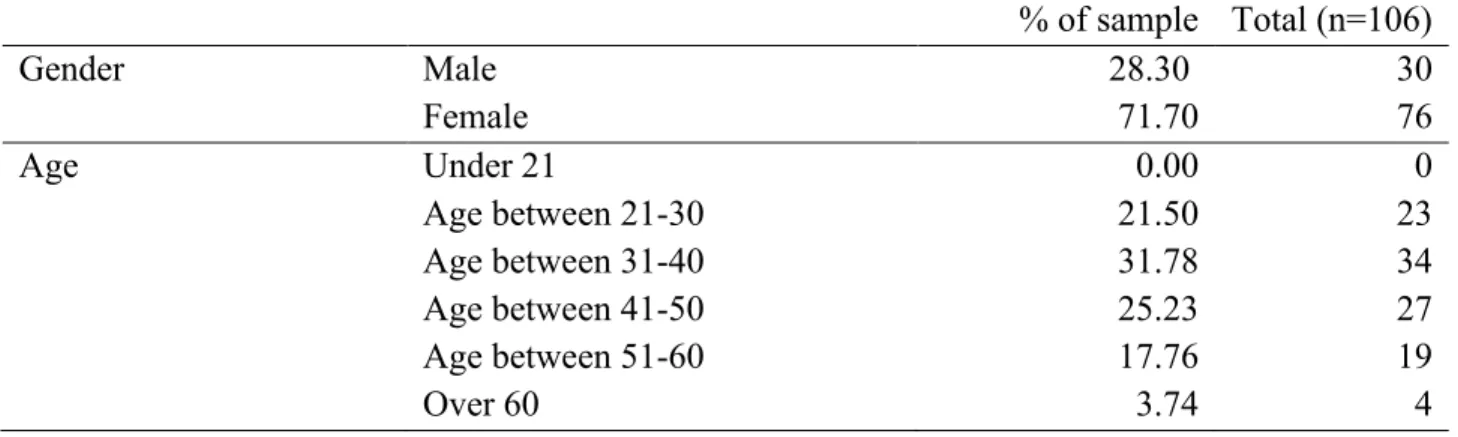
Table 4.1: Characteristics of the Participants ... 39
Table 4.2: Vegetables and Fruit Consumption in the Workplace ... 41
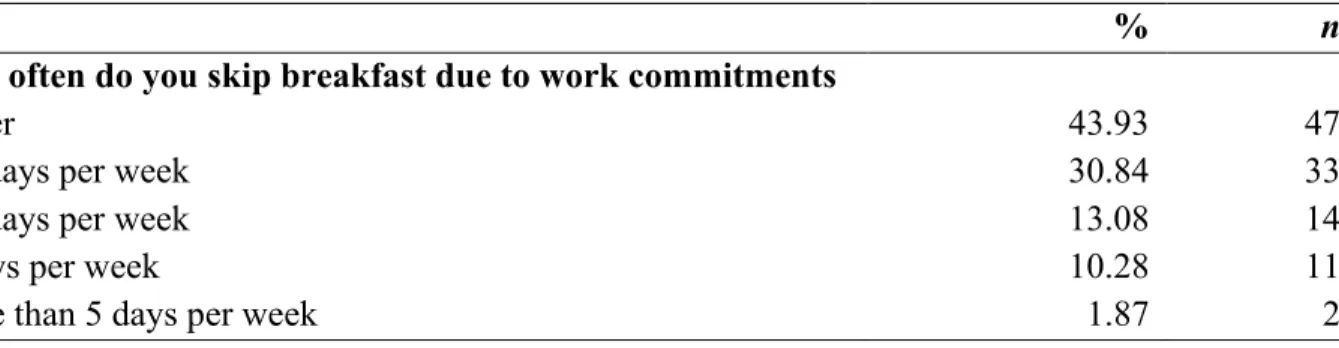
Table 4.3: Number of Days Participants Skipped Breakfast Due to Work Commitments ... 43
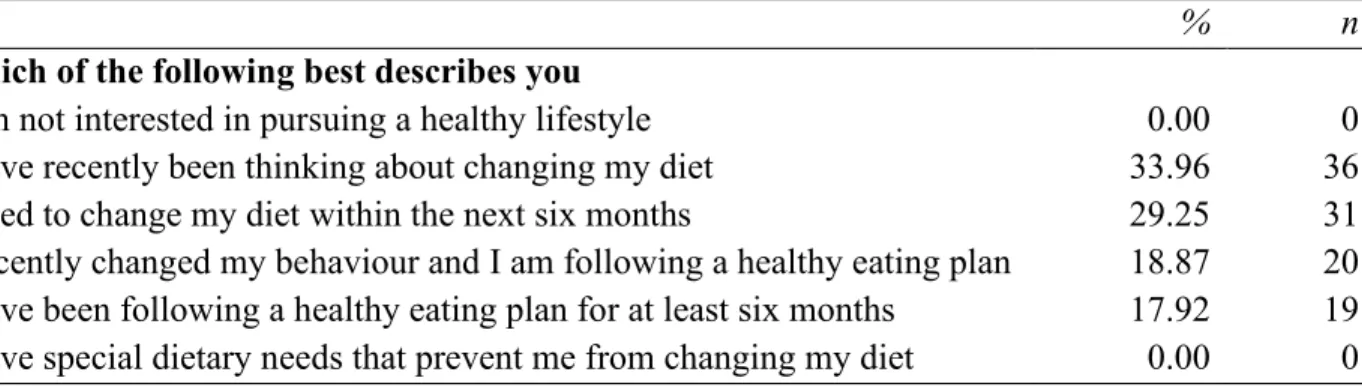
Table 4.4: Motivation and Readiness to Healthy Eating ... 45
Table 4.5: Average Sitting Time in the Workplace ... 46
LIST OF FIGURES
Figure 2.1: Socio-ecological Model for Healthy Eating and Physical Activity ... 17Figure 4.1: Vegetable Consumption in the Workplace ... 42
Figure 4.2: Fruit Consumption in the Workplace ... 42
Figure 4.3: Sugary Beverages Consumption in the Workplace ... 44
Figure 4.4: Sweets/Confectionery Consumption in the Workplace ... 44
Figure 4.5: Vigorous-Intensity Activity and Moderate-Intensity Activity Level in the Workplace ... 46
Figure 4.6: The Habit of Using Stairs Instead of Elevator in the Workplace ... 47
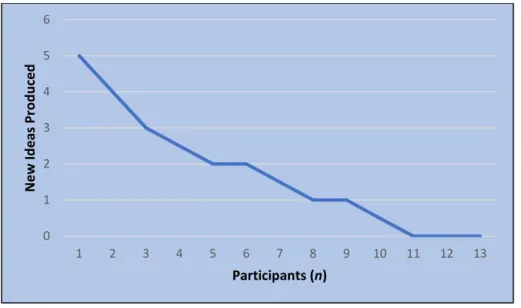
Figure 4.7: Data Saturation ... 49
Figure 4.8: Thematic Analysis of Factors Perceived to Barrier and Facilitate Healthy Eating and Physical Activity in the Workplace... 51
Figure 4.9: Participants” Perceptions of Healthy Eating and Physical Activity in the Workplace ... 63
Figure 4.10: Participants Preferred Healthy Eating and Physical Activity Initiatives ... 65
Figure 4.11: The Four Objectives of the Research and the Summary of Findings ... 71
vii
LIST OF ABBREVIATIONS
BMI Body Mass Index
FAO Food and Agricultural Organisation GDP Gross Domestic Product
HIIT High Intensity Interval Training HRA Health Risk Assessment
IPAQ-LF International Physical Activity Questionnaire - Long Form MOH Ministry of Health
OPAIC Otago Polytechnic Auckland International Campus ROI Return on Investment
UK United Kingdom
USA United States of America WHO World Health Organisation
1
CHAPTER 1: INTRODUCTION
1.1 Background
Healthy eating and regular physical activity are considered the fundamentals of preventing obesity, and major non-communicable diseases such as type 2 diabetes, coronary heart disease, and several cancers (World Health Organization [WHO], 2011). In 2016, approximately 1.9 billion adults of the world population were overweight and from that 650 million were obese (Food and Agricultural Organisation [FAO] and WHO, 2019). The rising prevalence of obesity and non- communicable diseases in the population produces a tremendous burden on the global economy via increased healthcare costs and thousands of premature deaths (Li et al., 2015). In 2017, approximately 11 million deaths were reported globally with 255 million disability-adjusted life- years due to unhealthy eating and lack of physical activity (FAO and WHO, 2019). Obesity is estimated to cost countries around 0.8% to 2.4% of their gross domestic product (GDP) every year and this economic cost is estimated to reach up to 3.7% of GDPs in 2060 (Okunogbe et al., 2021).
In addition to the excess health care expenditure, obesity imposes several indirect costs to the economy in the form of absenteeism (lost workdays due to illnesses) presenteeism (reduced productivity at work), disabilities, and unemployment (Peñalvo et al., 2021).
In New Zealand, the adult obesity rate was 34.3% in 2020/2021 and it has been gradually increasing since 1977 (Ministry of Health [MOH], 2021). According to recent survey results, close to 147,000 New Zealanders were classified as extremely obese with a Body Mass Index (BMI) of
≥ 40 kg/m2 (MOH, 2020). The main reasons for obesity are consumption of nutrient-poor foods and lack of physical activity (MOH, 2015). Obesity and related cardiovascular diseases are now the key risk factors contributing to morbidity, and premature death in New Zealand (MOH, 2015).
Out of the total public health care costs in New Zealand, 2.5% are attributable to obesity which is approximately New Zealand $135 million per year (Swinburn et al., 1997). This is excluding the other costs associated with obesity-related diseases and indirect costs associated with community weight-loss programmes (Swinburn et al., 1997). According to, Burniston et al. (2012) more than 80% to 90% of these diseases, and their associated burdens on the global healthcare system, could be avoided or minimised by promoting healthy eating and physical activity among the population.
2 Many researchers have previously identified that the workplace is an ideal setting for promoting healthy eating and physical activity as a substantial proportion of adults spend a significant amount of their waking time every day in the workplace (Allan et al., 2017; WHO, 2011). Workplaces can encourage and support their workers to follow healthy lifestyle behaviours by providing a supportive physical and social environment (Pridgeon & Whitehead, 2013). In terms of the physical environment, workplaces could implement policies, structure, and a culture to encourage healthy eating and physical activity within their organisation (Leung et al., 2018). This includes flexible working arrangements (Quintiliani et al., 2010; Stern et al., 2021), increased availability of healthy food options (Brambila-Macias et al., 2011; Pridgeon & Whitehead, 2013), calorie labelling on worksite cafeteria menus (Quintiliani et al., 2010; Pridgeon & Whitehead, 2013), health education (Knox et al., 2015; Stern et al., 2021), group exercise classes (Hipp et al., 2015;
Retamal, 2013), lunchtime walking groups, onsite fitness facilities, subsidised gym memberships and incentives for healthy behaviour (Hendren & Logomarsino, 2017; Knox et al., 2015). Also, some studies suggested increasing awareness through screen savers, posters and banners in the lunch area, health tips, and BMI calculators in the computers could serve as reminders for workers to follow healthy behaviours in the workplace (Retamal, 2013; Stern et al., 2021). In terms of social environment, managers and senior leadership could work as role models to encourage healthy behaviours among the workers. Managers could develop an organisational culture including healthy eating and an active lifestyle with non-sedentary work breaks to develop health and wellbeing within their organisation (Baicker et al., 2010; Brambila-Macias et al., 2011; Lima et al., 2021; Little, 2018).
In 2017, the WHO identified the workplace as an ideal environment to promote healthy behaviours and prevent and control non-communicable diseases in the population (Peñalvo et al., 2021). Many previous studies found that workplace health promotion interventions have a positive influence on the healthy eating and physical activity of workers (Retamal, 2013; Stern et al., 2021). Also, these health promotion programmes helped to improve the overall health and well-being of the workers including their mental health in the workplace and outside their work-life (Anderson et al., 2009;
Glympi et al., 2020; Hipp et al., 2015; Torquati, 2016). Besides improved health and wellbeing, workplace health promotion interventions benefit organisations through increased productivity, increased employee satisfaction and loyalty, improved performance, and reduced absenteeism and healthcare costs (Baicker et al., 2010; Okunogbe et al., 2021). To develop a successful workplace health and well-being programme managers should first identify the barriers and facilitators that the workers face in terms of healthy eating and physical activity in the workplace (Leung et al.,
3 2018). Even though many workplace health programmes have shown a significant positive impact on healthy eating and physical activity of workers some health promotion programmes show a moderate to low impact on these health behaviours of workers (Steyn et al., 2009; Torquati, 2016).
This demonstrates the significance of understanding the workers’ perception of healthy eating and physical activity, their perceived barriers and facilitators of healthy eating and physical activity in the workplace, and their preferences for future health promotion interventions when planning and implementing health promotion programmes in the workplace. Furthermore, Torquati (2016) identified that workplace interventions designed using a theoretical framework had more successful results than the other interventions. Also, there is no “one size fits all” approach to designing workplace health promotion programmes as all workplaces and workers are different (Quintiliani et al., 2010). Therefore, the current research aims to explore the barriers and facilitators that New Zealand office-based workers face in terms of healthy eating and physical activity in the workplace and use these findings to recommend a range of health promotion initiatives to improve the health and wellness of office-based workers in New Zealand. The knowledge gained from this research will be beneficial for office-based workers, future researchers, health practitioners, employers and managers to support them to make decisions on the implementation and assessment of interventions in health and well-being programmes in the workplace.
1.2 Rationale for the Current Research
Due to the rising prevalence of obesity in the global population, abundant attention is being devoted to the workplace as an ideal location to develop and implement health promotion initiatives (Leung et al., 2018). Despite this consideration, the level of workplace obesity worldwide is on the rise due to unhealthy eating and lack of physical activity among the working population (Almeida et al., 2015). Therefore, this research primarily aims to identify the barriers and facilitators that New Zealand office-based workers face in terms of healthy eating and physical activity in the workplace. The socio-ecological model is used to describe the contributing factors of these behaviours at the individual, organisational, social, and policy levels (Kasteren et al., 2020). Additionally, this research investigated workplace healthy eating behaviour and physical activity level of New Zealand office-based workers and their perception of these health behaviours.
Finally, New Zealand office-based workers’ preferences for health promotion initiatives were examined to provide recommendations for future workplace initiativesand research.
4 There is very limited research that has been carried out regarding the barriers and facilitators of healthy eating and physical activity in the workplace setting (Lima et al., 2021; Mestral et al., 2016; Nooijen et al., 2018; Tamrakar et al., 2020). In New Zealand, the majority of this research was based on different community samples such as older single men, male adolescent rugby players, primary school children, and university students (Bowden, 2008; Quintiliani et al., 2010;
Stokes 2017). Also, using the socio-ecological model to analyse barriers and facilitators of healthy eating and physical activity in a workplace setting is an under-researched area in New Zealand Edwards (2012). The socio-ecological framework is a highly adaptable theoretical model which is used to analyse distinct human behaviours using interrelated (individual, organisational, social, and policy) factors (Kasteren et al., 2020). Apart from this, literature exploring the workers’
perception of healthy eating and physical activity in the workplace is limited (Commissaris et al., 2016; Hipp et al., 2015). Moreover, there are even fewer studies that have been carried out in terms of both healthy eating and physical activity components together when evaluating the health and well-being of workers (Almeida et al., 2015; Grimani et al., 2019). According to Conn et al. (2009), Torquati (2016) and Steyn et al. (2009) workplace initiatives focussing on both the nutrition and physical activity components together had a significant positive impact on workers’ body weight, BMI, work attendance, and productivity in the workplace. Therefore, there would appear to be a knowledge gap in this area of research as previously identified the combination of these lifestyle components; healthy eating and physical activity, have the potential to improve quality of life and prevent chronic disease in the population (Nooijen et al., 2018; Tamrakar et al., 2020). Besides, improving both healthy eating and physical activity in the workplace through health promotion programmes these may have a significant impact on the lifestyles of the workers as well as their families outside the workplace (Lassen et al., 2010).
The workplace is a setting where people spend at least one-third of the day (Retamal, 2013). Some occupations, especially desk-based jobs require workers to spend long periods seated such as professional services, senior management roles, artistic work, and administration jobs (Lima et al., 2021; Mestral et al., 2016). These workers spend more time sitting than average workers and have double the risk of developing cardiovascular disease compared with those workers who have physically active jobs (Retamal, 2013). However, very little is known about how to improve the health and well-being of office-based workers (Bowden, 2008; Quintiliani et al., 2010). In addition to that, literature exploring workplace healthy eating behaviour and physical activity level is limited, with much of the research carried out exploring these behaviours taking place over the whole day (inside and outside of the workplace) (Commissaris et al., 2016; Hipp et al., 2015).
5 Thus, it would appear to be significant to undertake this research in the New Zealand office-based workplace context to understand the healthy eating behaviour and physical activity level of office- based workers in the workplace to improve their healthy behaviours and health outcomes.
This research also focussed on exploring the worker’s preference for health promotion initiatives in the workplace. Understanding workers’ preferences and requirements would help to design and implement an effective intervention strategy to improve healthy behaviours in the workplace (Anderson et al., 2009). Pescud et al. (2015) suggested that more studies need to be conducted to explore employee and employer perceptions of health promotion initiatives in the workplace.
However, limited research appears to have been conducted in New Zealand workplaces to understand the workers’ preferences for health intervention strategies in the workplace (Donaldson-Feilder et al., 2017; Quintiliani et al., 2007). According to Edwards (2012), the success of workplace health promotion programmes is highly dependent on workers’ participation and involvement in these programmes.
This research provides an in-depth understanding of the overall healthy eating and physical activity profile of office-based workers in New Zealand. Firstly, it assessed the workplace healthy eating behaviour and physical activity level of office-based workers and their perceptions of these behaviours. Secondly, it evaluated the barriers and facilitators of healthy eating and physical activity in the workplace. Thirdly, it assessed the office-based workers’ preference for future health promotion initiatives in the workplace. Finally, based on the findings, recommendations provide a range of health promotion initiatives to improve the health and wellness of office-based workers in New Zealand; which adds to the limited body of evidence in this area. This research not only contributes to the existing body of knowledge but also provides a foundation for future research to investigate specifically organisation-level barriers and facilitators of healthy eating and physical activity of office-based workers. Furthermore, the recommendations of this research would be particularly useful for managers and occupational health professionals looking to implement or improve health promotion initiatives in workplaces. Also, the knowledge gained from this research will be beneficial for office-based workers to become more conscious and mindful about their eating behaviour and physical activity level in the workplace.
6
1.3 Research Interest
The motivation for this research came from personal interest. As a finance and accounting professional working in an office-based job for more than ten years, I have been very interested in the health and well-being of office-based workers. Particularly, losing 25kgs, myself (the extra weight I gained during my third pregnancy), within one year I thoroughly understand the physiological and psychological impact of obesity, and also the amount of hard work and determination required to lose the weight. My weight-loss journey from 85kg to 60kg was far from a walk in the park, with three tiny humans and a full-time job. This weight loss changed my life goals and it sparked a desire to spend my spare time helping others to improve their health and wellbeing. Having discussed this with many colleagues in the workplace regarding their health and weight management goals, I have observed the challenges faced by office-based workers when choosing healthy eating and undertaking physical activity in the workplace. Even though organisations have implemented many health promotion programmes to enhance the health and wellbeing of their workers, I have also seen employers and health professionals facing many challenges in designing and implementing robust interventions that can be tailored to meet the needs of specific worker groups. Therefore, it is the hope that this research will recognise the barriers and facilitators that the New Zealand office-based workers face in terms of healthy eating and physical activity in the workplace. Most importantly, I hoped that methods to reduce or overcome these barriers would be identified and that future assistance will be given to office-based workers to achieve healthy behaviours and consequently, a better quality of life.
1.4 Research Aim and Objectives
It is important to understand the barriers and facilitators that office-based workers face, in terms of healthy eating and physical activity in the workplace to improve their healthy behaviours and healthy outcomes in the workplace. The following aim was addressed in this research:
To evaluate the perceived barriers and facilitators that New Zealand office-based workers face in terms of healthy eating and physical activity in the workplace. More specifically, with the above research aim in mind, the following objectives directed the research:
1. To assess workplace healthy eating behaviour and physical activity level of office-based workers.
7 2. To understand office-based workers’ perceptions of healthy eating and physical activity in
the workplace.
3. To understand the preference for future workplace health initiative strategies among office- based workers.
4. To use the findings to recommend a range of health promotion initiatives to improve the health and wellness of office-based workers in New Zealand.
1.5 Research Questions
The main objectives of this research explored used four questions formulated to engender sound conversation and facilitate discussion of the main barriers and facilitators of healthy eating and physical activity of office-based workers. The research questions are as follows:
1. What is office-based workers’ healthy eating behaviour and physical activity level in the workplace?
2. What is the office-based workers’ perception about healthy eating and physical activity in the workplace?
3. What are the perceived barriers and facilitators that New Zealand office-based workers face in terms of healthy eating and physical activity in the workplace?
4. What are the personal preferences of office-based workers for future health initiative strategies in the workplace?
The following section provides an overview of the thesis.
1.6 Structure of Thesis
Chapter one discusses the background of this research, the problem statement, the researcher’s interest in the research topic, aims and objectives, and the research questions.
Chapter two provides a critical analysis of the literature pertinent to the research topic. This primarily focuses on investigating the existing body of knowledge published in the last decade in relation to the healthy eating and physical activity of office-based workers. It also highlights the importance of workplace health interventions on the health and wellbeing of office-based workers.
8 Chapter three provides an overview of the research methods, research materials, participants, sampling, and data analysis techniques.
Chapter four discusses the research findings from the quantitative and qualitative methods employed.
Chapter five provides a summary of the results, and data analysis and discusses the findings in conjunction with the supporting literature. Lastly, recommendations for future interventions based on the key findings and also an analysis of the limitations of the research are provided.
9
CHAPTER 2: LITERATURE REVIEW
The literature review discusses the current research relating to healthy eating and physical activity in the workplace, with a specific focus on office-based workers. The review begins with an examination of the definitions of healthy eating and physical activity and the importance of these healthy behaviours in the workplace. This is followed by a detailed analysis of the barriers and facilitators of healthy eating and physical activity, specifically in the New Zealand office-based workplace setting. It concludes with an evaluation of the importance of workplace health promotion initiatives and the preference for such initiatives among office-based workers in New Zealand.
2.1 Healthy Eating
The concept of healthy eating, although explained in different ways, includes objectives, principles, and certain food groups that are aimed at benefiting people’s overall health and wellbeing (Reddy & Anitha, 2015). According to WHO a healthy diet promotes all parts of an individual’s health, has a low environmental impact, is accessible, affordable, safe, and is culturally acceptable (FAO and WHO, 2019). A healthy diet is comprised of vegetables and fruit, whole grains, lean meats, dairy products, nuts, and a minimal consumption of salt, trans-fat, red meat, refined carbohydrates, and sugar (Pallazola et al., 2019). Consuming a healthy diet rich in fruit and vegetables and low in processed foods can help in the prevention of nutrient deficiencies, being overweight, and obesity (FAO & WHO, 2019). Eating and activity guidelines for New Zealand adults recommend consuming different types of nutritious foods every day including plenty of fruit and vegetables, whole grains, lean meat, and nuts, and also reducing the consumption of processed meat, red meat, sugary beverages, and highly processed snacks for a healthier life (MOH, 2020). The Mediterranean diet, vegetarian diet, and United States of America (USA) healthy eating diet are the three healthy diets recommended by the Dietary Guidelines for Americans in 2015 (Pallazola et al., 2019).
Unhealthy eating is the main contributing factor to many non-communicable diseases such as diabetes, dyslipidaemia, cancers, and hypertension (Li et al., 2015). Unhealthy diets include foods made up of simple carbohydrates (white rice, white flour, and table sugar), processed foods, and foods that contain added sugars, fat, and salt (Bao et al., 2013). Many processed foods contain
10 added sugar, fat, and salt and are associated with an increased risk for cardiovascular disease (Nettleton et al., 2009). The importance of consuming a variety of vegetables and fruit every day is well documented (Li et al., 2015; Nettleton et al, 2009; Pallazola et al., 2019). Vegetable and fresh fruit consumption are associated with lower cardiovascular disease and are related to better health outcomes and longevity (Bao et al., 2013; Pallazola et al., 2019). Other than fruit and vegetables, whole-grain foods, legumes, nuts, beans, and low-fat dairy products are also considered healthy foods which contain a variety of nutritional benefits and are associated with lower cardiovascular disease and cancer risk (Pallazola et al., 2019). Additionally, fresh fruit and vegetables were considered more healthy than dried fruit or fruit juice, as juicing reduces the fibre content of fruits, while dried fruit or fruit juice often comes with added salt and sugar (Pallazola et al., 2019).
2.1.1 Healthy Eating in New Zealand
An estimated 34.3% of adults aged 15 years and over in New Zealand are obese, and a further 39.2% of adults are overweight (MOH, 2021). New Zealand has the third-highest obesity rate among the Organisation for Economic Co-operation and Development (OECD) countries and the rates continue to increase (Williden, 2012). Additionally, the obesity rate of adults in New Zealand living in the most disadvantaged areas is two times higher than the obesity rate of adults living in less disadvantaged areas (MOH, 2021). The latest MOH New Zealand recommendation for fruit and vegetable intake is five servings of vegetables and two servings of fruit per day (MOH, 2020).
Despite widespread promotion of fruit and vegetable benefits, only 53% of adults consume the recommended quantities of either vegetables or fruit, and only 33% meet both fruit and vegetable intake recommendations in New Zealand (MOH, 2020). An average of 66% of women eat at least three servings of vegetables per day and only 57% of men eat the same quantity per day (MOH, 2020).
According to the MOH (2020), adults should consume six servings of grain foods, like whole- grain bread, rolled oats, and brown rice per day. However, many New Zealand adults eat bread as a source of grain but only 10%-14% of adults usually eat whole grain bread. Approximately, 25%- 30% of adults eat white bread usually (University of Otago and MOH, 2011). New Zealand adults’
dietary fibre intake is lower than the recommended intake of 20g per day and that is one of the major risk factors in the development of non-communicable diseases among the population (MOH, 2020). Also, the MOH (2020) recommends two servings of legumes, poultry, seafood, nuts or fat
11 removed from red meat per day for a healthy adult. An average of 85% of New Zealanders’ poultry and seafood consumption is in line with the national guidelines (MOH, 2020).
According to Wild et al. (2020), the main barriers to healthy eating for New Zealand families are the cost of healthy foods, time constraints, and a negative food environment. The average cost of a healthy diet was $27 more expensive than the cost of a current unhealthy diet in New Zealand (Vandevijvere et al., 2018). It was also suggested that reduced taxes on fruit and vegetables and increased tax on sugary beverages could reduce the average cost of healthy diets and make it easier and affordable for people to consume a healthy diet in New Zealand (Vandevijvere et al., 2018).
2.2 Physical Activity
Physical activity is one of the key elements to healthy weight management and the prevention of obesity (WHO, 2010). Lack of physical activity is estimated to cause approximately 5.3 million deaths annually worldwide and is equivalent to smoking and obesity in terms of health risks (O’Brien, 2018). Physical activity can be defined as any bodily movement produced by skeletal muscles which requires energy expenditure (WHO, 2018). Walking, cycling, and different recreational activities are also considered physical activities (Knox et al., 2015). Regular physical activity (moderate-to-vigorous intensity) can reduce the risk of chronic conditions and improve metabolic and cardiovascular health conditions (Salvo et al., 2018; Warburton et al., 2006).
Despite the abundant health benefits of regular exercise, half of the adult population in many western countries do not participate in the recommended level of physical activity (more than 150 minutes per week) to accrue optimal health benefits (Australian Government - Department of Health, 2021; MOH, 2015; O’Brien, 2018; Salvo et al., 2018). In Australia, 55% of the adult population does not meet the physical activity guidelines and 44% of adults spend much of their workday sitting (Australian Government - Department of Health, 2021).
Sedentary behaviour is any waking behaviour that has less than 1.5 metabolic equivalents of energy expenditure (WHO, 2018). This includes computer time, sitting time at work, reading, sitting while travelling, and television viewing (Grande et al., 2020). Continuous sedentary behaviour is associated with cardiometabolic morbidity as well as overall mortality (Sattelmairl et al., 2011). According to Thivel et al., (2018) some individuals are physically active (according to the physical activity recommendations for their age) but are also sedentary, as they spend a significant part of their time sitting. Office-based workers spend the majority of their time sitting,
12 and this prolonged sitting at work is highly correlated with obesity, and several cardiovascular diseases (Arundell et al., 2018; Gelius et al., 2020). It is widely agreed that regular movement throughout the day and breaking up sedentary time are imperative for good health (Hartshorn, 2009; Holzgreve et al., 2021 ). The previous study by Sattelmairl et al. (2011) showed that women meeting basic exercise guidelines had a 14% lower risk of coronary heart disease than inactive women. The recommended physical activity level for adults is 150 minutes of moderate-intensity physical activity per week or 75 minutes of vigorous-intensity physical activity per week, or a combination of these two plus strength training two times per week (Grande et al., 2020). Globally, 23% of adults do not meet the recommended physical activity guidelines issued by the WHO (WHO, 2018). Lack of physical activity is the main cause of death worldwide costing the health care sector about US$54 billion and US$13.7 billion in loss of productivity (Ding et al., 2016;
Grande et al., 2020; WHO, 2018).
2.2.1 Physical Activity in New Zealand
Over the past few years, the physical activity of New Zealanders has significantly decreased mainly due to the impact of technology and transportation (Ding et al., 2016). Eating and activity guidelines for New Zealand adults recommend at least 150 minutes of moderate-intensity or 75 minutes of vigorous-intensity physical activity per week (MOH, 2020). Despite the knowledge of the benefits of physical activity, recent survey data indicated that more than a third of adults are physically inactive, and on average 1/6th of adults are sedentary in New Zealand. Lack of physical activity is the fourth leading risk factor for noncommunicable diseases in New Zealand (MOH, 2020). According to the National Health Committee (1998), approximately 1,300 to 1,560 deaths could be prevented in New Zealand if the adult population became physically active.
According to recent survey data, the level of physical activity of New Zealanders has been declining at a rate of around 1% per year since 1990, and currently, more than a 1/3rd of New Zealanders can be described as physically inactive (MOH, 2021). At the same time, sedentary behaviour among New Zealand adults is rising; from 10.0% in 2007 to 14.3% in 2015. In 2016, 13% of New Zealand men and 18% of women were considered sedentary. Regular physical activity participation is similar across all age groups (except those aged >75 years) for New Zealand adults (MOH, 2021). The age group from 45–54 years was reported as the most active age group in New Zealand whilst also being the least inactive (sedentary) age group (MOH, 2020).
13 There is a marked lack of information about physical activity and sedentary behaviour from large nationwide surveys in New Zealand (Schofield et at., 2009). One measure of physical activity comes from the New Zealand Health Surveys 2018/19, which showed that 51% of New Zealand adults were involved in a minimum of 30 minutes of moderate-intensity activity over the week (MOH, 2021). Additionally, it was found that men were more physically active than women across all age groups (MOH, 2021). Most importantly, adults aged 18–64 years old spend an average of four hours of sitting time on a normal day, and a higher level of sitting time is reported among highly-educated adults than people those aged >60 years old (MOH, 2020). Among the adults aged
≥ 60 years, 20.7% were inactive and 46.2% met the physical activity guidelines for New Zealand adults (Guiney et al., 2018). A previous study by O’Brien (2018) showed that in New Zealand, recreational physical activity preferences varied by ethnicity and cultural factors. New Zealand European women were more physically active and were more likely to meet the physical activity guidelines than Māori and Pacific women, (O’Brien, 2018). Asian adults (especially women) were the least active ethnic group which is 25% less active than the non-Asian adults (MOH, 2020;
O’Brien, 2018).
2.3 Healthy Eating in the Workplace
Healthy eating is a key element in preventing obesity and several non-communicable diseases (Kearney & McElhone, 1999). Due to the increased prevalence of obesity and other non- communicable diseases in recent decades, the eating behaviour of the population has become a responsibility of society, including workplaces (Lassen at el., 2010). The workplace has been recognised as an ideal place to promote healthy eating by creating a positive physical and social environment and conditions that support healthy eating among the workers (Lassen at el., 2010).
The nature of the office-based environment is a major contributor to promoting weight gain and obesity as most workers spend the majority of their waking time at the workplace (Leung et al., 2018). Thus, understanding the organisational influences on eating behaviours is vital to encouraging healthy eating among workers (Lima et al., 2021). Leung et al. (2018) showed that the availability of unhealthy food options in the workplace and work-related stress has a negative influence on the healthy eating of workers. Many workplaces facilitate unhealthy eating by offering an abundance of sweet, low-nutritional foods, and unhealthy snacks through vending machines (Grant, 2018; Wansink et al., 2006). It was found that workers tend to eat sweets 2.2 times more when they were visible and the sweets were placed close to their desk versus two
14 meters away (Wansink et al., 2006). Constantly being exposed to unhealthy food; convenience and visibility make it easier for workers to consume more unhealthy food in the workplace (Anderson et al., 2009). Work-related stress is a significant contributor to unhealthy eating and subsequently weight gain and obesity (Leung et al., 2018). Many studies found that work-related stress and job exhaustion/burnout are positively correlated with unhealthy, fast-food consumption of workers (Alexandrova-Karamanova et al., 2016; Chui et al., 2020; Leung et al., 2018). Also, stress and burnout in the workplace, reduce eating awareness while increasing emotional and uncontrolled eating (Wansink et al., 2006).
Previous studies found that 23.4% of workers purchase food from the workplace during the workday and most of these foods are typically high in sodium, fat, and added sugar (Onufrak et al., 2019). The consequences of unhealthy eating along with lack of physical activity of workers impact directly on employers as obesity is one of the most common and expensive health issues encountered in many workplaces (Lienhard, 2020). Unhealthy workers are more inclined to sickness, workplace injuries, and report high incidences of absences from work than healthy workers (Grant, 2018; Lienhard, 2020; Schulte et al., 2007). Also, the unhealthy eating of workers impacts on their productivity, performance, and opportunities in the workplace (Grant, 2018;
Schulte et al., 2007). In United Kingdom (UK) workplaces, an average of 16 million working days were lost annually due to obesity and obesity-related illnesses (Chetty, 2017). Thus, workplace healthy eating initiatives would not only benefit the individual health of the workers but also their workplaces (Almeida et al., 2015; Lienhard, 2020). Many previous studies have identified numerous advantages of workplace healthy eating initiatives such as improvements in workers’
healthy eating, improved productivity, improved physical and mental health, improved worker loyalty and job satisfaction, reduction in absenteeism, and a positive return on investment (ROI) by reducing health care costs (Commissaris et al., 2016; Retamal, 2013; Steyn et al., 2009).
Healthy eating initiatives in the workplace can be organised in many ways such as classes or seminars, nutrition counselling offered through in-house or outsourced nutrition professionals, health tips, increasing the availability of healthy food options, free fruit and vegetables, or increasing the availability of healthy meals at a subsidised rate (Almeida et al., 2015; Escoto et al., 2012; Lienhard, 2020). In 2015, the WHO also suggested that the workplace is a key setting for the development of health and well-being of workers, and they have broadly recommended health promotion initiatives in the workplace through numerous advocacy documents and international agreements such as the 1986 Ottawa Charter for Health Promotion (Quintiliani et al., 2007).
15
2.4 Physical Activity in the Workplace
Due to the changes in technology and economic development, the physical activity of many occupations has decreased significantly over the years and a high proportion of the workforce is now engaged in inactive and sedentary jobs (Hadgraft et al., 2016). In New Zealand, 57% of adult workers were categorised as being low-active in the workplace (Schofield et al., 2005). While in Australia, 75% of workers’ days were categorised as sedentary (Thorp et al., 2012). For office- based workers, the majority (71% of working hours) of their workday is sedentary with minimal time (28% of working hours) spent in light-intensity activities (Clemes et al., 2014). A cross- sectional observational study conducted in Perth, Australia found that the work environment contributed significantly to the overall exposure to sitting time and prolonged sitting time in the workplace (Parry & Straker, 2013). Workplace activity is varied depending on the occupation;
office-based occupations are not as active as other occupations and involve more sedentary work (Osilla et al., 2012). The office-based workers who are engaged in professional or administrative work are often called white-collar workers (Nooijen et al., 2018). Office-based occupations are traditionally characterised as ‘low risk’ occupations due to their sedentary nature; however, in terms of chronic health outcomes, they are at a higher risk of developing non-communicable diseases and increased risk of mortality (Commissaris et al., 2016; Nooijen et al., 2018; Osilla et al., 2012). Parry & Straker (2013), also confirmed that uninterrupted sedentary time and prolonged sitting are highly correlated with greater health risks for office-based workers.
Accumulating evidence found that the sedentary work environment may have a number of negative impacts on health; increasing obesity, hypertension, and impaired blood lipids that are associated with cardiovascular diseases (Grundy et al., 1999; Ojo et al., 2019). Breaking up prolonged sitting with short bouts of standing and regular light exercise can reduce the cardio-metabolic risk for workers (Ojo et al., 2019). In New Zealand alone, approximately NZ$160 million of health-related costs could be saved annually if the recommended physical activity guidelines were followed by the adult population (O’Brien, 2018). Not only economies, but workplaces also experience the impact from lack of physical activity and sedentary behaviour of workers which impacts the workplace through decreased productivity, increase medical claims, higher worker turnover rates and increased absenteeism, all of which contribute significantly to increasing the finance cost of the business (Styles, 2011).
The workplace, therefore, is a key setting to encourage and facilitate physical activities among working adults. By changing the physical and social environment of the workplace employers
16 could create a workplace culture that encourages physical activities and non-sedentary breaks (Almeida et al., 2015). In terms of the physical environment, work flexibility, availability of on- site fitness equipment, showers and changing facilities, physical activity education, exercise groups, incentives for healthy behaviours, and subsidised gym memberships, could serve as facilitators to increase physical activity in the workplace (Ablah et al., 2019; Blackford et al., 2013;
Edmunds & Clow, 2015; Little, 2018; Ojo et al., 2019). Whereas some studies have suggested redesigning the physical office environment, such as introducing height-adjustable desks and treadmill desks to reduce workplace sitting time, without influencing workplace productivity (Arundell et al., 2018; Hadgraft et al., 2016; Thorp et al., 2012). Many studies on workplace physical activity initiatives have confirmed that these have a positive impact on workers’
productivity, work-related outcomes, stress level, mental health, and job satisfaction (Arundell et al., 2018; Aittasalo et al., 2017; Knox et al., 2015; Styles, 2011).
2.5 Barriers and Facilitators to Healthy Eating and Physical Activity in the Workplace
This research has applied the Socio-ecological model (McLeroy et al., 1988) as the conceptual framework to examine the barriers and facilitators to healthy eating and physical activity in the workplace (Figure 2.1). The Socio-ecological model is popular in academic research as a conceptual model for analyses of human behaviours. (Kumar et al., 2016). It incorporates multiple factors (individual, organisational, social and policy) into different levels of influence over human behaviour (Kasteren et al., 2020; Stern et al., 2021). Therefore, this model provides an excellent overarching framework for this research to evaluate barriers and facilitators to healthy eating and physical activity of office-based workers in New Zealand.
17 Figure 2.1:Socio-ecological Model for Healthy Eating and Physical Activity
(Note: The Socio-ecological Model shows the individual, social, organisational and policy level influences on healthy eating and physical activity of an individual. Source: United States Department of Agriculture and United States Department of Health and Human Services (2010)
2.5.1 Organisational Barriers and Facilitators to Healthy Eating in the Workplace
The existing literature agrees that the organisational structures, systems and culture of a business have a significant influence on the healthy eating of workers (Almeida et al., 2015; Brambila- Macias et al., 2011; Lima et al., 2021; Stern et al., 2021). These include the facilities available in the workplace, nutritional education support, availability of healthy food options in the workplace, flexible work schedules, and a positive workplace culture that encourages healthy eating of the workers (Backman et al., 2011; Clohessy et al., 2019; Glympi et al., 2020). Many previous studies have identified lack of time due to work demands as the main barrier to healthy eating in the workplace (Leung et al.,2018; Lima et al., 2021; Stern et al., 2021). Excessive workload and long work shifts encourage workers to eat unhealthy foods such as sugary beverages, fast foods, and cheap unhealthy snacks to fill them quickly while they were at work (Stern et al., 2021). Another study conducted in the university setting in Portugal found that the lack of food preparation facilities and storage areas in the workplace was a major barrier to healthy eating in the workplace.
18 Work-related stress and burnout also lead to frequently consuming more unhealthy foods in the workplace (Alexandrova-Karamanova et al., 2016; Chui et al., 2020).
Many previous studies found a number of organisational facilitators that encourage healthy eating in the workplace such as the availability of healthy food options in the workplace or nearby, availability of kitchen appliances to prepare food and store it properly, workplace cafeteria with appealing and cost-effective healthy food options, lower numbers of vending machines and nutritional education (Backman., 2011; Shrestha et al., 2018; Tamrakar et at., 2020). A recent study of multi-ethnic blue-and-white-collar workers in a healthcare institution in Hawaii discovered that access to healthy food, such as salad bars, healthy grab-and-go items, and vegetarian options in the cafeteria, helped them to make healthier eating choices (Leung et al., 2018).
2.5.2 Social Barriers and Facilitators to Healthy Eating in the Workplace
Healthy eating is highly correlated with the social environment since eating is a social activity (Lassen et al., 2010). In the workplace, workers’ healthy eating is highly influenced by their co- workers and their managers. (Alqahtani, 2020; Reddy & Anitha, 2015). Additionally, family structure, support from their partner and the presence of children also influence workers’ healthy eating in the workplace (Power et al., 2017). Reddy & Anitha (2015) identified the significance of the social environment on healthy eating behaviour and the influence of the presence of other people on healthy eating in the workplace. Kearney & McElhone, (1999) also confirmed that the presence of other people makes it more difficult to adhere to a particular diet in the workplace.
Another study in Saudi Arabia found that a higher number of workers ate at the workplace with co-workers and they were influenced by their unhealthy food choices (Alqahtani, 2020). A retrospective analysis in the largest health care system in the USA showed that changes in co- workers’ perceptions of healthy eating were positively related with increased consumption of healthy food and decreased consumption of fat-rich food in the workplace (Lemon et al., 2009).
Interestingly, Alquahtani (2020) discovered that group eating was more popular among women and they had a higher chance of being influenced by their co-workers. Moreover, Tabak et al.
(2015) showed that fruit and vegetable consumption of co-workers was identified as a facilitator for eating more fruit and vegetables by the majority of workers.
19 Other than family and co-workers, employers and the manager's support and encouragement were also positively associated with the healthy eating of workers. Many studies have identified a lack of management support as the main barrier to healthy eating in the workplace (Clohessy et al., 2019; Kearney & McElhone, 1999; Leung et al., 2018). Managers should act as gatekeepers to promote healthy eating among their workers (Anderson et al., 2009; Leung et al., 2018). By creating a culture where workers are encouraged to follow healthy eating guidelines and being role models for practicing healthy eating in the workplace, managers can encourage and lead their workers to participate in healthy eating in the workplace (Clohessy et al., 2019; Kearney &
McElhone, 1999; Leung et al., 2018).
Culture also has a significant influence on eating practices as for most people food is the main part of their culture (Geaney et al., 2015; Verra et al., 2019). Culture consists of different values, customs and habits of individuals acquired throughout their life (Geaney et al., 2015;
Reddy & Anitha, 2015). In the study by Tamrakar et al. (2020) culture was identified as the main barrier to healthy eating for many Napali workers who preferred traditional fried food in the workplace. According to Lima et al. (2021) highly educated and professional worker’s food choices were mainly determined by their cultures such as their religious beliefs and political ideologies, while among the lower qualified workers, their culture and beliefs had a reduced impact on their healthy eating.
2.5.3 Individual Barriers and Facilitators to Healthy Eating in the Workplace
At an individual level, healthy eating is determined by the personal characteristics of the individual including their age, gender, education level, health status, culture, income status, nutritional knowledge, cooking skills and personal preference (Blackford et al., 2013). According to Mumme et al. (2020), education level and individual income are frequently associated with healthy eating.
A recent study conducted in New Zealand showed a significant correlation between the healthy eating of individuals and their socio-demographic factors (Beck et al., 2018). In this research, the participant's age, gender (especially female), ethnicity (New Zealand European) and level of education (minimum secondary school qualification) had a positive relationship with healthy eating (Beck et al., 2018). Taste is another important determinant of eating since humans show an inherited taste preference for sweet and salty foods, while some people assume that healthy diets are not palatable (Lappalainen et al., 1997). A recent study in Mexico showed that the majority of workers did not consume healthy food in the workplace due to the unappealing and unpleasant
20 taste of the healthy food options available in the cafeteria (Stern et al., 2021). Also, the unhealthy foods available in the cafeteria, such as fast/fried food tasted and looked better than the healthy foods (Stern et al., 2021).
The level of an individual’s education is also associated with healthy eating and therefore, lack of nutritional knowledge may have a negative impact on healthy eating among workers (Onufrak et al., 2019). A study conducted in a Portuguese university setting identified the lack of nutritional knowledge and lack of awareness about healthy eating as the main barrier among university students and the staff to consuming healthy food at the university (Lima et al., 2021). Another cross-sectional study conducted in Ireland, recruiting 828 workers showed that higher levels of nutritional knowledge among the workers facilitated healthy eating in the workplace (Geaney et al., 2015). Lack of time is also identified as another barrier to healthy eating in many workplaces (Clohessy et.al., 2019; Lassen et al., 2010). According to Stern et al. (2021), many office-based workers were struggling with busy family commitments and work schedules and they had limited time to do grocery shopping and prepare healthy meals at home; they often ended up eating out or relying on convenience foods such as pre-cooked meals which do not contain proper nutrition.
Escoto et al. (2012) also showed that lack of time is a barrier to consuming healthy foods and a motivator to consume more unhealthy foods such as fast foods and pre-packaged foods. Apart from time, food preparation required a number of skills and resources such as planning, organising, transportation, shopping, storing, cooking and cleaning (Escoto et al. 2012). The lack of these skills and resources is another major barrier to healthy eating among many workers (Escoto et al.
2012; Stern et al., 2021). Lack of willpower was also identified by many workers as a barrier to healthy eating (Clohessy et.al., 2019; Lassen et al., 2010; Morrow et al., 2016). Interestingly, men (35%) reported willpower as more of a barrier than women (29%) in the workplace (Morrow et al., 2016).
2.5.4 Policy Level Barriers and Facilitators to Healthy Eating in the Workplace
At the population level, policies created by the government can impact on healthy eating in the workplace (Almeida et al., 2015). Policy interventions fall into two categories: the first is, policies to support informed choices of the population and the second is policies to support changing the market environment (Brambila-Macias et al., 2011). Restrictions on unhealthy food marketing/advertisements, increasing education and awareness of unhealthy eating and its’
consequences, nutritional labelling and information on food packaging and menus are some of
21 the policies used to support informed healthy eating choices in the working population (Brambila-Macias et al., 2011; Mozaffarian, 2018). On the other hand, fiscal policies can be used to promote healthy eating among the population such as increasing the tax on unhealthy foods, decreasing the tax on healthy foods, providing incentives to healthy food manufacturers, and introducing quality standards (Mozaffarian, 2018).
In addition to government policies, economic factors also affect the healthy eating of the working population (Brambila-Macias et al., 2011). Difficulties in adopting a healthy diet may also be associated with the cost of food (Lima et al., 2021; Stern et al., 2021). A recent study in New Zealand found that healthier foods, lower in fat, sugar and salt, were more expensive than unhealthy foods (Vandevijvere et al., 2018). This suggests that increasing tax on unhealthy foods and reducing tax on healthy foods such as fruit and vegetables could make it easier for people to eat more healthy foods. In contrast, Mackay et al. (2018) stated that unhealthy meals were more expensive than the healthy meals in New Zealand and suggested that a shift from an unhealthy diet to a healthy diet is possible without any additional cost. A recent study conducted in a factory in Eastern Nepal also showed that the high cost of healthy foods in the workplace cafeteria was a major barrier to healthy eating in the workplace (Tamrakar et al., 2020).
2.5.5 Organisational Barriers and Facilitators to Physical Activity in the Workplace
The workplace physical environment and organisational structure have a significant impact on the physical activity of workers (Aittasalo et al., 2017). Many studies have identified factors associated with office-based workers' physical activity and sedentary behaviour in the workplace (Aittasalo et al., 2017; Grimani et al., 2019; Hadgraft et al., 2016; Nooijen et al., 2018). The major barriers that have been identified are workload, lack of time, work pressure, lack of exercise facilities on- site or near the workplace, lack of cycle parking facilities, lack of lockers and showers and lack of management support (Aittasalo et al., 2017; Nooijen et al., 2018). The main facilitators for being physically active in the workplace were the availability of on-site fitness facilities, group exercise classes, physical activity education, recreational activities, organisation-sponsored sports events, corporate challenges and work flexibility (Grimani et al., 2019; Hadgraft et al., 2016; Nooijen et al., 2018). Additionally, some of the recent workplace physical activity initiatives such as walking meetings, height-adjustable desks, treadmill desks, activity-based working and open-plan offices have shown promising results in increasing the physical activity of workers while reducing workplace sitting time (Hadgraft et al., 2016).
22 Donaldson-Feilder et al. (2017) reported that work patterns, work commitments, and lack of exercise facilities were the main barriers to physical activity for public sector workers in the UK.
The facilitators for physical activity included easy access to gyms and other fitness equipment, easy access to stairs, adapting job roles, resolution of health problems, more free time at work and organisation-sponsored classes such as high-intensity interval training (HIIT) classes, aerobics and yoga (Donaldson-Feilder et al., 2017; Lucove et al., 2007). Other workplace facilitators identified were health education and organising health assessments and counselling. (Hadgraft et al., 2016;
Watanabe et al., 2018). By organising education programmes, frequent access to health information (flyers, posters and notices) and organising exercise and recreational classes workplaces can support workers to increase their physical activity in the workplace (Lucove et al., 2007).
2.5.6 Social Barriers and Facilitators to Physical Activity in the Workplace
The social environment is an important determinant of the physical activity of office-based workers. The main social factors facilitating the physical activity level of workers are co-workers, family and friends and the management in the workplace (Blackford et al., 2013; Houle et al., 2017). A study of 671 male adults in Canada showed that friends and co-workers play a significant role in promoting the physical activities of men (Houle et al., 2017). They suggested that peer encouragement, being a good role model and, practical support from co-workers could help men to increase physical activity in the workplace (Houle et al., 2017). Similarly, a study by Rowland et al., (2018) discovered that peer modelling intervention is an effective and feasible method of changing the physical activity of inactive women in the workplace. Additionally, it was found that the adults who had positive social connections and networks within their organisations were more physically active than the other workers (Pringle et al., 2013; Rowland et al., 2018). Family responsibilities and parenthood were recognised as major barriers to physical activity in the workplace (McIntyre & Rhodes, 2009). Lack of time, lack of energy, feeling guilty and busyness due to family commitments were identified by many workers as the main reason for being inactive in the workplace (Mailey et al., 2014). Whereas, workplace physical activity initiatives were significantly beneficial to working mothers due to their limited time and family commitments (Mailey et al., 2014).
Management and the leadership of the organisation play a major role in determining the physical activity of workers in the workplace (Ojo et al., 2019). Management and the leadership can create
23 an organisational culture to encourage physical activities and reduce sedentary behaviour among the workers (Edwards, 2012; Holzgreve et al., 2020). A recent study in the UK discovered that physical activity during the work day is unlikely to be successful without changing the workplace culture and social environment (Ryde et al., 2020). Also, the active participation of management and the leadership in team challenges, exercise classes and walking clubs served as facilitators for workers to participate in physical activities in the workplace (Ablah et al., 2019). Most importantly, collaborating workers in the health initiative planning and implementation stage(s) would provide an acceptance and social opportunity for workers to participate in the decision- making process which also leads to increased physical activity in the workplace (Ojo et al., 2019).
2.5.7 Individual Barriers and Facilitators to Physical Activity in the Workplace
A number of individual factors have been identified as barriers to being physically active in the workplace such as lack of time, lack of energy, lack of self-motivation, low self-efficacy, inconvenience of being physically active and lack of knowledge (Blackford et al., 2013; Hadgraft et al., 2016; Ojo et al., 2019; Quintiliani et al., 2007). A quantitative study of 992 working adults in England found that knowledge of moderate to vigorous physical activity recommendations was significantly low in the workplace (Knox et al., 2015). Knowledge and awareness of physical activity has been identified as a prerequisite to engaging in more physical activity in the workplace (Hadgraft et al., 2016; Knox et al., 2015; Ojo et al., 2019). Worker’s motivation to increase physical activity in the workplace could be increased through emails, frequent massages on their computer screen, frequent reminders to interrupt prolonged sitting time, health seminars, and counselling sessions (Hadgraft et al., 2016; Parry & Straker, 2013).
Individual motivation and willpower are other major barriers to physical activity in the workplace (Little, 2018; Meyera et al., 2010; Warburton et al., 2006 ). This includes lack of drive, laziness, mood, and habitual behaviour such as using the lift instead of the stairs (Little, 2018; Meyera et al., 2010). Lack of individual motivation increases sedentary behaviour in the workplace regardless of the opportunities available (Ojo et al., 2019). Many women in a recent study by Nooijen et al., (2018) stated that sitting is a habit and standing is uncomfortable and tiring. Self- efficacy has been identified as another barrier to being physically active in the workplace as 64%
of office-based workers did not have the confidence and trust on themselves to believe in their ability to engage in physical activity in the workplace (Pekmezi et al., 2018). An observational
24 study in Canada indicated that workers’ self-efficacy for physical activity is the main reason for being physically active or inactive in the workplace (Warburton et al., 2006).
Self-regulation and self-control are also considered key barriers/facilitators to the physical activity of workers (Knittle et al., 2018). Self-regulation helps workers to push themselves to achieve specific goals (physical activity goals) even if they face different barriers during the process (Kasteren et al., 2020; Knittle et al., 2018). Planning and scheduling are also a part of self- regulation as it allows workers to organise themselves to achieve their physical activity goals (Castonguay et al., 2018). Self-control helps workers to be continuously involved in physical activities and maintain this for a long time for their benefit. According to Castonguay et al. (2018), workers required a higher amount of self-regulation to engage in a new physical activity in the workplace which includes the energy and planning required to understand the pros and cons associated with the new activity.
2.5.8 Policy Level Barriers and Facilitators for Physical Activity in the Workplace
Government policies and regulations play a major role in facilitating physical activity among workers (Gelius et al., 2020). National physical activity guidelines as well as advocacy documents and different international agreements such as the Ottawa Charter also highlight the importance of government interventions for facilitating physical activity in the workplaces (Gelius et al., 2020;
WHO, 1986; Williden et al., 2012). Governments can introduce physical activity policies, agendas, structures, and funding to develop, implement and finance projects to increase the physical activity of the population (Gelius et al., 2020). Government policies like transport policies, urban design and transport taxes can have a great influence on the physical activity of the working population (Ablah, et al., 2019). Barton (2009) confirmed that the quality of public transportation, town planning, accessibility to local facilities, and housing patterns strongly facilitate the walking, cycling and outdoor recreational activity of the population. Additionally, sid