Effects of intermittent fasting on glycaemic control in people with type 2 diabetes mellitus and prediabetes:
A scoping review
Jagjeet Singh Sandhu
A 90-credit thesis submitted in partial fulfilment of the requirements for the degree of Master of Osteopathy,
Unitec Institute of Technology, 2022
Dedication
I wholeheartedly dedicate this thesis to Veerji. I am forever grateful to Guruji and Babaji who have been the source behind every endeavour and step taken throughout my life. With the blessings of Baba Budha Sahib Ji this work has come to fruition.
From the writings of Guru Arjan Dev Ji (Ang 848 starting line 13):
ਇਕੁਤਿਲੁਪ੍ਰਭੂਨਵੀਸਰੈਤਿਤਨਸਭੁਤਕਛੁਦੀਨਾਰਾਮ॥ ਵਡਭਾਗੀਮੇਲਾਵੜਾਗੁਰਮੁਤਿਤਪ੍ਰੁਚੀਨ੍ਹਾਰਾਮ॥ ਬਾਹਪ੍ਕਤੜਿਮਿੇਕਾਤਿਆਕਤਰਅਪ੍ੁਨਾਲੀਨਾਰਾਮ॥
ਨਾਮੁਿਪ੍ਿਨਾਨਕਿੀਵੈਸੀਿਲੁਮਨੁਸੀਨਾਰਾਮ॥੨॥
Acknowledgements
The current thesis is the result of the collaboration of different parties. I would like to thank my current and past supervisors, namely Helen and Dianne. Helen, I would like to thank you from the bottom of my heart for stepping in on such short notice during turmoil times with the Degree of Osteopathy finishing at Unitec and supervisors leaving for other roles. Although, we worked together for only a short time, that time was a blessing and you have my gratitude. Dianne, I would like to thank you for your guidance and input into the thesis.
To my family: Kanwal, Paula, Simran, Manpreet, Jasmit, Jasjot, Harjot, Avtar and Kamal. I thank you not only for the input and advice in completing the thesis and degree but for the guidance in life.
To Kamalpreet and Manbir, I thank you for the late night visits in helping me prepare for exams, providing legal advice and allowing me to observe at your Clinic.
I would like to make a special thank you to Anmol who spent countless hours in proof reading and reviewing the thesis to help get it to the stage of completion.
To each member, classmates included, who had a contribution to the success of this thesis and degree.
I thank you, as this would not be possible without you.
Preface
As the incidence rate of type 2 diabetes mellitus continues to rise globally, additional management strategies are required to help combat the rising pandemic. Intermittent fasting has become a popular weight loss tool and a is now being recommended by healthcare professionals as a strategy to control glycaemic levels in people with type 2 diabetes mellitus. However, there appears to only be a limited number of human clinical trials investigating the effects of intermittent fasting on people with type 2 diabetes mellitus or prediabetes. The majority of studies conducted to date have been on animals, Ramadan studies or case reports.
The purpose of this thesis is to identify what peer reviewed empirical evidence is available regarding the effects of intermittent fasting on glycaemic control in people with type 2 diabetes mellitus. This is an important first step as the literature surrounding intermittent fasting and glycaemic control is relatively new and no scoping review has been conducted to date. This thesis also aims to identify the variations of intermittent fasting and determine the various definitions of intermittent fasting that exist in the literature. Therefore, this thesis will guide future research and provide recommendations on studies that should be conducted in relation to IF to aid healthcare providers and policy makers.
This thesis has been presented in four sections. Section one of the thesis contains the literature review. In this section, the various forms of diabetes are outlined and the rising global and national pandemic of type 2 diabetes mellitus is explained. The burden placed on the healthcare systems due to the rising number of diabetes cases is discussed and risk factors and management strategies are outlined. The importance of diversity in management strategies and the role of therapeutic fasting for glycaemic control is described. Following this, intermittent fasting is introduced and its evolution is explained. The various forms of intermittent fasting are outlined and the current gap in the literature is discussed. This section of the thesis is concluded by explaining the purpose of this review and where it fits into the current pool of knowledge.
Section two provides the methodology used for this thesis and discusses why the chosen methodology is the best methodology to answer the research questions and objectives of this thesis. The chosen methodology of a scoping review is then compared and contrasted with the systematic review methodology. The advantages and disadvantages of the scoping review methodology are explained.
Following this, the framework used to conduct the scoping review is outlined and discussed.
Section three of the thesis contains a manuscript for the purpose of submission to a peer-reviewed journal (Journal of Clinical Medicine). Section four of the thesis contains all appended resources. The scoping review protocol that was registered prospectively on the open science framework is also referenced in this section to provide transparency to readers regarding the review process.
Glossary of Acronyms and Abbreviations
ADDQoL – Audit of diabetes-dependent quality of life ADF – Alternate day fasting
AMSTAR – Assessment of multiple systematic reviews BG – Blood glucose
BMI – Body mass index BP – Blood pressure
CVD – Cardiovascular disease eTRF- Early time restricted feeding FBG – Fasting blood glucose HbA1c – Glycated haemoglobin HDL – High-density lipoprotein
HOMA-IR – homeostatic model assessment of insulin resistance IER – Intermittent energy restriction
IF – Intermittent fasting ISI – insulin sensitivity index JBI – Joanna Briggs Institute LDL – low-density lipoprotein lTRF- Late time restricted feeding mADF- Modified alternate day fasting NZ – New Zealand
PRISMA-scR – Preferred reporting items for systematic review and meta-analyses extension for scoping reviews
QoL – Quality of life
RCTs – Randomised controlled trails
SANRA – Scale for the assessment of narrative review articles T1DM – Type 1 diabetes mellitus
T2DM – Type 2 diabetes mellitus TRF – Time restricted feeding USA – United States of America VLCD – Very low calorie diet
Table of Contents
Declaration ... ii
Dedication ... iii
Acknowledgements ... iv
Preface ... v
Glossary of Acronyms and Abbreviations ... vii
Table of Contents ... viii
List of Figures ... xiii
List of Tables ... xiii
Section 1: Literature Review ...1
Overview ...2
Diabetes ...2
Global and National Rise of Type 2 Diabetes Mellitus ...3
Health Burden ...3
Diagnosis of Type 2 Diabetes Mellitus ...4
Risk Factors of Type 2 Diabetes Mellitus ...4
Management for Reducing Risk Factors of Type 2 Diabetes Mellitus ...5
Dietary Treatments for Type 2 Diabetes Mellitus ...5
Compliance and Adherence Rates of Diet Strategies ...7
Fasting ...7
Definition of Intermittent Fasting ...8
Variations of Intermittent Fasting ...8
Intermittent Energy Restriction ...9
Early Studies of Intermittent Fasting ...9
Rise of Intermittent Fasting ...9
Physiological Mechanisms of Intermittent Fasting ... 10
The Gap in Research ... 10
Conclusion and Research Aim... 11
Section 2: Methodology... 12
Overview ... 13
Research Question and Methodology ... 13
Introduction to Scoping Reviews and Systematic Reviews ... 13
Similarities and Differences between Scoping Reviews and Systematic Reviews ... 14
Advances and Limitations in the Scoping Review Methodology ... 15
Methodological Framework ... 16
Framework Stage 1: Identifying the Research Question ... 16
Framework Stage 2: Identifying relevant studies ... 17
Framework Stage 3: Study Selection ... 18
Framework Stage 4: Charting the Data ... 18
Framework Stage 5: Collating, Summarising and Reporting the Results ... 19
Framework Stage 6: (Optional) Consultation ... 19
Methods ... 20
Framework Stage 1: Identifying the Research Question ... 20
Framework Stage 2: Identifying Relevant Studies ... 21
Databases ... 21
Initial Search Terms and Key Phrases ... 22
Development of Search Terms and Key Phrases. ... 22
Clarification of Terminology ... 22
Search Parameters ... 23
Search Terms and Syntaxes ... 23
Framework Stage 3: Study Selection ... 24
Inclusion Criteria ... 25
Exclusion criteria ... 25
Rationale for Inclusion and Exclusion Criteria ... 25
Article Selection ... 26
Framework Stage 4: Charting the Data ... 27
Critical Appraisal ... 28
Framework Stage 5: Collating, Summarising and Reporting the Results ... 28
Themes and Sub-Themes... 29
References ... 30
Section 3: Manuscript ... 39
Abstract ... 41
1. Introduction ... 42
2. Materials and Methods ... 44
2.1 Identification of the Research Question ... 44
2.2 Identification of Relevant Studies... 44
2.3 Study Selection ... 46
2.3.1 Screening and Agreement ... 47
2.4 Data Charting ... 47
2.4.1 Quality Appraisal ... 47
2.5 Data Collation and Synthesis ... 48
3. Results ... 49
3.1 Overview of Studies and Themes ... 49
3.2 Quality Appraisal ... 52
3.3 Characteristics of Themes ... 54
3.4 Definitions of Intermittent Fasting ... 55
3.4.1 Summary for ‘Definitions of Intermittent Fasting’ Theme ... 59
3.5 Protocols of Intermittent Fasting ... 59
3.5.1 Summary for ‘Protocols of Intermittent Fasting’ Theme ... 65
3.6 Intermittent Fasting and Health Outcomes ... 65
3.6.1 Intermittent Fasting and Health Outcomes in People with Type 2 Diabetes Mellitus ... 66
3.6.2 Summary for the Sub-theme ‘Intermittent Fasting and Health Outcomes for People with Type 2 Diabetes Mellitus’ ... 70
3.6.3 Intermittent Fasting and Health Outcomes in People with Prediabetes. ... 71
3.6.4 Summary for the Sub-theme ‘Intermittent Fasting and Health Outcomes for People with
Prediabetes’ ... 74
3.7 Adverse Events and Medication Management ... 75
3.7.1 Summary for ‘Adverse Events and Medication Management’ Theme ... 77
3.8 Upcoming Clinical Trials ... 77
4. Discussion ... 78
4.1 Effects of Intermittent Fasting on Glycaemic Control ... 78
4.2 Inconsistency in Definitions, Regimes and Protocols of Intermittent Fasting being Practiced.. 81
4.3 Feasibility, Acceptability and Compliance with Intermittent Fasting Protocols ... 83
4.4 Adverse Events Associated with Intermittent Fasting ... 85
4.5 Quality of Clinical Studies ... 86
4.6 Limitations of this Review ... 87
4.7 Limitations and Advancements of the Scoping Review Methodology ... 87
4.8 Clinical Implications ... 88
4.9 Recommendations for Future Research ... 88
5. Conclusion ... 89
References ... 90
Section 4: Appendices ... 98
Appendix A: Published Research Trend ... 99
Appendix B: Initial search on PubMed for preliminary assessment ... 100
Appendix C: Final Search Strategy ... 101
Appendix D: Final Search Strategy for ScienceDirect ... 103
Appendix E: Primary Charting Form ... 104
Appendix F: Sub-Charting Forms ... 105
Appendix G: Secondary Charting Forms: ... 106
Appendix H: SANRA Tool ... 111
Appendix I: AMSTAR Tool ... 112
Appendix J: Jadad Scale ... 114
Appendix K: Ethics Letter ... 115 Appendix L: Upcoming Clinical Trials ... 116 Appendix M: Protocol ... 117
List of Figures
Figure 1. PRISMA-scR (Preferred Reporting Items for Systematic Reviews and Meta-Analyses Extension
for Scoping Reviews) flow diagram of the search strategy and study selection [15]. ... 50
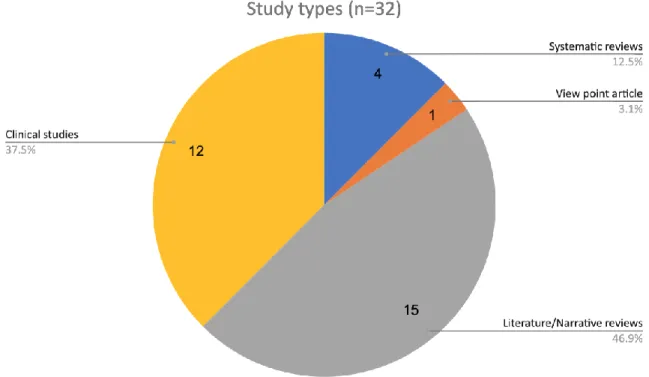
Figure 2. Pie chart of study types included in this review. ... 50
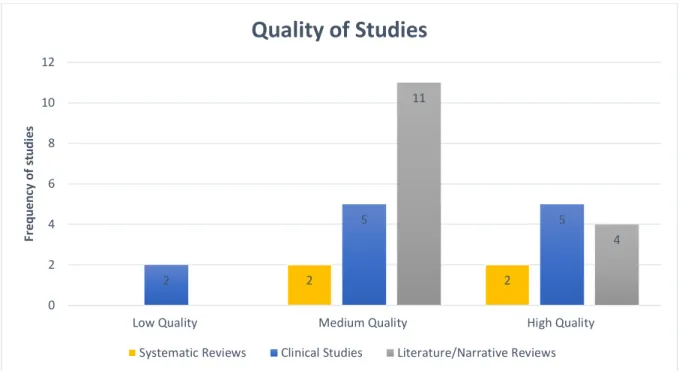
Figure 3. Cluster bar graph showing frequency distribution of quality of studies for systematic review studies, clinical studies and literature and narrative review studies. ... 54
List of Tables
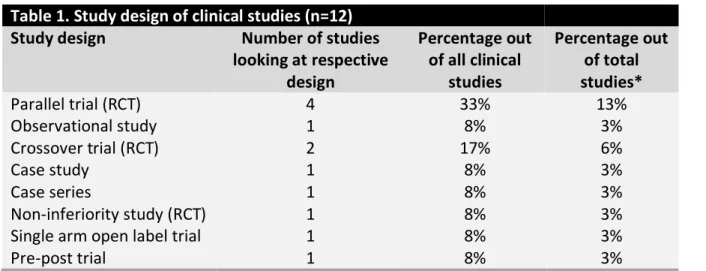
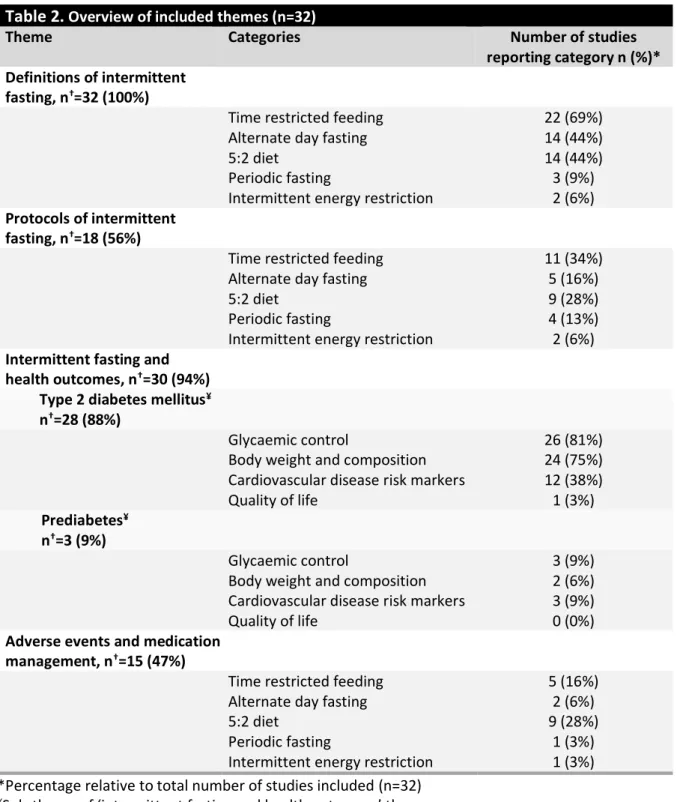
Table 1. Study design of clinical studies (n=12) ... 51Table 2. Overview of included themes (n=32) ... 52
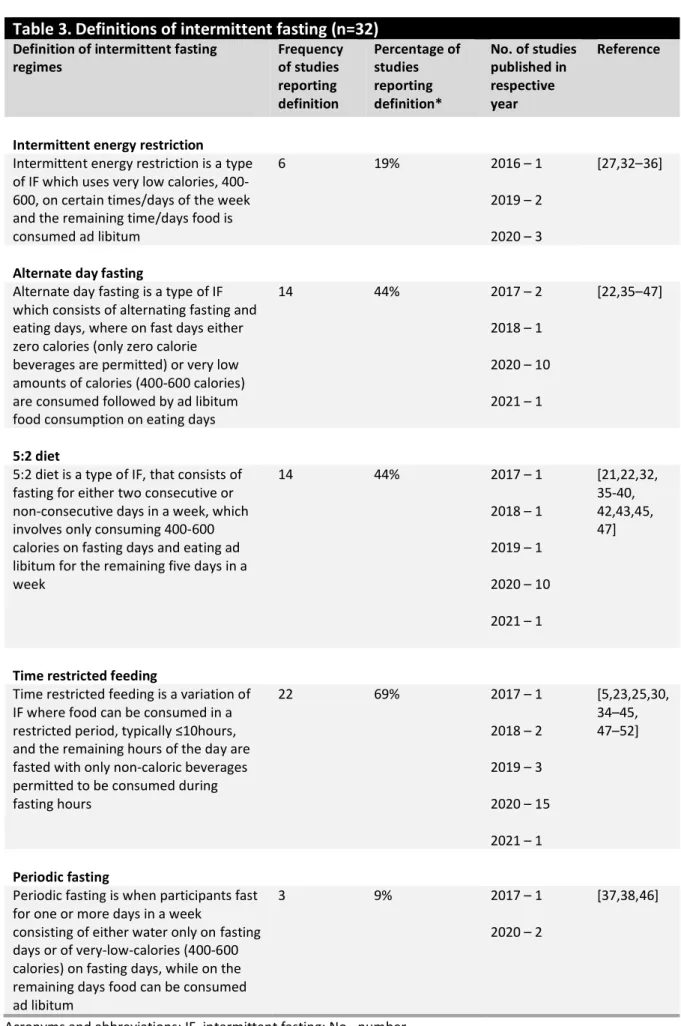
Table 3. Definitions of intermittent fasting (n=32)... 56
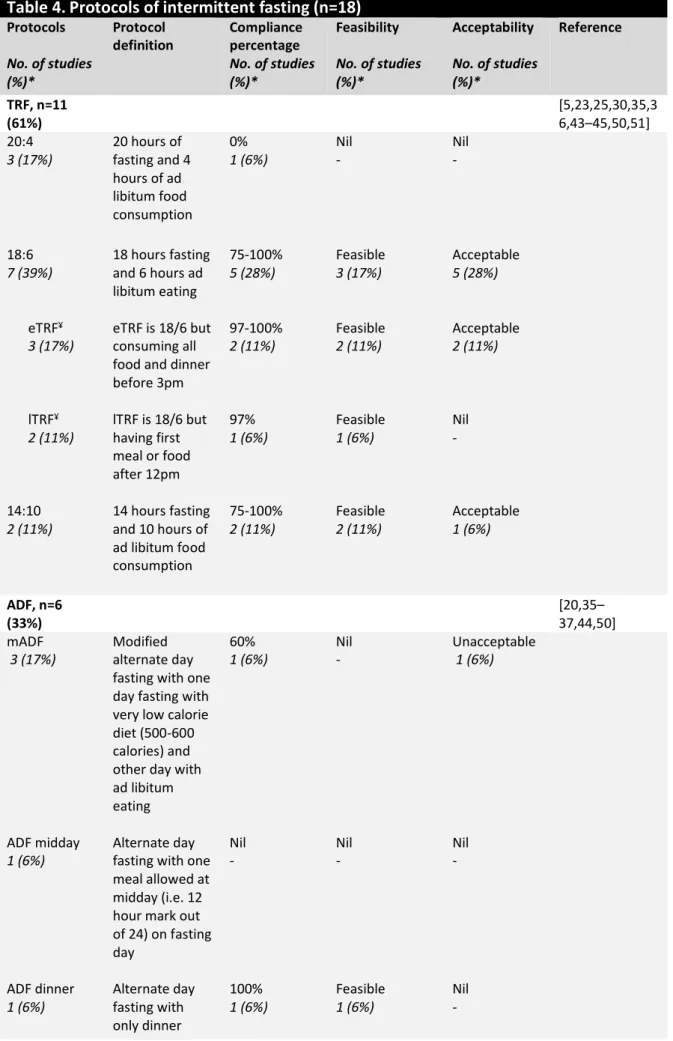
Table 4. Protocols of intermittent fasting (n=18) ... 60
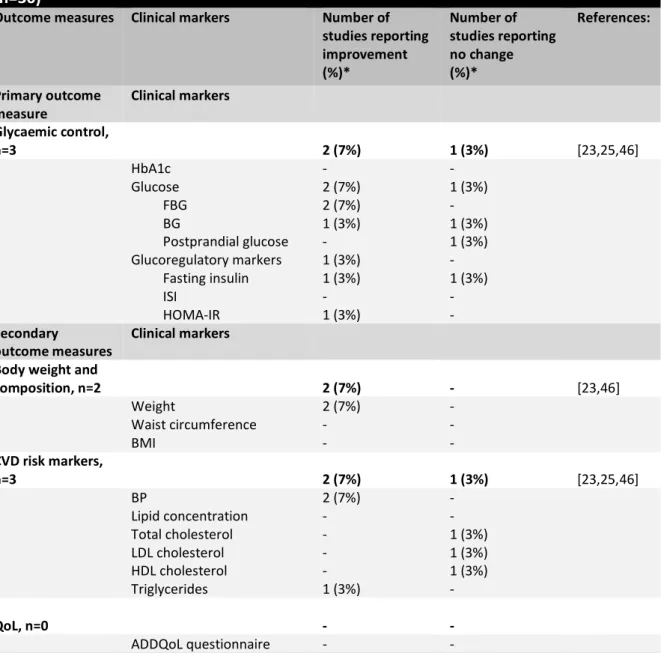
Table 5. Intermittent fasting and health outcomes in people with type 2 diabetes mellitus (n=30) .. 67
Table 6. Characteristics of studies reporting change in glycaemic control in people with type 2 diabetes mellitus (n=30) ... 68
Table 7. Impact of intermittent fasting on outcome measures in people with prediabetes (n=30) ... 72
Table 8. Characteristics of studies reporting change in glycaemic control in people with prediabetes (n=30) ... 73
Table 9. Studies reporting adverse events and medication management (n=15) ... 75
Section 1: Literature Review
Overview
The literature review section of the thesis will briefly cover the background literature that led to the current research project. The literature surrounding the global pandemic of diabetes and the significance of management tools will be covered. Following this, the importance of fasting and the evolution of therapeutic fasting will be described. The rise in popularity of the idea for intermittent fasting (IF) to be used as a management tool for type 2 diabetes mellitus (T2DM) will then be discussed. Lastly, the current gap in the literature surrounding IF and T2DM will be explained and the importance of this thesis to the current pool of literature will be outlined.
Diabetes
Diabetes mellitus is a chronic metabolic disorder that is characterised by the body not producing enough insulin or when the body cannot effectively utilise the insulin that is produced (Kharroubi & Darwish, 2015). Insulin is a hormone that is produced by the body to help regulate blood sugar levels, known as glucose (Wilcox, 2005). The regulation of glucose within the body is vital as it is the bodies main energy source. A lack of insulin in the body results in insufficient glucose entering cells, which means less energy for important cellular functions (Wilcox, 2005). This leads to excessive amounts of glucose in the blood stream, known as hyperglycaemia. Untreated hyperglycaemia is a serious risk factor for people with diabetes and can lead to neuropathy, cardiovascular disease, kidney damage, ulcerations, infections and diabetic retinopathy (Suri & Aurora, 2021). Alternatively, too much insulin in the body (usually the case if the incorrect dosage of medication is prescribed to treat diabetes) results in excessive glucose absorption from the blood, which in turn leads to a lack of sugar in the blood, known as hypoglycaemia (American Diabetes Association, 2019). Untreated hypoglycaemia can lead to seizures, unconsciousness, and even death in some cases (Kharroubi &
Darwish, 2015).
Diabetes mellitus consists mainly of four types: type 1 diabetes mellitus (T1DM), T2DM, prediabetes, and gestational diabetes. T1DM occurs when the pancreas stops producing insulin. It has a genetic predisposition, with a small percentage of cases caused by viruses (American Diabetes Association, 2010). T2DM occurs when the pancreas does not produce enough insulin or the cells in muscle, fat, and liver do not respond well to the insulin that is produced and cannot easily take up glucose from the blood (Czech, 2017). T2DM is the most common type of diabetes and is mainly caused by lifestyle factors such as obesity, overweight and inactivity (American Diabetes Association,
2019). Prediabetes is a precursor to T2DM and increases the likelihood of developing T2DM later in life. Prediabetes occurs when the blood glucose levels are higher than normal but not high enough to be classified as T2DM (Kharroubi & Darwish, 2015). The fourth type of diabetes, gestational diabetes, occurs only during pregnancy due to hormonal changes, making it difficult for the body to process glucose efficiently (Moholdt & Hawley, 2020). Additionally, there are three types of diabetes which are less common and only affect 2% of all people with diabetes: monogenic diabetes syndromes, cystic fibrosis-related diabetes and drug or chemical-induced diabetes. However, the remainder of this review will focus on T2DM and prediabetes, as these are the focus of the current scoping review.
Global and National Rise of Type 2 Diabetes Mellitus
The incidence rate of T2DM is increasing both globally and nationally at an exponential rate.
There was an estimated global increase in the prevalence rate of diabetes, from 108 million people to 440 million in the last 30-40 years (World Health Organisation, 2020). There is expected to be a global prevalence rate of 700 million people with some form of diabetes, 90% of which will be T2DM, by 2045 if nothing is done to manage the pandemic (Pinchevsky et al., 2020). In New Zealand (NZ) alone, there was an estimated 264,000 people diagnosed with diabetes in 2019, 90% of whom had T2DM (Diabetes, 2021). There has been an increase of around 10,000 people since 2017, in terms of the number of people diagnosed with diabetes (Hill & Ward, 2017). NZ statistics also show that the prevalence rate of diabetes in younger age groups is rapidly increasing, with the 30-39 age group doubling in the number of people diagnosed with diabetes within the last 12 years alone (Cundy &
Drury, 2018).
Health Burden
With both global and national increases in the prevalence of diabetes, mainly T2DM, there has been a significant burden put on the healthcare system, with both direct and indirect costs. Direct costs are costs directly related to patient care and can be in the form of medication, healthcare system infrastructure, hospitalisation rates and nursing services (Yousefi et al., 2014). On the other hand, indirect costs are any costs not directly related to medical management and can be in the form of lost wages, loss of productivity, home care, insurance and child services (Yousefi et al., 2014).
From 2001 to 2008, in NZ there was a fourfold increase in the direct cost of diabetes, from
$247 million to $600 million (Ministry of Health, 2009). The University of Otago has projected that by
2030 the direct cost of diabetes on the NZ health system will be an estimated $2.1 billion (Diabetes New Zealand, 2021). A study conducted in the United States of America found roughly a 3:1 ratio between direct and indirect costs of diabetes, with direct costs sitting at $237 billion and indirect costs sitting at $90 billion in 2017 due to absenteeism and lack of productivity alone (Yang et al., 2018). In 2018, it was reported that between 49% to 69% of people with diabetes in NZ were prescribed medications for controlling hyperglycaemia, which made up a significant proportion of direct healthcare costs (Hill et al., 2017).
Diagnosis of Type 2 Diabetes Mellitus
There are three main blood tests currently used for the diagnosis of T2DM: glycated haemoglobin (HbA1c) test, fasting blood sugar test and a random blood sugar test (Diabetes Care, 2014). The test for HbA1c is known as the gold standard for testing for T2DM as it measures the average glucose levels in the blood over the last three months (Kohnert et al., 2015). A HbA1c result between 5.7-6.4% is diagnosed as prediabetes, while a reading above 6.5% on two consecutive tests indicates T2DM (American Diabetes Association, 2019). A fasting blood sugar test is a sample of blood that is taken after an overnight fast and is something that can be done at home. A fasting blood sugar reading between 100 – 125 mmol/L is classified as prediabetes, while a reading equal to or above 7 mmol/L is diagnosed as T2DM (Diabetes New Zealand, 2021). A random blood sugar test is a blood sample taken during a random time in the day, irrespective of when food was last consumed. A reading of 11.1 mmol/L or higher suggests T2DM and is a stronger indication of T2DM if it is accompanied by signs and symptoms of increased thirst, frequent urination, sweet smelling breath, blurred vision and a lack of energy (Diabetes New Zealand, 2021).
Risk Factors of Type 2 Diabetes Mellitus
The risk factors for T2DM can be classed into two groups: non-modifiable and modifiable risk factors. Non-modifiable risk factors are things that cannot be changed and include genetics, age, ethnicity and a previous diagnosis of gestational diabetes (Risk Factors for Type 2 Diabetes, 2016).
However, the genetic link of T2DM and what gene the associated risk is carried on is not fully understood by researchers. It is believed that the risk is related to lifestyle factors, in that someone who has obesity and is inactive has a higher risk of developing T2DM if there is a family history of T2DM (National Institute of Health, 2020).
Modifiable risk factors are things that can be directly influenced and changed, and include diet, obesity, abdominal fat and physical inactivity (Fletcher et al., 2002). Modifiable risk factors are the major cause of T2DM while non-modifiable risk factors make only a small percentage of diagnosed cases. The number one leading risk factor for T2DM is diet as this directly influences abdominal fat and the likelihood of developing obesity. Obesity has been correlated with 60-90% of all T2DM cases (Aucott et al., 2004). A study conducted by Hu et al. (2014) found that for every two years a person was overweight the risk of developing T2DM increased by 9%. This is important as modifiable risk factors are alterable and can be directly influenced through management strategies.
Management for Reducing Risk Factors of Type 2 Diabetes Mellitus
Making lifestyle changes, such as diet and exercise, are the most widely accepted forms of T2DM management as they reduce weight and the risk of developing obesity, which in-turn decreases the risk of developing T2DM (Ley et al., 2014). Dietary changes leading to weight loss for people with obesity over a 12 week period have shown to reduce HbA1c levels by at least 3mmol/mol (Terranova et al., 2015). Additionally, in another study it was found that weight loss between 9-13kgs results in the greatest protection from diabetes related mortality (Williamson et al., 2000). Physical activity has also shown to decrease both the onset and risk of developing T2DM and is recommended by the American Diabetes Association as a lifestyle modification for controlling T2DM (Colberg et al., 2010).
Two and half hours of exercise per week over at least three days has shown to decrease the risk of developing T2DM by half. The decreased risk of developing T2DM from physical activity has been found to be independent of weight loss (Colberg et al., 2010).
Dietary Treatments for Type 2 Diabetes Mellitus
Longitudinal studies conducted on diet related weight loss indicate that the most weight is lost in the first three to six months of a diet (Hensrud et al., 1994). A weight regain of 30-50% is often noted within the first year of interventional treatment, resulting in a net loss of about 5kgs (Hensrud et al., 1994). As a result, a variety of dietary strategies have been proposed over the years to find the most appropriate diet strategy with the greatest weight reduction in people with T2DM (Ben-Avraham et al., 2009). The role of early diet strategies for people with T2DM has always been for weight reduction, through a decreased daily energy intake of about 400-600 calories (MYAT & Panat, 2020).
A reduction in calories of this nature is estimated to lead to a loss of about 0.5-1 kg per week (MYAT
& Panat, 2020). Subsequent research has indicated that a mixture of healthy eating patterns and low
energy intakes is needed and is recommended by the Ministry of Health in New Zealand (Diabetes New Zealand, 2022).
Various forms of ‘healthy’ eating diets have been proposed over the years and include:
Mediterranean, ketogenic, low carbohydrate, low glycaemic index and very low calorie diets (Ben- Avraham et al., 2009). The Mediterranean diet consists of a diet rich in fiber, magnesium and unsaturated fats from plant based foods. Olive oil is the main source of fat, while seafood, dairy and poultry are the main sources of protein (Evans et al., 2019). A systematic review of three studies utilising the Mediterranean diet showed that people with T2DM had a reduction in HbA1c levels of 5mmol/mol (Ajala et al., 2013).
The ketogenic diet is a diet consisting of high fats, moderate protein and low carbohydrate intake. Low carbohydrate diets consist of reducing carbohydrate intake and are closely related to ketogenic diets (Bolla et al., 2019). Low carbohydrate diets, including the ketogenic diet, typically define low carbohydrates as around 20 grams per day (Ben-Avraham et al., 2009). The ketogenic diet, including low carbohydrate diets, are reported to improve metabolic control alongside reducing antidiabetic therapy when followed routinely (Bolla et al., 2019).
Glycaemic index is the measure of change in glucose levels postprandial. Low glycaemic index foods are slowly absorbed and cause slow changes in blood sugar levels as opposed to high glycaemic foods which cause rapid changes and spikes in glycaemic levels postprandial (Ben-Avraham et al., 2009). A systematic review on low glycaemic index diets showed a reduction of 4mmol/mol over a 10 week period (Brand-Miller, 2003).
Very low calorie diets (VLCD) generally consist of consuming less than 800 calories per day (Wei et al., 2017). Research on people utilising the VLCD has shown improvements in glycaemic control, weight loss and a reduced risk of developing cardiovascular disease in less than six months (Berk et al., 2016; Jackness et al., 2013). A six month study conducted by Steven et al. (2016) showed that 12 participants managed to achieve HbA1c levels below 7mmol/L by the end of the intervention and on average participants managed to lose around 10mmol/mol during the intervention period.
However, research has shown that weight regain following short term VLCDs can be higher than other forms of diet strategies and maintenance diets should be followed post intervention (Steven et al., 2016).
Compliance and Adherence Rates of Diet Strategies
Although there are a variety of different forms of dietary strategies available for people with T2DM, the biggest issue is compliance rates. A diet strategy can show tremendous results for glycaemic control, however, if it has a low rate of compliance and adherence in real world scenarios, then the diet does not offer much use for practitioners and people with T2DM (Gibson & Sainsbury, 2017). There is a direct correlation between a diet being unfeasible and a low compliance rate by participants. Diets which are complex and require patients to track the macronutrients of foods such as ketogenic, low glycaemic index, and low carbohydrate diets, tend to show lower compliance rates as patients perceive this as a hindrance to their quality of life (Gibson & Sainsbury, 2017; Lin et al., 2008).
With poor dietary choices and obesity being the greatest risk factors for T2DM, weight loss has become the main diabetes management strategy. This has made way for additional management strategies such as fasting, to provide people more options for managing T2DM. A recent trend that is gaining popularity and has been shown to be efficient in weight loss with a higher compliance rate for people with obesity, is IF (De Toledo et al., 2019; Johnstone, 2015). Since obesity is one of the biggest risk factors for diabetes, IF has drawn the attention of health care professionals to see if it can be used to manage glycaemic levels in people with T2DM.
Fasting
There are many forms of fasting which aim to aid weight loss, however, not all of them have high compliance rates (Lemstra et al., 2016). Fasting is broadly defined as a period of time restrained from caloric foods and beverages for either medical, therapeutic, spiritual or political reasons (Finnell et al., 2018). Traditional fasting for spiritual concepts, such as Ramadan and Yom Kippur, have been around for more than 14 centuries and are classified as dry fasts (Persynaki et al., 2017). Dry fasts are classified as periods of time with zero consumption of any foods or beverages. Therapeutic fasting on the other hand is defined as a period of time abstaining from caloric foods or a period of time with minimal caloric foods, mainly living of fat reserves (de Toledo et al., 2020). Therapeutic fasting has been shown to be beneficial for not only weight loss but also reducing blood pressure, cholesterol levels, inflammation and increased cognitive function (Anton et al., 2018).
The majority of therapeutic fasting studies to date have been conducted on animals and through cellular research (Trepanowski et al., 2011). However, the tide is shifting, with the majority of recent studies being human studies investigating the effects of therapeutic fasting on longevity, chronic diseases, metabolism and the circadian rhythm (Lettieri-Barbato & Aquilano, 2020; Patterson
& Sears, 2017). One of the recent advances in research on therapeutic fasting is the use of IF for controlling glycaemic levels in people with T2DM.
Definition of Intermittent Fasting
IF is a term generalised to describe an eating pattern in which food is restricted to certain periods of time. Anton et al. (2018) describes IF as a generic term used to group different eating patterns that involve taking periodic breaks from caloric foods or beverages, ranging from 12 hours to several days. Intermittent fasting for therapeutic reasons has been around since the early 1990’s, but was mainly investigated for weight loss and later investigated for other health outcomes such as obesity, aging and cardiovascular health (Donnelly et al., 2000; Jebb et al., 1991; Mattson & Wan, 2005). Since IF is still a relatively new concept for controlling glycaemic levels, there appears to be a lack of standardisation in the definition of IF, with the basic premise involving taking periodic breaks from fasting. There currently seems to be a few different variations of IF being practiced: time restricted feeding (TRF), 5:2 diet, alternate day fasting (ADF) and periodic fasting (Rynders et al., 2019;
Stockman et al., 2018).
Variations of Intermittent Fasting
Time restricted feeding involves eating caloric foods and beverages within a certain time period, usually between 8-12 hours of the day (Grajower & Horne, 2019; Anton et al., 2018). 5:2 diet involves eating normally for five days of the week and then on the other two days restricting calories to a certain amount (Patterson et al., 2015). Alternate day fasting is doing fasting days with no calories or reduced calories, followed by a day of normal eating with no calorie restrictions (Anton et al., 2018;
Patterson et al., 2015). Finally, periodic fasting consists of fasting with calorie restrictions one or two days every week, with the remaining five to six days of the week food being consumed ad libitum (Anton et al., 2015). Another variation of intermittent fasting is intermittent energy restriction (IER).
Intermittent Energy Restriction
Intermittent energy restriction is a combination of IF and VLCD put into one diet and involves periodically restricting calories to very low amounts of time followed by periods of normal eating (Jebeile et al., 2019). However, studies have classified IER as IF and noted that earlier studies used the terminology IF as it was an adaptation of religious fasting (Cioffi et al., 2018). There is debate that the term fasting constitutes to a complete abstinence of food or at the very least a severe restriction of food, and that energy restriction is a more accurate term to correspond with the research that is being conducted in this decade (Cioffi et al., 2018). Other studies have classified a distinction between IF and IER, and grouped IER as a category of IF (Borgundvaag et al., 2020; Carter et al., 2016; Rajpal &
Ismail-Beigi, 2020).
Early Studies of Intermittent Fasting
There have been three studies conducted in the 1990’s which investigated the effects of IF on people with T2DM and obesity (Williams et al., 1998; Wing et al., 1991, 1994). However, as these studies were well ahead of their time and the term IF was not highly popularised, the studies were classified under short periods of fasts, VLCD’s and intermittent VLCD. As a result, many of these studies were not highlighted until many years later when systematic reviews were conducted or the literature was mapped (Borgundvaag et al., 2020). However, all three studies found that IF improved weight loss and glycaemic control in participants. The majority of studies conducted immediately after this have been animal studies or studies classified as IF but are actually Ramadan studies (Alharbi et al., 2017;
Hu et al., 2020; Muñoz-Hernández et al., 2020).
Rise of Intermittent Fasting
Intermittent fasting became highlighted in the public eye following a 2012 BBC broadcast show, Eat, fast, Live longer with Dr Michael Mosley, who later wrote a book The Fast Diet (Mosley &
Spencer, 2013). Since then, many books and high-profile blogs have been released including; Kate Harrison’s book, 5:2 diet and Dr Jason Fung’s 2016 best seller, The Obesity Code (Fung, 2016; Harrison, 2014). Dr Jason Fung is a nephrologist in Canada who claims he has helped over 1,000 patients with T2DM recover from diabetes by using IF as an intervention (Fung, 2016). Furthermore, Dr Nadir Ali, a cardiologist, also prescribes his patients IF as a way of controlling cholesterol and insulin (Intensive Dietary Management, 2020). However, most practitioners are using either self-experience, animal
studies or blog articles like Harvard medical, to prescribe IF to patients with T2DM, without evidence from robust human clinical trials (Intermittent Fasting: Surprising Update, 2021).
Physiological Mechanisms of Intermittent Fasting
Intermittent fasting is believed to be an effective therapeutic fasting technique for weight reduction and glycaemic control, as it does not require people to follow or note macronutrient details (Harvie & Howell, 2017). Instead, it only requires people to eat within a specified time frame and fast for the remaining period, until the following eating time. Continuous energy restriction or VLCDs require constant attention and noting of foods and calories consumed throughout the day, which can lead to impaired decision making, increased stress and poor work performance (Appleton & Baker, 2015). The effects of intense energy restriction on mood and hunger for complete days at a time during the ADF and 5:2 diet, may be reasons as to why individuals do not comply to certain variations of IF (Johnstone, 2015). Interestingly, studies conducted on overweight participants or people with obesity, have reported increased feelings of fullness and decreased appetite overtime during the IF intervention period (Harvie & Howell, 2017; Varady et al., 2013).
The Gap in Research
According to a systematic review conducted in 2020, in the last three decades there are seven clinical trials, which mainly have investigated the short-term effects of IF on insulin or glycaemic control, some of which are actually low-calorie diets rather than IF (Borgundvaag et al., 2020). The rest of the literature field consists of animal studies, Ramadan studies, case reports and studies investigating obesity and glucose levels, rather than diabetes and glycaemic control (Muñoz- Hernández et al., 2020; Rajpal & Ismail-Beigi, 2020). According to a search of the literature on PubMed, the majority of published peer reviewed literature surrounding IF and T2DM has been published in the last 11 years. The highest number of published research articles surrounding the topic of IF and T2DM was in 2021, with a total of 25 articles being published (see Appendix A: Published Research Trend).
Since there are many forms of IF being practiced, it is difficult to determine if there is an agreement on what the definition of IF is. This also makes it difficult to generalise research findings, due to the different methods selected between studies. Furthermore, certain Ramadan studies point at safety and efficacy issues with an increased report of hypoglycaemia, especially in patients that are
treated with insulin in the month of Ramadan (Rashid et al., 2020). However, it is not known what studies have been conducted to date for the purpose of examining safety and efficacy issues surrounding IF for people who have T2DM or are insulin dependent. Therefore, the question is also raised, are safety and efficacy issues being considered when suggesting or prescribing IF for glycaemic control in people with T2DM?
Conclusion and Research Aim
The literature surrounding IF and its effect on glycaemic control in people with T2DM is still emerging and is relatively new, with the majority of studies being published in the last 10 years. The majority of the peer reviewed literature on IF and T2DM are animal based studies, yet there is an alarming number of blogs and people practicing and discussing the benefits of IF on T2DM. However, of the literature reviewed so far, there are similar themes but different variations of how IF is practiced. Additionally, there are inconsistencies on what the definition of IF actually is. As such, the aim of this research is to undertake a scoping review in order to identify what peer reviewed empirical evidence is available regarding the effects of IF on glycaemic control in people with T2DM. In doing so, the scoping review will also investigate the quality of the peer reviewed empirical evidence that exists in the literature. The scoping review will also aim to identify the variations of IF in the literature that are being practiced and used for glycaemic control in people with T2DM. Additionally, the scoping review will determine what variations in the definition of IF exist in the literature. Lastly, the scoping review will aim to guide future research on recommendations of IF and glycaemic control in people with T2DM.
Section 2: Methodology
Overview
The methodology section will briefly cover the research project and the chosen methodology (scoping review). The scoping review will then be introduced with an explanation on where scoping reviews are situated within the evidence hierarchy. The scoping review methodology will be compared and contrasted with the systematic review methodology, before a justification is provided as to why the scoping review methodology is the most appropriate methodology to answer the research question. Following this, the framework of the scoping review methodology will be outlined and each corresponding stage of the framework will be discussed.
Research Question and Methodology
The aim of this review is to determine what peer reviewed empirical evidence is available regarding the effects of intermittent fasting (IF) on glycaemic control in people with type 2 diabetes mellitus (T2DM). Additionally, the review will aim to identify the variations of IF being practiced or used in these empirical studies, and will determine the existence of various definitions of IF. The scoping review is the most appropriate methodology to meet the purpose of this study as IF is a relatively new and evolving concept that has not been comprehensively reviewed for the use of glycaemic control in people with T2DM.
Introduction to Scoping Reviews and Systematic Reviews
The scoping review is a relatively recent literature review tool that was developed to quickly map the literature surrounding a topic or study, while highlighting the main types and sources of evidence available (Mays et al., 2001). Arksey and O’Malley (2005) added to this by stating that scoping reviews are an excellent choice of methodology when the topic is still relatively new and developing. In 2010 Levac et al. (2010) agreed with the developments that Arksey and O’Malley had made regarding the scoping review and added that scoping reviews are useful to identify gaps in the literature, which can be used to inform and direct future research studies (Levac et al., 2010). Levac et al. (2010) also added that scoping reviews are exceptionally useful when concepts are still emerging and have not been comprehensively analysed. Peters et al. (2015) added to this pool of knowledge by stating that scoping reviews are also useful in clarifying conceptual boundaries and working definitions around an emerging topic. Additionally, scoping reviews are often used to comment on the feasibility for undertaking a systematic review in that particular moment in time (Levac et al., 2010).
Systematic reviews differ from scoping reviews as they do not map a field of study but rather answer highly focused clinical questions and therefore are at the top of the evidence hierarchy (Uman, 2011). Systematic reviews minimise bias by synthesising and summarising the highest forms of empirical evidence (randomised controlled trials) surrounding a particular topic (Pham et al., 2014).
Furthermore, systematic reviews are used to critically evaluate interventions and comment on the effectiveness of an intervention (Uman, 2011).
Similarities and Differences between Scoping Reviews and Systematic Reviews
Scoping reviews are similar to systematic reviews in that they both aim to summarise an existing pool of literature around a specific concept. Scoping reviews and systematic reviews both follow a similar process of using a refined and rigorous methodological framework to analyse and identify the literature around a particular research question (Pham et al., 2014). However, scoping reviews primarily differ from systematic reviews in their purpose and aim. Scoping reviews aim to map a body of relatively new and emerging literature by answering more general questions focused on the breadth of a topic (Levac et al., 2010; Peterson et al., 2017). In contrast, systematic reviews aim to answer questions about intervention effectiveness and therefore provide in-depth analysis and synthesis of high-quality evidence (Pham et al., 2014).
Scoping reviews are useful to researchers as precursors to check for the feasibility of conducting a systematic review, whereas systematic reviews tend to be more useful to management and clinicians as they are used to inform critical decision making processes for policies and practice (Munn et al., 2018). The last major difference between scoping reviews and systematic reviews is that scoping reviews give an overview of the literature without critically appraising individual studies for the purpose of exclusion, while systematic reviews only include individual studies after critically appraising them for the risk of bias and methodological weakness (Munn et al., 2014; Pham et al., 2014).
Both forms of review hold their own place in research and are valuable tools when used correctly. Since the topic of IF and glycaemic control in people with T2DM is still relatively new and emerging, undertaking a systematic review would not be feasible. Additionally, as systematic reviews require a highly focused clinical question where the definition is already agreed upon, it would not be viable to conduct a systematic review when there is uncertainty surrounding the definition of IF (Noble
& Smith, 2018). Although systematic reviews are at the top of the research pyramid, undertaking a systematic review at present would be premature as the topic is still developing and the lack of clear definition would lead to difficulties in effectively combing results and interpreting studies in a reliable way. Therefore, the scoping review methodology is the most appropriate methodology to answer the aims and objectives of this review. Additionally, a scoping review of the literature will aid practitioners in the right direction for making informed decisions on IF and glycaemic control.
Advances and Limitations in the Scoping Review Methodology
Arksey and O’Malley (2005) developed a five stage methodological framework for conducting scoping reviews, which was later refined by Levac et al. (2010) and Peters et al. (2015). Although there is no definitive method of reporting scoping reviews, a few authors have made recommendations on the framework built by Arksey and O’Malley, calling for a standard methodology for all scoping reviews (Colquhoun et al., 2014; Tricco et al., 2016). In 2018, a reporting checklist was developed in order to help researchers create a more standard and formal way of reporting scoping reviews (Tricco et al., 2018). The checklist was named the Preferred Reporting Items for Systematic Reviews and Meta- Analyses Extension for Scoping Reviews (PRISMA-ScR). The PRISMA-ScR checklist is a tool to help aid researchers and authors to create high-quality scoping reviews of methodological rigor (Peters et al., 2015).
The PRISMA-ScR checklist was built on the foundations of the systematic review checklist called PRISMA. However, adaptations were made to the PRISMA checklist by removing five items in order to make it more appropriate for scoping reviews. As scoping reviews tend not to assess for the risk of bias or exclude studies via critical appraisals, the risk of bias across studies was one of the items not included in the checklist (Peters et al., 2020). Additionally, two items; critical appraisal within sources of evidence and critical appraisal of individual sources, were made optional to the researcher (Tricco et al., 2018). The PRISMA-ScR checklist is in line with the reporting guidelines outlined by the Joana Briggs Institute, which emphasises the need for scoping reviews to be conducted with methodological rigor.
Despite the advances in the framework for the methodology of scoping reviews, some limitations still exist. One such limitation is that there is a lack of critical appraisal of the studies included in scoping reviews (Peterson et al., 2017). Lack of critical appraisals on studies is identified as a limitation as there is no data on the quality of studies that exist within the literature (Pham et al.,
2014). However, Arksey and O’Malley (2005) have suggested that critical appraisals are not an essential part of scoping reviews and are not necessary. Additionally, current guidelines suggest that critical appraisals within a scoping review are optional and are completely the authors choice.
In the recent advances of the scoping review, critical appraisals have become more popular amongst authors of scoping reviews (Goldstein et al., 2017). The purpose of a critical appraisal in a scoping is simply to comment on the quality of studies that have been conducted in a particular topic and not to exclude any studies (Peters et al., 2020). The advantage of working systematically through a critical appraisal tool is that it reduces the risk of reader bias when interpreting the quality of study based on its methodology and results (Munn et al., 2014). Furthermore, it allows for potential limitations in lack of high quality studies in a particular topic or field to be highlighted and commented on for future studies to address.
Methodological Framework
The methodological framework used for this review was the five stage framework constructed by Arksey and O’Malley (2005), and later refined by the suggestions of Levac et al. (2010) and Peters et al. (2015), which includes an optional sixth stage. The five stages of the framework are comprised of the following: identifying the research question, identifying the relevant studies, selecting the studies, charting the data, and finally collating, summarising and reporting the results (Arksey &
O’Malley, 2005; Levac et al., 2010; Peters et al., 2015). The optional sixth stage as suggested by Levac et al. (2010) is a consultation stage which involves integrating consultations from appropriate stakeholders for study selection and knowledge transfer. The six stages of the methodological framework used for this thesis are described in greater detail below.
Framework Stage 1: Identifying the Research Question
The first stage of the framework involves identifying a research question to help direct the search strategy. Arksey and O’Malley (2005) recommend having a broad research question, as the aim is to comment on the breadth of literature available rather than the depth on a particular topic.
Additionally, the Joanna Briggs Institute recommends that the research question should take into account the concept, target population, context and health outcomes (Peters et al., 2015). Levac et al. (2010) suggests that the scoping reviews significance and justification should also be considered when forming the research question. Further recommendations by Levac et al (2005) suggest that
scoping reviews can be enhanced with sub-questions that focus on certain characteristics of the concept, target population and health outcomes.
Framework Stage 2: Identifying relevant studies
The second stage of the framework includes identifying relevant studies that accurately and appropriately cover the research question. The scoping review process at this stage should balance the feasibility of an extensive and comprehensive search, whilst also being mindful of the time frame (Levac et al., 2010). For this stage, assistance can be sought from a librarian specialist on appropriate search engines and search terms. This stage is an iterative process and the search terms should be refined as the reviewer becomes more familiar with the available data (Levac et al., 2010). As there is a need to conduct a broad search to include all possible studies, thought should be given to potential limitations, which include time constraints, resource restrictions and availability of the research team.
Recommendations from Levac et al. (2010) suggest that the research team should consist of a member with knowledge specific to the topic and a member with methodological knowledge.
Arksey and O’Malley (2005) suggest that all relevant sources of evidence should be utilised, which can include electronic databases, journals, organisation resources, conferences, connections and books. When conducting a search on the relevant databases the breadth of the research question should be managed by search parameters. A pilot search can help determine valuable search parameters, which can yield more specific search results tailored to the research question (Long, 2014). Search parameters can include and are not limited to languages, time periods and health conditions. Additionally, pilot searches increase the researchers familiarity with the topic, in turn leading to a greater efficiency in the search strategy, especially when there are limitations such as time constraints and budget. As a result, the search terms, strategies and parameters can change as the search strategy is developed and refined. Arksey and O’Malley (2005) also recommend searching the reference list of included studies until a saturation point is reached, where no new studies are identified. Tricco et al. (2016) states that it is suitable to include grey literature in a scoping review if it is appropriate to the research aims and objectives.
Grey Literature. Grey literature is defined as work or research that is published on non-peer reviewed platforms (blogs, newspapers and magazines) or work that has been produced by organisations or individuals outside the realm of academia in non-commercial ways (Adams et al., 2016). According to the Joanna Briggs Institute, it is considered appropriate in scoping reviews to
include both published and unpublished grey literature (Tricco et al., 2016). However, the issue with including grey literature is that the quality of a large proportion of studies cannot be verified as there is no formal quality assessment applied to grey literature. Therefore, grey literature should only be included in a scoping review if it adds value to the topic and is appropriate to meet the purpose of the study.
Framework Stage 3: Study Selection
Stage three of the framework includes selecting relevant studies to include in the scoping review. Included studies need to be appropriate to answer the research question and meet the aims and objectives of the study (Levac et al., 2010). Once the reviewer is familiar with the subject, an inclusion and exclusion criteria should be developed to help maximise the number of studies that effectively answer the research question (Arksey & O’Malley, 2005). Arksey and O’Malley (2005) outline that developing a search criteria should be an iterative process where the inclusion and exclusion criteria are constantly refined as required to comprehensively cover the literature of the topic within a specified timeframe. This stage of the framework should ideally involve multiple researchers to develop and refine the inclusion and exclusion criteria until a saturation point is achieved where all inclusion criteria are met (Levac et al., 2010). Furthermore, the study selection process should be piloted between two of the researchers to achieve a selection consistency of 95%
to decrease any errors in selecting appropriate studies to meet the inclusion criteria (Long, 2014). Any discrepancies between reviewers for certain studies should be resolved using the help of a third researcher via percentage or consensus agreement.
Framework Stage 4: Charting the Data
Stage four of the framework involves charting general information and data from included studies (Arksey and O’Malley, 2005). The volume and nature of the data that is obtained from the included studies depends on the aims and objectives of the study (Daudt et al., 2013). Arksey and O’Malley (2005) recommend using a descriptive analytical method, whereby general information is extracted from all studies and then classed together using a charting form. The charting form can include the following data but is also not limited to; author, year of publication, aim, origin, population, sample size, methodology, intervention and results (Arksey & O’Malley, 2005). The information that is retrieved is directly related to the specific aims and objectives of the scoping review, so key information and themes relevant to the purpose of the review can be identified and
explored. Levac et al. (2010) recommends that multiple reviewers should collectively decide on what information should be extracted and what information should be used to make a charting form specific to the research aim and objectives. In order to make the charting form more robust and reliable, it should be piloted with another member of the research team to check consistency in data extraction (Long, 2014). If critical appraisal is deemed feasible and of value to the scoping review, then appropriate tools such as Critical Appraisal Skills Programme (CASP), AMSTAR 2 and JBI guidelines should be used (Saeed et al., 2020; Schulz et al., 2010; Von Elm et al., 2009).
Framework Stage 5: Collating, Summarising and Reporting the Results
In this stage of the framework, an overview of the included studies is presented in various ways such as word summaries, tables, themes and graphs. Due to the breadth of scoping reviews, there is a potential for a large volume of studies that are heterogeneous, both clinically and methodologically. Therefore, it is important that the results are effectively and appropriately demonstrated to illustrate the comprehensiveness of the evidence available for the topic. It is hard to predetermine the most ideal way for collating, summarising and reporting results, as this can only be done once the data has been collected. However, appropriate tools such as narrative and numerical methods, including categories, reporting frequencies of occurrence, study characteristics, concept distribution, definitions and descriptive analysis, should be used depending on the data gathered (Arksey & O’Malley, 2005; JBI, 2021). Tricco et al. (2018) recommends following the guidelines and checklist from PRISMA-ScR for reporting the scoping review.
Framework Stage 6: (Optional) Consultation
Arksey and O’Malley (2005) have recommended an optional sixth stage, which aims to involve appropriate third party stakeholders for consultation. The aim of this stage is to integrate knowledge specialists for recommendations of the following: possible studies to include, what direction future studies should head towards, and if appropriate, how to determine the best way to transfer knowledge. However, there is agreement that there should be a clearly established purpose and need for this step in the framework before consulting any stakeholders (Levac et al., 2010). Moreover, the consultation stage requires time and may be subjected to budget constraints, therefore the appropriateness of the consultation phase should be evaluated depending on the nature and data of the scoping review.
Methods
This section of the thesis included a detailed discussion on how the framework described in the methodology section above was applied to the current scoping review. The framework used for this scoping review was the six stage framework developed by Arksey and O’Malley (2005), with the refinements by Levac et al. (2010), Pham et al. (2014), Peters et al. (2015) and Tricco et al. (2016). At the onset of this study, it was determined that the optional sixth stage of consultation would be decided after the preliminary data of stage five was assessed. If it was deemed feasible and necessary, appropriate stakeholders such as qualified endocrinologists, physicians practicing IF for the management of T2DM or healthcare professionals managing T2DM, would be consulted. Additionally, if the consultation phase was deemed feasible and necessary, the appropriate community networks such as Diabetes NZ or the Maori and Pacific communities, would also be consulted for the appropriate platform for knowledge transfer. However, after assessing the data in stage five, the consultation was omitted from this scoping review as it was deemed unnecessary and premature by the research team.
This is because the review found no data which impacts high risk groups in New Zealand or any minority groups. Therefore, only the five stages of the methodological framework were utilised for this review.
Framework Stage 1: Identifying the Research Question
The first stage of the framework involved identifying a research question to help direct the search strategy. The research question was developed by following the recommendations of Arksey and O’Malley (2005) and Levac et al. (2010). The recommendations to maintain a broad research question to comment on the breadth of literature while focusing on a concept, target population and health outcomes, were adhered to (Levac et al, 2010). As a result of these recommendations, the following research question was developed: What peer reviewed empirical evidence is available regarding the effects of intermittent fasting on glycaemic control in people with type 2 diabetes mellitus? This research question facilitated the mapping of evidence in the literature on health effects of IF in people with T2DM. The concept was defined as IF, while the target population was people with T2DM and the health outcome was glycaemic control.
Following the further recommendations by Levac et al (2005), sub-questions were developed to enhance the scoping review and focus on certain characteristics of the concept, target population and health outcomes. The following sub-questions, classed as objectives, were added: determine the
existence of various definitions of IF, determine the various protocols of IF, examine if there is an agreement on a definition of IF, and provide recommendations for future research.
Framework Stage 2: Identifying Relevant Studies
In order to adequately answer the research question of this review, appropriate studies needed to be identified. A search strategy was developed with the help of a librarian and knowledge specialist. Search descriptors for intermittent fasting and diabetes were identified through a preliminary search and Boolean logic was used where necessary to refine searches. The literature search for peer reviewed empirical evidence was conducted using an iterative snowball technique, where the search terms and parameters were refined as the primary researcher become more familiar with the topic. Furthermore, following the suggestions from Levac et al. (2010) and Long (2014), this stage utilised multiple researchers to pilot the initial search terms, in order to refine searches for relevancy and increase search consistency. The research team consisted of members with knowledge on both T2DM and scoping reviews. The initial search strategy was piloted with two members of the research team and a 96% search consistency was achieved. A third reviewer was utilised to resolve any disputes or discrepancies between the first two members.
Databases
Following consultation with a librarian specialist and the research team, the following databases were searched: PubMed, Science direct, EBSCOhost Medline complete, NZ research and the clinical trials registry. These databases were searched from November 2020 to May 2021. A deadline for identifying and selecting new articles was set as 31st May 2021, after which date no new articles would be included in the analysis and study. This was set to maintain feasibility between the time constraints of a 90 credit master’s thesis and achieving extensive coverage of the literature.
The reason google scholar was not utilised as a database was due to reliability issues with the google scholar database (Biolcati-Rinaldi et al., 2018; Falagas et al., 2008). The study by Biolcati-Rinaldi et al. (2018) found that out of the databases assessed, google scholar had the lowest reliability and offered more inadequate and less often updated citations.
Initial Search Terms and Key Phrases
A preliminary search was conducted to assess the nature of available literature, in order to achieve the appropriate number of search syntaxes that would result in the maximum number of relevant sources for this review. The EBSCO health database was used to refine search syntaxes by gathering relevant MeSH tags. The following search terms were identified from this search strategy:
intermittent fasting, alternate day fasting, glycaemic control, 5:2 diet, time restricted fasting, type 2 diabetes mellitus. After a broad preliminary search on PubMed, with a combination of the aforementioned keywords, a refinement was made to the search syntax as it resulted in an unmanageable number of results (Appendix B: Initial search on PubMed, for preliminary assessment).
The >24000 results produced were unfeasible for a 90 credit thesis, additionally the majority of the results were not on IF or T2DM.
Development of Search Terms and Key Phrases.
The search terms were refined to focus on intermittent fasting (as a phrase search) and type 2 diabetes mellitus. In order to further refine the search syntaxes, a table on Microsoft ® Word (version 16.50) was created and the number of papers from each syntax were recorded. The titles, keywords and abstract for the articles found were examined and the number of relevant papers to this review were noted for each database. This allowed for the most appropriate syntaxes to be formed via progressive development of search terms, by filtering out unsuccessful search terms per database.
Boolean operators were utilised, especially for the ScienceDirect database. Different search syntaxes were applied to different databases, as each database had its own search criteria. For example, the asterisk (*) is not recognised on the ScienceDirect database. Therefore, the syntaxes were tailored to each database to maximise relevant searches.
Clarification of Terminology
The importance of defining terminology from the outset of the scoping review is indicated in the Arksey and O’Malley (2005) framework. This is because the search strategy may result in a significant number of irrelevant studies that do not answer the aims and objectives of the review.
Despite this recommendation, the research team did not include a working definition for IF as one of the objectives of this review was to identify what definitions of IF currently exist in the literature.
Therefore, the research team decided to begin with an open search, which encouraged the primary
researcher to be reactive and open to the literature that presented itself. However, as the primary researcher became familiar with the topic of IF, it was apparent that IF needed an operational definition to avoid including irrelevant studies on other forms of fasting that masked themselves as IF.
As the primary researcher became familiar with the literature and topic of IF, it was evident that the majority of studies agreed that IF is a pattern of eating which includes periods of fasting with periods of habitual eating (Fallows & McKenzie, 2021). Therefore, the decision was made, studies that mimicked IF but did not have a period of fasting followed by a period of normal eating that repeated at least once in the interventional period were not included in this review. By doing so, this ensured that searches would be limited to studies that assessed the effects of IF rather than traditional fasting on glycaemic control in people with T2DM.
Search Parameters
The initial search included all relevant peer reviewed empirical studies that were published in English. The search was followed by a review of the title, keywords and abstract. All keywords and index terms that were not already included, were noted down and the search terms were updated accordingly. With the new keywords and index terms, a second search was conducted on the databases identified earlier. Additionally, as recommended by Tricco et al. (2016), the reference list of all included studies were searched for any additional studies that were not identified in the databases search. Lastly, the ‘related articles’ tab on PubMed was also screened to find any additional sources that had not been identified through the database or reference list search.
Search Terms and Syntaxes
The most successful and appropriate search terms and syntaxes that were found from the syntax refinement process for PubMed, EBSCOhost Medline complete, NZResearch and the clinical trials registry were (Appendix C: Search strategy):
• “Intermittent fasting” AND diabetes mellitus type 2
• “Intermittent fasting” AND type 2 diabetes
• “Intermittent fasting” AND defin*
• “Intermittent fasting” AND glycaemic control
• “Intermittent fasting” AND pre-diabetes
• “Intermittent fasting” OR “Time restricted eating” OR “Alternate day fasting” AND pre- diabetes
• “Intermittent energy restriction” AND type 2 diabetes mellitus
The most successful and appropriate search terms and syntaxes that were found for ScienceDirect were (Appendix D: Search strategy for ScienceDirect):
• “Intermittent fasting” AND diabetes mellitus type 2 NOT animal NOT Ramadan NOT rats NOT obese NOT mice
• “Intermittent fasting” AND type 2 diabetes NOT animal NOT Ramadan NOT rats NOT obese NOT mice
• “Intermittent fasting” OR "alternate day fasting" OR "time restricted feeding" AND diabetes mellitus type 2 NOT animal NOT Ramadan NOT rats NOT obese NOT mice
• “Intermittent fasting” AND Definition NOT animal NOT Ramadan NOT rats NOT obese NOT mice
• “Intermittent fasting” AND glycaemic control
• “Intermittent energy restriction” AND type 2 diabetes mellitus NOT animal NOT Ramadan NOT rats NOT obese NOT mice
Grey Literature. Due to the nature of the research question, which was to assess peer reviewed empirical evidence only, including grey literature would not be appropriate to meet the aims of this review. For this reason, grey literature was not included in this review.
Framework Stage 3: Study Selection
This stage of the review involved selecting the appropriate studies from the database search, which were relevant to answering the research question. In order to effectively include relevant studies, an eligibility criteria was developed prior to the commencement of the study. Following the suggestions from Arksey and O’Malley (2005), the search criteria was modified via an iterative process as abstracts were read for selection. A snowball technique was utilised when selecting studies in order to comprehensively cover the literate within the situated timeframe. The final inclusion and exclusion criteria for this review consisted of language, timeframe and health parameters.
![Figure 1. PRISMA-scR (Preferred Reporting Items for Systematic Reviews and Meta-Analyses Extension for Scoping Reviews) flow diagram of the search strategy and study selection [16]](https://thumb-ap.123doks.com/thumbv2/5docco/10599028.0/62.892.118.696.107.621/preferred-reporting-systematic-reviews-analyses-extension-scoping-selection.webp)