Women as offenders Women as victims
The role of corrections in supporting women with histories of sexual abuse
Mary Stathopoulos and Antonia Quadara
A Report for the Women’s Advisory Council of Corrective Services NSW
Women as offenders, women as victims. The role of corrections in supporting women with histories of sexual abuse.
© Corrective Services NSW, 2014 ISBN 0-9752274-9-1
Corrective Services NSW GPO Box 31
Sydney NSW 2001
Cover artwork: Elizabeth Day
Women as offenders Women as victims
The role of corrections in supporting women with histories of sexual abuse
Mary Stathopoulos and Antonia Quadara
The Corrective Services NSW Women’s Advisory Council was established to draw attention to significant issues that relate to women in the criminal justice system and provide links between government and non-government agencies with a mandate to develop and administer policies, services and programs that affect women offenders serving a custodial sentence or under Corrective Services NSW (CSNSW) supervision in the community.
In 2010, the Council raised the issue of the high number of women in custody who have histories of childhood, adolescent and adulthood sexual assault with the then CSNSW Commissioner. The view that custody is not an appropriate environment for addressing trauma and its manifestations in behaviour was being challenged in the literature at this time, as part of a shift in approaches to treatment and management of women in custody and recognition of the need to address these histories and reduce associated behaviour patterns.
In response to the Council’s request, the Commissioner agreed to fund research on the impact of sexual trauma on women’s pathways to crime and the role of corrections in supporting women offenders with these histories. Parameters of the study were established and the Council commissioned the Institute of Family Studies’ Australian Centre for the Study of Sexual Assault to undertake the project and produce a paper.
A draft of the paper was circulated to members of the Council and CSNSW staff, who provided feedback which questioned aspects of the methodologies used and a number of assertions made by the researchers. In response, the paper was modified and strengthened.
The Women’s Advisory Council thanks CSNSW, particularly Assistant Commissioner Luke Grant, for financial support for the project and staff for their interest and input.
The Council also wishes to thank the researchers for their commitment to this important and complex subject.
Sally Trevena A/Chair
Women’s Advisory Council
August 2014
Table of Contents
Overview ... 4
Introduction to the Report ... 5
Reviewing the literature on women, offending and trauma ... 5
Approach taken in reviewing the literature ... 5
Reviewing the literature on frameworks, approaches and models ... 7
Interventions for women with sexual abuse histories ... 11
Key frameworks to inform the development of interventions ... 11
PART A: Addressing sexual abuse trauma in correctional settings: A review of the literature ... 12
Introduction ... 13
1. The profile of women in corrections and their offending pathways ... 13
Characteristics of women’s offending ... 14
The intersection of sexual victimisation, mental illness and substance abuse ... 25
Summary ... 25
2. The consequences of sexual abuse and multiple victimisation: “Complex trauma” ... 27
Post-traumatic stress or complex trauma? ... 29
Treatment, healing and recovery ... 34
3. Key debates in women’s offending and rehabilitation ... 37
Aetiology of offending ... 38
Perspectives on Rehabilitation ... 44
4. Addressing women’s victimisation histories in correctional settings: Issues and approaches ... 53
Key challenges in addressing trauma in correctional settings ... 53
Trauma-informed care and practice ... 65
Complex Trauma and Transitional Support: Beyond prison ... 73
PART B: An evidence-informed framework to inform interventions for women with sexual abuse histories ... 78
Introduction ... 79
Key messages from the review ... 79
A framework to address sexual trauma histories in correctional settings ... 85
References ... 95
Appendices Appendix A: Project objectives ... 106
Appendix B: Scoping review - Women in custody and sexual assault survival ... 108
Overview ... 108
Summary ... 109
Key themes in the current evidence base ... 109
Selected references ... 119
Appendix C: Key aspects of transitional support... 121
Tables
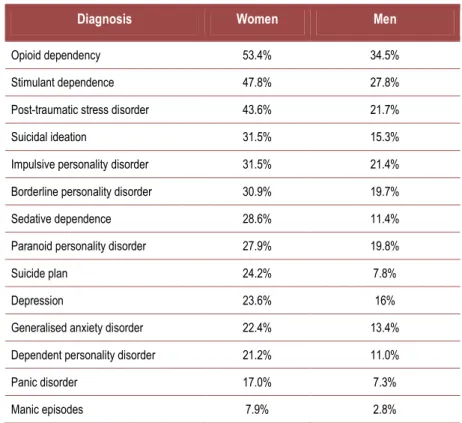
Table 1. Mental Illness among NSW prisoners (2003) ... 23
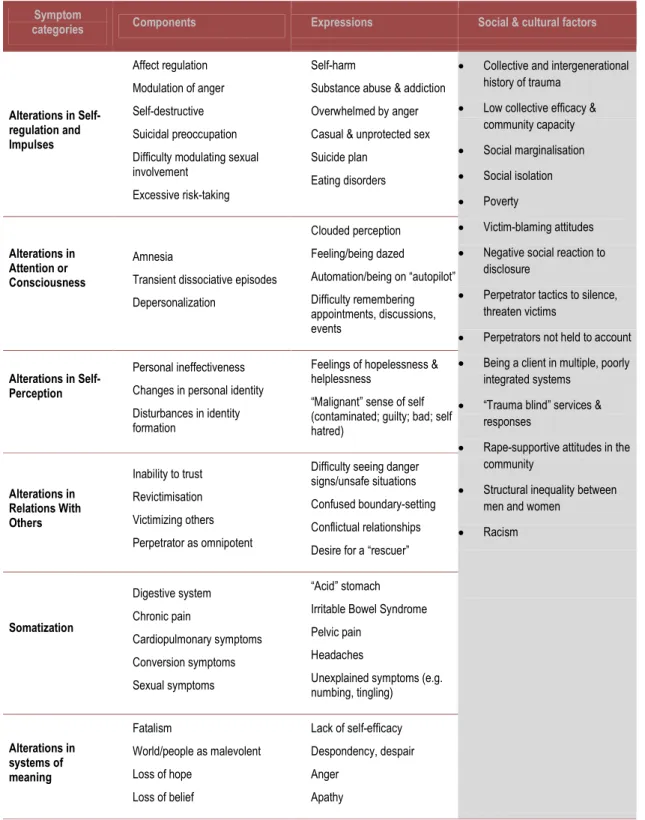
Table 2. Complex Trauma response, expressions and relevant social factors ... 32
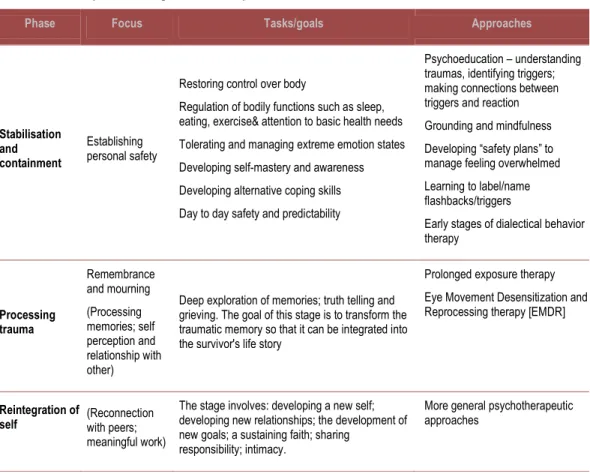
Table 3. Therapeutic management of complex trauma ... 36
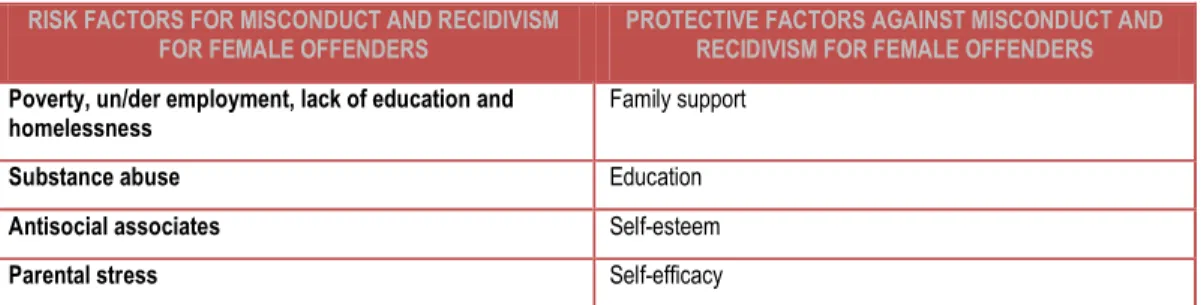
Table 4. Risk and protective factors for women's recidivism ... 49
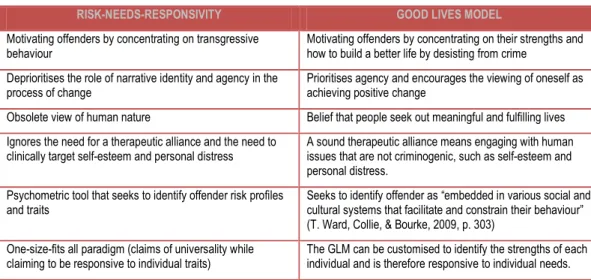
Table 5. Comparison of RNR and GLM by Ward et al. ... 50
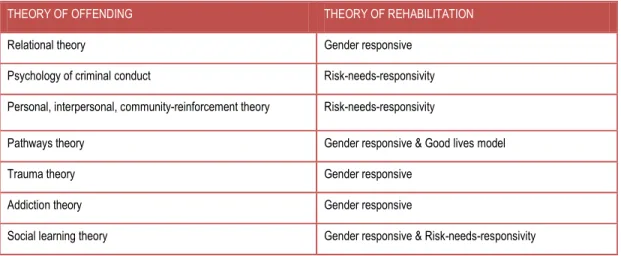
Table 6. How the different theories correspond ... 52
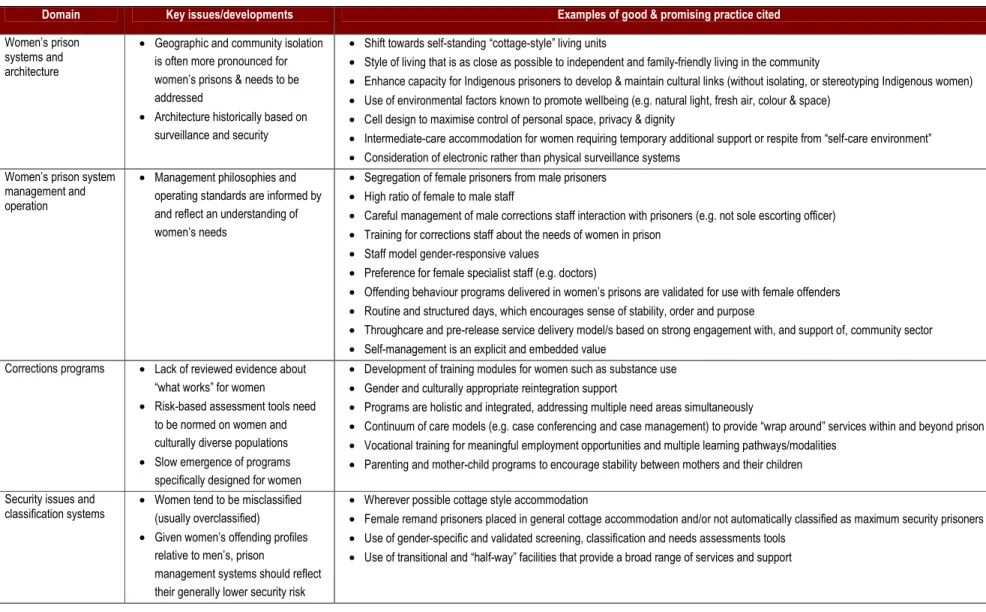
Table 7. Summary of good practice in prisons for women offenders ... 60
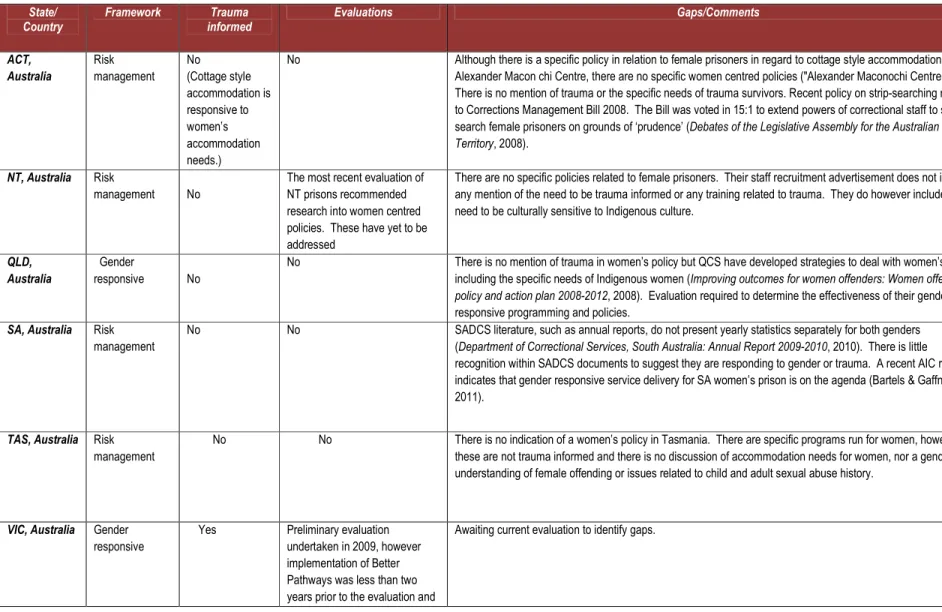
Table 8. Current approaches to addressing sexual victimisation in correctional settings ... 62
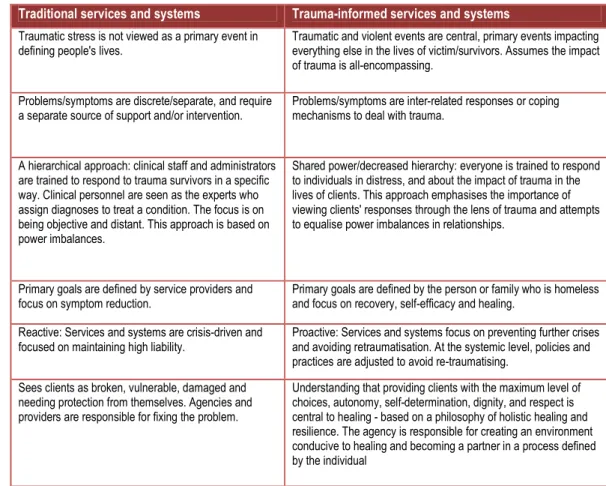
Table 9. Comparison of traditional models and trauma-informed service models ... 66
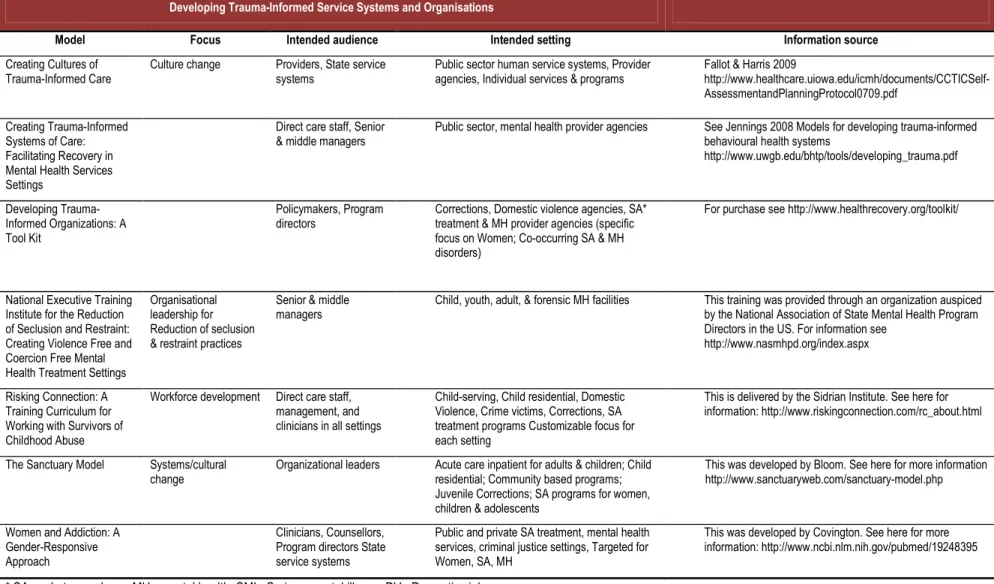
Table 10. Resources for developing trauma-informed service systems ... 67
Table 11. Trauma-specific interventions for women with co-occurring problems ... 68
Table 12. Integrated interventions ... 69
Table 13. Challenges in providing sexual abuse counselling in correctional setting ... 81
Table 14. Stages of recovery ... 83
Table 15. Organisational strategies for trauma-informed interventions ... 92
Figure 1. Conceptual framework for addressing CSA histories in a prison setting ... 86
Overview
Women in the correctional system have high rates of sexual victimization across the lifecourse, typically beginning in childhood and often accompanied by other forms of interpersonal violence. There is growing recognition of women offenders’ high levels of previous victimization, their particular pathways into offending, and their high levels of need relative to male offenders, across correctional settings and in the correctional literature.
The purpose of this review was to develop an evidence-informed framework to guide corrections’
approach to supporting women offenders who are survivors of child sexual abuse (CSA). We reviewed a wide range of literature across three key domains, namely the profile of women offenders, current theory and practice in offender rehabilitation, and the impacts of child sexual abuse and repeat victimisation.
The clinical literature on child sexual abuse and cumulative harm has found that early onset lifecourse victimization results in complex mental health problems that profoundly affect self-regulation, healthy attachments, and cognitive and neurological development. Although it is not possible to suggest a causal link between a history of sexual victimisation, such a history and its effects appear to be central features of women’s pathways into offending, their experiences of custody, and their capacity to engage in rehabilitation programs. For female offenders with CSA histories, “complex trauma” emerged as a key lens through which to view their needs – as both victims and offenders.
A second lens is gender difference. Current theory and practice about offending risk and rehabilitation suggests that dominant rehabilitation frameworks have not adequately addressed the specificity of women’s offending. There is evidence to suggest that women’s pathways into – and out of offending – are qualitatively different from men’s, and that the individual, interpersonal and social meanings of gender difference shape women’s offending pathways.
Efforts to support or provide counselling to female offenders with CSA histories in correctional settings need to include the following: the establishment of a sense of personal, interpersonal and environmental safety as it is the most crucial element of trauma-focused interventions; a whole-of-system approach to supporting the safety principle; and an awareness of the pervasiveness of trauma in the offending pathways of these women. Two existing frameworks are particularly useful for CSNSW to consider: a trauma-informed framework and a gender responsive programming framework.
This report integrates these two key constructs of trauma and gender into one framework to guide subsequent steps in the development and implementation of policies, practices and programs for women with sexual abuse histories in correctional settings.
Part A reviews the literature upon which the framework is based. An overall framework describing the principles and their implications for policies and practices are described in Part B.
Introduction to the Report
Purpose of the review
In December 2010, Corrective Services New South Wales (CSNSW) commissioned the Australian Institute of Family Studies to review the available evidence about how the effects of sexual victimisation interface with offending and reoffending pathways, and what directions could appropriately be taken to address sexual victimisation in the correctional context.
The key objective was to develop an evidence-informed framework to guide interventions and support (including health and other allied services) for women in correctional settings with sexual victimisation histories. Specific consideration was to be given to: the relevance of victimisation in women’s offending pathways and behaviours; support currently available to women in other correctional systems that addresses sexual victimisation; best stages/s in an offender pathway to participate in support program for their victimisation; the risks/issues involved in addressing sexual trauma therapeutically in a corrections context; issues in relation to Aboriginal women in corrections; and issues in relation to women with complex needs and particular combination of needs (see Appendix A).
We reviewed a wide range of literature across three key domains in order to develop a framework to guide interventions for supporting women with victimisation histories. These domains were: the profile of women offenders, current theory and practice in offender rehabilitation, and the impacts of lifecourse victimisation.
The report contains two parts. Part A reviews the relevant literature that would enable a consideration of how the effects of sexual victimisation interface with offending and reoffending pathways. Part B synthesises the key issues into evidence-informed framework to inform the broad directions CSNSW might consider for addressing sexual victimisation in the correctional context.
This introduction describes the key findings from the literature review. It also describes the key approaches taken in developing the evidence informed framework to assist CSNSW in their consideration of policy and practice in addressing women offenders’ trauma histories.
Reviewing the literature on women, offending and trauma
In the last two decades, there has been a significant increase in the number of women entering correctional facilities in Australia and around the world. Many of these women have histories of physical and sexual abuse in childhood, adolescence and adulthood, socially disadvantaged backgrounds, and mental health needs. This has lead to a proliferation of debates around women’s needs in a correctional environment, the extent to which they are qualitatively different from men’s, and what this suggests about supporting women’s rehabilitation and desistance from crime.
The overall purpose of the following literature review was to advise CSNSW about how the effects of sexual victimisation interface with women’s offending and reoffending pathways. This then became the basis of the suggested directions to address these effects within a correctional setting.
Approach taken in reviewing the literature
The key aim was to develop an evidence-based framework to guide programs and support strategies for women in correctional settings, based on an assessment of the research in relation to:
The relevance of victimisation in women’s offending pathways;
The most appropriate stages in an offender’s pathway to participate in programs specifically related to their victimisation;
Issues in relation to women with complex needs and Aboriginal women; and
Issues involved in addressing sexual abuse trauma therapeutically within a correctional context.
We reviewed the available research about how the effects of sexual victimisation interface with offending and reoffending pathways, and what directions could appropriately be taken to address sexual victimisation histories in the correctional context. This was done in two stages:1 a scoping exercise that involved an initial review of the literature, consultation with the Assistant Commissioner Offender Services and Programs and the Principal Advisor Women Offenders, and feedback from the Women’s Advisory Council.2 As described below, this process helped inform the next stages of the review.
Outcome of scoping exercise
A scoping analysis was undertaken early on to determine the most relevant and/or promising research literature that were to be the focus of this report. Key areas of enquiry were:
The impacts of child sexual abuse on women’s participation in, and the outcomes of, offender programs;
The impacts of a sexual abuse history on women’s wellbeing in correctional contexts; and The best ways of addressing both dimensions within a correctional context.
Literature searches were undertaken using both Australian and international databases.3 Subject terms we used were: female prisoners; female offenders; Aboriginal women prisoners; trauma; women in crime;
sexual abuse. More targeted searching was undertaken through the use of key word searches in relation to:
recidivism, complex trauma, complex needs, treatment needs, women’s imprisonment; and rehabilitation.
Summary of findings
Overall, the literature we reviewed demonstrated that:
Women in corrections have extensive victimisation histories.
Women enter the correctional system with greater disadvantage than men in terms of material or socio-economic disadvantage, and with higher levels of psychological distress. Drug misuse appears as a maladaptive coping mechanism.
The high level of need the women bring with them upon entry into corrections are likely to have impacts on treatment and rehabilitation interventions with women offenders
However there was less certainty about the frameworks and models for effective rehabilitation and support interventions (demonstrated by the debates regarding gender-responsive programming), and the appropriateness, costs and benefits of addressing sexual abuse trauma therapeutically in custodial settings.
Finally, there were significant gaps in the research on women offenders, specifically:
The concept of trauma (as it is explored in the extant sexual assault literature); and
1 As per the Consultancy Agreement.
2 The Women’s Advisory Council provided feedback both on the scoping review, and at a verbal briefing by ACSSA co- ordinator, Dr Antonia Quadara and the principal author Mary Stathopoulos on 25 February 2011.
3 Australian databases searched included Australian Criminology Database, (CINCH), Attorney General’s Information Service (AGIS) and Family & Society Plus. International databases searched were: National Criminal Justice Reference Service Abstracts Database (NCJRS); PsycINFO; Psychology and Behavioural Sciences Collection; ProQuest Social Science Journals; SocIndex;
and PubMed.
The evidence in relation to complex trauma, complex needs and sexual victimisation.
In addition to a short review, we provided a summary table of key themes and issues in the areas of enquiry, gaps, and suggestions about what the final review should focus on.
We were subsequently asked to concentrate on promising directions in supporting women offenders with trauma histories in relation to:
Complex needs (impact of complex trauma, dual diagnosis, co-occurring disorders);
Treatment and rehabilitation programs (needs, participation, effectiveness for women);
Frameworks, approaches and models for intervention regarding reoffending;
Frameworks, approaches and models for intervention regarding sexual abuse trauma.4 This scoping review and the table are reproduced at Appendix B.
Reviewing the literature on frameworks, approaches and models
Approach
As described in the project objectives, the overall purpose of the research was to provide advice on:
the relevance of child sexual abuse in the lives of women offenders;
key issues involved in addressing such victimisation histories within a correctional context; and the broad directions that CSNSW could consider in altering current policy and practice in addressing women offenders’ trauma histories.
In addition to the research literature on the profile of women in correctional settings, we reviewed national and international literature in relation to the following four areas: the impacts of child sexual abuse, and chronic and poly-victimisation; trauma interventions; current debates regarding women, offending and rehabilitation; and current approaches to addressing women’s victimisation histories in correctional settings. The approach to the literature review was informed by the purpose and objectives of the project. In order to achieve these we needed to canvas research across the diverse substantive areas listed above, with the consequence that the research evidence came from different disciplines, focused on different populations and employed different methods.
As such, we undertook:
a narrative analysis of the substantive areas of interest;
a critical analysis of key areas of debate (e.g. where there is a lack of consensus about key issues); and a realist analysis5 of current approaches to supporting women with trauma histories and other co- occurring needs.
The key themes and findings from the diverse literature were then synthesised into a framework, the aim of which is to guide the direction/s CSNSW may wish to take in addressing women offenders’ trauma histories.
4There was also an interest in women in prisons not only as adult survivors but also as mothers and how this might interface with child protection.
5 A realist analysis or synthesis differs from systematic reviews in that its aim is not ask “what works?”, but what are the underlying mechanisms, contexts, and conditions that are necessary to support interventions. A realist synthesis draws on a range of evidence, (e.g. qualitative or quantitative data, ethnography, narrative studies) as its purpose is to understand the real world application of frameworks and interventions (Pawson, 2002; Pawson, Greenhalgh, Harvey, & Walshe, 2004).
While systematic reviews of the research and empirical evidence – particularly randomised controlled trials (RCTs) – are increasingly viewed as the “gold standard” for literature reviews (Booth, Papaioannou,
& Sutton, 2012; Cooper, 2010), for this project, there is very little research on the interface between child sexual abuse, trauma, custodial populations, trauma support, and rehabilitation that would meet standards required for a systematic review due to the ethical and practical limitations of designing RCTs for such an issue. Indeed, it has been noted that standards for research evidence on effectiveness such as those set out by the Cochrane Collaboration have come from the medical sciences, and questions remain as to their applicability where social interventions with complex populations are concerned (Grossman &
Mackenzie, 2005; Smyth & Schorr, 2009).
Key themes in the literature
Compared to the international and particularly US research, the Australian evidence base is fairly thin.
The literature was consistent in identifying a trifecta of factors that characterise women in corrections:
mental illness/poor mental health; alcohol and substance dependency; and histories of early interpersonal victimisation, particularly child sexual abuse. Based on what is known about the long-term consequences of trauma, these three characteristics would seem to be interrelated. What is striking in the literature is not only the centrality of these three elements, but also how they are further connected to a range of other experiences. Whether they are Canadian, Scottish, British, American or Australian studies, the same profile and needs of female prisoners are identified. In no particular order these are:
Histories of childhood victimisation, particularly sexual abuse;
A background of state care;
Mental disorders such as borderline personality disorder (BPD), major depression, post-traumatic stress disorder (PTSD);
Intellectual and cognitive impairments;
Substance abuse and dependency Housing instability;
Primary care for dependent children;
Low educational attainment;
Minimal employment histories compared to male prisoners; and
Subsequent victimisation as adolescents and adults such as sexual assault and family and domestic violence (e.g. Corston, 2007; Gelsthorpe, 2010; Ogloff, Davis, Rivers, & Ross, 2006; Salisbury & Van Voorhis, 2009)
Based on the broader literature on the bio-psycho-social consequences of chronic trauma, a history of sexual victimisation appears to be a common element in women offenders’ profiles, their experiences of custody, and their capacity to engage in rehabilitation programs. The clinical literature on child sexual abuse and cumulative harm has found that early onset lifecourse victimization – particularly child sexual abuse – results in complex mental health symptoms that profoundly affect an individual’s capacity for self-regulation, healthy attachments, and cognitive and neurological development. As such we have identified “complex trauma” as a key lens through which women’s treatment needs – as both victims and offenders – can be viewed.
A second lens concerns the role of gender and gendered differences in pathways to offending. Current scholarship on women offenders, re-offending and rehabilitation suggests that dominant rehabilitation
frameworks have not adequately addressed the specificity of women’s offending. Specific findings from the review, which informed the framework described in Part B, are that:
Women’s pathways into – and out – of prison are qualitatively different from men’s. Types of offending, the circumstances of offending, sentences, length of stay, number of episodes in custody and rate of return differ;
Women enter prison more socially disadvantaged and have higher levels of need compared to men (e.g. in relation to substance abuse, mental illness, unemployment, being primary carers of dependent children);
Women offenders have significant histories of sexual abuse and other forms of victimisation;
There is significant debate and empirical research regarding the validity of the risk-needs- responsivity model underpinning offender rehabilitation for women offenders; and that
Interventions for women – both in terms of criminal rehabilitation and general wellbeing – need to acknowledge:
- The nature of trauma resulting from child sexual abuse and other sexual victimisation;
- The interconnected nature of trauma, mental illness, substance abuse, and how this might shape women’s pathways to offending; and
- That the correctional environment has been based on the male offenders and their gendered pathways into offending and risk/security management, which can result in retraumatising practices and environments for women offenders.
This last point is important. Despite the consistency of these findings, there is little work – national or international – that synthesises their implications for an overall understanding of how correctional approaches can best support women offenders, both as victims and as offenders. In particular, although there is wide recognition by correctional systems of women’s particular pathways into offending (gendered pathways), and that the trauma of child sexual abuse is part of this, there is seldom an integration of trauma and gender-responsive frameworks into a holistic approach to women’s rehabilitation (e.g. K. Blanchette & Taylor, 2009). A rapid evidence assessment of the “what works”
literature for the UK’s Ministry of Justice concluded that although there are some suggestions about what is effective in reducing women’s reoffending “there are gaps in the evidence regarding some of the most frequently cited issues like victimisation and self-esteem” (Lart, Pantazis, Pemberton, Turner, & Almeida, 2008).
Moreover, although there is a strong body of evidence to suggest that women’s pathways into – and out of – offending are qualitatively different from men’s, and that the individual, interpersonal and social meanings of gender difference shape women’s offending pathways, overall, there is a lack of consensus in the extant criminological literature (including penology) about the relevance of gender in offending, about what the implications of accepting that notion of “gendered pathways” are for correctional policy and practice, or even how to conceptualise gender and gender difference. In this report we have understood gender as: a social and structural location that is personally, experientially felt and made sense of.
For our purposes, gender is not a demographic feature, a personal attribute, a socialised role or biological sex.
Synthesising the literature
When the key findings are synthesised, it becomes clear that women offenders’ histories of victimisation over the lifecourse, which typically includes child sexual abuse, cannot be separated from their pathways into – and out of – the criminal justice system.
As demonstrated in Part A, child sexual abuse has been experienced by at least 1 in 2 women offenders.
Typically this victimisation begins early in life, with many survivors experiencing multiple instances of sexual victimisation as children, young people and adults. In addition such victimisation is located within, and also precipitated by, broader contexts of social disadvantage and vulnerability (e.g. poverty, family conflict, intergenerational trauma, low educational attainment, and housing instability). Like other survivors of sexual victimisation, trauma for women offenders is a lived, proximal experience affecting all facets of their social, mental and physical wellbeing. This is not to imply a causal or linear relationship between victimisation and offending but to note that the trauma arising from early onset, chronic sexual victimisation – typically perpetrated by care givers, guardians, family members – is pervasive, and cannot be contained to particular areas of an individual’s life.
This significantly reframes the purpose and objectives as they were originally envisaged. That is to say, it is not possible to identify (for example) the “most appropriate stage” in offenders’ pathways where trauma can be dealt with, because, based on the trauma literature, sexual abuse trauma is not experienced by survivors as distinct from other aspects of their functioning, world view, or sense of self. This presents a significant challenge for many treatment and rehabilitation frameworks, which have tended to keep separate trauma interventions from other treatment interventions (e.g. substance abuse, anger management, parenting). While this review was not about rehabilitation per se, it has been impossible to not talk about such frameworks or the debates they have occasioned. This is because at the heart of the debates and research are differing perspectives not only about the specificity of women’s offending pathways, but also about the extent to which sexual and physical victimisation should be recognised as central to those pathways. As such, we have provided a brief synthesis of the debates, discussions and empirical research in relation to rehabilitation frameworks in Chapter 3 of Part A.
The pervasiveness of trauma also has implications about how correctional systems address trauma itself.
Based on the growing evidence about the role of trauma in mental health, social functioning, substance abuse and so on, responding to trauma and acknowledging its impacts needs to be integrated across operating practices, programs and policies. At the same time, we acknowledge the risks of conflating women’s trauma histories with their offending pathways, of suggesting causal links between these issues, and of attempting therapeutic interventions for that trauma in a penal setting designed for offender rehabilitation. In other words, an awareness of, and orientation towards, trauma needs to be integrated into correctional responses to female offenders, while also being balanced against the raison d’etre of a correctional system and its operating environment.
In terms of how correctional institutions address this, two broad directions emerge. The first relates to addressing, on the one hand, the status of women within such settings as victim/survivors. In this view, addressing sexual abuse histories requires two broad types of intervention: those that directly address the impacts of trauma; and those that integrate an understanding of trauma into their design and delivery. The second direction relates to addressing the role, relevance, and extent of gendered differences in offending and rehabilitation. Major reports and inquiries have increasingly called for a “distinct, radically different, strategic, proportionate, holistic, woman-centred, integrated approach” in treatment and service provision for women who offend (Corston, 2007). A growing literature and empirical evidence base indicates that the dominant framework for classifying offenders and assessing their criminogenic needs (i.e. needs that are correlated with recidivism) may not, of its own, sufficiently reflect the particular profiles of women offenders (Van Voorhis, Wright, Salisbury & Bauman, 2010).
Part B provides a framework that synthesises these issues and tensions into broad directions regarding organisational policy and practice for CSNSW internal consideration.
Interventions for women with sexual abuse histories
Based on the literature, interventions to support women with sexual abuse histories who are in corrections need to:
Focus on stabilisation (developing a sense of safety and bodily integrity);
Integrate an awareness of the impacts of trauma into non-trauma-specific programs (e.g. in relation to alcohol, drugs and addiction; aggression and violence; education, training and employment;
readiness; and parenting); and
Embed and support these interventions through policies, practices and workforce development that:
o Understand the long-term impacts of victimisation and trauma on survivors;
o Understand the roles of victimisation, socio-economic disadvantage, relationships, and gender in women’s offending pathways and rehabilitation needs.
Where there is provision of sexual abuse counselling, which focuses on moving towards processing trauma memories, this should ideally be independent from the correctional system and undertaken by sexual abuse and sexual assault specialists. At the same time, the extent to which such practitioners should interface with other treatment providers and corrections management staff in providing integrated support for women and their rehabilitation is a live issue for the consideration of CSNSW.
Key frameworks to inform the development of interventions
In light of the research evidence, two frameworks together provide a general scaffolding in which the above points could sit. A gender-responsive framework is based on research into women’s pathways into prison. As a philosophical and organisational approach, it make a number of recommendations about how prison practices, operating environment and rehabilitative frameworks can take “the circumstances of gender” into account (Bloom, Owen, & Covington, 2003). However, there are some limitations with gender-responsivity. One is the danger of essentialising women to perceived characteristics (e.g. being relational). A second aspect is that the bio-psycho-social impacts of trauma are not always an explicit element of programs. Thus an approach such as a trauma-informed framework (Elliot, Bjelajac, Fallot, Markoff, & Reed, 2005; Jennings, 2004), which is informed by the research on victimisation trauma and its effects, provides a therapeutically– and psychologically–informed perspective.
It is important to note that these frameworks are not themselves empirically tested interventions. Rather, they provide a structure for locating policies, practices and programs that aim to address the trauma needs of women offenders, as well as the rehabilitation and wellbeing needs. In Part B, we have brought together the key principles of each framework and their key elements for the CSNSW’s consideration.
PART A: Addressing sexual abuse trauma in
correctional settings: A review of the literature
Introduction
The following review comprises five areas of analysis:
1. The profile of women offenders: summarises the evidence base regarding women’s pathways into offending, their experiences of victimisation and their mental, physical and social health needs.
2. The consequences of sexual abuse and multiple victimisation: “Complex trauma”:
reviews current research from the fields of mental health, psychology and traumatology about the impacts of child sexual abuse and revictimisation on survivors’ mental, emotional, cognitive and social wellbeing. This chapter suggests the “complex trauma” construct as the most promising for understanding the impact of the sexual abuse experienced by many women in the correctional system.
3. Therapeutic approaches for sexual abuse counselling and recovery: summarises the key issues in addressing sexual victimisation therapeutically.
4. Gender and rehabilitation: provides a critical review of the existing literature about how, in light of women’s particular circumstances of offending, to best rehabilitate women offenders;
and
5. Current approaches to addressing women’s victimisation histories in correctional settings: considers what models or frameworks are available to assist a correctional system and its services to support female offenders and their needs as victim/survivors of child sexual abuse. These include frameworks such as: trauma and recovery; trauma-informed care, and gender responsivity.
1. The profile of women in corrections and their offending pathways
A significant evidence base demonstrates that both the profile of female offenders and their pathways into offending are fundamentally different compared to male offenders (for example, Carlen, 1983; Chesney-Lind, 1989, 1997; Daly, 1998; Kruttschnitt & Gartner, 2003; Salisbury &
Van Voorhis, 2009; Worrall, 1990). Although the total number of women in Australian prisons is very much smaller than the number of men, they are nevertheless recognised as a “high needs”
population. Specifically, women offenders demonstrate higher levels of previous victimisation, poor mental health and serious mental illness, substance misuse, unemployment, and low educational attainment compared to male offenders. A significant proportion – between half and two thirds – have dependent children. Their time in custody is different, with shorter, but more frequent periods of imprisonment. In short, despite the small size of the female correctional population, they present significant challenges, both from a rehabilitative perspective (i.e. reducing re-offending) and, relatedly, in terms of their general wellbeing.
The literature we reviewed was consistent in identifying a trifecta of factors that characterise women in corrections: mental illness/poor mental health; alcohol and substance dependency; and histories of early interpersonal victimisation, particularly child sexual abuse. Based on what is known about the long-term consequences of trauma, these three characteristics would seem to be interrelated. What is striking in the literature is not only the centrality of these three elements, but also how they are further connected to a range of other experiences. Whether they are Canadian,
Scottish, British, American or Australian studies, the same profile and needs of female prisoners are identified. In no particular order these are:
histories of childhood victimisation, particularly sexual abuse;
state care;
mental disorders such as borderline personality disorder (BPD), major depression, post- traumatic stress disorder (PTSD);
intellectual and cognitive impairments;
substance abuse and dependency;
housing instability;
primary care for dependent children;
low educational attainment;
minimal employment histories compared to male prisoners; and
subsequent victimisation as adolescents and adults such as sexual assault and family and domestic violence (e.g. Corston, 2007; Gelsthorpe, 2010; Ogloff et al., 2006; Salisbury & Van Voorhis, 2009)
On the one hand these are issues that are beyond the scope of this review, and in many ways are beyond what corrective services have been established or empowered to change – many of these experiences and needs are what women come into the system with. Further, the criminal justice decision-making that funnels women into (or away from) prison does not rest with corrections but with police and magistrates’ courts (King, Bamford, & Sarre, 2005). On the other hand, they are central to the questions of the review about how sexual victimisation interfaces with offending and reoffending pathways, and what corrections can do to support women as victims within the correctional setting both in terms of their rehabilitative prospects and their wellbeing.
The following sub-sections review the evidence on: women’s pathways into offending; the current profile of women offenders; and what this tells about the role of victimisation and trauma in female offending.
Characteristics of women’s offending
Statistical analysis and empirical research on female offending since the 1980s demonstrate two things: that the trajectories by which women end up within the criminal justice system are not the same as men’s offending trajectories; and that the types of offences they are engaging in also differ.
More recent analysis also shows that the number of women entering corrections is increasing, both in Australia and internationally. These trends are summarised below. Box 1 (overleaf) provides a profile summary of women within the NSW correctional system.
Box 1 Profile of women in NSW correctional services
Number of women in the correctional system
In the 2011 census of NSW inmates, there were 703 women, comprising 7.0% of the total inmate population (Corben, 2011). Almost one third (30%) were Aboriginal or Torres Strait Islander. Just on 30% of female inmates were on remand. Nationally, at 30 June 2010 8.0% (2,228) of the prisoner population were women (Australian Bureau of Statistics, 2010).
Of the 16,632 individuals in NSW community corrections, 15.3% were women (Van Doorn & Geyer, 2011).
Nationally, in the March quarter of 2011 there were 54, 757 individuals in community corrections; 18% were women (Australian Bureau of Statistics, 2011).
Types of offences
For sentenced female prisoners in Australia, the most serious offence with the highest proportion was illicit drugs (17%), followed by acts intended to cause injury (15%). The most serious offence for men was acts intended to cause injury (17%), followed by sexual assault (14%). In NSW, the most serious offence among female inmates was in the illicit drug offence category (21.3%), followed by acts intended to cause injury.
For men, this was reversed – for 17.8% the most serious offence was acts intended to cause injury, followed by illicit drug offences (14.0%)
Security classification
Over three-quarters (76.4%) of female inmates were classified as minimum security. Just over 17% were classified as medium security and only 0.1% as maximum security. Approximately 1 in 5 (20.6%) male inmates were classified as maximum security, and 1 in 4 (24.1%) as medium security. Just over half were at the minimum security classification.
Although the majority of female inmates were minimum security, 26.6% of female inmates were held at maximum security correctional centres, 29.9% were held at medium security centres and 37.4% at minimum security centres.
Sexual victimisation
A sexual health survey that asked women prisoners about sexual forcing or coercion found that 59% said that they had been forced or frightened into doing something sexually that they did not want to do in their lifetime(Richters et al. 2008). Of these, 57% said that they did not tell anyone or seek help following the incident/s. Revictimisation was common: a third of women said they had experienced sexual coercion between 3 and 9 times, and a further 13% said it had occurred more than 10 times.
Mental health and substance abuse
Women in NSW corrections have significant levels of mental distress, particularly in relation to opioid and stimulant dependence, post-traumatic stress disorder, personality disorders and suicidal ideation (Indig et al 2010b). Further, across all categories of mental illness, women prisoners have much higher rates of mental illness (Butler & Allnutt, 2003).
Types of offences
The available research suggests women commit fewer and less serious crimes. Typically, drug offences, fraud and property theft are identified as “women’s offences”.6 At the same time, some statistical analyses suggest that the violent offending among women is increasing (Cameron 2001).
The ABS overview of national trends found significant increases in robbery, theft, assault and homicide.
For sentenced female prisoners in Australia, the most serious offence with the highest proportion has been illicit drugs, followed by acts intended to cause injury (Australian Bureau of Statistics, 2010). In NSW recent census figures show that the most serious offence among female inmates was in the illicit drug offence category (21.3%), followed by acts intended to cause injury. For men, this was reversed – for 17.8% the most serious offence was acts intended to cause injury, followed by illicit drug offences (14.0%) (Van Doorn & Geyer, 2011).
For women coming to the attention of NSW police shop lifting, assault, fraud and possession/use of drugs were the top four offences. The top four for men were domestic violence assault, possession/use of drugs, assault, and malicious damage to property. This analysis showed changes in female participation in offending during the ten-year period to June 2009. The numbers of female offenders increased significantly for breach of bail conditions and domestic violence assault7 (up 14% and 12% respectively each year). Breach of apprehended violence orders and malicious damage to property also increased.
Women made up approximately half of offenders involved in prostitution and shoplifting and over a third of offenders involved in fraud. In contrast, men made up 98% of offenders involved in sexual offences, and over 90% of offenders involved in armed robbery with firearm and burglary (Holmes, 2010). Holmes concluded that more women offended, and their offending was of a more violent nature or against justice procedures than was the case ten years ago.
Increase in the numbers of women in prison
There appears to be a change in the overall profile of prisoners in Australia (sentenced and unsentenced), as well as some specific shifts for women. The most notable of these is the increased rate of female imprisonment over the last twenty years (Australian Bureau of Statistics, 2004a;
Baldry, 2008; Department of Justice, 2007; M Mitchell, 2005). A number of reports and statistical analyses also suggest that the characteristics of prisoners has changed, with more mental ill-health, substance abuse and social disadvantage present, particularly among remandees.
Reviewing data collected between 1995 and 2002, the ABS calculated that the female imprisonment rate had more than doubled (58%), while men’s imprisonment rate increased by 15%. One quarter was on remand. In 2010, the Bureau reported that the last ten years had seen an increase of 60% in the female prison population, compared to a 35% increase for men. Between the 2009 and 2010 Prisoner Census dates, the number of male prisoners increased by 1% (280) while the number of female prisoners increased by 5% (103) (Australian Bureau of Statistics, 2010). When sentenced prisoners only are considered this increase is even more pronounced – 1% for men, compared to an 8% increase in sentenced female prisoners. In NSW, between 1988 and 1999, the female prison
6 It is important to note here that determining the most common types offences according to gender depends on which data sources are used for analysis. Data collected, for example, by the Drug Use Monitoring program, or “persons of interest” proceeded against by police, are more likely to reflect base-level patterns of offending, compared to data on prison populations, which reflect not just those offenders who come to the attention of police, but who are also subsequently sentenced by the courts (Forsyth & Adams, 2009).
7 It should be noted however, that caution needs to be exercised regarding this shift as it is not clear how dual arrest policies in relation to domestic violence are impacting these figures.
population increased from 209 to 432 (Select Committee on the Increase in Prisoner Population, 2000). Between 2000 and 2010, women as a proportion of the total NSW prison population increased from 6.7% to 7.5% (Australian Bureau of Statistics, 2010).8
In short, there has been a significant increase in the number of women in Australian prisons since 1995, and this increase is at a much faster rate than men, a situation that is not unique to Australia.
Internationally, the rate of female imprisonment is also increasing (Corston, 2007; Gelsthorpe, 2010; Johnathan Martin, Paula Kautt, & Loraine Gelsthorpe, 2009). Of particular concern in both Australia and elsewhere is the increase, generally, in the remand population over the last 15 years or so, from 15% in 1998 to 21.4% in 2010, a figure that has been fairly steady over the last few years;
however there are significant differences across jurisdictions (Australian Bureau of Statistics, 2010;
King et al., 2005). In NSW, King et al. reported that between 1998 and 2004, the numbers of custodial remand prisoners increased from just over 1000 to approximately 1800. This increase has been particularly notable for women. Over ten years, the number of women in NSW prisons who were remandees grew from 15% in 1993 to 25% in 2003 (Corrective Services NSW., n.d.). In 2009, of the 854 female inmates over a quarter (26%) were on remand, compared to an overall percentage of 23% (Corrective Services NSW, 2010).
Vulnerable populations and complex needs
When providing services for women prisoners, it is especially important to note the needs of vulnerable populations and their complex needs. Two especially vulnerable populations – Indigenous women and women from a Culturally and Linguistically Diverse backgrounds (CALD) - and their needs are explored below.
Indigenous women
The complex links between social, economic, health and gendered issues are brought into greater focus when looking at a disadvantaged group such as Aboriginal women (Aboriginal Justice Centre, 2008; Cerveri et al., 2005). Indigenous women make up a large percentage of imprisoned women in NSW. Few qualitative studies have been undertaken to learn about the experiences and needs of Indigenous women involved in the criminal justice system (Bartels 2010b; Lawrie 2003). Indigenous women are thought to be overrepresented due to overpolicing of the Aboriginal community in general (Aboriginal Justice Centre, 2008; Bartels, 2010a).
Indigenous women’s rates of sexual victimization are extremely high (Cervari et al. 2005;
(Aboriginal Justice Centre, 2008). It can be difficult to ascertain how high the rates are as the barriers for reporting sexual victimisation are particularly salient for Indigenous women (Willis 2011). A study conducted by Lawrie (2003) found that Aboriginal women were particularly vulnerable to exposure to most of the issues listed above. Lawrie’s findings indicate that Aboriginal women:
Make up 31% of all female prisoners in NSW Are largely undereducated
Suffer from high levels of unemployment Are predominately single mothers
8This figure was correct at the time of writing. Corrective Services NSW advises that there has been a decrease in the population since 2010. At end June 2012 there were 638 women in NSW correctional centres, representing less than seven percent of the total inmate population (CSNSW Inmate Census 2012). This represents a reduction from 650 in June 2011 and 746 in June 2010. It also represents a slight decrease in the percentage of the total inmate population. Of that population, 189 (29.6%) identified as Aboriginal.
Are the primary caregivers to non-biological children Are the primary caregivers to older relatives
Have a high level of exposure to the criminal justice system Have a history of juvenile offences
68% were drug affected when offence was committed 14% were alcohol affected when offence was committed
4% were under the influence of both drugs and alcohol when offence committed 70% were sexually assaulted as children
78% were victims of violence as adults
44% were sexually assaulted as adults (figures from Lawrie 2003)
When the women were asked about their experiences of sexual abuse, the vast majority believed that their drug dependence was directly associated with sexual victimization (Lawrie, 2003, p. 3).
Many of these women were incarcerated due to drug crimes, so for this population, the causal relationship between sexual victimization and offending is indicated (Lawrie 2003). These statistics and the insights into the responsibilities that befall Indigenous women is a staggering view of the complexity involved in working towards assisting them in turning their lives around. Their imprisonment does not just impact on their own lives but as the primary caregivers to so many dependents within their families and beyond, their communities are also impacted by their absence and their associated drug and alcohol issues.
Lawrie’s snapshot study provides the interconnection between issues such as education and employment and the need for vocational programs within the prison system. This is directly related to offending and the possibility of re-offending as “one quarter of women…stated their income came solely through the proceeds of crime” (Lawrie 2003, p. 3).
Women from Culturally and Linguistically Diverse (CALD) backgrounds
Just as with Aboriginal women, many women from Culturally and Linguistically Diverse (CALD) backgrounds in Australian prisons have expressed that they turned to crime because of their lack of education and employment (Easteal 1995). Barriers included language and cultural knowledge (Easteal 1995). Issues that concern the service provision for programs also centre on language and culture. Issues of sexual violence and trauma add another layer to the complexity in that speak explicitly or directly about these experiences can be difficult or not welcomed within particular cultural groups (Allimant & Ostapiej-Piatkowski, 2011).
Whiteacre (2006) examined the risk-needs-responsivity classification system in relation to race/ethnicity and finds a tendency toward classification errors for minority groups.
Child sexual abuse (CSA) and other forms of victimization
Australian studies
Child sexual abuse is relatively prevalent among the Australian population. In a review of seven Australian studies just over 1 in 4 women (27.5%) disclosed an experience of child sexual abuse (Andrews et al., 2002). In a 10-year cohort study of a nationally representative sample of students aged 14-15 years in Victoria to estimate child sexual abuse before 169 found a prevalence rate of
9 Assessed retrospectively at the age of 24.
17% (Moorea et al. 2010). The last national victimisation survey that asked about child sexual abuse found that almost one million women (956,600) reported being sexually abused before the age of 15 (ABS 2006.
Although these figures are likely to underestimate the extent of sexual victimisation, compared to the general population of women, women in corrections report higher rates of sexual and physical victimization in childhood ( Mazerolle et al., 2008; Teague & Mazerolle 2007; Warner 2001).10 There is little Australian research documenting the extent of sexual victimisation among women offenders. What has been done indicates prevalence figures of between 57% and 90%. In a random sample of 199 female prisoners in NSW, 59% said that they had been forced or frightened into doing something sexually that they did not want to do in their lifetime, and 57% of women said that they did not tell anyone or seek help following the incident/s (Richters et al. 2008). Revictimisation was common: a third of women said they had experienced sexual coercion between 3 and 9 times, and a further 13% said it had occurred more than 10 times. However, the NSW Inmate Health Survey (Indig et al., 2010b) found markedly lower rates of sexual victimisation among women, with 29% reporting that they had been subjected to at least one form of sexual violence since 16. The reasons for this are likely to be methodological: only one question was asked about sexual violence;
only three forms of coercion/force were included (incapacitation was not one of these); and the survey was administered via telephone. Together these likely resulted in under-reporting.
Women in community corrections also demonstrate high rates of sexual victimisation. Research by the Queensland Crime and Misconduct Commission found that between a quarter and a third of women reported coerced, unwanted or forced sexual activity, including sexual intercourse (Mazerolle et al., 2008). The extent of sexual re-victimisation in the sample was very high for both males and females. Among the victims of CSA in this sample, 81 per cent subsequently experienced some form of sexual victimisation as an adult. Other work suggests even higher rates: a survey with female prisoners in Queensland estimated that prior to incarceration, 98% of women prisoners had experienced physical abuse and 89% had experienced sexual abuse (Kilroy, 2001).11
Aboriginal women have experienced higher rates of violence. The NSW Inmate Health Survey (Indig, McEntyre, Page J., & Ross, 2010a) found that the majority (81%) of Aboriginal women reported having ever been in a violent relationship, compared to 61% of non-Aboriginal women.
They were just under twice as likely as non-Aboriginal women (42% compared to 24%,) to report having experienced sexual violence since age 16 years.
International studies
Moloney et al. reviewed the evidence on the extent of victimisation among women offenders and concluded that “empirical research examining the prevalence and severity of lifetime interpersonal violence is encountered by imprisoned women is scarce, contradictory, and subject to under- reporting” (K. P. Moloney, Van den Bergh, B.J. & Moller, L.F., 2009, p. 427). From these authors’
perspective, Browne et al. carried out the most comprehensive assessment in 1999: they developed a comprehensive interview of structured behavioural questions for a representative sample of 150 female prisoners. They found that:
Severe physical violence committed by a parental figure was experienced by 70%;
10 Statistics for victimisation, and particularly sexual victimisation, are considered by many to be underestimate the actual extent of victimisation due to sample selection, the nature of survey questions and survey delivery (Australian Bureau of Statistics, 2002, 2003, 2004b; Lievore, 2003).
11 A total of 100 surveys were completed. No further information about the survey questions is provided in this paper.
Child sexual abuse in any form was experienced by 59% (more than half had occurred before the age of 10);
Three-quarters reported physical violence by an intimate partner in adulthood;
Three-quarters reported that they had experienced physical or sexual violence by other individuals (not including childhood and adolescent carers and intimate partner violence).
A recent review of the research to date, (which also includes the study by Brown et al.) McDaniels- Wilson and Belknap (2008) reported the following range of rates:
Lifetime prevalence rates for rape, sexual abuse or molestation of 33%-55%
Unwanted sexual physical contact from touching to rape (before 18 years) reported by 25%- 56%
Vaginal, oral or anal rape as a child (before 18) reported by approximately 40%; and Rape (attempted or completed) or sexual assault as an adult reported by 25%-43%.
In their own study, the authors measured a range of sexual violations12 experienced by 391 study participants (between 18-69 years). In relation to CSA, they found that 51% of the women reported experiences ranging from nudity, exposure and kissing through to anal or vaginal rape, with rates ranging from 36%-45% in each of the five categories of behaviours. The authors conclude that many of women would have experienced multiple forms of sexual abuse from the same (or different) perpetrator. Of the women who had been abused, more than a quarter (26%) had reported between 3 to 13 different abusers. In relation to adult experiences of sexual violence:
Almost three quarters (72%) reported sexual activity that involved sexual coercion (i.e. through emotional or verbal pressure)
44% of women reported illegal attempted penetration(i.e. rape, defined as using force, position of authority or alcohol/drugs to perpetrate offence);
60% reported illegal completed penetration, with 39% citing the use of drugs or alcohol to perpetrate and almost half citing the use of force;
The average number of times women said these things had occurred was between 1.8 (multiple perpetrator rape) to 4.5 times (rape).
They also noted a significant number of women not identifying acts that met the legal definition of rape as rape (24%). McDaniels-Wilson and Belknap concluded that incarcerated women’s sexual victimisation patterns differed to that from the general female population in their severity, frequency (i.e. revictimisation), and number of abusers.
In a study of 484 women aged 18-35 who were either sentenced or awaiting trial, Raj and colleagues found that (2008):
35% reported child sexual abuse (0-12 years);
14% reported adolescent sexual assault (13-17 years); and 22% reported sexual assault as adults (over 18 years).
This study also noted different patterns of victimisation, particularly in relation to the higher numbers of women identifying strangers as perpetrators in adolescent and adult experiences. They
12 This is their terminology, and used to encompass a broader range of unwanted sexual activities than would be included in legal definitions. The Sexual Experiences Survey and a Sexual Abuse Checklist were the two instruments used in their study to capture the range of sexual victimisation experienced.
concluded that leaving home (usually as a result of childhood victimisation) might have meant greater exposure to unknown individuals.
These are only a selection of recent studies. Indeed, McDaniels-Wilson and Belknap (2008) referred to some 34 studies and reviewed 14 that demonstrated high levels of physical and sexual victimisation among incarcerated women. However, they also noted some weaknesses in this research base, namely the use of small samples, qualitative over quantitative research designs, and myriad definitions of sexual victimisation, making it difficult to compare studies. Despite these limitations, the authors concluded that in women’s pathways to offending and reoffending,
“victimization and trauma histories [are] risk factors” (McDaniels-Wilson & Belknap, 2008, p.
1091).
Mental illness and substance abuse disorders
13A greater number of people with mental illness are in the criminal justice system compared to the general community. In a review of the measurement and prevalence of mental disorders among prisoners, Ogloff and colleagues observed a fundamental change in the composition of the prison population over the last 50 years: “offenders who in the past were at the margins of custody (especially non-violent, recidivist and drug dependant offenders) are routinely imprisoned, and average periods of imprisonment have increased,”(2006, p. 8). Research in Australia with female prisoners or using key monitoring data such as that collected through the Australian Institute of Criminology’s Drug Use Monitoring in Australia [DUMA] program has found a significant co- occurrence of different mental health issues (homonymic co-occurrence), mental health and cognitive impairment and mental health and substance use (heterotypic co-occurrence). This is also the case in other international jurisdictions (Farkas & Hrouda, 2007; Jordan et al., 2002)
Ogloff et al. attributed these trends in part to the process of deinstitutionalisation, particularly during the 1980s and 1990s. However, they warned that it is too simplistic to see this as the primary cause for increases in mental illness in the prison system. Two other factors are identified – the increase in drug dependency among offenders and the shift in “penal-welfare policy” in which the distinction between these systems’ purpose and philosophy has blurred, thus affecting policies and decision-making across both arenas in relation to vulnerable populations.14 These are pertinent observations given the association between victimisation and drug use, and the high proportion of women in the criminal justice system that are primary carers of dependent children.
The available national and international evidence on the prevalence of mental disorders among offenders suggests that:
Mental illness is more prevalent among the remand population compared to sentenced prisoners;
Despite the smaller numbers of women in prison, their rates of mental illness are higher than men’s;
The co-occurrence of mental illness with substance abuse is the rule rather than the exception;
13 Substance abuse and dependency are not always thought of as mental disorders. The DSM-IV and the ICD both include substance abuse and substance dependency as specific diagnoses. As such, empirical studies on mental illness typically assess substance abuse and dependency.
14 The authors here are alluding to the combination of the rise of neo-liberal policies here and elsewhere (such as the UK) in which social welfare and support became increasingly dependent on recipients meeting certain conditions, and if they did not, this invoked a criminal justice response, and the continued rise of law and order populist politics. This is most readily seen in the UK’s Crime and Disorder Act of 1998. See particularly Garland 2001, Gelsthorpe, 2010 and Wacquant, 2009.
A “relatively poor job” is done in appropriately identifying the needs of prisoners with mental illnesses prior to the time they enter the criminal justice system (Ogloff et al. 2006, p. 22); and Mental health screening across the justice system (i.e. police, courts and correctional services) has been “quite ineffective” (Ogloff et al. 2006, p. 22).
Ogloff and colleagues found that compared to male offenders, women demonstrate higher rates of:
psychotic illnesses (e.g. delusional disorder) and schizophrenia; major depression; post-traumatic stress disorder; personality disorders; and anxiety disorders. For example:
On general mental illness-
o a UK study found that well over half (59%) of women in remand (n=382) had at least one current mental disorder, not including substance use disorders. When the latter was included, this rose to three-quarters (76%) having both and mental health and substance use disorders;
In relation to schizophrenia and psychotic illnesses-
o 4.2% of New Zealand women prisoners reported current (in the last month) schizophrenia and related disorders compared to 3.4% of remanded men and 2.2% for sentenced men;15
o 14% of Australian female prisoners had experienced psychotic mental illnesses including schizophrenia; and
In relation to depression-
o A meta-analysis of 31 studies found higher rates of major depression among females (12%) than males (10%), although there was significant variability across the studies;
o Australian research reported rates of depressive disorders of 7% for women and 5% for men.
Australian research
Australian research is in line with the international findings regarding the high prevalence rates of mental illness among the prison population.
The 2009 NSW Inmate Health Survey found that approximately half of the female participants had ever been assessed or treated by a medical practitioner for an emotional or mental problem. The most common mental health conditions diagnosed by the medical practitioner were depression (44.8%), anxiety (33.9%) and drug dependence (25.5%). In this survey women were more likely than men to:
Have had a mental health diagnosis;
Be admitted to a psychiatric unit and with longer periods of admission;
Be using psychiatric medications;
Report suicidal ideation and attempted suicide;
Self-harm; and
Report moderate to severe depression.
15 Estimated lifetime prevalence in the general population is 1%.