Regarding the first objective, the understanding of the innovation included the meaning of the concept to the research participants, their sense of responsibility for innovation, and their sense of the task of innovation. Third, the current innovation team format was seen by many as less than adequate. The consultant gave directions to the researcher for the quick and successful completion of the research work.

Statement of the Problem
According to this description of the responsibilities and activities of a chief innovation officer or an innovation officer, innovation appears to be adding electronic content to public services or work processes. In this sense of the concept, innovation is related to the sense of normative improvement that is planned and always has a positive impact. Therefore, the innovation efforts of these individuals are surely based on their understanding of the concept.
Research Objectives
Another GOB resource, the Governance Innovation Unit (GlU) website (2018), defines the concept of innovation in public administration as an effective, creative and unique response to a new problem and a new response to an old problem. . Therefore, it seems worth studying how members of GOB innovation teams conceptualize innovation and how this conceptualization affects their innovation efforts. A better understanding of how civil servants' conceptions of innovativeness affect their innovation activities and their survival has policy implications.
Significance
Limitations
Organization of the Report
CHAPTER2
LITERATURE ·REVIEW
Concepts
Osborne and Brown (2011) report that the concept of innovation has two connotations: discontinuous change and continuous improvement.
Innovation Process
Sorensen and Torfing (2012) argued that the public sector now joins networks, creates partnerships, interacts with other actors to develop and implement new ideas to revitalize its policies and services. According to Sorensen and Torfing (2012), innovations in the public sector are driven by supply and demand factors. Digital technologies act as supply-side factors that facilitate new ways of interacting between public sector organizations and citizens.
CHAPTER3
- Introduction
- Data collection method
- Checklist for interview
- Data Processing and Analysis
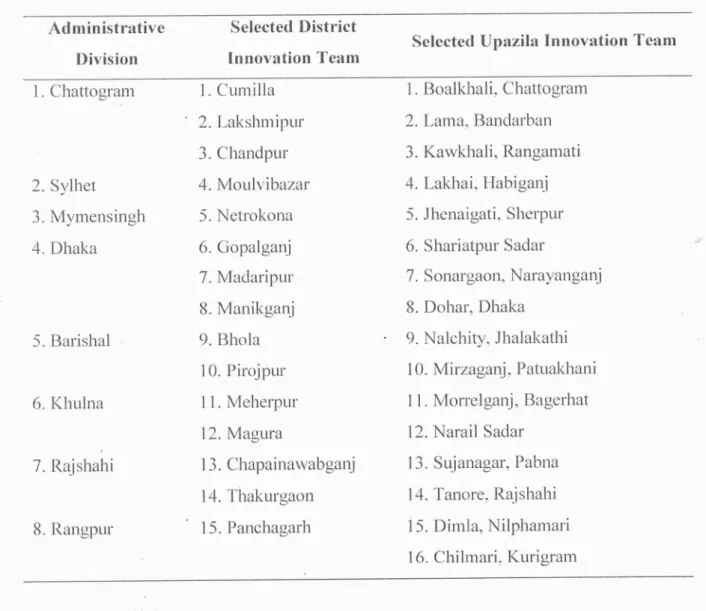
A full description of the data of the innovation team members according to the format provided by the researcher (see appendix); His/her understanding of the concept of innovation; what is innovation in his/her eyes. In other words, data from the rest of the interviews were added to the thematic framework.
CHAPTER4
FINDINGS
Introduction
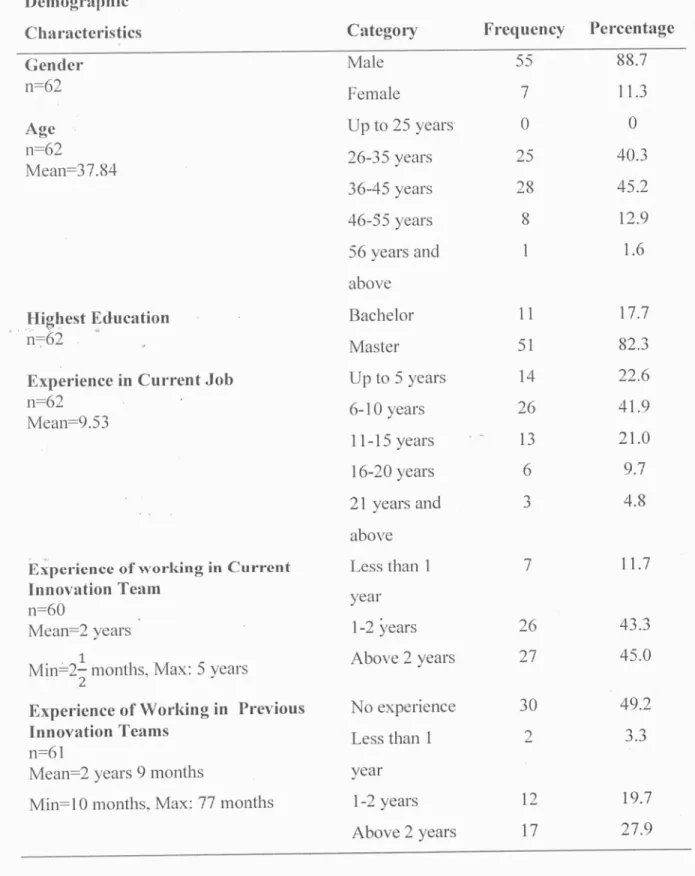
Demographic Information
Understanding Innovation
Novelty is a common dimension in the research participants' understanding of the concept of innovation. This self-knowledge involves a change in the person's mental software (Interview 7), which directs them to good practices and good behavior (Interview 9). Innovations aimed at self-realization lead to practices and behaviors that bring transparency and accountability in service delivery processes (Interview 3) and ultimately lead to a society with corruption (Interview 10).
Reference to complexity in public offices, where service processes are designed by the central administration and implemented by the local administration. Therefore, the introduction of JCT in the service delivery system is an innovation (Interview 5), although it is not necessarily only related to technology (Interview 40). There may be innovations in the manual processes through which services are provided to citizens.
To innovate is primarily a responsibility of public officials although mixed opinions about the task are available among officials involved in innovation teams. We always try to complete our tasks (providing services) in the shortest possible time and invent a new delivery process. I enjoy my involvement in the innovation team the most and I love doing this (innovation).
Showing his frustration with the innovation task, another innovation officer at the district level expressed his feelings in the following words:.
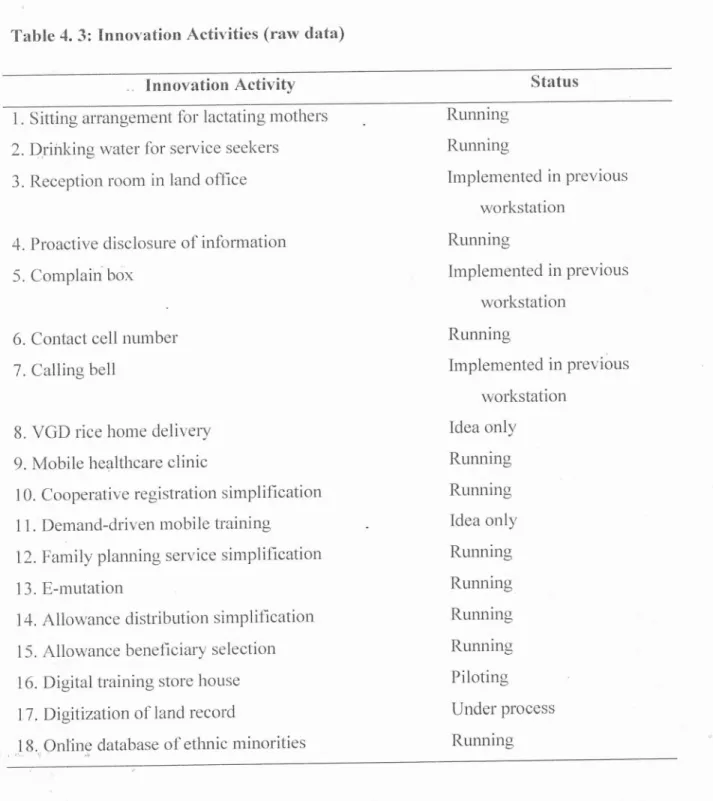
Innovation Activities
At the board/agency level, an officer of the rank of a director will be the innovation officer. Even for the selection of members of the innovation team at each level, there are also some ex officio positions. There are also differences in the opinions of the members of the innovation teams about who should be involved in the team.
In the normative scene, innovation ideas stem from problems: "We consider people's suffering when providing services. Moreover, interviewee l was a team member while interviewee 2 was an innovation officer of the same team. There is more evidence of the innovation team that performs as a validating authority on innovation ideas and advises others.
As indicated in the above quote from the District Innovation Officer, his team discusses the feasibility of the innovation ideas he submitted. One member described the innovation officer's busy schedule as a hindrance, saying that “UNO is a busy person. Interview data reveals that few officials involved in innovation groups, both members and innovation officers, were aware of GOB. (2013) circular.
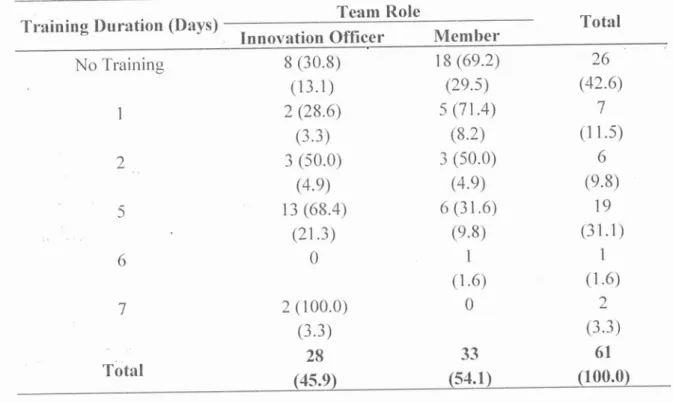
Some respondents, mostly members of innovation teams, did not receive any innovation training from anywhere. Members of the innovation teams expressed dissatisfaction with the quality of the one-day innovation training. However, it was not possible to verify the existence of innovation activity among the respondents.
Effectiveness and Sustainability
Since the interviewers could not practically verify the innovation activities described by the interviewees, the identified causes of success and failure discussed in the following subsections are only perceptions of the interviewees. The research found an innovation team member who had been on the team for 8 months but had received no training. In the language of a sub-district level innovation officer: “only the will is the cause of success (Interview 54).
Everywhere the innovation officer is only in the position, but they are not in that way. Unavailability of funds is another major problem in the practice of innovation in the public offices at the field level. A district level innovation officer who was very new to the district - just two months - but had served as UNOs in three Upazilas, shared his conflicting perception on funding issue.
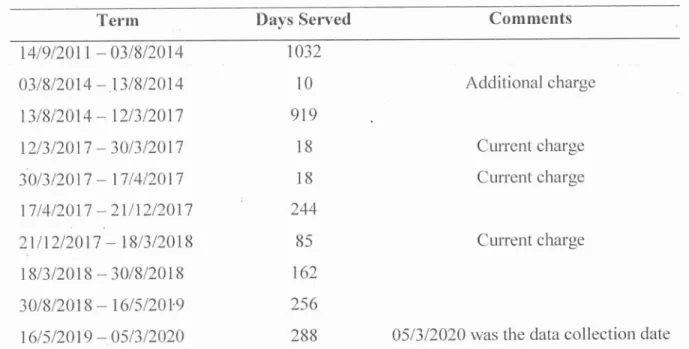
Another problem frequently mentioned in the resource limitation category is the busy schedule of the officials. In the district level team, the Additional Deputy Commissioner (ADC) in charge of education and ICT usually works as the district innovation officer; and an Assistant Commissioner (AC) who is in charge of JCT becomes a member of the team. The members of this service hold key positions in the overall bureaucracy of the country.
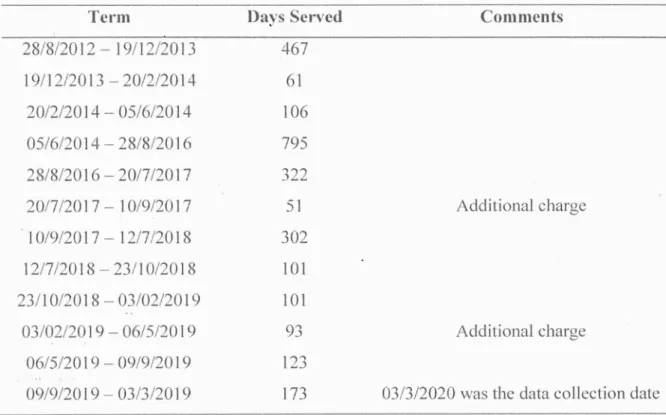
During the same period, 10 officials had served in the office of CA (Land) in the case of the sub-district team.
CHAPTERS
DISCUSSION AND CONCLUSION
Discussion
Perhaps because of the social desirability effect, some respondents reported enjoying the task. The study sought to know this in relation to the team's team building attitude, teamwork process and the officials' training in innovation. The innovation teams were introduced to meet the objectives of (a) increasing the dynamism of public administration work; b) improving the innovation capacity of the public administration; (c) introduction of innovation practices in public administration for quick and easy delivery of public services to citizens (GOB 2013).
These teams are formed by the authorities based on their perceived ability and suitability of the officials, while GOB (2013) criteria have been higher education or training, desire to take on additional workload and innovative work, ability to lead, mentality to teamwork and help. other official candidates. KPK Assistant Commissioner in the district team and Land Office Assistant Commissioner in the sub-district team. Therefore, the instability of the administrative service officers in the innovation teams may have affected the planning and implementation of the innovation works.
Instead of studying the problems of service processes of all offices, team members look for innovative ideas in their brains and heads sitting in meetings and they. Most members of innovation teams either have no formal training or have inadequate formal training on innovation. Even they have insufficient knowledge of the government circular that provides basic information on the formation of innovation teams and the duties of members and innovation officers.
In relation to the third objective – efficiency and sustainability of innovation – the study looked for the respondents' perceived causes of success and failure.
Conclusion
An innovation initiative is identified as one's own as the individual is recognized and awarded in some cases. As a result, once the initiators are transferred to other stations, the innovation initiatives are not transferred to the next officials and they cease to function. The research was carried out on the basis of in-depth interviews with officials involved in the innovation teams.
This is a limitation of the study, as is the case with any other social research based solely on in-depth interviews. Identifying the factors that contribute to the failure of innovation teams will help to formulate appropriate teams for innovation work.
Recommendation
Darnanpour, F and Schneider, M 2008, 'Characteristics of innovation and innovation adoption in public organizations: Assessing the role of managers', Journal of Public Administration Research and Theory, vol. De Vries, H, Bekkers, V and Tumrners, L 2016, 'Innovation in the public sector: A systematic review and future research agenda', Public Administration, vol. Hartley, J 2005, 'Innovation in governance and public services: past and present', Public Money and Management, vol.
Van Duivenboden, H and Thaens, M 2008, 'ICT-led innovation and public administration culture: a contradiction in terms?' Information Policy, vol. Walker, RM, Jeanes, E and Rowlands, R 200'2, 'Measuring innovation-Application of the literature-based innovation output indicator in public services', Public Administration, vol. The Complexity of Public Sector Innovation: A Task Force Level Analysis of Associated Factors and Outcomes'.
APPEND ICE
INTERVIEW CHECKLIST