Precision Medicine in Four Deadliest Cancers of the World : Present Practices & Future Prospects
By Ankita Islam
18146059
A thesis submitted to the School of Pharmacy in partial fulfillment of the requirements for the degree of Bachelor of Pharmacy (Hons.)
School of Pharmacy Brac University
February 2022
©2022. Brac University All rights reserved.
Declaration
It is hereby declared that
1. The thesis submitted is my original work while completing my degree at Brac University.
2. The thesis does not contain material previously published or written by a third party, except where this is appropriately cited through full and accurate referencing.
3. The thesis does not contain material that has been accepted or submitted, for any other degree or diploma at a university or other institution.
4. I have acknowledged all main sources of help.
Student’s Full Name & Signature:
Ankita Islam 18146059
Approval
The thesis titled “Precision Medicine in Four Deadliest Cancers of the World: Present Practices & Future Prospects” submitted by Ankita Islam,18146059, of Summer, 2022 has been accepted as satisfactory in partial fulfillment of the requirement for the degree of Bachelor of Pharmacy (Hons.) on 28th February 2022.
Examining Committee:
Supervisor:
(Member)
Ms. Marzia Alam
Lecturer, School of Pharmacy Brac University
Program Coordinator:
(Member)
Deputy Chairperson:
(Member)
Namara Mariam Chowdhury Lecturer, School of Pharmacy Brac University
Dr. Hasina Yasmin
Professor & Deputy Chairperson, School of Pharmacy Brac University
Departmental Head:
(Dean)
Dr. Eva Rahman Kabir
Professor and Dean, School of Pharmacy Brac University
Ethics Statement
This study does not involve any kind of animal and human trial.
Abstract
Cancer is a very personalized disease which is why conventional oncology treatment following the ‘one size fits all’ method is unable to cure all patients effectively and for this, cancer remains one of the leading causes of death throughout the world as well as one of the incurable diseases, despite the tremendous advancements in medical science. Here comes precision medicine with the vision of treating each patient by gathering the cancer-specific information of an individual patient and targeting that based on the particular patient factors to provide the best possible treatment routine for that individual. This paper reviews some of the latest articles that focus on the present practices and the future prospects of precision medicine in four major types of cancers throughout the world: lung cancer, breast cancer, colorectal cancer, and prostate cancer.
Keywords: Cancer; Precision; Genome; Biomarker; Resistance; Future
Acknowledgment
First of all, my highest gratitude is for Almighty Allah SWT for giving me the opportunity, strength and patience to complete my project work properly. I am thankful to Ms. Marzia Alam (Lecturer, Department of Pharmacy, BRAC University), my respected project supervisor for her kind guidance regarding my work. Moreover, my special thanks to Dr. Eva Rahman Kabir, (Chairperson, Department of Pharmacy, BRAC University) for giving me the opportunity to conduct my project work successfully. Lastly, my sincere gratitude is towards my parents, family and friends for their motivation and support throughout the journey.
Table of Contents
Chapter 1 Introduction1.1. What is cancer ………1
1.2. Conventional cancer treatments ……….….1
1.3. What is precision oncology ………...1
1.4. Methods of precision oncology ……….2
1.4.1 High throughput technologies to assist precision therapies ………...….2
1.4.2. Genome sequencing ……….….2
1.4.3 Transcriptome profiling ……….3
1.4.4 Microarray………...3
1.4.5 RNA-seq ……….….3
1.4.6 Systems Biology and Approaches ……….4
1.4.6.1 Proteomics.………....4
1.4.6.2 Metabolomics………....4
1.4.6.3 GWAS………4
1.4: Aim of the study……….5
1.5. Objective of the study………6
Chapter 2 Methodology………...6
Chapter 3 Precision medicine in lung cancer……….7
3.1 EGFR related precision treatment in lung cancer……….…….7
3.1.1 First generation of EGFR-TKI……….……..7
3.1.2 The second-generation of EGFR-TKI……….……..7
3.1.3 The third-generation of EGFR-TKI………..…….8
3.1.4 MiRNAs in EGFR-targeted therapies for lung cancer………..8
3.1.5 tRNA-derived RNA fragments and EGFR………...….8
3.2 ALK……….…...9
3.2.1 The first-generation of ALK inhibitor……….…...9
3.2.2 The second-generation of ALK inhibitor………....…...9
3.2.3 The third-generation of ALK inhibitor………..……9
3.3 ROS1………9
3.4 BRAF……….…10
3.5 MET………...…10
3.6 RET………..…..10
3.7 KRAS……….10
3.8 Epigenetic treatment……….……11
3.9 Precision radiation therapy……….……….………11
3.9.1 Radiomics………...………12
3.9.3 Dosiomics………...……….12
Chapter 4 Precision medicine in breast cancer……….13
4.1 Triple-negative breast cancer………...13
4.1.1 Precision treatment for triple-negative breast cancer……….14
4.1.1 Inhibitors of poly ADP-Ribose polymerases and homologous recombination ……….………….15
4.1.3.2 Tumor microenvironment (TME) and immunotherapy……….15
4.1.3.3 Hormone receptor and androgen receptor inhibitors……….…….15
4.1.3.2 Tumor microenvironment (TME) and immunotherapy………..15
4.1.3.3 Inhibitors of hormone receptor and androgen receptor ………..16
4.2 Metastatic breast cancer (MBC)……….………16
4.2.1 ERBB2 pathway……….17
4.2.1.1 Engineered MABs and monoclonal antibodies………17
4.2.1.1 Conjugates of drug and antibody………..17
4.2.1.3. Inhibitors of Tyrosine kinase ………18
4.2.2. PIK3CA/AKT/PTEN pathway………18
4.2.3.Agnostic biomarkers ………...18
4.3 Precision Medicine in Breast cancer………..……..18
4.3.1 Breast Cancer Proteomics ………...……….18
4.3.2 Breast Cancer Metabolomics………..……….18
4.3.3. Including Imaging to Systems Biology Techniques in Precision Medicine for breast cancer……….………...……...19
4.4 Correlation with Molecular Breast Cancer Subtypes………...……19
4.5 Recurrence Scores………..……...20
4.6 Current Applications ………..………...………..20
Chapter 5 Precision medicine in colorectal cancer………...21
5.1Transition of precision medicine practice in colorectal cancer………...…..21
5.2 Molecular understanding of CRC………..…….22
5.2.1 Driver events, genomic and epigenomic subtypes………..22
5.2.2 Consensus transcriptomic subtypes………..…..…….22
5.2.3 Evolving immune subtypes………..………….22
5.3. EGFR targeted therapies……….………22
5.3.1 Primary and acquired resistance………...23
5.3.2. Biomarkers of resistance………..23
5.4. HER2- targeted therapies………23
5.4.1. Targeting HER2 alterations……….24
5.3.3. Resistance to HER2- targeted therapies……….24
5.4. BRAF- targeted therapies………..………...…..24
5.4.1. Targeting BRAF, EGFR and MEK……….25
5.4.2. Resistance to BRAF- targeted therapies……….25
5.4.3. NTRK and other gene fusions……….……….25
5.4.4. Resistance to NTRK inhibitors………25
5.5. Immunotherapy in metastatic cancers………...26
5.4.4 RAS mutations……….………..26
5.7. Combination strategies in CMS4 CRCs………26
Chapter 6 Precision medicine in prostate cancer 6.1 DNA Repair Mechanisms and prostate cancer : an overview………..………..28
6.1.1. Gene Defects in Different Stages of Prostate Cancer and Implications for Prognosis……….28
6.1.2. Attacking DNA Repair Gene Defects in Advanced Prostate Cancer………29
6.2. Exploiting the Interplay Between AR Signalling and DDR in Prostate Cancer………...29
6.3. Identifying patients who are at risk and resistant to treatment……….….29
6.4. Challenges of investigation in vitro………. ……….…..30
6.5. Characteristics of PCa cell lines that are commercially available ………..31
6.6. Prostate cancer Organoids and novel media technology………...31
6.8. Patient derived xenograft models………...32
6.9. Advances in Targeted Alpha Therapy for Prostate Cancer………..32
Chapter 7 Future prospects of precision medicine ………..33
7.1 In Lung Cancer……….33
7.2 In Breast Cancer………...34
7.3 In Colorectal Cancer……….36
7.1 In Prostate Cancer………37
Chapter 8 Conclusion……….38
References………...39
List of Figures
Figure 1: GWAS process (adapted from (Low et al., 2018))………6 Figure 3 : Precision medicine paradigms in BC (adapted from (Wu et al., 2021))…………..19 Figure 4 : Systems biology approach for BC (adapted from (Pinker et al., 2018)………23 Figure 5 : Emerging paradigms of precision medicine in CRC (adapted from (Dienstmann et al.,2017))………..…24 Figure 6 : Targets of precision medicine drugs for metastatic CRC (adapted from (Di Nicolantonio et al., 2021))……….……29 Figure 7 : Biomarker derived treatment options in CRC (adapted from (Li et al., 2020))…..31
List of Tables
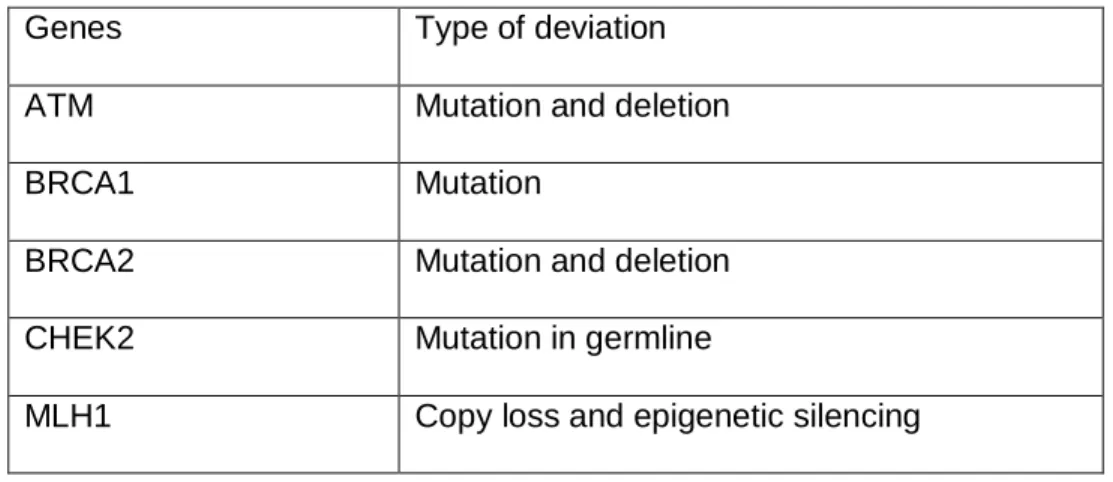
Table 1 : Some common genetic mutations in prostate cancer (adapted from Athie et al., 2019)……….33
List of acronyms
EGFR- Epidermal Growth Factor Receptor
PFS- Progression-free Survival
OS- Overall Survival
TMB- Tumor Mutational Burden
TME- Tumor Microenvironment
ROS1- Receptor Tyrosine Kinase NGS- Next Generation Sequencing GWAS- Genome-wide association study TKI- Tyrosine Kinase Inhibitor
ALK- Anaplastic Lymphoma Kinase KRAS- Kirsten rat sarcoma virus
MET- Mesenchymal Epithelial Transition HRD- Homologous Recombination Deficiency MAB- Monoclonal Antibodies
MAPK- Mitogen-activated protein kinase
DCE-MRI- Dynamic contrast-enhanced magnetic resonance imaging
KEGG- Kyoto Encyclopedia of Genes and Genomes MSI- Microsatellite Instability
NTRK- Neurotrophic Tyrosine Receptor Kinase
MEK- Mitogen-activated extracellular signal-regulated kinase ICI- Immune Checkpoint Inhibitors
ADT- Androgen Deprivation Therapy PDX- Patient-Derived Xenografts
MOT- Measurements, Observations, and Tests ESMO- European Society for Medical Oncology
Chapter 1 Introduction 1.1 What is cancer
Cancer is one of the deadliest diseases worldwide in which body cells lose control over their normal cell division process, grow in an uncontrollable manner, and spread in other body parts where those cells are not supposed to be present. It develops due to changes to genes of the cells that control all of their functions, specially the cell division cycle. These genetic changes can occur because of many reasons like: occurance of errors while cell division process or any DNA damage induced by toxic compounds in the environment, such as toxins in cigarette smoke, ultraviolet rays from sunlight, or parental inheritance. Now, this disease is hard to cure because each person's cancer has a unique set of genetic mutations, and different cells within the same tumor may have different genetic modifications. This phenomenon makes cancer a very personal and heterogeneous disease. (Watson, 2021)
1.2 Conventional cancer treatments
Conventional cancer treatments include surgery, chemotherapy, radiation therapy, bone marrow transplant, immunotherapy, hormone therapy, cryoablation, radiofrequency ablation etc. The "one- size-fits-all" strategy, in which drugs and therapies are created to treat large groups of people with the same cancer based on what is most likely to be working for everyone, is the slogan of these traditional treatments. But as we have mentioned earlier, every patient responds to a treatment in a different way because everyone’s cancer is different based on genetic changes, age, sex, weight, cancer microenvironment etc. so many individual factors. As a result, the same drugs and therapies don’t work for everyone and this is why these conventional treatments are unable to cure cancers effectively despite huge developments in oncology till date. (Watson, 2021)
1.3 Precision Oncology
1.3.1 What is precision medicine
In case of disease treatment and prevention, precision medicine is apparently a new approach which takes into consideration the differences in genes, surroundings, and lifestyles of each patient to find the most effective treatment and preventative techniques for a specific group of patients.
This is in contrast to the one-size-fits-all strategy and is far more focused. Over the years of research, scientists have learned more about the genetics behind how diseases develop and behave, particularly cancer. Thanks to the Human Genome Project, researchers have a blueprint of all of the genes in the human body. They can investigate how certain gene mutations cause disease and how cancer manifests itself varies in various people. Understanding the interactions between genes and diseases can help researchers fine-tune drugs to improve their efficacy. Some cancers, for example, develop quicker than others due to gene alterations. If such genes are expressed in anybody's tumor cells, a therapy that target these genes could be an efficient way to slow or stop cancer, but if these genes are not expressed in another person's tumor cells, the treatment would be unsuccessful. Precision medicine not just aids in the selection of the best prescription and dose for a patient with the least amount of adverse effects, but it also aids in the detection and prevention of tumors at an earlier stage. (Watson, 2021)
1.3.2. What is precision oncology
In simple words precision oncology refers to the molecular profiling of tumors to identify targetable alterations. As we all have unique sets of DNA and cancers occur due to the mutations in this DNA, precision oncology looks at individual cancers identifying specific genetic defects or mutations as well as looks for a target that can hit the mutation thus allowing the identification of what makes that cancer grow and spread in that individual precisely with tests like genomic testing and attacking that with a very specific agent or tool ensure the best outcome with the least side effects in that individual patient. Precision medicine in cancer seeks to give the right amount of a drug to the right person at the right time. (Watson, 2021)
1.4 Methods of precision oncology
1.4.1 High throughput technologies to assist precision therapies
Cell destiny decisions are unpredictable and unreliable in case of single-cell level, though they yield amazingly invariable patterns that can actually be determined at the population level. These decisions are linked to a variety of microscopic rules, which are decided by the genes (assessed via genomic data), the proteins (assessed via proteome data), the interactions (assessed via interactome data) engaged in individual states of regulation. Among many cell components, biological processes are viewed as intricate interconnected networks. and as these processes are multi-dimensional and need huge sample quantities, high throughput methods are needed to explain their interactions which are time-dependent. SM refers to the process of evaluating large groups of cancer patients to anticipate which treatment they will respond to best. It entails examining cancer cells and their genetic makeup in great detail. Today, science can classify cancers based on their diversity and stratified knowledge in oncology field is gradually being merged with treatment procedures to better disease outcomes, taking into account factors like physiological status, medical history and The tumor's molecular state, which essentially indicates the use of PM tools. (Low et al., 2018)
1.4.2. Genome sequencing
About 3 billion base pairs and 30000 protein-coding genes make up the human genome. Now, new medical disciplines employ a patient's genomic information as part of his clinical treatment (in diagnosing or treating him), as well as the health outcomes. As a result, genomic medicine necessitates the investigation of molecular pathways, genetic markers, and the genome's interaction with other factors such as the environment and lifestyle, as well as the application of genomic data to illness prediction and treatment. The discovery of chromosome aberrations such as gene loss, translocation, amplification, and sequence inversion, also an epigenetic landscape, has been made possible by genome sequencing. The most major impact of next-generation sequencing on cancer genomics has been the ability to examine, compare, and re-sequence the matched tumor and normal genomes of a single patient. Due to the considerably less cost of sequencing, multiple patient samples of a given cancer type can now be sequenced. NGS
sequencing can assist researchers in determining which pathways are involved in the development of cancer. Because many mutations can occur without causing cancer, a preliminary investigation is required to identify genes that may contribute to tumor growth (oncogenes). (Low et al., 2018)
1.4.3 Transcriptome profiling
The study of gene expression in an organism is known as transcriptomics. Transcription refers to the process of DNA converting to messenger RNA, which is responsible in protein coding or noncoding RNAs, which plays role in additional regulatory activities. These transcriptomics could be employed in medical science to gain a better knowledge of the comparison of gene expression among healthy people and sick. (Low et al., 2018)
1.4.4. Microarray
Microarray has allowed the investigation of huge amount of genes in number of samples, after correlating different gene clusters with various tumor characteristics it is suggested that tumor grades are related to different gene expression profiles. Though Microarrays have some drawbacks that they are bounded to known genes and have a small dynamic range and sensitivity.
Furthermore, contradictory results have been found in several clinical trials that have linked changes in the gene expression with disease outcome. Moreover, during sampling, processing, analysis and data calibration, this technology is likely to mistakes. (Low et al., 2018)
1.4.5 RNA-seq
Typically, the transcriptome of a tumor sample is typically sequenced and then normalized, and after that compared to a normal tissue sample. Here, the control refers to the normal sample used.
RNA-seq provides a considerably more exact and repeatable measure of gene expression than microarrays and allows the translation of RNA-seq to clinical application. NGS sequencing of amplicons from a DNA or mRNA sample known as Ampliseq is used to obtain a sample signature.
(Low et al., 2018)
1.4.6 Systems Biology and Approaches
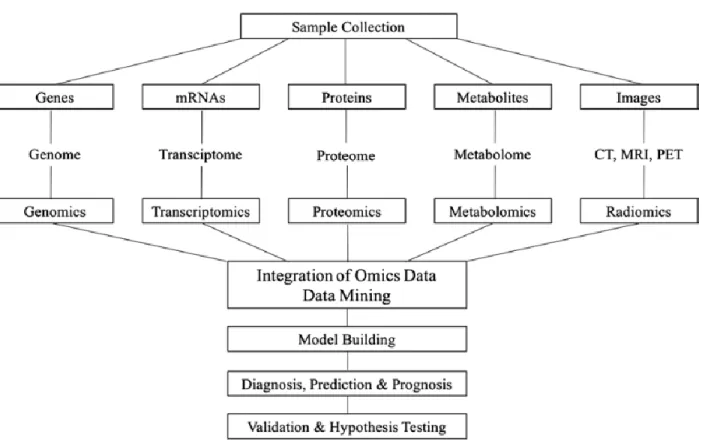
Models based on computation and mathematics are used to combine genes, proteins, metabolites and other biological elements in systems biology which is particularly valuable since it encompasses a wide range of scientific fields, including computer science and engineering, bioinformatics, physics etc. and gives idea about environmental changes in biological systems.
'Omics' refers to a collection of technologies which look at the roles and activities of numerous types of molecules within an organism's cells in order to describe the features of wide range of cellular molecules like genes, proteins, metabolites etc. "Big data" is created by high-throughput
"omics" technology and its development and application for tumor molecular profiling investigations has exploded in the last decade. (Low et al., 2018)
1.4.6.1. Proteomics
Proteomics is an emerging field in molecular biology which focuses on discovery and validation of protein biomarkers for cancers. Mass spectrometry, gel-based techniques, and protein microarrays are all commonly utilized high-throughput technologies. (Low et al., 2018)
1.4.6.2. Metabolomics
Metabolomics, the latest in "omics" sciences and it is gaining popularity due to its ability to represent the interaction between genomes and both proteomics and the individual's environment.
The active set of metabolites that make up a cell's net metabolic reaction at present is referred to as the metabolome. Till date, almost all types of cancer have been found to have an altered cellular metabolism. For cancer treatment, altered metabolic pathways offer a possible therapeutic target.
(Low et al., 2018)
1.4.6.3 GWAS (Genome-wide association study)
As the magnitude of a mutation varies by population, GWAS are usually population-specific, with European descendants reporting the most GWAS, followed by East Asians, Africans, and Latin Americans. Several meta-analyses were undertaken, for example, through the collaboration of worldwide networks with the goal to identify common genetic susceptibilities for a variety of complicated diseases across people of various ethnicities. (Low et al., 2018)
Figure 1 : GWAS process (adapted from (Low et al., 2018))
1.4: Aim of the study
According to the WHO, cancer remains the top cause of mortality worldwide, with almost 10 million deaths in 2020 among which breast (2.26 million instances), lung (2.21 million cases), colorectal (1.93 million cases), and prostate (1.93 million cases) were the major ones. In our study, we are going to discuss the present state as well as the future prospective of precision medicine in these four most common cancers through which holds the potential to make revolutions in oncology. (Cancer, 2020)
1.5 Objective of the Study
● To collect all the available information on precision oncology and its effectiveness over conventional treatment procedure
● To collect and compile the latest available information on already practiced fields of precision medicine in the four cancers of this study
● To collect and compile all the drawbacks of precision oncology in terms of these four cancers
● To collect information about and discuss the risk benefit ratio and the major ongoing researches in precision oncology in each of these four cancers that has enormous prospects in the future.
Chapter 2 Methodology
First of all, potentially relevant 32 papers were collected from a variety of sources like PubMed, Research Gate, Elsevier and Science direct. From there, the latest 25 relevant papers were chosen in order to get most updated information. A comprehensive review of all these articles was carried out highlighting the most relevant parts and the information were organized and re-written.
Mendeley library was used to attach the references, which were then included in the review paper.
Lastly, bibliography of all the previously cited references was compiled.
Chapter 3
Precision medicine in Lung cancer
Lung cancer is one of the leading causes of cancer-related deaths, accounting for almost 1.5 million deaths each year and non-small cell lung cancer is responsible for over 85% of these lung cancer cases. A huge proportion of patients are determined being in advanced, incurable stages and primarily the treatment option was chemotherapy. But because of its evident side effects, it was phased out of treatment history. However, cellular and molecular biotechnology has advanced in recent years and treatment is now directed at critical genes and regulatory molecules. (Ye et al., 2021)
3.1 EGFR-TKI related precision treatment in lung cancer
EGFR is a tyrosine kinase that belongs to the ErbB receptor family. The EGFR signaling network is important for epithelial tissue preservation and growth, and lung cancer patients often have active EGFR signaling. Through signal transduction, activated EGFR can stimulate pathways like STAT, MAPK, PI3K-AKT-mTOR etc. and over time leads towards cell proliferation and tumor formation. EGFR mutations are seen in majority of NSCLC patients. Now, as implication of precision medicine, first of all, genetic testing must be done to determine patient’s genes and then according to the particular need of the patient, suitable drug therapy from any generation of targeted drugs should be embarked. (Ye et al., 2021)
3.1.1 First generation EGFR-TKI (Tyrosine kinase inhibitor)
This class includes Gefitinib, Erlotinib, and Icotinib and in multiple clinical trials these were compared to chemotherapeutic medications, all of them were found to be more effective (for example, efficacy rate of erlotinib: 83 % ) than chemotherapy (only 36 %) and was accepted as a first line drug by FDA. These first-generation of EGFR-TKI drugs have been beneficial, but still resistance remains a concern. (Ye et al., 2021)
3.1.2 Second generation of EGFR-TKI
This class being irreversible medications that target more targets than the previous generation, resulting in more severe adverse effects. In addition, when the safety, effectiveness, PFS, and OS of these two generations were compared, no significant differences were found. However, Dacomitinib, a second-generation EGFR-TKI, had a superior PFS than gefitinib and another medicine, Afatinib, had a better PFS than chemotherapy treatments.(Ye et al., 2021)
3.1.3 The third-generation EGFR-TKI
In the majority of cases of treatment with the previous two classes drug resistance has been an issue. As a result, scientists came up with third-generation EGFR-TKI Osimertinib, a that is an irreversible TKI preventing T790 M mutations. It's utilized in patients who are resistant to T790 M and helps to prevent cancer spread. Also, compared to the first two generation EGFR-TKIs, its PFS and OS are superior. As a result, it got approved by FDA as a first-line therapy for patients with an EGFR mutation. Osimertinib has a strong effectiveness and minimal toxicity, even in individuals with uncommon EGFR mutations. It does, however, acquire resistance, histological alterations and mutations that are off-target.(Ye et al., 2021)
3.1.4 MiRNAs in EGFR-targeted lung cancer therapy
MicroRNAs or miRNAs refer to a type of tiny noncoding RNA that regulates gene expression after transcription. They can influence cell fate determination by regulating essential protein expression, making them important players in the various phases of cancer by serving as oncogenes or suppressors. Several miRNAs, have recently been ensured to target EGFR directly and all have important parts in the progressing NSCLC. These data suggest that changes in miRNA expression are linked to lung cancer oncogenesis. According to multiple studies, miRNA can influence EGFR mutations in cancer therapy, and small RNA, that is the most matured miRNA, has the best likelihood of becoming a diagnostic marker and a therapeutic target. MiR-34a is a good illustration of this. Finally, they could be exploited as potential therapeutic targets for lung cancer cells that are resistant to EGFR inhibitors, as well as biomarkers of anti-EGFR therapy response. (Lakshmi et al., 2017)
3.1.5 EGFR and tRNA-derived RNA fragments
TRFs (tRNA-derived RNA fragments) are quite similar to miRNAs in terms of length and production. Though their biological role is currently unknown, some investigations have found that they can regulate some cellular processes in biological processes, such as oncogenic transformation, translational efficiency under stress and apoptosis mediated by mitochondria. Cell growth is known to be aided by EGFR and transferrin receptors (TFR) and numerous research efforts have focused on their biological role. For example, through argonaute interaction, some tRFs can activate biological activities like cell proliferation and RNA silencing. (Lakshmi et al., 2017)
3.2 ALK or Anaplastic lymphoma kinase
ALK is one of the most prominent targets for lung cancer alterations, and EML4-ALK fusion is by far the most common type of ALK fusion, accounting for around 5% of NSCLC cases.
Inhibitors of anaplastic lymphoma kinase have come a long way in recent years.(Ye et al., 2021)
3.2.1 First generation of ALK inhibitors
Crizotinib is the first in this class of drugs to successfully suppress ALK phosphorylation by acting on numerous targets including ALK and ROS1. It had a PFS of 7.7 months in clinical tests, which is three months longer than chemotherapy. In patients with ALK mutations, the ORR (objective response rate) was 65 %, three times greater compared to chemotherapy. Crizotinib has taken over as the first-line treatment for ALK fusion in NSCLC. However, drug resistance has been an issue here and its capacity of entering the brain was limited, resulting in difficult-to-prevent brain metastases. (Ye et al., 2021)
3.2.2 Second-generation ALK inhibitor
Ceritinib shows inhibiting effect on patients resistant to Crizotinib and can help patients with first as well as second line NSCLC so it has been approved by the FDA. Ceritinib's efficacy in retroline therapy has been demonstrated in studies, and patients having metastases in brain had effective and long-term remission with it. After Crizotinib resistance, Alectinib can be used to treat ALK
fusion NSCLC. Additionally, Alectinib lowered the chance of CNS development to 84%.
Brigatinib, another ALK inhibitor having ability to inhibit EGRF and ALK targets has a significantly longer PFS. Patients get benefitted from Brigatinib despite many targeted drugs being resistive. Hence, it has a distinct advantage in the post-treatment phase. (Ye et al., 2021)
3.2.3 Third generation of ALK inhibitors
Lorlatinib, a third-generation ALK inhibitor is able to block both the ALK and the ROS1 pathways and overcome several drug resistances of the first and second generations. It may pass the blood- brain barrier (BBB) and is more penetrative than earlier ALK inhibitors. (Ye et al., 2021)
3.3 ROS1
ROS1 is an insulin receptor tyrosine kinase and the mutation is caused by a rearrangement of the ROS1 receptor tyrosine kinase gene, leading to constantly activating the pathway, which is commonly displayed as CD74 mutation. Because the structure of ROS1 is so similar to that of ALK, several ALK inhibitors might be used in treating patients with ROS1 mutations. But the issue is that crizotinib and Ceritinib do not successfully pass BBB. However, Lorlatinib shows more capability to penetrate the BBB than the previous two medicines. Another FDA approved medication is Entrectinib and Repotrectinib has better ability to pass the BBB However, the best targeted ROS1 medication is yet unknown but trials are going on. (Ye et al., 2021)
3.4 BRAF
BRAF is a human gene which produces the B-Raf protein, which is involved in the MAPK pathway. BRAF mutations are responsible for between 2–4% of all cases, with V600E variations being the most common. In patients with intolerance, NCCN recommendations recommend Dabrafenib in conjunction with Traiminib as first treatment, followed by Vemurafenib or Dabrafenib. (Ye et al., 2021)
3.5 MET
According to studies, MET amplification can activate PI3K via HER3 resulting in Gefitinib resistance, hence this route might be one of the ways that contribute to EGFR resistance. Some researchers believe that combining EGRF-targeted medicines with MET inhibitors could help overcome resistance. To combat resistance, a new class of MET inhibitors has been developed including Tepotinib and Capmatinib. These two medications are also novel choices for MEtex14- mutated NSCLC patients. (Ye et al., 2021)
3.6 RET
The RET gene controls the production of a protein that plays a role in cell signaling. In NSCLC, A mutation called a RET arrangement or gene fusion can be caused by a mistake in this gene which basically may lead to cancer development and patients need to undergo tests to determine whether he needs to be treated with a RET inhibitor (Colgan, 2021). The NCCN has recommended two inhibitors- Vandetanib and Cabozantinib. Vandetanib was utilized to treat patients with RET fused NSCLC nut had high adverse responses. (Ye et al., 2021) However, BLU-667, another RET inhibitor had good reactivity and lesser side effects. LOXO-292 is another medication with a high selectivity and considerably longer PFS turning it into a novel RET inhibitor with high efficacy and and low toxicity. New advancements in RET targeted therapy have resulted from the discovery of LOXO-292 and BLU-667. (Ye et al., 2021)
3.7 KRAS
KRAS, a member of the RAS protein family is considered as an information center of signals in the cell that control cell growth and mutation in KRAS causes too much signall and uncontrolled cell growth leading to cancer. KRAS protein is activated when it binds to GTP. KRAS-targeted medicines have not been successful because of strong affinity between KRAS targets and GTP.
The most prevalent mutation in KRAS is G12C.It was discovered that combining a MEK inhibitor with Docetaxel improved effectiveness. In clinical trials, researchers used the MEK inhibitor Selumetinib in combination with Docetaxel to give second-line NSCLC patients 5.3 months of PFS. This combination therapy is still in its early stages and requires more research. AMG510 has a potent anticancer impact on lung cancer so approved in the treatment of KRAS G12C-mutated NSCLC patients. MRTX-849, a new medicine, is also generating a lot of buzz. (Ye et al., 2021)
3.8 Epigenetic treatment
By changing the expression of hundreds of target genes, epigenetic treatment may be able to avoid the issues with tumor heterogeneity and drug resistance. Some examples of epigenetic changes which are common in lung cancer include methylation of DNA, modifications in histone, nucleosome, alterations in microRNA etc. As these alterations are theoretically reversible, they are being pursued as therapeutic targets. Targeted cancer therapies are increasingly focusing on changes in epigenetic machinery. By boosting the expression of silenced tumor suppressor genes, epigenetic therapies using DNA methyltransferase inhibitors or histone deacetylase inhibitors may reduce tumor cell heterogeneity and give more effective therapy for lung cancer relapses following standard treatment. Though clinical findings in previous research using solely epigenetic treatment were disappointing, precision medicine is believed to improve clinical outcomes for lung cancer patients when these epigenetic medicines are employed together with cytotoxic therapy or targeted therapy based on predictive biomarkers. Also, more research is required to uncover therapeutically meaningful pharmacodynamic and predictive response indicators, as well as to select epigenetic agent doses, treatment durations and delivery sequences in combination with other anticancer medicines. (Kim & Kim, 2018)
3.9 Precision Radiation
Precision radiation attempts in stratify and treat each cancer patient individually, employing cutting-edge latest radiotherapy technologies and biomarkers to make treatment outcomes better and minimize side effects. Precision radiation is now possible due to advancements in radiotherapy technology. Recent studies and reviews have drawn attention to genuine customized radiotherapy for many cancer types including lung cancer. (Yang et al., 2020)
3.9.1 Radiomics
In cancer treatment, radiomics is a new field. NSCLC requires chest imaging in order to both diagnose and follow-up purposes, making it a proper choice for radiomics studies. Quantitative data from tumor images was mined automatically in general to correlate the behavior of the tumor behavior, with the response of treatment along with the clinical prognosis. Tumor features can be
depicted from photographs without the use of invasive procedures. Data processing technologies and deep learning algorithms have improved, allowing for more efficient data interpretation and clinical application. CT and PET scans are the most common imaging modalities utilized in NSCLC radiomics. The concepts in these two images are quite different. On a CT scan, tumor form, shape, and compaction are linked to the biological behavior of the tumor and clinical outcome. On the other hand, PET scan is a functional imaging method in which multiple tracers can be used to show unique biological aspects of disease. (Yang et al., 2020)
3.9.3. Dosiomics
Dosiomics is a relatively new radiation idea that has only been around for two years. It's a follow- up to radiomics. The 3D data from the radiation plan's dosage distribution can also be used to extract data as an image. Dosiomics employs a histogram and a logistic normal tissue complication probability model in addition to the conventional dosage volume. In the case of prostate cancer, this method was proposed as a new method for toxicity related simulating treatment.The results of the HYPRO study to predict gastrointestinal (GI) and genitourinary (GU) toxicity revealed that dosiomic factors can help increase prediction accuracy. Thoracic dosiomics has also been used.
Radiation pneumonitis is predicted by malignancy. Dosimetric variables in the lungs from a DVH analysis have traditionally been used. (Yang et al., 2020)
Chapter 4
Precision medicine in breast cancer
Breast cancer remains the most frequent cancer among the females worldwide. However, this big- data era has altered the ways of researches in both labs and in clinical practice and these treatments has been known as omics-guided precision therapy. Breast cancer being a multi-factorial disease and has a variety of disorders, patients are typically divided into three subtypes: triple-negative, human epidermal growth factor receptor 2 (HER2)-positive, and luminal breast cancer. Each has
been given a distinct treatment strategy, which resulted in an almost 40% reduction in mortality as well as a lesser number of treatment-related problems. (Wu et al., 2021)
4.1 Triple negative breast cancer
Due to its rapid development, high likelihood of early recurrence, and distant metastatic resistance to current treatment, triple-negative breast cancer (TNBC) is the most dangerous of all breast cancers. Following advances in cancer genomics and transcriptomics that have demonstrated comprehensive profiling of this heterogeneous disease, it is now possible to identify different TNBC subclasses based on both intrinsic and extrinsic microenvironment signals, which has a significant impact on predicting response to existing therapies and identifying novel therapeutic targets for each cluster. Because TNBC is a heterogeneous group of breast tumors, molecular profiling-based classification methods have been presented with the goal of discovering a targetable treatment for a specific subtype of TNBC. VICC subtyping, Brussels subtyping, Baylor subtyping, FUSCC subtyping, are few examples. (Wu et al., 2021).
4.1.3 Precision treatment for triple-negative breast cancer
Despite the fact that chemotherapy is presently the conventional treatment for TNBC, clinical trials and lab tests have revealed a number of potential individualized therapeutic options for TNBC patients, particularly now that precise molecular subtyping is available. (Wu et al., 2021)
4.1.3.1 Inhibitors of poly ADP-ribose polymerases and homologous recombination
BRCA1/2 mutations in TNBCs usually have HRD (Homologous Recombinant Deficiency), and their DNA double-strand structure is unstable and cannot be repaired adequately. HRD causes changes in DNA structure, particularly telomeric allelic imbalances, during the carcinogenesis stage. A fraction of BRCA1/2 wild-type TNBC has hallmarks of homologous recombination deficit, highlighting the need to develop reliable genetic biomarkers for HRD in breast malignancies. In FUSCC subtyping, the BLIS subtype was more common in TNBCs with HRD, signaling the use of HRD as a potential target for patients with BLIS-subtype TNBC. In addition
to caused alterations in DNA structure, a lack of homologous recombination is connected to susceptibility to genetics-based therapeutic approaches. In traditional chemotherapy, platinum medications are commonly used in TNBC with a high level of HRD. Poly ADP-ribose polymerase (PARP) inhibitors, in addition to platinum, could be utilized to treat TNBC with HRD. BRCA1 and BRCA2 both gene for a DNA double-strand break repair protein, while PARP is also implicated in DNA repair and genomic stability. As a result, tumor cells with a lack of homologous recombination (whether or not they have the BRCA1/2 mutation) are susceptible to PARP inhibition, resulting in apoptosis. Synthetic lethality is the name for this mechanism. Several clinical trials have proven the effectiveness of PARP inhibitors like veliparib and olaparib. PARP drugs for TNBC patients with HRD have seen considerable use in clinical practice during the last decade. Researchers are still looking into the mechanics and applications of PARP inhibitors, such as how to improve medication efficacy and eliminate drug resistance. (Wu et al., 2021)
4.1.3.2 Tumor microenvironment (TME) and Immunotherapy
TNBC is more immunogenic than luminal and HER2-enriched breast tumors due to the higher frequency of genetic alterations, and hence immunotherapy will have a better chance of working on it. However, there is still a lack of knowledge on the precise geography of TME in TNBC in terms of the types of cells that occur in the microenvironment, groupings of cells that express different activating and immunoregulatory molecules, and differences in microenvironment among patients. TME can be altered by standard therapy, which is surprising. TME was invented to be linked to clinical outcomes too. TILs have been studied extensively for their presence and possible clinical significance, and have emerged as a promising biomarker. Increased lymphocyte infiltration has been discovered to be frequent in TNBC, and it has been linked to a prolonged survival time following adjuvant treatment. TNBC is a highly diverse cancer that requires careful subtyping. The IM subtype, which made up roughly 24% of TNBCs, is known by strong immunological signaling and cytokine gene expression. According to recent research, individuals with this type of TNBC had a relatively good prognosis. Anti-tumor immunity is a well-known cancer treatment technique, and "immune normalization," process that intends to restore the anti- tumor immunity which is already-vulnerable while reducing side effects, has proven to be more effective. The most widely referred immunotherapeutic brakes are programmed cell death, which negatively limit the cytotoxicity of anti-tumor effector cells, and the medications in clinical trials
for TNBC are Nivolumab and Pembrolizumab. In clinical trials, the anti-PD-L1 monoclonal antibodies Atezolizumab, Avelumab, and Durvalumab showed promise, and the FDA authorized Atezolizumab plus Nab-paclitaxel. Researchers are exploring for alternative signals besides PD-1 and PD-L1 that could be utilized to target TME or alone in conjunction with other drugs.
Regardless of the fact that immunotherapy seems to be promising, there are still a number of roadblocks between the lab and clinical use. According to a number of studies, not all TNBC patients, even those with the IM subtype, respond to immunotherapy. As a result, further research is needed to better anticipate which individuals will be benefitted from immunotherapy and how checkpoint blockade resistance might be overcome. (Wu et al., 2021)
4.1.3.3 Inhibitors of hormone receptors and androgen receptors
The LAR subtype, which is expressed via a higher AR expression, was discovered during TNBC subtyping research. The AR signal, which is generally found in the cytoplasm, can go to the nucleus, which place it can influence transcription of AR-responsive genes and promote cell proliferation and spread, resulting in a worse prognosis in TNBC patients. At present, Immunohistochemistry is the cheapest technique for determining AR expression levels in TNBC, and it may be used on a regular basis in laboratories. According to emerging data, patients with AR-positive TNBC may get help from AR-targeting therapies. In AR-positive TNBC, researchers have been working on ways to improve the efficacy of hormone receptor blocking. Recent research has revealed that using many therapy techniques to improve treatment efficacy is a good idea. (Wu et al., 2021)
Figure 3 : Precision medicine paradigms in BC (adapted from (Wu et al., 2021))
4.2 Metastatic breast cancer (MBC)
Metastatic breast cancer happens when cells in the breast spread to other areas of the body, and it is classified as stage 4 cancer (advanced). During the course of breast cancer from localized to advanced disease, genomic changes accumulate. This development is the result of natural selection of beneficial genomic features that define higher metastatic potential, as well as a selection of clones resistant to the patient's therapy. When compared to primary BC, MBC has a larger clonal diversity and appears to have a higher TMB (Breast Cancer, 2021) The altered pathways in MBC are :
4.2.1 ERBB2 pathway
For BC ERBB2 gene amplification and HER2 proteins overexpression are the best molecular targets, for which a variety of treatments have been developed, which are discussed below:
4.2.1.1 Monoclonal antibodies and engineered MABs
Trastuzumab, the first MAB, has been proven increasing survival in many MBC clinical trials.
Another MAB, Pertuzumab, is approved for treatment in MBC in combination with Trastuzumab in a dual blocking approach. It targets the HER2 dimerization domain. Margetuximab, a Trastuzumab derivative, demonstrated a minor but substantial increase in PFS in pretreatment HER2-positive MBC when compared to Trastuzumab plus chemotherapy. The OS results, on the other hand, are still pending. (Di Nicolantonio et al., 2021)
4.2.1.2 Conjugates of antibody and drug
Antibody Drug Conjugates are creating revolution in the treatment of HER2-positive EBC and MBC. In the post neoadjuvant setting, patients who do not achieve a pCR from neoadjuvant treatment could use ado-trastuzumab-emtansine as a second-line treatment. Trastuzumab Deruxtecan, another ADC with a topoisomerase I inhibitor, has already been approved as a third- line treatment for HER2-positive MBC after showing a persistent survival benefit in HER2- positive pretreated patients. Another HER2-directed ADC, Trastuzumab-Duocarmazine, is now being studied in clinical trials and has showed good clinical efficacy and a manageable safety profile. Patients with MBC who are HER2-positive. (Di Nicolantonio et al., 2021)
4.2.1.3. Tyrosine kinase inhibitors
In recent years, variety of TKIs that target HER2 has exploded. Lapatinib, a dual EGFR/HER2 reversible inhibitor that reduces downstream signaling by lowering phosphorylation of PIK3CA, MAPK, PLC, and STAT, was the first HER2-directed TKI approved by the FDA for MBC.
Another trial compared Paclitaxel+Lapatinib to Paclitaxel alone as a first-line treatment for MBC, finding that the HER2-positive subgroup had such a lower Time to Progression. The FDA approved neratinib, a pan-ERBB irreversible inhibitor for patients who have had minimum two lines of HER2-positive MBC therapy. Tucatinib, a highly selective HER2 kinase inhibitor, has shown to increase PFS in patients with active brain metastases. (Di Nicolantonio et al., 2021)
4.2.2. PIK3CA/AKT/PTEN pathway
Mutations in PIK3CA are found in roughly 40 percent of HR positive BC patients, making it a popular target and well established biomarker in MBC. Mutations in exon 9 kinase domain and
Exon 20 helical domain are the most prevalent PIK3CA activating variants and have been shown to be responsive to Alpelisib. Ipatasertib and Capivasertib are other AKT inhibitors. An extensive biomarker study spanning all AKT isoform mutational status is now underway, and a great outcome is anticipated to be released in the not-too-distant future. (Di Nicolantonio et al., 2021)
4.2.3 Agnostic biomarkers
Microsatellite instability (MSI) is an agnostic biomarker that predicts immunotherapy response, however, it is only found in 1% of MBC. Patients with 5 MBC benefited clinically from Pembrolizumab immunotherapy, and Nivolumab looks to be a viable choice for treating patients with dMMR solid tumors. (Di Nicolantonio et al., 2021)
4.3.1 Breast Cancer Proteomics
The diagnostic and prognostic usefulness of protein analysis techniques like reverse phase protein arrays (RPPAs) and mass spectrometry is studied. Studies used RPPA as well as mild variations of RPPA and revealed a subgroup of TN tumors with high and complex protein and phosphoprotein dysregulation. (Pinker et al., 2018)
4.3.2 Breast Cancer Metabolomics
The TCGA has recently added metabolomic data to its database, and a first analysis showed significant associations. Posttreatment declines in glycerophosphocholine were linked to long- term survival in metabolomic research looking at pre neoadjuvant chemotherapy and post neoadjuvant chemotherapy tumor tissues. More technical developments are anticipated to lead to a better understanding of how metabolomic abnormalities in breast cancer are linked to epigenomic changes. (Pinker et al., 2018)
4.3.3. Including Imaging to Systems Biology Techniques in BC Precision Medicine
Radiogenomics, or the use of medical imaging, is currently becoming an important aspect of the
"omics" paradigm. Quantitative and qualitative imaging biomarkers, when combined with modern
analytical software, provide hitherto unobtainable insights into complex tumor biology.
Radiogenomics refers to the study about imaging features in relation to genes, mutations, and expression patterns. From anatomic-histologic to genetic level, radiogenomics shows the evolving correlation between radiology and pathology. To predict risk and patient outcomes, radiogenomics strives to come up with imaging biomarkers that integrate phenotypic as well as genotypic measures. In radiogenomics research, both exploratory and hypothesis-driven approaches are applied. In exploratory research, several imaging parameters, such as form, size, volume, intensity, enhancement, and/or uptake or texture, are obtained and computed from an imaging dataset. In hypothesis-based research, imaging properties are connected to specific genetic mutations or signatures. Since imaging can provide a noninvasive method of identifying genetic alterations, the development of accurate surrogates has been a hot topic of research. Through spectroscopy and diffusion, MR imaging provides new functional information, which promises to be investigated further in radiogenomics. (Pinker et al., 2018)
4.4 Correlation with Molecular Breast Cancer Subtypes
Previous research has found a relationship between the kinetics of DCE MR imaging enhancement and molecular breast cancer subtypes. Through the use of computer vision techniques to produce imaging features, two MR imaging features representing the proportion of tumor to fibro glandular enhancement over two time periods and the sequence number in which the peak enhancement happens were found to be independent predictors. The development of imaging indicators as surrogates for genetic testing presents a unique potential for breast cancer radio genomics.
Automated methods for obtaining imaging data from MR imaging have promise for breast cancer precision therapy as well. (Pinker et al., 2018)
4.5 Recurrence Scores
The relationship between MR imaging features in breast cancer and clinically effective genetic assays that produce prognostic scores that measure the likelihood of cancer recurrence, is another use of radio genomics. The capacity of software MR imaging phenotypes to identify or anticipate the breast cancer risk recurrence through clinically useful multigene assays was studied, and it was discovered that tumors with more neo-angiogenesis had a higher risk of recurrence in patients. As
per multiple linear regression analysis, many imaging features were separately linked with recurrence scores. Tumors having a high probability of recurrence were found to be larger and more diverse in their enhancement. (Pinker et al., 2018)
4.6 Current Applications
By the use of high-level analysis, researchers built a preliminary radio genomic association map incorporating imaging features and global gene expression. Hierarchical clustering was used and heterogeneous enhancement was seen significantly linked with immune-related genes that describe the interferon-rich breast cancer type. The relationship between multilayered molecular data from TCGA and matching DCE MR imaging data from Cancer Imaging Archive was recently studied.
The dataset contained transcriptional activity, microRNA expression, protein expressions, somatic mutations, and gene copy number alterations from all genomic pathways in KEGG. Tumor size characteristics, in particular, were found to have a positive correlation with transcriptional activity of more than 97.7%.(Pinker et al., 2018)
Figure 4 : Systems biology approach for BC (adapted from ((Pinker et al., 2018))
Chapter 5
Precision medicine in colorectal cancer (CRC)
5.1 Transition of precision medicine practice in colorectal cancer
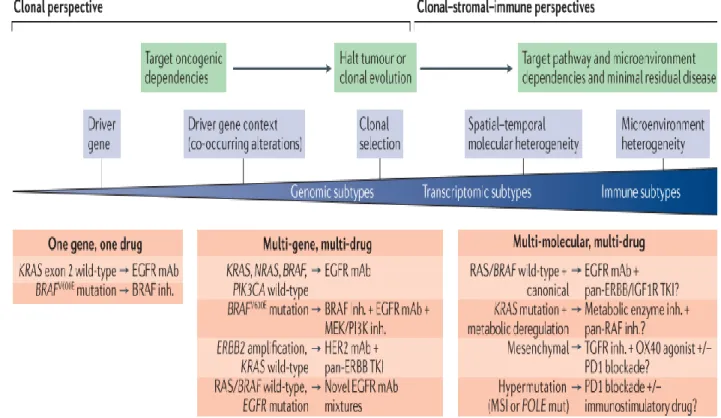
Most registered trials in previous decades before biomarker analysis did not categorize patients into biomarker-defined subgroups, making such analyses underpowered. One gene, one drug paradigm was used to investigation of potentially positive prognostic markers in complete cancer treatment after breakthroughs in drug discovery. We now have a once-in-a-lifetime opportunity to reevaluate the best mix of biomarkers using a multi-molecular approach that could help predict anticancer drug response or resistance, thanks to the identification of transcriptomic and immunological CRC subtypes. (Dienstmann et al., 2017)
Figure 5: Emerging paradigms of precision medicine in CRC (adapted from (Dienstmann et al.,2017))
5.2 Molecular understanding of CRC
5.2.1 Driver events, genomic and epigenomic subtypes
A colon organoid created to exhibit all mutations can grow irrespective of microenvironment cues, according to genome-editing technology. Tumors with MSI have a higher CpG island methylation pattern and hypermethylation of important genes associated in tumor growth, such as MLH1 silencing. In non-hypermutated samples, APC mutations, TP53 deletion, and mutations in the cell cycle checkpoint are the most common causes of WNT–catenin pathway activation. (Dienstmann et al., 2017)
5.2.2 Consensus transcriptomic subtypes
At the gene-expression level, the four conventional molecular subtype (CMS) groups now provide the best explanation for CRC variability, but future disease categorization refinement is likely. The CMS1 group (MSI immune subtype, 14 percent of early-stage cancers) is identified by hypermutation, hypermethylation, and BRAFV600E mutation enrichment in the majority of MSI malignancies. TGF activation, for example, may play a role in carcinogenesis, according to evidence from pre-malignant lesions. (Dienstmann et al., 2017)
5.2.3 Evolving immune subtypes
CTLs and activated TH1 cells infiltrate tumors with abnormalities in the DNA mismatch repair pathway, which is counterbalanced by increased expression of several immunological checkpoints.
In late-stage neoplasms, high B cell or TFH infiltration was linked to a longer disease-free life.
Tumors infiltrated by CD4+ T cells that act like regulatory T (T reg) cells, preventing efficient immunogenic responses towards cancer cells, have a much worse diagnosis. CMS4 tumors have significant levels of genes that are found in the microenvironment of immune-tolerant cancers. A pro-metastatic immune evasion microenvironment may be connected to the poorer outcomes found in the CMS4 mesenchymal population. Most CRC tumors have minimal immunological and inflammatory markers, and the microenvironment lacks tumor-infiltrating lymphocytes and immunoregulatory cytokines. (Dienstmann et al., 2017)
5.3. EGFR related therapies
The tyrosine kinases HER1 (called EGFR as well) and HER2–HER4 are important regulators of tumor cell survival and proliferation. More than 30 years ago, EGFR was identified as a driver of CRC carcinogenesis, leading to the development of EGFR-targeted treatments. Cetuximab and panitumumab, two anti-EGFR antibodies, exhibited a statistically significant therapeutic benefit, with a 10% increase in ORR and OS. (Di Nicolantonio et al., 2021)
5.3.1 Primary and acquired resistance
A prime example of a retrospective biomarker evaluation is the discovery of anti-EGFR antibodies.
The majority of the patients having metastatic cancer do not respond to these treatments, it became obvious. Just the patient having KRAS-wild-type malignancies benefited from EGFR inhibition, according to retrospective analyses of KRAS mutations from patient samples participated in the earliest studies using Panitumumab and Cetuximab. Just the patients having KRAS/NRAS-wild- type CRCs were included in the approvals of Cetuximab and Panitumumab. The molecular biomarker in this study was a descending node (RAS) in the signaling cascade instead of the upstream drug-targeted kinase receptor, which was the first time in medical oncology. (Di Nicolantonio et al., 2021)
5.3.2. Biomarkers of resistance
Colorectal cancer patients' tolerance to EGFR-targeted therapy has now been linked to several transmembrane receptors (CRC). Mutations in HER2, MET, ALK, ROS1, NTRK1–3 or RET, and PIK3CA are among them. A few of these molecular changes are actionable and could become therapeutically relevant indicators in the future. During treatment with anti-EGFR antibodies, mutations in EGFR, KRAS, NRAS, BRAF, or MEK appear, which eventually acquire resistance by reactivating MAPK signaling. Patients having RAS-wild-type metastatic CRCs have RAS or EGFR extracellular domain (ECD) mutations in DNA. (Di Nicolantonio et al., 2021)
5.4. HER2- targeted therapies
ERBB2 amplification, which leads to overexpression and continuous kinase activation, was already found in several cohorts at rates ranging from 1.8 percent to 22 percent. Early evidence refers to the fact that HER2-positive tumors develop more aggressively, given the higher HER2 expression documented in advanced-stage malignancies. The low prevalence of such mutations in these patients makes assessing the poor prognostic implications of ERBB2 amplification difficult.
(Di Nicolantonio et al., 2021)
5.4.1. Targeting HER2 alterations
In CRC cell lines, ERBB2-activating mutations are demonstrated to develop resistance to Cetuximab and Panitumumab and in research, patients with ERBB2 amplified tumor cells had a well almost 50% shorter average PFS as well as OS compared to those with non-amplified tumors.
In the second study, Pertuzumab was given to patients with HER2-positive metastatic colorectal cancer. Another immunoconjugate has been produced with DM1 substituted by the topoisomerase 1 inhibitor Deruxtecan, which has a superior antibody-to-payload ratio. Preclinical studies revealed that Trastuzumab and a dual EGFR–HER2 TKI, Lapatinib, are essential for quick and long-term tumor remission. In total, 74 percent of patients had their pain under control. The development of HER2-targeted treatments for CRC patients has split into two types, each employing monoclonal antibodies or TKIs. Since then, another Trastuzumab immunoconjugate has been developed, substituted by the topoisomerase 1 inhibitor Deruxtecan, which has a superior antibody-to-payload ratio. (Di Nicolantonio et al., 2021)
5.3.3. Resistance to HER2- targeted therapies
86% of patients with treatment-resistant illness had mutations in the RAS and/or RAF genes while only 14% 0f the patients gained positive results. These mutations have a high MAF, indicating that they came from a clonal source as dominant 'trunk' mutations. At disease progression, low-MAF (subclonal) KRAS mutations and BRAF amplifications, as well as changes in HER2, EGFR, PIK3CA, and PTEN, were found in individuals with disease control.(Di Nicolantonio et al., 2021)
5.4. BRAF- targeted therapies
BRAF mutations being associated with a discrete disease subtype, a distinct patient cohort, have a poor outcome in the metastatic scenario. In an earlier stages of the disease, these patients have shorter OS as well as recurrence-free survival times. Vemurafenib, a strong and selective BRAF kinase inhibitor, is only effective in 5% of patients. The inhibition of the MAPK pathway is required to get a response from therapy, according to biopsy samples. In CRC cells with the same mutation, however, there was only transitory inhibition and fast re-accumulation of phosphorylated ERK. The probable reason behind resistance to BRAF inhibitors in CRC has been identified as transient and partial suppression of MAPK signaling. (Di Nicolantonio et al., 2021)
5.4.1. Targeting BRAF, EGFR, and MEK
Patients having BRAF CRCs, triplet regimens of BRAF, EGFR, and MEK inhibitors coupled with anti-EGFR antibodies have demonstrated good effects. The combo of Binimetinib, Encorafenib and Cetuximab was the first triplet therapy that advanced into a phase III trial. Despite this combination generating prolonged MAPK inhibition, another trial demonstrated minimal efficiency, with an ORR of only 12%. Across the three arms, median PFS was 4.3, 4.2, and 1.5 months, while median OS was 9, 8.4, and 5.4 months.(Di Nicolantonio et al., 2021)
5.4.2. Resistance to BRAF- targeted therapies
The appearance of genetic changes that reactivate MAPK signaling in RAFV600E - mutant CRCs allows them to avoid targeted inhibition, promoting tumor growth. Sanger sequencing of CRC tumor material indicated that KRAS and BRAF alterations often are mutually exclusive. Patients having BRAF-mutant CRC and undergoing targeted therapy should keep an eye on their KRAS status. (Di Nicolantonio et al., 2021)
5.4.3. NTRK and other gene fusions
Only a small percentage of individuals have NTRK gene fusions, such as NTRK, ROS, ALK, and RET. All of these fusions are now pharmacologically actionable, and they have the potential to provide superior clinical outcomes than standard-of-care CRC treatments. Entrectinib (that can
suppress ALK and ROS1) and Larotrectanib were the first TRK inhibitor to proceed to clinical trials. Pediatric and adult patients with severe solid tumors were enrolled in both treatment studies.
ALK or ROS1 gene fusions have also been discovered in CRC patients, with a distribution pattern similar to that of BRAF mutations. (Di Nicolantonio et al., 2021)
5.4.4. Resistance to NTRK inhibitors
Clinical efficacy of Larotrectinib is limited through the development of resistance to NTRK inhibitors and the most common mechanism is drug mutations that reduce the drug's affinity for the fusion protein's kinase domain. Resistance has recently been related to off-target genetic changes impacting KRAS, BRAF, and/or MEK signaling, as well as receptors including MET and HER2. In PDX models, dual inhibition of NTRk and downstream MAPK signaling with or without a BRAF or MET inhibitor (in tumors with MET amplifications) is beneficial to prevent the emergence of resistance. (Di Nicolantonio et al., 2021)
Figure 6 : Targets of precision medicine drugs for metastatic CRC (adapted from (Di Nicolantonio et al., 2021))
5.6.2. Immunotherapy in metastatic colorectal cancers
In multiple studies, metastatic MSI-H colorectal cancer (MSI) has been linked to poorer PFS and OS outcomes than metastatic MSS CRC. Due to the absence of benefit with conversion chemotherapy, these patients are less likely to receive surgery. Patients that have solid tumors resistant to chemotherapy and are metastatic as well are increasingly being treated with molecularly guided treatments. Pembrolizumab, Nivolumab, and Ipilimumab are the three medications now approved for individuals with this form of cancer. (Li et al., 2020)
The ORR and disease control rate of the patients treated with just anti-PD-1 antibodies were 39 percent and 75 percent, respectively. The majority of replies were surprisingly long-lasting.
Patients having stage II, III, and IV metastatic colorectal cancer, the combination of ICIs, anti-PD- 1/PD-L1 antibodies and anti-CTLA-4 antibodies has shown good outcomes. Treatment-refractory patients with early stage colon cancer are currently being studied with another combination of Durvalumab and Tremelimumab, similar to the combination. (Li et al., 2020)
5.4.4 RAS mutations
Mutations in KRAS or NRAS are mutually exclusive with BRAF mutations and other recurrent MAPK signaling pathway mutations. KRAS mutations are the most common, occurring in around 35% of stage I–IV basic CRCs, with right-sided tumors being the most common. The bulk of investigations on the prognosis implications of KRAS mutations, however, found that they have a detrimental impact on patient survival. The strongest links among RAS mutations and outcomes are related to anti-EGFR therapy response. While future validation of such a tailored strategy is essential, present guidelines do not incorporate using genetic analysis for RAS or BRAF mutations. (Li et al., 2020)
5.7. Combinations in CMS4 CRCs
The subtype of CRC with CMS4 gene expression, has been demonstrated to provide a poor prognosis in individuals with early stages of the illness, and has generally dominated the categorization of metastatic colorectal cancer (CRC). The switching effects in this subtype, such as those seen following neoadjuvant chemotherapy, raise the proportion of CMS4-like subtypes in
pretreated metastatic tumors. In the adjuvant setting, standard-of-care treatments such as 5-FU and oxaliplatin have been associated with modest efficacy in the CMS4 subtype of colorectal cancer (CRC). Chemotherapy resistance, on the other hand, has been confirmed in preclinical models, and overcoming resistance is a key focus of research. M7824, a bifunctional drug that targets PD- L1 and TGF at the same time, promotes long-term anti-tumor immunity and tumor growth inhibition in the CMS4 subtype of metastatic colorectal cancer (CMS4) and has demonstrated good outcomes in preclinical investigations. The CMS classification's clinical translation is premature, both in terms of outcomes and the standardization of suitable assays, but it does give a novel paradigm for patient stratification in biologically driven therapeutic trials. (Li et al., 2020)
Figure 7: Biomarker derived treatment options in CRC (adapted from (Li et al., 2020))
Chapter 6
Precision medicine in prostate cancer
Prostate cancer is the most frequent cancer for males throughout the world. Precision medicine is a fast developing area that is critical for finding new disease subtypes and making pharmaceutical recommendations based on multi-omics data from individuals. To untangle the complexity of a disease-associated biological network, identify predictive biomarkers, and more, multi-omics techniques include using genomes, transcriptomics, proteomics, metabolomics, epigenomics, and phenomics data. We examine how multi-omics data might be exploited in systems biology in the age of precision medicine, with a special emphasis on molecular imaging modalities associated with high throughput approaches, as well as new medications targeting metabolic pathways involved in this cancer. The androgen receptor (AR) signaling pathway is principally responsible for prostate cancer initiation and development. DNA damage repair (DDR) pathways have already been revealed to be often altered in advanced stages of the disease. The finding of DDR gene mutations has significance for prostat