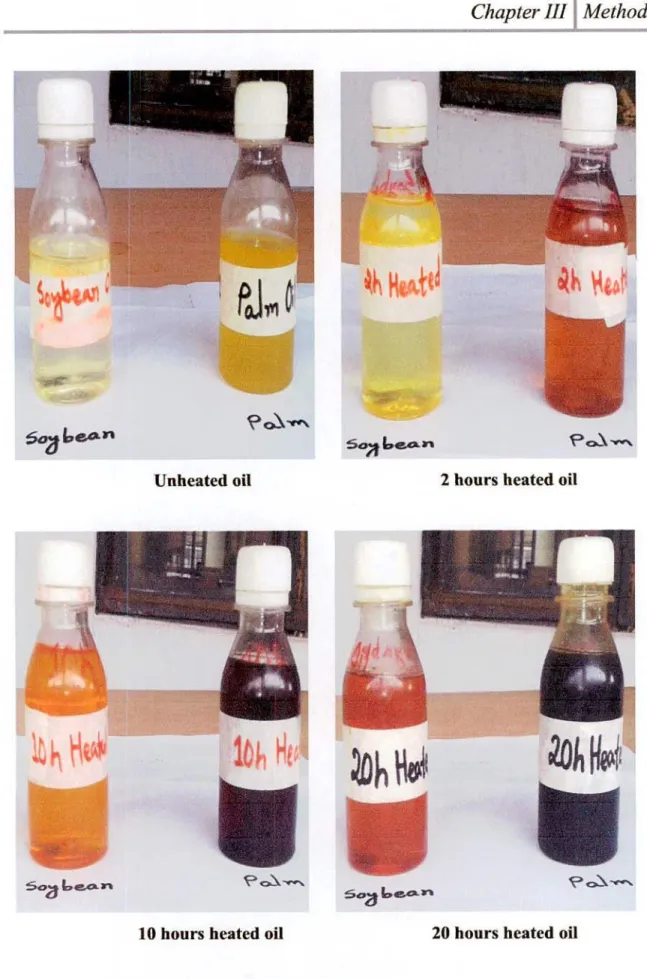
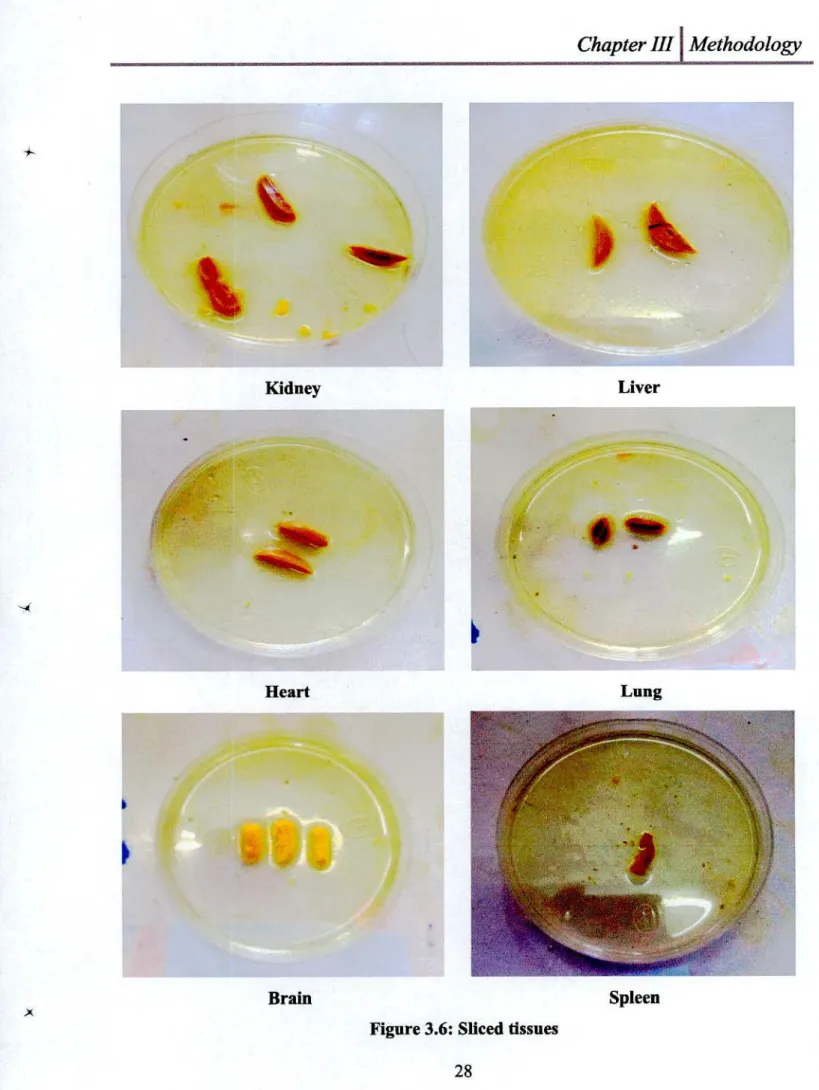
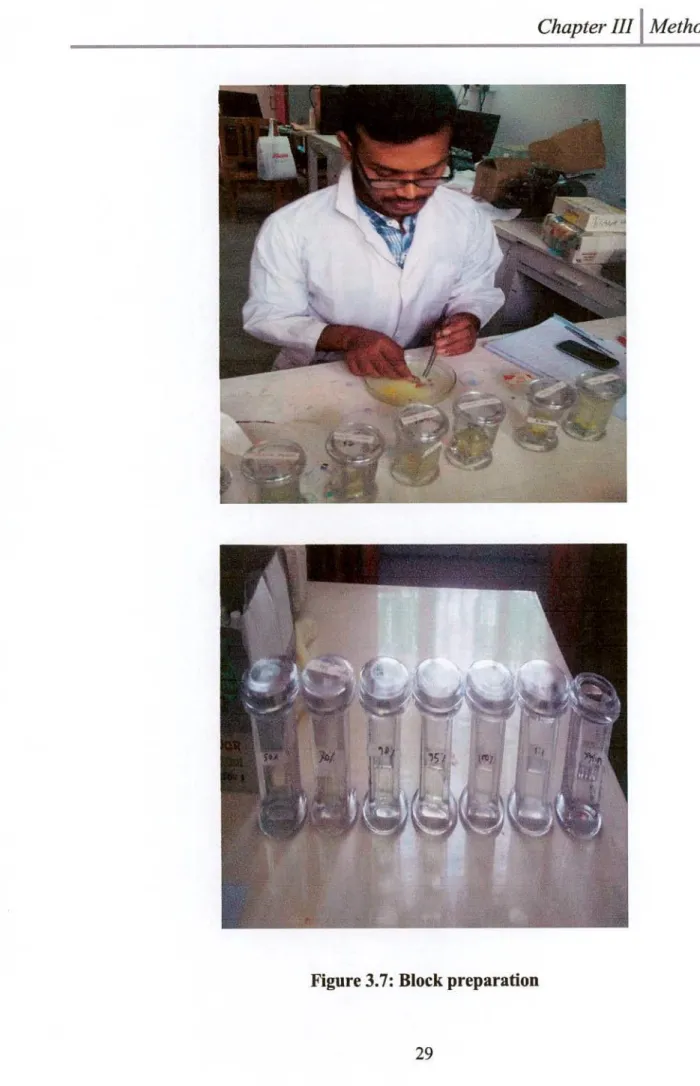
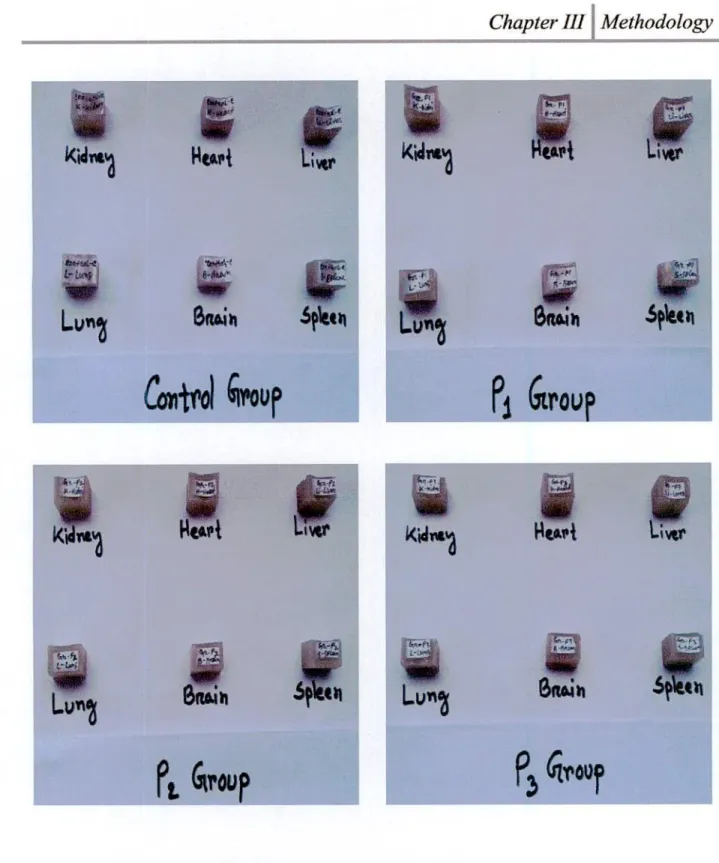
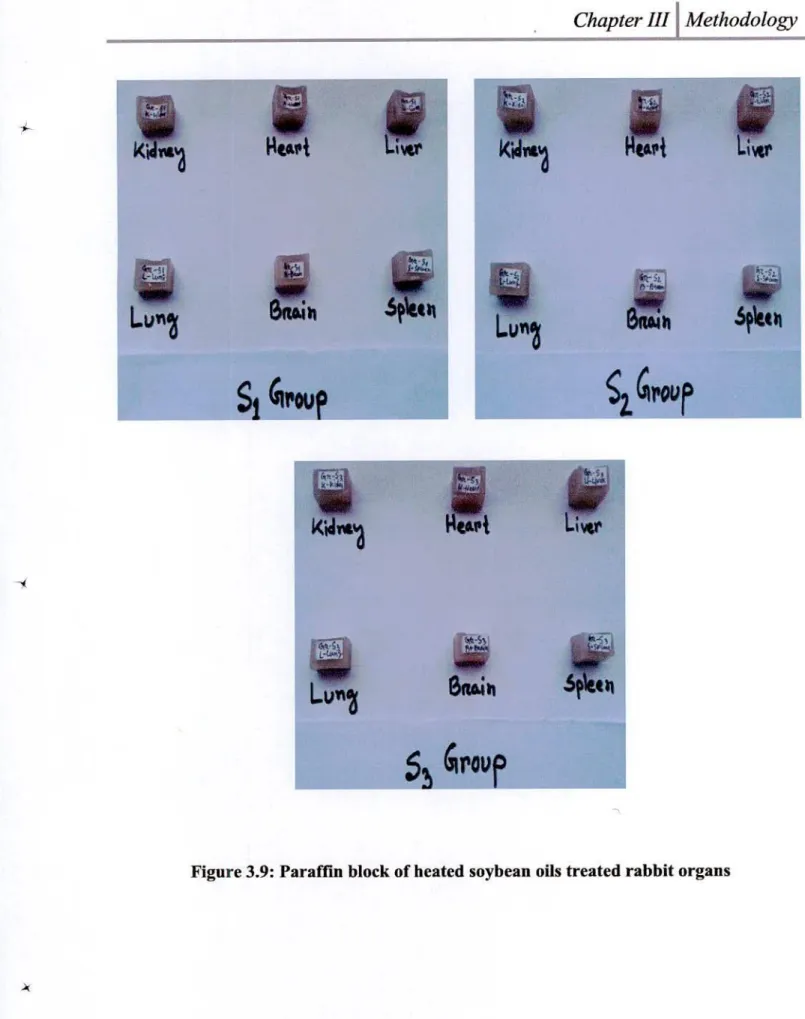
The present study was conducted to evaluate the physico-chemical properties such as iodine value, acid value and to compare the FT-IR spectra of unheated and heated edible oils, the effects of consumption of heated edible oils, the lipid profile of dietary dietary oil, biochemical and hematological parameters. rabbit profile. Spectra of unheated and 2, 10, 20 h heated palm and soybean oils showed very similar FT-JR spectra in this study.
I Introduction
- Edible oil
- Palm oil
- Heated edible oil
- Iodine value
- Acid value
- I Introduction
- Pharmacology study
- Aim of the Present Study
- Edible oil and its uses
- Multi time heated oil and its physico-chemical change
- Multi time heated oil and its effect on health
- Effects on hematological and biochemical parameters
- Materials, chemicals and experimental animals
- Heating process
- Iodine value (IV) measurement
- Acid value (AV) measurement
- Evaluation by VF-IR
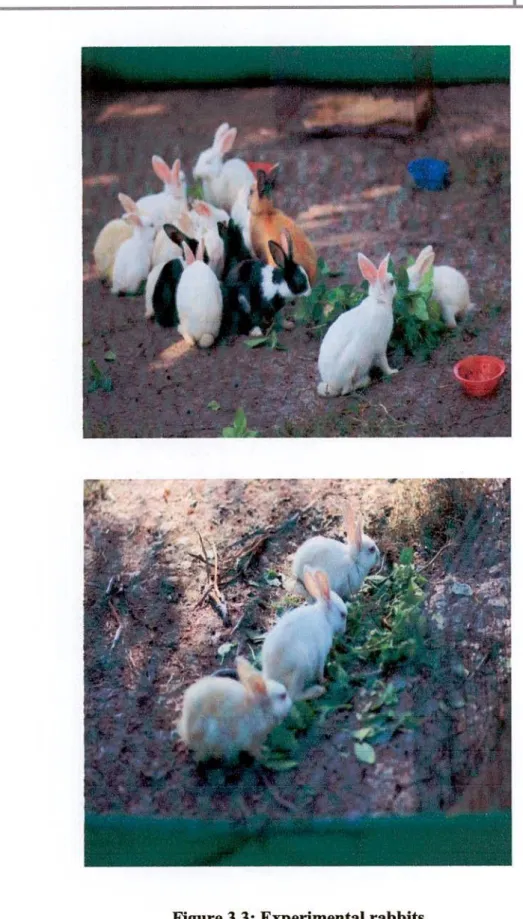
- Experimental rabbit grouping
- Maintenance of the rabbit and diet
- Study design
- Monitoring the hematological profiles
- Monitoring the biochemical profiles
However, more heating changes the taste, consistency and quality of the oil from the reactions [13]. Fatty acids react with a halogen [iodine] resulting in the addition of the halogen to the CC double bond site.
I Methodology
Histopathological procedure
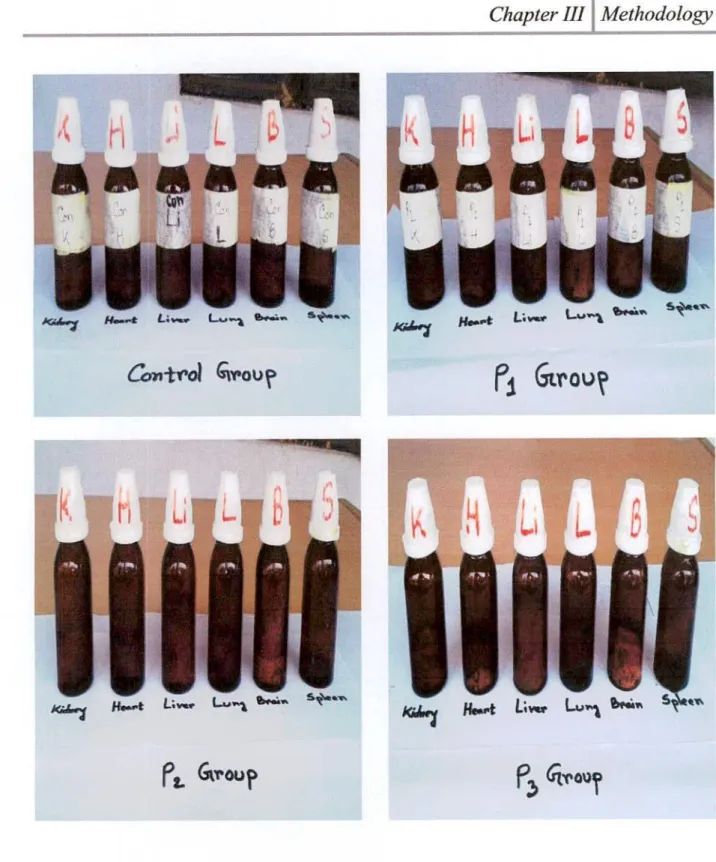
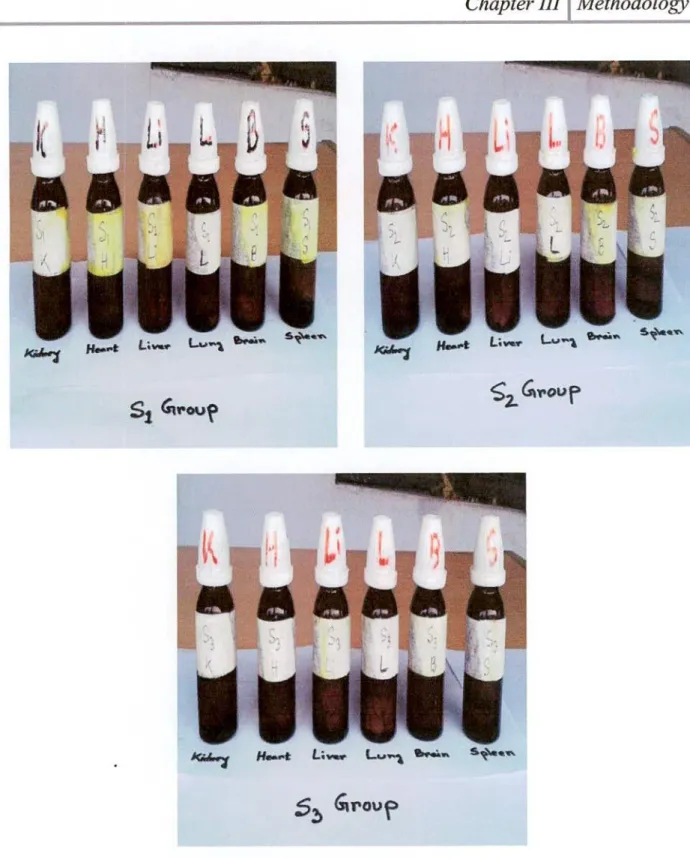
- Collection and processing of the tissues
- Preparation of 10% buffered formalin
- Chemicals required
- Histopathological examination procedure
- Processing of tissues
I Methodology
Staining procedure
- Preparation of Harris hematoxylin solution
- Preparation of eosin solution (1% stock alcoholic eosin)
- Routine Hematoxylin & Eosin staining procedure
Histopathological studies and photomicrograph
J Methodology
Finally, the sections were mounted with a coverslip using DPX (a mixture of distyrene, a plasticizer and xylene).

MIN'
Methodology
Measurement of iodine value of fresh oil and heated oils
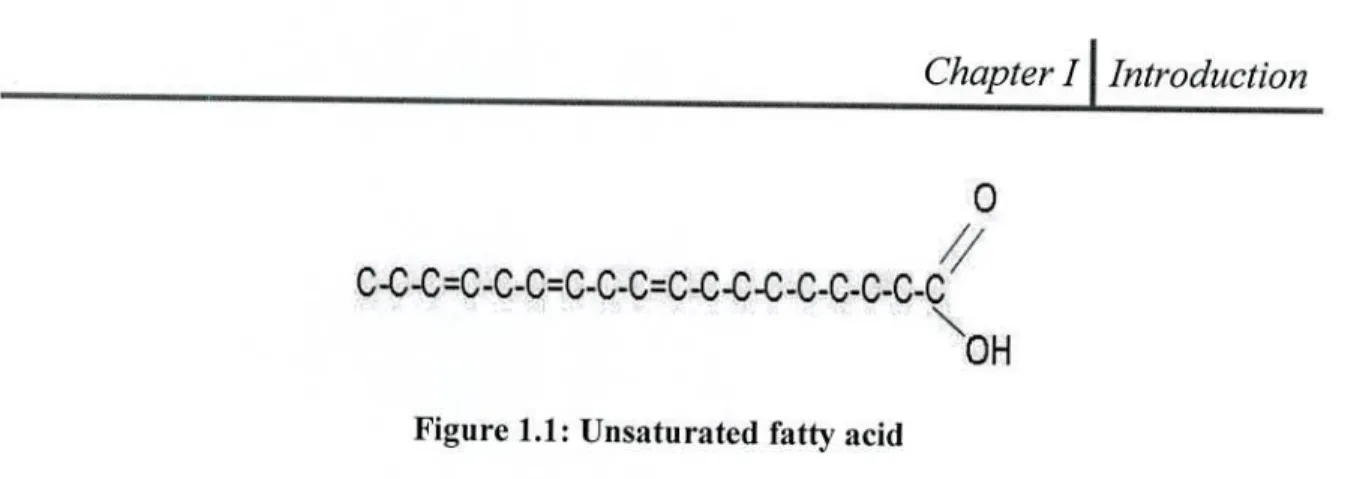
The iodine value is a measure of the degree of unsaturation and is used to characterize fats and oils [64]. It determines the stability of the oils to oxidation and allows the total unsaturation of the fat to be determined. The oxidative and chemical changes in oils during storage are characterized by an increase in the content of free fatty acids and a decrease in the total unsaturation of oils [66].
This decrease can be attributed to the destruction of double bonds by oxidation, cleavage and polymerization [67–68]. It is well known that saturated fatty acids have harmful effects on human health [18].
Measurement of acid value of fresh oil and heated oils
I Results and Discussion
Spectral analysis
- Spectral analysis of palm oil
Since spectral regions undergo many changes during oxidation processes over a long period of time, fuel oils showed some regions of other deformations and bends at cm 1 of —C—H bending vibrations of aliphatic groups CH2 and CH3. All edible oils basically consist of esters of fatty triglycerides with different substitution patterns, chain lengths and degrees of saturation, and other minor components. The importance of FTIR spectroscopy in the identification of molecular structures stems from the large amount of information obtained and the possibility of assigning certain absorption bands related to its functional groups [72].
The FTIR spectra of unheated and 2, 10, 20 h heated soybean oils are very similar showing almost negligible changes in either frequency or absorbance of the bands (figure and 4.8).
IResults and Discussion
Body weights were changed
Body weight of each rabbit of the following groups: control group (C), 2 hours heated palm oil (P1), 10 hours heated palm oil (P2), 20 hours heated palm oil (P3), 2 hours heated soybean oil (SI). ), 10 hours of heated soybean oil (S2), 20 hours of heated soybean oil (S3) were measured before and after the administration of the treatments shown in Tables 4.3 and 4.4. Then all the rabbits were given the mixed food and the heated oil was given the aforementioned group of oils. It is interesting to point out that the weight gain in the 20-hour heated group showed significant changes compared to the other group.
Why the body weight increased is not well understood, but it may be that the increase in weight is due to adipose tissue. But in this present study, the result showed that long time heated palm and soybean oil treated rabbits' body weights were increased. The present study therefore agrees with the result obtained by Siti Khadijah Adam et al.
Gumaih [56] who showed that the body weight of rats was significantly increased by feeding thermally oxidized palm oil. Thermally oxidized palm oil that generates free radicals increases the oxidative stress secondary to estrogen deficiency and high cholesterol diet [37].

Effect of heated oil diets on haematological profiles
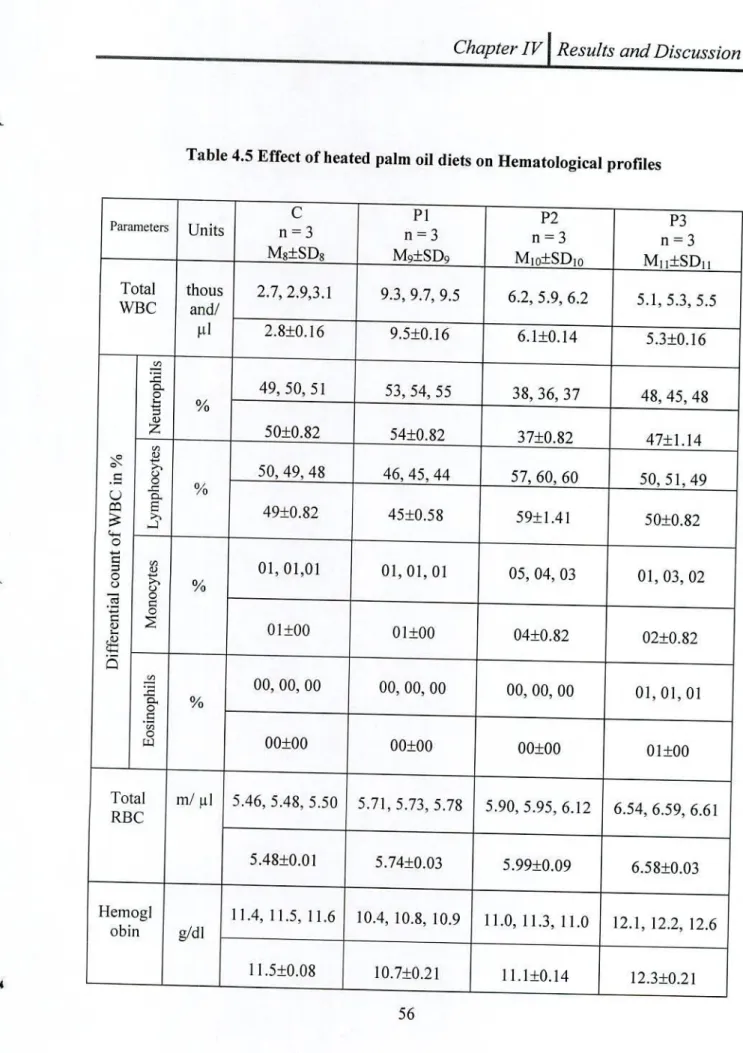
The hemoglobin concentration of the heated soybean oil diets of all groups, the heated palm oil-treated P1 and P2 groups was reduced compared to control rabbits. In addition, the hemoglobin concentration of the P3 group was higher than that of untreated rabbits, shown in Table 4.5. The hemoglobin concentration was decreased in the heated palm and soybean oil-fed group, except in the P3 group, compared with the control group.
55] reported that this decrease in hemoglobin concentration may be a consequence of reduced iron uptake by the damaged intestinal mucosa of rats resulting in a reduced bioavailability of iron in the system. Decreased hemoglobin concentration may also be attributed to decreased hepatic iron deposition as a result of liver injury [75]. Heated diets of palm oil and soybean oil significantly affected Erythrocyte Sedimentation Rate (ESR) in this study.
On the other hand, ESR of all groups fed heated palm oil was decreased compared to untreated shown in Table 4.5. Platelet count (PC) was increased in P1, P2 heated palm oil fed groups and in SI, S2 heated soybean oil fed groups compared to control shown in Tables 4.5 and 4.6. 77] who reported that the platelet count of rabbits in the high-fat diet group was increased.
I Results and Discuss ion
Effect of heated oil diets on biochemical profiles
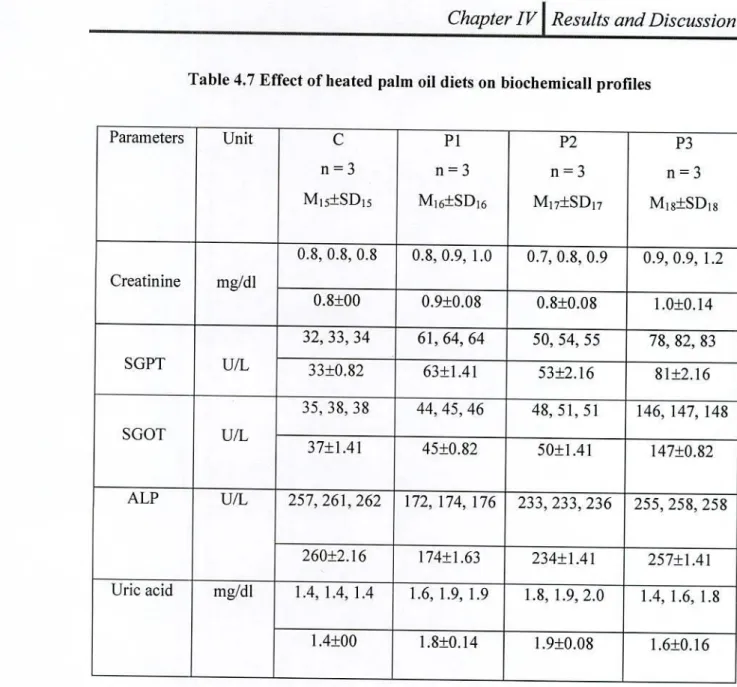
Serum glutamic acid pyruvic acid transaminase (SGPT) of heated palm oil and soybean oil treated in all groups was increased. SGPT was increased in palm oil and soybean oil fed groups compared to control. The current study showed that the SGPT of all dietary groups for heated palm oil and soybean oil was significantly increased compared to the control group.
So it indicates that the liver or heart of heated palm oil and soybean oil diet rabbit groups may be damaged. The serum glutamine oxaloacetic acid transaminase (SGOT) was increased in all groups treated with heated palm oil and soybean oil compared to control shown in Tables 4.7 and 4.8. In addition, this study showed that the SGOT of all groups fed palm oil and soybean oil was significantly increased compared to the control group.
Alkaline phosphatase (ALP) of heated palm oil and soybean oil fed from all groups was reduced compared to the control group. However, in the current study, ALP was significantly reduced in all heated palm oil and soy oil fed groups. Uric acid was increased in all groups fed heated palm oil compared to control shown in Table 4.7.
Effect of heated oil diets on serum lipid profiles
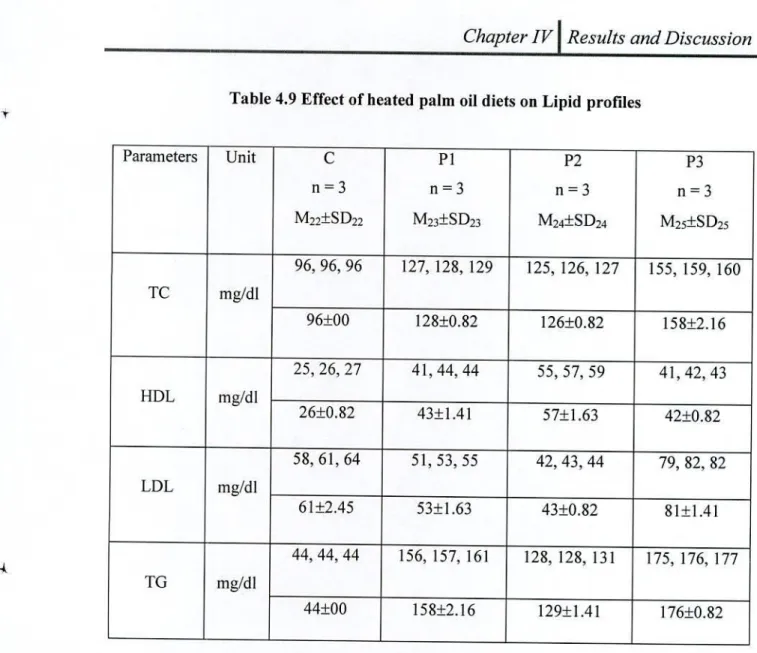
The blood Low Density Lipoprotein (LDL) of heated palm oil and soybean oil-fed groups are shown in Tables 4.9 and 4.10. LDL for palm oil fed P1 and P2 groups was reduced, but the P3 group was increased compared to the control group. But the LDL of heated soybean oil fed all groups was reduced compared to the control group.
The rabbits of group P3 showed the maximum level of LDL (81±1.41 mg/dl) which is significantly different from all other groups shown in table 4.9 and 4.10. This study showed that the LDL of all heated palm and soybean oil fed groups of rabbits, except P3 group, was reduced compared to control groups. 62] who showed that the LDL of 5 times heated soybean and palm oil fed group was increased.
The effects of heated palm oil and soybean oil on the triglyceride (TG) level of different groups of rabbits are shown in Table 4.9 and 4.10. The TG level of hot palm and soybean oil fed to all groups of rabbits increased compared to the control group. The present study showed increased TG concentration of hot palm and soybean oil fed to all groups of rabbits.
Histopathological study of heated oil diets on rabbits
- Histopathological study of liver of rabbits
- Histopathological study of kidney of rabbits
- Histopathological study of heart of rabbits
- Histopathological study of lung of rabbits
- Histopathological study of Brain of rabbits
- Histopathological study of spleen of rabbits
2 h heated soybean oil diet group Si showed vacuolation (m), congested glomeruli (n), and vacuolated cells in the rnedullary region with occasional tubules containing eosinophilic materials (o) (Image S 1K). 10 h heated soybean oil diet group S2 showed hemorrhage (p), shrunken glomeruli, and focal fibrosis between renal tubules (q) (Figure S2K). 20 h heated soybean oil diet group S3 showed hemorrhage (r), congestion in blood capillaries between the degenerated renal tubules (s) and the glomerular vacuolization (t) (Figure S3K).
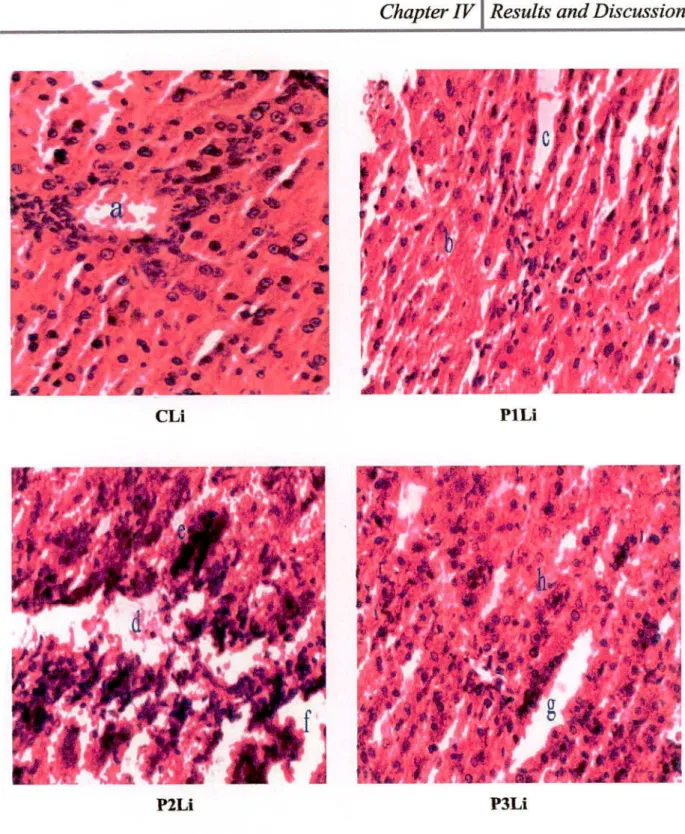
Palm oil diet for 2 hours, group P1 showed myocardial compression (b), some vacuolation in the papillary muscles and separation of the longitudinal muscles (c) (Image PIH). 10 hours on hot palm oil diet group P2 showed hemorrhage (d), vacuolation (e), myocardial degeneration and necrosis (fl (Image P21-1). 2 hours on hot soybean oil diet group SI showed atrophy brown (k), fragmentation of the myocardium nuclear fibers with extensive infiltration (I) and longitudinal muscle tears (m) (Image SlH).
10 h on hot soybean oil diet group S2 showed myocardial degeneration (n), extensive infiltration (o), vacuolation (p) and edema (q) (Image S2H). Group S3 diet of soybean oil for 20 h showed vacuolation (r), edema (s) and cellular infiltration and compacted myocardium (t) and vacuolation in papillary muscle (u) (Image S31-1). 20 hours on the hot palm oil diet group P3 showed inhalation (h), revealed lymphocytic infiltration in the interalveolar septa and also in the bronchiolar lamina propria (i) and the structural organization of the alveoli appeared to be disturbed and the interalveolar septa were thickened ( ). Image P3L).
The cholesterol, LDL, HDL and triglyceride of heated palm oil treated groups were increased whereas the values were decreased for heated soybean oil treated rabbits
Consumption of hot oil diets had deleterious effects on body weight, hematological parameters, biochemical profiles, lipid profiles and organs of rabbits. Iodine values of hot palm and soybean oil decreased, while acid values increased. The WBC of all groups treated with palm oil and hot soybean oil was higher than that of untreated rabbits, but the RBC and hemoglobin of the treated groups decreased.
The creatinine, SGPT, SGOT and uric acid of all treated rabbits were increased by chronic consumption of heated oils relative to control rabbits. The cholesterol, LDL, HDL and triglycerides of heated palm oil treated groups were increased, while the values were decreased for heated soybean oil treated rabbits.
I Conclusions and Recommendations
34;Heated palm oil causes rise in blood pressure and cardiac changes in heart muscle in experimental rats". A detailed microscopic study of the changes in the aorta of experimental model of postmenopausal rats fed with repeatedly heated palm oil. -Say MS, Mothana RA , Al -Yahya MA, Al-Blowi AS, Al-Sohaibani M, Ahmed AF, Rafatullah S. 34; Edible oils for liver protection: hepatoprotective potential of Moringa. oleifera seed oil against chemically induced hepatitis in rats".
Leong XF, Aishah A, Nor Aini U, Das S, Jaarin K. 34;Heated palm oil induces blood pressure elevation and cardiac changes in cardiac muscle in experimental rats. Srivastava S, Singh M, George J, Bhui K, Murari Saxena A, Shukia Y. 34;Genotoxic and carcinogenic risks.associated with dietary consumption of repeatedly heated coconut oil". 34;Effects of fresh and thermally oxidized palm oil diet on some hematological indices in rats.
Kamsiah J, Norhayati M, Norzana G, Nor A U and Ima-Nirwana S. 34; Effects of heated vegetable oils on serum lipids and aorto-ovariectomized rats". 34; Effect of chronic consumption of two forms of palm oil diet on serum electrolytes, Creatinine and urea in rabbits". 34; Effects of dietary cooked fats and oils on blood lipids and transaminase activities in rats". Bangladesh Veterinary Journal.