MEDICATIONS USED FOR COVID-19 TREATMENT
AND A COMPARISON OF THEIR MECHANISM OF ACTION AND THERAPEUTIC EFFICACY
By
SADIA SULTANA 18146093
A thesis submitted to the Department of Pharmacy in fulfillment of the requirements for the degree of Bachelor of Pharmacy.
Department of Pharmacy Brac University
January 2022.
©2022. Brac University, All rights reserved.
1
2
Declaration
It is hereby declared that
1. The thesis submitted is my own original work while completing degree at Brac University.
2. The thesis does not contain material previously published or written by a third party, except where this is appropriately cited through full and accurate referencing.
3. The thesis does not contain material which has been accepted, or submitted, for any other degree or diploma at a university or other institution.
4. I have acknowledged all main sources of help.
Student’s Full Name & Signature:
Sadia Sultana
ID: 18146093
3
Approval
The thesis/project titled “Currently used medications for COVID-19 treatment and a comparison of their mechanism of action and therapeutic efficacy” submitted by Sadia Sultana (18146093), Spring, 2021 has been accepted as satisfactory in partial fulfillment of the requirement for the degree of Bachelor of Pharmacy on 24-08-2022.
Examining Committee:
Supervisor:
(Member)
_______________________________
Dr. Afrina Afrose
Assistant Professor, School of Pharmacy Brac University
Program coordinator
(Member) _______________________________
Namara Mariam Chowdhury Lecturer, School of Pharmacy
Brac University
Assistant Dean:
(Member)
_______________________________
Prof. Dr. Hasina Yasmin Professor, School of Pharmacy Brac University
Departmental Head:
_______________________________
Prof. Dr. Eva Rahman Kabir Professor, Dean, School of Pharmacy
Brac University
4
Ethics Statement
• I will follow all of my community's, school's, workplace's, and country's laws, rules, and regulations.
• I intend to act with honesty, fidelity, and integrity.
• I will accept full responsibility for my actions and will only make agreements that I intend to follow through on.
• I will not act in or participate in any harmful injury to any person or animal on purpose.
• Regarding other people's opinions, choices, and religious beliefs, I will stay curious, neutral, and open-minded.
• When responding to others, I will use careful self-control. I'll keep learning, observing, reading, connecting, listening, and seeking knowledge.
• I will actively participate and openly share what I have learned with others.
• I will follow all of the above in my personal interactions, including disengaging and/or limiting connection with people who deliberately violate my code of ethics.
• In my professional connections, I will uphold all of the aforementioned principles while being professional in the face of difficulty.
5
Abstract
Coronavirus disease 2019 also known as COVID-19, is an acute respiratory condition (Severe acute respiratory syndrome coronavirus 2 or SARS-CoV-2) caused by a novel coronavirus that was discovered for the first time in Wuhan, China’s Hubei Province, during a respiratory illness outbreak. The World Health Organization declared the COVID-19 pandemic a worldwide health emergency. The aim of this article is to evaluate the drugs that are currently used for the COVID 19 treatment and to outline the mechanism of actions and therapeutic efficacy of these drugs along with the comparison between them. This review has been conducted with a comprehensive literature analysis of clinical characteristics and therapies of the novel COVID- 19 using internet databases with the recent relevant publications and research. Remdesivir, dexamethasone and amantadine are more effective than other drugs for people who are hospitalized with COVID-19 and need supplemental oxygen or have a higher risk of serious illness.
Keywords:
Remdesivir, Hydroxychloroquine and chloroquine, Azithromycin, Dexamethasone, COVID 19
6
Table of Contents
Declaration... ii
Approval ... iii
Ethics Statement... iv
Abstract/ Executive Summary ... v
Table of Contents ... v-viii List of Figures ... ix
List of Acronyms ... x
Glossary ... xii
Introduction ...1
Chapter 1 Introduction ……….1-3 1.1 Background………1
1.2 Research Gap……….1
1.3 Objective………2
1.4 Significance………...….2
Chapter 2 Methodology………4
Chapter 3 A General Overview of COVID 19 and drug targets………...5-6 3.1 What is COVID 19 and what does it mean?...5
3.2 Virology and Drug Targets of SARS-CoV-2: ………..………..….5
7
Chapter 4 Medications for COVID-19 treatment...7-12
4.1 Remdesivir...7
4.2 Hydroxychloroquine and chloroquine...9
4.3 Azithromycin...9
4.4 Dexamethasone...9
4.5 Amantadine...10
4.6 Acetylsalicylic Acid (ASA) or Aspirin...11
Chapter 5 Comparison between their mechanism of actions of the medications that used for COVID-19………...13-34 5.1 Mechanism of action of Remdesivir...13
5.2 Mechanism of action of Hydroxychloroquine and chloroquine...15
5.2.1 Interference in the Endocytic Pathway Inhibition……….16
5.2.2 Blocking Sialic Acid Receptors Causes Inhibition ………..17
5.2.3 S Protein Cleavage at the ACE2 Binding Site is Inhibited by Restriction of pH……….………...…..18
5.2.4 Inhibition through Cytokine Storm Prevention ………..………...….18
5.2.5 CQ/HCQ Side Effects ………..…………..……20
5.3 Mechanism of action of Azithromycin ...21
8
5.3.1 Immunomodulation effect……….………….21
5.3.2 Antiviral activity ………....22
5.3.3 Pneumonia Caused by Bacteria in the Community Antibacterial Effect…....22
5.4 Mechanism of action of Dexamethasone...23
5.4.1 Genomic Mechanisms (part I)………..24
5.4.2 Non-Genomic Mechanisms (Part II) ………...…25
5.5 Mechanism of action of Amantadine...26
5.6 Mechanism of action of Acetylsalicylic Acid (ASA) or Aspirin………27
5.6.1 COVID-19 and the Host's Reaction……….……..28
5.6.2 Inflammatory Cascade Mechanisms and Virus Entry into Host Cells...……29
5.6.3 Aspirin's Potential Role in COVID-19 ………..31
Chapter 6 Comparison between the therapeutic efficacy of the medications that used for COVID-19...35-42 6.1 Therapeutic efficacy of Remdesivir...35
6.2 Therapeutic efficacy of Hydroxychloroquine and chloroquine...36
6.3 Therapeutic efficacy of Azithromycin...37
6.4 Therapeutic efficacy of Dexamethasone ...39
9
6.5 Therapeutic efficacy of Amantadine...40 6.6 Therapeutic efficacy of Acetylsalicylic Acid (ASA) or Aspirin ...41
Chapter 7 Finding the most effective drugs in COVID-19
treatment………..………...…..43 7.1 Limitations………...43 7.2 Future direction……….…...43
Chapter 8 Conclusion………..44-45
References ... 46-55
10
List of Figures
Figure 1: CQ/ HCQ's role in ACE2 glycosylation inhibition, early endosome to late endosome conversion, and autophagosome formation…………... 17
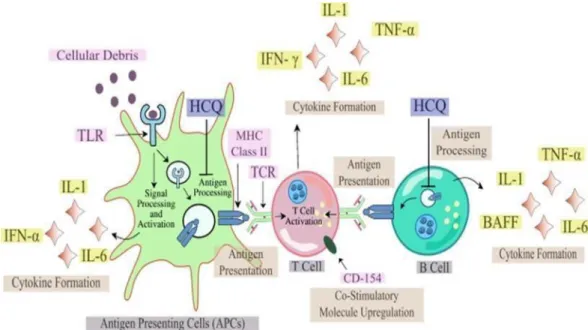
Figure 2: The role of HCQ in antigen processing inhibition and antigen-presenting cell TLR
receptor binding in cytokine storm prevention
(APCs)...19
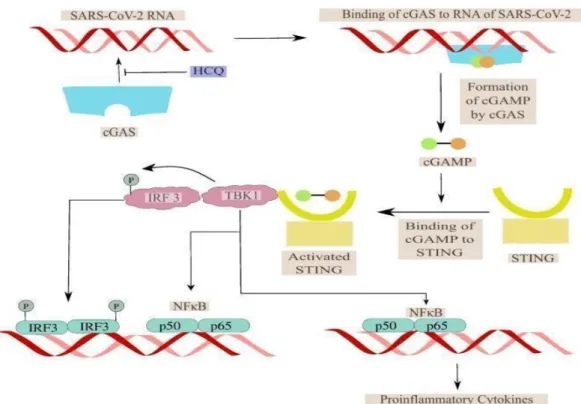
Figure 3: The significance of HCQ in avoiding cytokine storm by suppressing cGAS-mediated
proinflammatory cytokine
generation…….……….……….……….20
Figure 4: Dexamethasone's mechanism of action……….…………..…..25 Figure 5: Invasion of Host Cells by Virus ………..………….……30 Figure 6: Mechanisms of the Inflammatory Cascade ……….………….31
11
List of Acronyms
ASA Acetylsalicylic acid CQ Chloroquine
HCQ Hydroxychloroquine WHO World health organization NIH National institute of health RCT Randomized controlled trails ACE Angiotensin converting enzyme IV Intravenous
TMPRSS Transmembrane serine protease TLR Toll like receptor
APC Antigen Presenting Cells
STING Stimulator of interferon gene protein MHC Major Histocompatibility Complex IF Interferon Regulatory Factor GI Gastrointestinal
1
Chapter 1 Introduction 1.1 Background
The worldwide pandemic of new SARS-Coronavirus-2 also named as COVID-19 disease causes acute respiratory illness, first appeared in Wuhan city, Hubei Province, China in December 2019. After that it has spread worldwide. On December 31, 2019, it was first brought to the WHO's attention. The WHO declared a global health emergency with regard to the COVID-19 outbreak on January 30, 2020. Following the identification of H1N1 influenza as a pandemic in 2009, the WHO initially proclaimed COVID-19 a global pandemic on March 11, 2020. There are over 1200000 documented occurrences and 67,000 deaths in over 150 countries since 5th April, 2020. Based on its genetic similarities to the SARS-CoV and the Acute Respiratory Distress Syndrome coronavirus, this rare Betacoronavirus is thought to have developed from the derivatives of bat coronaviruses and then it has been transmitted to human body via the unknown intermediate animal host which is MERS-CoV. The CoV-2 and SARS virus genomes were swiftly sequenced in order to facilitate diagnostic processes, statistical monitoring, and the development of preventative and treatment methods (Sanders et al., 2020).
1.2 Research gap
In 2020 of April, a search held on Clinical studies using the phrases SARS-COV-2 or COVID or corona virus published 350 active research, 290 trials specifically for coronavirus. In around 109 of the 291 studies, pharmacological therapy was utilized to treat COVID-19 in adult patients. Among the 109 trials, also there are 80 interventional trials and 27 controlled by a placebo test. According to a research description, there have been 36 phase 3, 4 phase 1, 11
2
phase 4 and 36 phase 2 tests. There have been 22 tests that were either not categorized by stage or were irrelevant (Sanders et al., 2020). There is currently no proof that any preventative medicine works based on randomized controlled trials (RCTs), whether suspected or confirmed, improves outcomes in COVID-19 patients. When people first contract the virus, before they need to be hospitalized, antiviral therapies are most effective. The present state of knowledge on the most commonly prescribed medications of COVID-19, their methods of activity, and treatment success for this epidemic coronavirus are summarized in this narrative review (Sanders et al., 2020).
1.3 Objective
The aim of this article is to review the medications that are being used to treat COVID 19 or coronavirus. To achieve the purpose our research will complete the following objectives.
Objective 1: To evaluate the drugs that are currently used for the COVID 19 treatment.
Objective 2: To outline the mechanism of actions of these drugs along with the comparison between them.
Objective 3: To compare the therapeutic efficacy of these drugs.
The aim of this work is to show the effectiveness of the currently using medications on the COVID-19 treatment.
1.4 Significance
By comparing between mechanism of actions and therapeutic efficacy of currently used COVID-19 medications (Remdesivir, Hydroxychloroquine, chloroquine, Azithromycin, Dexamethasone, Amantadine, Acetylsalicylic Acid), this paper might be helpful in future to
3
evaluate which medications are more effective for coronavirus treatment in terms of mechanism of actions and therapeutic efficacy.
4
Chapter 2 Methodology
This review has been conducted with a comprehensive literature analysis of clinical characteristics and therapies of the novel COVID-19 using internet data bases. It is accomplished based on the recent relevant publications and research on Research Gate, PubMed, MEDLINE, UpToDate, Web of science, NCLB and Google Scholar electronic databases. More than 50 articles have been studied to complete this review paper. Compiling all the necessary recent investigations on COVID-19 drugs, this paper focuses mainly on the effectiveness of the currently used drugs in COVID-19 treatment. The following keywords were used to find the needed information: “Remdesivir”, “Hydroxychloroquine and chloroquine”, “Azithromycin”, “Dexamethasone”, “Amantadine”, “Acetylsalicylic Acid (ASA) or Aspirin”, “COVID 19”. Only articles concentrating on drugs used in SARS-CoV-2 treatment and their mechanism of actions along with efficacy were considered for inclusion.
Additionally, references from the articles found earlier were explored to specify potentially overlooked investigations to make this review more informative and we looked through all of the references in relevant research to see if there were any publications that were missing. Two investigations worked separately to conduct all research, title and abstract filtering and study selection. Any differences were handled through consensus and for full text review, all papers considered possibly eligible were obtained. We confirmed our search to English-language publications, excluding conference abstracts and commentary.
5
Chapter 3
A General Overview of COVID 19 and drug targets 3.1 What is COVID 19 and what does it mean?
A virus that infects your nose, sinus, and upper throat is coronavirus. Coronaviruses, for the most part, aren't hazardous. Following China's outbreak in December of the year 2019, the WHO or World Health Organization identified in early 2020, the SARS-Coronavirus-2 as a very new type of coronavirus and this disease soon spread around the globe.
According to experts, COVID-19 or coronavirus is caused by the virus SARS-Coronavirus-2 and therefore can develop respiratory tract trouble. The lower or upper respiratory system (sinus passages, throat and nose) have been affected by this disease. It spreads similarly to other coronaviruses and primarily through direct human contact. The severity of infections can range from fatal to very minor (P. L. Chen et al., 2020).
3.2 Virology and Drug Targets of SARS-CoV-2
The viral structural spike protein, which is one single-stranded ribonucleic acid enveloped virus, infects cells by adding it to the ACE2 receptors. Then the viral particle uses infected cells receptor sites and endocytosis to enter cells. Through the S protein, TMPRSS2, helps cell to entry. Once within that cell, viral polyproteins encoding the DNA synthesis complex are generated. The virus after that produces ribonucleic acid using its ribonucleic acid polymerase, which is RNA dependent. The conclusion of uncontrolled proliferation assembly and release is dependent on the synthesis of structural proteins. 4-6 These viral life cycle stages might be employed as medicinal targets (Sanders et al., 2020).
6
Nonstructural proteins that are comparable to other novels are interesting therapeutic targets (nCoVs). Other therapeutic targets include virus replication and immunological regulatory mechanisms. The action mechanism and key pharmacologic properties of a few COVID-19 medicines that have been suggested (Sanders et al., 2020).
7
Chapter 4
Medications for COVID-19 treatment
4.1 Remdesivir
Remdesivir is an antiviral drug that is administered in the hospital by intravenous infusion (IV).
On October 22, 2020, the FDA approved remdesivir (Veklury) for the treatment of COVID-19 in children aged 12 and up who require hospitalization. The permission was principally based on the positive results of three studies (S. Singh et al., 2021).
Various proposals for the use of remdesivir have been proposed. The report was unable to be completed due to the lack of data. The NIH or National Institutes of Health recommends Remdesivir for hospitalized patients of coronavirus or COVID-19, however the World Health Organization (WHO) doesn't really.
Remdesivir is also being tested in conjunction with other drugs. COVID-19 patients who received both remdesivir and baricitinib (Olumiant) recovered One day faster than those who only received the remdesivir, according to one study (7 days vs. 8 days). Furthermore, when both medicines were administered at the same time, by day 15, patients had above 30% better likelihood of clinical improvement. Since day 29, patients who got both drugs have been less likely to need a ventilator or die than those who just received remdesivir. (Respectively, 23 percent and 28 percent). On November 19, 2020, the FDA authorized baricitinib in conjunction with remdesivir for COVID-19 patients who require supplemental oxygen or breathing assistance. According to the National Institutes of Health, if corticosteroids (such as dexamethasone) aren't an option, combine baricitinib with remdesivir (Abd-Elsalam et al., 2022).
8
Remdesivir studies have not all had beneficial results, if corticosteroids (such as dexamethasone) aren't an option, combine baricitinib with remdesivir. According to a comprehensive, randomized study released by the WHO or World Health Organization on October 15, 2020. Whether or not remdesivir was given to the patients, the mortality rate was around 11% (S. Singh et al., 2021).
In a controlled openlabell experiment, researchers examined nearly 500 hospitalized with serious COVID-19 symptoms and found mixed results. On day 11, all patients were given remdesivir for 5 days, 10 days, or none at all (control), and they're all graded on a seven points scale. People who have taken the medicine for five days did better than those who did not have taken the medicine for this long, although it's unclear if the difference was clinically significant and when comparing individuals who have used remdesivir for 10 days to those who did not, there wasn’t a significant difference. The group of people that received remdesivir for 10 days or 5 days showed no differences. To treat persons with mild COVID-19 symptoms, more study is needed.
Remdesivir was also found to be effective in a Chinese study with 236 COVID19 patients.
(This was a randomized, double-blind experiment and this is considered essential in medical research.) According to one analysis, those who received remdesivir after 10 days of presenting symptoms healed faster than those who received a placebo in the research and the difference was not so significant, implying that this could have happened by accident. There was no difference in the time it took for all of the study subjects (regardless of when they received remdesivir) to improve compared to the placebo group. Experts believe that further research are needed to confirm the findings.
9
4.2 Hydroxychloroquine & Chloroquine
For decades, hydroxychloroquine & chloroquine were used to treat malaria as well as autoimmune illnesses including rheumatoid arthritis and lupus (Agung Nugrahaningsih et al., 2020). Despite the fact that a few small trials showed they could be use-full for treating coronavirus or COVID-19 in hospitalized patients with mild cases, national health authorities (for example; the FDA) now agree that hydroxychloroquine and chloroquine do neither prevent or treat COVID-19. According to the National Institutes of Health, they are not indicated for COVID-19 (Gasmi et al., n.d.).
4.3 Azithromycin
The antibiotic azithromycin (often known as Z-pak) is used to treat bacterial infections such as pneumonia & bronchitis. It has been shown to have some in vitro activity against viruses such as Zika and influenza A, but not against the MERS-causing coronavirus (Vitiello et al., 2022).
For COVID-19, one study looked at azithromycin in collaboration with hydroxychloroquine.
They stated that even though there was no control group, 92 percent of patients were virus free after eight days. So, we don't even know if patients would have been able to recover on their own if the drugs hadn't been administered. When azithromycin and hydroxychloroquine are used together, there are worries about significant adverse effects. The National Institutes of Health now recommends against treating COVID-19 with azithromycin (Echeverría-Esnal et al., 2021).
4.4 Dexamethasone
A well-known corticosteroid (steroid) medicine is dexamethasone that has been used to treat a variety of health issues, including allergic reactions and inflammatory diseases, for many years.
10
In the United Kingdom, a randomized clinical trial is evaluating a number of drugs (including dexamethasone) to see whether they are therapeutic against COVID-19.
At day 28 the mortality rate was lower for the over 2,000 COVID-19 hospitalized patients who received regular dosage of dexamethasone (either by oral or intravenous injection) than for over 4,000 patients, who did not (23 percent vs. 26%, respectively). This was a noteworthy distinction. Patients who were on a ventilator or needed supplemental O2 (oxygen) appeared to benefit the most from the medicine. Those with less severe symptoms did not improve (Patel et al., 2021).
Furthermore, a meta-analysis of seven studies indicated that hospitalized patients who received one of three corticosteroids, hydrocortisone, dexamethasone or methylprednisolone had reduced death rates than those who did not (32 percent vs. 40 percent).
4.5 Amantadine
Proposals for repurposing existing approved medications have sprung up in response to the urgent demand for COVID-19 therapies (Abreu et al., 2020a). Although amantadine drug has been offered as a therapy option, clinical research and cellular research have shown that it is effective. HMA or hexamethylene-amiloride and amantadine, but not rimantadine, block Protein E from SARS-Coronavirus-2, a common viroporin within coronaviruses. These findings are in line with molecular dynamics and solution NMR simulations, which reveal that they attach to Protein E. It has been discovered that two novel SARS-CoV-2 viroporins, ORF7b
& ORF10, by producing ion channel activity in an X. laevis oocyte production system.
Amantadine also inhibits the activity of ORF10's ion channel, giving it more targets for COVID-19 therapy in SARS-Coronavirus -2 (Abreu et al., 2020b).
According to a test of known inhibitors of virporin on SARS-CoV-2 Protein 3a, protein E, ORF10, ORF7B, emodin and xanthene block Protein E and ORF7b, with this also inhibiting
11
Protein 3a. This demonstrates the broad potential of ion channel blocker which is against SARS-Coronavirus-2, as well as a doubled molecular foundation for amantadine's COVID-19 therapy success. As a result, we offer amantadine as a novel COVID-19 medication that is low- cost, readily accessible, and efficacious (Borra, 2020).
4.6 Acetylsalicylic Acid (ASA) or Aspirin
Thrombosis is a common symptom of significant coronavirus or COVID-19, with hospitalized patients of 6 to 30 percent experiencing a significant pulmonary embolism (venous thromboembolic event) and over 2 percent experiencing an event of arterial thromboembolic (myocardial infarction or ischemic stroke depending on illness severity). COVID-19 genotypes 1 and 2 are linked to a greater risk of thromboembolic consequences than other severe medical conditions, as well as viral respiratory infections, which is linked to a poor prognosis (Bianconi et al., 2020).
Antiplatelet therapy can benefit those with severe COVID-19 by avoiding thrombogenic neutrophil extracellular traps, lowering platelet-derived inflammation, and limiting platelet aggregation, among other things. At low concentrations, aspirin inhibits an enzyme which is the cyclooxygenase-1 enzyme that really is responsible for the formation of thromboxane A2 and proinflammatory prostaglandins.
Acetyl salicylic acid has been demonstrated to prevent arterial and venous thrombotic events and platelet hyperactivity in SARS-Coronavirus-2 patients, in vitro. Seven randomized studies have demonstrated that daily dosages of 70 to 140 mg acetyl salicylic acid are just as effective as greater dose in terms of avoiding cardiovascular events (Abani et al. 2022).
12
Seven aspirin clinical studies have been registered in COVID-19, but none of them have yet published findings on the effects of aspirin treatment. The findings of a major randomized controlled study of aspirin in COVID-19 patients are presented here.
13
Chapter 5
Comparison between their mechanism of actions of the medications that used for COVID-19
5.1 Mechanism of action of Remdesivir
Researchers have revealed how the medicine remdesivir works, pointing to coronavirus RNA polymerase as a potential target for these diseases. New results on how an experimental antiviral medicine prevents coronaviruses have been published by a group of university and industrial researchers. The study was published in the United States and stated that the drug in question, remdesivir, is being tested in the country's first clinical trial of an investigational therapy for coronavirus or COVID-19.
Remdesivir has been demonstrated to limit the reproduction of a range of coronaviruses in cell cultures and animal models, but the mechanism by which it does so is unclear. The drug's effect on the coronavirus that causes Acute Respiratory Distress Syndrome was explored by researchers from the University of Alberta and Gilead (MERS). They discovered that remdesivir stops viral replication by blocking a specific enzyme (Zadeh et al., 2021).
Coronaviruses employ an enzyme called RNA-dependent RNA polymerase to reproduce their genetic material. It's proven difficult to get a polymerase complex containing multiple proteins to work in a test tube until now. MERS-causing coronavirus polymerase enzymes can include remdesivir, which appears to be an RNA-building component, into new RNA strands, according to Götte's research. Shortly after remdesivir is added, the enzyme loses its ability to integrate new RNA subunits. Genome replication is halted as a result of this (Saha et al., 2020).
14
According to the researchers, this is due to the fact that the RNA carrying remdesivir has a peculiar structure that does not fit into the enzyme. They'd need to collect structural data on the enzyme as well as newly produced RNA to be sure. This knowledge might be used to develop new medications that are more effective against the polymerase. The viral RNA polymerase of the coronavirus has been considered as a target.
Gilead Pharmaceuticals developed Remedsivir, a nucleoside analogue antiviral medication, to treat Marburg virus and Ebola infections. Because of the properties (antiviral). It was used against a variety of single-stranded ribonucleic acid viruses, including NIPA virus, respiratory syncytial virus, blood virus, lasagna virus, the coronavirus and Hendra virus family. That medicine has shown to be effective in a number of cases in the treatment of Quid 19 and it is now being researched or tested further. Remdesivir is a GS-441524 precursor that undergoes active transformation in the body. It's an adenosine analogue that stops the virus from becoming sampled and genetically altered by the enzymes exoribonuclease (ExoN), restricting viral generation and replication (Zadeh et al., 2021).
It's unknown if this drug kills or induces mutations in the RNA chain. Remdesivir AEs, like any other drug, have been reported, and certain AEs have been connected to its usage.
Respiratory failure and also organ malfunction, that includes decreased potassium, decreased albumin, decreased platelet count, which causes clots, low red blood cell count, and yellow skin pigmentation, were the most common adverse events in Remdesivir trials for COVID-19.
Adverse effects include gastrointestinal upset, increased blood transaminases (liver enzymes), and injection site response. As a result of its injectable reactions, further possible adverse effects of remdesivir have been identified. During or shortly after remdesivir injection, low blood pressure, sweating, nausea, vomiting and chills have all been recorded as indications and symptoms of injection-related reactions. The usage of remdesivir was associated with increased
15
levels of liver enzymes, which might indicate inflammation or liver cell injury (Zadeh et al., 2021).
5.2 Mechanism of action of Hydroxychloroquine and chloroquine
Rheumatoid arthritis also known as RA and systemic lupus erythematosus or SLE are commonly treated with the antimalarial drugs hydroxychloroquine (HCQ) and chloroquine (CQ). These medications have been considered in relation to COVID-19 treatment, which is still under investigation. However, no clinical trial has been conducted to demonstrate that these medications are effective as preventative (Zadeh et al., 2021).
In antigen-presenting cells, chloroquine and hydroxychloroquine elevate the pH of endosomes and late lysosomes, allowing the virus to exit the endosome or lysosome. A low pH is required for viral release. As a result, the virus is unable to multiply within the cell and release its genetic material (Agarwal et al., 2020).
CQ/HCQ has been connected to a number of negative consequences, including heart, neurological, and mental problems. Cardiomyopathy and conduction difficulties (Atrioventricular block, partial or whole atrioventricular block, QT prolongation, and subsequent cardiac torsion are all symptoms of branch block) were among the heart-related adverse effects (congestive heart failure and hypertrophy). Muscle weakness, loss of sight, dystonia, epilepsy, muscular dystrophy and neuromyopathy (after long-term use) are among the neurological adverse effects. Sleeplessness, irritability, delusion, depression, anxiousness, aggression and disorientation are just a few of the psychiatric adverse effects. Because of its decreased renal and ocular toxicity, the hydroxyl derivative of CQ, HCQ, has recently been
16
found to be safer than CQ and is now being used as a substitute for CQ. The ability of CQ/HCQ to kill SARS-CoV-2 has been demonstrated using the methods below (Zadeh et al., 2021).
5.2.1 Interference in the Endocytic Pathway Inhibition
In a number of methods, SARS-CoV-2 makes it easier for them to enter host cells through endocytic pathways. Dynamin, a GTPase generated by the nasal epithelium. It's necessary for clathrin-layered vesicle endocytosis. CtBP1 and 2 and Pak1 are pneumocyte proteins that are essential for micropinocytosis and act as mediators inside the pneumocyte endocytic pathway (Quiros Roldan et al., 2020).
pH neutralization is caused by CQ accumulation in lysosomes and endosomes, which inhibits protease activity, inhibiting S protein cleavage and, as a result, viral entrance into the host organism. As shown in Fig. 1, CQ inhibits lysosome-autophagosome fusion by dysregulating syntaxin 17. (STX17). It also prevents material from accessing lysosomes by interfering with Golgi activity. As shown in Fig. 1, SARS-CoV-2 is likewise inhibited by HCQ from moving from early endosomes to first lysosomes, which is necessary for viral genome release and the creation of autophagosomes is induced by the rise in pH of endosomes and lysosomes caused by hydroxychloroquine or HCQ which breaks the S protein and prevents membrane fusion (Satarker et al., 2020).
17
Figure 1: CQ/ HCQ's role in ACE2 glycosylation inhibition, early endosome to late endosome conversion, and autophagosome formation (Satarker et al., 2020).
5.2.2 Blocking Sialic Acid Receptors Causes Inhibition
The N terminus of the S protein in SARS-CoV-2 has recently been discovered to be comparable to the site where the receptor binding of sialic acid happens in MERS-Coronavirus. As a result, SARS-CoV2 could enter the body via the upper respiratory tract's sialic acid receptors, as well as the previously reported ACE2 receptor (B. Singh et al., 2021). Researchers discovered a new ganglioside binding site in the SARSCoV-2 S protein's N-terminal region in another investigation. Both CQ and HCQ inhibited sialic acids, particularly the 9-O-SIA form, although hydroxychloroquine was more effective. SARS-Coronavirus-2 is tended to join through sialic acid receptors with 2–6 and 2–3 linkages. Both receptors are found in the nasolacrimal area, but the 2–6-linkage is common in the conjunctiva and corneal epithelia. As a result, viral
18
particles that pass via the nasolacrimal duct and reach the eye or respiratory system may be effective in infecting host cells (Satarker et al., 2020).
5.2.3 S Protein Cleavage at the ACE2 Binding Site is Inhibited by Restriction of pH The S proteins are involved in the attachment of viral particles and their entry in host cells. The S1 and S2 subunits are the two subunits that make up the S1 and S2 subunits. By binding to the ACE2 receptor, the S1 subunit promotes entry into host cells. The breakdown of S1/S2 and S2' is facilitated by cellular proteases such as transmembrane serine protease II (TMPRSS2).
Single-nucleotide polymorphisms in the TMPRSS2 genome have been shown to change its expression levels, potentially influencing the rate of SARSCoV-2 infection in patients. The fusion peptide is released once the S2 domain is broken. The S2 subunit enables the joining of the viral membrane with the cell membranes. SARS-CoV-2 spikes attach to a shortened ACE2 with a greater affinity than full-length ACE2, according to a recent in silico investigation. The N-terminal region of this shortened ACE2 is identical to the full-length angiotensin converting enzyme2 or ACE2. Another investigation found the key amino acid sequences responsible for greater spike binding affinity to ACE2. Before ACE2 can be converted into an active form, it must first be glycosylated. As a result, glycosylation activates the ACE2 receptor when the SARS-Coronavirus-2 S protein binds to it. CQ/HCQ is important in this scenario because it blocks the glycosylation of ACE2 receptors, which inhibits SARS-CoV-2 from entering host organisms, as seen in Fig. 1 (Satarker et al., 2020).
5.2.4 Inhibition through Cytokine Storm Prevention
In China, a startling feature was recently discovered in critically ill people with high cytokine levels in the plasma profiles. As a result, it would not be inappropriate to utilize a cytokine storm, or an increase in cytokine levels, to determine how bad the situation is becomingHCQ suppresses presentation of autoantigen to T lymphocytes and antigen processing in antigen-
19
presenting cells that is mediated by the MHC also known as major histocompatibility complex class II (APC). For this, the amount of activated T cells, as well as the number of cytokines secreted by B and T cells, drops (Satarker et al., 2020).
The TLR also known as toll-like receptor's function is similarly affected by the pH fluctuations caused by HCQ and this HCQ may bind to nucleic acids and block TLR or toll like receptor 9 binding and RNA-mediated activation of TLR or toll-like receptor 7 processing by reducing the cytokine production. The cyclic GMP-AMP (cGAMP) synthase (cGAS) creates cGAMP when it attaches to DNA. The interferon regulating transcription factor creates interferon 1 (IFN I) when this cGAMP binds to the activator of interferon gene protein (STING) (IRF). As seen in Fig. 3, HCQ blocks DNA binding at cGAS, lowering cytokine production and therefore moderating cytokine storm (Satarker et al., 2020).
Figure 2: The role of HCQ in antigen processing inhibition and antigen-presenting cell TLR receptor binding in cytokine storm prevention (APCs) (Satarker et al., 2020)
20
Figure 3 The significance of HCQ in avoiding cytokine storm by suppressing cGAS-mediated proinflammatory cytokine generation (Satarker et al., 2020).
5.2.5 CQ/HCQ Side Effects
CQ or HCQ has been used in COVID-19 patients because of its immunomodulatory and antiviral capabilities, although there is currently no confirmation of its usefulness. The usage of HCQ does have a number of side effects that cannot be ignored (Hashem et al., 2020).
Gastrointestinal (GI) distress, nausea, and vomiting are the most prevalent adverse effects of CQ/HCQ. Dyspepsia, dysgeusia, stomach cramps, and other GI symptoms are common.
Rashes, headaches, itching and even tinnitus have all been reported. CQ/HCQ has two significant side effects: retinopathy and QT interval prolongation (Manivannan et al., 2021).
The lysosomal degradation of photoreceptor outer parts in the epithelia of the retinal pigment leads CQ/HCQ to produce retinal toxicity. These drugs may produce ocular pigmentation by binding to melanin, which might affect the ciliary bodies, cornea, and retina. Patient pigmentation has also been linked to CQ/HCQ use, notably in the skin, trachea, nose, ear,
21
cartilage and joint tissue (A. K. Singh et al., 2020). Upwelling toxic epidermal necrolysis, acute widespread developed as a result pustulosis, toxic epidermal necrolysis and erythema multiforme are all symptoms of CQ or HCQ (Saghir et al., 2021; Younis et al., 2020).
CQ/HCQ-treated patients may experience Dermatological eruptions as a result of an immune system imbalance. Figure 4 illustrates an overview of CQ/HCQ side effects.
5.3 Mechanism of action of Azithromycin
Azithromycin is an antibacterial medicine that suppresses bacterial growth by interfering with protein synthesis. It is an acid-stable antibiotic. Because of its high concentration in phagocytes, azithromycin is aggressively delivered to the site of infection (Zadeh et al., 2021).
Although there is no proof that azithromycin has a direct effect on COVID-19, several clinical studies have demonstrated considerable improvements. The following is some evidence of azithromycin's influence on COVID-19. Regardless of the fact that COVID-19 is a viral respiratory infection, bacterial infection has been reported in a number of people who have COVID-19 pneumonia. Because of the virus's viral origin, the NICE or National Institute for Health and Care Excellence in the United Kingdom has issued guidance on whether to use azithromycin in persons with coronavirus or COVID-19 who are confined to bacterial infections (Ali et al., 2021).
5.3.1 Immunomodulation effect
Cytokine-induced cytokine release syndrome is one of the primary causes of mortality in coronavirus patients (CRS). Immune system disruption appears to be one of azithromycin's most serious side effects. CF or Cystic fibrosis, non-CF bronchiectasis, chronic resistant pulmonary disease, diffuse pan-bronchiolitis, chronic rhinosinusitis and sepsis have all been
22
proven to benefit from azithromycin. Regardless of the fact that azithromycin seems to help the immune systems of acute respiratory patients' and there is no record that it reduces cytokine storms in COVID-19 (Venditto et al., 2021).
5.3.2 Antiviral activity
Despite the fact that azithromycin has no antiviral activity against COVID-19, its usage in patients with respiratory virus-induced pneumonia seems to be controversial. For example, azithromycin in combination with osteltamivir was linked to a reduction in various influenza- related symptoms in a clinical study in people with influenza A (Schaper, 2020). There have been further reports of antiviral action, as well as some evidence that azithromycin is effective in viral infections comparable to COVID-19 infection. Diarrhea, nausea, stomach discomfort, and vomiting are the most prevalent adverse effects of azithromycin, which is usually used in the initial day of the sickness. Azithromycin has been linked to allergic responses such anaphylaxis, QT prolongation, and Clostridium difficile infection (Sultana et al., 2020).
5.3.3 Pneumonia Caused by Bacteria in the Community Antibacterial Effect
Lung damage correlates to the intensity of viral infection in most individuals with confirmed or suspected SARS-CoV2 infection; nonetheless, bacterial co-infection was detected in some persons with COVID-19 pneumonia. As a result, several guidelines related to the epidemic have been adopted for the utilization of antibiotics, demonstrating the purpose and significance of the drugs, azithromycin in particular (Echeverría-Esnal et al., 2021b).
In the United Kingdom, the NICE organization has created a guideline for the optimization of therapy using antibiotics in people suffering from the disease with bacterial CAP or Nosocomial pneumonia. Antibiotic treatment for COVID-19 pneumonia is not recommended in the presence of bacterial co-infection since it would be ineffective due to the viral etiology (Sultana et al., 2020).
23
As a result, antibiotics can only be used to treat suspected or confirmed bacterial lung co- infections, according to NICE. Several clinical tests, for instance, chest imaging, microbiological tests, legionella urine tests, complete blood count, and pneumococcal antigens, should be used to make antibiotic therapy recommendations. Furthermore, the NICE guideline recommends using clarithromycin which is a macrolide antibiotic, in combination with co- amoxiclav. Cefuroxime can also be used to replace co-amoxiclav to treat bacterial CAP in patients. Although a systematic review stated the fact that the clinical potency and number of adverse reactions of azithromycin in patients suffering from low- moderate extremity CAP were not significantly different from clarithromycin, the drug is not suggested for the treatment because of its extended half-life, which may lead to make the drug resistant to the body. As a first line therapy treatment, antibiotic macrolides in combination with -lactams are proposed in patients having lower risk, according to another guideline of American Thoracic Society and Infectious Diseases Society, and both azithromycin and clarithromycin are advised.
The above-mentioned recommendations made during the SARS-CoV-2 epidemic do not support to treat COVID-19 patients with azithromycin alone in order to manage bacterial co- infections. Therefore, the therapy should be confined to the patients only if a bacterial co- infection is suggested or identified, according to NICE recommendations (Sultana et al., 2020).
5.4 Mechanism of action of Dexamethasone
The mechanism of action of dexamethasone, a corticosteroid, is mostly due to its anti- inflammatory and immunosuppressive effects where anti-inflammatory activities are diverse and they are generally achieved by inhibiting inflammatory cells and suppressing inflammatory mediator expression. It's meant to be used to treat inflammatory and immunological disorders.
Dexamethasone is often administered orally, intramuscularly, or intravenously, and the effects
24
can last up to a week. This medicine has recently become popular in the COVID-19 treatment, that is prescribed for critically ill patients who require oxygen. Dexamethasone has also been shown to help individuals with COVID-19 who are in severe condition in a number of studies.
It was also discovered that the 2104 patients who received dexamethasone had a reduced death rate than those who were normally hospitalized. Guidelines for severe cases are recommended by the NIH or National Institutes of Health in the United States and the NIH or National Institutes of Health in the United Kingdom, as well as the IDSA or Infectious Diseases Society of America, the WHO or World Health Organization and the EMA or European Medicines Agency. Gastritis, vomiting, headaches, dizziness, sleeplessness, depression, restlessness, acne, and irregular or nonexistent menstrual cycles are among adverse effects of dexamethasone (Zadeh et al., 2021).
The genomic (low doses of dexamethasone) and non-genomic modes of action of dexamethasone are dose dependent (with high doses of dexamethasone). The bulk of dexamethasone effects happen through a genomic mechanism that takes longer, while nongenomic dexamethasone effects happen faster but come with the possibility of extra side effects (Ahmed et al., 2020).
5.4.1 Genomic Mechanisms (part I)
Dexamethasone is a small, lipophilic molecule that may easily diffuse past cell membranes and into the cytoplasm of target cells where it binds to glucocorticoid receptors.
Dexamethasone attaches to the GR or glucocorticoid receptor on the cell membrane, which allows the corticosteroid to be translocated within the cell and delivered to the nucleus (Fig. 3).
It binds reversibly to numerous DNA sites, causing gene transcription to also be boosted (transactivated) or inhibited (transrepressed) in a variety of ways. It inhibits the production of pro-inflammatory cytokines such as IL-8, IL-1, IL-6, IL-2, IFNgamma, TNF, prostaglandins
25
and VEGF. The severity of SARS-Coronavirus-2 has been linked to five of them Simultaneously, it can stimulate the synthesis of anti-inflammatory cytokines like IL-10 and lipocortin-1 by causing the glucocorticoid response element to be produced (Ahmed et al., 2020)
Figure 4: Dexamethasone's mechanism of action (Ahmed et al., 2020)
5.4.2 Non-Genomic Mechanisms (Part II)
Dexamethasone attaches to the glucocorticoid receptor or membrane-associated GR glucocorticoid receptor on cells like T lymphocytes, impairing receptor signaling and suppressing the immune response mediated by T lymphocytes. FAK (focal adhesion kinase) is activated when the glucocorticoid receptor interacts with integrins. Furthermore, a high dose of dexamethasone prevents Ca+2 and Na+1 from flowing through to the cell membrane, leading to a rapid decrement in inflammation (Ahmed & Hassan, 2020).
26
5.5 Mechanism of action of Amantadine
Antiviral medication amantadine is being used to diagnose influenza A. The mechanism of action of amantadine is that it operates at the early phases of the virus's cell infection. It's unclear whether this medication will work against COVID-19. We believe it can assist with coronavirus symptoms for its antiviral properties. By inhibiting the coronavirus viral purine channel, amantadine prevents the viral nucleus from being released into the cell cytoplasm. A few papers also claim that amantadine can enhance COVID-19 impacts, with the most of them concentrating on antiviral capabilities. It also is a great idea to use this medicine when a viral illness is still in its early stages (Toft-Bertelsen et al., 2021; Zadeh et al., 2021).
Amantadine blocks the viroporine channel in COVID-19, inhibiting the viral nucleus from becoming produced into the cell cytoplasm. Its recommended course of action is to halt viral replication in its infancy. By inhibiting the SARS-CoV-2 viroporine channel, amantadine is hypothesized to prevent the viral nucleus from being produced into the cell cytoplasm.
Amantadine's anti-inflammatory effects and therapeutic potential in the treatment of COVID- 19 were recently explored (Cortés-Borra et al., 2021).
Pharmacological antiviral and anti-inflammatory effects have been postulated. Abreu et al. also speculated that early amantadine therapy might lessen the severity of COVID-19 sickness.
More randomized controlled clinical studies are needed to demonstrate its usefulness in COVID-19 management. The most common Amantadine side effects are lightheadedness, drowsiness, dizziness and falls. Cardiovascular symptoms include orthostatic hypotension, syncope and peripheral edema. Amantadine has been related to GI problems such as dry mouth, constipation, and also skin problems (Zadeh et al., 2021).
27
5.6 Mechanism of action of Acetylsalicylic Acid (ASA) or Aspirin
Acetylsalicylic acid (ASA), often known as aspirin which is a fever reducer, pain reliever and inflammation reducer. Acetylsalicylic acid inhibits the synthesis of prostaglandins (ASA). It can't tell the difference between COX-2 and COX-1 enzymes. When COX-1 is suppressed, platelet aggregation is reduced. Several articles have recently indicated that aspirin is good for patients and can help them recover. Since cardiovascular disease and pulmonary embolism are two of COVID-19's leading causes of death. The use of antiplatelet medicine in patients with life-threatening bleeding disorders has been questioned due to diffuse alveolar hemorrhage, which has been described as a prevalent lung pathology finding in coronavirus patients (Zadeh et al., 2021).
Aspirin and non-steroidal anti-inflammatory medicines (NSAIDs) are not recommended due to the link between respiratory and cardiovascular adverse effects and NSAIDs. Furthermore, Kwiatkowski et al. observed that pregnant women should not cease using aspirin during the COVID-19 pandemic. Cramping, nausea, bleeding, stomachache, and abdominal pain are all adverse effects of aspirin. The drug's usage in COVID-19 patients has recently been questioned since it inhibits platelet cyclooxygenase irreversibly and has a lifelong influence on circulating platelets (7-10 days). The duration between a positive SARS-Coronavirus-2 test and clinical deterioration is thought to be similar to the time between the final dose and the end of the acetyl salicylic acid's therapeutic impact (Zadeh et al., 2021).
Coronavirus has a high risk of infection and death, with major consequences such as heart damage to consider. COVID-19 patients suffer cardiac dysfunction, yet the underlying cause and mechanism are unknown. The presence of a continuous inflammatory factor storm and clotting disorder in severe and fatal instances of NCP suggests a new approach to reduce the
28
number of seriously ill patients, reducing their length of stay, and lowering the risk of cardiovascular disease complications in these patients. Despite the fact that aspirin can inhibit viral replication, function as an anticoagulant, and reduce inflammation, In the treatment and prevention of NCP, it has received little attention. Despite the fact that aspirin possesses antiviral, anti-inflammatory and anticoagulant properties, it has received little attention in the treatment and prevention of NCP. Since its discovery in 1898, in the prevention and treatment of a number of human ailments aspirin has been widely used, despite the fact that the NCP does not prescribe use. Since then, acetyl salicylic acid has been demonstrated to have antiviral properties on numerous levels. Aspirin was also shown to impede viral replication by reducing PGE2 or prostaglandin E2 synthesis in macrophages and raising type I interferon production in one research. According to a pharmacological study, aspirin works as an analgesic and anti- inflammatory medicine by blocking COX or cox-oxidase. In the platelet aggregation and the lung injury model of dynamic neutrophil, studies have revealed that the platelet is the primary source of innate immune response under certain circumstances. If begun early, aspirin, which reduces viral multiplication, platelet aggregation, inflammation, and lung damage, is considered to minimize the incidence of critical and severe patients, shorten hospital stays, and reduce the incidence of cardiovascular problems in covid-19 patients (Zadeh et al., 2021).
5.6.1 COVID-19 and the Host's Reaction
Controlling the rapid course of COVID-19 or coronavirus disease-19 as ADRS which is acute respiratory distress syndrome or ALI which is acute lung injury which leads to death has proven difficult. Anti-inflammatory, Antiviral, Anticoagulant medications and mechanical ventilation, could be unavailable in underserved areas and far-flung corners of the globe. The efficacy of most remedies assessed independently under this paradigm ranges from mild to low.
29
During COVID-19, aspirin can affect a variety of disease-related processes. Viral replication interference and the effects of antithrombotic and anti-inflammation, the interaction of these numerous aspirin-mediated actions may lead to improved COVID-19 patient outcomes.
Antiviral medications and other new therapies that directly target the virus may have limited efficiency over time due to adaptive changes in the viral genome and the limitation in efficacy level can be observed over time because of the adaptive mutations of viral genome, antiviral medications and other novel treatments which directly target the virus. The repeated reports of mutant variations impacting numerous waves of coronavirus over the world, a restriction of virus-directed therapy might have a significant impact on worldwide health, further weakening the efficacy of these expensive drugs. 4 As a result, focusing on COVID-19 resilience strategies that are both cost-effective and widely available is critical. People having COVID 19 disease and viral mutations from all over the world, as well as the impoverished, would benefit from such operations. This article's goal is to provide an extensive explanation of the grounds for employing acetyl salicylic acid as a multimodal treatment option in coronavirus, as well as supporting clinical evidence (Tantry et al., 2021).
5.6.2 Inflammatory Cascade Mechanisms and Virus Entry into Host Cells
Surface spike (S)-glycoprotein of SARS-Coronavirus-2 interacts with the ACE receptor 2 in the early stages of infection. S protein priming is facilitated by transmembrane protease serine (TMPRSS) 2, which improves viral entrance into the host cell (endocytosis). The ACE2 receptor and TMPRSS2 are strongly expressed on the alveolar cell surface of the lower respiratory tract. When the SARS-CoV-2 virus is released into the cytoplasm of the host cell, it creates two polyproteins (PPs). During a "hostile takeover," these PPs assist in regulating the host cell machinery and end in the rapid replication and translation in endosomes. Exocytosis causes the virions to get matured which are attached to TLR4 on the host cell membrane and
30
activate intracellular inhibitors of IKK complexes. The viral RNA attaches to the Toll-like receptors on the endosomal membrane, activating IRF transcription and creating type I interferon, as well as activating NF-B (nuclear factor-B) (Figure 1). When IKK is active, it phosphorylates the cytoplasmic inhibitor factor IkB, which causes it to be ubiquitinated and destroyed by proteasome (26S). After that, NF-B (heterodimer complex consisting of p50 and p65 protein) enters the nucleus to increase gene transcription which code for cytokines, adhesion molecules, chemokines, growth factors and acute phase proteins (pro-inflammatory proteins) (Tantry et al., 2021).
Figure 5: Invasion of Host Cells by Virus (Tantry et al., 2021)
Cytokines like inflammatory leukocytes (macrophages, neutrophils) infiltrate into the alveolar space, resulting in a "cytokine storm" in which huge quantities of inflammatory cytokines are produced and released. Tissue factor produced by active macrophages causes systemic hypercoagulability, which enhances coagulation. Neutropenia and increased C-reactive protein, interleukin 6, FVIII, d-dimer, and fibrinogen characterize COVID-19-induced coagulopathy (CIC). Pulmonary edema, inflammatory cell activation, infiltration, vascular
31
leakage, fast progression to ARDS, organ failure as well as mortality occur in a significant number of patients as a result of the later processes. In the same way, there is a connection between cytokine storm and hypercoagulability with lung microthrombosis and, finally, pulmonary cell death (Tantry et al., 2021).
Figure 6: Mechanisms of the Inflammatory Cascade (Tantry et al., 2021)
5.6.3 Aspirin's Potential Role in COVID-19
Prevention of COVID-19 and therapy should include simultaneous and effective reduction of viral replication, platelet function, viral infection, coagulation, endothelial dysfunction, cytokine release and fibrinolysis according to the findings. Aspirin, a low-cost, widely accessible, safe, and well-studied medicament might therefore be a viable COVID-19 additional therapy choice. Most significantly, rather than directly attacking the virus, aspirin attacks the host cell's intracellular signaling system, which is required for inflammatory reactions and viral replication, hypercoagulability, and platelet activation. Aspirin would thus be expected to work even in the presence of altered virus strains. In cases where more expensive
32
treatment choices are unavailable, aspirin may be especially important. The activity of salicylic acid on NF-B and the impact of decreased acetylation of aspirin on COX-1 and COX-2 enzymes are two important reasons for utilizing aspirin in COVID-19.
Aspirin's acetyl group binds noncompetitively to Ser 529 in platelet COX-1, reducing platelet activation and ultimate production of thromboxane (Tx)A2, a critical platelet agonist. The lowering of the platelet COX-1 enzyme which causes at modest dosages (76–81 mg/day), has been connected to aspirin's antithrombotic impact. According to in vitro research, aspirin's inhibitory effect opposed to COX-2 and COX-1 is identical in molar terms. In vivo requires greater molar concentrations of aspirin because of the fast protein turnover rate of the nucleated cells against the apparent lack of anucleated platelets turnover. As a result, during the 20 or 30 minutes of the half-life of aspirin, sufficient amounts of new enzyme protein may have been produced to prevent acetylation by aspirin. When COX-1, which is upstream of COX-1, is repressed, platelet intermediate endoperoxide production is immediately reduced (Tantry et al., 2021).
The enzyme thromboxane synthase produces TxA2. These inhibitory actions are demonstrated by decreased excretion of urine 11-dehydro thromboxane B2 which is a stable thromboxane metabolite (u11-dh TxB2). As a result, u11-dh TxB2 represents the COX inhibitory response which is elicited by aspirin throughout the body. In large clinical studies, the independent link between urine u11-dh TxB2 and poor effects have been found in patients with diabetes and heart disease treated with acetyl salicylic acid (Tantry et al., 2021).
Aspirin inhibits the COX-2 enzyme upon the acetylation of homologous SER 516 which is produced during inflammatory circumstances, at higher doses.
33
Pro-inflammatory prostaglandin E2 production is reduced as a result of the latter effect (PGE2).
Aspirin reduces the production of prostaglandin intermediate endoperoxide, which is involved in the transcellular manufacture of TxA2, by suppressing COX-2. Arachidonic acid can be converted to 15-epoxy-lipoxin A4 via acetylated COX-2 (ATL).
Aspirin as well as lipoxins reduce the interaction of leukocyte and endothelium, lower vascular permeability, boost oxygen defense, and improve endothelial dysfunction via increasing nitric oxide production through ATL. The aspirin-acetylated COX-2 enzyme also produces the AT- RvD1 molecule which reduced broncho-alveolar lavage fluid neutrophils, the interaction of platelet and neutrophil, cytokine and p-selectin production and nuclear translocation of NF-B phosphorylated p65 in an acid-induced mouse lung damage model, as confirmed by immunohistochemistry of lung sections. At doses of 1–5 mM, aspirin and salicylic acid reduce the production of NF-B-induced inflammatory cytokine along with NF-B activation. Inhibition of nonselective kinases appears to activate transcription factors that are regulated in distinct ways, such as NFkB. Aspirin and salicylic acid have been shown to reduce the activity of IKK by preventing IKK bonded ATP. In a microvascular damage model, acetylsalicylic acid has been demonstrated to reduce the production of thrombin, activate factor XIII and venous thromboembolism which is thrombin-induced, through lowering the activity of thromboxane.
At high doses, aspirin acetylates lysine residues in fibrin, improving clot permeability and lysis.
At micromolar quantities, aspirin also acetylation of aspirin produced a number of nucleic acids and proteins non-specifically (Tantry et al., 2021).
In an in vitro study, in human neutrophils triggered with PMA or phorbol 12-myristate 13- acetate which is tumor necrosis factor and 5 mM acetyl salicylic acid was connected to substantial reduction in NET release (TNF). This was a considerable decrease in the NF-B p65 subunit phosphorylation, implying that acetyl salicylic acid can inhibit NF-B and thereby
34
reduce neutrophil NET reactivity. In NF-B -luciferase transgenic mice, acetyl salicylic acid was demonstrated to reduce lung edema in a hyperoxia-induced lung damage model, reactive oxygen species generation, macrophage proliferation, and neutrophil infiltration (Tantry et al., 2021).
Aspirin's direct antiviral properties have been found to successfully prevent influenza virus infection in vitro and in animal tests. This antiviral effect has been connected to NF-B suppression, which inhibits viral reproduction and propagation. 54,55 Later, researchers will look at the antiviral activities of d and LASAG or l-lysine-acetylsalicylate glycine, an aerosolized version of aspirin (Tantry et al., 2021).
35
Chapter 6
Comparison between the therapeutic efficacy of the medications that used for COVID-19
6.1 Therapeutic efficacy of Remdesivir
The FDA has approved an antiviral drug called remdesivir to treat COVID-19 in adults and children who are age 12 and older. RevMan or Cochrane Review Manager 5 V.5.3 was used to synthesize the data. The Cochrane risk of bias V.2.0 approach was used to assess the methodological quality and the GRADE pro GDT was used to evaluate the evidence's overall quality (McCreary et al., 2020).
There were a total of 7324 patients, and 52 RCTs were discovered, with four studies being included in the analysis (Abd-Elsalam et al., 2022b). When compared to the control group, Remdesivir had no effect on mortality (OR=0.91 (94 percent CI 0.78 to 1.06), p=0.28, intermediate quality evidence). Remdesivir had a significantly higher rate of clinical outcomes (OR=1.52 (94 percent CI 1.24 to 1.87), p0.0001, extremely low quality) and a significantly faster time to clinical outcomes (HR=1.27 (94 percent CI 1.11 to 1.46), p0.0002, extremely low quality) than the control group (OR=1.52 (94 percent CI 1.24 to 1.87), p0.0001, extremely low quality). Remdesivir reduced the risk of serious adverse events (RR=0.75 (95 percent CI 0.62 to 0.90), p=0.0003, low quality evidence), but not respiratory failure (RR=0.84 (94 percent CI 0.41 to 1.77), p=0.67, incredibly low-quality evidence) (Abd-Elsalam et al., 2022c; S. Singh et al., 2021).
In the treatment of coronavirus, remdesivir has positive effects on clinical improvement, and reduction of the risk of serious adverse events, according to the conclusions of this review.
Remdesivir may be prescribed for people who are hospitalized with COVID-19 and need
36
supplemental oxygen or have a higher risk of serious illness. In terms of cost–benefit analysis, we believe it should not be used particularly in lower middle income and low-income nations (Piscoya et al., 2020).
6.2 Therapeutic efficacy of Hydroxychloroquine and chloroquine
Chloroquine and hydroxychloroquine's antiviral activity has been studied in original studies, in vivo, consensus reports and clinical trials (Y. Chen et al., 2021). The World Health Organization or WHO, ISIWeb of Science, Scopus, PubMed, Google Scholar, EMBASE and clinical trial registries were used to find papers on "COVID-19 and its associated treatment."
Antiviral medicines, chloroquine, hydroxychloroquine, COVID-19 treatment methods, COVID-19, coronavirus were among the terms used in the search. COVID-19 prevalence was also investigated in malaria-affected, malaria-free countries. On March 28, 2020, the review and analysis were completed (Gao et al., 2020).
We found nine papers for this investigation: three clinical trials with a total sample size of 150 people, three in vitro investigations, and three expert consensus reports. In all of these experiments, chloroquine and hydroxychloroquine were found to be effective against COVID- 19. COVID-19 infections are most epidemic in countries where malaria is least pandemic and least pandemic in countries where malaria is most pandemic, according to our data (Dewey et al., 2020).
Chloroquine and hydroxychloroquine have antiviral activities in vitro. The evidence supports the hypothesis that these drugs are effective in treating COV ID-19. Malaria is currently being treated using these drugs. Given the potential value of these two treatments, it's not surprising that they're currently being tested in clinical trials to evaluate how effective they are at tackling the global health issue (Self et al., 2020).
37
In the majority of published research, CQ/HCQ appears to be effective against coronavirus infection, with about 100 percent efficacy in preventive and medium severity cases to mild cases, and 62 percent efficacy in late infection cases. The percentage of favorable works improves when tasks completed under a potential conflict of interest are removed from the list (Deng et al., 2022). Hydroxychloroquine and chloroquine are malaria drugs that were authorized for emergency use by the FDA during the COVID-19 pandemic. However, the FDA withdrew that authorization when data analysis showed that the drugs are not effective for treating COVID-19. They can also cause serious heart problems.
6.3 Therapeutic efficacy of Azithromycin
A number of clinical trials are underway to see if azithromycin in conjunction with hydroxychloroquine is effective in the diagnosis of COVID-19. A study suggests using a combination of azithromycin and hydroxychloroquine in the treatment of high-risk outpatients and primary symptomatic patients (Nosita et al., 2020). Several additional early trials have also been published, including one conducted by Gautret and another by Pfizer in France, both of which earlier advocated the use of hydroxychloroquine and azithromycin in combination for coronavirus and another retrospective observational study found that azithromycin (given 6 to 8 hours after diagnosis) can cut hospital stays in half and reduce the need for respiratory support during hospital days. Despite the fact that the best azithromycin dose for SARS-CoV-2 is unknown, IDSA and the RECOVERY study propose 500 mg azithromycin once a day (OD) for 5 days in severe cases. According to earlier studies, azithromycin was only recommended for COVID-19 infection patients in the early stages since it failed to improve clinical status in the later stages (Alam et al., 2021).