Informasi Dokumen
- Penulis:
- Zainal Mutaqin
- Pengajar:
- Wan Abbas Zakaria, PTS
- Irwan Sukri Banuwa, PTS
- Sekolah: Universitas Lampung
- Mata Pelajaran: Environmental Science
- Topik: Institutional Analysis of the Farmers Association of Community Forest Management in Upper Sekampung Watershed (Case Studies on Gapoktan Hijau Makmur)
- Tipe: Thesis
- Tahun: 2012
- Kota: Bandar Lampung
Ringkasan Dokumen
I. Introduction: Background, Problem Statement, and Research Objectives
This section lays the groundwork for the research by establishing the context of degraded forest resources in the Upper Sekampung Watershed. It highlights the issues of high erosion rates, low land productivity, and declining water quality, directly linking these to unsustainable agricultural practices. The reader is introduced to Community Forest Management (HKm) and the Gapoktan Hijau Makmur farmer's association as a case study for analyzing institutional effectiveness in resource management. The research objectives are clearly stated: to examine the relationship between institutions, behavior, and performance; to analyze the effects of institutional changes on performance; and to propose suitable institutional alternatives for optimal performance. This section sets the stage, introducing key concepts and establishing the practical and academic significance of the study. The pedagogical application lies in demonstrating the real-world application of organizational and institutional theories to a pressing environmental and socioeconomic challenge.
1.1 Background and Problem Statement
This subsection details the environmental degradation in the Upper Sekampung Watershed, attributing it to deforestation and unsustainable agricultural practices. The consequences—reduced irrigation potential, unreliable water supply for cities, seasonal flooding, and low agricultural yields—are clearly described. The importance of sustainable resource management and the role of community-based organizations like Gapoktan Hijau Makmur are highlighted. This section serves as an excellent illustration of the interconnectedness of environmental and social issues, relevant to courses on environmental science, development studies, and resource management. Students learn to identify and analyze complex environmental problems with their socio-economic dimensions.
1.2 Research Objectives and Significance
This section clearly articulates the study’s objectives: investigating the relationships between institutional factors, farmer behavior, and the performance of Gapoktan Hijau Makmur; assessing the impact of institutional reforms on performance; and proposing optimized institutional arrangements. The pedagogical value lies in the structured approach to research problem formulation and the identification of clear, measurable objectives, providing a model for students undertaking their own research projects. The section also explains the practical implications of the study for farmers, policymakers, and future research, emphasizing the real-world relevance of academic work.
II. Literature Review: Theoretical Framework and Relevant Concepts
This section provides the theoretical underpinning for the research. It examines relevant literature on forest characteristics, sustainable agriculture, community-based forest management policies, and organizational theory. Key concepts such as institutional analysis, organizational performance, and the role of institutions in resource management are discussed. Different perspectives on institutional theory, including its strengths and weaknesses in the context of community-based resource management, are explored. This review sets the stage for applying the chosen theoretical lenses to the case study.
2.1 Characteristics of Forests and Sustainable Agriculture
This subsection explores the ecological significance of forests, particularly focusing on the role of protective forests in regulating water cycles and preventing soil erosion. The concept of sustainable agriculture is introduced, along with relevant indicators of sustainability and conservation farming techniques. This section provides a crucial background for understanding the ecological context of the study, relevant to environmental science and sustainable development courses. Students would gain understanding of the interdisciplinary nature of environmental challenges, particularly the need to integrate ecological knowledge with economic and social considerations.
2.2 Community Forest Management (CFM) Policies and Institutional Theory
This section analyzes relevant Indonesian policies concerning Community Forest Management (HKm). It discusses the principles and objectives of CFM, highlighting the government's role as facilitator and the community's role as the primary actor. Key features of Indonesian CFM policies, and their effectiveness, are highlighted and critically evaluated. The section then introduces relevant institutional theories—potentially focusing on theories of collective action, common pool resources, and new institutional economics— which form the framework for analyzing the institutional aspects of the Gapoktan Hijau Makmur case study. This is important for students studying public policy, environmental governance, or development economics, showing how theoretical frameworks are used to analyze policy processes.
2.3 Organizational Theory and Performance Measurement
This subsection presents relevant organizational theories to understand the functioning of Gapoktan Hijau Makmur. This might include concepts from new institutional economics, transaction cost economics, or organizational ecology. The section also explains how organizational performance is measured, identifying appropriate indicators for assessing the success of community-based resource management initiatives. This part of the literature review is vital for management studies, organizational behavior, and development studies courses, showcasing how organizational theories help analyze the internal workings and effectiveness of organizations.
III. Methodology: Research Design and Data Analysis
This section details the research methodology employed. It specifies the research site, timeframe, data sources (both primary and secondary), and sampling techniques. The methods used for data collection—likely interviews, surveys, and potentially field observations—are explained, along with the techniques used for data analysis (e.g., statistical analysis, qualitative analysis). This provides transparency and allows for critical evaluation of the study's rigor and validity.
3.1 Research Site, Timeframe, and Data Sources
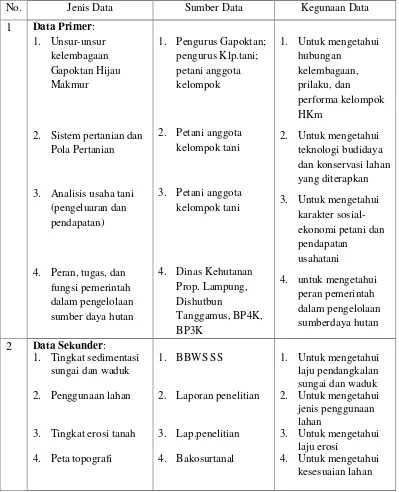
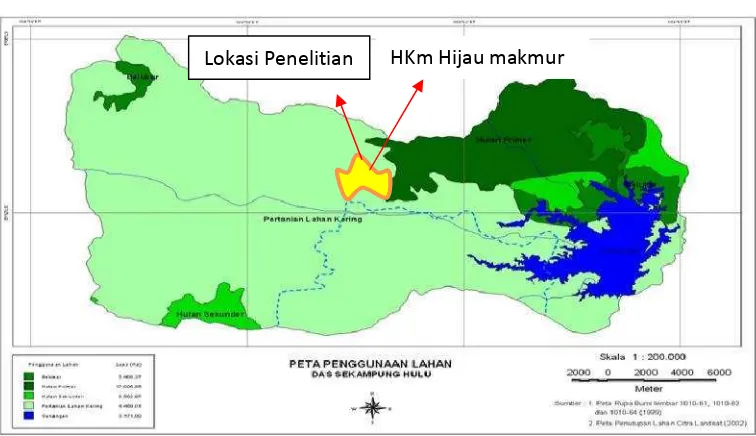
This subsection describes the specific location of the study in the Upper Sekampung Watershed, the duration of the research, and the various sources of data used. This may include government records, community documents, and data collected through field research. This section is critical for replication of the study and showcases how to select appropriate research sites and data sources based on research questions. This is valuable for students learning about research design in diverse fields, like social science, environmental studies and rural development.
3.2 Data Collection Techniques
Here, the specific methods used for collecting data are detailed. This likely involves describing the process of interviewing farmers, conducting surveys, and potentially observing community meetings or forest management activities. This section is critical for understanding the trustworthiness and quality of the data gathered. It is relevant to any student learning about qualitative and quantitative data collection methodologies, like social research or environmental science.
3.3 Data Analysis Methods
This section describes the techniques applied for analyzing the collected data. This might involve statistical analysis to examine relationships between variables or qualitative analysis to interpret interview data and observations. Justifications for choosing these methods, and their limitations, are clearly stated. This section showcases data analysis techniques relevant to students learning quantitative and qualitative data analysis across different disciplines, like environmental science, economics and sociology.
IV. Results: Institutional Analysis of Gapoktan Hijau Makmur
This section presents the empirical findings of the research. The findings on the relationship between institutional factors, farmer behavior, and performance of Gapoktan Hijau Makmur are presented and discussed. This section presents the results of the analysis of institutional change and its impact on group performance. It should include tables and figures to illustrate the key findings. The findings related to suitable institutional alternatives are also presented and discussed.
4.1 General Conditions of the Research Area
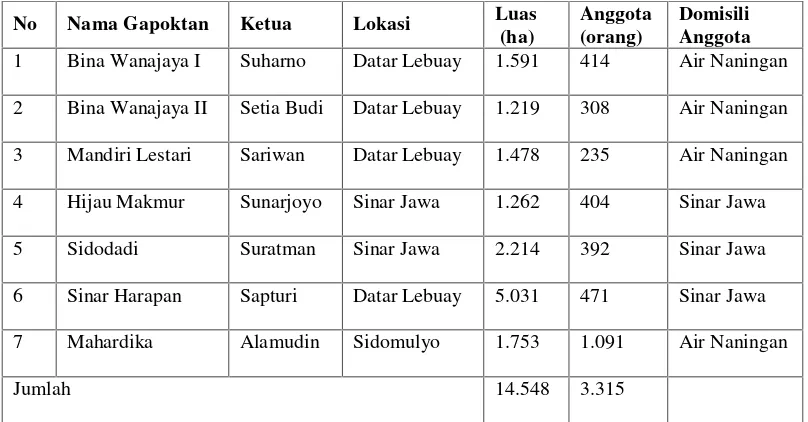
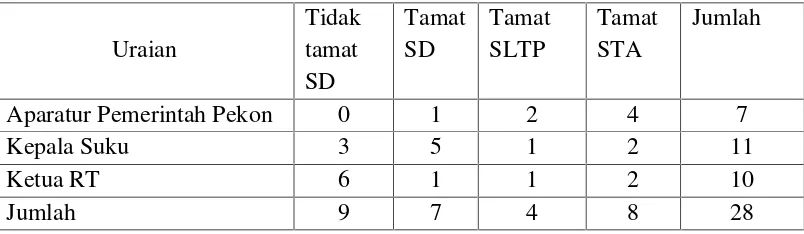
This section describes the environmental and socioeconomic characteristics of the Upper Sekampung Watershed and the surrounding communities. This sets the context for understanding the challenges faced by Gapoktan Hijau Makmur in managing forest resources. This demonstrates the importance of considering the environmental and social context when evaluating the performance of community-based organizations. It is relevant for students studying human geography, development studies and environmental science.
4.2 Institutional Analysis of Gapoktan Hijau Makmur
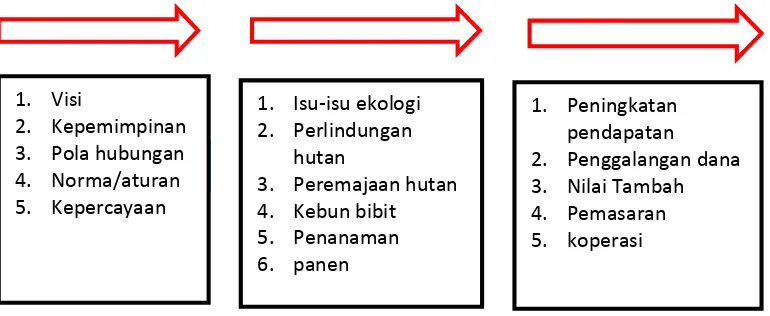
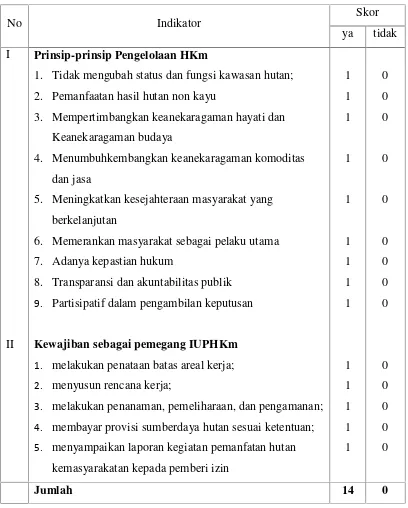
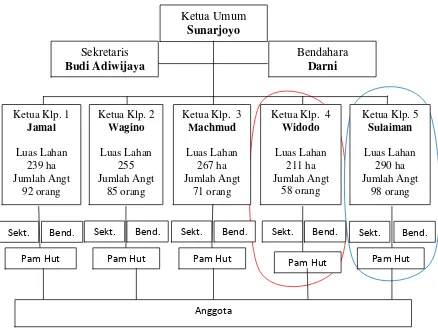
This subsection presents a detailed analysis of the Gapoktan Hijau Makmur’s institutional structure, its operational mechanisms, and the rules governing its activities. The analysis should cover aspects like jurisdiction, property rights, decision-making processes, and enforcement of regulations. This section demonstrates how institutional factors influence the behavior of farmers and the performance of the organization. This section is relevant for students studying organizational theory, governance, and public policy.
4.3 Relationship between Institutions, Behavior, and Performance
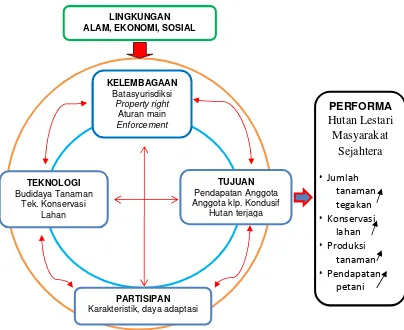
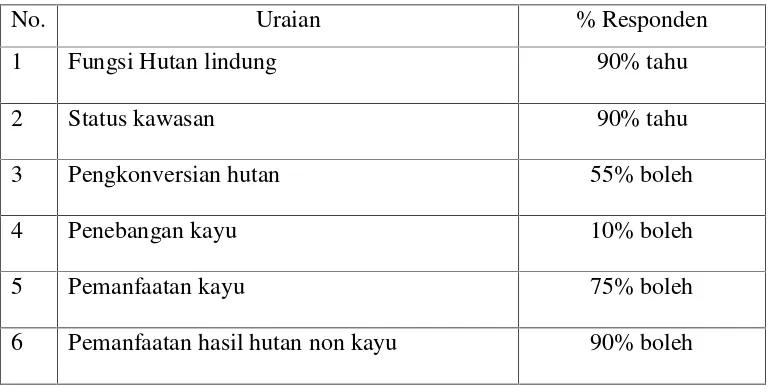
This subsection examines the relationship between the institutional framework of Gapoktan Hijau Makmur, the behavior of its members, and the overall performance of the group in terms of forest resource management. The impact of institutional arrangements on farmer behaviour and group performance is discussed in detail. It presents findings on how institutional changes influence group performance. This is directly relevant to students studying organizational behavior, resource economics, and rural development, providing real-world data on the impact of institutions on behaviour and resource management.
4.4 Institutional Engineering and Alternatives
This subsection details the proposed institutional changes to enhance the performance of Gapoktan Hijau Makmur. This might include recommendations on how to improve the clarity of rules, enhance decision-making processes, strengthen enforcement mechanisms, and improve coordination among various stakeholders. This is key to showing the practical application of institutional analysis and the development of tailored solutions to complex problems. This is relevant for students in public policy, institutional design, and development studies courses, highlighting solutions to common problems found in community organizations.
V. Conclusion and Recommendations
This section summarizes the key findings and their implications. The conclusions should address each of the research objectives. The recommendations should be practical and actionable, suggesting improvements for Gapoktan Hijau Makmur, policy recommendations for government agencies, and directions for future research. This section synthesizes the study’s contributions, bringing together the theoretical discussions and empirical findings.
5.1 Conclusion
This subsection summarizes the main findings of the research, addressing each of the research objectives. It briefly restates the key relationships identified between institutions, behavior, and performance within Gapoktan Hijau Makmur. The successes and failures of the existing institutional arrangements are highlighted, contextualized within the broader issues of forest management in the Upper Sekampung Watershed. This section provides a succinct summary of the study's contributions, aiding reader comprehension and highlighting the academic value of the research.
5.2 Recommendations
This section presents specific recommendations based on the research findings. These recommendations could target Gapoktan Hijau Makmur, suggesting practical improvements to their organizational structure and operational processes. It should also provide policy recommendations for government agencies, potentially proposing adjustments to existing CFM policies or suggesting new initiatives. Finally, it should propose avenues for future research, outlining areas that require further investigation. This section demonstrates the practical utility of the research, applying the findings to inform both organizational practice and public policy.
Referensi Dokumen
- AAK, 1989