Informasi Dokumen
- Penulis:
- Adityas Christian Widiatmoko
- Pengajar:
- Fajar S. Handayani, ST, MT
- Ir. Budi Laksito
- Sekolah: Universitas Sebelas Maret
- Mata Pelajaran: Teknik Sipil
- Topik: Kajian Terhadap Strength, Weakness, Opportunities, Threats Kontraktor Dalam Industri Jasa Konstruksi Sub Bidang Bangunan Gedung Dan Perumahan
- Tipe: skripsi
- Tahun: 2009
- Kota: Surakarta
Ringkasan Dokumen
I. INTRODUCTION
This section introduces the significance of the construction industry, specifically focusing on small-scale contractors in Surakarta. It highlights the critical factors influencing project success, including time management and internal and external factors affecting contractor performance. The introduction establishes a foundation for understanding the challenges faced by contractors in a competitive environment and sets the stage for the SWOT analysis methodology employed in the research.
1.1. Background
The background section discusses the complexities of construction projects, emphasizing the importance of timely completion and adherence to contractual specifications. It outlines the internal factors, such as financial resources and team dynamics, and external factors, including political and economic influences, that affect contractor performance. This context is crucial for understanding the subsequent analysis of strengths and weaknesses.
1.2. Problem Statement
This subsection formulates the research questions regarding the internal and external factors impacting small-scale contractors in Surakarta. It seeks to identify whether these contractors are adequately equipped to respond to opportunities and threats in the construction industry. This clear articulation of the problem guides the research focus and objectives.
1.3. Research Objectives
The objectives of the research are outlined, focusing on identifying the internal and external factors affecting small-scale contractors and assessing their competitive position. This section underscores the study's relevance to both academic inquiry and practical applications in the construction industry.
1.4. Research Benefits
This subsection discusses the expected benefits of the research, including insights into the competitive landscape for small-scale contractors and strategies for enhancing their market position. The implications for educational outcomes are emphasized, as the findings can inform curriculum development and training programs for civil engineering students.
II. THEORETICAL FRAMEWORK AND LITERATURE REVIEW
This section reviews existing literature on the construction industry, focusing on the roles and challenges faced by contractors. It discusses the importance of strategic management and the application of SWOT analysis as a tool for evaluating contractor capabilities. This theoretical framework provides the necessary context for the empirical analysis that follows.
2.1. Literature Review
The literature review covers key concepts related to the construction industry, including the roles of various stakeholders and the significance of project management. It establishes a theoretical basis for understanding the dynamics of the construction market and the factors influencing contractor success.
2.2. Theoretical Foundations
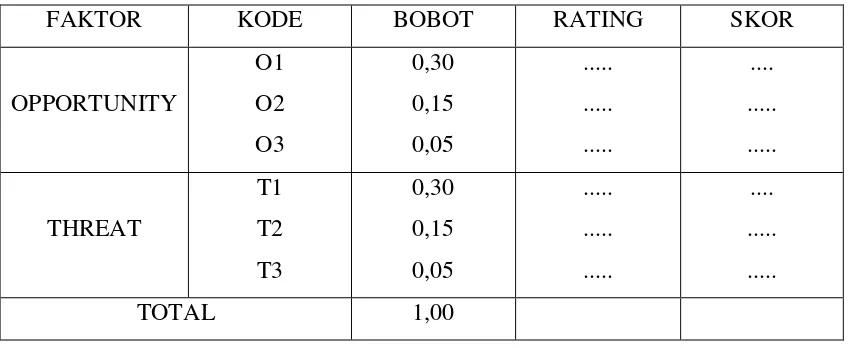
This subsection introduces the theoretical underpinnings of the study, particularly the SWOT analysis framework. It explains how SWOT can be utilized to assess internal strengths and weaknesses alongside external opportunities and threats, thereby guiding strategic decision-making for contractors.
III. RESEARCH METHODOLOGY
This section outlines the research design, including data collection methods and analysis techniques. It emphasizes the use of descriptive analysis to evaluate the status of small-scale contractors and the application of both qualitative and quantitative data to support the findings.
3.1. Research Preparation
The preparation phase includes defining the research scope and selecting appropriate data collection methods, such as surveys and interviews. This systematic approach ensures that the research is well-structured and focused on relevant factors affecting contractors.
3.2. Research Subjects
This subsection specifies the target population for the study, which includes small-scale contractors in Surakarta. It highlights the importance of selecting a representative sample to ensure the validity and reliability of the research findings.
IV. ANALYSIS AND DISCUSSION
This section presents the analysis of collected data, focusing on the identification of internal strengths and weaknesses as well as external opportunities and threats. The findings are discussed in relation to the research objectives, providing insights into the competitive positioning of small-scale contractors.
4.1. Data Analysis
The data analysis section details the statistical methods used to evaluate survey responses and interview data. It emphasizes the importance of rigorous analysis in deriving meaningful conclusions about contractor performance and market dynamics.
4.2. Survey Results
This subsection summarizes the key findings from the surveys conducted with contractors. It highlights specific strengths, such as financial stability and teamwork, as well as weaknesses related to resources and market presence, providing a comprehensive overview of the current state of small-scale contractors.
V. CONCLUSIONS AND RECOMMENDATIONS
The final section summarizes the key findings of the research and offers recommendations for small-scale contractors to enhance their competitive position. It discusses the implications of the study for educational practices in civil engineering and strategic management.
5.1. Conclusions
The conclusions drawn from the research underscore the importance of strategic planning for small-scale contractors. It highlights the need for continuous improvement in internal capabilities to better respond to external challenges.
5.2. Recommendations
This subsection provides actionable recommendations for contractors to leverage their strengths and address weaknesses. It emphasizes the role of education and training in equipping contractors with the necessary skills to thrive in a competitive environment.
Referensi Dokumen
- Manajemen Proyek dari Konseptual sampai Operasional ( Iman Soeharto )
- Manajemen stratejik ( Sondang P. Siagian )
- Pengantar Manajeman Infrastuktur ( Robert J. Kodoatie, Ph.D. )
- Countruction Project Management ( Peter Fewing )
- Asas Kebebasan Berkontrak ( Bambang Poerdyatmono )