“INTEGRATING RESEARCH COMMUNITY OUTREACH AND SERVICE
LEARNING”
© Soegijapranata Catholic University, 2013
Soegijapranata Catholic University Press
Pawiyatan Luhur Street IV/1, Bendan Dhuwur, Semarang, Central Java, Indonesia Phone. (+62) 24-8316142-441555 (hunting), ext. 121, Fax. (+62) 24-8415429, 8445265 e-mail : [email protected]
and Health
Integrating Research Community Outreach and Service
Learning
At
Soegijapranata Catholic University,
May 22
nd- May 23
rd, 2013
Supported By:
Published By
Soegijapranata Catholic University Press
PAGE
Preface
1Keynote. Nurturing Solidarity Through Ecology: The Use of Footprint-Based Indices
Budi Widianarko 2
WFE I Class
WFE I-1. Sourdough Bread : Processing, Flavor and Health Benefits
(VictoriaKristina Ananingsih and Laksmi Hartayanie) 17
WFE I-2. Utilization of
Stevia rebaudianaand Its Health Benefits
(Vincent KevinTejo and Victoria Kristina Ananingsih) 28
WFE I-3. The Potential Chito-Oligosaccharide (COS) and Rice Bran As A Source of
Natural Prebiotic and the Synbiotic Effect in Functional Food
(Agnes SriHarti, Anis Nurhidayati, and Desi Handayani) 35
WFE I-4. Bifidobacteria As Potential Probiotic In Yogurt
(Laksmi Hartayanie andVictoria Kristina Ananingsih) 41
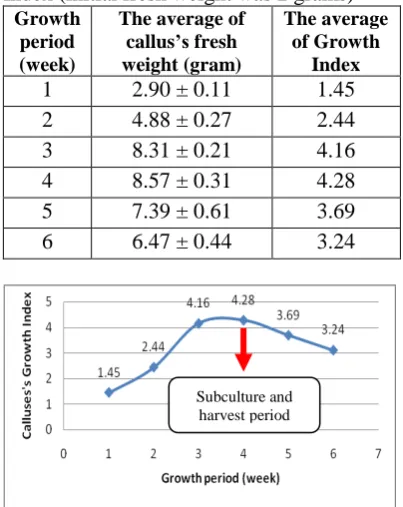
WFE I-5. Initiation of Callus Cultures of Cantaloupe Melon (Cucumis melo
L.) and
Detection of Its Beta-Carotene Content
(Tjie Kok, Xavier Daniel, TheSandy Kristianti 56
WFE I-6. Characterization of the Polymerisation of Furfuryl Alcohol during Roasting
of Coffee
(Yuliana Reni Swasti and Michael Murkovic) 61WFE I-7. Integrating Research in Food and Health: A Case of Promoting Health by
Glucosinolates in Brassica Vegetables
(Probo Y. Nugrahedi, Novita IkaPutri, R.Verkerk, M.Dekker, and B. Widianarko) 70
EDS II Class
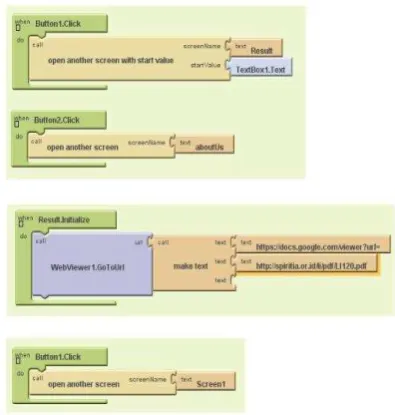
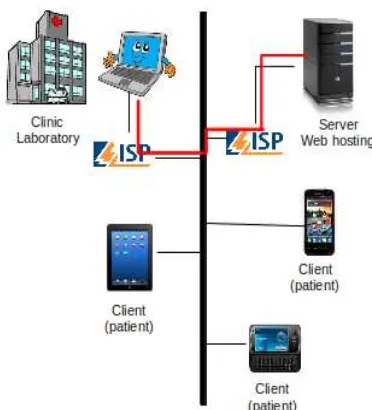
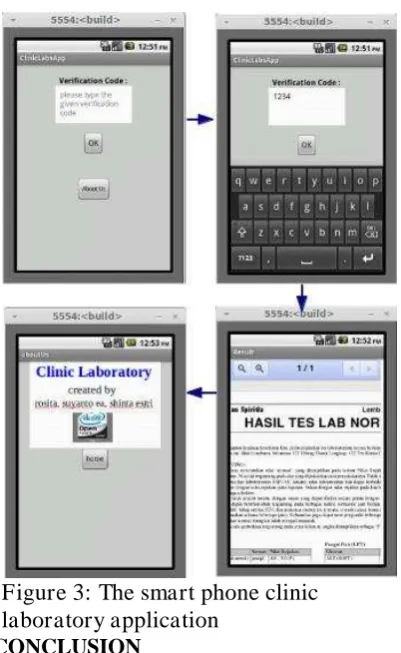
EDS II-2. The clinic laboratory smart phone application
(Rosita Herawati, SuyantoEA, and Shinta Estri Wahyuningrum) 77
EDS II-3. Game Development for Environmental Preservation
(Viena Patrisiane,Stephani Inggrit S.D, and Ridwan Sanjaya) 81
EDS II-4. Design Concepts of Sustainable Coastal Tourism Development in Indonesia
(Gerarda Orbita Ida Cahyandari) 87
EDS I-3. A conceptual framework of the Application of Game Theory on carbon tax
between Annex I Country and non Annex I country by maximizing value of
Nugroho, Budiyono, Sri Winarni, and Sutopo Patria Jati) 104
WFE II Class
WFE II-2. Green Manufacturing Implementation Base On Small and Medium
Entrepreneurs' Perception
(Augustine Eva Maria Soekesi) 112WFE II-4. E-Health Drinking Water Refill Quality Assurance Towards The Healthy
Indonesia
(Dewi Agustini Santoso and Dwi Eko Waluyo) 120WFE II-5. Blue ratio: Millenium Approach Over Water Efficiency Measurement
(King Yuwono and Y. Andry Putranto) 128
WFE II-6. Handling of Heavy Metals in Liquid Waste Metal Coating Industry with
Microbes
(Mardiyono) 135WFE II-7. Metals contamination in aquaculture ponds of Semarang - Indonesia: food
safety consideration
(Bernadetha Soedarini) 144ESL Class
ESL-1. Environment and Health: The educational and multiplier aspect
(AloysiusRusli) 155
ESL-3. Implementation of Service Learning for Environmental Action in Civil
Engineering
Dept.
Soegijapranata
Catholic
University
(RudatinRuktiningsih and Budi Santosa) 161
ESL-4. Application of Organic Agricuture in the Sukun District Malang As A
Strategy For Health and Environmental Education
(Kukuk Yudiono) 170ESL-5. Using Service-Learning in an Agricultural Area in Gintungan to Address
Environmental Issues
(Rully Adi Nugroho and Sucahyo) 178ESL-6. Improving Learning Output of Science Education Course Through Service
Learning Program In SDK Sengkan and SDK Kalasan, Yogyakarta
(A.TriPriantoro and Silverio R.L. Aji Sampurno) 183
ESL-7. Growing Student Sense of Caring on Community Health Problems Within
Nutrition and Health Science Course
(Luisa Diana Handoyo) 190ESL-8. Service Learning in Smallholder Dairy Farming Area : Case Study on
Sidomakmur I Farmer Group, Gedang Anak Village, East Ungaran District,
Semarang Regency
(Lutfi Aris Sasongko and Helmy Purwanto) 196EDS I Class
EDS I-1. Interrelationship Among Educational Attainment, Poverty Incidence, Life
EDS I-4. The Concept of Green Manufacturing
(Rekzy Yunanto, Meiryana, andRustina Untari) 225
EDS I-5. Natural Dyes in Java Batik : Local Knowledge on Green Manufacturing
(Rustina Untari) 233
EIJ Class
EIJ-1. Analysis of The Lapindo Mudflow in Sidoarjo
–
East Java
(Daniel SugamaStephanus and Taufik Chairudin) 236
EIJ-2. Execution of the Mediation Agreement Out of Court on the Environmental
Conflict
(Hassanain Haykal and F inalia) 246EIJ-3. Criminal And Administrative Law Enforcement For Business Actors As An
Effort To Minimalize Environmental Pollution
(Hassanain Haykal andVincent Leo Saputra) 254
EIJ-4. Environment-Based Budget Policy for Sustainable Development in Indonesia
(Joko Tri Haryanto) 263
EHE& EHP Class
EHE-1. Myopic Models of Addictive on Cigarette in Indonesia
(Noor Syaifudin) 270EHE-2. Case Study: Correlation Between Climate Variability and Dengue
Hemorhagic Fever (DHF) Incidence in Semarang City During 2002-2011
(Riska Khausarani Minanda, Budiyono, Sri Winarni, and Sutopo PatriaJati) 279
EHP-1. Effectiveness of Mindfulness-Based Stress Reduction Therapy in High
School Environment
(Agustina Ari Handayani) 287EHP-2. The Impact of Knowledge and Attitude Toward Green Cosmetic Purchase
Decision
(Lina and Devinta F ulvia Alvianji) 292EHP-3. Mother's perception of the operating system, product attributes and the
Planning and Development
(F X Pranoto Dirhan Putra) 308EDM-2. Barriers to Energy Efficiency in Indonesia: A COMPARISON Across 3
Asian Countries
(Dhani Setyawan) 314EDM-4. The Disaster Risk Management for Women Home Based Workers
(DanielSugama Stephanus) 327
EDM-5. Impact of Climate Change on Human Health
(Yonathan Suryo Pambudi,Angelika Jeany Nathalia, F ransiska, and Purwanti Asih Anna Levi) 334
WFE II-1. The Quality Changes of Black Tiger Shrimp (Penaeus monodon) During
Handling By Seafood Service Establishments
(Inneke Hantoro, ItaInternational Conference on Environment and Health, 22-23 May 2013, Soegijapranata Catholic University, Indonesia 1
PREFACE
This Conference Proceedings contains the written versions of all full paper contributions
presented in the International Conference on Environment and Health (www.inceh.org). The
conference took place at the Theather Room, Thomas Aquinas Building, Soegijapranata Catholic
University campus in Semarang
–
Indonesia, May 22
–
23, 2013.
The conference was intended as a forum for the discussion of the scientific findings in the area of
environment and health and their implementation in the community. Special session is dedicated
to environment service learning featuring a number of service learning projects in leading
universities in Indonesia as part of SLEA (Service Learning for Environmental Action) projects.
Participants at this conference included a wide spectrum of audiences (policy makers,
representative of industry, non-governmental organizations, researchers, academicians and
students), which have interest on environment and health.
The conference covered a wide variety of environment and health concerns, therefore topics
include among others but not limited to:
Environmental Health and Epidemiology
Environment and Health Psychology
Environment and Disaster Management
Environmental Inequalities and Justice
Environment Degradation and Social Problems
Water, Food, and Environment
Environmental Service Learning
We would like to thank all participants for their contributions to the Conference program and for
their contributions to this Proceedings. It is our pleasant duty to acknowledge the financial
support from the United Board for Christian Higher Educations in Asia (UBCHEA). We do hope
that International Conference on Environment and Health (INCEH) will become annual event
hosted by Soegijapranata Catholic University
The Editors,
Prof. Dr. Y. Budi Widianarko, M.Sc Probo Yulianto Nugrahedi, STP., MSc Novita Ika Putri, STP
Irayudi Lazuardi
International Conference on Environment and Health, 22-23 May 2013, Soegijapranata Catholic University, Indonesia 2
NURTURING SOLIDARITY THROUGH ECOLOGY: THE USE OF
FOOTPRINT-BASED INDICES
Budi Widianarko
Graduate Program on Environment and Urban Studies, Soegijapranata Catholic University, Semarang, Indonesia
ABSTRACT
Driven by the need for a tool to compare the extent of current depletion of ecosystem‟s products or services between various human activities as well as geographical areas the past decade has witnessed a prolific derivation and utilization of footprint based environmental indices (FEIs). Scientists, activists and policy makers engaged with environmental issues are all now familiar with FEIs, such as ecological footprints, carbon footprints, water footprints and virtual water. The most distinctive feature of FEIs is their comparability. FEIs facilitate a quantitative and yet simple comparison of environmental burden of different human activities - expressed in terms of “consumption” of
ecosystem‟s components (water, land, carbon, etc). Although several critics have pointed out FEIs‟ weaknesses, their quantitative and straight-forward nature, however, keep them exciting in practice. Ecology is not just an academic and scientific discipline. It also serves as an ethical principle. In ecology, coexistence is regarded as the most important aspect of life. One core value to support coexistence is solidarity. It is therefore imperative to promote the value of solidarity in ecological study. Comparison of one or more FEIs values among countries as well as among contrasting segments of population within a country may serve as an excellent trigger for awareness of ecological-solidarity. To optimize the nurture of solidarity through the ecological study the use of
service-learning methodology is a viable option.
Keywords: FEIs - ecology – service learning - solidarity
INTRODUCTION
As environmental problems is becoming
more and more globalized, accordingly
there is a need for common yardsticks
which can be used for comparison across
geographical as well as socio-economic
zones. To compare the extent of current
depletion of ecosystem‟
s products or
services by regions or areas and by various
human activities common indices are
needed. The past decade has witnessed a
prolific derivation of such environmental
yardsticks, in particular those based on
footprint calculation. Scientists, activists
and
policy
makers
engaged
with
environmental issues are all now familiar
with FEIs, such as ecological footprints,
carbon footprints, water footprints and
virtual water. Currently, FEIs enjoy high
popularity, not only in developed countries
but also in developing countries, including
Indonesia (see e.g. nation-wide water
footprints assessment report by Bulsink
etInternational Conference on Environment and Health, 22-23 May 2013, Soegijapranata Catholic University, Indonesia 3
The use of FEIs is attractive because its
single value can describe a complex
phenomenon, i.e. human consumption.
As mentioned earlier, these indices open
possibilities for comparisons
–
e.g.
between countries, regions, community
and even households or individuals. FEIs
facilitate a quantitative and yet simple
comparison of environmental burden of
different human activities - expressed in
terms of “consumption” of ecosystem‟s
components (water, land, carbon, etc). In
other words, comparability is the most
distinctive feature of FEIs. Moreover, in
the light of more globalized media, news
on
world rank of a country‟s FEI
s easily
attracts public attention. A news from
Reuter entitled “
Indonesia world's No. 3 greenhouse gas emitter: report”
, for
example, looks more eye catching than
news on solid wastes disposal into a river
(Widianarko, 2012).
One ethical implication of comparing
environmental burden or emission of
different regions and human activities is
solidarity. Climate change for instance, is
not a uniform process, especially in terms
of causes and impacts. Carbon footprints
of countries vary. Likewise, different
countries will face different impacts,
depending on their geographical position
and features. In this case, countries with
larger carbon footprints do not necessarily
face a higher impact. This is why
involving the value solidarity in climate
change discourse is highly relevant.
Ecology
as
the
main
pillar
of
environmental science is not just an
academic
and
scientific
discipline.
Ecology also serves as an ethical principle.
Ecological ethics is part of applied ethics
which looks at the moral basis of our
responsibility toward the environment.
Many authors, e.g. Capra (1982, 1996,
2002); Goldsmith (1998); Cairns (2002)
and
Bordeau
(2004)
asserted
that
ecological world view as a way to
circumvent
the
environmental
crisis.
Ecological world view was seen by its
proponents as a new paradigm to unravel
public problems (Capra, 1982; Goldsmith,
1998). Although the term
environmentalservice learning
is rather new (Madigan,
2000), environmental science (ES) and
service-learning
(SL) seem to be a perfect
pair. Ward (1999) stated that these two
fields have a natural fit. Since ES and SL
are both value laden, ecological studies
employing service learning methodology
will drive the learners to also learn their
roles as citizens. In fact, ESL promotes
good environmental citizenship values,
including solidarity.
The present paper highlights the strengths
International Conference on Environment and Health, 22-23 May 2013, Soegijapranata Catholic University, Indonesia 4
their critics. The potential use of FEIs in
nurturing the value of solidarity through
the study of ecology is also discussed. In
this paper only two FEIs will be used as
the illustration, namely
carbon footprintand
virtual water.
STRENGTHS AND WEAKNESSES OF
FEIs
The most important strength of FEIs is
their quantitative and straight-forward
nature which keeps their application
exciting. In practice, an FEI is attractive
because its single value can describe a
complex
phenomenon,
i.e.
human
consumption. In addition, comparability is
the most distinctive feature of FEIs. FEIs
facilitate a quantitative and yet simple
comparison of environmental burden of
different human activities - expressed in
terms of “consumption” of ecosystem‟s
components (water, land, carbon, etc).
However, the underlying concepts or
theories of these indices still need to be
scrutinized (see e.g. Widianarko, 2012).
Ecological footprint
is among the first
derived FEIs. Other FEIs, such as carbon
footprint and water footprint, are actually
derived from
ecological footprint.Initially,
ecological footprint
was proposed by
Wackernagel and Rees as a measure of the
sustainability of consumption by human
population
(Ewing
et al.,2008).
Ecological footprint
converts human
consumption into land used in production,
along with the hypothetical land area
needed to assimilate the corresponding
wastes. The use of
ecological footprintis
attractive due to the fact that it condenses a
complex set of consumption down into a
single number, i.e. global hectares.
However,
the
assumption
behind
ecological footprint
calculations have been
extensively criticized (Fiala, 2008). When
analyzing
the
connection
between
development and environmental impact
using
ecological footprint, Moran
et al.(2008) found that there is a striking
relationship between the countries‟ stage
of development and their footprints. The
finding of this analysis that Cuba is the
only country which has a minimally
sustainable footprint along side with its
minimum level of development has
triggered many criticisms.
One of the problems with
ecologicalfootprint
calculation
related
to
the
dominance of energy which typically
constitutes more than 50% of the
footprints of most high and middle income
countries. This dominance is due to the
land area needed to sequester greenhouse
gases. While there is an actual need to
International Conference on Environment and Health, 22-23 May 2013, Soegijapranata Catholic University, Indonesia 5
environmental standpoint it is unclear
whether all greenhouse gases should be
assimilated or eliminated (Fiala, 2008).
Another strong criticism is related to the
fact that
ecological footprintcalculation is
based on
ex-poststatic input-output
analysis, while what is needed is an
ex-ante
scenario (Ferng, 2009). Moreover,
Ferng (2009) asserted that
ecologicalfootprint
calculation failed to take into
account the land multipliers factor. The
relationship between the level of output of
a sector and its land requirement may
differ between sectors. Crop production is
usually proportional to the cultivated land,
assuming similar fertility and cultivation
practices. However, the same does not
hold
for
manufacturing,
commercial
buildings and infrastructures usually do
not necessarily change proportionally with
the output. In short, FEIs actually still
suffers from a number of scientific
drawbacks.
CARBON
FOOTPRINT
AND
VIRTUAL WATER
An FEIs which has received a world-wide
greater attention is
carbon footprint.One
way to measure an individual, organization
or nation
‟s
contribution to climate change
is by means of
carbon footprint. It has
become a widely used term and concept in
the discourse on global climate change.
The term carbon footprint is rooted in the
concept of an ecological footprint. The
ecological
footprint
concept
was
established by Mathis Wackernagel and
William Rees at the University of British
Columbia in the early 1990‟s.
The
ecological footprint calculation is designed
to embody the human consumption of
biological resources and the generation of
waste in terms of a utilized ecosystem
area, as
compared to the biosphere‟s
productive capacity in a given year (Ewing
et al.
, 2008).
Carbon footprint
stands for a certain
amount of gaseous emissions that are
relevant to climate change and associated
with human production or consumption
activities (Wiedmann & Minx, 2008).
While its baseline definition is widely
accepted, so far there is no consensus on
how to quantify
carbon footprint.It is
ranging from direct CO2 emissions to full
life-cycle greenhouse gas emissions - and
no standard unit of measurement agreed
upon.
Virtual Water
is another example of FEIs.
The concept of
virtual waterhas been in
place since 1996 initiated by Profesor J.A.
Allan (Qadir
et al.,2003; SIWI, IFPSRI,
ISUCN, IWMI, 2005). Essentially, the
virtual water
concept is based on a
International Conference on Environment and Health, 22-23 May 2013, Soegijapranata Catholic University, Indonesia 6
trade in water”.
Water is needed to
produce food, accordingly SIWI, IFPSRI,
ISUCN, IWMI (2005) stated that “
The total amount of water used to produce acrop is referred to as
virtual water”.
The
international food trade can therefore
consequently be equated to virtual water
flows”.
Table 1 below shows the
virtual watercontents of several food materials
and products.
Virtual wateris the water
that is virtually embedded in traded
commodities. It refers to the
waterfootprint
of a commodity in the place of
production (
www.waterfootprint.org).
Table 1. Virtual Water contents of several food-stuffs and products
Product/Foodstuff Virtual Water Product/Foodstuff Virtual Water
Wheat (l/kg) 1150 Beef (l/kg) 15977
Bread (l/kg) 1333 Hamburger (l/kg) 16000
Rice (l/kg) 2656 Chicken meat (l/kg) 2828
Corn (l/kg) 450 Egg (l/kg) 4657
Potato (l/kg) 160 Milk (l/kg) 865
Potato Crisp (l/kg) 925 Cheese (l/kg) 5288
Soybean (l/kg) 2300 Apple (l/kg) 700
Coffee (l/l) 1120 Apple Juice (l/l) 900
FAO & IFAD (2006); Hoekstra & Chapagain (2007)
The underlying motivation of
virtual waterderivation is
the rapidly increasing world‟s
population which leads to increasingly
scarce water resources in the world. In this
case, food production is considered as the
largest user of the world‟s water, i.e. more
than 80%. To compensate for the deficit of
water and food needs, many countries have
chosen to import food from abroad. In this
context, water contained in imported food
referred to as
virtual water(Hoekstra and
Hung, 2005). In recent years, the
interpretation of
virtual waterhas been
expanded which refers to the water
required
to
produce
agricultural
commodities and industrial goods. The
volume and pattern of consumption and
the
virtual waterper ton of product of the
products consumed are the main factors
determining the
water footprintof a
consumer (Hoekstra & Mekonnen, 2012).
Consumption patterns therefore affect the
use of water. A comparison of different
consumption
patterns
can
then
be
expressed in terms of
virtual water.
ECOLOGY, SERVICE LEARNING
AND SOLIDARITY
Ecology is not just an academic and
scientific discipline. It also serves as an
ethical principle. In ecology, coexistence is
regarded as the most important aspect of
life. One core value to support coexistence
is solidarity. It is therefore imperative to
promote the value of solidarity in
International Conference on Environment and Health, 22-23 May 2013, Soegijapranata Catholic University, Indonesia 7
more FEIs values among countries as well
as
among
contrasting
segments
of
population within a country may serve as
an excellent trigger for awareness of
ecological-solidarity. To optimize the
nurture of solidarity through the ecological
study the use of SL methodology is a
viable option.
SL
is recently becoming an attractive
learning method which has been applied
across educational levels, including higher
education. The growing interest on SL
among universities is most likely due to its
multitude promises, i.e. the learning
outcomes, beyond conventional learning.
As formulated by EPA (2002) SL is a
method of encouraging student learning
and
development
through
active
participation in considerately organized
service that is conducted in, and meets the
needs of, a community. Seifer & Connors
(2007) stated that SL presents the students
with
“transformational
learning
experiences” for it increases community
understanding among faculty and brings
new directions and confidence to the
teaching and scholarly pursuits of the
faculty
involved;
moreover
it
can
contribute to social-economic benefits to
the community partners.
Despite of its multitude pedagogical
advantages, it is only quite recently that SL
has been applied in natural science
education. SL has, for quite a while, been
associated merely with social sciences and
underrepresented
in
natural
sciences
(Curry
et al.,2002). However, when it
comes to environmental studies (ES) SL
seems to be the perfect match. Ward
(1999) even stated that these two fields
have a natural fit. The combination of
these two is frequently referred to as
environmental
service-learning
(ESL)
(Madigan,
2000).
Through
this
amalgamation, the notion of community is
broadened, not only limited to human
community but also embracing natural
community.
Both SL and ES are two value laden
domains. Interestingly, these values are
compatible. As mentioned earlier, through
SL students will not only learn a subject
while providing direct community service
but they will also learn their roles as
citizens. In fact, SL promotes good
citizenship values, in terms of rights and
responsibilities of individual in his or her
community (Madigan, 2000).
Ecology as the main pillar of ES is not just
an academic and scientific discipline.
Ecology also serves as an ethical principle.
Ecological ethics is part of applied ethics
which looks at the moral basis of our
International Conference on Environment and Health, 22-23 May 2013, Soegijapranata Catholic University, Indonesia 8
Several thinkers, e.g. Capra (1982, 1996,
2002); Goldsmith (1998); Cairns (2002)
and Bordeau (2004) put their hopes on
ecological world view as a way to get out
of the environmental crisis deadlock.
Ecological world view was seen as a new
paradigm to solve public problems (Capra,
1982; Goldsmith, 1998). As a substitute
for mechanical world view, ecological or
system paradigms place the total above the
parts, process
above structure, and
relativity above the absolute understanding
of external world, knowledge network and
information and acclaim. Assumptions in
system paradigm require new set of ethics,
which are more supporting of life instead
of
destroying,
recognizing
interconnectedness of every objects and
knowing of humans‟ place in the network.
According to Merchant (1994) human
perspective is shifting from mechanistic
reductionist
–
as the product of the ethics
of
domination
of
nature
of
the
Enlightenment
–
towards an ecological
world
view
which
is
based
on
interconnectedness, process, and open
system.
As defined by Kinne (1997, 1998, 2001,
2002) in Cairns (2002) eco-ethics refer to
the principal importance of ecological
dynamics for all forms of life on earth.
Without natural environment, no human
will be able to survive. Rigoberta Menchu,
a Nobel Peace Laureate from Guatemala,
once said that “n
othing is larger than life
coexistence” (see Widianarko, 2007).
Everyone would agree that in their entire
history
Homo sapiensdepend entirely on
the biosphere as a life support system,
either as natural capital or ecosystem
service (Hawken
et al.,1999). Along with
the spirit of life coexistence, each human
person has responsibilities toward his or
her
immediate
as
well
as
larger
community, i.e. global ecosystem. To
protect global ecosystem a collaborative
global response is required. Leadership
and
acceptance
of
differentiated
responsibilities must be at the heart of any
global environmental agreement (see e.g.
Widianarko, 2010).
If peaceful and equitable life coexistence is
the
ultimate
vision
of
the
global
community, education has a deep moral
obligation to promote the value of
solidarity. Solidarity is certainly not a new
concept in any religious teachings. In
Catholicism, Pope John Paul II pled for
solidarity
in his address, “From the Justice
of Each Comes Peace for All” for the
celebration of World Day of Peace, 1
January 1998 wrote
International Conference on Environment and Health, 22-23 May 2013, Soegijapranata Catholic University, Indonesia 9 and disturbing questions. What will be the
effect of the changes taking place?
Will everyone be able to take advantage of
a global market? Will everyone at last
have a chance to enjoy peace? Will
relations between States become more
equitable, or will economic competition
and rivalries between peoples and nations
lead humanity towards a situation of even
greater instability?
For a more equitable society and a more
stable peace in a world on the way to
globalization, it is an urgent task of the
International Organizations to help
promote a sense of responsibility for the
common good. But to achieve this we must
never lose sight of the human person, who
must be at the centre of every social
project. Only thus will the United Nations
become a "family of nations", in
accordance with its original mandate of
"promoting social progress and better
standards of life in larger freedom". This
is the path for building a world community
based on "mutual trust, mutual support
and sincere respect". The challenge, in
short, is to ensure a globalization in
solidarity, a globalization without
marginalization. This is a clear duty in
justice, with serious moral implications in
the organization of the economic, social,
cultural and political life of nations.”
Climate
change
and
other
global
environmental challenges have confronted
the global community with the challenge
of building an equitable society. To
achieve an equitable society we cannot
rely only on international organizations,
although they have managed to promote a
sense of responsibility for the common
good
among
nations.
The
global
community has a duty to ensure “a
globalization in
solidarity,
a
globalization
without marginalization”.
In the case of climate change, for example,
Stern & Noble (2008) endorsed three basic
criteria of global action, i.e. effectiveness,
efficiency, and equity. To respect the value
of life coexistence, equity should be in the
heart of all environmental decision
making. Wealthy countries are responsible
for the bulk of past emissions. The same
holds true for wealthy families or
individuals in a country. The deficiency of
the global agreement of on climate change,
has clearly demonstrated how countries are
still imprisoned by their own interests,
rather than seeking for a mutual win-win
solution (Widianarko, 2010). In other
words, the fight against climate change is
more a problem of ethics rather than
merely a technical obstacle.
While the discourse on climate change has
International Conference on Environment and Health, 22-23 May 2013, Soegijapranata Catholic University, Indonesia 10
and global arena, the solidarity dimension
is somewhat neglected. At the global level,
climate change is not a uniform process,
especially in terms of causes and impacts.
The contribution to the carbon footprint by
countries
varies.
Likewise,
different
countries will face different impacts,
depending on their geographical position
and features. Ironically, countries with
larger carbon footprints do not necessarily
face a higher impact.
The challenges posed by climate change
are
significant
and
demand
strong
commitment and leadership at all levels of
government and society. Moreover, the
interconnectedness of the environmental,
economic, political, social, and spiritual
challenges
is
becoming
increasingly
obvious, there is urgent need for what
Flemming (2009) called as “
shared vision
of basic values to provide an ethical
foundation for the emerging world
community
”. According to
Flemming
(2009) such a vision can be found in the
Earth Charter which provides sixteen
“interdependent
principles
for
a
sustainable way of life as a common
standard by which the conduct of all
individuals,
organizations,
businesses,
governments,
and
trans-national
institutions is to be guided and assessed”.
Principle 14 of the Earth Charter
emphasizes the need to “integrate into
formal education and life-long learning the
knowledge, values, and skills needed for a
sustainable way of life” (Hessel, 2002
).
According to Flemming (2009) education
is critical in the promotion of sustainable
development and improving the capacity
of people to address environmental and
developmental issues. Education is also
critical in achieving environmental and
ethical awareness, values and attitudes,
skills
and
behavior
coherent
with
sustainable development, and for effective
public participation in decision-making.
As a spe
cial case, universities are “an
integral part of the global economy, and
since
they
prepare
most
of
the
professionals who develop, manage and
teach in society‟s public, private and non
-government institutions, they are uniquely
positioned to influence the direction we
choose to take as a society” (The Talloires
Declaration
1990
-
Association
of
University Leaders for A Sustainable
Future quoted in Flemming, 2009).
ESL seems to answer the above call. The
combination of ES and SL will, in fact,
nurture two compatible values, i.e. societal
and ecological citizenships. Ward (1999)
further notes that through ESL students
can see more clearly the impacts of
International Conference on Environment and Health, 22-23 May 2013, Soegijapranata Catholic University, Indonesia 11
policy implications at a grassroots level.
Moreover, environmental studies require
an outlook beyond students‟ immediate or
local
community
but
should
also
incorporate international engagement to
promote significant learning in higher
education (Parker
et al., 2004). As
suggested by Madigan (2000) promising
practices of ESL may include: (1)
encourages youth leadership and
decision-making; (2) integrates and values the
community voice; (3) fosters civic
stewardship; (4) provides opportunities for
cross-cultural connections; and, (5) plans
for the long-term sustainability.
THE APPLICATION
One way to measure an individual,
organization or nation‟s contribution to
climate change is by calculating its
“carbon footprint”. It has become a widely
used term and concept in the discourse on
global climate change. The term
carbonfootprint
is rooted in the concept of
ecological footprint
(Ewing
et al., 2008).
Regardless its limitation, however, the
carbon footprint
accounting now serves as
a tool for identification and comparison of
carbon
contribution
by
individuals,
organizations
or
nations.
Recently,
Hertwich & Peters (2009) proposed a new
calculation method which is based on a
single, trade-linked model of the global
economy. The model is claimed to offers
the most consistent global comparison
across countries currently available.
Table 2. Per Capita GHG Footprint of a Selection of Asian Countries in 2001
(Widianarko, 2010 adapted from Hertwich & Peters, 2009)
Hong Kong Japan Taiwan Korea Thailand Indonesia Philippines
Footprint [tCO2e/p]*
29.0 13.8 11,3 9.2 3,2 1.9 1,9
Domestic Share 17% 68% 68% 75% 78% 89% 76%
Population (million)
7.2 126.8 22.3 47.6 62.8 213.3 79.9
Construction 13% 14% 10% 11% 11% 8% 8%
Shelter 8% 12% 17% 15% 12% 20% 13%
Food 7% 11% 14% 12% 21% 28% 36%
Clothing 28% 4% 2% 3% 4% 1% 1%
Manufactured products
20% 15% 16% 12% 8% 4% 5%
Mobility
International Conference on Environment and Health, 22-23 May 2013, Soegijapranata Catholic University, Indonesia 12
Service 9% 18% 15% 19% 17% 16% 17%
Trade 7% 8% 7% 7% 2% 1% 4%
*) tCO2e/p =
tons of CO2 equivalent per capitaBased on Hertwich & Peters (2009)
calculation, we can see that there is a great
variation of per capita GHGs footprint
between countries in Asia (Table 2). The
Per capita carbon footprint of Hong Kong,
for example, is about 14 times higher than
those of Indonesia and the Philippines.
Globally, carbon dioxide emissions per
person are also very unequal and the gap is
widening. According to the concept of
equitable ecological space the “per capita
right to emit carbon dioxide” for a
sustainable carbon future is estimated at
1.8 tons CO
2(MacGregor & Vorley,
2006). This estimate represents the
estimated absorptive capacity of natural
carbon sinks, both on land and at sea.
Similarly, a closer look at each country
will probably reveal a highly unequal
distribution of carbon footprints between
segments of the population. So, carbon
footprint gaps can, indeed, be found
between countries, as well as between the
segments of a population within a country,
i.e. due to economic status, geographical
settlements or occupations.
A service-learning based study in three
different
settlements
revealed
the
effectiveness of
carbon footprintto trigger
the need for solidarity (Figure 1).
International Conference on Environment and Health, 22-23 May 2013, Soegijapranata Catholic University, Indonesia 13
Several lessons can be learned from this
SL activity (Widianarko
et al.,2010). In
general, two objectives of this project were
met, namely (1) to train students to master
the
carbon footprintcalculation and (2) to
put the results of the carbon calculation
into the context of solidarity. The second
objective of the activity was met after the
repeated reflection session, when a larger
proportion of student participants have
been starting to grasp how and what the
carbon footprint reflection is all about. The
successful application of the outcome of
this project, i.e. a new syllabus for
carbonfootprint
and Solidarity course, is not
improbable. The deliberate choice of
Service Learning approach has proven to
enable students to gain expertise in carbon
footprint calculation, and at the same time
to be able to make a reflection on the
solidarity aspect of
carbon footprint.
Similar to
carbon footprint,
virtual wateris another potential solidarity triggering
FEI. Two parallel studies on food
consumption of students
from
two
economically-contrasting high schools in
Semarang, Indonesia revealed significantly
different values of
virtual waterper capita,
expressed in liters of virtual water
consumed per week (Feronica, 2011 &
Pragunadi, 2011).
Figure 2. Comparison of Food-based Virtual Water of Students from Two High School in
Semarang
*) VIRTUAL WATER values are signicantly different (p<0.01) based on the two-sample t-test with Benferroni adjustment, sample sizes are, respectively 80 and 100 for High School A and B. The figure is adapted from
International Conference on Environment and Health, 22-23 May 2013, Soegijapranata Catholic University, Indonesia 14
Figure 2 showed that the gap of
virtualwater
between
students
from
two
economically
contrasting
schools
economically is almost 1,000 liters or
approximately 50,000 liters annually. This
difference can be explained by the
differences
in
consumption
patterns
(Feronica, 2011 & Pragunadi, 2011).
Learning from the
carbon footprintstudy,
it can be anticipated that application of SL
methodology in
virtual wateror
waterfootprint
study will provide an opportunity
to instill the spirit of solidarity among the
learners. If a reflection session is properly
designed, the technical issue
waterfootprint
gap can be naturally shifted to the
notion of solidarity.
EPILOGUE
Ecology is not just an academic and
scientific discipline. It also serves as an
ethical principle. In ecology, coexistence is
regarded as the most important aspect of
life. One core value to support coexistence
is solidarity. It is therefore imperative to
promote the value of solidarity in
ecological study.
Although several critics have pointed out
FEIs‟ weaknesses, their quantitative and
straight-forward nature, however, keep
them exciting in practice. Comparison of
one or more FEIs values among countries
as well as among contrasting segments of
population within a country may serve as
an excellent trigger for awareness of
ecological-solidarity.
One ethical implication of comparing
environmental burden or emission of
different regions and human activities is
solidarity. Carbon emission or water
consumption, for instance, is not a uniform
process, especially in terms of causes and
impacts.
Footprint
based
ecological
assessment,
i.e.
evaluation
of
environmental burden of different human
activities - expressed in terms of
“consumption”
of
ecosystem‟s
components, provides opportunity for
straight forward comparison. Along this
line, gap of footprint can also be easily
determined.
Employing SL methodology in FEIs
focused ecological studies may provide an
opportunity to instill the spirit of solidarity
among the learners. If a reflection session
of SL is properly designed, the technical
issue of FEIs gap can be naturally shifted
to the notion of solidarity.
REFERENCES
International Conference on Environment and Health, 22-23 May 2013, Soegijapranata Catholic University, Indonesia 15 Series No. 37. UNESCO-IHE Institute for
Water Education, University of Twente and Delft University of Technology.
Cairn Jr, J. (2002). Sustainability and sacred value. Ethics in Science and Environmental Politics 2002: 15-27.
Capra, F. (1982) Turning Point - Science, Society and the Rising Culture. Flamingo-HarperCollins Publishers. London.
_________ (1994). Systems theory and the new paradigm. In C. Merchant (ed.): Ecology, Key Concepts in Critical Theory. Humanities Press. New Jersey. p. 334-341.
_________ (1996). The Web of Life – A New Synthesis of Mind and Matter. Flamingo-Fontana Paperbacks. London.
_________ (2002). The Hidden Connections – A Science for Sustainable Living. HarperCollins Publishers. London.
Curry, J.M., G. Heffner & D. Warners (2002). Environmental Service-Learning: Social Transformation through Caring for a Particular Place. Michigan Journal of Community Service Learning. Fall 2002: 58-66
EPA (2002). Service-Learning. Education beyond Classroom. Washington D.C. Environmental
Protection Agency. 32 p.
Ewing B., S. Goldfinger, M. Wackernagel, M. Stechbart, S. M. Rizk, A. Reed & J. Kitzes (2008). The Ecological Footprint Atlas 2008. Global Footprint Network. Oakland.
FAO & IFAD (2006). Water for food, agriculture and rural livelihoods. In UN-Water: Water – A Shared Responsibility. The United Nations World Water Development Report 2. UNESCO & Berghann Books. Paris
– New York. p. 243-273
Ferng, J-J (2009). Applying input-output analysis to scenario analysis of ecological footprints. Ecological Economics 69: 345-354
Feronica, S. (2011). Study of Virtual Water Based on Food Consumption among Karangturi Senior High School Students in Semarang. BSc. Thesis. Food Technology Department – Soegijapranata Catholic University. 63 p.
Fiala, N. (2008). Measuring sustainability: Why the ecological footprint is bad economics and bad environmental science. Ecological Economics 67: 519-525
Fleming, M.L. (2009). Ecological sustainability: What role for public health education? Int. J. Environ. Res. Public Health
6: 2028-2040.
Goldsmith, E. (1998). The Way: An Ecological World-View. Revised and Enlarged edition. The University of Georgia Press. Athens.
Hawken, P., A. Lovins & L.H. Lovins (1999). Natural Capitalism: Creating Next Industrial Revolution. Little, Brown & Co. London. Hessel, D.T. (2002). The Earth Charter: Guide to a sustainable way of life. In Biodiversity Project: Ethics for A Small Planet. Biodiversity Project. Madison.
Hertwich, E.G. & G.P. Peters (2009). Carbon footprint of nations: A global, trade-linked analysis. Environ. Sci. Technol. 43: 6414-6420.
Hoekstra, A.Y. & P.Q. Hung. (2005). Globalisation of Water Resources: International Virtual Water Flows in Relation to Crop Trade. Global Environmental Change
15: 45–56
Hoekstra, A.Y. & A. K. Chapagain (2007). Water footprints of nations: Water use by people as a function of their consumption pattern. Water Resource Management 21:35– 48
Hoekstra, A.Y. & M. M. Mekonnen (2012). The water footprint of humanity. PNAS 109(9): 3232-3237
International Conference on Environment and Health, 22-23 May 2013, Soegijapranata Catholic University, Indonesia 16 Pope John Paul II for The Celebration of The
World Day of Peace, 1 January 1998.
MacGregor, J. & B. Vorley (2006). Fair
Miles? The concept of “food miles” through a sustainable development lens. Sustainable Development Opinion. The International Institute for Environment and Development (IIED). London
Madigan, P. (2000). The Environmental Service-Learning Research Project. Washington DC: Corporation for National Service National Service Fellowship Program. 89 P.
Moran, D.D., M. Wackernagel, J. A. Kitzes, S.H. Goldnger & A. Boutaud (2008). Measuring sustainable development - Nation by nation. Ecol. Econ. 64:470-474.
Parker, J., R. Wade & H. Atkinson (2004). Citizenship and community from local to global: Implications for higher education of a global citizenship approach. In J. Blewitt & C. Cullingford (Eds.), The sustainability curriculum: The challenge for higher education. Sterling, VA: Earthscan.
Pragunadi, N.G. (2011). Virtual Water Study Based on Food Consumption among Mataram Senior High School Students. BSc. Thesis.
Food Technology Department –
Soegijapranata Catholic University. 74 p.
Qadir, M., Th. M. Boers, S. Schubert, A. Ghafoor & G. Murtaza (2003). Agricultural water management in water-starved countries: Challenges and Opportunities. Agricultural Water Management 62: 165-185
Seifer, S.D. & K. Connors (Eds.) (2007).
Community Campus Partnerships for Health. Faculty Toolkit for Service-Learning in Higher Education. Scotts Valley, CA: National Service-Learning Clearinghouse.
SIWI, IFPRI, IUCN, IWMI (2005). Let It Reign: The New Water Paradigm for Global Food Security. Final Report to CSD-13.
Stockholm International Water Institute. Stockholm.
Stern, N. & I. Noble (2008). Achieving low carbon growth for the world: Key elements for a global deal. Development Outreach 10(1): 4-7.
Ward, H. (1999). Why is service-learning so pervasive in environmental studies programs?. In H. Ward (Ed.), Acting locally: Concepts and models for service-learning in environmental studies. Sterling, VA: Stylus. Widianarko, B. (2007). Can Hydrospirituality Ensure Water Sustainability?. Global Spiral (e-publication of Metanexus Institute. Philadelphia).
___________. (2010). Paving pathway to sustainable Asia: Enhancing the roles of Christian Higher Education
Institutions. Keynote Speech at the Biennial Conference, General Assembly of ACUCA. Keimyung University, Daegu, 1
Nov 2010.
___________. (2011). Service Learning in Environmental Sciences: Nurturing Two Compatible Values. Workshop on Service Learning for Environmental Action". Soegijapranata Catholic University & UBCHEA. Semarang, August 2, 2011.
___________. (2012).The Dilemma of Global Environmental Measures. Colloquium on
“Environmental Ethics in Practice: Climate Change, Nuclear Energy and Care”,
Soegijapranata Catholic University, July 21, 2012.
International Conference on Environment and Health, 22-23 May 2013, Soegijapranata Catholic University, Indonesia
17
SOURDOUGH BREAD:
PROCESSING, FLAVOR AND HEALTH BENEFITS
Victoria Kristina Ananingsih and Laksmi Hartayanie
Department of Food Technology, Soegijapranata Catholic University, Semarang, Indonesia [email protected]
ABSTRACT
Sourdough is an ingredient containing cereal components, liquids and active microorganisms which are lactic acid bacteria (LAB) and yeast. Traditional sour dough bread technology is based on a spontaneous fermentation process from LAB and yeast that occurring naturally in flour. Classic sourdough preparation is a multiple stage process that starts with a mixture of flour and water left for a specific period of time. Temperature, dough consistency, and dough resting time at each stage determine the development of active microflora. The modern biotechnology of baked goods largely
uses sourdough as a natural leavening agent because of the many advantages it offers over baker‟s
yeast especially in the development of the characteristic flavour of bread that resulting in a final product with high sensory quality. Organic acids together with alcohols, esters, carbonyl compounds and others, strongly affect the flavor of sourdough bread. Furthermore, sourdough fermentation has several health benefits which are reducing antinutritional compounds, enhancing nutritional values, converting toxic compounds and producing antimicrobial substances.
Keywords: sourdough, bread, processing, flavor, health benefits
INTRODUCTION
The modern biotechnology of baked goods largely uses sourdough as a natural leavening agent because of the many advantages it offers
over baker‟s yeast especially in the
development of the characteristic flavour of bread that resulting in a final product with high sensory quality.
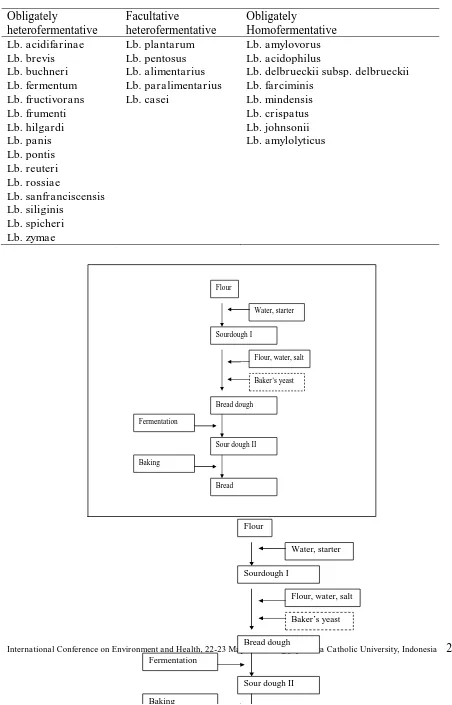
Sourdough is an ingredient containing cereal components, liquids and active microorganisms which are lactic acid bacteria (LAB) and yeast. A general procedure of the entire manufacturing process used in sourdough bread production is shown in Figure 1 (Hansen & Schieberle, 2005). The generation of sufficient amounts of volatile
compounds during sourdough fermentation needs a multiple step process of about 12–24 h, while fermentation by bakers yeast alone is finished within a few hours. Sourdough bread has a higher content of volatiles and, also, achieves higher scores in sensory tests compared to bread chemically acidified with lactic and acetic acid (Hansen & Hansen, 1996). In recent years there has been a growing interest in sourdough bread production because of its health benefits (Diowksz & Ambroziak , 2006).
MICROORGANISMS IN SOURDOUGH
International Conference on Environment and Health, 22-23 May 2013, Soegijapranata Catholic University, Indonesia
18
the raw material. At the very beginning of thefermentation process, bacteria from the family Enterobacteriaceace are dominant. They produce mainly hydrogen (H2) and carbon dioxide (CO2) and small amounts of organic acids: lactic, acetic, formic, and succinic acids. After this stage, in which the preliminary acidification takes place, the number of gram-negative bacteria decreases, and gram positive bacteria and yeast start to dominate (Gobbetti, 1998).
Lactic acid bacteria
LAB isolated from traditional sourdough belong mainly to four genera: Lactobacillus, Pedioccoccus, Leuconostoc, and Weisella. In most cases lactobacilli are the dominating bacteria. They are gram positive, nonmotile rods, anaerobes and acid tolerant. These bacteria have complex nutritional requirements for amino acids, peptides, vitamins, minerals, fatty acids, and carbohydrates. Their proteolytic activity and the metabolic profile depend on growth temperature. The optimal temperature for growth is 30 -35 oC (Meuser et al, 1990).
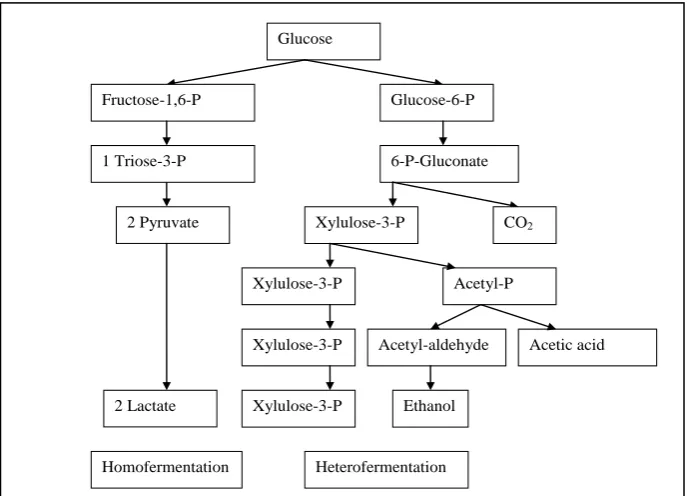
On the basis of dominant carbohydrate metabolic pathway, lactic acid bacteria can be divided into two groups (Martinez-Anaya et al, 1994): (1) homofermentative, which produce mainly lactic acid; and (2) heterofermentative, which produce, apart from lactic acid, considerable amounts of ethanol, acetic acid, and carbon dioxide (Figure 2). Homofermentative lactic acid bacteria dominate spontaneously fermenting
sourdough. Homofermentative LAB strongly influence crumb porosity and elasticity but have limited influence on the sensory qualities of sourdough bread (Sugihara, 1985). Heterofermentative LAB plays the main role in creating bread flavor due to characteristic of their metabolites (Damiani et al, 1996). Sourdough lactobacilli, consisting of obligately and facultative heterofermentative, and obligately homofermentative can be seen in Table 1.
Yeast
In the course of fermentation, yeast plays several important roles.
First, it produces
carbon dioxide, which expands the dough,
resulting in the proper porosity of the
crumb and the proper volume of the bread.
Besides, yeast produces a lot of side
products such as aldehydes, aliphatic and
isoaliphatic alcohols, acids, keto acids, and
esters, which alone or in combination with
other compounds can create specific and
unique flavors of bread (Hansen &
Hansen, 1996).
Several yeasts are found in sourdoughs but
Saccharomyces cerevisiae
is considered
the dominant organism for leavening of
bread
(Corsetti
et
al.,
2001).
Saccharomyces cerevisae
, characteristic
mainly for sourdough, is a top fermenting
yeast with an optimum growth temperature
of 26-32
oC. It is an aerobe or facultative
International Conference on Environment and Health, 22-23 May 2013, Soegijapranata Catholic University, Indonesia
19
galactose, sucrose, and partly raffinose
(Gobbetti,
1998).
The
frequently
dominant
S. cerevisiaeis often introduced
through the addition of baker‟s yeast.
Important yeasts in sourdough starters
include
Saccharomyces exiguous(physiologically
similar
to
Candidamilleri
),
Candida krusei,
Pichianorvegensis
and
Hansenula anomala. The
extensive variability in the number and
type of species found depends on several
factors, including degree of dough
hydration [dough yield (DY) = weight of
dough/weight of flour ·100], type of cereal
used,
leavening
temperature,
and
sourdough
maintenance
temperature
(Gobbetti et al., 1995).
Mixed cultures of LAB and yeasts
Mixed cultures of LAB and yeasts vary in
composition in sourdough sponges. The
use of mixed cultures has a number of
important advantages, such as improved
flavour and texture and retained freshness
for longer compared to baker‟s yeast bread
(Meignen et al., 2001). In such mixed
cultures, yeasts act mainly as leavening
agents, while LAB contribute mainly to
the flavouring compounds of bread.
FLAVOR
Sourdough fermentation is essential to achieve an acceptable flavour, since a comparison between chemically acidified bread and sourdough bread showed that the latter possessed a superior sensory quality (Kirchhoff & Schieberle, 2002).
Types of flavouring compounds in
sourdough breads
There are two categories of flavour compounds, produced during sourdough fermentation. Non-volatile compounds including organic acids produced by homo- and heterofermentative bacteria which acidify, decrease pH and contribute aroma to the bread dough. The second category is volatile compounds of sourdough bread - includes alcohols, aldehydes, ketones, esters and sulphur. All these compounds are produced by biological and biochemical actions during fermentation and contribute to flavour (Spicher, 1983).
International Conference on Environment and Health, 22-23 May 2013, Soegijapranata Catholic University, Indonesia
20
Effect of ingredients and processing on the
sourdough flavor
The LAB strains of sourdough vary in metabolism and aroma compounds. Monoculture fermentation of dough for 15 h at 30 oC, followed by mixing and a further 10 h fermentation has shown increase in the production of sourdough volatile compounds (Merotha et al., 2004). Using only yeasts in wheat bread, seven volatiles were found abundant: acetaldehyde, acetone, ethyl acetate, ethanol, hexanal, isobutyl alcohol, and propanol. The quantity of volatile flavour compounds can be improved by the addition of glucose and sucrose less by maltose. Addition of enzymes to sourdough sponges can also enhance bread volatile compounds (Martinez-Anaya,1996).
Low temperature (25°C) and sour dough firmness are appropriate for LAB souring activities but limited yeast metabolism. Raising the temperature to 30 °C and semi-fluid sour doughs gave more complete volatile profiles. At 3 h leavening time, the sour dough is mainly characterized by iso-alcohols. An increase of leavening time up to 9 h gave a total amount of volatiles about three times higher than that at 5 h and strengthened the LAB contribution. The additions of fructose and citrate to the dough enhanced the acetic acid and volatile synthesis by LAB, respectively. After baking, the ethanol disappeared, 2-methyl-lpropanal is synthetized, lactic and acetic acids remained constant, the total amount of volatiles is
reduced to a level <12.5% of the initial and an increase in the relative percentage of iso-alcohols and aldehydes are detected (Gobbetti et al, 1995).
Contribution of lactic acid fermentation to
bread flavor.
The ratio between lactic and acetic acid, defined as the fermentation quotient (FQ), is an important factor that might affect the aroma profile, although it is also relevant for the structure of final products. Acetic acid, produced by heterofermentative LAB, is responsible for a shorter and harder gluten while lactic acid can gradually account for a more elastic gluten structure (Lorenz, 1983). Compounds strongly affecting bread flavour are mainly organic acids, alcohols, esters and carbonyls (Kirchhoff & Schieberle, 2002). In order to generate sufficient amounts of volatile compounds, the generation process needs multiple steps of about 12–24 h; when baker‟s yeast is used the fermentation is completed within a few hours (Hansen & Schieberle, 2005).
International Conference on Environment and Health, 22-23 May 2013, Soegijapranata Catholic University, Indonesia
21
observed increased production of aromacompounds in a mixed-starter process appears to be related to the proteolytic activity of LAB.
HEALTH BENEFITS
Reduction of antinutritional compounds
Cereal grains are important sources of minerals such as iron, potassium, magnesium and zinc, but also contain phytic acid or myo-inositol hexakiphosphate, which is considered to be an anti-nutritional factor for humans. Its anti-nutritional property is due to the central hexaphosphate ring that acts as a chelator of dietary minerals preventing their absorption and thus reducing their bioavailability (Lopez et al., 2001). Phytases are widely present in plant materials such as wheat and rye flours, whose level depends on variety and crop year, but generally reported to be insufficient to significantly decrease the amount of phytic acid. However, it has been recently published that a moderate decrease of pH by sourdough fermentation is sufficient to reduce phytate content of whole wheat flour through endogenous phytase activity (Leenhardt et al, 2005).
A study on the characterization of phytase activity of sourdough microorganisms showed that combining selected yeasts and LAB it is possible to reach high level of phytate biodegradation and the best combination are S.cerevisiae/Lb. plantarum/Leuconostoc mesenteroides (Chaoui, Fais, & Belhcen, 2003). These results emphasize microbial potential in improving the nutritional quality
of cereal-based products. Phytate degradation in sourdough, resulting from LAB and yeast development, effectively prevents deficiencies of zinc, calcium, iron, and other essential minerals (Lopez et al, 2001)
Enhancement of nutritional values
It is worth stressing that sourdough technology allows production of 100% rye and whole meal breads, which are considered to possess increase nutritive value, mainly due to the elevated level of dietary fiber. Regular consumption of such bread reduces the risk of variety of c