Informasi Dokumen
- Topik: Buku Biru Saku Teknik Sipil
Ringkasan Dokumen
I. Introduction
The 'Buku Biru Saku Teknik Sipil' serves as a compact and comprehensive resource for civil engineering students. It aligns with educational objectives by providing essential theoretical knowledge and practical applications relevant to the field. The textbook emphasizes the importance of understanding foundational concepts in civil engineering, thus preparing students for both academic and professional challenges. Its structured approach facilitates learning outcomes by ensuring that students can apply theoretical principles to real-world scenarios, thereby enhancing their problem-solving skills and critical thinking.
II. Fundamental Concepts
This section covers the fundamental principles of civil engineering, including mechanics, materials science, and structural analysis. By introducing these core concepts, the textbook ensures that students build a solid foundation necessary for advanced topics. The integration of diagrams and examples illustrates complex ideas, making them more accessible. This approach not only aids comprehension but also encourages students to engage with the material actively, fostering a deeper understanding of how these principles apply in practice.
III. Structural Engineering
The textbook delves into structural engineering, exploring the design and analysis of various structures. Key topics include load calculations, material selection, and safety considerations. By emphasizing the importance of structural integrity and sustainability, the book aligns with modern engineering practices. The inclusion of case studies allows students to analyze real-life engineering problems, enhancing their analytical skills and preparing them for future challenges in their careers.
IV. Geotechnical Engineering
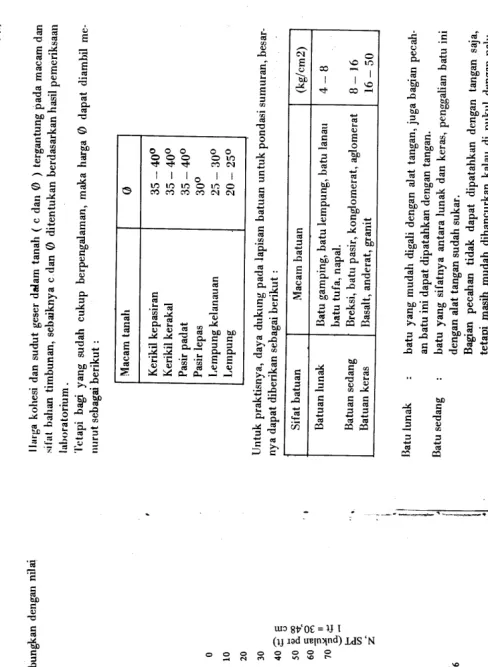
This section addresses the principles of geotechnical engineering, including soil mechanics and foundation design. It provides students with the necessary tools to assess soil properties and their implications for construction projects. The textbook uses practical examples to illustrate the relevance of geotechnical considerations in engineering design, thereby enhancing students' ability to integrate theoretical knowledge with practical applications. This alignment with real-world scenarios is crucial for their future roles as engineers.
V. Transportation Engineering
Transportation engineering is covered extensively, focusing on the planning, design, and operation of transportation systems. The book discusses traffic flow theory, roadway design, and public transportation systems, highlighting the importance of efficient transportation networks in urban planning. By providing relevant case studies and data analysis exercises, students are encouraged to apply their knowledge to solve transportation-related problems, thereby achieving key learning outcomes in this vital area of civil engineering.
VI. Environmental Engineering
In this section, the textbook explores environmental engineering principles, including water quality management, waste disposal, and sustainable practices. It emphasizes the role of engineers in addressing environmental challenges and promoting sustainability. By integrating theoretical concepts with practical applications, the book prepares students to think critically about environmental issues and develop innovative solutions. This focus on sustainability aligns with global trends in engineering education and practice.
VII. Conclusion
The 'Buku Biru Saku Teknik Sipil' is a vital resource for civil engineering students, effectively bridging theoretical knowledge with practical applications. Its structured approach and focus on key engineering principles ensure that students are well-prepared to meet the demands of their future careers. By fostering critical thinking and problem-solving skills, the textbook not only supports academic success but also encourages a commitment to sustainable engineering practices.