Informasi Dokumen
- Penulis:
- Muhammad Zazuli
- Sekolah: Universitas Lampung
- Mata Pelajaran: Forestry
- Topik: MITIGASI KONFLIK MANUSIA-GAJAH OLEH ELEPHANT RESPONSE UNIT DI RESORT TOTO PROJO TAMAN NASIONAL WAY KAMBAS (Studi Kasus di Desa Tanjung Tirto dan Desa Tegal Yoso)
- Tipe: Skripsi
- Tahun: 2016
- Kota: Bandar Lampung
Ringkasan Dokumen
I. Introduction
This section sets the stage for the research by introducing the context of human-elephant conflict (HEC) in Way Kambas National Park (TNWK), specifically focusing on the Toto Projo Resort area and its surrounding villages, Tanjung Tirto and Tegal Yoso. The researcher highlights the importance of HEC mitigation efforts due to the dwindling Sumatran elephant population and the negative impacts of HEC on both humans and elephants. The introduction establishes the research problem, focusing on the need to assess the effectiveness of the Elephant Response Unit (ERU) in mitigating these conflicts. The research aims and expected outcomes are clearly articulated, emphasizing the practical and academic contributions of the study.
1.1 Background
This subsection provides crucial background information on the ecological and socio-economic factors driving HEC in the study area. The history of habitat degradation in TNWK due to human activities is detailed, connecting this historical context to the current HEC situation. The researcher establishes the vulnerability of Sumatran elephants and their endangered status, contextualizing the urgency of the conflict mitigation efforts. The role of human population growth and encroachment on elephant habitats is explicitly linked to the increasing frequency and intensity of HEC. Previous studies and reported incidents of HEC, including human casualties and elephant deaths, are cited to underscore the severity of the problem and the need for effective intervention strategies like the ERU.
1.2 Research Problem
The research problem is clearly defined in this subsection, highlighting the gap in knowledge regarding the effectiveness of the ERU's HEC mitigation program. The researcher explains why a study assessing the ERU is needed, specifically focusing on its operational processes, internal resources, and the impact of its interventions on both the local communities and the elephant population. The section outlines the main research questions that guide the study, focusing on three key areas: ERU's mitigation process and resources, the characteristics of HEC in Tanjung Tirto and Tegal Yoso villages, and the perceptions of ERU program users and beneficiaries. This creates a clear framework for the subsequent sections.
1.3 Research Objectives
This subsection outlines the specific objectives of the research, directly addressing the research problem identified previously. The objectives are clearly stated and measurable, focusing on (1) understanding the ERU's mitigation processes and internal resources, (2) characterizing HEC in the selected villages, and (3) assessing the perceptions of ERU program users and beneficiaries. These objectives provide a clear roadmap for the research methodology and the interpretation of the results. The numerical listing of the objectives ensures clarity and facilitates a structured approach to data analysis and interpretation.
1.4 Research Benefits
The subsection details the expected benefits of the study, emphasizing its practical and theoretical significance. The practical benefits focus on providing valuable information for TNWK management to improve conservation efforts for Sumatran elephants and the mitigation of HEC. The expected academic benefit centers on adding to the body of knowledge on HEC mitigation strategies, offering insights into the effectiveness of ERU programs and the importance of considering local community perceptions in conservation initiatives. The articulation of both practical and theoretical benefits highlights the study's multi-faceted contribution.
1.5 Research Framework
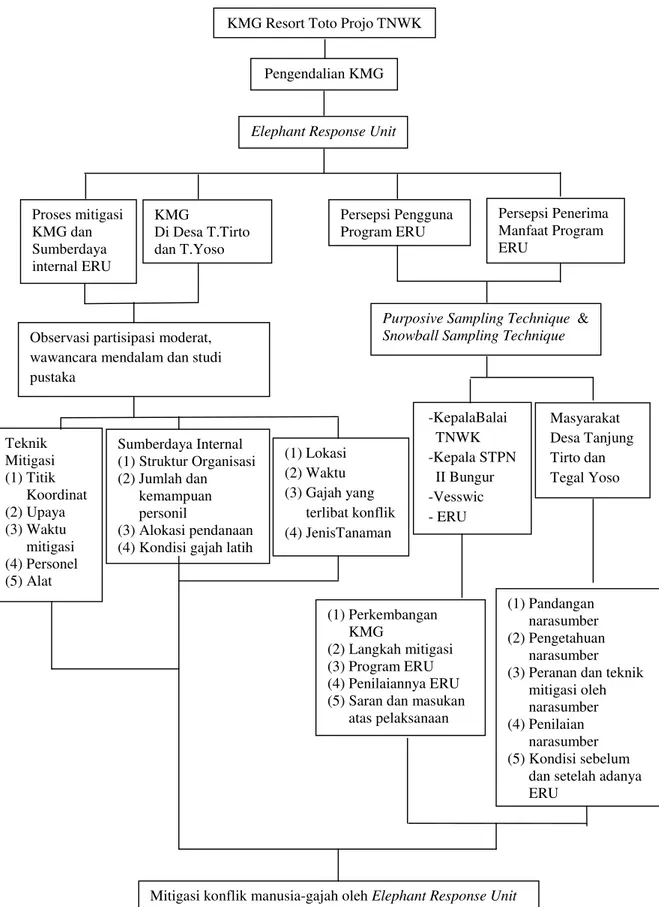
This subsection presents a visual or textual representation of the research design, demonstrating the logical flow of the study. It shows the relationship between the research problem, objectives, methodology, and expected outcomes. The framework often outlines the key variables and the interactions between them, providing a concise overview of the study's structure. The framework should provide a clear pathway for data collection and analysis. This visual representation aids in understanding the research process and ensuring the coherence of the different sections.
II. Literature Review
This section provides a comprehensive overview of the existing literature relevant to the study. It reviews the key concepts, theories, and empirical findings related to Sumatran elephants, HEC, and mitigation strategies. This review should demonstrate a critical engagement with the existing literature, identifying knowledge gaps that this research aims to address. The section is organized thematically, covering topics such as the taxonomy, distribution, habitat requirements, and behavior of Sumatran elephants. It then delves into the nature of HEC, its causes, consequences, and various mitigation techniques. Finally, it explores qualitative research methodologies appropriate for addressing the research questions.
2.1 Sumatran Elephants
This subsection provides a detailed overview of the biological characteristics of Sumatran elephants, including their taxonomy, distribution, population size, and habitat preferences. Relevant conservation status is presented, establishing the importance of the species and the need for effective conservation measures. The subsection highlights the ecological needs of the elephants, including their dietary requirements, water sources, and social behavior. This information establishes a biological foundation for understanding the drivers of HEC and the effectiveness of different mitigation strategies. The section will also include data on elephant home ranges to emphasize their need for extensive habitat.
2.2 Human-Elephant Conflict
This subsection reviews the existing literature on HEC, defining the concept and exploring its various dimensions. It focuses on the causes and consequences of HEC, highlighting its impacts on both humans and elephants. The subsection discusses various strategies for mitigating HEC, including both traditional and modern methods. This review will critically analyze the effectiveness of different mitigation techniques in various contexts. The relevant legal frameworks and policies pertaining to wildlife conservation and HEC management will also be discussed. This provides a theoretical basis for understanding and analyzing the ERU's approaches.
2.3 Qualitative Research Methodology
This subsection describes the methodological underpinnings of the study, justifying the selection of a qualitative research approach. It explains the suitability of qualitative methods for exploring the complex social and ecological dimensions of HEC and assessing the perceptions of stakeholders. The subsection provides a clear rationale for the chosen methods, highlighting their strengths and limitations. It also provides a detailed explanation of the specific techniques employed in the data collection and analysis processes. This section justifies the methods chosen for the research and allows readers to evaluate the rigor of the study.
III. Research Methodology
This section details the research design and methods used to collect and analyze data. It specifies the research location, timeframe, participants, data collection instruments, and data analysis techniques. The methodology section should be precise and transparent, allowing for replication and scrutiny of the research process. It includes a detailed description of the qualitative methods used, justifying the choices made. It also defines operational definitions of key concepts, ensuring clarity and consistency in data collection and interpretation. The ethical considerations related to the research are also addressed.
3.1 Research Setting and Timeline
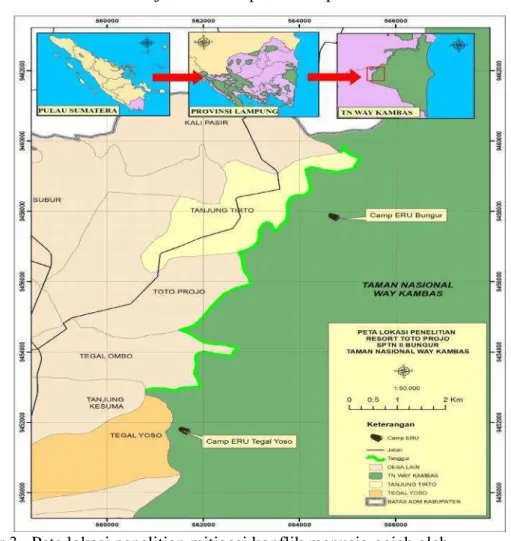
This subsection provides a detailed description of the research location, including geographic coordinates and relevant characteristics. The study's timeframe is clearly defined, specifying the period during which data was collected. The choice of location and timeline is justified in relation to the research objectives. This section ensures the reader understands the context of the study and aids in evaluating the generalizability of the findings. It should clearly specify why the two selected villages were used.
3.2 Data Collection Methods
This subsection outlines the specific methods used to collect data, such as participant observation, in-depth interviews, and document review. The rationale for choosing these methods is explained, emphasizing their suitability for addressing the research objectives. The subsection includes a description of the sampling strategy, explaining how participants were selected. Details on the interview protocols and observation techniques, including the types of questions asked and the aspects of the setting that were observed, are also provided. This section clarifies how the data were collected and enhances the transparency of the study.
3.3 Data Analysis Techniques
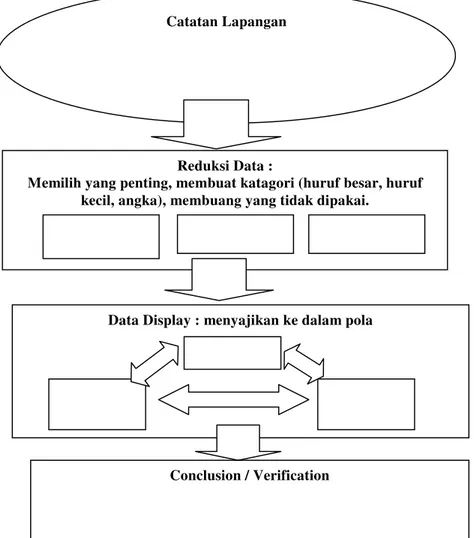
This subsection describes the techniques used to analyze the qualitative data, such as thematic analysis. The approach to data analysis is explained, justifying the chosen techniques and highlighting the steps taken to ensure the trustworthiness of the findings. The subsection explains how data was coded and categorized, providing details on the process of identifying patterns and themes within the data. This clarity helps readers to understand the study's rigor and the conclusions drawn. This section should explicitly mention the use of triangulation to verify the data.
IV. General Conditions of the Research Location
This section provides a detailed description of the study area, including its history, geography, climate, and socio-economic conditions. This contextual information helps to better understand the dynamics of HEC in the area. This section provides the necessary background information for understanding the context of the human-elephant conflict. The socio-economic profile of the communities living near the park is outlined, shedding light on their livelihoods and dependence on natural resources. The section will also focus on the existing collaborations and partnerships between stakeholders involved in conservation efforts within the park, including the ERU's partnerships.
4.1 History of Way Kambas National Park
This subsection offers a historical overview of TNWK, highlighting key events that have shaped its current ecological and socio-economic landscape. The information should detail how human activities have impacted the park's ecosystem, contributing to the ongoing HEC. This is crucial for understanding the long-term factors that have led to the current situation. The historical context helps to explain the existing relationships between the local communities and the park's management.
4.2 Socio-economic Conditions of Surrounding Communities
This subsection describes the socio-economic characteristics of the communities living in the vicinity of TNWK, specifically in the villages of Tanjung Tirto and Tegal Yoso. It focuses on their livelihoods, their dependence on natural resources, and the potential points of conflict with elephants. Understanding the socio-economic conditions helps to explain the local perceptions of elephants and the impact of HEC. The description might include details such as primary economic activities, land ownership patterns, and access to resources.
4.3 Collaborations and Partnerships
This subsection details the various collaborations and partnerships between different stakeholders involved in conservation and HEC mitigation efforts in TNWK. The involvement of relevant organizations, such as Vesswic and the TNWK authority, is described, highlighting their roles and responsibilities. Understanding these partnerships will help contextualize the ERU's role and its integration into wider conservation strategies. The involvement of local communities in conservation programs should be explored, illustrating the collaboration and community engagement aspect.
V. Results and Discussion
This section presents the main findings of the research, organized according to the research objectives. It presents the data collected and analyzed, relating it back to the theoretical framework established in the literature review. The discussion section interprets the findings, linking them to existing research and highlighting any novel insights that emerge from the study. The section systematically addresses each of the three research objectives.
5.1 ERU Mitigation Process and Internal Resources
This subsection presents the findings related to the ERU's mitigation processes and internal resources. It describes the specific techniques employed by the ERU to mitigate HEC, analyzing their effectiveness. The subsection presents data on the ERU’s internal resources, including personnel, funding, and equipment. It assesses whether the ERU's resources meet the minimum requirements as per SOP, highlighting any shortcomings or gaps. The analysis should discuss the strengths and weaknesses of the ERU's approach, offering suggestions for improvement.
5.2 Human-Elephant Conflict in Tanjung Tirto and Tegal Yoso Villages
This subsection presents the results regarding the characteristics of HEC in the study villages, including the frequency, location, timing, and causes of the conflicts. The section analyzes the types of crops most frequently damaged by elephants and the impact of HEC on local communities and livelihoods. This data helps to understand the specific nature of HEC in these villages and informs the design of appropriate mitigation strategies. The findings are related to existing literature on HEC, highlighting any similarities or differences in patterns and impacts. The subsection may utilize maps or tables to visually represent the data.
5.3 Perceptions of ERU Program Users and Beneficiaries
This subsection presents the results concerning the perceptions of ERU program users (e.g., those directly involved in the program) and beneficiaries (e.g., those who indirectly benefit from reduced HEC). It explores the attitudes, beliefs, and experiences of stakeholders, highlighting their satisfaction with the ERU's efforts and identifying areas for improvement. The findings might include both quantitative data (e.g., percentage of positive assessments) and qualitative data (e.g., detailed feedback from interviews). This subsection connects the findings to the broader literature on community-based conservation, illustrating the importance of local participation and support for the success of conservation programs.
VI. Conclusion and Recommendations
This section summarizes the key findings of the study and offers concluding remarks regarding the effectiveness of the ERU in mitigating HEC. It integrates the findings from the different sections, highlighting the main contributions and limitations of the research. The section concludes with recommendations for improving the ERU's operations and broader conservation strategies for Sumatran elephants in the TNWK area.
6.1 Conclusion
This subsection summarizes the main findings of the study, reiterating the key conclusions drawn from the analysis of the data. It restates the main conclusions regarding the ERU’s effectiveness, the characteristics of HEC in the studied area, and the perceptions of stakeholders. This concise summary provides a clear and concise overview of the study’s main outcomes. This section should synthesize the key findings and emphasize their contributions to the field.
6.2 Recommendations
This subsection offers specific recommendations based on the study’s findings, proposing strategies to improve the effectiveness of the ERU’s HEC mitigation efforts. It also suggests improvements to broader conservation strategies for Sumatran elephants within the TNWK area. The recommendations should be practical and actionable, considering the specific context of the study area. The suggestions might include improvements to the ERU's resources, training, and operational procedures, as well as community-based conservation initiatives. The section should be policy-relevant, suggesting meaningful steps for improved conservation.
Referensi Dokumen
- Pengelolaan Satwa Liar Jilid 1 ( Alikodra, H.S. )
- Teknik Pengelolaan Satwa Liar ( Alikodra, H.S. )
- Sekilas Informasi Taman Nasional Way Kambas Kab. Lampung Timur, Provinsi Lampung ( Balai Taman Nasional Way Kambas )
- Evaluasi Kegiatan Pam Swakarsa Penanggulangan Tahun 2013 dan Pemantapan Pam Swakarsa Tahun 2014 ( Balai Taman Nasional Way Kambas )
- Sebaran Gangguan Gajah Setiap Bulan Terjadi di Desa-Desa Taman Nasional Way Kambas Tahun 2014 ( Balai Taman Nasional Way Kambas )
- The hidden dimension of human-wildlife conflict: health impact, opportunity and transaction costs ( Barua, M., Bhagwat, S.A., dan Jadhav, S. )
- Guidelines on the Better Management Practices for the Mitigation and Management of Human- Elephant Conflict in and Around Oil-Palm Plantations in Indonesia and Malaysia, Version 1 ( Chong, D. K. F. dan Norwana, D. )
- Strategi dan Rencana Aksi Konservasi Gajah Sumatera dan Gajah Kalimantan 2007-2017 ( Departemen Kehutanan )
- Peraturan Menteri Kehutanan Nomor 48 Tentang Pedoman Peanggulangan Konflik Manusia dan Satwa Liar ( Departemen Kehutanan )
- Determining Correlates of Human-Elephant Conflict Report Within Fringe Vilage of Kaziranga National Park, Assam ( Di Fonzo, M.M.I. )
- Pattern and correlates of human – elephant conflict around a South Indian reserve ( Gubby.S. )
- Reducing human-elephant conflict: do chillies help deter elephants from enetring crop fields? ( Hedges, S dan Gunariyadi, D. )
- Distribution, status, and conservation needs of Asian elephants (Elephas maximus) in Lampung Province, Sumatra, Indonesia ( Hedges, S., Tyson, M.T., Sitompul, A.F., Kinnaird, M.F., Gunariyadi, D dan Aslan )
- Faktor-Faktor yang Memegaruhi Kesuksesan Tim Patroli Gajah dalam Mitigasi Konflik Manusia dan Gajah di Taman Nasional Bukit Barisan Selatan ( Maroba, D. )
- Penyusunan Kriteria Domestikasi dan Evaluasi Praktek Pengasuhan gajah: Studi di Taman nasional Way Kambas Kabupaten Lampung Timur ( Meytasari, P. )
- Penyusunan kriteria domestikasi dan evaluasi praktek pengasuhan gajah: studi di Taman Nasional Way Kambas Kabupaten Lampung Timur ( Meytasari, P., Bakrie, S., dan Herwanti, S. )
- Qualitative Data Analysis: Sourcebook of New Methods ( Miles, M.B. dan Huberman, M. )
- Crop-raiding elephants and conservation implication at Way Kambas National Park, Sumatra, Indonesia ( Nyhus, P.J., Tilson, R dan Sumianto )
- Mitigasi konflik manusia dan gajah sumatera (Elephas maximus sumatranus temminck, 1847) menggunakan ( Pratama, M.D.P dan Dewi, B.S. )