• Tidak ada hasil yang ditemukan

The Effect of Media Composition and Organic Fertilizer Concentration on The Growth and Yield of Red Ginger Rhizome Abstract (Zingiber officinale Rosc.)

N/A
N/A
Protected

Academic year: 2017

Membagikan "The Effect of Media Composition and Organic Fertilizer Concentration on The Growth and Yield of Red Ginger Rhizome Abstract (Zingiber officinale Rosc.)"

Copied!
6
0
0

Teks penuh

(1)

Agriculture and Agricultural Science Procedia 9 ( 2016 ) 450 – 455

2210-7843 © 2016 The Authors. Published by Elsevier B.V. This is an open access article under the CC BY-NC-ND license (http://creativecommons.org/licenses/by-nc-nd/4.0/).

Peer-review under responsibility of the organizing committee of IC-FANRes 2015 doi: 10.1016/j.aaspro.2016.02.162

ScienceDirect

ScienceDirect

ScienceDirect

International Conference on Food, Agriculture and Natural Resources, IC-FANRes 2015

The Effect of Media Composition and Organic Fertilizer

Concentration on The Growth and Yield of Red Ginger Rhizome

(

Zingiber officinale

Rosc.)

Sigit Soeparjono*

Faculty of Agriculture University of Jember, Indonesia

Abstract

The red ginger (Zingiber officinale. Rosc.) is an annual herbaceous plant of high economic value, with a harvest of 10-12 months. The export demand of red ginger rhizome has increased up to 20-22 % for the last five years and it has not been able to be sufficed by the red ginger producers in Indonesia. This situation happens because of the very limited amount of red ginger production area, a still very conventional method of red ginger cultivation and the low quantity of organic substances in the soil. Other than that the use of expensive inorganic fertilizers often increases the production cost of red ginger, besides from being unsafe to both the environment and also the health of humans. Various technological breakthrough innovations have been done in order to meet the needs of red ginger export, one of which is the use of the polybag cultivation system which utilizes the organic waste as a media composition. The combination of organic substances with the application of liquid organic fertilizers was expected to increase and improve the growth and yield of red ginger rhizome. The research was conducted at Agrotechnopark experimental field Jember University from January 2013 until June 2014. The aim of field experiment was to find out the effect of media compositions and organic fertilizer concentrations on growth and yield of red ginger rhizome (Zingiber officinale. Rosc.). The field experiment factorials (3x4) used in randomized block designs with three replications. The first factor is the media compositions ( bokashi : charcoal husk : coco peat) consisting of three levels : M1 (40% : 30% : 30%) , M2 (50% :25% : 25% ), and M3 ( 60% : 20% : 20% ) and the second factor being the organic fertilizer concentration consisting of four levels: P1 (0 cc/l), P2(1.5 cc/l), P3 (3 cc/l), and P3 (4.5 cc/l). The results of this study concluded that a single factor of various composition media (M) was not significantly influence on all the parameters of growth and yield of red ginger rhizome. The single factor of concentrations of liquid organic fertilizer (P) and the interaction of two factors treatments (MP) was significantly influence on all parameters of the growth and yield of red ginger rhizome. The combination of treatments (M3P3) gave the best response to all parameters: plant height (58.8 cm), number of leaves (25.2), number of buds (35.6), rhizome fresh weight per plant (2329.64 g), total biomass (258.14 g), zingeron level (1.88 %) and oleoresin level (1.57 %).

* Corresponding author. Tel.: +62-87853-889-891; fax: +62-331-334054.

(2)

© 2015 The Authors. Published by Elsevier B.V.

Peer-review under responsibility of the organizing committee of IC-FANRes 2015.

Keywords: Red ginger rhizome, media composition, organic fertizer consentration , zingeron and oleoresin.

1. Introduction

Red ginger (Zingiber officinale Rosc.) is one of the family Zingiberaceae that pertained in medicinal plants, plant clumps of artificial stem, generally harvested in the range of 8-12 months. Red ginger rhizome has high economic value because it is used in various aspects of life, customs, beliefs, medicine and commodities trading. Development prospect of ginger in Indonesia is quite clear, especially to meet the needs of industrial exports, traditional medicine, food industry-beverages, seasoning cook, source essential oil and oleoresin (Agency for Agricultural R & D, 2011).

The high market demand for Red ginger rhizome annually to date has yet to be met by manufacturers of ginger in Indonesia. The condition occurs due to the limited central, farmland cultivation system red ginger, which is still a conventional and low organic matter in the soil, as well as the use of expensive inorganic fertilizers often increase the cost of production of the plant the ginger and unsafe for the environment or health. In addition a willingness to want to live healthy and back to nature to the current society turned out to raise awareness to consume agricultural products are healthy and pesticide-free, including ginger organic products including petrol. In connection with this need to put up an organic ginger cultivation of technological innovation to support the production of ginger organic, powerful and high quality. One of the technological innovations that have been prepared are cultivated through planting media innovation by utilizing organic wastes, so that is expected to accelerate the process of cell division or network and effect on plant growth and development process for the better (Soeparjono, 2011).

Organic media is most of the components are derived from living organisms such as parts of plants for example, sawdust, charcoal, charcoal wood husk, coir dust, a stem fern, and others (Silvina & Syafrinal, 2008). The use of organic materials as a media for planting is far superior compared to inorganic materials because organic matter is able to provide nutrient elements for plants, one of which is a bokashi. The bokashi compost is produced from the fermentation process or brewing of organic materials with technology EM4 (Effective Microorganism 4). Coconut fibers or coco peat is an organic material that alternatives can be used as a medium for planting. Excess coir as growing medium more because its characteristics are able to bind and retain water with strong, according to area, and contains the essential nutrient elements, such as calcium (Ca), magnesium (Mg), potassium (K), sodium (N), and phosphorus (P). Husk charcoal is the result of imperfect combustion of rice husk (paddy leather) with black color. Black on charcoal chaff due to the combustion of the absorbance against high heat so that raise the temperature and speed up germination. In addition, husk also has carbon content fuels (C) high so as to make this into a planting medium conducive. Therefore, one of the efforts that can be made to produce a wholesome pesticide-free ginger at the same time meet the needs of the community and the export is conducting research related to the cultivation techniques of ginger plant improvements, namely the utilization of organic waste is used as a medium for planting.

Organic fertilizer raw material resources available with a big number of which are in the form of waste, both household waste, restaurants, farm markets, farms and other types of organic waste. The organic waste can not only be made into compost or solid fertilizers. Organic waste can also be made of liquid fertilizer organic have many benefits also can be activator for composting (Nasaruddin & Rosmawati, 2011)

The organic liquid fertilizer is prepared from raw materials such as animal manure, compost, waste natural, plant hormones and materials processed other natural. The benefits of liquid organic fertilizer which are provide nutrients for plants, improve soil structure, pressing harmful bacteria in the soil, continuous use of the land will improve the physical, chemical and biological soil, safe for the environment. Liquid organic fertilizer use must pay attention to a given concentration in plants. The application of organic liquid fertilizer through the leaves can increase the growth and yield was better than fertilizer through the soil. The application higher concentration of organic liquid fertilizer is given the nutrients absorbed by plants are also increasingly making an impact on growth is getting better (Rukmana, 1993). The results of research from Nugrahini & Tutik (2013) states, that the provision of a concentration liquid organic fertilizer 3 ml/l can produce longer shoots, greater number of leaves, shoots a larger diameter, number of segments more and longer roots in comparison with treatment without liquid organic fertilizer © 2016 The Authors. Published by Elsevier B.V. This is an open access article under the CC BY-NC-ND license

(http://creativecommons.org/licenses/by-nc-nd/4.0/).

(3)

less than 2 ml/l were done on cuttings vanilla plants. This research aims to know the response of growth and yield of red ginger rhizome on various combinations of organic media composition and application of organic fertilizer concentration

2. Methods

The research carried out in an experimental Agrotechnopark, Jember Uniiversity from January 2013 until June 2014 were meant to know the influence of composition media and concentration of organic fertilizer on growth as well as the yield of red ginger rhizome. The field experiment factorials (3×4) used in randomized block designs with three replications. The first factor is the media compositions (bokashi : charcoal husk : coco peat) consisting of three levels : M1 (40% : 30% : 30%) , M2 (50% :25% : 25% ), and M3 ( 60% : 20% : 20% ) and the second factor being the organic fertilizer concentration consisting of four levels: P1 (0 cc/l), P2(1.5 cc/l), P3 (3 cc/l), and P4 (4.5 cc/l). The materials used are red ginger, bokhasi, husks, coconut fiber, charcoal, media dry land, polybag is ± 10 kg. The parameters observed in this experiment consists of plant high (cm), number of leaves, number of buds, rhizome fresh weight per plant (g), biomass (g) and zingeron levels (%), oleoresin levels (%). Data from each observation parameters analyzed the diversity (Anova) and middle grades test with the Duncan test.

3. Results and Discussion

The results in a general analysis of the diversity of all the parameters have been observed data were presented in Table 1.

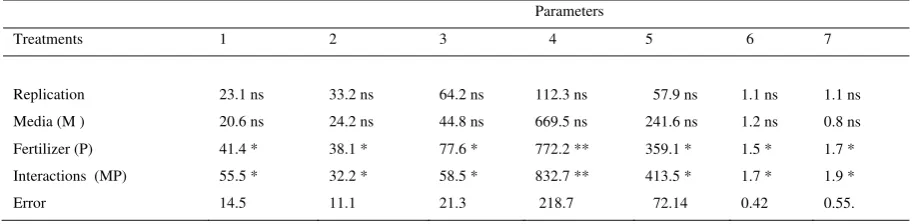
Table 1. Summary of Central Square Value. from a Single Factor and the Interaction of these Two Factors on Parameters of Growth and Yield of Red Ginger Rhizome

4. The rhizome fresh weight per plant (g) 5. Biomass (g)

6. The levels of zingeron (percent). 7. The levels of oleoresin (%).

(*) = Significant, (**) = Very Significant, (ns) = Non Significant

Data from statistical analysis of variants (Table.1) indicated that a single factor of various composition media (M) showed was not significantly influence on all the parameters of growth and yield of red ginger rhizome. The single factor of concentrations of liquid organic fertilizer (P) and the interaction of two factors treatments (MP) showed that significantly influence on all parameters of the growth and yield of red ginger rhizome.

(4)

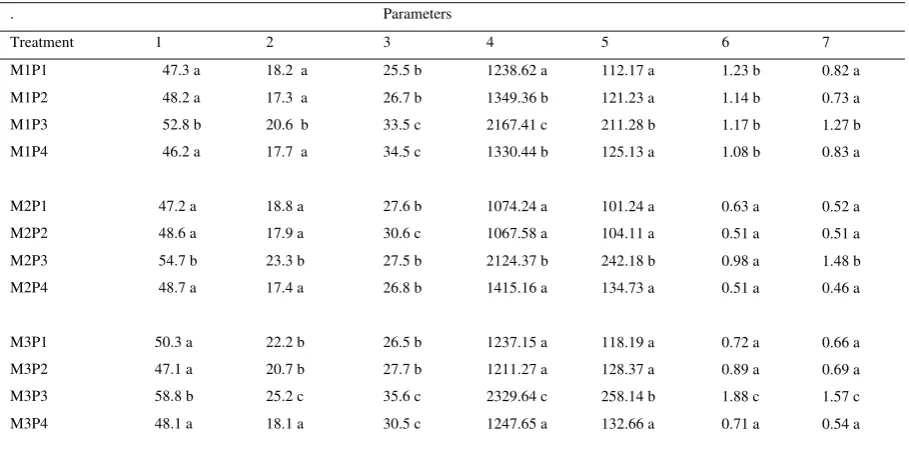
Table 2. Duncan Test Summary of the Interaction Two Factors Treatments in all Parameters of Growth and Yield of the Red Ginger Rhizome

The numbers in the same column followed by the same of letter individual shows different unreal with the confidence level on the DMRT test 5%

Description:

1. The plant Height (cm) 2. The number of leaves 3. The number of buds

4. The rhizome fresh weight per plant (g) 5. Biomass (g)

6. The levels of zingeron (%). 7. The levels of oleoresin (%).

The interaction of two factors treatments (MP) showed that significantly different on plant height, number of leave, number of buds, rhizome fresh weight, biomass, zingeron level and oleorisin level. The combinations two factors treatment M1P3, M2P3 and M3P3 have better response to all parameters of growth and yield red ginger rizhome to compare with the other combinations treatment.

Interaction between liquid organic fertilizer concentrations of 4.5 cc/l and organic media compositions of ( bokashi 60 % : charcoal husk 20 % : coco peat 20 %) showed that very significant effect and having highest value for each parameter plant height (58.8 cm), number of leaves (25.2), number of buds (35.6), rhizome fresh weight per plant (2329.64 g), total biomass (258.14 g), zingeron level (1.88 %) and oleoresin level (1.57 %).

Media composition at various percentage became a very important impact the growth and yield of red ginger, because organic media as a source of nutrient for the plant is able to provide the best response against the growth of the rhizome of the ginger plant. The plant will need nutrient elements and hormones of the plants vary according to the level of growth. In addition the nutrients the plant becomes a very important factor to support the continuity of the process of plant metabolism so that growth and development are getting better.

(5)

effect on improvement of physical properties of the soil. Plants cultivated ginger shows an optimum growth response when given appropriate nutrients so that it can be absorbed by the plants. Need enough nutrient elements, it is very important for the growth and development of plant ginger. Nitrogen nutrient elements required by plants that primarily vegetables because the desired result of this plant is a stem and leaves are organs that are the result of vegetative growth. Nutrient elements nitrogen is the dominant factor for the formation of vegetative organs such as leaves.

Plants that lack elements of nitrogen will experience chlorosis, resulting in insufficient light and arrests will affect plant photosynthesis (Barclay, 1998). In this study the source of nitrogen in the organic waste gained from the alleged awarding of organic wastes can contribute nitrogen in amounts sufficient to increase the height of plants, number of leaves,. The number of shoots or red ginger rhizome biomass on tested. The fresh weight of the red ginger hizome is the net result of ginger plants and is the result of plant metabolism ginger during growth. The process of formation of the rhizome is closely connected with the translocation of carbohydrates to the place of storage, because during the growth of the rhizome cell division and enlargement occur that require the carbohydrates as an energy source and partly hoarded food in the form of reserves in the rhizome.

According Novizan (2005) states that the availability of nutrients can be absorbed by plants is one of the factors that may affect the level of plant growth and development. Calcium (Ca) is very necessary element to stimulate normal cell division and activate the enzyme system particular, to form new cells in the vegetative phase, while Boron plants need to process the growing cell differentiation. According Gomies et al. (2012) states that in fresh weight parameters interest in the treatment of liquid organic fertilizer. The fresh weight ginger rhizome can caused by several factors, environmental factors and nutrient availability, because at the beginning of the planting of rainfall in the study sites is quite high resulting in the leaching process.

Gardner et al. (1991) states that internal factors stimulating growth are in control of plant genetics, but the elements of climate, soil, and biology such as pests, diseases and weeds as well as the competition, good competition on environment. According to Ratna (2002), when the nutrient is available in a balanced state increase vegetative growth and plant dry weight , but if the state of nutrients in adverse conditions or high produces a low dry weight. Sumarsono (2007), suggests that the dry weight reflects the accumulation of organic compounds successfully plant synthesized from inorganic compounds ( water, CO2 and nutrients) through photosynthesis .

The leaf is a plant organ that plays an important role in the process of photosynthesis and absorption as well as effective in quickly making CO2 for photosynthesis. Results of photosynthesis can be used for the establishment of the Rhizome (Gardner et al, 1991). The sunlight received by the leaves for photosynthesis would also affect the production of ginger. Ginger wants lots of sunshine during growth forming clumps, then with a very appropriate with the ginger plant will be able to produce a maximum of Rhizome. Sutanto (2002), stated that in general organic fertilizers contain Macro nutrients N, P, K is low, but contains sufficient quantities of micro nutrient indispensable plant growth. Rainfall is high at the time of deployment organic fertilizer is done cause fertilizer given leached by rain water and evaporate before it absorbed by vegetation.

4. Conclusion

The results of this study concluded that the single factors of organic fertilizer concentrations and also the interaction of two treatment factors greatly affected the parameters of growth and yield of red ginger rhizome. The single factors of media compositions was not significantly affected to all parameters. The combination of treatments M3P3 (bokashi 60 % : charcoal husk 20 % : coco peat 20 % with organic fertilizer concentrations 4.5 %) gave the best response to all parameters : plant height (58.8 cm), number of leaves (25.2), number of buds (35.6), rhizome fresh weight per plant (2329.64 g), total biomass (258.14 g), Zingeron level (1.88 %) and Oleoresin level (1.57 %).

References

Amelia, F., 2009. Analysis of competitiveness of ginger Indonesia in the international market. http://kontan.realviewusa.com, accessed on 02 May 2011.

(6)

BPS., 2010. Crop production of drugs in Indonesia. Central Bureau of statistics in Jakarta. http://www.BPS.com, accessed on 02 May 2011. Fisher, N.M., Goldsworthy., 1985. Cultivation Physiology tropic. Gajah Mada University Press, Yogyakarta.

Gardner, F.P., Pearce, R.L., Mitchell, R.B., 1991. The physiology of crop cultivation. The University of Indonesia, Jakarta Press.

Gomeis, L.H., Rehatta, J.N., 2012. Effect of Liquid Organic Fertilizer RI1 Against Growth and Production Plants Cabbage Flowers (Brassisca Oleracea var . Botrytis L.). J. Agrologia 1(1), 56-62

Muchlas, Slameto., 2008. Technology cultivated ginger. The great hall for the study and development of agricultural technology, Lampung. http://lampung. r&d.MOA.go.id., accessed on 02 May 2011.

Nasaruddin, Rosmawati. 2011. Effect of Liquid Organic Fertilizer (POC) Results Gamal fermented leaves, stems Bananas And Coconut Fiber Against Cocoa Seed growth. J Agrisistem 7(1), 37-43

Novizan, 2005. Effective Fertilization Directive. Agromedia Library. Jakarta.

Nugrahini., Tutik., 2013. Growth response Vanilla (Vanilla planifolia) Provision Against Chicken Manure and Fertilizer Organic Liquid Nasa. Media Sains 5(1), 16-23

Nusifera, Sosiawan., 2009. Response of Plant mustard (Brassica juncea L.) Against Leaves Nutra-Phos fertilizer N With Varied Concentrations. Ladders Agriculture Faculty of Agriculture, University of Edinburgh campus Pinang Cook, Mendalo Army, Jambi. J Agronomy 8(1): 27-29. Ratna., D.I., 2002. Effect of Combination Concentration Biological Fertilizer With Fertilizer Against Liquid Organic Crop Quality and the

Quantity The (Camellia Sinensis (L.) O.Kuntze) Clones Gambung 4. Agricultural Sciences 10(2), 17-25 . Sutanto., 2002. The Application of Organic Agriculture. Kanisius, Yogyakarta.

Wardono. H., 1991. The role of Biotechnology in the development of the cultivation of ginger (Zingiber officinale Rosc.).

Sumarsono., 2007. Quantitative Analysis of Plant Growth of Soybean. Department of nutrition and Feed Faculty Farm, Diponegoro University, Indonesia.

Silvina. F., Syafrizal., 2008. The use of a variety of planting medium and the concentration of liquid organic fertilizer on the growth and production of Cucumber (Cucumis sativus) Japan In hydroponics. The research of the faculty of Agriculture University Of Riau, Riau. http://elib.pdii.lipi.go.id, accessed on 29 May 2011.

Soeparjono. S., 2011. Influence of Combination of organic media and application of water cocounut on growth of three kinds of tropical vegetables. PERHORTI 2011 Conference papers. BALITSA, Lembang, West Java, Indonesia

Gambar

Table 1. Summary of Central Square Value. from a Single Factor and the Interaction of these Two Factors on  Parameters of Growth and Yield of Red Ginger Rhizome
Table 2. Duncan Test Summary of the Interaction Two Factors Treatments in all Parameters of Growth and Yield of the Red Ginger Rhizome

Referensi

Dokumen terkait

Based on the results of the research, the drying temperature significantly affected the crude fiber content of dried red ginger.. The results of the crude fiber content data can

CONCLUSION Based on the results and discussion of the research "Effect of Alcoholic Waste Liquid Organic Fertilizer Enriched with Manure on the Growth and Yield of Chili Capsicum

Highest marketable pods per plant was obtained in plants applied with Nbem supplemented with liquid bio-fertilizer but their weight of marketable pods did not differ significantly in

CONCLUSIONS The dose treatment of pineapple waste liquid organic fertilizer could not increase plant height, leaf area, organic %C content, soil %N content, C/N ratio and bulk density

The separation of the red ginger extract sample using method 3 is still not optimal because the value of the resolution still does not meet the separation requirements Figure 5C,

Completely Randomized Design was used in this study with two factors namely salt NaCl concentrations 2.5, 5.0 and 7.5 % w/w and fermentation time : 5 and 10 days, and this experiment

Number of productive tillers The interaction of liquid organic fertilizer banana corm with NPK fertilizers, the main factor of LOF, and the main factor of NPK fertilizers had a

The study investigates the production and evaluation of liquid organic fertilizer from fruit peel waste with the addition of EM4 bioactivator and variations in fermentation