About Consumers International (CI)
Consumers International (CI) is the only independent global campaigning voice for consumers. With over 220 member organisations in 115 countries, we are building a powerful international consumer movement to help protect and empower consumers everywhere.
Consumers International is a not-for-profit company limited by guarantee, registered in England (reg no. 4337856)
For more information, visit: www.consumersinternational.org
Drugs, doctors and dinners
How drug companies influence health in the developing world
ISBN: 1-902391-59-4
Published by Consumers International in October 2007
Drugs, doctors and dinners
How drug companies influence health in the developing world
I solemnly pledge to consecrate my life to the service of humanity; I will practise my profession with conscience and dignity; the health of my patient will be my first consideration…
Declaration of Geneva (amended 2006)
Adopted by the General Assembly of the World Medical Association
“The scheme of the [pharmaceutical] company was as follows: ‘On sale of 1,000 samples of the drug, get a Motorola handset. On sale of 5,000 samples get an air cooler. On sale of 10,000 samples get a motor bike.’”
Doctor from India Mumbai India (2003)
Member governments are urged, ”to enact new, or enforce existing, legislation to ban inaccurate, misleading or unethical promotion of medicines, to monitor drug promotion, and to develop and implement programmes that will provide independent, non-promotional information on medicines.”
Credits
The report was written and developed by Priya Bala-Miller, Justin Macmullan and Luke Upchurch at Consumers International (CI). The report is based on a baseline study on unethical drug promotion conducted for CI by Dr Peter Mansfield, Dr Maneerat Layton and Joana Ramos at Healthy Skepticism (Australia), and was peer reviewed by Hilbrand Haak at Consultants for Health and Development (Netherlands).
Key reviewers for the report were Richard Lloyd and Bjarne Pedersen at CI. Significant research support and data was gratefully received from Elizabeth Dessie at CI and from the following CI members: Cheah Chee Ho, Federation of Malaysian Consumers Associations; Karen Lang, Instituto Brasileiro de Defesa do Consumidor (Brazil); and Dr Talib Lashari, The Network for Consumer Protection (Pakistan).
In addition, we would like to thank the many contributors from twenty-one countries who engaged with the research team as an informant or as reviewer for the baseline study and draft report.
Cover Image: GMB Akash / Panos Pictures
Design and typesetting: Andrea Carter
Disclosures
None of the authors has any current financial conflicts of interest. Since a number of health list-serves were used as part of the research it is important to note that authors have frequent interactions with a number of the informants. Former interactions with companies or organisations named in the report are disclosed as follows:
In 1996, Dr P. Mansfield received funding for travel and accommodation from Sandoz to attend a meeting in Basel, Switzerland with then Sandoz CEO Daniel Vasella and staff to discuss drug promotion especially the promotion of bromocriptine to suppress breast milk production. Daniel Vasella is now CEO of Novartis, which was formed by a merger of Sandoz and Ciba Geigy.
Dr Mansfield was provided with food and accommodation during a meeting in Mumbai by the Forum for Medical Ethics Society in 2003 and funded for travel, food and accommodation to speak at meetings in Brasília and Porto Alegra by ANVISA (Agência Nacional de Vigilância Sanitária - Brazilian Sanitary Surveillance Agency) in 2005.
Contents
Glossary and acronyms ____________________________4
List of tables ______________________________________4
1. Introduction ____________________________________5
A Malaysian case study ____________________________5 Poor regulation by governments ____________________7 Weak codes of conduct ____________________________8 The impact of irresponsible marketing ________________8 Sincere ethics or spin? ____________________________10
2. Same game, new venue ________________________12
Why focus on industry leaders ______________________12 Declining profits in mature markets__________________13 Developing country markets: the next boom __________14 Drug promotion methods__________________________15
3. Evidence of ethical failures ______________________18
Gifts __________________________________________18 Case Study: Pakistan ______________________________19 Sales representatives ______________________________23 Advertising ______________________________________26
4. Conclusions and recommendations ______________30
Governments ____________________________________30 The pharmaceutical industry ______________________31
Appendix: About the report ______________________33
Research approach ______________________________33 Research methods ________________________________34
Glossary and acronyms
Blockbuster drug A drug that generates more than US$ 1 billion in revenue per year CME Continued Medical Education
DDP Doctor-directed promotion Detailer Medical sales representative
Detailing A presentation of marketing and/or product information on a drug to a physician
Developing Countries ranked as medium or low under the United Nations Development Programme’s Human country markets Development Index (HDI), as reported in the Human Development Report(2006). See also
emerging markets
Disease mongeringThe effort by pharmaceutical companies (or others with similar financial interests) to enlarge the market for a treatment by convincing people that they are sick and need medical intervention
DTCA Direct-to-consumer advertising
Emerging markets The term is commonly used to describe market activity in industrializing or emerging regions of the world. Examples of emerging markets include China, India, Mexico, Brazil and Chile. The term is quite fluid and also has been used to describe markets in Southeast Asia and parts of Africa and Latin America. In this report, emerging markets is used interchangeably with developing country markets, as there is considerable overlap in countries listed under both classifications
Generic drug These are drugs that are no longer protected by patents, and are marketed by companies that have usually not developed the drugs themselves
IFPMA International Federation of Pharmaceutical Manufacturers and Associations
Mature markets In the context of the pharmaceutical industry, these are markets that are experiencing an absence of significant growth and innovation. Examples include the US, Canada, UK, Germany, France and Japan
Me-too drug A informal term used to describe a drug that offers little or no benefit over a similar drug that has already been approved for sale
Patent A set of exclusive rights granted for a fixed period of time in exchange for the regulated, public disclosure of certain details of an invention
Rational drug use This principle seeks to ensure that people receive medications that take into account best available clinical evidence of efficacy and safety, appropriate to their clinical needs, in doses that meet their own individual requirements, for an adequate period of time, and at the lowest cost to them and their community
Samples Units of prescription drugs that are not intended for sale. Samples are often provided free of cost by a drug company as a promotional tactic to increase eventual sales figures
WHO World Health Organization
List of tables
Table 1: Promotional material received in one month by a Malaysian GP Table 2: Top selling irrational, non-essential or hazardous drugs in India: 2005 Table 3: Top corporations by global pharma sales: 2006
Table 4: Industry growth rate 1999-2006
Table 5: Contribution to total world sales growth by regions 2001 vs. 2006 Table 6: Doctor-directed promotion methods
Consumers trust doctors to act in the best interests of their patients. However, most consumers are largely unaware of the influence of the pharmaceutical industry’s marketing on the very health professionals they rely on. Between 1995 and 2005, the percentage of total spending on sales and marketing was by far the biggest corporate expense for the pharmaceutical industry. The excesses of drug marketing are well recognised by industry insiders. A survey conducted by
PricewaterhouseCoopers showed 94% of industry stakeholders said that pharmaceutical companies spent too much money on advertising.2
In this report, Consumers International seeks to highlight the marketing practices3in emerging and developing economy markets4by leaders in the pharmaceutical industry. Since direct-to-consumer advertising (DTCA) is banned in most countries health professionals are the primary targets for the sales tactics of the drug companies. Consequently, the scope of our report focuses on doctor-directed promotion.
A Malaysian case study
Dr Rafik Ibrahim5is an experienced general practitioner in the area of Klang Valley, Selangor in Malaysia. Dr Ibrahim agreed to track all his interactions with drug companies for one month
(27th July to 29th August 2007) as a case study on drug marketing in developing countries.
In a span of five weeks, and in 17 hours of promotion-related interactions with drug sales representatives, 16 multinational pharmaceutical companies and 9 local generic companies and distributors approached
Dr Ibrahim. The list also included 10 of the worlds’ top twenty pharmaceutical companies.
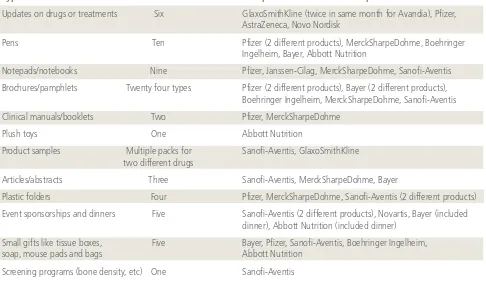
The following table is an indication of the types of promotional materials provided by the key global market leaders:
1
Introduction
“Indonesians are at the mercy of unscrupulous doctors and drug
companies. Competition to sell medicines in the loosely regulated
industry means doctors regularly medicate patients up to the eyeballs
with drugs they do not need, at prices they need even less…
However, the root of our problems too often lie not in an absence
of laws, but in a failure to enforce them. Until this changes, perhaps
all medical clinics and hospitals should carry this warning notice:
Introduction
The volume of promotion received is pictured:
Our research shows that poor
government regulation, weak industry self regulation and major health challenges of irrational drug use, significantly compound the impact of irresponsible drug marketing on the poorest consumers in emerging markets.
Type Number Companies associated with promotional material Updates on drugs or treatments Six GlaxoSmithKline (twice in same month for Avandia), Pfizer,
AstraZeneca, Novo Nordisk
Pens Ten Pfizer (2 different products), MerckSharpeDohme, Boehringer
Ingelheim, Bayer, Abbott Nutrition
Notepads/notebooks Nine Pfizer, Janssen-Cilag, MerckSharpeDohme, Sanofi-Aventis
Brochures/pamphlets Twenty four types Pfizer (2 different products), Bayer (2 different products), Boehringer Ingelheim, MerckSharpeDohme, Sanofi-Aventis
Clinical manuals/booklets Two Pfizer, MerckSharpeDohme
Plush toys One Abbott Nutrition
Product samples Multiple packs for Sanofi-Aventis, GlaxoSmithKline two different drugs
Articles/abstracts Three Sanofi-Aventis, MerckSharpeDohme, Bayer
Plastic folders Four Pfizer, MerckSharpeDohme, Sanofi-Aventis (2 different products)
Event sponsorships and dinners Five Sanofi-Aventis (2 different products), Novartis, Bayer (included dinner), Abbott Nutrition (included dinner)
Small gifts like tissue boxes, Five Bayer, Pfizer, Sanofi-Aventis, Boehringer Ingelheim,
soap, mouse pads and bags Abbott Nutrition
Introduction
Poor regulation by governments
In developing countries the systems and resources to effectively monitor and regulate the marketing of medicines are not necessarily in place. In 2004, the World Health Organization established that less than one-sixth of countries had a well-developed system of drug regulation, and one-third had little to no regulatory capacity.6Therefore, frameworks to enforce unethical, irresponsible or even illegal promotion to consumers are a major problem in the context of developing and emerging economy countries.
India: Case example
Weak regulatory capacity…
Even in India, a fast emerging economy with a
pharmaceutical industry of its own and a relatively strong civil society, there is inadequate oversight of the drug industry. According to a 2003 memorandum of the All India Drug Control Officers Confederation, in order to be effective, the number of drug inspectors needed to more than quadruple from 700 to 3000.7
… results in risks to consumer safety
Campaigners for the rational use of drugs say that regulatory authorities in India are slow to protect consumers from drugs that have been banned, withdrawn, or marketed under restrictions in North America, Europe, and many other Asian countries. For example, Rofecoxib, the internationally recalled anti-arthritis drug sold by Merck & Co. as Vioxx, Ceoxx and Ceeoxx, was among some of the controversial drugs available in the domestic market in 2005.8The drug was officially banned in India, in October 2004, a month after the official Merck recall.9
Dr C.J. Shishoo, a trustee at the Consumer Education and Research Centre, a CI member and consumer action group based in Ahmedabad, observes that at least half a dozen drugs with dubious safety profiles are still being marketed in India as there were no adverse reports available with the regulator.10
This is supported by a senior official from the central drug regulatory department in India who was reported as saying, “Currently our mechanism is grossly inadequate
to tackle the issues related to pharmacovigilance as there are no public interaction systems wherein the doctors or patients can share their experiences with the regulator directly. Since the department is also facing severe people crunch, it is not able to dedicate special cells or people with the task of collecting patient responses. Hence, whenever there is a recall of a drug abroad, we do not have any relevant data to take follow-up actions. This makes the department always dependent on the drug alerts of the US Food and Drug Administration or European regulators to initiate an action here.”11
Despite the obvious role aggressive marketing played in magnifying the harmful impact of drugs like VIOXX12, many governments assert that they favour a co-regulatory approach (i.e. industry code compliance and legislation) to ensure ethical drug promotion. In practice though, most governments relegate drug marketing to self-regulation by the industry itself. Legislation in many countries is outdated and does not necessarily cover consumer protection concerns for modern drug promotion methods via disease awareness campaigns, patient groups or the internet.
Brazil, like India offers another case example to highlight the limits of existing legislation in controlling irresponsible advertising in emerging markets. In 2005, Patrícia de Carvalho Mastroianni and colleagues at the Department of Psychobiology of the Paulista Medical School of the Federal University of São Paulo gathered advertisements from Brazilian, American and British psychiatry
periodicals.13They analysed 24 Brazilian advertisements for the same psychoactive drugs as advertised in American and/or British publications from the same period. They observed that “Brazilian advertisements omitted information on usage restrictions, such as contraindications, adverse reactions, interactions,
warnings and precautions, and that such information was present in American and British advertisements.”14
Introduction
therefore usually no match for the drugs advertising and promotion which the industry can afford.” Even when countries are making an effort to enforce legal measures to curb unethical marketing they may be prone to facing considerable pressure from the industry to lift or relax such restrictions. This is because aggressive drug promotion has a clear link to big profits for the industry.
A stark example comes from a leading industry report that attributed China’s considerably slowed growth rate in the sector (from 20.5% in 2005 to 12.3% in 2006) to a government anti-corruption campaign. The campaign was introduced during the second quarter of 2006 to set limits on physician directed promotion, and according to the report, served to dampen sales in the region.15
Weak codes of conduct
“If someone proposed that those charged with a crime could form a committee of judges, enlist colleagues and good friends as the lawyers and jury to hear the case and pass sentence, we would dismiss the idea as too ridiculous for words. Yet, the world’s pharmaceutical industry offers just such a solution to the problem of inappropriate drug promotion.”
Andrew Chetley
Health Action International16
The drug industry opposes government regulation of drug promotion on the grounds that advertising and promotion are essential for informing health care professionals about new medicines and new uses for existing medicines.
Self-regulation, via the International Federation of Pharmaceutical Manufacturers and Associations (IFPMA) Code of Pharmaceutical Marketing Practices,
supplemented by member association and company codes, is the industry’s response to ensuring appropriate standards are met in this respect. However, CI’s research both in Europe and in emerging markets shows that this system is failing to adequately protect consumers and health professionals from biased and misleading information from drug companies.17
Moreover, many industry-based systems for monitoring drug promotion mainly rely on complaints mechanisms. These mechanisms are largely inadequate because too many violations are missed. This conclusion has been supported by a review of research in a 2005 report by the World Health Organization (WHO) and Health Action International (HAI).18
In addition, the sanctions meted out by industry bodies are often negligible and do not serve as a deterrent for irresponsible behaviour by the companies or their employees. If there are no sanctions, or only small fines are imposed when a violation is discovered, then the deterrent effect is minimal.19It may be more cost-effective from the company’s point of view, given the large investment it has already made on advertising, to pay the fine for an extended period of time rather than withdraw the advertisement.20
Despite the billions spent on marketing hundreds of drugs every year, IFPMA has not received a single complaint on violations of its marketing code of conduct to date (2007).21This may suggest reported breaches of industry marketing ethics are being dealt with at the national level. CI researchers requested the
Pharmaceutical Association of Malaysia (PhAMA) to provide us with information on complaints they received in relation to their national marketing code of practice in 2006. The outcome suggests a lack of transparency by such industry bodies:
• PhAMA did not disclose which companies have been involved in the four complaints they received.
• The three companies against whom complaints were upheld, supposedly received fines commensurate to the severity of the violation. However the amount and type of violation were also not explained further, nor is this information made public by the organisation.
The impact of irresponsible marketing
question to be asked of pharmaceutical companies is whether, in this context, their marketing practices help or hinder efforts to improve health and on at least three counts the answer appears to be ‘no.’
Rational use of medicines
In many developing countries, pharmaceutical companies have been accused of exploiting the lack of independent information available to medical professionals and patients. In the absence of independent sources doctors, the public and patients have to rely to a much greater extent on companies’ marketing to tell them about the products that are available.22When the information that is provided is misleading, biased and inaccurate it contributes to dangerous levels of mis-prescribing.
Up to 50% of medicines in developing countries are inappropriately prescribed, dispensed or sold.23The problem is compounded when drug companies also release misleading messages and information to the public and patients. It is also estimated that 50% of patients in developing countries improperly use
medicines.24Such high levels of irrational use are likely to be having a disastrous impact on people’s health resulting in reduced treatment efficacy and contributing to
problems like drug resistance.25 The UK’s Department for International Development concludes that poor people in developing countries often receive little health benefit for their spending on drugs.
Access to medicines
Cost is also a key issue for consumers of medicines in developing countries. In many developing countries medicines can account for up to 90% of household expend- iture on health,26making the cost of medicine a key determinant in whether or not people have access. This issue has already provoked fierce public debate
about patents for medicines and the role of governments in licensing generic treatments for conditions such as HIV/Aids.
What has been less explored is the role of
pharmaceutical marketing in raising the prices that poor people pay for medicines. The concern is that
pharmaceutical companies’ marketing has led to poor people paying for branded products that cost a lot more than the much cheaper generic but have little or no additional medical value.
In 2005, the Indian National Commission on
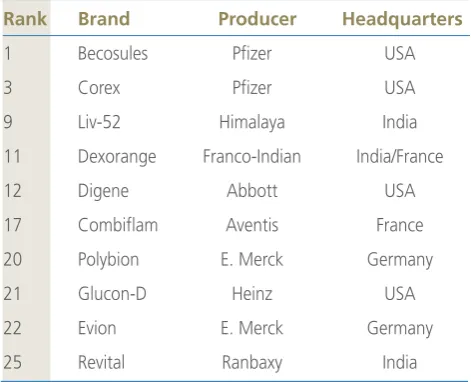
Macroeconomics and Health labelled 10 out of 25 top selling brands of medicines in the country as being either “irrational or non-essential or hazardous.”27Those brands are listed in the table below and include a number of market leaders. These issues are important in
developed and developing countries but are particularly pressing in developing countries where each dollar that is misused is a dollar that can’t easily be replaced.
Table 2: Top selling irrational, non-essential or
hazardous drugs in India (2005)
28Rank Brand Producer Headquarters
20 Polybion E. Merck Germany
21 Glucon-D Heinz USA
22 Evion E. Merck Germany
25 Revital Ranbaxy India
According to the World Bank, health expenditure per head in high-income countries was US$3,727 per annum in 2005, US$141 in middle-income countries and just US$24 in low-income countries.29This underlines the importance of ensuring every dollar is used in the most effective way to tackle health. However the irresponsible promotion of drugs does little, if anything, to promote Introduction
Introduction
rational use of medicines and improved access to essential medicines.
Pushing the wrong pills
Finally there is the question of whether the pharmaceutical industry is simply too market driven. Operating in a competitive market and with falling revenues there is immense pressure on companies to deliver the next ‘block buster’ drug. The inevitable pressure on companies is to focus on the wealthiest markets and the most marketable conditions. This has led to a concentration on ‘me too’ drugs that tap into lucrative markets but add little additional medical value and even ‘disease mongering’ or the medicalisation of conditions that had previously been seen as lifestyle issues and only in extreme cases a cause for medical intervention.
There is a considerable body of recent evidence around the world to indicate the therapeutic significance of marketed products is declining. For instance:
• A survey in April 2005 by the French journal La Revue Prescrire concluded that 68 per cent of the 3,096 new products approved in France between 1981 and 2004 brought “nothing new” to existing treatments.
• The British Medical Journal published a study rating only 5 per cent of all newly patented drugs in Canada as “breakthrough”.
• A breakdown of more than 1,000 new drugs approved by the US Food and Drug Administration between 1989 and 2000 revealed that more than three-quarters had no therapeutic benefit over existing products.30
Meanwhile it is estimated that a third of the world’s people lack access to the medicines they need – rising to 50% in parts of Asia and Africa.31 In this context, critics of the pharmaceutical industry call for companies to divert a larger portion of the billions of dollars spent on
marketing (and the research and manufacture of drugs driven by marketing aims) into research and development (R&D) for diseases affecting the poor instead. In the current system, those doing the R&D are rewarded more for developing a drug that will sell than one that will meet unaddressed health needs. However it is also important to highlight that within the current system of pharmaceutical R&D patients in rich countries are losing out too.
It is estimated that up to 10.5 million lives could be saved every year by improving access to essential medicines and vaccines; 4 million in Africa and South-East Asia alone. Yet there is still no evidence that the pharmaceutical industry is significantly shifting its resources towards the neglected diseases that are the greatest threat in many developing countries. The drugs that these companies are marketing are the drugs developed for the more lucrative markets.
By promoting drugs that are not needed,
pharmaceutical companies could detract from efforts to improve the overall public health of consumers in developing countries. It is true that many other factors such as poor training and a lack of regulatory
infrastructure are also at the root of these problems. However as global leaders, with financial clout to affect change, drug companies and particularly the market leaders have social responsibilities in ensuring their marketing activities do not lead to negative outcomes for patients and consumers of their products.
Sincere ethics or spin?
Most drug companies are quick to highlight their many endeavours to improve health challenges faced by developing countries, particularly under the banner of corporate social responsibility (CSR). Consumers International believes that the cornerstone of CSR is transparency. However, when we approached the 10 largest multinational drug companies32to tell us about their marketing practices in key emerging markets in Latin America, Africa and Asia, our experiences mirror the lack of transparency displayed by the Pharmaceutical Association of Malaysia.
In many developing countries
Introduction
GlaxoSmithKline
What they say: “We are aware of the sensitivity and concerns regarding the marketing of medicines and we are absolutely committed to high ethical standards. We have developed marketing codes and policies and provide training to guide sales representatives, to ensure that they behave ethically and comply with the law.”33
What they do: Following communications on our research questionnaire, a member of staff at GSK’s Corporate Responsibility team said: “I have forwarded your details to someone else at GSK and if they are interested in participating, they will contact you directly.”34We received no response or further acknowledgement to our queries from GSK.
Sanofi-Aventis
What they say: “In its promotional practices, Sanofi-Aventis adheres to both national and international codes governing the profession. The Group has also developed responsible marketing guidelines that cover promotional materials, congresses and seminars, pharmaceutical sales calls and post-marketing studies. Continuous training for medical sales representatives (who number 35,000 worldwide) is designed to ensure the quality of their presentations during promotional visits.”35
What they do: Unlike most of their counterparts in the industry, this company did not allow us to speak directly to senior CSR managers. After being forced to engage with the company through the only means available – an on-line query form – we received no response from the company on their marketing practices in emerging markets.
Aside from finding an unwillingness to answer basic questions about their marketing operations, our research on drug companies shows that:
1.The volume and scale of promotion may promote irrational prescribing and by extension, irrational drug use by consumers.
2.Doctors may not be aware of how to report unethical drug promotion so it often goes unchecked.
3.Doctors value sales representatives’ visits, but the quality of information may be affected by positive bias, leaving them ill-informed or misled about the drug being promoted.
Table 3: Top corporations by global pharma sales: 2006
2
Same game, new venue
Why focus on industry leaders?
The pharmaceutical industry in 2006 was worth US$ 643 billion. Total pharmaceutical sales from the top 10 companies accounted for more than
40% of the total market (see table). This report focuses on the few companies that between them dominate the global pharmaceutical industry. This is not to say that problems of unethical marketing by smaller regional and national companies do not arise, but we believe the large international companies have a particular responsibility, because of their size, influence and experience, to lead
the field in the responsible marketing of their products.
2006 Global sales % Constant US$ growth
Rank US$Bn %Global sales 2006 CAGR 01-05
Declining profits in mature markets
Despite the colossal financial turnover, major industry trends suggest that the pharmaceutical industry is in trouble. Blockbuster drugs are coming off patent, sales and marketing expenses are increasing, regulatory costs are growing, and the industry is trapped in a marketing and sales race that has diverted resources from research and provoked a public backlash.36
It is estimated that:
• More than 90% of the pharmaceutical industry’s total pharmaceutical revenues came from medicines that have been on the market for more than five years, i.e. not new drugs.
• By 2009, a dozen of today’s top 35 branded prescription drugs will lose patent protection.
• Expiring patents expose an estimated $157 billion worth of sales (measured in 2005 terms) to generic erosion.
• The leading pharmaceutical companies will lose between 14% and 41% of their existing revenues as a result of patent expiries.
• The industry’s growth rate is now at 7% compared to 14.5% 1999 (see table).
According to Accenture, “a whopping US$ 1 trillion of ‘enterprise value’, which measures the future profitability, has been wiped out because investors have lost faith
in drug makers’ growth prospects. Likewise, PricewaterhouseCoopers’ reports suggest that the pharmaceutical industry’s established strategy of developing blockbuster pills seems to be failing. Despite spending twice as much on research and development as they did ten years ago, the flow of blockbuster pills (those with sales in excess of $1 million) seems to be slowing.37
Recent business reports on the sector have highlighted falling share prices and shareholder dissatisfaction.38 Returns on pharmaceutical stocks have lagged behind those of other industries – during the past six years, the Dow Jones World Index rose 34.9% while the FTSE Global Pharmaceuticals Index rose just 1.3%.39 The pharmaceutical industry is relatively weak financially.
Pfizer: Case example
40Primarily in response to falling sales of its blockbuster cholesterol drug Lipitor, drug giant Pfizer cut about one-tenth of its global workforce this year. Lipitor accounts for nearly US$ 13 billion of Pfizer’s revenues and over 40% of its profits. Sales are missing the company’s own targets, before its patent runs out in about four years. Those sales are projected to collapse as generic producers then enter the market. In addition, Pfizer had hoped that its new cholesterol product Torcetrapib would be the blockbuster to replace Lipitor. However, in late 2006 drug safety concerns meant the drug was
unexpectedly dropped.
However, the pharmaceutical industry is aggressively defending patents as in the case of Abbott’s dispute with the Thai government over its Kaletra AIDS drug and Novartis’ failed attempt to protect its cancer drug Glivec’s patent in India. They are also experimenting with
different research models and pushing limits on direct-to-consumer advertising in Canada41and Europe.42 Same game, new venue
Global sales US$BN 1999 2000 2001 2002 2003 2004 2005 2006
Total world market (US$) 334 362 387 427 498 559 601 643
%Constant US$ growth 14.5 11.7 11.8 10.6 10,4 8.0 6.8 7.0
Table 4: Industry growth rate 1999-2006
Perhaps the most crucial strategy being deployed by the pharmaceutical industry is to find ways to increase their profits in emerging economy countries. A combination of older and more sedentary populations combined with growing markets in emerging economies indicate that the worldwide pharmaceutical market could more than double by 2020 to $1.3 trillion in annual sales.43
According to Stewart Adkins, a former Pharmaceuticals Analyst at Lehman Brothers, in the 1990’s “drug companies were aggressively marketing, raising prices and pushing up volumes by driving people into their doctors’ offices. The industry is now scrambling to recover its reputation, and one way is by becoming better citizens in emerging markets.” 44
Developing country markets:
the next boom
“I couldn’t say what the net present value is. But in 20, 30 or 40 years, we will be seen as an early investor in the emerging economies of Asia and Africa. I believe people feel a sense of loyalty to those who have helped them get off the ground.”
Mr. Lars Rebien Sorensen Chief Executive, Novo Nordisk45
Markets in developing and emerging economy countries are therefore an obvious priority area for the big pharmaceutical players who are seeking to maintain profit margins in coming years. Although emerging markets including China, Korea, Mexico, Brazil, Russia and Turkey currently account for only about 20% of the global pharmaceutical market, they all experienced double-digit growth, outpacing global performance and signalling important shifts in the marketplace in 2005.46 Specifically, sales in Latin America grew 12.7 percent to $33.6 billion, while Asia Pacific (outside of Japan) and Africa grew 10.5 percent to $66 billion.47
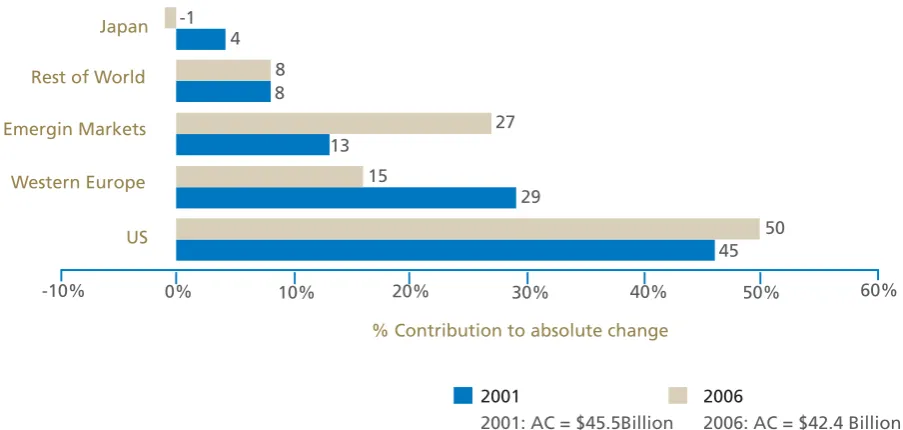
Within the emerging market segment, developing economy countries are now the fastest growing markets for major industry leaders. As recently as 2001, countries with a per-capita Gross National Income of less than $20,000 contributed just 13 percent of growth, but now 27 per cent of total market growth is coming from these lower-income countries.48As Murray Aitken (Senior vice president, Corporate Strategy) of IMS Health, a leading consultancy for the industry says, “Many of these countries are experiencing significant GDP growth, which helps finance improvements in their healthcare systems, increases patient access, and fuels the double-digit growth we are seeing. Pharmaceutical manufacturers are working to address the unmet healthcare needs in these Same game, new venue
Table 5: Contribution to total world sales growth by regions 2001 vs. 2006
Japan
% Contribution to absolute change
0%
2001
2001: AC = $45.5Billion
2006
markets as a means to improve overall business performance.”49For example, India was one of the fastest growing markets in 2006, with pharmaceutical sales increasing 17.5 percent to $7.3 billion.
Doing business in developing economy countries brings many challenges to the ideals of responsible corporate behaviour. However, despite the pitfalls, drug companies argue that increasing the scope of their activities in developing countries will serve many sustainable development goals, and will particularly improve healthcare and treatment options for the world’s poor.
Improving people’s access to medicines is something Consumers International supports, but there is considerable concern that if the marketing machinery utilised in developed countries is transplanted to countries with less robust forms of regulation and consumer protection, the consequence may be a major global health issue. The signs for this transfer are already emerging. For example, industry reports suggest that there will be far fewer sales people in markets that are currently saturated with sales staff, like the US – although growing demand will increase the need for key account managers and [promotion] specialists in developing economies.
In summary, it is clear that the pharmaceutical industry is poised to focus on emerging markets, many of which are located in developing countries with poor healthcare and insufficient regulatory infrastructure. Trends also indicate that a significant portion of this attention will focus on marketing of drugs, and that in light of bans on direct to consumer advertising of expensive prescription drugs, doctors are a focus for this activity.
Drug promotion methods
“The commercial needs of countless, fiercely competing pharmaceutical companies has led them to depend on the tried and tested 3Cs: convince if possible, confuse if necessary, and corrupt if nothing else works.”
Chandra M Gulhati
Monthly Index of Medical Speciality (MIMS) India.50
Health professionals in developing countries work in overstretched and under resourced sectors on low pay and in difficult conditions.51In such conditions the promotions from the drug companies are inviting. Disparities in health spending between the world’s richest countries and the world’s poorest countries are such that a relatively cheap promotion in a developing country will generate much more interest there than it would in a developed country (see the section on gifts to doctors).
The aim of drug promotion is to persuade people to buy more drugs and/or to pay higher prices. This is done by increasing the perceived value of the drug via one or more of several approaches including:
• Increasing the perceived frequency and/or severity of the indications.
• Widening the indications to include more people.
• Increasing the perceived likelihood and magnitude of benefits.
• Decreasing the perceived likelihood and magnitude of harms.
• Increasing the use of the drug for longer durations.
The World Health Organization defines drug promotion as including: “all informational and persuasive activities by manufacturers and distributors, the effect of which is to induce the prescription, supply, purchase and/or use of medicinal drugs.”
The main aim of promotion is not to inform but to persuade. Consumer goods advertisements rarely convey much information about the features of the product. Instead the emphasis of much advertising is on associating consumption of the product with positive feeling.
Same game, new venue
Same game, new venue
Unawareness Awareness Interest Evaluation Test Usage RepeatUsage
Regardless of where they are operating, most drug companies try to identify where people are on the following behaviour change stages and then deploy sophisticated marketing techniques to motivate them to move one or more stages towards repeat use:
Each move requires motivation and decision making so drug companies study how to understand human motivations and decision-making.52 Public relations techniques bypass people’s defences by giving the impression that the message is coming from a trustworthy source.
GlaxoSmithKline, Ghana, 2005
The Ghana Pharmaceutical Journal. August, 2005. Vol. 30, No.1.
Advertisements and public relations techniques are the most cost effective way to move people, especially doctors and consumers, from unawareness to awareness of the existence of a new drug and for maintaining repeat usage. These techniques are effective mostly by appealing to desires and fears.53
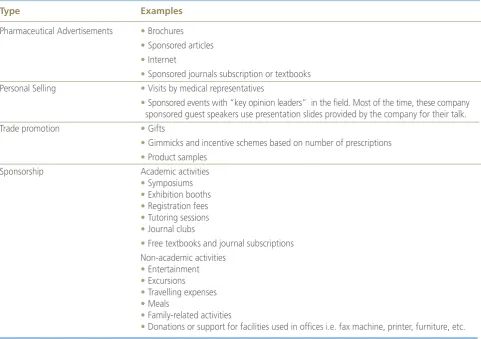
Table 6: Doctor-directed promotion methods
Type Examples
Pharmaceutical Advertisements • Brochures • Sponsored articles • Internet
• Sponsored journals subscription or textbooks Personal Selling • Visits by medical representatives
• Sponsored events with “key opinion leaders” in the field. Most of the time, these company sponsored guest speakers use presentation slides provided by the company for their talk.
Trade promotion • Gifts
• Gimmicks and incentive schemes based on number of prescriptions • Product samples
Sponsorship Academic activities
• Symposiums • Exhibition booths • Registration fees • Tutoring sessions • Journal clubs
• Free textbooks and journal subscriptions Non-academic activities
• Entertainment • Excursions • Travelling expenses • Meals
• Family-related activities
• Donations or support for facilities used in offices i.e. fax machine, printer, furniture, etc.
Our research presented in the next chapter catalogues a number of serious breaches in promotion ethics, which we believe can harm consumer health.
Same game, new venue
In another example, an article in the Pharmaceutical Society of Ghana’s (PSGH) newsletter claimed “Lifestyle modifications [such as diet and exercise] alone are usually ineffective in maintaining weight loss on a long term basis so there is usually the need to institute supported drug therapy.” While other types of treatments are mentioned, Roche’s Xenical is the only branded product named in the article. Below the packaged Xenical pills, as pictured on the left, the article advised readers to get customers to take one pill after a fatty meal.54It is noteworthy that the PSGH’S current disease awareness
campaign on Hepatitis B is “ably supported by Roche and GlaxoSmithKline.”55
The table below provides an overview of the key promotion methods used to target doctors:
Roche, Ghana, 2003
Doctors are the main targets for the promotional activities of drug companies in developing countries. With the power to prescribe and a high status in society their opinion of a drug very often determines its sales success. It is therefore not surprising that the majority of marketing spend by industry leaders goes towards direct-to-doctor (DTD) promotion.
Health professionals are targeted by companies mainly via medical representatives and advertisements placed in medical journals or brochures that are sent directly to the doctors. Nadeem Irfan Bukhari, a scholar on drug marketing in Malaysia and Pakistan57reported to CI that the main conduits of promotion in Pakistan are:
“advertising, detailing (visits from sales representatives), direct mail, sales promotion, publicity and public relations. Among them, detailing dominates most.”58
These marketing practices are common to most contexts whether in developing countries or developed. However some issues are of particular concern to developing countries where health budgets are smaller and resources
have to stretch much further. For instance in developing countries the lack of government funding for professional development activities for health professionals can make drug company sponsored meetings more valuable. Lack of resources for surgeries and even personal medical resources can also make offers from drug companies more inviting.
The sheer volume of promotion as well as the types of cases we have come across in our research raises serious concerns about whether drug companies are able to regulate their promotion activities effectively, while ensuring high standards of consumer protection.
The following section of this report shows how doctors in developing countries can be faced with a barrage of gifts, visits from sales reps and print advertising.
Gifts
Among the promotional tactics employed by
pharmaceutical companies is the practice of giving gifts to doctors. In developing countries, these range from
3
Evidence of ethical failures
“Medical Representatives bring with them many creative ideas for drug
promotion. I observed this for the first time when I visited one
of my professors. A signboard next to the door read “Doctor
is IN-DIGENE” (Digene is a brand of antacid). After going
inside, I noticed that there was at least one big poster
promoting a pharmaceutical company on every wall. On the
table was a beautifully handcrafted name board with the
professor’s name in golden letters. The side facing the
professor had the brand name of a drug in equally stylish
lettering.”
small items such as gifts, pens and notebooks to expensive foreign holidays, televisions, air conditioners and even jewellery.
Domestic companies in countries like India, Venezuela and Indonesia are also engaged in similar practices. However an added ethical dilemma is presented for multinational firms. In taking advantage of poor
economic conditions and lax regulations to influence the prescribing patterns of doctors in developing countries, while simultaneously adopting a “softer” approach with doctors in Europe, North America and Australia they can be viewed as being guilty of double standards.
The practice of giving gifts comes in different guises. Noordin Othman, PhD candidate, University of South Australia reported that when he worked for Brussels-based Solvay Pharma in Malaysia in 2002, "the company
normally paid for the air tickets, accommodation,
registration fees, speaker’s honorariums, dinner, stationery and bags" for doctors attending meetings at which opinion leaders promoted the company's drug Betaserc.”59
However what stands out in the developing country context is the practice of giving lavish personal gifts that have no pretence at medical value. A Kashmiri
newspaper reported a doctor as saying “Medical representatives of pharmaceutical companies whose products may or may not be efficacious without any qualms offer cash, refrigerators, colour televisions, laptops, PCs, mobile phones, ovens, phone bills, cars, tuition fee of their children, and lots more.”60
Similarly, one Indian doctor noted, ‘“The newer multinational and major players in the market have started to hire marketing professionals and take their brand promotion very seriously and many try to build a personal rapport with the doctor by remembering special occasions like their birthdays and anniversaries and besides the regular festivals. The companies have started to spend more and more in keeping the doctors and their employees happy rather than their customers. 'Gifting' of air conditioners, washing machines,
microwaves, cameras, televisions, and expensive crystals is a normal accepted norm nowadays. So are frequent
Education meetings] and lectures in star hotels followed by lavish dinners and cocktails.”61
Such practices not only contravene the national industry code on ethical promotion, but also are often non-transparent. These gifts may be hidden in official company reports of spending under budget lines for seminars and events. As a result, establishing an accurate picture of the actual costs associated with gifts to doctors can be difficult for health watchdogs and consumer groups who are concerned about the influence of drug companies on health professionals.
Case Study
–
Pakistan
Similar practices also take place in Pakistan. Murad M Khan, Professor & Chairman, Department of Psychiatry, Aga Khan University, Pakistan reported that gifts given by drug companies in Pakistan include:
• Low cost: pens/pads/diaries/calendars.
• Medium cost:stethoscope/books/briefcases.
• High cost: air conditioners/laptops/desktop computers/club membership.
The latest practice is: For writing 200 prescriptions of the company’s high priced drug, a doctor is rewarded with the down payment of a brand new car. Drug companies also fund symposia and research retreats. There are incentives for switching patients to the company’s drug in open label ‘clinical trials’ that claim to provide
information about ‘local experience’. However proper randomised controlled trials62are rare in Pakistan. Drug companies provide sponsorship for continuing medical education, private functions, attendance at conferences including covering expenses for the spouse and family. They provide hospitality at specialty talks and drug launches in 5 star hotels. In his opinion: in Pakistan, inducements from pharmaceutical companies to physicians, large or small, in any form, shape or size are Evidence of ethical failures
Professor Khan also said: “In October 2004 Lundbeck launched the Alzheimer’s disease drug Ebixa (memantine) in Pakistan by taking 70 Pakistani doctors to a 5 star hotel in Bangkok, Thailand. How will the company recover this amount? From increased drug sales! Who will help in increasing drug sales? Physicians who went to Bangkok! Who will foot the bill? Patients & families, of course!”
It should be noted this example also illustrates the company is operating a clear double standard, since Lundbeck is aware that The UK National Institute for Health and Clinical Excellence (NICE) stated on 23 January 2006, “memantine is not recommended as a treatment option for people with Alzheimer’s disease except as part of properly constructed clinical studies.”63
CI’s member organisation TheNetwork in Pakistan also made some alarming discoveries in relation to drug promotion in Pakistan. In a survey of 149 doctors, 100 medical information officers (sales representatives) and 99 medical store personnel, they found:64
• There was an average of 7 sales representatives visiting the doctors per day.
• A variety of personalized gifts and sales based incentives were offered to the doctors. Such gifts and incentives included air conditioners, cars, cash, home appliances, domestic cattle and percentage per pack.
• Gifting on special occasions such as birthdays and religious festivals is a common practice.
• Companies mainly focus on the well established doctors by sponsoring them to participate in national and international conferences.
• Posters and charts were the most common printed promotional material as observed during the survey. Many charts had content that may promote self-medication.
There are a number of blatant violations of the existing codes of pharmaceutical marketing that underline a great need to develop and implement national regulation for the marketing of pharmaceutical products in Pakistan.
According to Dr Talib Lashari, Executive Director of TheNetwork, the interactions between the doctors and
the companies are one of the important causes of irrational prescriptions in the country. This has ethical implications for doctors, as it affects the trust required in the doctor-patient relationship. Specifically, Dr Lashari comments: “If left unchecked, current marketing practices of pharmaceutical companies may lead to the worsening of the already poor healthcare situation in the country. Allowing a free run and one-sided propaganda for the makers and marketers of pharmaceutical products will not only be suicidal for rational clinical practice but also affect negatively the economy of common people.”
Whilst such overt gift making was common in the past it now contravenes accepted codes of practice in developed countries and – in public at least – is considered to be unacceptable behaviour.
In other cases the gift giving is more closely related to medical education or supplies. For instance in Kenya medical student Cameron Page reported that “I have recently been noticing some medical students walking around wearing white coats with drug company logos on them…This seemed to me to cross a line… Wearing a logo on your physical person is akin to being paid for an endorsement. The cost of a white coat in Kenya may be high enough for some medical students feel the trade-off is worth it.”
Dr Atieno Ojoo, Chief Pharmacist, Kenyatta National Hospital, reported that the methods used for drug promotion in Kenya include: “Sponsorship of CMEs at institutional/professional organizational level (they get a guest speaker, topic of their choice, pay for coffee/tea and snacks) this partnering with an
institution/professional association endorses the company. Development of resource centres (Rent for space, purchase of computers and necessary software, subscriptions for journals) for professional association – Evidence of ethical failures
“Allowing a free run and one-sided
propaganda for the makers and
mar-keters of pharmaceutical products will
not only be suicidal for rational clinical
practice but also affect negatively the
economy of common people.”
But does this gift giving matter?
A sales representative in India reported: “Since there is no documentation of these gifts, the doctors can switch over from one product to another when perks of one
company exceed that of another. The doctors neglect other aspects of the drug like its efficacy, suitability for the patient, the cost etc. With so many multinational companies competing in India, the money spent over these activities is increasing day by day.”65
Our research brought to the fore three key areas where the interaction between pharmaceutical companies and health professionals suggests an unhealthy relationship, with significant conflicts of interest.
First, health professionals’ belief about gifts shows recognition of the fact that gifts do have an impact on prescribing behaviour. This can promote irrational drug use by consumers that is not based on reliable data on real needs, safety, efficacy and price of the drug, but rather on the marketing tactics of individual companies.
Second, examples of the way in which the gift
relationship between companies and doctors is cultivated reveals a disregard for ethical practice.
Finally, examples of how prescribing behaviour is affected by gifts suggest that such practices negatively affect consumer health and safety and may increase unnecessary spending on healthcare.
Health professionals’ beliefs about gifts
As a marketing strategy, in cultivating a gift relationship with doctors, drug companies are in effect creating a relationship of reciprocity where, upon receiving a gift, doctors may feel obligated to respond. Whether they are conscious of it or not is not relevant.
Existing literature suggests that doctors hold a range of views about gifts. In general doctors readily accept gifts that are smaller and socially more acceptable. There is a sense of ‘unique invulnerability’66, that only ‘other’ doctors are influenced by gifts. This theory of unique vulnerability suggests that doctors are more willing to say that other doctors are influenced more than they are themselves, but this hypothesis warrants
In discussions organised in India by the Forum for Medical Ethics Society for students, practitioners and healthcare administrators in 2004, the theory of unique invulnerability was confirmed. When the audience was asked if going on a drug company-sponsored cruise would affect their prescriptions towards the company’s product, the overwhelming majority said “no”. When asked if a sponsored cruise influenced the prescription practices of at least one doctor they knew, an overwhelming majority would say “yes”. However, patients disapprove of gifts other than samples.68
Comments from participants suggested a variety of justifications for their responses. One doctor said that gifts are “just a gesture to say thanks for the time the doctors gives a medical representative. Let’s say, if a doctor sees three patients in 15 minutes then the medical
representative is just costing him those three patients in his 15 minute talk. So the MRs [medical sales
representatives] try to compensate by gifts, since obviously he can’t compensate in cash.”
Another doctor said ‘I have never returned the various gifts offered by them and I personally think that there is nothing wrong in collecting these gifts and the only way I can attend conferences and meetings is to go through these drug firms. The companies also pay for my travel for conferences held out station. My conscience is clear on this, as I have never bowed to their ‘pressure’.” Findings in other countries support the thesis that there is both a lot of contact between the companies and doctors and that doctors are ambiguous about the impact this has on the prescribing behaviour.
A cross sectional anonymous survey was initiated in Argentina in 2005 to identify the extent of and attitudes towards the relationship between the physicians and the pharmaceutical industry. The impact of this relationship on the knowledge, attitude and behaviour of the physicians was also examined. Internists, cardiologists and dermatologists who work in private and public hospitals in Buenos Aires city participated in this study. Evidence of ethical failures
Key findings showed a high level of interaction between the pharmaceutical industry and the medical profession. Although the latter recognize the influence of these interactions on prescriptions and the elevation of the cost of the final product, they find it appropriate to receive benefits.69
• 86% receive medical samples frequently.
• 39% receive desk gifts.
• 19% receive invitations to congresses.
• 12% receive free lunches.
Half of the doctors believe that receiving benefits from the pharmaceutical industry has an influence on medical prescription, but only 27% accept this as influential in their own prescriptions.
The impact of gifts on prescribing
Irrespective of content, gifting is ubiquitous. Social science research continues to show that the impulse to reciprocate from even a token gift can be a powerful influence on behaviour, thereby producing a possible conflict of interest for the recipient.70The examples from Sri Lanka and Indonesia below support the body of evidence on biased behaviour and shows that biased doctors are more likely to:
• Prescribe a drug if they had recently attended a sponsored event by the manufacturer.
• Prescribe a drug that is not clinically indicated.
• Have a drug placed on a hospital formulary.
G.N. Malavige, a lecturer in Microbiology, Faculty of Medical Sciences, University of Sri Jayawardanapura reported that the interdependent relationship between doctors and pharmaceutical consumers is stronger in developing countries such as Sri Lanka, and may lead to adverse outcomes especially for the consumer. Not only do drug companies play a vital role in sponsoring continued professional development (CPD) programmes, they are also at times ‘nice enough’ to grant personal favours to their ‘best prescribers’.
Malavige also notes that doctors who are frequently in contact with drug representatives are more willing to prescribe newer drugs. The situation is worse in
developing countries where doctors are seen as ‘Gods’ by most patients. Therefore, the doctor may prescribe expensive drugs of their favourite pharmaceutical company without regard for the expense borne by the patient. For instance, the price of a 10 mg tablet of simvastatin (cholesterol reducing drug) ranges from Sri Lankan Rs.15 (US$ 0.16) to Sri Lankan Rs.128 (US$1.35).
Doctors may be unaware of the fact that drug companies influence their prescribing behaviour. Although many have suggested that doctors should distance themselves from drug companies, it is easier said than done in poor countries such as Sri Lanka.71,72
Mirroring the situation previously described in Pakistan, India and Sri Lanka, in February 2006 the Jakarta Post reported that because Indonesia has a “competitive market, companies often pay doctors commissions to prescribe drugs, meaning patients often get medicines they do not need.”73Two days later an editorial in the same paper asserted that there was increasing public suspicion that: “Drug manufacturers and doctors are conspiring for profit at the expense of consumers, who are pushed into buying unnecessary drugs at rip-off prices. Industry professionals and health workers have long privately acknowledged that doctors who prescribed certain amounts of certain drugs would receive ‘gifts’ from the drug producers. This is one of the reasons why many doctors are reluctant to prescribe generic drugs, which are much cheaper and just as effective as the patented ones. Influenced by drug companies’ packaging and advertising, many people also prefer to buy the more expensive medicines for reasons of status, perhaps, or because of the wrongheaded view that the patented drugs are better.”74
Table 7: Health expenditure in developing countries
Country Per capita spending Total health on health in USD ($)76 expenditure as % of GDP77
Compared to USA $4,499 14.6
The examples provided in this chapter are indicative of the impact of doctor directed gifting practices of drug companies on the drug consumption choices of
consumers. Globally, there is growing recognition among legislators, health campaigners and doctors that the practice of gift giving is open to abuse.
Six US states have now passed “gift laws” requiring all pharmaceutical companies to disclose how much they give doctors, hospitals and pharmacists each year, while another 15 states have similar bills in the pipeline. Several European trade bodies, including the Prescription
Medicines Code of Practice Authority of the Association of the British Pharmaceutical Industry (ABPI), have also launched new codes of practice imposing much tighter rules on the promotion of medicines. Likewise, in late 2003, Spain’s Autonomous regions introduced restrictions on the number of promotional visits sales representatives can make. However, these trends are not yet visible among key emerging markets.
Author Michael T. Murray finds the term gift itself suspect, asking poignantly, “If the drug company didn’t expect the gift to influence the doctor’s decision, why would it give the gift?” He goes on to clarify, “A gift implies that there are no strings attached.”
As much as they would not like to admit it to others, or especially to themselves, doctors know that these “gifts” are linked to an ulterior motive, according to Dr Jerome P. Kassirer in his book, On the Take. This means that consumers may not always be able to trust their doctor
Sales representatives
According to their career profile, pharmaceutical sales representatives spend most of their business time on the road, talking with pharmacists, hospital personnel, physicians, patient advocacy groups, and even retirement homes, increasing the visibility of their company’s products and the volume of their sales.78
One to one visits from sales representatives are proven to be the most effective way to promote drugs to doctors because they can identify the behaviour change stage and the main motivators and decision-making styles of the person they are selling to and adapt their approach accordingly. The main influencing techniques used by drug sales representatives try to focus on doctors’ tendencies to trust experts, trust their peers and trust likable (friendly and/or attractive) people, to be consistent with their commitments and to act on reciprocal
obligations when given gifts.79Visits from sales
representatives are often coordinated with other methods such as providing gifts, free samples or running
advertising campaigns.
Ben Abdelaziz at the Department of Community Medicine, Faculty of Medicine Ibn El Jazzar, Sousse, Tunisia reported that: The therapeutic knowledge of physicians is the corner stone to the rational use of medicines; however information about medicines is generally obtained from the pharmaceutical industry via their sales representatives (reps). Abdelaziz and his colleagues aimed to identify general practitioners’ (GPs) attitudes to pharmaceutical reps and the information they provide. Their survey results showed:80
• 84% of GPs considered pharmaceutical representatives as an efficient source of information.
• 31% said they might change their therapeutic prescribing following visits from these reps.
• Because of their positive perception of pharmaceutical reps, GPs are susceptible to the information they provide. Controlling the validity of the therapeutic information imparted by the pharmaceutical industry is thus a fundamental component of the programme for the rational use of medicines.81
inconsistencies between what they had been told to tell the doctor during promotional visits and what was detailed in the literature.82Also, doctors noted that they received literature only if they repeatedly requested it. These social responsibility failures pose significant threats in the context of a country like India, which is a poorly regulated environment and is further complicated by a significant uneducated consumer base and a highly privatised health system.83
Personal comments by sales representatives and health professionals alike from many parts of the developing world are suggestive of an ethically questionable relationship fostered by drug companies.
Dr Atieno Ojoo, Chief Pharmacist, Kenyatta National Hospital, Kenya reported “My hospital currently has guidelines for medical representatives, but they are breaking those rules! A few recent promotional activities included sponsorship of CME seminars at an
institutional/professional organizational level (they get a guest speaker, topic of their choice, pay for coffee/tea and snacks) and usually endorses the company.”84
Codou Bop, a health professional in Senegal said: “The practice is they hire people who visit doctors and any health care provider who is allowed to prescribe drugs, give them samples and have them prescribe their drugs. I do not know whether they bribe the doctors, but I do know that some companies invite doctors to visit their headquarters in the Northern countries and give large per-diems.”85
Branded education
It is clear that companies face a conflict of interest in providing an accurate picture of negative impacts of their product. This presents a problem for doctors everywhere, but particularly in developing countries, who rely heavily on the drug information provided by the company and in many cases cannot access independently verified data.86
However, doctors can also be complicit in the problem when they choose to endorse a company’s marketing campaign or assume the role of a seemingly
“independent” key opinion leader to shape a positive perception of the drug among health professionals. In some cases the pharmaceutical industry manages to co-opt academia and unduly influence what health
researchers reveal about their findings, as the non-profit organisation Doctors for Research Integrity asserts. One significant result is that medical journal articles on new drugs may be ghost written and influenced by drug companies’ public relations (PR) firm.
Evidence of ethical failures
Pfizer, Thailand, 2004
In Thailand, the front page of a Continuing Pharmacy Education seminar for community pharmacists, sponsored by Pfizer, features its product Celebrex. In addition, our researchers found that the speakers used slides provided by the company itself. As one doctor
explained: ‘‘the speakers did not need to do their homework. They just act as if they are a medical [sales] representative from the company.” This type of tactic clearly violates the WHO Criteria for Medicinal Drug Promotion, which states: “scientific and educational activities should not be
Evidence of ethical failures
Unfortunately, unethical practices do not appear to be isolated cases. Roche in Thailand also deploys similar tactics. This advertisement for Pegasys, a drug used to treat Hepatitis C, and report of a Continuing Medical Education (CME) seminar sponsored by Roche were both published in CME Plus June 2005; Vol 4 Issue 45. The CME report repeatedly uses the Pegasys logo.
Similarly, these speakers used slides provided by Roche to give a lecture. Our researcher observed that “it was funny to see that these speakers were Thai and they were speaking to a Thai audience, but they used slides in English that look exactly like the brochure - even the colour theme was the same red.” More worryingly, our pharmacology experts also noted that the information provided in these slides was questionable and potentially misleading for doctors.87, 88
Evidence of ethical failures
CI research indicates that in the absence of state-sponsored or independently funded information services on new drugs and treatments, health care professionals are forced to rely on the industry to stay up-to-date in their field. However, a significant risk in this reliance on the industry for such information is the evidence of positive bias in the industry-sponsored research that is presented at such forums.89For example, one review of studies conducted in 2003 shows that 84 percent of the industry-sponsored studies had positive results, compared with 62 percent of those with no backing from drug manufacturers.90
In most developing nations, drug-regulation agencies are weak and under-funded. Such conditions present obvious challenges for companies who operate in these countries.
Despite obvious failures in their promotions vetting and compliance systems for company codes, the industry continues to insist on a model of pure self-regulation. What is needed is a rigorous system of oversight and continuous consultation among key stakeholders including consumer advocates, the drug industry, government agencies, and health professionals.90
Advertising
Much advertising is similar to the peacock’s tail which conveys no information other than that the advertiser is successful enough to afford a lavish display.
John Kay
The Truth about Markets: Why Some Nations are Rich but Most Remain Poor (2003)
Pharmaceutical marketing experts are aware that well timed advertising directed to doctors tends to boost sales of the brand that spent the marketing dollars. In the case of marketing directly to health professionals, the question is whether promotion is (as most drug companies claim) primarily information on how the drug works or is intended to persuade doctors to prescribe the drug more frequently.92
For example, when Wyeth Pakistan launched one of its pneumonia vaccines (Prevenar) in the media, the company mainly used print and FM radio channels for this campaign
to inform healthcare professionals. But, the campaign also attracted parents’ attention by placing the picture of a baby and emotional slogans on advertisement materials. In addition, child specialists were invited to radio
programmes to answer parents’ queries about pneumonia. For the company, a successful outcome of such campaigns is achieved if patients insist their physician prescribe the specific branded product for them.93
Although there has been a lot of research on the persuasive versus informative role of drug promotion, there is little consensus and certainly more investigation is needed in the context of developing countries. Nevertheless, a WHO commissioned literature review of existing evidence in this regard reveals that while doctors’ opinions on the usefulness of the information from drug companies vary, most believe that such information is biased.94
Studies in developing and emerging economy countries appear to reveal similar trends. For example, sixty-eight percent of doctors questioned in Turkey thought the information provided by representatives was unreliable. Ninety–four percent felt a reliable source about drugs other than pharmaceutical companies was needed.95
Nobhojit Roy, Head of the Department of Surgery at BARC Hospital in Mumbai examined 3 studies comparing advertisements in India with those in other countries and concluded in 2004 that: “Drug advertisements in Indian medical journals contain less information on safety and clinical pharmacology than their American and British counterparts do”.96
In a similar study, Niyada Kiatying-Angsulee of the Social Pharmacy Research Unit, Chulalongkorn University, Bangkok and colleagues examined 256 advertisements targeting the general public via billboards and radio.97 Their findings show that 79 were from multinational companies and 38 were for prescription only drugs despite such advertising being illegal in Thailand. In addition they examined doctor-directed promotions, which included 207 advertisements with health claims.