Informasi Dokumen
- Sekolah: Philippines Australia Human Resource and Organisational Development Facility
- Mata Pelajaran: Human Resource Management
- Topik: Generic Competency Dictionary for Public Sector
- Tipe: knowledge product
- Tahun: 2016
- Kota: Manila
Ringkasan Dokumen
I. About the Generic Competency Dictionary (GCD)
The Generic Competency Dictionary (GCD) serves as a pivotal resource developed by the Civil Service Commission (CSC) with support from the Australian Government and PAHRODF. It aims to elevate human resource management standards in the public sector by providing a comprehensive framework for competency modeling and profiling. This initiative is part of the PRIME-HRM program designed to enhance the accessibility and application of competency frameworks across various government agencies, thereby contributing to improved HR practices and organizational performance.
II. Understanding Competencies
Competencies are defined as clusters of related knowledge, skills, and attitudes that significantly impact job performance. The GCD categorizes competencies into three main types: Core, Leadership, and Functional. Core competencies are essential for all employees and align with the organization's mission and values. Leadership competencies are specific to managerial roles, while functional competencies pertain to specialized job functions. Understanding these distinctions is crucial for effective HR management and employee development.
III. Getting Started
To effectively utilize the GCD, organizations should begin by aligning their vision, mission, and values with the competencies required for achieving strategic goals. The process involves selecting a job family to pilot the competency assessment, gathering data from various stakeholders, and identifying specific competencies relevant to the identified roles. This collaborative approach ensures that the competencies reflect the actual needs and dynamics of the organization.
IV. Leadership Competencies
The GCD outlines five key leadership competencies essential for public sector managers: Thinking Strategically and Creatively, Leading Change, Building Collaborative and Inclusive Working Relationships, Managing Performance and Coaching for Results, and Creating and Nurturing a High Performing Organisation. These competencies are designed to enhance leadership effectiveness and promote a culture of excellence within government agencies, thereby improving overall public service delivery.
4.1 Thinking Strategically and Creatively
This competency emphasizes the ability to understand the broader organizational context, craft innovative solutions, and align strategies with the agency's goals. It involves recognizing opportunities and challenges, demonstrating strategic agility, and promoting creativity within teams to enhance organizational effectiveness.
4.2 Leading Change
Leading Change focuses on generating enthusiasm for organizational transformation. It requires engaging stakeholders, managing resistance, and ensuring that change initiatives are effectively implemented. Leaders must create a supportive environment that fosters commitment to the change agenda and aligns resources with organizational goals.
4.3 Building Collaborative and Inclusive Working Relationships
This competency is about establishing and maintaining strong working relationships both within the organization and with external stakeholders. It involves leveraging partnerships, promoting transparency, and addressing diversity issues to create an inclusive culture that enhances collaboration and mutual benefit.
4.4 Managing Performance and Coaching for Results
Managing Performance and Coaching for Results is critical for developing a performance-oriented culture. It includes providing timely feedback, nurturing coaching relationships, and creating an environment that supports continuous learning and improvement. This competency is essential for maximizing individual and team performance.
4.5 Creating and Nurturing a High Performing Organisation
This competency focuses on fostering a results-driven, client-oriented organizational culture. It involves building commitment to shared goals, enhancing team cohesion, and implementing strategies that drive performance excellence across the organization.
V. Functional Competencies
The GCD details various functional competencies across key areas such as Human Resources Management, Public Financial Management, and Communications. Each functional area has specific competencies tailored to the unique requirements of the roles within that domain. This structure allows for targeted development and assessment of skills necessary for effective performance in specialized functions.
5.1 Human Resources Management and Development
This section outlines the essential competencies required for effective HR management, including recruitment, selection, performance evaluation, and employee development. It emphasizes the importance of strategic HR practices in fostering a capable and motivated workforce.
5.2 Public Financial Management
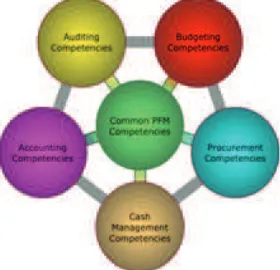
Competencies in this area focus on budgeting, procurement, accounting, and auditing. The GCD provides a framework for enhancing the technical skills of public financial management professionals, ensuring they can effectively implement reforms and manage financial resources.
5.3 General Administrative Services
This section covers competencies related to administrative functions within government agencies. It highlights the skills necessary for efficient office management, record-keeping, and support services that facilitate the overall functioning of public sector organizations.
5.4 Communications
Competencies in communications are vital for effectively conveying information and engaging with stakeholders. This section outlines the skills needed for public relations, media engagement, and internal communications to ensure transparency and clarity in government operations.
5.5 Planning
Planning competencies are essential for strategic decision-making and resource allocation. This section emphasizes the importance of analytical skills, foresight, and collaborative planning processes to achieve organizational objectives.
5.6 Environment
This area focuses on competencies related to environmental management and sustainability practices. It highlights the skills necessary for implementing policies that promote environmental stewardship within government operations.
5.7 Information Technology
Competencies in information technology are crucial for modernizing government services and enhancing operational efficiency. This section outlines the skills needed for IT management, cybersecurity, and digital transformation initiatives.
5.8 Legal
Legal competencies are essential for ensuring compliance with laws and regulations. This section details the skills required for legal analysis, contract management, and dispute resolution within the public sector.
5.9 Social Welfare
This section covers competencies necessary for effective social welfare programs, focusing on community engagement, program evaluation, and service delivery to vulnerable populations.
VI. References
The references section provides a comprehensive list of sources and materials that informed the development of the GCD. This includes academic literature, best practice guidelines, and contributions from various stakeholders involved in the project. It serves as a valuable resource for further research and exploration of competency-based HR practices.