1
THE SCHOOL SYSTEMS AND ACCOUNTING PROCEDURES ARRANGEMENT
AS A SYNCHRONIZATION EFFORT TOWARD THE IMPLEMENTATION OF
THE VARIOUS REGULATIONS OF SCHOOL FINANCE PROCESS
Ika Sasti Ferina
Ermadiani
Abdul Rohman
Aspahani
Srwijaya University
ABSTRACT
The various regulations, had been applied in schools finance process, created issue in implementing the
financial management which conducted by the financial manager of elementary schools. This issue was
classified into some parts of issues. The first issue related to the schools systems and accounting
procedures was the application of treasurer administration system without applying the bookkeeping
process and implementing the systems and procedures as well as the accounting rules. The second
problem was the format of the statement as the reference for the managers. The short-term goal of this
research was to get the real and comprehensive pictures of the school financial management condition
and the understanding comprehensive of the various regulations related to the financial management of
the school. After conducting the direct research of financial management in the schools, the result of this
research would be compared with the regulation aspects which had been applied there. The next stage
was to find the solution of the difference between the real practice in the schools and the regulations
themselves and also to find the solution for the real practice application and the accounting principle
which would be accepted by people and suitable with the government accounting standard. The result of
this research was a system and procedure which consisted of 3 (three) aspects of finance process:
Planning, Administration Management and School Financial Statement. This result was also expected to
be the long- term solution for the issue of finance process for both public a private elementary schools by
arranging this into a standard system of school financial management which could produce the financial
statement required by all aspects with several provisions and regulations based on the approach of
accounting.
INTRODUCTION
The financial management process of the school was a series of systematic process started by a
planning process followed by the process of programming, budgeting, the management of budgeting
process, including the school budget reporting and accountability.
The series of process above couldn’t be separated from one stage to another stage.
Systematic approach that had been done was the approach of financial statement process done by
the management function represented by the treasurer administration function. One of the characteristics
of the administration approach was the use of methods or the way of recording the bookkeeping process
which was the single entry bookkeeping and the cash basis as its basic accounting.
The single entry bookkeeping method has an intention that was
the recording would be done only one side and would not record on the other side as a control of each
event. Another characteristic as a result of this method was unable to produce other financial statements
beside the realization statement which was the financial statement that showed the assets, liability and
equity of the school. This method also has the advantage that was the treasurer recording could be done
easily; they didn’t need to understand the rules of debit and credit, just like in accounting process which usually would be the issue for a treasurer administration staff.
The cash basis approach meant the transaction acknowledgment done by considering the time
when the cash received or used. The advantage of the cash basis approach was the careful action when the
process of the transaction acknowledgment of cash received. They would only record if the cash was
completely received. The outlay also recorded when the cash had been used. The weakness of this
method was it didn’t record the accrual and deferral things which happened or experienced by all of the school aspects. The effect of this condition was the duties and the rights were not completely served by
the existing process. It caused the financial statement was not completely the same with the
comprehensiveness and accountability elements. This thing would become the next issue by applying or
using the cash basis approach.
The legal basis in the school financial management process was Permendiknas no. 51, 2011
which discussed about the guideline and technical guidance of the use of BOS fund (Bantuan
Operasional Sekolah) and the financial statement of BOS. The schools were a part of the district working
units in a district government which should be guided y the ministerial regulation No. 13, 2006 about the
district financial management process and the ministerial regulation No. 59 which told us about the
financial management process of the district government.
From a lot of regulations above, it became an issue for the financial manager in the schools. This
matter caused there were no the synchronization of the statement format, the documents and recording
books and the account for the transaction managers and the statements themselves. This matter absolutely
3
be responsible to the financial management and wrote the school financial statement as the transparent
and accountability actions of the schools.
The explanation above showed that the existing financial management process has the strengths
and weaknesses. The existing strengths couldn’t completely cover the weaknesses, so that it was a must to have the comprehensiveness and accountability elements to do the financial management process using
a method that could solve some issues above. So, this research would focus on finding the solution of
those issues or in other words how to do the harmonization of the various regulations so that the school
financial statement could apply some regulations into a financial management process which was based
on the accounting principle or the principle of our country or the district fund.
LITERATURE REVIEW
The school finance
The school finance was the systematic process to plan, organize, direct and coordinate, supervise,
and report all activities for financial sector, so that the goal of the school could be achieved effectively
and efficiently. The concept of the school finance was usually limited by the simple meaning or concept
which was the process of recording the money received and used. In a big concept, the school financial
management process consisted of planning, applying, recording, reporting and the school accountability
of the money allocation for a particular period, for example, it was used for one period of an education
year.
The school finance was the artery for budgeting aspect of the series activities or the teaching and
learning process of elementary school level. The series of education activities started from the new
student registration, teaching process, extracurricular of the examination and all the activities which
related to the teaching and learning process to the students as well as providing the supporting facilities
and infrastructures for the schools.
The action of financing education should be done efficiently. More efficient an education item,
the fund needed for achieving the goals would be smaller. So, if the system of school financial
management was conducted correctly, it would increase the efficiency of the education process. It meant
with the available fund for the schools, it could achieve the goals of the education productively,
effectively and relevant between the needs in education and the community development. In order to
reach those things, it was needed to have a process of planning, organizing, directing, coordinating,
supervising and reporting all activities in the budgeting sector so that the schools goals could be achieved
effectively and efficiently.
The Arrangement of School Financial Statement
The arrangement of school financial statement using the accounting approach was different with the
arranging the school financial statement using the treasurer administration staff management. This thing
became a direct problem in the schools for the financial managers whether they would still use the
The arrangement of the financial statement using the treasurer administration staff management would
only create the statement in the form of the recapitulation of the cash received and used. This case
couldn’t cover the regulation requirements especially the accounting based on government standard which forced the schools to give the complete financial statement, including the balance. The
arrangement of financial statement using the accounting approach could create the complete financial
statement, although the schools would use the cash basis or accrual basis in applying this. This thing
would be the driver for those schools financial managers to move form the treasurer administration staff
management approach to accounting approach soon.
Method
This research was descriptive comparative; it described what had happened on the field in order to
compare the result with the message of the various regulations as the basic of financial school
management. This research was also supported by historical approach and conceptual approach. The use
of historical approach was meant to discuss and find the purpose of determining the responsibility form,
so the background and the law principal could be seen as the basic to prepare the financial statement that
suitable with the standard used, while the method of conceptual approach was used to make the research
easier, because this approach followed the related rules. So it was expected that it could give the clear
view to solve the problem about preparing the financial statement based on the Government Accounting
System.
The data used were the primary and the secondary data. The primary data was directly got from
all the principals within Palembang District about 60 numbers of respondents and Badan Kepegawaian
Kota PalembangandDinas Pendidikan Pemuda dan Olahraga(Dispora) through questionnaire and deep
interview.
The data collecting was processed and analyzed with the qualitative and comparative descriptive;
the collected data would be processed based on the quality, analysis that focused on the chapter of the
rules about Public Sector Accounting that related to the issues discussed by the writer. Those
determinations were connected to adapt the condition of school financial management.
Result and discussion
This result was conducted about 4 (four) months to get the data; conduct the field survey, and
make the guide book of the school financial management. The number of respondent schools were 60
(sixty) schools from 120 (one hundred and twenty) schools as populations. The primary school was
divided into 4 (four) parts A, B, C, and K. in order to get the maximum result from the homogeny
5 Table 1
The number of respondent
No Name Number of respondent
1 Type A 21
2 Type B 18
3 Type C 10
4 Small Type 11
Total 60
Source: Primary data
The technique of collecting the data was conducted by spreading the direct questionnaires and interviews
to the principals together with the school treasury about the process of the school financial management
with the used regulations.
The school financial management was divided into some phase; planning, school financial
budgeting, school financial conducting, supervising and evaluating the school that accommodated the
questionnaires became the budgeting making, liquidity processing, accounting, giving the responsibility,
and checking. The budget was received from Central APBN, Province APBD, and District APBD. Here
was the result of questionnaires tabulation for central APBN, province APBD, and District APBD.
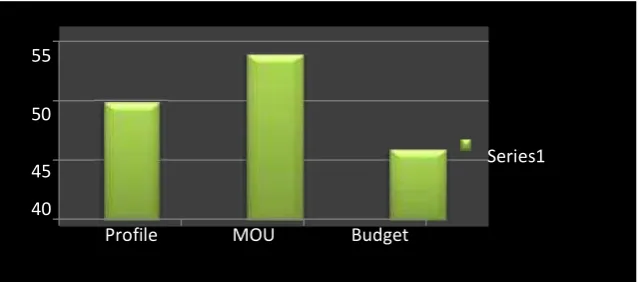
Graph 1.Respondents’ answer to central APBN
55
50
Series1 45
40
Profile MOU Budget
Source: Primary data, processed. The analysis:
1. Not all of the schools gave the school profile
2. Not all the school signed the cooperation
3. Not all the arranged the school budget
The conclusion:
1. There was variation in budgeting process
3. There was variation in arranging the budget documents.
Graph 2.Respondent answer to the liquidity process of Central APBN
50
40
30
20
10 0
Institutes Bank Cash
ISource: Primary data, processed.
The analysis:
1. The institutes that gave the most fund to school
2. Transfer through the bank was not completed well
3. Cash transfer was not completed well
Graph 3. respondent answer to the liquidity process of Central APBN
60
50 40 30 20 10 0
BKU BKT BKB BUM BPJ BRO
Series
Source: Primary data, processed.
The analysis:
1. Sample showed that not all the school conducted the general book even most of them had done the
general book.
2. The process of giving the cash general book was not completely good even most of them had done
the cash general book.
3. Down payment cash book was not done completely
7 5. Object detailed book was not done completely
The conclusion:
1. The process of accounting was not suitable with related regulation
2. kind of books used was various
The implication:
1. Differences in accounting process
2. The responsibility would not be comparable.
Graphic 4. The result of respondents answers to the Central APBN Accountability
60 50 40 30 20 10 0
SPJ LRA Balancesheet LAK
Series1
Source: primary data, processed
The Analysis:
1. The fund accountability process with SPJ was not prevalent.
2. The process in the form of LRA finance statement, balance and LAK couldn’t be understood and implemented correctly and prevalently.
The Conclusion:
1. The accountability process was still conducted with the various ways
2. The accountability output was not comparable
The Implication:
1. The transparency level and the accountability were getting weak.
2. The confusion of all the financial managers caused by the accountability aspects were not the
A
Graphic 5.The result of respondents answers to the Central APBN Accountability
50
1. There was the various of supervision process
2. The supervision was still internal supervision
3. The external BPK supervision was still not prevalent.
The conclusion:
1. There were still many internal supervisions
2. The external supervision was rarely conducted
20
30Graphic 6.The result of respondents answers to the Province APBD Fund
9 The Analysis:
1. Not all schools handed the schools profile
2. Not all schools signed the MOU
3. Not all schools arranged the school finance
The Conclusion:
1. The various in budgeting process happened
2. The various in budgeting arrangement happened
3. The various in the document arrangement of budget happened
Graphic 7. The result of respondents answers to the fund liquidity process of Province APBD
60
50
40
30
Series1 20
10
0
Insitutes Bank Cash
Source: primary data, processed
The Analysis:
1. Many institutes handed the budget to the principals
2. The transfer through Bank was not prevent
3. Cash transfer was also not prevent
5Graphic 8. The result of respondents answers to the province APBD bookkeeping
50
40
30
20 Series1
10
0
BKU BKT BKB BUM BPJ BRO
Source: primary data, processed
The Analysis
1. The sample which showed that not all schools conducted BKU, although most of them had done
or conducted BKU
2. The process of conducting BKT was not applied to all schools but most of them had conducted it
3. Not all schools conducted the bank cash book
4. Only few schools which had been conducted the down payment cash book
5. Not all schools conducted the tax book
6. The objects specification book was not conducted by all school
The Conclusion:
1. The bookkeeping process was not suitable with the contents of regulations
2. There was various of the books
The Implication:
1. There was an inconsistency in the accounting process.
11
Graphic 9. The result of respondents answers to the Province APBD Accountability ylty 40
1. The finance accountability process with SPJ was not prevalent.
2. The process in the form of LRA finance statement, balance and LAK couldn’t be understood and implemented correctly and prevalently.
The Conclusion:
1. The accountability process was still conducted using the various ways.
2. The accountability output was not comparable.
The Implication:
3. The transparency level and the accountability were weak.
4. The confusion of all the financial managers caused by the accountability aspects were not the
same.
Graphic 10. The result of respondents answers to the Province APDB Supervision
Source: primary data, processed
The Analysis:
1. The various supervision processes happened
2. The supervision was still the internal supervision
3. BPK supervision from the external was still not prevalent.
The Conclusion:
1. There were still many internal supervisions
2. The external supervision was rarely conducted
Graphic 11. The result of respondents answers to the District APBD Finance
40 35 30 25 20 15 10 5 0
Profile MOU Budget
Source: primary data, processed
13 The Analysis:
1. Not all schools handed the schools profile
2. Not all schools signed the MOU
3. Not all schools arranged the school finance
The Conclusion:
1. The various in budgeting process happened
2. The various in budgeting arrangement happened
3. The various in the document arrangement of budget happened
Graphic 12. The result of respondents answers to the fund liquidity process of District APBD
30
25
20
15
Series1 10
5
0
Institutes Bank Cash
Source: primary data, processed
The Analysis:
1. Many institutes handed the budget to the principals
2. The transfer through Bank was not prevent
Graphic 13. The result of respondents answers to the district APBD bookkeeping
35
30
25
20
15 Series1
10
5
0
BKU BKT BKB BUM BPJ BRO
Source: primary data, processed
The Analysis
1. The sample which showed that not all schools conducted BKU, although most of them had done
or conducted BKU
2. The process of conducting BKT was not applied to all schools but most of them had conducted it
3. Not all schools conducted the bank cash book
4. Only few schools which had been conducted the down payment cash book
5. Not all schools conducted the tax book
6. The objects specification book was not conducted by all schools
The Conclusion:
1. The bookkeeping process was not suitable with the contents of regulations
2. There was various of the books
The Implication:
1. There was an inconsistency in the accounting process.
2. The accountability would be comparable
15
Graphic 14. The result of respondents answers to the District APBD Accountability
30
25
20
15
Series1 10
5
0
SPJ LRA Balancesheet LAK
Source: primary data, processed
The Analysis:
1. The finance accountability process with SPJ was not prevalent.
2. The process in the form of LRA finance statement, balance and LAK couldn’t be understood and implemented correctly and prevalently.
The Conclusion:
1. The accountability process was still conducted using the various ways.
2. The accountability output was not comparable.
The Implication:
1. The transparency level and the accountability would become weak.
2. The confusion of all the financial managers caused by the accountability aspects were not the
same.
Graphic 15. The result of respondents answers to the District APDB Supervision
25
20
15 1. Dinas Pendidikan
2. Inspektorat 10
3. BPK 5
0
Source: primary data, processed
The Analysis:
1. The various supervision processes happened
2. The supervision was still the internal supervision
3. BPK supervision from the external was still not prevalent.
The Conclusion:
1. There were still many internal supervisions
2. The external supervision was rarely conducted
25
Conclusion and Suggestion
And entity or organization should fulfill 3 (three) main aspects about planning, administrating,
and reporting. Recently, the school financial management was done simply, the main role of conducting
the financial management done by the principal and helped by one teacher who considered that they
could conduct the function of treasury in understanding the school financial management based on the
standard of a good school, with the limited abilities, school financial management (the principal and the
treasurer) tried to fill the need related to the financial responsibility, they focused on making the report of
responsibility, they did not know about the transaction aspect and budgeting or the term of “account” well, so the accounting process was not done well.
The regulation in school financial management should be from the government rule both
Kementrian Keuangan and Kementrian Dalam Negeri, and the rule that was considered as a relevant one
is the rule No 13, 2006 from Kementrian Dalam Negeri about the Guide of District Financial
Management together with other related rule from No 71, 2010 about Government Standard Accounting,
Government rule No 8, 2006 about the report and the Government Instance Performance which became
the guide of financial management, technique guidanceabout Dana Bantuan Operasional Sekolah(BOS)
which was the annual given by the government.
Synchronization or regulation were matched to the principles to control the finance well to
fulfilled the accountability and transparence in financial management, so the researcher explained the
emergency needs that could be implemented in school financial management about:
1. System and procedures of planning the program and school activity
2. System and procedures of school financial treasury
3. System and procedures of school financial statement
System and procedures that related to the planning aspect, treasury, and giving the
17
well both of planning the financial statement based on the accounting standard in entity level which had
become the accounting entity and report entity, even the school had not done the done the accounting
entity but the school was integral part of financial management the instances moreover the Educational
Department which was one of the Satuan Kerja Perangkat Daerah(SKPD) which technique should be
consolidate the report from each school to get the financial statement that had been a must from SKPD.
Based on the observation and condition of school financial management, the writer gave some
suggestions for a better school financial management:
1. The guide of school financial management was an important need for financial management
especially at school; hopefully the principal and the treasurer should know the aspects of planning,
administrating, and giving the responsibility of school fund.
2. The guidance that we made (attached) about the need to fulfill the aspect of planning, administrating,
and reporting the finance could be applied well in order to avoid the mistake possibility that
disturbed the school activity and giving the responsibility for the consolidating and checking
purpose.
3. Hopefully, the related side especially the regional department in financial department did the training
the socialization about the school finance, supported and completed the model role school to apply a
better financial management.
REFERENCES
Undang-Undang No. 17 Tahun 2003 tentang Keuangan Negara (Lembaran Negara Republik Indonesia Tahun 2003 Nomor 47, Tambahan Lembaran Negara Republik Indonesia Nomor 4286); Undang-Undang Nomor 1 Tahun 2004 tentang Perbendaharaan Negara (Lembaran Negara Republik
Indonesia Tahun 2004 Nomor 5, Tambahan Lembaran Negara Republik Indonesia Nomor 4355); Undang-Undang Nomor 10 Tahun 2004 tentang Pembentukan Peraturan Perundang-undangan
(Lembaran Negara Republik Indonesia Tahun 2004 Nomor 53, Tambahan Lembaran Negara Republik Indonesia Nomor 4389);
Undang-Undang Nomor 15 Tahun 2004 tentang Pemeriksaan Pengelolaan dan Tanggung Jawab Keuangan Negara (Lembaran Negara Republik Indonesia Tahun 2004 Nomor 66, Tambahan Lembaran Negara Republik Indonesia Nomor 4400);
Undang-Undang Nomor 25 Tahun 2004 tentang Sistem Perencanaan Pembangunan Nasional (Lembaran Negara Republik Indonesia Tahun 2004 Nomor 104, Tambahan Lembaran Negara Republik Indonesia Nomor 4421);
Undang-Undang Nomor 32 Tahun 2004 tentang Pemerintahan Daerah (Lembaran Negara Republik Indonesia Tahun 2004 Nomor 125, Tambahan Lembaran Negara Republik Indonesia Nomor
4437) sebagaimana telah diubah dengan Undang-Undang Nomor 8 Tahun 2005 tentang Penetapan Peraturan Pemerintah Pengganti Undang-Undang Nomor 3 Tahun 2005 Tentang Perubahan
Undang-Undang Nomor 32 Tahun 2004 tentang Pemerintahan Daerah menjadi Undang-Undang (Lembaran Negara Republik Indonesia Tahun2005 Nomor 108, Tambahan Lembaran Negara Republik Indonesia nomor 4548);