HANDBOOK OF PSYCHIATRIC
DRUGS
Handbook of Psychiatric Drugs Jeffrey A. Lieberman and Allan Tasman
HANDBOOK OF
PSYCHIATRIC DRUGS
Jeffrey A. Lieberman
Professor and Chair Department of PsychiatryColumbia University, College of Physicians and Surgeons, and Director, New York State Psychiatric
Institute, New York, USA
Allan Tasman
Professor and ChairDepartment of Psychiatry and Behavioral Sciences University of Louisville School of Medicine, Louisville,
Chichester, West Sussex PO19 8SQ, England Telephone (+44) 1243 779777
Email (for orders and customer service enquiries): [email protected] Visit our Home Page on www.wiley.com
All Rights Reserved. No part of this publication may be reproduced, stored in a retrieval system or transmitted in any form or by any means, electronic, mechanical, photocopying, recording, scanning or otherwise, except under the terms of the Copyright, Designs and Patents Act 1988 or under the terms of a licence issued by the Copyright Licensing Agency Ltd, 90 Tottenham Court Road, London W1T 4LP, UK, without the permission in writing of the Publisher. Requests to the Publisher should be addressed to the Permissions Department, John Wiley & Sons Ltd, The Atrium, Southern Gate, Chichester, West Sussex PO19 8SQ, England, or emailed to [email protected], or faxed to+441243 770620.
Designations used by companies to distinguish their products are often claimed as trademarks. All brand names and product names used in this book are trade names, service marks, trademarks or registered trademarks of their respective owners. The Publisher is not associated with any product or vendor mentioned in this book. This publication is designed to provide accurate and authoritative information in regard to the subject matter covered. It is sold on the understanding that the Publisher is not engaged in rendering professional services. If professional advice or other expert assistance is required, the services of a competent professional should be sought.
Other Wiley Editorial Offices
John Wiley & Sons Inc., 111 River Street, Hoboken, NJ 07030, USA Jossey-Bass, 989 Market Street, San Francisco, CA 94103-1741, USA Wiley-VCH Verlag GmbH, Boschstr. 12, D-69469 Weinheim, Germany John Wiley & Sons Australia Ltd, 42 McDougall Street, Milton, Queensland 4064, Australia
John Wiley & Sons (Asia) Pte Ltd, 2 Clementi Loop #02-01, Jin Xing Distripark, Singapore 129809
John Wiley & Sons Canada Ltd, 22 Worcester Road, Etobicoke, Ontario, Canada M9W 1L1
Wiley also publishes its books in a variety of electronic formats. Some content that appears in print may not be available in electronic books.
Library of Congress Cataloging in Publication Data
Lieberman, Jeffrey A., 1948–
Handbook of psychiatric drugs / Jeffrey A. Lieberman, Allan Tasman. p. cm.
Includes bibliographical references and index. ISBN-13: 978-0-470-02821-6 (pbk. : alk. paper) ISBN-10: 0-470-02821-1 (pbk. : alk. paper)
1. Psychotropic drugs—Handbooks, manuals, etc. 2. Psychopharmacology— Handbooks, manuals, etc. I. Tasman, Allan, 1947– II. Title.
RM315.L54 2006 615′
.788—dc22 2006004739
British Library Cataloguing in Publication Data
A catalogue record for this book is available from the British Library ISBN-13 978-0-470-02821-6
ISBN-10 0-470-02821-1
the search for treatments for mental illness.
To my family in gratitude for their love, support and patience.Jeffrey Lieberman
With love and thanks to my family, and especially my father Goodman Tasman, for your inspiration and support.
CONTENTS
Preface xv
Acknowledgements xvii
Disclaimer xix
1 Antipsychotic Drugs 1
Introduction 1
Pharmacology 1
Chemistry 2
Mechanism of Action 3
Pharmacokinetics 3
Indications for Use of Antipsychotic Drugs 4 Drug Selection and Initiation of Treatment 7
Drug Selection for the Treatment of
Schizophrenia 7
Effects of Antipsychotic Agents on Symptoms
of Schizophrenia 15
Drug Selection for the Treatment of Bipolar
Disorder 19
Drug Selection for the Treatment of Major
Depression With Psychotic Features 19 Drug Selection for the Treatment of Delusional
Disorder 20
Drug Selection for the Treatment of Delirium 20 Drug Selection for the Treatment of Psychosis
and Agitation Associated with Dementia 21 Drug Selection for the Treatment of Mental
Retardation and Developmental Disorders 21 Drug Selection for Huntington’s Disease and
Tourette’s Disorder 22
Substance-induced Psychoses 22
Adverse Effects of Antipsychotics 23
Acute Extrapyramidal Side Effects (Dystonia,
Tardive Dyskinesia and Other Tardive
Syndromes 26
Neuroleptic Malignant Syndrome 29
Endocrine and Sexual Effects 30
Metabolic Effects 31
Cardiovascular Effects 32
Gastrointestinal Effects 34
Hepatic Effects 34
Hematological Effects 34
Other Side Effects 35
Drug Interactions and Antipsychotic Agents 36 Antipsychotic Medications and Pregnancy 38
Additional Reading 39
2 Antidepressants 41
Introduction 41
Pharmacology 41
Mechanisms of Action 42
Pharmacokinetics 44
Indications for Use of Antidepressants 49
Panic Disorder (PD) 50
Obsessive–Compulsive Disorder (OCD) 50 Generalized Anxiety Disorder (GAD) 50 Social Phobias and Posttraumatic Stress
Disorder (PTSD) 50
Bulimia 51
Anorexia Nervosa 51
Body Dysmorphic Disorder (BDD) 51
Premenstrual Dysphoria (PMDD) 51
Childhood Disorders 52
Other Psychiatric Disorders 52
Other Medical Conditions 53
Drug Selection and Initiation of Treatment for
Major Depression 55
Special Considerations in the Selection of an
Antidepressant 56
Initiation of Treatment 58
Therapeutic Drug Monitoring 58
Early, or Pre-response, Period 62
Treatment of Partially Responsive and
Nonresponsive Patients 63
Antidepressant Augmentation 63
Changing to a New Agent 66
Continuation and Maintenance Periods, and
Discontinuation 67
Side Effects 69
Anticholinergic Effects 70
Autonomic Effects 70
Neurologic Effects 72
Weight Gain 73
Gastrointestinal Symptoms 73
Sexual Dysfunction 73
Cardiac Conduction 74
Suicide Risk 74
Allergic and Hematologic Effects 75
Other Effects 75
Central Serotonergic Syndrome 75
Monoamine Oxidase Inhibitors 75
Drug Interactions 76
Tricyclic Antidepressants 76
Pharmacokinetic Effects 77
Monoamine Oxidase Inhibitors 78
Serotonin Reuptake Inhibitors 78
Other Second-Generation Antidepressants 79
Third-Generation Antidepressants 79
Summary 79
Recommendations for the Use of Antidepressants 80
Additional Reading 80
3 Mood Stabilizers 83
Introduction 83
Pharmacology 85
Chemistry 85
Mechanism of Action 85
Pharmacokinetics 87
Indications 90
Drug Selection and Initiation of Treatment 90
Acute Mania 90
Relative Efficacy of Different Agents 92 Treatment Initiation and Dose Titration 94
Acute Depression 99
Drug Selection 99
Treatment Initiation and Dose Titration 102
Breakthrough Episodes 103
Maintenance 104
Rapid Cycling 110
Costs 110
Adverse Effects 111
Drug Interactions 119
Pregnancy 124
Summary 126
Additional Reading 127
4 Anxiolytic Drugs 129
Introduction 129
A General Approach to Using Medication with
Anxious Patients 130
Pharmacology 131
Antidepressants 131
Benzodiazepines 132
Buspirone 136
Beta-Blocker Medications 136
Anticonvulsants 139
Antipsychotics 139
Indications for Use 139
Antidepressants 139
Benzodiazepines 145
Buspirone 146
Beta-blocker Medications 146
Anticonvulsants 147
Antipsychotics 147
Augmentation/Adjuvant Treatments 148
Drug Selection, Dose, and Initiation of Treatment 148
Side Effects 150
Drug Interactions 151
Contraindications and Special Precautions 152
Summary 153
5 Sedative–Hypnotic Agents 155
Introduction 155
Diagnosis 155
Treatment Options 156
Non-prescription Agents 157
Prescription Medications 158
Pharmacology 159
Benzodiazepines 159
Chloral Hydrate 159
Zolpidem 160
Zaleplon 160
Eszopiclone 160
Ramelteon 161
Drug Selection 161
Other Prescription Hypnotics 164
Treatment Implementation 166
Adverse Effects 167
Benzodiazepines 167
Chloral Hydrate 168
Zolpidem 168
Zaleplon 169
Eszopiclone 169
Ramelteon 169
Drug Interactions and Special Precautions 170
Summary 172
Additional Reading 172
6 Psychostimulants 175
Introduction 175
Pharmacology 175
Chemistry 175
Mechanism of Action 176
Pharmacokinetics 177
Indications and Contraindications 180
Drug Selection 180
Treatment Initiation and Dose Titration 183
Treatment Evaluation 185
Maintenance Treatment 187
Treatment Resistance 187
ADHD in Adults 189 Alternative Preparations to the Standard
Stimulant Medications 189
Narcolepsy 190
Other Indications 193
Costs 193
Adverse Effects 193
Drug Interactions 196
Summary 197
Additional Reading 198
7 Cognitive Enhancers and Treatments for
Alzheimer’s Disease 199
Introduction 199
Pharmacology 199
Mechanism of Action 199
Pharmacokinetics 203
Indications 205
Drug Selection 205
Treatment Initiation 206
Maintenance Treatment 207
Treatment Evaluation 208
Adverse Effects 209
Cholinesterase Inhibitors 209
Drug Interactions 211
Summary 212
Additional Reading 213
8 Drugs for Treating Substance Abuse Disorders 215
Introduction 215
Syndromes Associated with Intoxication 216
Alcohol Intoxication 216
Sedative–Hypnotic Intoxication 217
Opiate Intoxication 218
Cocaine and Amphetamine Intoxication 219 Intoxication by LSD, Mescaline, MDMA
(‘Ecstasy’), and Psilocybin 220
Phencyclidine Intoxication 221
Drug Treatment of Withdrawal Syndromes 222
Withdrawal from Sedative–Hypnotics 230
Withdrawal from Opiates 233
Management of Withdrawal in Patients with
Multiple Dependencies 237
Agents to Aid Relapse Prevention 237
Medications for Alcohol Dependence 238 Medications for Cocaine Dependence 241 Medications for Opiate Dependence 242
Special Considerations 247
Drug Treatments for Nicotine Dependence 247 Pharmacotherapies for Substance Abusers with
Additional Psychiatric Illness 248
Pharmacotherapy for Specific Psychiatric
Disorders 249
Drug Interactions in Chemical Dependency 251
Additional Reading 252
PREFACE
There is little question that this is the most exciting time in history to be involved in the treatment of patients with psychiatric disorders. The explosive growth in our knowledge base in all areas of the field, particularly in neuroscience, has revolutionized both our understanding of the nature of psychiatric illnesses and our ability to provide effective treat-ments. As molecular genetics and pharmacology, neurochem-istry, and new drug discovery techniques continue to advance, physicians are faced with the need to assimilate an ever-changing body of knowledge. In particular, the change in phar-macotherapy for psychiatric illnesses continues at a dizzying pace.
We feel confident that you will find this book to be one of your most useful sources of information regarding your daily clinical practice.
Jeffrey A. Lieberman, M.D. New York, NY
ACKNOWLEDGEMENTS
We would like to gratefully acknowledge the authors of those chapters inPsychiatry Second Edition from which material in this book was adapted.
Anri Aoba Antipsychotic Drugs
Robert J. Boland Antidepressants W. Wolfgang Fleischhacker Antipsychotic Drugs Marlene P. Freeman Mood Stabilizers Alan J. Gelenberg Mood Stabilizers Laurence L. Greenhill Stimulants Jeffrey Halperin Stimulants Martin B. Keller Antidepressants Rachel E. Maddux Anxiolytic Drugs
John March Stimulants
Stephen R. Marder Antipsychotic Drugs John Misiaszek Mood Stabilizers Seiya Miyamoto Antipsychotic Drugs Scott E. Moseman Mood Stabilizers Mark H. Rapaport Anxiolytic Drugs Lon S. Schneider Cognitive Enhancers and
Treatments for Alzheimer’s Disease
Richard I. Shader Sedative–Hypnotic Agents
Erin Shockey Stimulants
Douglas A. Songer Sedative–Hypnotic Agents Pierre N. Tariot Cognitive Enhancers and
Treatments for Alzheimer’s Disease
We would also like to thank our colleagues from the College of Physicians and Surgeons of Columbia University, New York, who contributed to the final editing process:
DISCLAIMER
Notice
This book discusses new research, treatments, and drug ther-apies in the field of psychiatry. Readers are advised to check the product information currently provided by the manufac-turer of each drug to be administered to verify the recom-mended dose, the method and duration of administration, and the contraindications. It is the responsibility of the treating physician, relying on experience and knowledge of the patient, to determine dosages and the best treatment for the patient. Neither the publisher nor the editors assume any responsibility for any injury and/or damage to persons or property.
1
ANTIPSYCHOTIC DRUGS
INTRODUCTION
Information about antipsychotic drugs and developments in the treatment of psychosis is rapidly expanding. The advent of newer second-generation antipsychotics in the wake of clozapine represents the first significant advances in the pharmacologic treatment of schizophrenia and related psychotic disorders, and second-generation antipsychotics have become first-choice agents for acute and maintenance therapy for these illnesses.
There is growing evidence that most of the new medi-cations can offer advantages over conventional neuroleptics; these include fewer extrapyramidal symptoms, lower risk of tardive dyskinesia, reduced cognitive impairment, and possible improvement in negative symptoms. Treatment successes have contributed to the increased use of newer antipsychotic agents and have also allowed psychiatrists to expand clinical expec-tations. In addition, these second-generation drugs are being used increasingly for various conditions beyond schizophrenia, as happened with the conventional antipsychotics.
PHARMACOLOGY
The first-generation antipsychotic agents are equally effec-tive in the treatment of psychotic symptoms of schizophrenia, although they vary in potency and their propensity to induce various side effects. All have a high affinity for dopamine
Handbook of Psychiatric Drugs Jeffrey A. Lieberman and Allan Tasman
D2 receptors. In addition, all produce extra-pyramidal symp-toms (EPS), including parkinsonism, dystonia, akathisia, are associated with a substantial risk of tardive dyskinesia (TD), and increase serum prolactin concentration in the usual clin-ical dose range. First-generation agents are usually classi-fied into three groups: phenothiazines, butyrophenones (e.g., haloperidol), and others (e.g., thiothixene, molindone, and loxapine), based on their structure.
Second-generation antipsychotic drugs are characterized by the following criteria:
• few or no EPS; significant reduction in tardive dyskinesia liability compared to first-generation antipsychotics • expanded spectrum of therapeutic efficacy
• less prolactin elevation
There is a continuum of typical and atypical effects in atypical drugs rather than several dichotomous groups.
Chemistry
muscarinic receptors and modest affinity for alpha-1 adrenergic and histamine H1receptors.
Mechanism of Action
The therapeutic actions of antipsychotic drugs are generally attributed to antagonism of DA receptors, particularly the D2 subtype. Atypical antipsychotics, with their lower D2receptor affinities and broader spectrum of pharmacologic properties, also antagonize 5-HT2A receptors, giving possible therapeutic advantages and a superior motor side effect profile. At this point it is unclear what clinical effects 5-HT2A antagonism confers, other than mitigating the adverse effect of striatal D2 antag-onism, and propensity to cause EPS. The low EPS liability of aripiprazole is at least in part related to its partial agonist activity at the D2receptor. Its D2antagonist activity is broadly comparable with that of haloperidol and chlorpromazine, but it clearly has weaker cataleptogenic activity. Furthermore, chronic treatment with aripiprazole is associated with much less upregu-lation of striatal D2receptors compared with haloperidol.
What has been established is that as a consequence of their different pharmacologic profile, the atypical drugs have a much wider separation of the dose-response curves of therapeutic antipsychotic action and extrapyramidal side effects.
Pharmacokinetics
Antipsychotic agents are rapidly absorbed from the gastroin-testinal tract and undergo extensive first pass metabolism. They are highly lipophilic, which results in ready transport across the blood-brain barrier. Antipsychotics are metabolized by the cytochrome P450 enzyme system. The isozyme systems predominantly involved are CYP2D6, CYP1A2, CYP3A4, and CYP2C19, and medications that inhibit or compete for these substrates can increase antipsychotic blood levels. After under-going various degrees of metabolism, antipsychotic drugs and their metabolites are glucuronidated in the liver and excreted by the kidney in the urine or in feces.
hours respectively and steady state concentrations are achieved after 14 days. Some drugs have shorter half-lives (e.g., queti-apine: 6 to 12 hours; ziprasidone: 4 to 10 hours), which suggests twice-daily administration. However, with repeated dosing the pharmacodynamic effects may extend beyond the period suggested by pharmacokinetic parameters, allowing the consol-idation of dosing to once daily.
Among the second-generation antipsychotics, olanzapine (5–10 mg initial dose) and ziprasidone (10–20 mg initial dose) are available in a parenteral form for acute use in agitated patients, giving the benefits of a more rapid onset of action and the ability to bypass the extensive first-pass metabolism that these agents undergo.
Several of the antipsychotic drugs (three in the United States: haloperidol and fluphenazine decanoate, and Risperi-done – Risperdal Consta) are available in long-acting injectable preparations for intramuscular administration. This allows for less fluctuation in plasma level compared to oral formula-tions, bypasses first-pass metabolism, and can improve patient compliance.
Recommended dosages for second-generation antipsy-chotic agents are shown in Table 1-1.
INDICATIONS FOR USE OF ANTIPSYCHOTIC DRUGS
Antipsychotic agents are effective for treating nearly every medical and psychiatric condition where psychotic symptoms or aggression are present. They are currently used routinely in the management of psychosis and/or agitation associated with:
• Schizophrenia and Schizoaffective Disorder
• Acute manic and mixed episodes of bipolar disorder • Major depression with psychosis
• Delusional disorder • Delirium
• Dementia
• Mental retardation
• Developmental disorders (e.g., Autism) • Huntington’s disease
• Tourette’s syndrome
DRUG CLASS
THERAPEUTIC DOSE RANGE: USUAL ORAL DAILY
DOSE (mg/d)
THERAPEUTIC EQUIVALENT ORAL
DOSE (mg/d) FORMS HALF-LIFE (h)
First-generation antipsychotics
Perphenazine 8–64 10 Tablets (2, 4, 8, 16 mg) 9
Concentrate (16 mg/5 ml) Injectable solution (5 mg/ml)
Chlorpromazine 200–1,000 100 Tablets (10, 25, 50, 100, 200 mg) 23–37
Concentrate (30, 100 mg/ml) Gel Caps (30 mg)
Spansules (30, 75, 150 mg) Injectable solution (25 mg/ml) Rectal suppositories (25 mg)
Haloperidol 2–20 2 Tablets (0.5, 1, 2, 5, 10, 20 mg) 24
Concentrate (2 mg/ml) Injectable solution (5 mg/ml)
Second-generation antipsychotics
Risperidone 2–8 1–2 Tablets (0.25, 0.5, 1, 2, 3, 4 mg) Parent 3
Concentrate (1 mg/ml) M-tabs (0.5, 1, 2 mg) rapidly
disintegrating tablets
Risperdal Consta long-acting injectable (25, 37.5, 50 mg) q 2 wk)
DRUG CLASS
THERAPEUTIC DOSE RANGE: USUAL ORAL DAILY
DOSE (mg/d)
THERAPEUTIC EQUIVALENT ORAL
DOSE (mg/d) FORMS HALF-LIFE (h)
Ziprasidone 80–200 20 Capsules (20, 40, 60, 80 mg)
Injectable solution 20 mg/ml
4–10
Clozapine 25–600 50 Tablets (25, 100 mg) 8–12
Olanzapine 5–30 2.5–5 Tablets (2.5, 5, 7.5, 10, 15, 20 mg)
Zydis (5, 10, 15, 20 mg) rapidly disintegrating tablets Injectable solution 5 mg/ml
27
Quetiapine 150–800 50–100 Tablets (25, 50, 100, 200, 300, 400 mg) 7
Aripiprazole 10–30 5–10 Tablets (5, 10, 15, 20, 30 mg) 75–96
Oral solution 1 mg/ml
Long-acting preparations
Fluphenazine decanoate
12.5–50 q 2–4 wk 12.5–50 Injectable solution (25 mg/ml) 2–3 wk
Haloperidol decanoate 50–300 q 3–4 wk 50–300 Injectable solution (100 mg/ml) 3 wk Risperdal Consta 25–50 mg q 2 wk 25, 37.5, 50 mg Microspheres in fixed dose vials; 2 ml 3–6 days
The development of second-generation antipsychotics has been a major clinical advance for the treatment of schizophrenia. At present, these drugs are used as the first-line treatment for schizophrenia, and are being used increasingly for various conditions beyond schizophrenia. The low incidence of EPS and TD associated with second-generation agents is highly beneficial in several neuropsychiatric conditions.
DRUG SELECTION AND INITIATION OF TREATMENT
Drug Selection for the Treatment of Schizophrenia
In choosing an antipsychotic agent for the treatment of an episode of schizophrenia, the clinician should be guided by the patient’s history. The following tests should be performed:
• a complete physical examination including weight
• a review of symptoms
• routine blood chemistry including fasting blood glucose and lipid profile
• complete blood cell count
• electrocardiogram
Once any medical or neurologic causes of the symptoms have been ruled out, the clinician should consider the following questions:
• Is this a psychotic episode consistent with schizophrenia? • Have affective syndromes such as mania and depression with
psychotic features been ruled out? • Is this the patient’s first episode?
• Is there a history of prior antipsychotic treatment response? • How well was the antipsychotic tolerated?
• Were there prominent side effects?
• Did the patient ever previously have EPS or TD?
• Does the patient have a history of neuroleptic malignant syndrome?
• Is there a history of non-compliance, and, if so, has the patient had a trial of depot preparations?
• If there have been antipsychotic trials that have failed, were the trials of an adequate dose and of an adequate duration? • Does the patient meet the criteria for treatment resistance? • Does the patient have a history of cardiac conduction delay? • Does the patient have any prior history of blood dyscrasias? • Does the patient have normal hepatic and renal functions? • Is the patient medically debilitated?
TREATMENT INITIATION AND DOSE TITRATION
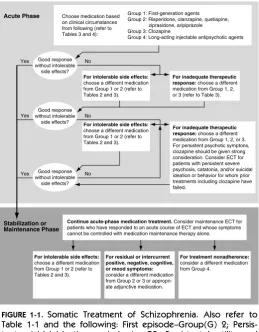
Once the questions above are answered, the clinician should select an antipsychotic medication and initiate the treat-ment trial. The algorithm from the practice guidelines for schizophrenia developed by the American Psychiatric Associ-ation may be useful for drug selection (Figure 1-1).
Selection of an agent in emergency settings for the manage-ment of the gross agitation, excitemanage-ment, and violent behavior associated with psychosis might be based on clinical symptoms, differences in efficacy or side effects of candidate drugs, or, more pragmatically, the formulation of a drug as it affects route of administration, onset, and duration.
There is now a considerable amount of clinical experience with atypical antipsychotics in acute emergency situations, and they have come to replace first-generation antipsychotics as the agents of choice when treatment is initiated. Olanzapine and ziprasidone are available in short-acting formulations for intramuscular administration; risperidone and aripiprazole are available as oral solutions; and olanzapine and risperidone are available as rapidly disintegrating oral tablets. These various formulations provide tremendous flexibility to the clinician in choosing the optimal medication and method of administration based on clinical considerations.
Acute Phase Yes Yes Yes No No No Good response without intolerable side effects? Good response without intolerable side effects? Good response without intolerable side effects?
For intolerable side effects: choose a different medication from Group 1 or 2 (refer to Tables 2 and 3).
For intolerable side effects: choose a different medication from Group 1 or 2 (refer to Tables 2 and 3).
For inadequate therapeutic response: choose a different medication from Group 1, 2, or 3 (refer to Table 3).
Stabilization or Maintenance Phase
For intolerable side effects: choose a different medication from Group 1 or 2 (refer to Tables 2 and 3).
For treatment nonadherence: consider a different medication from Group 4.
Choose medication based on clinical circumstances from following (refer to Tables 3 and 4):
Group 1: First-generation agents Group 2: Risperidone, olanzapine, quetiapine, ziprasidone, aripiprazole Group 3: Clozapine
Group 4: Long-acting injectable antipsychotic agents
For inadequate therapeutic response: choose a different medication from Group 1, 2, or 3. For persistent psychotic symptons, clozapine should be given strong consideration. Consider ECT for patients with persistent severe psychosis, catatonia, and/or suicidal ideation or behavior for whom prior treatments including clozapine have failed.
Continue acute-phase medication treatment. Consider maintenance ECT for patients who have responded to an acute course of ECT and whose symptoms cannot be controlled with medication maintenance therapy alone.
For residual or intercurrent positive, negative, cognitive, or mood symptoms: consider a different medication from Group 2 or 3 or appropri-ate adjunctive medication.
and psychotic symptom resolution, clinicians consider long-term side effect profiles of the available treatment options with the goal of minimizing long-term side effect burden. Ziprasi-done and aripiprazole may be specifically indicated in patients who are intolerant of the side effects that can occur in greater frequency with some of the second-generation drugs, such as weight gain and alterations in glucose and lipid metabolism, as they do not produce these effects to any significant degree.
One can safely escalate the dose of second-generation antipsychotics more rapidly than is usual in outpatient settings to achieve target doses typically utilized for the treatment of schizophrenia. Once behavioral control is achieved, benzo-diazepines should be discontinued and the patient should be maintained on the atypical antipsychotic alone. The dose recommendations for second-generation antipsychotic drugs are summarized in Table 1-2.
The anti-aggressive characteristics of clozapine are well established in chronically psychotic patients; however cloza-pine initiation is contraindicated in the psychiatric emergency setting because of its serious potential side effects, including seizures and agranulocytosis.
On the rare occasion that a physician elects to use a first-generation antipsychotic during the first few days of treat-ment, “rapid neuroleptization” should be avoided as there is no evidence for increased efficacy and risk of side effects is greater at higher doses. If a low-potency agent is chosen, the recom-mendation is to begin with a low dose such as chlorpromazine, 50 mg twice a day, and to titrate slowly so that the difficulties associated with orthostatic hypotension can be reduced. If a high-potency agent such as haloperidol is chosen, the recom-mendation is also to begin a course of prophylactic antiparkin-sonism medication such as benztropine, 1 mg twice a day, to decrease the incidence of EPS side effects. The initial dose of antipsychotic should be titrated to between 5 and 10 haloperidol equivalents or 200 to 400 chlorpromazine equivalents. At this time, the only groups of patients in which the first-generation antipsychotics are clearly preferable are those who have a history of good response to these agents with minimal side effects.
AVERAGE DOSE RANGE (mg/day) HALF-LIFE
(hr) (MEAN)
STARTING DOSE
(TOTAL mg/day) FIRST EPISODE RECURRENT EPISODE
AVERAGE MAINTENANCE DOSE
(mg/day)
ROUTES OF ADMINISTRATION
Clozapine 10–105 (16) 25–50 150–300 400–600 400 Oral
Risperidone 3–24 (15) 1–2 2–4 3–6 3–6 Oral, depot
Olanzapine 20–70 (30) 5–10 10–20 15–30 10–20 Oral, IM
Quetiapine 4–10 (7) 50–100 300–600 500–800 400–800 Oral
Ziprasidone 4–10 40–80 80–120 120–200 120–160 Oral, IM
Zotepine 12–30 (15) 50–100 75–150 150–450 75–300 Oral
Amisulpride 8–20 (12) 50–100 50–300 400–800 400–800 Oral
Aripiprazole (75–96) 10–15 10–30 15–30 15–30 Oral
ill, there is often a tremendous temptation and external pres-sure to increase the dose of the antipsychotic in the hope that the patient’s condition will improve more rapidly. Despite this hope, there is little, if any, clinical evidence that a higher dose of antipsychotic is in any way advantageous; in fact, it will only increase the likelihood of side effects. During this difficult time it may be necessary to add sedating medications such as short-acting benzodiazepines (e.g., lorazepam) to help the patient maintain control until the antipsychotic has started to work.
TREATMENT EVALUATION AND DRUG SWITCHING
If the first-episode patient has failed to respond to a 6-week trial of an antipsychotic, the clinician should evaluate possible non-compliance with medication, the likelihood of a partial response or a complete nonresponse to treatment. If there was no response, a change to a second antipsychotic from a new family is recommended. If one of the newer agents was not the clinician’s first choice, it should be used at this point in the decision tree.
If a patient has already discontinued use of a medication, then the new treatment is selected and initiated as described above. However, if the patient is undergoing maintenance drug treatment and drugs are to be electively switched in the hope of achieving a better therapeutic response or alleviating drug side effects, then the goal is to switch medications without destabilizing the patient.
Medication changes should be performed by a concurrent slow tapering of the initial antipsychotic while the second antipsychotic is being slowly titrated. The specific rate of cross-titration depends on the dose of the old medication and the relative stability of the patient. In general, the higher the dose and the more unstable the patient, the longer and more gradual the cross-titration schedule. Although this varies, a rule of thumb is to cross-titrate by yoked increments and decrements of 25% every 2 to 5 days. Adjunctive medications should be adjusted or tapered accordingly.
the clinical presentation, then the addition of an antidepressant may be warranted. If the presence of mood symptoms is consis-tent with a manic episode, the addition of a mood stabilizer such as lithium as an augmentation strategy may be clinically useful.
Treatment During the Resolving Phase If a particular antipsychotic medication has improved the acute symptoms it should be continued at the same dose for the next six months before a lower maintenance dose is considered for continued treatment. Rapid dose reduction or discontinuation of the medications during the resolving phase may result in relatively rapid relapse. It is essential to continue to assess side effects present in the acute phase and modify treatment to minimize their negative impact, and to re-evaluate the necessity of any adjunctive therapies used in the acute phase.
If the decision has been made to switch to a long-acting depot antipsychotic agent, this can often be achieved during this phase. This is also a good time to educate the patient and family regarding the course and outcome of schizophrenia, as well as factors that influence the outcome such as drug compliance.
MAINTENANCE TREATMENT
The goals of treatment during the stable or maintenance phase are to maintain symptom remission, to prevent psychotic relapse, to implement a plan for rehabilitation, and to improve the patient’s quality of life.
Current guidelines recommend that first-episode patients should be treated for one to two years; however, 75% of patients will experience relapses after their treatment is discon-tinued. Patients who have had multiple episodes should receive at least five years of maintenance therapy. Patients with severe or dangerous episodes should probably be treated indefinitely. Gradual dose reduction to identify the minimum effective dose for the patient can be attempted in this phase, although relapse rates are excessively high when doses are reduced to about 10% of the acute dose.
Without maintenance treatment, 60–70% of patients relapse within one year and almost 90% relapse within two years. These results indicate that antipsychotic medications are effec-tive in preventing relapse in most stabilized patients. There is also strong evidence that patients who relapsed while on antipsychotic medications had episodes that were less severe than patients not on antipsychotic drugs.
As atypical drugs have fewer EPS side effects, patients on these compounds may be less likely to be non-compliant with treatment and may thereby decrease their risk of relapse. It has also been suggested that in addition to fewer side effects, atypical drugs may have inherently greater prophylactic effi-cacy than typical drugs and therefore be better for patients with an increased risk of relapse.
TREATING TREATMENT RESISTANCE
Treatment resistance is generally defined as a failure of two prior drug trials of 4–6 weeks duration. Although most defini-tions of treatment resistance focus on the persistence of posi-tive symptoms, there is growing awareness of the problems of persistent negative symptoms and cognitive impairments, which may have an important impact on level of functioning, psychosocial integration, and quality of life.
Approximately 10 to 15% of patients with first-episode schizophrenia are resistant to drug treatment, and between 25% and 50% of long-term patients will have severe, persistent symptoms including psychosis.
Only clozapine has consistently demonstrated efficacy for psychotic symptoms in well-defined treatment refractory patients; the mechanism responsible for this therapeutic advan-tage remains uncertain. Serum levels of 350g/mL or greater have been associated with maximal likelihood of response. Depending on the type of residual symptom, augmentation strategies include adding another antipsychotic, anticonvulsants, benzodiazepines, and cholinergic agonists may prove useful.
overall psychotic symptoms in treatment-resistant patients clin-ically eligible for treatment with clozapine. Some preliminary reports suggest that higher doses of olanzapine may be more effective; however, dosage issues of olanzapine have not yet been adequately addressed in more controlled conditions. There are also several recent reports of beneficial effects of quetiapine in treatment-resistant patients with schizophrenia.
Given the risk of agranulocytosis, the burden of side effects, and the requirement of white blood cell monitoring, the second-generation agents (risperidone, olanzapine, queti-apine, ziprasidone, and aripiprazole) should be tried in almost all patients before proceeding to clozapine. Many clinicians express the impression that certain patients do respond pref-erentially to a single agent of this class.
SCHIZOAFFECTIVE DISORDER AND VIOLENT PATIENTS
Among the specific therapeutic effects claimed for atypical drugs is their ability to alleviate mood symptoms associated with the psychotic disorder. Although this has not been defini-tively proved, preliminary results indicate that mood symp-toms may selectively abate with atypical drugs. This evidence suggests that patients with schizoaffective disorder, residual mood symptoms (e.g., postpsychotic depression), a history of, or current, suicidal behavior, and violent behavior may benefit most from treatment with an atypical drug as compared to a conventional antipsychotic agent.
ADJUNCTIVE TREATMENTS
For patients who are unresponsive to antipsychotic agents, including clozapine, and for patients who are responsive but have substantial residual symptoms, the question is what further options exist. Adjunctive medications as indicated in the algo-rithm (other than electroconvulsive therapy) have been used extensively but without any empiric data to demonstrate their efficacy. These adjuncts include anticonvulsants, lithium, antide-pressants, benzodiazepines, and cholinesterase inhibitors.
Effects of Antipsychotic Agents on Symptoms of
Schizophrenia
DRUG CLOZAPINE RISPERIDONE OLANZAPINE QUETIAPINE ZIPRASIDONE SERTINDOLE AMISULPRIDE ARIPIPRAZOLE ILOPERIDONE Clinical effect
Psychotic symptoms
+++ +++ +++ ++ ++ +++ +++ +++ +++
Negative symptoms
+ + + + + ++ ++ ++ ++
Cognitive symptoms
++ ++ ++ + ? ? ? ++ ?
Mood symptoms
+++ ++ +++ +++ ++ ++ ++ ++ ?
Refractory symptoms
+++ ++ ++ ++ ? ? ++ ? ?
+to+++, weakly to strongly active; ?, questionable to unknown activity.
Positive Symptoms Antipsychotic agents have a specific effect on positive symptoms of schizophrenia including halluci-nations, delusions, and thought disorder. Approximately 30% of patients with acutely exacerbated psychotic symptoms have little or no response to conventional antipsychotics, and up to 50% of patients have only a partial response to medica-tion. Although the proportion of patients who improve and the magnitude of therapeutic effects vary greatly, second-generation antipsychotics appear to be at least as effective for psychotic symptoms as conventional drugs.
Negative Symptoms Studies of the early course of illness have shown that about 70% of schizophrenics develop primary negative symptoms such as affective blunting, emotional with-drawal, poverty of speech, anhedonia, and apathy, before the onset of positive symptoms. Negative symptoms may represent core features of the illness, and may be associated with poor outcome and prolonged hospitalization for patients.
Negative symptoms can be divided into three components that are usually difficult to distinguish:
• primary or deficit – enduring negative symptoms
• primary – non-enduring negative symptoms
• secondary negative symptoms that may be associated with psychotic symptoms, EPS, depression, and environmental deprivation
Conventional antipsychotics are generally less effective against negative than positive symptoms of schizophrenia; thus, the efficacy of second-generation antipsychotics on negative symp-toms compared with that of first-generation drugs has received much attention. Second-generation agents such as cloza-pine, olanzapine and risperidone demonstrate significantly greater efficacy than conventional agents in reducing negative symptoms.
placebo or conventional agents. Path analyses have suggested that both risperidone and olanzapine exert direct effects on (primary) negative symptoms independent of differences in psychotic, depressive, or extrapyramidal symptoms. A collabo-rative working group concluded that second-generation drugs are superior in terms of the “totality” of negative symptoms, but their impact on specific components is still under investi-gation. This and other clinical questions will become clear as the new agents are tested in clinical trials.
Cognitive Symptoms Cognitive impairment appears to be an integral characteristic of schizophrenia and may be evident in up to 60% of patients. Measurable deficits are prominent in tasks involving attention, verbal fluency, memory, and exec-utive function. A wide range of cognitive deficits are usually present at the time of the first psychotic episode and remain relatively stable or only slowly progressive during the course of the illness, independent of psychotic symptoms. Cognitive deficits are particularly prominent in patients meeting criteria for the deficit syndrome and in patients with TD. They are more strongly related to social and vocational functioning than psychotic symptoms and may influence the quality of life of patients. Thus, targeting cognitive impairments appears to be a major focus of the treatment of schizophrenia.
Conventional neuroleptics produce small and inconsistent effects on cognitive functioning. In general, clozapine, risperi-done, and olanzapine have demonstrated superior efficacy compared to first-generation antipsychotics on tests of verbal fluency, digit–symbol substitution, fine motor function, and executive function. Measures of learning and memory were least affected by second-generation agents. Because these tests all measure performance during a timed trial, enhanced perfor-mance with second-generation drugs could result, in part, from reduced parkinsonian side effects. Preliminary evidence suggests that risperidone may be more effective for visual and working memory than clozapine.
medication used adjunctively to antipsychotic drugs is gener-ally indicated and effective. Atypical antipsychotics have been reported to have selective benefits against mood symptoms in schizophrenia, both manic and depressive.
Suicidal behavior presents a particular problem in patients with schizophrenia. Clozapine is approved for use in suicidal patients with schizophrenia on the basis of results in the InterSePT study. This study found that clozapine treatment produced a lower rate of suicidal behavior than the compar-ison treatment of olanzapine in patients with active or histories of suicidal behavior.
Drug Selection for the Treatment of Bipolar
Disorder
Antipsychotic agents are effective in treating acute manic episodes; these agents are believed to possess antimanic qual-ities in addition to their antipsychotic properties. One benefit is their rapid onset compared to mood stabilizers; as a result, these agents are often used preferentially or combined until the mood stabilizer has reached its therapeutic effectiveness. All the second-generation antipsychotics (except clozapine) are now approved for the treatment of acute manic episode in the United States, as well as the acute treatment of mixed episodes (except clozapine and quetiapine). Olanzapine and aripiprazole are also approved for maintenance treatment.
A concern with the use of antipsychotics in this popula-tion is the potential for TD. As a result, it is recommended that atypical antipsychotics be used with this population when clinically indicated but that attempts be made to treat this population with mood-stabilizing agents by themselves if possible.
Drug Selection for the Treatment of Major
Depression With Psychotic Features
Treatment can be initiated simultaneously, though many clinicians prefer to start the antipsychotic dose first and then add the antidepressant to the regimen. Though there are limited data on the adequate dose of antipsychotic for this group, most clinicians would recommend 5 to 10 haloperidol equivalents. This group of unipolar depressed patients may be at the highest risk of TD; thus the antipsychotic dosage should be tapered and then discontinued when the patient’s psychotic symptoms remit.
Drug Selection for the Treatment of Delusional
Disorder
Delusional disorder differs from other psychotic disorders in terms of family history and age distribution. In addition, it has displayed a difference in treatment response; as a general rule, patients with delusional disorder do not respond well to antipsychotic agents. Some uncontrolled clinical data have suggested that these patients may do better with drugs from the diphenylbutylpiperidine class (e.g., pimozide). However, the majority of this group of patients are untreated and do not seek psychiatric help. There is only very limited experience with atypical drugs in this population.
Drug Selection for the Treatment of Delirium
Antipsychotics are effective in treating the psychotic symp-toms and agitation associated with deliria of various etiologies. In treating a delirium, high-potency agents are preferable to low-potency agents because low-potency agents usually have more anticholinergic properties and cardiovascular side effects, which can adversely affect a delirious patient. Antipsychotic drugs are commonly given parenterally when used for this indication, including by intravenous routes.
Drug Selection for the Treatment of Psychosis and
Agitation Associated with Dementia
Antipsychotics are effective in treating the psychotic symptoms that are often associated with dementias. Additionally, they have been demonstrated to have anti-aggressive and calming effects against dysregulated behavior and affect. Although many patients with dementia have agitation and behavioral disturbances that clearly require the use of antipsychotic drugs, these drugs should be used judiciously.
The atypical drugs offer several potential advantages over typical drugs in treating dementia. They produce fewer EPS and less TD, side effects to which elderly patients are highly susceptible. They also may have broader efficacy against the constellation of pathologic symptoms and behaviors (e.g., mood symptoms, hostility) that occur in dementia. To date, extensive placebo-controlled trials have been conducted with risperidone, olanzapine and aripiprazole. Other atypical drugs must be systematically evaluated to determine their efficacy for this disorder and to determine how well their antiadrenergic and anticholinergic properties are tolerated.
Elderly patients with dementia who are treated with an antipsychotic agent are at increased risk of death. Analyses of clinical trials with a modal duration of 10 weeks suggest that the excess risk is 1.6–1.7 compared with placebo. Most of the deaths appear to be due to cardiovascular events (including heart failure and sudden death) or infection. Because these events have been associated with antipsychotics regardless of their chemical structure, this is probably a class effect associ-ated with their pharmacological activity and the risk applies also to both atypical and older antipsychotics and to drugs that were not included in these trials. The FDA has reminded prescribers that these agents are not approved for the treat-ment of detreat-mentia in older people.
Drug Selection for the Treatment of Mental
Retardation and Developmental Disorders
about whom there has been controversy. As with patients with dementia, a number of these patients have documented psychosis, and for these patients the use of antipsychotics is clearly indicated. There are other patients, however, whose primary symptoms are those of behavioral dyscontrol. In this group it is possible that the risks of antipsychotics may outweigh their benefits, especially in long-term treatment. Again, atypical drugs may be advantageous because of their lower EPS and TD liabilities, to which these patients are highly susceptible.
Drug Selection for Huntington’s Disease and
Tourette’s Disorder
Antipsychotics have been shown to be effective in the manage-ment of Huntington’s disease and Tourette’s disorder. In Huntington’s, various antipsychotics have been used to help control the agitation and chorea as well as the psychotic symptoms associated with the disorder. In Tourette’s disorder, the antipsychotics used most extensively to manage patients’ vocalizations and tics include haloperidol and pimozide. Most recently, risperidone has shown promise in this patient popula-tion. Beyond risperidone, there is little experience with atypical drugs in these disorders. The exception to this is clozapine, which was found to have little therapeutic benefit in either condition.
On the basis of this evidence, the typical drugs might be the preferred therapeutic option in these disorders; nonstriatal weak D2agents would be less likely to be effective.
Substance-induced Psychoses
PSYCHOSTIMULANT- AND PHENCYCLIDINE-INDUCED PSYCOSES
and a calm low-stimulus environment, unless the condition persisted for days or well beyond the period of the toxin’s elimination. With the availability of the atypical drugs and their ability to alter the effects of NMDA receptor antagonists as well as psychostimulants, the use of these agents should be evaluated. At present, however, only limited data on their efficacy in these conditions are available.
LEVODOPA-INDUCED AND STEROID-INDUCED PSYCHOSIS
Antipsychotics are an integral part of the treatment of medication-induced psychotic syndromes. The psychosis induced by levodopa in the treatment of Parkinson’s disease presents unique clinical dilemmas. Treatment of the symp-toms with first-generation antipsychotic agents will by defini-tion worsen the Parkinson’s symptoms. The clinician is often caught between attempts to reduce the patient’s severe para-noid state and attempts to keep the patient from becoming more immobile from worsening rigidity and akinesia. Recently, case reports utilizing clozapine and risperidone in this popula-tion have shown encouraging results.
Steroid-induced psychotic symptoms have proved to be somewhat more complicated: psychotic symptoms may be prolonged, requiring the use of antipsychotics, and at the same time, despite the emergence of psychosis, some patients may still require steroid treatment for their medical condition. There have been a few case reports in which patients known to become psychotic during a steroid course were pretreated with antipsychotics or with a mood stabilizer, with good results.
ADVERSE EFFECTS OF ANTIPSYCHOTICS
DRUG
CONVENTIONAL
AGENTS CLOZAPINE RISPERIDONE OLANZAPINE QUETIAPINE ZIPRASIDONE SERTINDOLE AMISULPRIDE ARIPIPRAZOLE ILOPERIDONE
Side effect
EPSa +++ 0 ++ + 0 + 0 ++ + +
TD +++ 0 ++ + 0 + 0 to+ + + +
NMS ++ + + + ? + + + ? ?
Prolactin elevation +++ 0 +++ 0 to+ 0 0 to+ 0 to+ ++ 0 0 to+
Weight gain +to++ +++ + +++ + 0 + + 0 ?
Prolonged QTa +to+++ 0 + 0 + ++ +++ + 0 0
Hypotensiona +to++ +++ + ++ ++ + + 0 + +
Sinus tachycardiaa
+to+++ +++ + ++ ++ + + 0 0 +
Anticholinergic effectsa
+to+++ +++ 0 ++ + 0 0 0 0 0
Hepatic transaminitis
+to++ ++ + ++ + + + + 0 +
Agranulo-cytosis 0 to+ ++ 0 0 0 0 0 0 0 0
Sedation +to+++ +++ + ++ +++ + + + + +
Seizuresa 0 to+ +++ 0 0 to+ 0 to+ 0 to+ 0 to+ 0 to+ 0 to+ 0 to+
EPS, extrapyramidal side effects; TD, tardive dyskinesia; NMS, neuroleptic malignant syndrome. +to+++, active to strongly active; 0, minimal to none; ?, questionable to unknown activity. aDose dependent.
Acute Extrapyramidal Side Effects (Dystonia,
Parkinsonism, Akathisia)
Antipsychotic-induced EPS occur both acutely and after chronic treatment. All antipsychotic medications are capable of producing EPS. In general, first-generation antipsychotics are more likely to cause EPS than second-generation antipsy-chotics when the drugs are used at usual therapeutic doses. Among second-generation drugs, clozapine and quetiapine have been shown to carry minimal to no risk for EPS within the therapeutic dosage range. Risperidone can produce dose-related EPS≥6 mg/day. With the exception of akathisia, the incidence of EPS with olanzapine, aripiprazole, and ziprasi-done is not appreciably different from that with placebo. The relative liability of the individual second-generation agents to produce EPS will become apparent only when they have been directly compared with each other in prospective clinical trials. Commonly occurring acute EPS include akathisia, dystonia, and parkinsonism, with each having a characteristic time of onset. This group of acute EPS develops relatively soon after the initiation of antipsychotic medications and remits soon after the drugs are discontinued. These movement disorders are dose-dependent and reversible.
Dystonias tend to be sudden in onset, the most dramatic form of acute EPS, and extremely distressing to patients. They present as sustained muscle contraction with contorting, twisting, or abnormal postures affecting mainly the muscula-ture of the head and neck but sometimes the trunk and lower extremities. Dystonic reactions usually occur within the first few days of therapy. Laryngeal dystonias are the most serious, and are potentially fatal. Risk factors for acute dystonias include a history of prior dystonias, young age, male gender, use of high-potency neuroleptic agents such as haloperidol or fluphenazine, high dose of medication, and parenteral administration.
Patients with akinesia or bradykinesia suffer from slow movement, apathy, and with difficulty with spontaneity of speech and initiating movement. These symptoms need to be distinguished from negative symptoms of schizophrenia, depressive symptoms, and catatonia.
Akathisia, the most common EPS of conventional antipsy-chotics agents, is characterized by both the subjective and objective somatic restlessness. Patients with akathisia may usually experience an inner tension, discomfort, irritation, anxiety, or irresistible urge to move various parts of their bodies. Akathisia appears objectively as psychomotor agita-tion, such as continuous pacing, rocking from foot to foot, or the inability to sit still. Akathisia is typically witnessed in a few hours to days after medication administration. This side effect can be seen in up to 20 to 25% of patients treated with conventional agents. Akathisia is frequently cited as a reason for poor drug compliance, since it is often extremely distressing to patients. It can also result in dysphoria and aggressive or suicidal behavior.
The treatment of acute EPS depends on the specific side effect. Dystonia can be quickly and successfully treated with an intramuscular injection of an anticholinergic (i.e., benztropine, diphenhydramine). The initial treatment of parkinsonian side effects is lowering the dose of antipsy-chotic. If an adequate response is not achieved, adding an anticholinergic, or amantadine (a weak dopamine agonist), may be efficacious. If symptoms persist, switching to an second-generation antipsychotic or a low-potency conventional antipsychotic should be considered. Akathisia is less respon-sive to treatment than are other acute EPS. The first step of the treatment of akathisia is lowering the antipsychotic dose. The next step is individual trials of beta-adrenergic blockers (i.e., propranolol), and benzodiazepines (i.e., lorazepam and clonazepam).
Tardive Dyskinesia and Other Tardive Syndromes
tics and grimaces of the oro-facial muscles, and dyskinesia of distal limbs, often the paraspinal muscles, and occasion-ally the diaphragm. Younger patients with TD tend to exhibit slower athetoid movements of the trunk, extremities, and neck. In addition to the more frequently observed oro-facial and choreoathetoid signs of TD, tardive dystonias (sustained abnormal postures or positions) and tardive akathisia (persis-tent subjective and/or objective signs of restlessness) have been described. The abnormal movements of TD are usually increased with emotional arousal and are absent when the indi-vidual is asleep. According to the diagnostic criteria proposed by Schooler and Kane, the movements should be present for at least four weeks, and exposure to antipsychotic drugs should have totaled at least three months. The onset of the abnormal movements should occur either while the patient is receiving an antipsychotic agent or within a few weeks of discontinuing the offending agent.
Prevalence surveys indicate that mild forms of TD occur in approximately 20% of patients who receive chronic treatment with conventional antipsychotic medication. A major prospec-tive research demonstrates that the cumulaprospec-tive incidence of TD is 5% in the first year, 10% the second year, 15% the third year, and 19% the fourth year in a patient who receives a typical neuroleptic. Prevalence rates of TD may exceed 50% in high-risk groups, such as the elderly. The reported preva-lence of tardive dystonia is around 1.5 to 4%. Among the most significant predictors of TD are older age, female gender, pres-ence of EPS, diabetes mellitus, affective disorders, and certain parameters of neuroleptic exposure such as dose and duration of therapy.
significantly lower risk of TD in olanzapine-treated patients (1%) than haloperidol-treated schizophrenic patients (4.6%). In a double-blind, randomized 1-year study comparing risperi-done to haloperidol, the rate of TD was 0.6% in the risperirisperi-done group and 2.7% in the haloperidol group. Among a sample of geriatric patients, a lower incidence of TD in patients treated with risperidone than in those treated with haloperidol, at least over a 9-month period, has been reported. The rate of TD with risperidone has been reported to be low (0.6%) for doses currently used (2–8 mg/day). The incidence of TD with queti-apine is preliminarily reportedly low or virtually non-existent, although this remains to be demonstrated prospectively. The risk of TD with ziprasidone and aripiprazole is not known but is expected to be similarly low.
For most patients, TD does not appear to be progressive or irreversible. The onset of TD often tends to be insidious with a fluctuating course. With time, TD will either stabilize or improve even if the antipsychotic medication is continued, although there are reports of TD worsening during continued drug therapy. After discontinuation of antipsychotic medica-tion, a significant proportion of patients with TD will have remission of symptoms, especially if the TD is of recent onset or the patient is young. Unfortunately, withdrawal of antipsy-chotic agents is seldom an option for patients with serious psychosis.
Although a large number of agents have been studied for their therapeutic effects on TD, there is no definitive drug treatment for it. Second-generation antipsychotics, in partic-ular clozapine, have been used in clinical practice to treat TD, but there have been no adequately controlled trials to date to support this practice. It has been suggested that second-generation antipsychotics should be used as first-line treatment for patients who have TD or are at risk for TD. Guidelines for treating TD recommend using second-generation agents for mild TD symptoms, and clozapine or a newer agent for more severe symptoms.
Neuroleptic Malignant Syndrome
Neuroleptic malignant syndrome (NMS) is characterized by the triad of rigidity, hyperthermia, and autonomic instability in association with the use of an antipsychotic medication. NMS is often associated with elevation of creatine kinase (greater than 300 U/mL), leukocytosis (greater than 15,000 mm3), and change in level of consciousness. NMS can be of sudden and unpredictable onset, usually occurring early in the course of antipsychotic treatment, and can be fatal in 5 to 20% of untreated cases.
The incidence of NMS varies from 0.02 to 3.23%, reflecting differences in criteria. Prevalence rates are unknown, but are estimated to vary from 1 to 2% of patients treated with antipsychotic medication. The relative risk of second-generation antipsychotics for NMS is likely to be lower, but conclusive data are not yet available. NMS has been reported with clozapine, risperidone, olanzapine, and queti-apine. Proposed risk factors include prior episode of NMS, younger age, male gender, physical illness, dehydration, use of high-potency antipsychotics, rapid dose titration, use of parenteral (IM) preparations, and pre-existing neurological disability.
The usual course of treatment is between 5 and 10 days. Long acting depot preparations will prolong recovery time. After several weeks of recovery, treatment may be cautiously resumed with a different antipsychotic medication with gradu-ally increased doses.
Endocrine and Sexual Effects
Metabolic Effects
Various degrees of weight gain have been recognized as a common problem with conventional antipsychotic medica-tions. Weight gain is an important issue in the management of patients, because this adverse effect may be associated with non-compliance and certain medical illnesses, such as diabetes mellitus, cardiovascular disease, certain cancers, and osteoarthritis.
Abnormalities in peripheral glucose regulation and diabetes mellitus (DM) occur more commonly in schizophrenic patients compared with the general population. There is growing concern with metabolic disturbances associated with antipsychotic use, including hyperglycemia, hyperlipidemia, exacerbation of existing type 1 and 2 DM, new-onset type 2 DM, and diabetic ketoacidosis. A number of case reports have implicated both clozapine and olanzapine in the emergence of non-insulin-dependent (type 2) DM and diabetic ketoacidosis. There are fewer reports describing an association between DM and quetiapine or risperidone, but these drugs do appear to have this side effect potential albeit to a lesser degree. In contrast there are many fewer reports for ziprasidone and arip-iprazole which suggests they may have less or no metabolic side effect liability. The limited reporting for ziprasidone may be related to the relatively limited use of the agent at the present time. Although no clear mechanism of action of the second-generation agents has been established, significant weight gain or antagonism of specific serotonin receptor subtypes may contribute to the development of these abnormali-ties. Physicians employing second-generation agents should routinely monitor weight, fasting blood glucose, and lipid profiles.
Cardiovascular Effects
Tachycardia may occur as a result of the anticholinergic effects of antipsychotic medications on vagal inhibition, or secondary to orthostatic hypotension. Clozapine produces the most pronounced tachycardia; approximately 25% of patients will have a sinus tachycardia with an increase of about 10 to 15 beats per minute. Although quetiapine has virtually no cholin-ergic activity, tachycardia is a possible side effect, perhaps secondary to its adrenergic effects on blood pressure. Most patients will develop tolerance to this side effect over time. If tachycardia is sustained or becomes symptomatic, an elec-trocardiogram (ECG) should be obtained. Low doses of a peripherally acting beta-blocker such as atenolol can be useful to treat medication-induced tachycardia without hypotension. ECG changes are observed with many antipsychotic agents. Chlorpromazine may cause prolongation of the QT and PR intervals, ST depression, and T-wave flattening or inversion, and thioridazine may cause QT and T-wave changes. These effects rarely cause clinically relevant symptoms within thera-peutic dose ranges.
Ziprasidone has very specific recommendations in the package insert as to the types of patients it should not be used in. Needless to say, antipsychotics that lead to QTc-prolongation must not be combined with other drugs that have similar effects. The effect of many but not all antipsy-chotic drugs on the QT interval appears to be dose-related. Several antipsychotic drugs have infrequently been associated with malignant arrhythmias such astorsade de pointes. To date, torsade de pointeshas not been reported following therapeutic doses or overdose with ziprasidone or other second-generation antipsychotics.
Gastrointestinal Effects
The anticholinergic effects of antipsychotic medications can induce dry mouth and constipation as well as tachycardia, urinary retention, and blurring of vision. These adverse effects are relatively commonly encountered with low-potency first-generation antipsychotics and may be dose related. In cases of more serious gastrointestinal adverse events, such as paralytic ileus, which has been reported following treatment with cloza-pine, medication must be discontinued immediately and rele-vant medical or surgical interventions may become necessary. Anticholinergic manifestations are common with poisoning from clozapine and olanzapine.
Hepatic Effects
Asymptomatic mild, transient, and reversible elevations of liver enzyme levels occur infrequently with both first-and second-generation antipsychotic drugs. These abnor-malities usually occur during the first three months of treatment, are idiosyncratic, and seldom a serious concern. Rarely, symptomatic hepatotoxicity (cholestatic or hepatitic) may be associated with second-generation antipsychotics; in these cases, the offending medication should be discon-tinued. Recovery occurs in up to 75% of patients within two months; 90% recover within one year. Patients taking antipsychotics who have nausea, fever, abdom-inal pain, and rash should have their liver function evaluated to exclude hepatotoxicity. Since antipsychotic-induced jaundice is infrequent, other etiologies should be ruled out before the cause is judged to be antipsychotic treatment.
Hematological Effects
phenomenon is even more common following clozapine administration.
Agranulocytosis (granulocyte count less than 500/mm3) is a fatal side effect of antipsychotic drugs. The risk of agranulocytosis with clozapine is 1% and is greatest early in treatment, usually within the first 8 to 12 weeks of treatment. It tends to occur slightly more often in women, the elderly, and young patients (less than 21 years old). Agranulocy-tosis from clozapine is usually reversible if the drug is with-drawn immediately. Olanzapine is not associated with severe agranulocytosis. Despite these encouraging studies, there are a number of case studies reporting agranulocytosis during treatment with olanzapine (and quetiapine) in patients who had suffered this adverse event during previous clozapine exposure.
Before initiating treatment with clozapine, patients in the USA must be registered in a program that ensures that they receive weekly monitoring of their white blood cell (WBC) count during the first six months of treatment. Current guide-lines require weekly monitoring for one month after the termi-nation of clozapine treatment. Guidelines on the use of cloza-pine vary between different countries.
Other Side Effects
Sedation is the single most common side effect among low-potency conventional antipsychotics, as well as clozapine, zotepine, and quetiapine. Although sedation is often benefi-cial at the beginning of treatment to calm down an anxious or aggressive patient, it usually impairs functioning during long-term treatment. Most patients usually develop tolerance over time, or it may be possible to minimize sedation by dose reduc-tion or by shifting most of the medicareduc-tion to night to reduce daytime sleepiness.
have a seizure rate of 2.7%, and doses above 600 mg/day have a rate of 4.4%. Strategies to reduce the risk for seizures include slower dose titration, a lower dose, and the addition of an anticonvulsant agent (i.e., valproic acid).
DRUG INTERACTIONS AND ANTIPSYCHOTIC
AGENTS
Most antipsychotics are metabolized by hepatic microsomal oxidases (cytochrome P450 system); the major isoenzyme systems involved are CYP1A2, CYP2C19, CYP2D6, and CYP3A4. Induction or inhibition of these enzymes by other drugs may occasionally produce clinically important drug interactions. Table 1-5 summarizes clinically significant phar-macokinetic drug interactions involving second-generation antipsychotic drugs. SSRI’s, particularly fluoxetine and parox-etine, can increase plasma concentrations of antipsychotic medications by inhibiting CYP2D6 and decreasing the clear-ance of antipsychotics, possibly leading to toxicity. Conven-tional antipsychotic drug clearance can be decreased by 50% with concurrent administration of certain heterocyclic antide-pressants, beta-blockers, some antibiotic/antifungal agents, and cimetidine. Clozapine toxicity has occurred following co-administration with the CYP1A2 inhibitors cimetidine, erythromycin, and fluvoxamine.
Quetiapine, ziprasidone, and aripiprazole toxicity can be caused by inhibitors of CYP3A4 such as erythromycin, fluox-etine, nefazadone, and protease inhibitors.
TABLE 1-5. Pharmacokinetic Drug Interactions Involving Second-Generation Antipsychotic Agents
DRUG AND CYTOCHROME
P-450 ISOENZYME(S) INHIBITORS INDUCERS
Clozapine
1A2 Fluoroquinolones,
fluvoxamine
Smoking, PAHsa
3A4 Erythromycin,
ketoconazole, ritonavir, sertraline,bcimetidine
Rifampin, carbamazepine, phenytoin, barbiturates
2D6 Ritonavir, quinidine,
risperidone,b fluoxetine,bsertralineb
None
Risperidone
2D6 Paroxetine, fluoxetine Rifampin,
carbamazepine, phenytoin, barbiturates
Olanzapine
1A2 Fluvoxamine Smoking, PAHs,
carbamazepine
2D6 None Phenytoin
Quetiapine 3A4 Ketoconazole, erythromycin Rifampin, carbamazepine, phenytoin, barbiturates Ziprasidone 3A4 Ketoconazole, erythromycin Rifampin, carbamazepine, phenytoin, barbiturates None None Aripiprazole 3A4 Ketoconazole, erythromycin Rifampin, carbamazepine, phenytoin, barbiturates
2D6 Paroxetine, fluoxetine None
aPAHs, polycyclic aromatic hydrocarbons.
bCase reports of mild to moderate elevations in serum concentration.
Other common interactions are:
• Antacids: can decrease the absorption of the antipsychotic
agent from the gut.
• Antipsychotics: can antagonize the effects of dopamine
agonists or levodopa when these drugs are used to treat parkinsonism
• Antipsychotic agents: may also enhance the effects of CNS depressants