• Tidak ada hasil yang ditemukan

Antenatal care practice and the chance of having nursemidwife birth attendant: a study in Central Mountain of Papua

N/A
N/A
Protected

Academic year: 2019

Membagikan "Antenatal care practice and the chance of having nursemidwife birth attendant: a study in Central Mountain of Papua"

Copied!
7
0
0

Teks penuh

(1)

Antenatal care practice and the chance of having nurse/midwife birth

attendant: a study in Central Mountain of Papua

Marinda Asiah Nuril Haya1, Trevino A. Pakasi1, Nur Akbar Bahar2, Bastaman Basuki1

1 Department of Community Medicine, Faculty of Medicine Universitas Indonesia

2 Faculty of Public Health, Universitas Hassanudin

Corresponding author: Marinda Asiah Nuril Haya Email: [email protected]

Received: September 12, 2014; Revised: November 17; Accepted: November 20, 2014.

Abstrak

Latar belakang: Papua merupakan salah satu propinsi di Indonesia dengan angka kematian ibu tertinggi di Indonesia. Penolong persalinan terlatih dan asuhan antenatal (ANC) merupakan salah satu faktor yang penting untuk menurunkan angka kematian ibu. Tujuan studi ini untuk mengidentifi kasi pengaruh ANC dan beberapa faktor yang lain terhadap kemungkinan persalinan yang ditolong oleh perawat/bidan di Papua.

Metode: Studi potong lintang dengan sampling purposif dilakukan terhadap perempuan yang mempunyai anak balita yang datang ke Posyandu pada 15-30 Januari 2014 di 24 desa wilayah pegunungan tengah Jayawijaya, Papua. Karakteristik demografi , praktek ANC dan persalinan didapatkan melalui wawancara. Subjek diklasifi kasikan ke dalam 2 kelompok, yang bersalin didampingi perawat/bidan) dan yang menolong sendiri atau ditolong keluarga. Analisis dilakukan dengan regresi Cox dengan waktu konstan.

Hasil: Dari 469 subjek, 391 subjek yang dianalisis terdiri dari 280 subjek yang melahirkan ditolong sendiri/ keluarga dan 111 subjek yang ditolong perawat/bidan. Subjek yang yang melahirkan di hutan atau kandang hina hanya 3 orang. Dibandingkan dengan yang tidak pernah ANC, subjek yang melakukan ANC di Posyandu 5,6 kali kemungkinan melahirkan ditolong perawat/bidan [risiko relatif suaian (RRa) = 5,60; interval kepercayaan 95% (CI) = 2,99-10,47]. Selain itu, subjek yang mendapatkan pemeriksaan ANC oleh bidan dan kunjungan ANC 4 kali memiliki kemungkinan lebih tinggi untuk melahirkan ditolong perawat/bidan, masing-masing 4,9 kali (RRa = 4,89; 95% CI = 2,70-8,860 dan 6,9 kali (RRa = 6.90; 95% CI = 3,59-13,27).

Kesimpulan: Asuhan antenatal adalah cara untuk meningkatkan angka persalinan yang ditolong oleh tenaga tenaga perawat/bidan di Papua. (Health Science Indones 2014;2:60-6)

Kata kunci: asuhan antenatal, persalinan oleh perawat/bidan, Papua

Abstract

Background: Papua has one of the highest maternal mortality rates in Indonesia. Nurse/midwife birth attendants and regular antenatal care (ANC) are important factors in decreasing maternal mortality rate. This study aimed to identify the association of ANC to nurse/midwife-assisted birth in Papua.

Methods: The subjects of thiscross-sectional study and purposive sampling consisted of females with toddlers in the family visiting the integrated community center on 15-30 January 2014 in 24 villages in Central Mountain of Jayawijaya, Papua. Several demographic characteristics, ANC practices, and labor practices were collected by interview. Analysis was carried out by Cox regression with constant time.

Results: There were 469 subjects, but only 391 subjects were available for analysis which consisted of 280 subjects with self/family-assisted births and 111 with nurse/midwife-assisted births. There were only 3 subjects that gave birth in the forest or stable (“kandang hina”). Compared with those who never had ANC, those who had ANC in the integrated community center had 5.6-fold possibility to have a nurse/ midwife-assisted birth [adjusted relative risk (RRa) = 5.60; 95% confi dence interval (CI) = 2.99-10.47]. In addition, compared with those who never had ANC, those who had ANC by midwife and 4 ANC visits had higher possibility to have nurse/midwife-assisted birth, 4.9-fold (RRa = 4.89; 95% CI = 2.70-8.86) and 6.9-fold (RRa = 6.90; 95% CI = 3.59-13.27) respectively.

Conclusion: Antenatal care service is a possible way to increase the proportion of deliveries by nurse/ midwife in Central Mountain of Jayawijaya, Papua. (Health Science Indones 2014;2:60-6)

(2)

The Indonesian Basic Health Survey (Riskesdas) showed a rise in maternal mortality rate from 228 deaths per 100000 live births (2007) to 359 deaths per 100000 live births (2012).1 The Health Offi ce of Papua Province noted that in 2007, maternal mortality rate in Papua was 362 deaths per 100000 live births, far above the national rate.2

Hemorrhage, preeclampsia, eclampsia, and infection were the most common causes of maternal mortality.3 These problems can be tackled with good health care during pregnancy and delivery in health care facilities with skilled birth attendant.4 A previous study reported that females without appropriate antenatal care and skilled birth attendant had a higher risk of unsafe delivery and maternal death.5-7

Papua province has the lowest coverage of antenatal care, and the lowest number of skilled birth attendants among other provinces in Indonesia.1 Moreover, there is also an issue about the traditional delivery in kandang hina (a sort of animal pen or stable, separated from the main house) where the mother and baby are isolated during the fi rst month after delivery.8 The distribution of medical doctors is not equal throughout Papua. However, there are midwives and nurses in each village.2,9 Nevertheless, a number of females still prefer to give birth at home with the help of the family. The level of education, occupation, number of deliveries, and antenatal care practices might affect the women’s preference for birth attendants.

This study aimed to identify dominant factors which affect the choice of nurse/midwife-assisted births in Papua.

METHODS

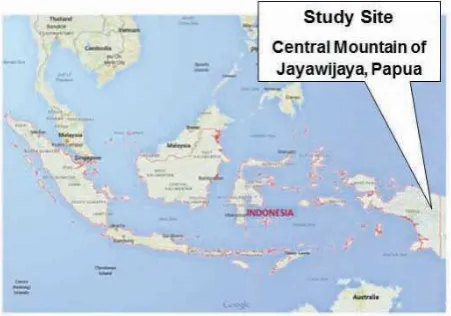
This cross-sectional study was done by purposive sampling. The study was conducted in the central mountain region of Jayawijaya Papua province, as a joint project with the World Vision Indonesia (WVI). The Central Mountain of Jayawijaya refers to the rural mountainous region throughout Jayawijaya Mountain, Papua. The center is the Jayawijaya Regency.

The target population was people living in the Jayawijaya regency. There were 40 districts and 328 villages within this region. Twenty four villages, which are the target villages of WVI program were purposively selected.

Data were collected from 15 to 30 January 2014 by interview. Local enumerators with bachelor degrees conducted the interview. They were trained for 2 days to understand the questionnaires and how to fi ll in the questionnaires. Afterwards, local enumerators were asked to interview 2 subjects, assisted by staff or medical students. Local enumerators did the interview independently with supervision from the research team.

Before the research team came to the villages, WVI cadres visited the village to meet with the head of the villages. The head of the villages were asked to announce to female with toddlers in the family to gather at the local village hall/Posyandu (integrated community center) on the scheduled day. Each village was visited 1 to 2 days until 15-20 subjects were collected in each village.

Interviews were scheduled to be conducted in the village hall/Posyandu from 9 a.m to 3 p.m during the study period. However, in some villages, interviews were done in the villagers’ houses. The duration of interviews in each village was different, depending on the time subjects came. Other subjects gathered around nearby waiting for their turn.

Data regarding age, level of education, occupation, number of pregnancies, number of deliveries, places of delivery, frequency of antenatal care visit, places of antenatal care, antenatal care examiners, and birth attendants were obtained through interview.

(3)

kandang hina or animal pen, Puskesmas (primary health center), hospital, and others.

The numbers of pregnancy were classifi ed as 1 time, 2-3 times, 4-5 times, and 6-9 times. The frequencies of antenatal care were classifi ed as never, 1 time, 2 times, 3 times, 4 time, and 5 times or more. Places of antenatal care were classifi ed as never had antenatal care, at the Puskesmas, the Posyandu, and hospital. Antenatal care examiners were classifi ed as never had antenatal care, by medical doctor, midwife, nurse, and others.

From 469 data obtained, 37 were excluded because the subjects have not delivered. Another 41 was excluded, which were those who were attended by traditional birth attendants or medical doctors. Therefore, only 391 data were analyzed.

STATA version 9 was used for statistical analysis. The Relative Risk was calculated by Cox regression with constant time.

Ethical clearance was obtained from the Health Research Ethic Committee, Medical Research Unit, Faculty of Medicine, Universitas Indonesia. Permission from the subjects was obtained through informed consent form before the interview was conducted.

RESULTS

From 391 subjects, more than half did not know their ages nor had any formal education. The majority of the subjects were farmers (60.1%). Almost 40% of the subjects have had 2-3 pregnancies and deliveries. More than a third of subjects (135 females) never had antenatal care. Among those who had antenatal care, 60.67% had antenatal care at the primary health center, and more that 2/3 had antenatal care assessment by midwives. Only 29% of subjects (111 subjects) had nurse/midwife-assisted birth, while the others had no/self-assisted or family-assisted labors.

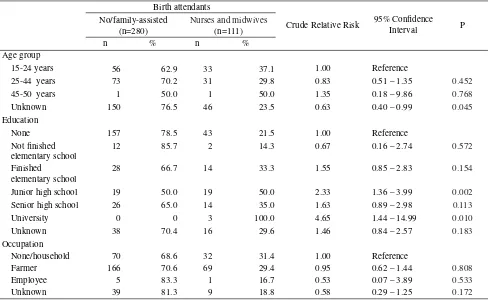
Table 1 showed that female with nurse/midwife-assisted births and by no/family birth attendants were similarly distributed with respect to age, elementary school or unknown education, and occupation. However compared with their respective reference groups, those who had higher education were more likely to have nurse/midwife-assisted births. Those who fi nished study at university was 4.6-times more likely to have nurse/midwife-assisted births [crude relative risk (RR) = 4.65; 95% confi dence interval (CI) = 1.44-14.99].

Table 1. Several demographic characteristics and birth attendants in the central mountain region of Jayawijaya, Papua

Birth attendants

Crude Relative Risk 95% Confi dence

Interval P

No/family-assisted (n=280)

Nurses and midwives (n=111)

n % n %

Age group

15-24 years 56 62.9 33 37.1 1.00 Reference

25-44 years 73 70.2 31 29.8 0.83 0.51 – 1.35 0.452

45-50 years 1 50.0 1 50.0 1.35 0.18 – 9.86 0.768

Unknown 150 76.5 46 23.5 0.63 0.40 – 0.99 0.045

Education

None 157 78.5 43 21.5 1.00 Reference

Not fi nished elementary school

12 85.7 2 14.3 0.67 0.16 – 2.74 0.572

Finished elementary school

28 66.7 14 33.3 1.55 0.85 – 2.83 0.154

Junior high school 19 50.0 19 50.0 2.33 1.36 – 3.99 0.002

Senior high school 26 65.0 14 35.0 1.63 0.89 – 2.98 0.113

University 0 0 3 100.0 4.65 1.44 – 14.99 0.010

Unknown 38 70.4 16 29.6 1.46 0.84 – 2.57 0.183

Occupation

None/household 70 68.6 32 31.4 1.00 Reference

Farmer 166 70.6 69 29.4 0.95 0.62 – 1.44 0.808

Employee 5 83.3 1 16.7 0.53 0.07 – 3.89 0.533

(4)

The results in Table 2 showed that females who had 2-3 pregnancy were 40% less likely to have nurse/ midwife-assisted births (RR = 0.61; 95% CI = 0.39-0.96) compared to the reference group. The same result was found on the number of deliveries; however it was not statistically signifi cant. Furthermore, the data showed that only a very small number of female had delivery in the forest or kandang hina.

Compared to those who had delivery at home, females who had delivery at the primary health centers and hospitals were 8.8-times more likely to have nurse/midwife-assisted births (RR = 8.80; 95% CI = 1.21-64.32 and RR = 8.80; 95% CI = 4.36-17.77), respectively.

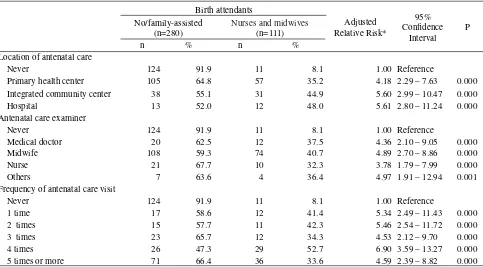
In the fi nal model, Table 3, those who had antenatal care in health facilities (primary health center, integrated community center, or hospital), by health workers (medical doctor, midwife, or nurse) and with more frequent antenatal care visits, had a higher probability to have nurse/midwife-assisted births. Compared to the reference group, females who had antenatal care in the integrated community center were 5.6 times more likely to have nurse/ midwife-assisted births (RRa = 5.60; 95% CI = 2.99-10.47). Furthermore, those who had antenatal care by midwives were 4.9 more likely to have nurse/ midwife-assisted births (RRa = 4.89; 95% CI = 2.70-8.86). In addition, compared to the reference group,

those who had more frequent antenatal care visits (4 times) were 6.9 more likely to have nurse/midwife-assisted births (RRa = 6.90; 95% CI = 3.59-13.27).

DISCUSSION

There were some limitations of this study. Firstly, the subjects consisted of females with toddlers in the family who gathered at the village hall/integrated community centers on the scheduled day. The villages were selected purposively, only day. Due to access problem, the villages were selected purposively. Only the villages in WVI program were included. Secondly, there were no data on the population of each village. Therefore the number of subjects was evenly selected for each village. Thirdly, there was a language barrier in conducting the interview, because many of the subjects were not able to converse in Bahasa Indonesia. To overcome this problem, local enumerator who could speak local languages (Lani, Dani and Walak languages) were recruited. However, several questions could not be easily translated to the local languages. The majority of the subjects did not understand the concept of time and date. When asking about age, crosschecking was done by asking their birth date. However, only a few of them could say their birth date. Thus, there is a possibility of bias about the age of subjects.

Table 2. History of pregnancies, deliveries, and birth attendants in central mountain region of Jayawijaya, Papua

Birth attendants

Crude Relative Risk

95% Confi dence

Interval P

No/family-assisted (n=280)

Nurses and midwives (n=111)

n % n %

Number of pregnancies

1 60 60.0 40 40.0 1.00 Reference

2-3 117 75.5 38 24.5 0.61 0.39 – 0.96 0.031

4-5 73 76.0 23 24.0 0.63 0.38 – 1.04 0.069

6-9 30 75.0 10 25.0 0.63 0.31 – 1.25 0.184

Number of deliveries

1 64 61.5 40 38.5 1.00 Reference

2-3 115 74.7 39 25.3 0.66 0.42 – 1.02 0.063

4-5 73 76.0 23 24.0 0.65 0.39 – 1.08 0.095

6-9 28 75.7 9 24.3 0.63 0.31 – 1.30 0.214

Place of delivery

Home 273 88.6 35 11.4 1.00 Reference

Forest 2 100.0 0 0 n/a

Kandang hina 1 100.0 0 0 n/a

Primary health center 0 0 10 100.0 8.80 1.21 – 64.23 0.032

Hospital 0 0 66 100.0 8.80 4.36 – 17.77 0.000

(5)

Table 3. Antenatal care location, examiners, frequencies and birth attendants in central mountain region of Jayawijaya, Papua

Birth attendants

Adjusted Relative Risk*

95% Confi dence

Interval P No/family-assisted

(n=280)

Nurses and midwives (n=111)

n % n %

Location of antenatal care

Never 124 91.9 11 8.1 1.00 Reference

Primary health center 105 64.8 57 35.2 4.18 2.29 – 7.63 0.000

Integrated community center 38 55.1 31 44.9 5.60 2.99 – 10.47 0.000

Hospital 13 52.0 12 48.0 5.61 2.80 – 11.24 0.000

Antenatal care examiner

Never 124 91.9 11 8.1 1.00 Reference

Medical doctor 20 62.5 12 37.5 4.36 2.10 – 9.05 0.000

Midwife 108 59.3 74 40.7 4.89 2.70 – 8.86 0.000

Nurse 21 67.7 10 32.3 3.78 1.79 – 7.99 0.000

Others 7 63.6 4 36.4 4.97 1.91 – 12.94 0.001

Frequency of antenatal care visit

Never 124 91.9 11 8.1 1.00 Reference

1 time 17 58.6 12 41.4 5.34 2.49 – 11.43 0.000

2 times 15 57.7 11 42.3 5.46 2.54 – 11.72 0.000

3 times 23 65.7 12 34.3 4.53 2.12 – 9.70 0.000

4 times 26 47.3 29 52.7 6.90 3.59 – 13.27 0.000

5 times or more 71 66.4 36 33.6 4.59 2.39 – 8.82 0.000

*Each variable adjusted for number of deliveries

Although more than two third of 391 subjects had antenatal care, only 29% had nurse/midwife-assisted births. This number is lower compare to data shown by UNICEF (36% skilled attendance of delivery).10 Further analysis showed that there was different proportion of antenatal care practice between those who had nurse/midwife-assisted birth and those who had self-assisted or family-assisted labor. This study showed that ANC in health care facilities, health workers as ANC examiner, and more frequent ANC visit, were dominant factors related to higher probability of having nurse/midwife-assisted births for females in Papua.

Data from UNICEF shows that Papua New Guinea, the neighboring country with similar characteristics and demographics as Papua, also has similar condition regarding maternal health. The coverage of ANC in Papua New Guinea was 78%, while the skilled birth attendant practice was 53%.11 Other studies from rural Zambia, Nepal and Ethiopia showed the same results as this study. The number of nurse/midwife-assisted births was low, despite the high coverage of ANC.12-14

Compared to the reference group, those who had 4 ANC visits had the highest probability to have nurse/midwife-assisted births. This fact supported the recommendation to have a minimum of 4 ANC visits during pregnancy.15-17 Unfortunately, whether

the ANC visits were conducted at the appropriate recommended time during pregnancy could not be assessed. The subjects did not understand the concept of date and time, and they recognized their pregnancy only after their abdomen looked larger.

It was possible that Antenatal care can affect the decision to have skilled birth attendants in several ways. One was the more ANC visits they had, the more they get used to have health care services. The other possible effect of ANC is getting more knowledge. The more frequent they get in contact with health care providers, the more information they get about safe delivery, and how it is important to give birth at a health facility, assisted by skilled birth attendant. This fi nding is supported by study from mountain area of Nepal by Choulagai et al which concluded that having 4 or more ANC visit was a determining factor of skilled birth attendant utilization.

(6)

Women who had ANC in health care facilities had higher probability to use skilled birth attendants. This study showed that those who had ANC in the integrated community center had the same probability to have nurse/midwife-assisted births with those who had ANC at the hospital. Considering that there is only one hospital in the regency, which is far from the villages, the integrated community center is more preferable to conduct ANC.

A study in Zambia showed that having ANC services outside health care facilities (at home), appeared to offer no benefi t in increasing delivery at health facilities with skilled birth attendants. Having ANC service at home seemed to reinforce the subjects to get all care at home. Therefore, the study suggested that the women receive ANC services at health care facilities.13

This study showed that females with ANC had a higher possibility for nurse/midwife-assisted births, regardless who the examiner was. However, ANC by midwife was more frequent than ANC with other types of examiners. This result is congruent to the fact that the number and distribution of midwives are higher than medical doctors. Based on the 2011 data from the regional health offi ce of Papua province, the ratio of medical doctor in Papua is only 21 per 100,000. Meanwhile the ratio of midwife in Papua is 74 per 100000, almost 4 times than the ratio for doctors.2 There are also many nurses in Papua. In Indonesia’s health system, nurses are also trained to assist labor.

Another fi nding was that only a few women had delivery in the forest or kandang hina. Two subjects gave birth in the forest and 1 subject at kandang hina. This is different from the common issue that women of Papua and the baby were isolated far from the main house when giving birth.8 Though, there is still probability that this difference is due to variations of culture of several tribes of Papua.

Most subjects gave birth at home. The considerable distance between the villages and the health facilities might be one of the factors infl uencing this preference. Other studies from rural areas in several countries showed the same fi ndings to this study. This considerable distance from homes to health care facilities was the dominant factor infl uencing the high number of home deliveries. 6,12,14,20 A study in Tanzania showed that females living within 5 kilometers from health facilities, were 4 times more likely to have skilled birth attendants at health facility.20

More than a third of our subjects had more than 3 deliveries. Some of them even had 6 to 9 deliveries. This study found that the higher number of deliveries the lower probability to have skilled birth attendants, although the result was not statistically signifi cant. The confi dence in giving birth without the help of skilled birth attendants might be caused by their experience in giving births. The more they gave birth, the more confi dent they feel and the less likely they feel the necessity to give birth with the help of skilled birth attendants.

This fi nding was supported by other studies from Ethiopia and Bangladesh, which concluded that women with more parity were less likely to give birth with the help of skilled birth attendant.14,21 Some possible explanations were, they developed increased confi dence in giving birth and believe that they did not need assistance in delivery.22 Another proposed reason was, the more children they had at home, the higher demand they had. Thus, they prefer to give birth at home with the help from family, rather than giving birth with assistance of skilled attendant which was more costly.21

Aside from its relation to low use of skilled birth attendants, the high number of parity increased obstetrics risk such as hypertension in pregnancy, ruptured membrane, sepsis, and uterine atony. Uterine atony is the main cause of postpartum hemorrhage, which leads to maternal death.23

It was concluded that ANC service was a possible way to increase the proportion of deliveries by nurse/midwives in central mountain region of Jayawijaya, Papua.

Acknowledgments

The authors would like to thank the subjects and local enumerators for the cooperation in this study. We would also like to show our gratitude to the regency health offi ce, the staff of primary health centers and integrated community center of Jayawijaya, Lani Jaya and Tolikara for their support and cooperation in conducting this study. Finally, we would like to thank World Vision Indonesia for the funding of this study.

REFERENCES

1. National Institute of Health Research and Deve-lopment, Ministry of Health Republic of Indonesia. Health statistics (Riskesdas) 2013. Jakarta: The Institute; 2013.

(7)

of Papua Province; 2013 p. 1.1–6.1. Available from: http://www.dinkespapua.go.id/

3. Ministry of Health Republic of Indonesia. Indonesia health profi le 2012. Hardhana B, Budijanto D, Sitohang V, Soenardi TA, editors. Jakarta: The Ministry; 2012. 4. United Nations. The millennium development

goals report 2013 [Internet]. United Nation; 2013. Available from http://www.un.org/millenniumgoals/ pdf/report-2013/mdg-report-2013-english.pdf 5. Kidney E, Winter HR, Khan KS, et al. Systematic

review of effect of community-level interventions to reduce maternal mortality. BMC Pregnancy Childbirth [Internet]. 2009 Jan [cited 2014 Aug 29];9:2. Available from: http://www.pubmedcentral. nih.gov/articlerender.fcgi?artid=2637835&tool=pmc entrez&rendertype=abstract

6. Montgomery AL, Fadel S, Kumar R, et al. The effect of health-facility admission and skilled birth attendant coverage on maternal survival in India: a case-control analysis. PLoS One [Internet]. 2014 Jan [cited 2014 Sep 17];9(6):e95696. Available from: http://www. pubmedcentral.nih.gov/articlerender.fcgi?artid=4041 636&tool=pmcentrez&rendertype=abstract

7. Alvarez JL, Gil R, Hernández V, et al. Factors associated with maternal mortality in Sub-Saharan Africa: an ecological study. BMC Public Health [Internet]. 2009 Jan [cited 2014 Sep 4];9:462. Available from: http://www.pubmedcentral.nih.gov/ articlerender.fcgi?artid=2801510&tool=pmcentrez& rendertype=abstract

8. Prasetya EE. Setengah mati hidup di perbatasan. Harian Kompas [Internet]. Jakarta; 2012 Feb; Available from: http://tekno.kompas.com/read/2012/02/29/10003686/ setengah.mati.hidup.di.perbatasan. Indonesian.

9. Badan PPSDM Kesehatan Kementerian Kesehatan RI. Sebaran pemetaan ratio SDM kesehatan - jumlah penduduk di Indonesia [Internet]. Informasi Tenaga Kesehatan (InfoNakes). 2013 [cited 2014 Sep 17]. Available from: http://bppsdmk.kemkes.go.id/info-nakes/ratio/sebaranSeluruh.php. Indonesian.

10. Unicef. Multiple indicator cluster survey: selected districts of Papua and Papua Barat [Internet]. Papua; 2012 p. 1–27. Available from: http://www.unicef.org/ indonesia/1MICS_in_selected_districts_of_Papua_ and_West_Papua_Summary_-_English_fi nal.pdf 11. Unicef. Maternal, newborn and child survival -

country profi le: Papua New Guinea [Internet]. unknown; 2008. Available from: http://www.unicef. org/eapro/Papua_New_Guinea_Eng.pdf

12. Choulagai B, Onta S, Subedi N, et al. Barriers to using skilled birth attendants ’ services in mid- and far-western Nepal : a cross-sectional study. BMC Int Heal Hum Right [Internet]. 2013;13(49):1–9. Available from: http://www.biomedcentral.com/1472-698X/13/49 13. Ensor T, Quigley P, Green C, et al. Knowledgeable

antenatal care as a pathway to skilled delivery: modelling the interactions between use of services and

knowledge in Zambia. Health Policy Plan [Internet]. 2014 Aug [cited 2014 Sep 17];29:580–8. Available from: http://www.ncbi.nlm.nih.gov/pubmed/23894074 14. Tsegay Y, Gebrehiwot T, Goicolea I, Edin K, Lemma

H, Sebastian MS. Determinants of antenatal and delivery care utilization in Tigray region , Ethiopia : a cross-sectional study. Int J Equity Health [Internet]. 2013;12(30):1–10. Available from: http://www. equityhealthj.com/content/12/1/30

15. World Health Organization. Opportunities for Africa’ s Newborns [Internet]. World Health Organization; 2006 p. 51–62. Available from: http://www.who.int/ pmnch/media/publications/oanfullreport.pdf

16. World Health Organization. Standards for maternal and neonatal care: provision of effective antenatal care [Internet]. unknown; 2006 p. 1–6. Available from: http:// www.who.int/reproductivehealth/publications/maternal_ perinatal_health/effective_antenatal_care.pdf

17. Statistics Indonesia (BPS), National Population and Family Planning Board (BKKBN), Ministry of Health and (Kementerian Kesehatan) and ICF International. Indonesian demographic and health survey 2012. Jakarta: BPS, BKKBN, Kemenkes dan ICF International; 2012 p. 111–30.

18. Mengesha ZB, Biks GA, Ayele TA, et al. Determinants of skilled attendance for delivery in Northwest Ethiopia : a community based nested case control study. BMC Public Health [Internet]. 2013;130(204 000):1–6. Available from: http://www.biomedcentral. com/1471-2458/13/130

19. Adjiwanou V, Legrand T. Does antenatal care matter in the use of skilled birth attendance in rural Africa: a multi-country analysis. Soc Sci Med [Internet]. Elsevier Ltd; 2013 Jun [cited 2014 Sep 17];86:26–34. Available from: http://www.ncbi.nlm.nih.gov/pubmed/23608091 20. Mpembeni RN, Killewo JZ, Leshabari MT, et al. Use

pattern of maternal health services and determinants of skilled care during delivery in Southern Tanzania: implications for achievement of MDG-5 targets. BMC Pregnancy Childbirth [Internet]. 2007 Jan [cited 2014 Sep 17];7:29. Available from: http:// www.pubmedcentral.nih.gov/articlerender.fcgi?artid =2222241&tool=pmcentrez&rendertype=abstract 21. Bashar S. Determinants of the use of skilled birth

attendants at delivery by pregnant women in Bangladesh [Internet]. Umea University, Sweden; 2012. p. 14–32. Available from: http://www.phmed.umu.se/ digitalAssets/104/104565_s.m-abul-bashar.pdf

22. Mekonnen Y, Mekonnen A. Utilization of maternal health care services in Ethiopia [Internet]. Calverton, Maryland; 2002 p. 1–23. Available from: http:// dhsprogram.com/pubs/pdf/FA38/01-mekonnen.pdf 23. Afolabi AF, Adeyemi AS. Grand-multiparity: is it still

Gambar

Figure 1. Study site in Papua, Indonesia
Table 1. Several demographic characteristics and birth attendants in the central mountain region of Jayawijaya, Papua
Table 2. History of pregnancies, deliveries, and birth attendants in central mountain region of Jayawijaya, Papua
Table 3. Antenatal care location, examiners, frequencies and birth attendants in central mountain region of Jayawijaya, Papua

Referensi

Dokumen terkait