2895 remittancesreview.com Received : 25 February 2024, Accepted: 31 March 2024
DOI:https://doi.org/10.33282/rr.vx9i2.147
A Study of Phonological Difficulties in Children Born with Cleft Palate
Amina Shehzadi*1, Amna Tughral2, Naveed Ahmad Khan3, Saadia Ali4, Arfan Akram5 1. SSE (English), School Education Department Punjab, Pakistan
2. M. Phil linguistics, The University of Lahore (Gujrat campus), Pakistan
3. Principal Lecturer, Department of English, University of Central Punjab, Pakistan 4. M. Phil Scholar, Department of English, University of Central Punjab, Pakistan 5. Lecturer, Department of English, Lahore leads University, Pakistan
*1[email protected], (Corresponding author) 2[email protected],
3[email protected], 4[email protected], 5[email protected]
Abstract
The study aimed to discover the phonological difficulties encountered by children born with a cleft palate. the researcher utilized the 'purposive sampling' technique to select participants, comprising two groups: normal children and those born with a cleft palate. The research instruments employed include a demographic information sheet, a word elicitation list, and categorized picture descriptions based on the articulation of vowel and consonant sounds. These tools were chosen for data collection and analysis, and a speech therapist conducted examinations to evaluate the difficulties faced by children with a cleft palate in articulating speech sounds. To identify potential issues with the toolkit, a pilot study was conducted, with participants giving their consent after receiving a clear explanation of the procedure, purpose, duration, and all ethical considerations. The study utilized the CV
2896 remittancesreview.com phonology framework proposed by Clements and Keyser (1983) to gather
findings, including the substitution of consonants and vowels. This investigation into the phonological difficulties of children born with a cleft palate provides a detailed description of articulation challenges and the substitution process. The substitution process involved comparing the correct pronunciation of vowels and consonants in the Urdu language between normal children and those with a cleft palate. To gain insight into how cleft palate speech appears to them and the phonological representation difficulties faced by such children, two registered speech pathologists, experienced in cleft palate speech, were interviewed. The purpose of these interviews was also to understand the positive effects of speech therapy in improving the speech of children with a cleft palate. The study may also have clinical and educational implications.
Keywords: Cleft Palate, Phonological Difficulties, Vowels and Consonant Sounds, CV Phonology, Articulation Challenges
1. Introduction
This research aims to investigate the phonological challenges in the speech of children born with secondary cleft palate. Such children often face difficulties in producing and acquiring speech sounds accurately due to the congenital condition. According to Genisca A.E. (1997 to 2004), Cleft palate is a congenital condition characterized by a gap in the roof of the mouth, resulting from the improper joining of tissues during fetal development. It can range from a small notch to a complete separation of the palate and may affect speech, eating, breathing, teeth alignment, and facial bone development. The exact cause is not fully understood but is believed to involve genetic and environmental factors. Cleft palate impacts a child's ability to produce speech sounds, leading to communication disorders. Defects in oronasal structure, orofacial function, neuromotor patterns, and psychosocial development contribute to speech problems, with pressure consonants being particularly affected.
2897 remittancesreview.com Fig.1 Classification of cleft by ACPA
1.1. Types of Cleft Palate
Children’s Hospital Colorado’s research presents following types of cleft palates, which refer to openings in the roof of the mouth:
1.1.1. Alveolar: A cleft that occurs in the upper gum line (alveolus) and it may or may not extend into the cleft palate.
1.1.2. Submucous: A cleft located in the soft palate towards the posterior region of the roof of the mouth. This type of cleft is covered by a thin layer of skin or tissue, making it challenging to diagnose as it is not easily visible.
1.1.3. Complete: A cleft that extends from the front to the back of the palate, involving both the hard and soft palates.
1.1.4. Incomplete: A cleft that does not extend entirely through the hard and soft palates, partially affecting the roof of the mouth.
1.1.5. Isolated: A cleft palate without the presence of a cleft lip.
This classification is shown in the image below;
2898 remittancesreview.com Fig.2 Classification of Cleft-Palate by Children’s Hospital Colorado
1.2. Communication of Cleft Palate Children
Communication can be a significant challenge for children with cleft palate, as the condition affects the structure and function of the oral cavity and speech mechanisms. Cleft palate can impact a child's ability to articulate sounds and form words properly, leading to speech difficulties and potential communication limitations.
According to Peterson-Falzone & Hardin-Jones, M. A. (2017), there are two categories of cleft type errors in speech sound production; obligatory errors and Compensatory errors explained below;
1.2.1. Obligatory errors
Obligatory errors are those which are caused by structural anomalies such as bad teeth, cleft which is not repaired, oronasal fistulas, etc. They generally cause patterns of articulation to shift.
Speech therapy cannot address such problems unless the underlying structural abnormality is not resolved.
2899 remittancesreview.com 1.2.2. Compensatory errors
Compensatory errors in cleft speech mean the speech difficulties that cleft-palate victims may experience. These errors are displayed when individuals attempt to tackle for the structural differences and functional limitations caused by the cleft. Speech sound defects in cleft palate children may be examined considering the following terms;
1.2.3. Articulation: The cleft in the palate can affect the placement and movement of the tongue, lips, and other articulators, making it challenging to produce certain sounds accurately. This may result in distorted or unclear speech.
1.2.4. Nasality: Due to the opening in the palate, air can escape through the nasal cavity during speech, causing a nasal quality to the child's voice. This can affect the intelligibility and resonance of their speech.
1.2.5. Speech Intelligibility: The combination of articulation errors and nasality can make it difficult for others to understand the child's speech. Some sounds may be substituted, omitted, or distorted, impacting overall speech intelligibility.
1.3. Language Development
The speech difficulties associated with cleft palate can also influence a child's language development. It may affect vocabulary acquisition, sentence structure, and overall expressive and receptive language skills.
It is compulsory to note that the excess and specific compensatory errors in cleft speech might be different among individuals. The findings of this study can contribute to the understanding of compensatory errors found in cleft speech and to know how important is the surgery for children born with different types of cleft.
1.4.
Urdu PhonologyThis study examines the consonant and vowel system of Urdu, along with its syllable templates, within the context of a phonological theoretical framework. The aim is to investigate the
phonological patterns of native Urdu language in children with cleft palate, specifically focusing
2900 remittancesreview.com on phonological difficulties. Additionally, a comparison between the Urdu consonant and vowel system and English is included to help identify phonological challenges in children with cleft palate.
1.4.1. Consonants
Consonant sounds are produced by blocking the air flow (Roach, 2009). In Urdu, consonants are categorized into two types; voiced and voiceless.
1.4.1.1. Voiced sounds
The vocal folds are brought together to produce the voiced sound, but as the air passes through it repeatedly pulls them apart, causing a vibration impact in the process.
1.4.1.2. Voiceless sounds
When the vocal folds are wide apart and the air from the lungs travels through them unhindered, the voiceless sound is produced. Urdu language contains 16 aspirated and 28 non aspirated sounds.
1.4.2. Place of Articulation and Manner of articulation
Secondly, the focus is on concept of place of articulation and manner of articulation.
1.4.2.1. Place of articulation
The term 'articulation' refers to the position where the sound is produced during pronunciation, or the movement of the tongue and speech organs to create various sounds (Finch, 2000).
1.4.2.2. Manner of articulation
The way of Articulation is the manner in which the air stream is impacted as it streams from the lungs and emerges from the nose and mouth. The way consonant sounds are produced is determined by the manner of articulation, which involves the coordination of various speech organs. (Victoria and Robert et al., 2017).
2901 remittancesreview.com 1.4.3. Urdu Consonants System
Urdu encompasses 41 consonant sounds, comprising stops, affricates, fricatives, nasals, and liquids/glides. Stops and nasals are articulated at various locations, categorized as labial, dental, retroflex, palatal, and velar. Palatal stops are considered affricates. As per Kahana (2021), each consonant series includes both voiced and voiceless sounds, distinguished by aspiration (aspirated and unaspirated). This contrast is unique to Indo-Aryan among Indo-European languages.
Table 1: Place and Articulation of Consonants
Labial Dental Retroflex Palatal Velar Uvular Glottal Stops Voiced b bʰ ɖ ɖʰ ɖ ɖʰ g gʰ Voiceless p pʰ t t ʰ ʈ ʈʰ k kʰ q ʔ
Affricates Voiced ʤ ʤʰ
Voiceless ʧ ʧʰ
Fricatives Voiced Z ʒ ɣ
Voiceless F S ʃ x H
Nasals M N ɳ nʰ
Liquids ɭ r ɽ ɽʰ
Glides ʋ J
1.5. Research Questions
1. What phonological difficulties may a cleft cause in the speech of a child?
2. How do surgery and the speech therapy play a role to mitigate phonological difficulties in cleft palate speech?
2. Literature Review
This study is about phonological difficulties and linguistic disabilities if the children who are born with secondary cleft palate
2902 remittancesreview.com 2.1. Cleft Lip and Palate
One in 500 to 750 children are born with cleft lip and/or palate, making it one of the most prevalent congenital birth defects (Peterson-Falzone et al., 2001). The prevalence is slightly higher in some Asian and indigenous populations and slightly lower in some African groups.
According to a recent report from the Centers for Disease Control (CDC), 6,800 children in the US are affected with clefts every year (Moller, 2008; CDC, 2006). Cleft lip and palate have far- reaching effects, impacting hearing, nutrition, dental health, psychosocial development, facial growth, and speech production.
Considering the prevalence of cleft palate and the associated speech articulation and resonance concerns, it is crucial to have appropriate assessment and treatment methods for communication skills in this population (Kuehn & Moller, 2000; Kummer, 2001; Peterson-Falzone, et al., 2000).
According to the 2000 U.S. Census, there was a significant increase in the number of individuals in the country who spoke languages other than English at home, totaling around 47 million (U.S.
Census Bureau, 2000). The 2005 American Community Survey further revealed that the largest linguistic group consisted of Spanish speakers, comprising 12.0% of the population, which is approximately 35 million people (U.S. Census, 2005). Additionally, specific geographic regions also had concentrations of other linguistic groups.
2.2. Linguistic Diversity in Cleft Care
The United States has a large and growing bilingual population of Spanish-English speakers, and this trend is also evident in cleft and craniofacial clinics, where the number of native Spanish- speaking patients is increasing. A survey conducted in 2004, covering 171 clinics, revealed that over 25% of patients seen in 27 clinics (16% of those surveyed) were Spanish-speaking.
Additionally, 75 of the clinics (44%) reported an increase in Spanish-speaking patients over the past five years (Edwards & Bonilla, 2004).
Apart from the increasing number of non-English speakers seen in cleft palate-craniofacial clinics in the U.S., there are also surgical teams that travel to developing countries to offer surgical intervention for individuals with cleft palate and related craniofacial conditions. These trips have been recorded for at least the past 50 years and are still ongoing, with teams
2903 remittancesreview.com originating from the U.S., the United Kingdom, and other countries (Mars, Sell, &Habel, 2008;
Sell, 2007a, 2007b). In most cases, the surgical professionals treat patients who speak a language different from their own, and frequently, there is no local speech-language pathologist (SLP) available.
A recent investigation revealed that only 51 nations and territories have training programs for speech-language pathology or audiology (Bleile, Ireland & Kiel, 2006).
2.3. Linguistic Disability
Communication is the primary means of conveying messages to others and expressing human thoughts and ideas. The process involves intricate movements of the head, neck, chest, and abdomen, which can be quite demanding. Any damage or imperfections in these areas can affect regular speech output. The prevalence of linguistic disorders among people is remarkably high.
A language disorder is the inability of a person to converse politely. Some disorders are brought on by genetic or developmental problems, while others are brought on by brain trauma.
According to Lanier (2010) language disorders are defined as "having an incapacity to grasp, form, or use words correctly." It includes both verbal and nonverbal communication. People with language disorders trouble making sounds to communicate with other people. Even if they are highly intelligent, those who have language disorders are viewed as mentally inferior. Due to a negative perception of their personalities, many persons who live with speech or language disorders experience depression.
2.4. Velopharyngeal Inadequacy (VPI)
VPI occurs when there is an inadequate closure of the velopharyngeal valve, which separates the oral and nasal cavities during speech and swallowing. It can significantly impact a person's speech and social communication. According to Peterson-Falzone, Trost-Cardamone, & Hardin- Jones, (2017) VPI can affect a child’s speech in following way:
Hypernasal Speech
Hyponasal Speech
Compensatory Articulations
2904 remittancesreview.com 2.4.1. Impact on Social Communication
VPI can have a significant impact on a person's social communication and overall quality of life.
Individuals with hypernasal speech and compensatory articulations may face challenges in effective communication, as their speech may be difficult to understand by others. This can lead to social isolation, reduced self-esteem, and difficulties in academic and professional settings.
3. Materials and Methods
Research methodology provides details about the research design, sampling technique, data collection method, and the subsequent analysis. It also encompasses the entire study procedure, including the pilot study, main study, and addresses ethical considerations (Willig, 2013).
3.1. Research Design
The aim of the present study was to investigate the comparison between two groups in terms of speech phonology in children with cleft palate and normally developing children. The group of children with cleft palate was further divided into two subgroups: pre-surgery and post-surgery.
The entire study is based on phonological analysis. This research is based on a qualitative approach that examines particular experiences and meanings in-depth, as perceived through the researcher's insight into a social phenomenon.
3.2. Sampling Technique
The present study employed purposive sampling. The target population for this study consisted of children with cleft palate and typically developing children who spoke Urdu. The sample was relatively homogeneous in terms of educational status, linguistic background, and cultural background. It included both male and female children with various secondary cleft palates, ranging in age from 5 to 12, and was compared with typically developing children of the same age.
2905 remittancesreview.com 3.3. Instrumentations
The tools which were used in present study for data collection are demographic questionnaire, word elicitation list, picture description and tape recordings.
3.4. Data Analysis Method
The study examined variations in phonological structure among children with cleft palate. By comparing the phonological components of Urdu language with the phonological challenges experienced by children with cleft palate, including patterns of vowels and consonants and their alterations, this study aimed to identify benchmarks for phonological structural changes.
3.5. Theoretical framework
The theoretical framework used to examine changes in phonological structure of children with cleft palate was through CV phonology, proposed by Clements and Keyser (1983).
3.5.1. CV Phonology
Clements and Keyser (1983) introduced the concept of CV phonology as a framework to illustrate syllable structure. According to this theory, syllables are considered hierarchical units, with the CV tier serving as their fundamental constituents.
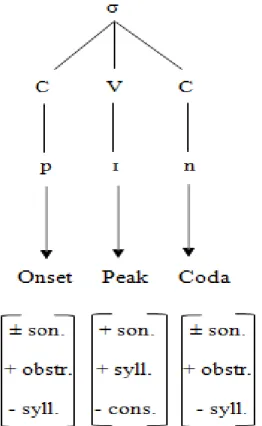
Fig.3 Hierarchical Structure of Syllable
2906 remittancesreview.com Within CV phonology, a syllable is categorized into three tiers: the syllable node, the CV tier, and the segment tier. The CV tier specifically identifies the peaks and non-peaks within a syllable.
The V tier is taken as the syllable's nucleus, as shown in this Fig. and the syllable structure. The peak of a syllable is occupied by the vowel, which is the most sonorous sound within the syllable. Clements and Keyser (1983) have presented a phonological sonority chart that categorizes segments into different positions based on their sonority. According to this chart, vowels consistently serve as the peaks in syllables due to their high sonority.
Fig.4 Chart of Sonority Hierarchy
With the exception of vowels, all the components in this chart function as non-peaks and hold a marginal position within the syllable. Glides, despite being more sonorant than consonants, cannot serve as peaks because they fall into the category of consonants due to their place of articulation.
During the articulation of glides, airflow is regulated, whereas vowels are produced without any interruption. The CV units, which constitute the CV tier, include vowels and consonants.
However, they occupy different positions on the sonority strength chart. Vowels and consonants together comprise the segmental tier of the syllable, but they have distinct roles, as illustrated in the figure.
2907 remittancesreview.com Fig.5 Constituents of a syllable
According to the figure, any segment influenced by the segmental tier of V functions as a syllable peak, as indicated by the [+sonorant] feature. The term "syllabicity" is employed by theorists to elucidate how C and V segments operate within CV elements.
Fig.6 Sonority Strength Hierarchy
2908 remittancesreview.com A segment is considered syllabic only if it is dominated by a V-element, while a C-element of the CV tier is non-syllabic. Clements and Keyser (1983) propose that there are classes of segments that serve as peaks, and the selection of the syllable (CV) containing the sonority peak is not arbitrary but rather determined by the hierarchy of sonority strength.
The provided figure illustrates the phonetic relationship between sonority and the tendency for voicing. It demonstrates that the audibility of a sound is influenced by its sonority. According to Hooper (1976), sonority refers to the loudness of a sound, with nasals, liquids, and obstruents considered less sonorous compared to glides and vowels. In the context of a CV tier, the syllabicity of vowels is determined based on their position in the sonority hierarchy. The most sonorant element serves as the nucleus and functions as a V, while the less sonorant sound preceding the nucleus represents the onset or C-element
Fig.7 Onset, Peak and Coda Algorithm
2909 remittancesreview.com The Fig 3.5 shows that codas and onsets may or may not be sonorant but they are never syllabic, while nucleus are represented by the [+syll] and [+son] elements.
4. Data Analysis
This chapter focuses on the data analysis of phonological difficulties faced by cleft palate children. Firstly, the researcher examined the production of Urdu vowels and consonants in speech of cleft palate children before and after surgery. The data was collected and analyzed concerning the Urdu monophthongs including sounds such as /ɪ/, /ʊ/, /ə/, /ɛ/, /ɑ:/, /o:/, /e:/, /i:/, /ӕ/ and /u:/ and the consonant so nds of /p/, /b/, /t /, /ʈ/, /d /, /ɖ/, /k/, /g/, /h/, /s/, /z/, /f/, /v/, /ʃ/, /ʒ/, /ʧ/, /ʤ/, /l/, /r/, /ɽ/, /j/, /ɣ/, /x, /m/ and /n/. Secondly, the data analysis considered Urdu consonant substitution focusing on the word initial, medial and final positions by applying CV Phonology theory. In third phase, the data collected from Speech Language Therapists was analyzed to learn about the benefits of speech therapy in alleviating phonological difficulties of cleft palate children.
The data was collected from three types of participants; Pre- surgery, Post surgery and the normal children.
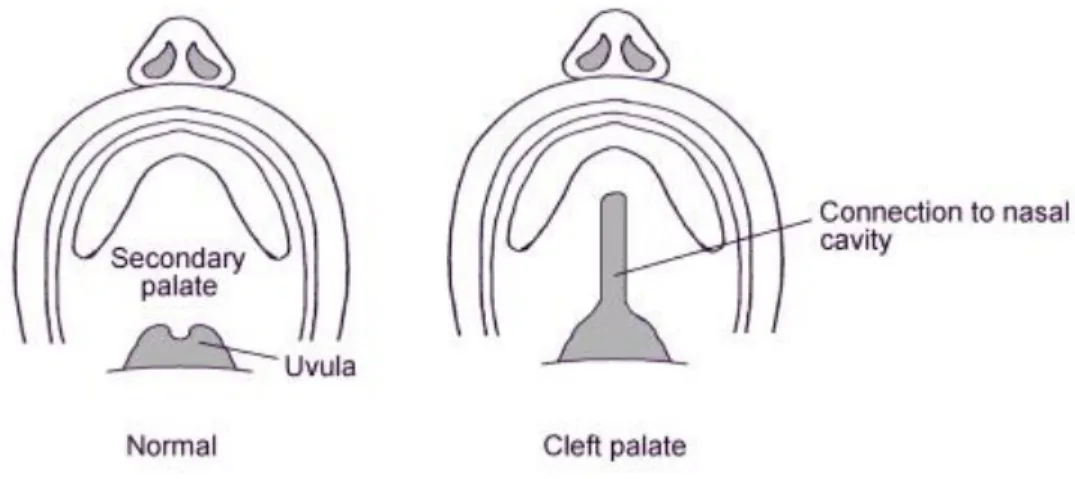
Fig.8 Showing contrast between a normal and cleft palate
4.1. Data taken from children before surgery
The researcher considered the children who had a secondary cleft only.
2910 remittancesreview.com 4.1.1. Nasalization of short vowels
Nasalization of vowels refers to the phonetic process where a vowel sound is produced with a lowered velum, allowing air to pass through the nasal cavity while the vowel is articulated. This results in a nasal quality being added to the vowel sound.
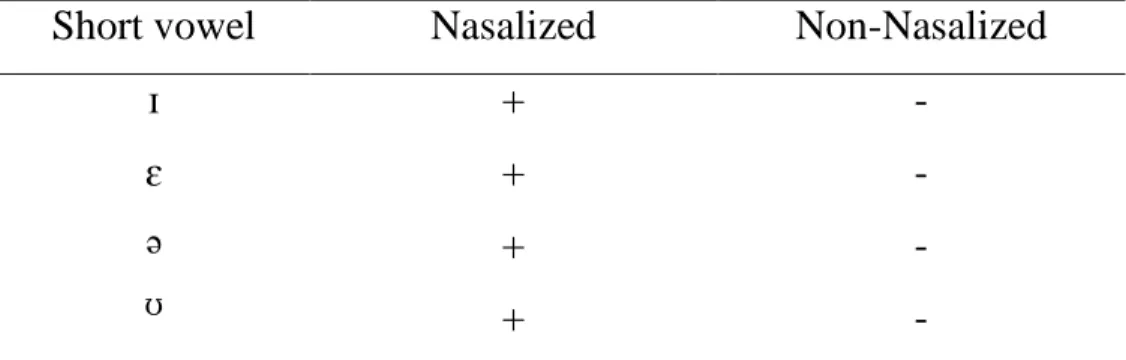
Nasalization in the vowel production of children with secondary cleft is presented in the table below. First column contains the list of Urdu short vowels, the second has indication of
nasalization shown by (+) sign and the third column presents if the vowel is non-nasalized shown by the sign (-).
Table 2: Short Vowels
Short vowel Nasalized Non-Nasalized
ɪ ɛ
ə ʊ
+ + + +
- - - -
The table above indicates that the children, before surgery, demonstrate a highly defective way of producing short vowels, as they nasalize all of them. Specifically, they produce all four short Urdu vowels as ɪ˜, ɛ˜, ə˜, ʊ˜, respectively. Conseq ently, the col mn labeled "Nasalized"
contains all positive signs (+) to indicate the nasalization of all short vowels. On the other hand, the column labeled "Non-nasalized" contains negative marks (-) because the cleft palate children were unable to produce any short vowel without nasalization. This happens due to their inability to close their velopharyngeal port.
2911 remittancesreview.com 4.1.2. Nasalization of Long Vowels
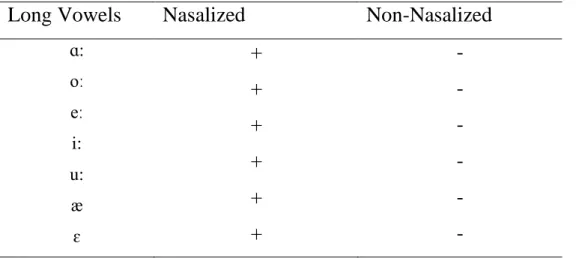
Long vowels are vowel sounds that are pronounced for a relatively longer duration compared to short vowels. They are characterized by an extended or prolonged sound quality. Long vowels pronounced by cleft palate children are shown in the table below;
Table 3: Long Vowels
Long Vowels Nasalized Non-Nasalized
ɑ:
oː eː i:
u:
ӕ ɛ
+ + + + + +
- - - - - -
The table above reveals that prior to surgery; the children exhibited long Urdu vowels as ɑ:˜, oː˜, eː˜, i:˜, :˜, and ӕ˜ respectively. This is evident in the "Nasalized" column, which bears all positive signs (+) to signify the nasalization of each long vowel. Conversely, in the column labeled "Non-nasalized," a negative mark (-) appears for each entry, indicating that the cleft palate children were incapable of producing any long vowel without nasalization.
4.2. Data Analysis of Children after Surgery
The most apparent change post-surgery will be the closure of the cleft in the palate. This data is collected from the kids with secondary cleft palate who have received the required surgery.
4.2.1. Nasalization of Short Vowels
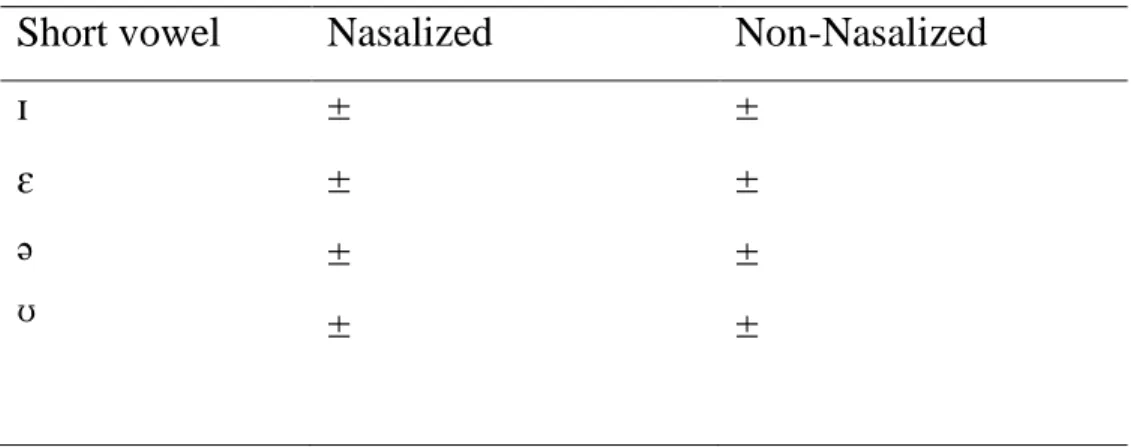
2912 remittancesreview.com Table 4: Nasalization of Short Vowels
Short vowel Nasalized Non-Nasalized ɪ
ɛ
ə ʊ
±
±
±
±
±
±
±
±
The table above indicates that the children, post-surgery, demonstrate a less defective way of producing short vowels, compared to the children pre-surgery. Some of them produce vowels without any type of nasal resonance, while others exhibit hyper-nasalization, but it is much less than the pre-surgery children. They produce all four short Urdu vowels as ɪ, ɛ, ə, ʊ, or with tilde for nasalized versions, ɪ˜, ɛ˜, ə˜, ʊ˜, respectively. Conseq ently, both the col mns labeled
"Nasalized" and "Non-nasalized" contain positive as well as negative signs (±) to indicate nasalization of short vowels in some cases and non-nasalization of these vowels in other cases.
4.2.2. Nasalization of Long Vowels
Table 5: Nasalization of Long Vowels
Long Vowels Nasalized Non-Nasalized
ɑ:
oː eː i:
ʊ:
ӕ ɛ:
±
±
±
±
±
±
±
±
±
±
±
±
±
±
2913 remittancesreview.com The table above reveals that after surgery, the children exhibited a significantly lesser flawed method of producing long vowels, as some of them nasalized these vowels while others
generated the long vowel sounds more clear. Specifically, some participants rendered these long Urdu vowels as a:, e:, o:, i:, u:, ɛ:, ӕ while the other artic lated them as ɑ:˜, oː˜, eː˜, i:˜, :˜, ӕ˜
and ɛ˜. This is evident in both the "Nasalized" and “Non-nasalized” columns, which bear positive as well as negative signs (±) to signify the nasalization of each long vowel in some case while non-nasalization of these long vowels in other cases.
4.2.3. Production of Urdu Consonants
The researcher analyzed Urdu consonant sounds based on their place of articulation. Firstly, let's discuss the bilabials. The children before surgery demonstrated fairly accurate production of bilabial sounds without any substitution such as /p/, /b/, /m/, and /mh/. However, there was some distortion observed in the bilabial sound /ph/ and /bh/. It's important to note that all of these bilabial sounds were hyper-nasalized, as the cleft palate children produced these sounds through their nasal cavity. None of them is hypo-nasalized or omitted.
Secondly, all the dental and alveolar sounds in the speech of these children are found to be distorted and hypo-nasalized. These so nds are prono nced as t ˜, t h˜, d ˜, d h˜, n˜, nh˜, ʈ, ʈ˜, ɖ˜, ɖh˜, /s˜/, /z˜/ and /l˜/. Additionally, apart from /n/, /nh/ and /l/, all the other alveolar sounds undergo a substitution process. The details of this substitution process will be discussed later in the section dedicated to substitutions.
Thirdly, let's consider the velar sounds, which include /k/, /kh/, /g/, /gh/, /q/, /ɣ/, /x/, and /ŋ/. In the speech of cleft palate children, all of these sounds are found to be distorted and hypo-nasalized.
Except /s/ and /x/ other velar sounds are substituted or omitted by children prior to their surgery because of their quite open and detached velum. They certainly fail to block the air as the tongue is unable to touch the velum or palate due to its separated physiology. Due to their defective oronasal structure they totally omit these sounds or substitute them with /ɣ/ or /x/. It is noteworthy that none of the Urdu velar sounds are hypo-nasalized.
Fourthly, let's address the palatal sounds, which are /ʃ/, /ʒ/, /ʧ/, /ʤ/, /r/, /ɽ/, /ɽh/, and /j/. The researcher observed hyper-nasalization and distortion in all of these sounds. However, there is no
2914 remittancesreview.com omission or hypo-nasalization of any palatal sound. It is worth noting that apart from /ʃ/, /ʒ/, /r/, and /j/, the other palatal sounds are compensated for by using some other sounds in their place.
Fifthly, let's discuss the labiodentals /f/ and /v/. In the speech of cleft palate children, both sounds are found to be distorted and hyper-nasalized. However, they are not omitted or hypo-nasalized.
Interestingly, there is no process of substitution or compensation observed for these sounds.
Lastly, we have the glottal sound /h/, which is merely hyper-nasalized. It does not display any evidence of hypo-nasalization, omission, or substitution.
4.2.4. Substitution of Consonants
Children with cleft palate substitute certain consonant sounds due to their abnormal speech organ.
4.2.4.1. Plosives/Stops
Consonants are produced by creating a brief closure (closure stage) and compressing the air in the mouth behind closed lips (hold phase) for a short period of time, followed by a quick release of the held air (release phase) resulting in a burst of sound (post-release phase), are referred to as stops or plosives.
he data analysis presented here foc ses on voiceless pairs of dental so nds, namely /t / and /ʈ/, as well as voiced pairs of dental so nds, s ch as /d / and retroflex /d/. These analyses demonstrate the occurrence of these consonants in word initial, medial, and final positions.
4.2.4.1.1. Substitution of / ʈ/ and t /into /k/
There are six plosives in Standard English.
Input Output /ʈərɑ:k/(truck) is substituted by kərɑ:k /t a:la/ (lock) is substituted by /ka:la/
/ ʈ / is a dental consonant which is pronounced while enunciating with the tongue against the upper teeth. It is voiceless sound. The sounds /ʈ / and /t / are a stop pair. While the individuals
2915 remittancesreview.com with cleft palate substitute /ʈ/, /t / voiceless sounds with voiceless consonant/k/ while pronouncing a word in their speech.
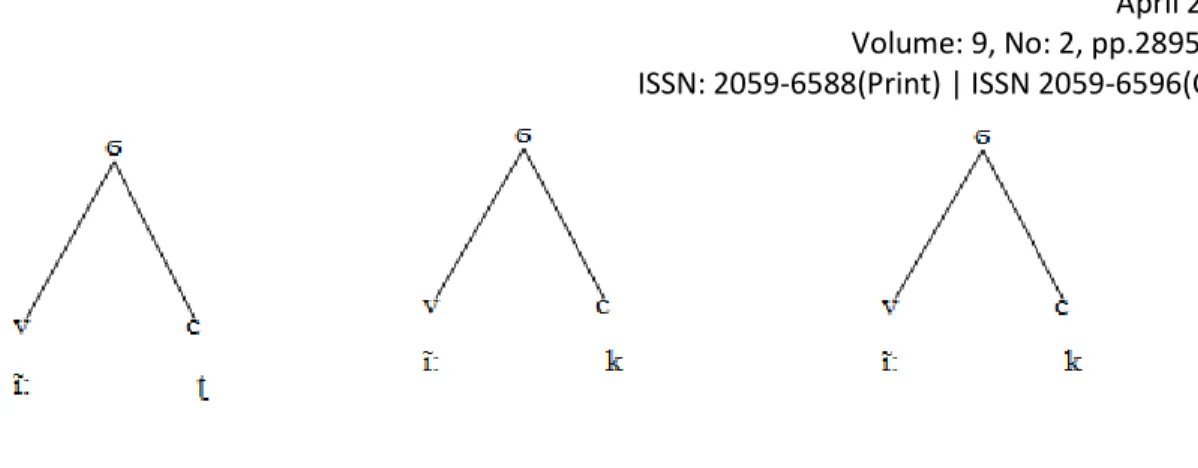
Substitution of consonant /ʈ/ into /k/ at initial position
Input Consonant Substitution Output
Substitution of consonant /ʈ/ into /k/ at middle position Input Consonant Substitution Output
Substitution of consonant /ʈ/ into /k/ at final position Input Substitution of consonant Output
2916 remittancesreview.com The above figure shows that the consonant sound /ʈ/ is compensated by cleft palate children as /k/
d e to which inp t / ĩ:ʈ/ is changed into /ĩ:k/.
Table 6: Showing substitution of /ʈ/ sound by /k/ at initial, middle and final word position
Initial Middle Final
kɔ:kri kɔ:pi
fɔ:kɔ:
hɔ:kəl
bu:k pleik
4.2.4.1.2. Substitution of /ɖ / with /g/
Retroflex are the sounds that are created with the curling of the tongue tip back towards the hard palate (Skandera and Burleigh, 2005).
Input Output / ɖəbba/ (Box) the Consonant is substituted by /gəbba / /d ərja:/ (River) the Consonant is substituted by /gərja:/
The sounds/ɖ/ and /d / are voiced consonant stops pair which are articulated enunciated with the tongue against the upper teeth.The native speaker children with cleft palate substitute these dental sounds with voiced velar sound /g/ which shares the same distinctive features with /ɖ/ and / d /.
Data regarding usage of /ɖ/ and /d/ voiced dental sounds at initial, middle and final position is presented in above chart.
2917 remittancesreview.com Substitution of /ɖ/ into /g/ at initial position
Input Consonant Substitution Output
Substitution of /ɖ/ into /g/ at middle position
Input Consonant Substitution Output
Substitution of /ɖ/ into /g/ at final position Input Consonant Substitution Output
2918 remittancesreview.com
Substitution of /ɖ/ into /g/ at initial position Input Consonant substitution Output
Substitution of /d / into /g/ at middle position Input Consonant substitution Output
Substitution of /d / into /g/ at final position
Input Consonant substitution Output
2919 remittancesreview.com Table 7: ho in s bstit tion o d / and /ɖ/ into /g/
Initial Middle Final
gəbbə/ɣəbba ga:ɪrɪ:/ɣairi:
kelʌngʌr ənga:
Ka:g/ kaɣ beg/ beɣ
The above Fig.4.4 shows the replacement of Urdu consonants /d / and/ɖ/ into /g/.The substitution takes place at all the initial, middle and final positions in speech of children with cleft palate.
4.2.4.2. Fricatives
The voiced alveolar fricative /z/, voiceless alveolar fricative /s/, and voiceless dental fricative /θ/
are presented in the data analysis.
4.2.4.2.1. Substitution of /z/ with /ɣ/ and /s/ with /x/
The alveolar fricative/z/ is substituted with /ɣ,g/ and /s/ is replaced by /k,x/ in Urdu native speaker children with cleft palate.
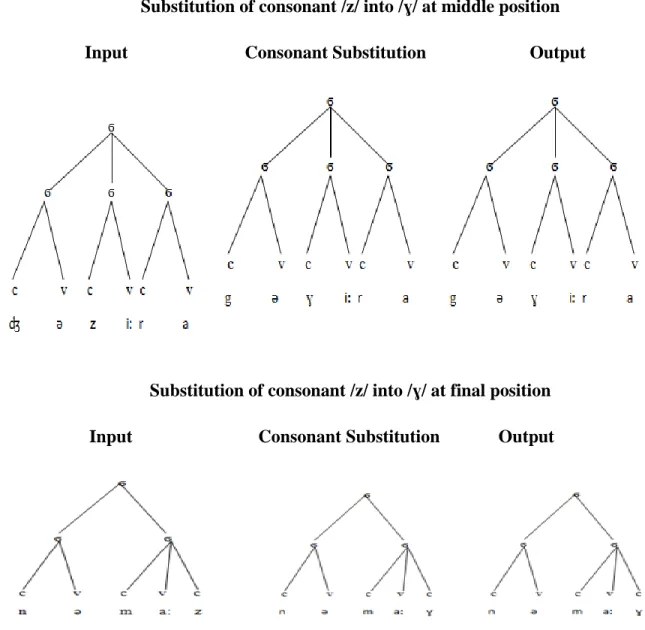
Substitution of consonant /z/ into /ɣ/ at initial position Input Consonant Substitution Output
2920 remittancesreview.com Substitution of consonant /z/ into /ɣ/ at middle position
Input Consonant Substitution Output
Substitution of consonant /z/ into /ɣ/ at final position Input Consonant Substitution Output
Table 8: showing substitution of /z/ into /ɣ/ at word initial, middle and final position
Initial Middle Final
ɣi:bra ɣænəb
gəɣi:ra gəha:ɣ
nəma:ɣ
Substitution of /s/ into /x/ at word initial position Input Consonant Substitution Output
2921 remittancesreview.com
Substitution of /s/ into /x/ at word middle position Input Consonant Substitution Output
Substitution of /s/ into /x/ at word final position Input Consonant Substitution Output
2922 remittancesreview.com Table 9: Showing Substitution of /s/ with /x/ at word initial, middle and final position
Initial Middle Final
xa:np xa:nx
a:xma:n a:xa:n
pa:x keɪnix
4.2.4.2.2. The substitutio of θ with kh/
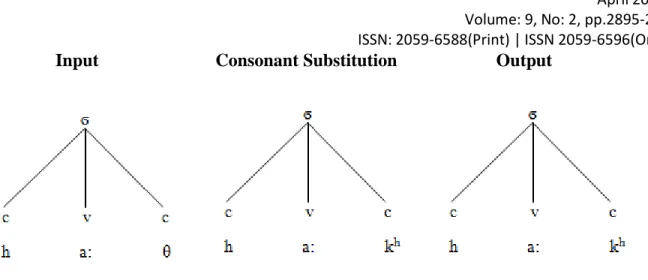
Substitution of Consonant θ into kh/ at Word Initial Position
Input Consonant Substitution Output
Substitution of Consonant θ into /kh/ at word middle position Input Consonant Substitution Output
Substitution of Consonant θ into kh at ord inal position
2923 remittancesreview.com Input Consonant Substitution Output
In the below table, it is clear that in the cleft palate speech /θ/ so nd is s bstit ted by /kh/.
Table 10: Showing cle t palate speech θ so nd is substituted by /kh/
Initial Middle Final
Kha:li:
Khæla:
həkhɔ:ɽa ha:khi:
Ha:kh Bu: kh
4.2.4.3. Affricates
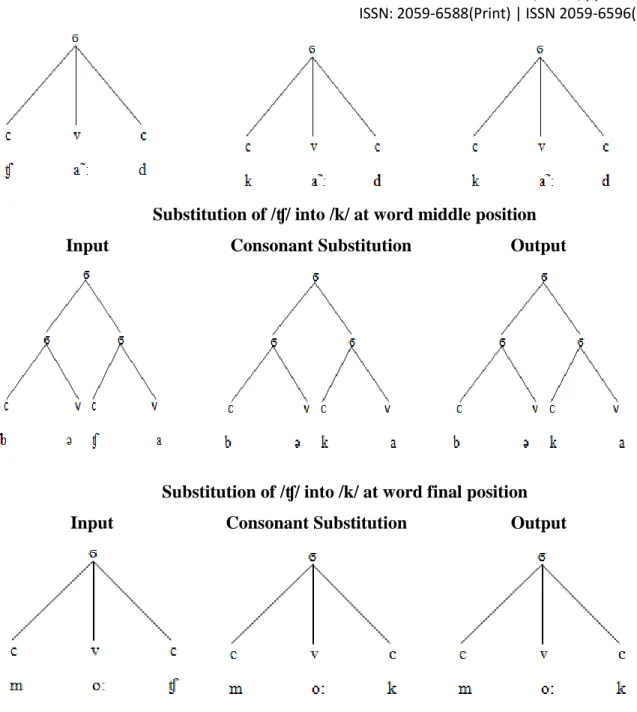
The data collected and analyzed in the current study discusses the alteration of /ʧ/ sound into /k/
by the children born with cleft palate.
4.2.4.3.1. Substitution of /ʧ/ consonant sound into /k/:
The affricate /tʃ/ is commonly found in words like "cheese," "church," and "watch." It is produced by releasing a stop closure at the alveolar ridge followed by a fricative sound.
Substitution of /ʧ/ into /k/ at word initial position Input Consonant Substitution Output
2924 remittancesreview.com
Substitution of /ʧ/ into /k/ at word middle position Input Consonant Substitution Output
Substitution of /ʧ/ into /k/ at word final position Input Consonant Substitution Output
Table 11: showing substitution of /ʧ/ into /k/ at word initial, middle and final position
Initial Middle Final
ka:rpaɪ ka:r
kəkra aka:nək
na:k xʌk
4.2.4.3.2. Substitution of /ʤ/ with /g/
2925 remittancesreview.com The affricate /dʒ/ is found in words like "judge," "jam," and "edge." It is produced by releasing a stop closure at the alveolar ridge followed by a fricative sound similar to the "zh" sound in
"measure."
Substitution of consonant /ʤ/ into /g/ at word initial position Input Consonant Substitution Output
Substitution of consonant /ʤ/ into /g/ at word middle position Input Consonant Substitution Output
Substitution of consonant /ʤ/ into /g/ at word final position Input Consonant Substitution Output
2926 remittancesreview.com
Table 12: Showing substitution of /ʤ/ into /g/ at word initial, middle and final position
Initial Middle Final
gəha:ɣ ga:gu:
khəgu:r bəga:na
a:g həg
5. Results
After analysis of the data collected from cleft palate children and the speech pathologists, the researcher has been capable to answer the first research question what phonological difficulties a cleft palate may cause in speech of children. The whole discussion shows that the most prominent difficulty dominating the cleft speech is nasalization because these children are unable to successfully block their nasal cavity while producing speech which results from their inadequate velopharyngeal port. Distortion of sound is the other defect found in the cleft speech.
The third aspect noticed in cleft palate speech is that the children are not capable to produce intelligible speech rather they compensate some sounds by substituting them with others.
To answer the second research question about the role of surgery and speech therapy mitigating phonological difficulties in cleft palate speech, the researcher compared the speech of pre- surgery and post surgery children. The comparative analysis shows that the speech of pre-surgery children is more nasalized and distorted. These children often omit velar sounds and substitute
2927 remittancesreview.com other sounds due to their open roof of mouth. They face problem in generating /k/, /g/, /ʤ/, /ʧ/,/d /, /ɖ/, /t /, /ʈ/, /z/, /s/ sounds. Surgery plays a vital role in improvement of cleft speech. Factor of nasalization and distortion is much less than the children pre-surgery. They are found to be successful in production of /k/ and /g/ sounds because their palate is repaired by palatoplasty.
Somehow they can produce velar sounds but they are unable to produce many other sounds which require the physical contact between the palate with velum and other parts of oral cavity too. After joining the palate with velum they fail to make contact between tongue and hard palate or alveolar ridge. The pressure is not built in a good way and the parts fall apart much before production of sounds like /ʤ/, /ʧ/,/d /, /ɖ/, /t /, /Ѳ/, /ʈ/, /z/, /s/. The process of substitution and compensation of sounds can be summarized as below:
The data analysis showed that the alveolar plosive Urdu consonant sounds /ʈ/ and /t / are replaced by /k/ sound that is a velar/glottal stop. For example, /ʈɔ:pi/ (cap) is pronounced as /kɔ:pi/ and /t it li/
(butterfly) is substituted by /kikli/. It is also noted that both the encountering sounds share a distinctive feature of stop/plosive. The Urdu alveolar stops /ɖ/ and /d / are s bstit ted with /g/
which is velar/glottal stop e.g. /da:l/ (branch) is spoken as /ga:l/ and /d n a:/ (world) as /gunja:/
Both the compared sounds share a distinctive feature, manner of articulation; stop. Substitution of /z/ alveolar fricative with /ɣ/ palatal fricative and /s/ alveolar fricative with velar fricative /x/ is also found in the cleft speech. For example, /zi:bra/ (zebra) is articulated as /ɣi:bra/ and /sona/
(gold) as /xɔ:na/. Here it is also to be noted that both the substituting sounds share same distinctive feature manner of articulation; fricative. The aspirated dental fricative /θ/ is s bstit ted by aspirated velar stop /kh/ e.g. /θæla/ (bag) is produced as /Khæla/. It can be taken in noticed that both the replacing sounds share a feature of aspiration.
2928 remittancesreview.com To talk about affricates, the cleft speech showed compensation of /ʧ/ sound which is a palatal affricate with /k/ that is a velar stop e.g. /ʧa:qu/ (knife) is articulated as /ka:qu/. There is no apparent distinctive feature shared by both the substituting sounds. The other affricate /ʤ/ is also misprono nced by cleft palate children as they compensate this so nd with /g/ or /Ɣ/ so nd e.g the word /ʤa:mən/ is misarticulated as /ga:mən/ or /Ɣa:mən/.
6. Discussion
This study provides a concise examination of phonological challenges faced by these children. It focuses on the quality of voice (distortion and nasal resonance) during the production of Urdu vowels and consonants and their substitutions. The analysis of substitution process is conducted using the CV phonology theory, introduced by Clements and Keyser in 1983. The Urdu language possesses distinctive phonological characteristics in its consonants and vowels. To analyze the patterns of Urdu language phonemes and syllables, all data was recorded using audio tapes. The researcher also interviewed Speech language Pathologists who have a good experience with cleft palate speech to check for the validity of the results of the study. After analyzing the speech data and interviewing the speech pathologists, the researcher is able to point out following facts about cleft speech.
The study addresses the question of what phonological difficulties a cleft may cause in the speech of a child through an analysis of data collected from cleft palate children, both pre- surgery and post-surgery, respectively. The analysis comprises three stages. Firstly, it briefly examines the challenges and difficulties associated with producing pure vowels in the Urdu language. These pure vowels are classified based on the height and position of the tongue during articulation. The findings reveal that pre-surgery children exhibit more difficulties in the production of speech compared to post-surgery children. Cleft speech does not involve any substitution of vowel sounds. Moreover, the children with cleft palates face significantly fewer difficulties in generating vowels compared to consonants. However, it is important to note that
2929 remittancesreview.com vowel production may not always be fully intelligible. The phonological display of cleft speech certainly involves hyper-nasality.
Moving on to the second part, the study investigates the production of Urdu consonants, their nasalization, distortion, and substitution based on their place and manner of articulation. These consonants encompass stops/plosives, fricatives, affricates, nasals, and semivowels, each characterized by a specific place and manner of articulation. Moreover, consonants like dental, palatal, retroflex, velar and alveolar are replaced by other phonemes. It studies about substitution of consonant sounds by other consonants which may or may not share similar distinctive features, depending on their place or manner of articulation.
The cleft speech analyzed in this study shows that the most dominating factor among all the other defects and difficulties of speech production is nasalization. Children before receiving surgery are unable to produce even a single sound either vowel or consonant without nasalization. The other factor is distortion, which is very noticeable in the speech of children before surgery. Their voices are dominated by hoarseness and breathiness, and every sound is followed or accompanied by a hissing-like sound, leading to speech that lacks intelligibility.
After surgery, the children's speech becomes less distorted, although it still may not be entirely intelligible. However, their speech is significantly improved compared to the group described earlier.
The element of substitution is present in both pre-surgery and post-surgery cleft speech but exception is also there as some children exhibit substitution while the others may not. Children often substitute many sounds with others in an attempt to compensate for communication difficulties. They may even omit sounds to meet their communicative needs. However, children who undergo surgery before they start speaking, face fewer difficulties. They learn how to build pressure and block their nasal cavity more effectively and quickly compared to those who have surgery later. Late recipients of surgery compensate for their speech in their own ways, leading to much variation and confusion.
2930 remittancesreview.com It should be noted that these articulatory errors and resonance problem vary from child to child as some face only the resonance problem while some of them go through the process of substitution depending upon the conditions of their speech physiology.
Speech therapy plays an integral part in making the cleft speech intelligible. Speech therapists work their best to eliminate nasalization and train the children to block their nasal cavity while producing certain sounds. They start with production of vowels. Children are guided to block their nasal cavity and articulate vowels through their oral cavity. After vowels, consonants are practiced as a single speech sound at word initial, middle and final position. Their place of articulation is settled through single speech sound. Afterwards these sounds in clusters are rehearsed. Though surgery has its own importance in cleft speech betterment yet role of speech therapy cannot be denied.
References
Abbas, I., Ahmed, K., Habib, M. A. (2022). Conversation Analysis: A Methodology for Diagnosing Autism. Global Language Review, VII(II), 1-12.
Ajmal, M., Anwar, B., Ahmed, K., Hussain, A., Butt, B. (2021). Representation of Body in Postcolonial and Eco-critical context in Annie John by Jamaica Kincaid. Psychology and Education, 58(2), 3226-3230.
Ahmed, K., Tariq, A., & Akram, A. (2020). Semiotic Analysis of the Objectification of Women in Selected Pakistani Advertisements. Journal of Communication and Cultural Trends, 2(1), 1-18. https://doi.org/10.32350/jcct.21.01
Ahmed, K., Ali, S., Khan, A. (2023). ESP Needs Analysis of Productive Skills: A Case Study of Engineering Students. Pakistan Languages and Humanities Review (PLHR), 7(3), 800- 812. https://doi.org/10.47205/plhr.2023(7-III)69
Ahmed, K., Zahra, F. T., Amin, T., & Khan, N. A. (2023). Voices from the world: An analysis of
2931 remittancesreview.com discourse fragments from world leaders on Covid-19. Journal of Arts and Linguistics Studies, 1(4), 783-820.
Ahmed, K. (2012). Politeness in Requests: Pragmatic Perception of Politeness in Requests across academic cultures of English L1s and Punjabi ESLs. LAP LAMBERT Academic Publishing, Germany.
Ahmed, Z., Su, L., & Ahmed, K. (2017). Pakistani Youth Manipulated through Night-packages Advertising Discourse. Human Systems Management, 36(2), 151-162.
DOI: 10.3233/HSM-171762
Ahmed, Z., Ahmed, K. et. al. (2019). Manipulation of Pakistani Women through Skin-whitening Advertising Discourse. In proceedings of the 2019 3rd International Conference of
Management Engineering, Software Engineering and Service Sciences, 107-11 ACM.
https://doi.org/10.1145/3312662.3312705
Amanat, A., Ahmed, K., Siddiq, S. (2022). A Gender Based Study of Teaching BS (English). Harf-O-Sukhan, 6(1), 304-312.
American Cleft Palate Craniofacial Association. (2023, February 21). Introduction to Cleft &
Craniofacial Conditions - ACPA.ACPA. https://acpacares.org/resource/introduction-to- cleft-craniofacial-conditions/
Bleile, K. M., Ireland, L., & Kiel, T. (2006). The professions around the world: New Web Based directory goes global. The ASHA Leader, 11(17), 8-9, 26-27.
Clements, G.N. and S.J. Keyser (1983). CV Phonology. A Generative Approach to the Syllable.
MIT Press, Cambridge, Massachusetts.
Centers for Disease Control. (2006, January 6). Improved national prevalance estimates for 18 selected major birth defects – United States, 1999 – 2001. MMWR Weekly, 54 (51&52), 1301-1305. Retrieved September 23, 2008, from
http://www.cdc.gov/mmwr/preview/mmwrhtml/mm5451a2.htm.
Cleft Lip & Palate | Children’s Hospital Colorado.
(n.d.). https://www.childrenscolorado.org/conditions-and-advice/conditions-and- symptoms/conditions/cleft-lip-and-palate/
Farooq, M., Ahmed, K. (2021). Introducing Self-Assessment for Evaluating Learners in Pakistan. Global Social Sciences Review, V(IV), 120-136.
2932 remittancesreview.com Finch, G. (2000).Linguistic terms and concepts. New York: Palgrave Macmillan
Genisca AE, Frias JL, Broussard CS, et al. Orofacial clefts in the National Birth Defects Prevention Study, 1997-2004. Am J Med Genet A. 2009;149A(6):1149-1158.
doi:10.1002/ajmg.a.32849
Habib, M. A. Abbas, I., Ahmed, K. (2022). An analysis of Universal Litnum Assessment (ULA) for Primary Curriculum Support Program. Competitive Social Science Research Journal, 3(1), 657–668.
Joan B. Hooper : An Introduction to Natural Generative Phonology, New York : Academic Press, 1976. 254pp.
Khaleel, B., Ahmed, K., Shah, S. S. A. (2023). Critical Discourse Analysis of Pakistani Inheritance Law and Justice System for Women. Pakistan Social Sciences Review (PSSR), 7(3) 87-100. https://doi.org/10.35484/pssr.2023(7-III)08
Khaleel, B., Sana-e-Zahra, S., & Ahmed, K. (2023). A Thematic Analysis of Lexical Polarity within the Jargons of Legal Drafting in Pakistan. International Research Journal of Social Sciences and Humanities, 2(2), 149-176.
Khana, T. A. (2021). Phonemic variations in similar words of Turkish and Urdu language.
Journal of Language and Linguistic Studies, 17(S1), 517-533.
Kuehn, D.P & Moller, K.T. (2000). Speech and language issues in the cleft palate population:
The state of the art. Cleft Palate and Craniofacial Journal, 37, 1-35
Kummer, A.W. (2001). Cleft Palate and Craniofacial Anomalies. San Diego, CA: Singular Publishing Group.
Malik, S. Qin, H. Said, M.K. Ahmed, K. (2020). Quantitative Analysis of the Foreign Language Anxiety: Chinese and Pakistani Postgraduates in Focus. The Arab World English
Journal (AWEJ), 11(1.23), 315-330. https://dx.doi.org/10.24093/awej/vol11no1.23 Mars, M., Habel, A. & Sell, D. (Eds.). (2008). Management of Cleft Lip and Palate in the
Developing World. New York: John Wiley & Sons, Inc
Moller, K.T. (2008). Interdisciplinary team approach: Issues and procedures. In K.T. Moller and L.E. Glaze (Eds.). Cleft Lip and Palate Interdisciplinary Issues and Treatment, (pp. 3 - 37). Austin, TX; Pro-Ed Inc.
Nawaz, M., Ahmed, K. (2021). A Ginetic Feminist Study of Selected Works from Bapsi
2933 remittancesreview.com Sidhwa. Harf-O-Sukhan, 5(3), 510-519.
Nisar, M., Ahmed, K., Asif, M. (2023). The Influence of Cultural Differences on Persuasive Writing Styles in Pakistan and Chinese EFL Learners. Journal of Arts and Linguistics Studies, 2(2), 205-226.
Peterson-Falzone, S. J., Trost-Cardamone, J. E., & Hardin-Jones, M. A. (2017). The Clinician's Guide to Treating Cleft Palate Speech (2nd ed.). Mosby.
Peterson-Falzone, S., Hardin-Jones, M., Karnell, M. (2000).Cleft Palate Speech. Philadelphia:
Mosby.
Ranjha, I. M., Ahmed, K. Gohar, S. Sarfraz, S. (2021). Challenging the Myth: A Transitivity Analysis of Manto’s he H ndred-Watt Bulb. Turkish Online Journal of Qualitative Inquiry, 12(7), 5328-5336.
Roach, P. (2009) English Phonetics and Phonology: A Practical Course. 4th Edition, Cambridge University Press, Cambridge.
Ruba, A., Abdullah, F., Ahmed, K., Basharat, A. (2021). Online Learning Experience and Challenges of Undergraduate Students During COVID-19. Journal of English Language, Literature and Education (JELLE), 3(1), 1-28.
https://doi.org/10.54692/jelle.2021.030164
Skandera, P., & Burleigh, P. (2005). A manual of English phonetics and phonology: twelve lessons with an integrated course in phonetic transcription. Gunter Narr Verlag.
Shaukat, R., Ahmed, K., Waseem, F. (2023). Visual and Emotional Approach in social media COVID-19 Cancer Posts. International Journal of Contemporary Issues in Social Sciences, 2(3), 401-412.
Tariq, A., Ahmed, K., Asad, M. (2021). A Comparative Study of Literary Translations of The Old Man and the Sea. International Bulletin of Literature and Linguistics, 3(4), 46-56.
Wasim, M., Ahmed, K., Joya, N. (2023). Role of Concordance of Lexicon and Collocations in Indian Newspaper Headlines on Pulwama Crisis: A Critical Discourse Analysis. Journal of Development and Social Sciences (JDSS), 4(4), 308-319.
https://doi.org/10.47205/jdss.2023(4-IV)28
Willig, C. (2013). EBOOK: introducing qualitative research in psychology. McGraw-hill education (UK).
2934 remittancesreview.com Zahra, F. T., Khan, A., Ahmed, K., Imtiaz, F. (2023). Teaching Spoken English in Pakistan: An
Overview of Research Findings. International Journal of Contemporary Issues in Social Sciences, 2(4), 248-256. https://ijciss.org/index.php/ijciss/article/view/145
Zahra, F. T., Khan, A., Ahmed, K., Aziz, F. (2023). Episodes of Teaching, Assessing and
Testing: Analysis of Teaching Listening in Pakistan. Journal of Asian Development Studies, 12(3), 1082-1092.