3
- Background
- Objective
- Project Scope
- Research Methodology
- Project Output
- Report System
Develop policy recommendations in the form of plans and strategies for the development of investment in the bag industry in Indonesia. Analyze the position of the existing bag industry and offline fashion stores in Indonesia, as well as the relationship between the bag industry in the global value chain and the potential for development and strengthening. Identify and map conditions, opportunities and obstacles for the bag industry in Indonesia through literature studies, field visits and case studies with related parties.
Formulate policy proposals in the form of plans and strategies for the development of investments in the bag industry in Indonesia so that they can be used as information guidelines for investors/potential investors and associations, as well as to attract investments in the bag manufacturing industry. Next, there is Chapter 2 which contains an overview of the bag industry in Indonesia and Southeast Asia.
6
Bag Industry
Consumer preferences vary widely, with factors such as brand reputation, functionality and aesthetics influencing purchasing decisions. Challenges in the bag industry include supply chain disruptions, cost fluctuations in raw materials and the need to adapt to rapidly changing consumer expectations. The industry is expected to continue to evolve, with trends pointing towards increased sustainability, technological innovation and a focus on customization to meet individual consumer preferences.
These key features show the Bags market point, following the Bags industry report now for the entire world.
Bag industry in Indonesia
Challenges facing the Indonesian bag industry may include competition, fluctuating raw material costs and the need to keep abreast of international fashion trends. Businesses in the bag industry must be aware of and comply with government regulations related to manufacturing, trade and environmental standards. It is advised to refer to industry research, market analyzes and news sources that provide insights into the current situation of the bag industry in Indonesia to obtain the most up-to-date information.
Furthermore, Non-Luxury is expected to account for 84% of sales in the luggage and bag market in 2023. Looking at the figures per per capita, each person in Indonesia contributed US$3.62 to revenue in 2023.
Bag Industry in South East Asia
Fashion plays an important role in the region and consumers often look for fashionable and stylish bags. Challenges in the bag industry in Southeast Asia may include competition, cost fluctuations in raw materials and the need to adapt to changing consumer preferences. Understanding the regulations related to production, trade and environmental standards is essential for businesses in the region.
In Southeast Asia, the luggage and bags market revenue is expected to reach USD 12.42 billion by 2023. In addition, by 2023, approximately 75% of sales in the luggage and bag market will be attributed to non-luxury products.
13
Design of a bag store
- Storefront / exterior
- Store layout
- Interior design
- Product display
- Storage
Stockrooms are very important, especially bags that only appear once and customers want new bags that they keep wrapped in the warehouse. Stock rooms are usually located behind the cash register or behind one of the mirrors in the store to keep the store aesthetically pleasing. Stockrooms usually have a large and orderly layout so that staff do not have a hard time finding the bags being purchased by customers.
Type of di.ba.wa bags
- di.ma.kan
- di.ma.na
Spicy yet delicious is represented by our last variety of this batch which is telur balado. Represented in the bold red color and a nice touch of off-white accent on its straps makes the bag look more attractive and unique. The second batch, di.ma.na, uses Indonesian iconic places as the philosophy to be implemented in our second batch product.
It has one of padded straps that can be used as a backpack as well as a sling bag (the straps must be hooked diagonally to be a sling bag and parallel to be a backpack), and one strap that can be used as a handbag become . The color palette for this batch is mainly filled with brown, black, olive and off white as it represents the color preference of unisex and Indonesian tourism places to support our second batch's theme: di.ma.na, where each product represents Indonesian tourism places: Besakih, Lawang Sewu, Tongkonan and Khatulistiwa. To represent "Besakih" as the most famous temple in Bali, we use the color of brown from Besakih Temple which shows a dominant color of brown.
One of Indonesia's favorite historical tourist sites, Lawang Sewu, we represent it by using the signature color of Lawang Sewu, which is white, and to lift the appearance of the bag, we use an off-white structure. Indonesia has themed villages that attract many tourists to take pictures and admire the unique architecture located in Sulawesi of the Toraja tribe, which is the Tongkonan houses. Perhaps this is the most underrated place in Indonesia, located in Pontianak, Tugu Khatulistiwa, it is exactly below the equator line, everything that lies in this place will not have any shadows after it.
So we want to promote this place to encourage the audience to visit Kalimantan by selling this bag with a touch of black which is the main theme of Tugu Khatulistiwa.
Store Building
- Building
- Exterior
- Interior
Tax regulations: favorable policies for small businesses and environmentally friendly products could benefit di.ba.wa. S4O4: Create a campaign and penetrate older engaging content to improve demographics or professional online presence of di.ba.wa. The survey should be conducted based on the demographics that di.ba.wa wants to target.
Rising inflation in Indonesia may negatively affect di.ba.wa's sales and may also reduce consumers' purchasing power. Di.ba.wa's product is manufactured with high quality materials, iconic designs, and tested for its durability. Totepack was di.ba.wa's first batch of production where they combine totebag with backpack in one product to speed up its functionality.
On the other hand, the slingpack was the second series of di.ba.wa production, where they combine a slingbag with a backpack. Di.ba.wa also offers discounts and promotions from time to time, especially on special dates like twin dates, etc.). As di.ba.wa focuses on its online presence, it uses various promotional strategies to reach its target audience.
Di.ba.wa is into digital marketing through social media and online advertising on e-commerce platforms to create brand awareness. Di.ba.wa bags are available on various online marketplaces such as Shopee and Tokopedia. These two e-commerce sites were selected as di.ba.wa's main sales channel because they are the most used e-commerce app in Indonesia.
19
Market Analysis
Market size and potential: growing student population in Indonesia, increasing demand for sustainable and functional fashion.
Infrastructure Support Analysis
Policy Support Analysis
Workforce Analysis
Impact Analysis
Potential Analysis
Investment and Risk Development Strategy Analysis
Analisis Kebutuhan Penanaman Modal
Financial Feasibility Analysis
Di.ba.wa backpacks may not resonate as strong, rugged construction and high usage with older demographics or quality of materials (S3) professional markets (W3). S1O1: Use di.ba.wa W1O3O4: Collaborate with uniqueness to expand local influencers and market by introducing your celebrities to create more accessible and practical exposure for di.ba.wa and takeover. S2O2O4: Use technology media campaign and develop that can accelerate di.ba.wa user generated content to ensure a sustainable product marketing strategy.
In addition, di.ba.wa W3O4: should consider also trying to plan a user plan and a marketing strategy to push generated content marketing to the elderly. S1T1: Emphasize di.ba.wa's W1W3T1: Focus on specific uniqueness in the market through demographics and channels that strengthen it online where di.ba.wa is less known. This happens because inflation leads to higher prices for raw materials, production costs and the final product sold by di.ba.wa.
Supplier power Low Di.ba.wa, like many other companies in the industry, has various suppliers for materials, from fabric to buckles. However, if di.ba.wa is successful in promoting its reputation for quality and sustainability, it could also reduce the likelihood of consumers switching to another brand. The materials we use in the production of di.ba.wa's are of the highest quality at their level and we also ensure that the materials are sustainable fabrics.
The materials used by di.ba.wa are dyed with natural ingredients to help reduce water pollution and promote green campaigns through di.ba.wa's products. Di.ba.wa's bags are thus positioned low- to mid-range in terms of pricing and still fall within an affordable range, making them accessible to various customer bases. Additionally, another strategy that di.ba.wa has implemented to promote their brands is by partnering with influencers and communities, also investing in trade shows and events.
Di.ba.wa also supports shipping to all over Indonesia by using the local shipping forwarder, namely JNE J&T, and SiCepat and customers also have direct access to shipping, such as Go-send and Grab Express. This chapter describes policy recommendations in the form of plans and strategies for developing investments in opening a di.ba.wa bag store in Bandung.
34
SWOT Analysis
TOWS Analysis
PESTLE Analysis
Porter’s Five Forces Analysis
Marketing Mix (4Ps) Analysis
Need for supporting industries: Bag manufacturing industry requires supporting industries such as textile and leather processing, accessories and hardware manufacturing and branding materials. Supply Chain and Business Review: Examine the supply chain, business operations, and sales strategies in the bag industry to create an efficient production system. Government subsidies and incentives: Similar to Malaysia's approach, manufacturing companies should receive government subsidies and incentives to increase production and competitiveness.
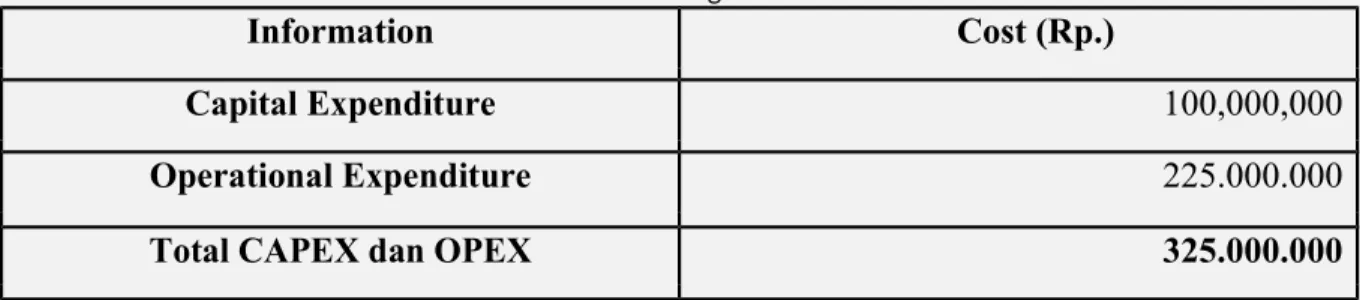
Import duty conditioning: Protect local producers by imposing import duties on finished products while improving competitiveness. Pioneer Manufacturer Status: Encourages companies that develop new technologies or products in the bag industry. Research and Development Funding: Financial support of at least IDR 500 million per year for research and innovation.
Infrastructure Development: Government investment of at least IDR 1 billion for transport infrastructure in industrial areas. Market access: Government contract of at least IDR 2 billion per year for bag purchases. Key Trends Shaping the Handbag Industry.” Barron's, 14 Nov. 2017, https://www.barrons.com/articles/the-key-trends-shaping-the-handbag- industry.
Flexible Packaging Indonesia - Market Trends and Companies." Mordor Intelligence, https://www.mordorintelligence.com/industry-reports/indonesia-flexible-packaging-m arket. Handbag Market Size, Industry Share, Growth Forecast, 2030." Fortune Business Insights, https://www.fortunebusinessinsights.com/handbag-market-103860. Handbag Market Size, Share and Growth Analysis Report, 2030.” Grand View Research, https://www.grandviewresearch.com/industry-analysis/handbag-market.
39
Investment Development Plan and Strategy
Incentive Scheme Proposal
Access to low interest loans: Loans with interest rates around 3% per annum, which is lower than the market average.
Fiscal and Non-Fiscal Policy Scheme Proposal