INTERNATIONAL
PERSPECTIVES ON CRITICAL PEDAGOGIES IN ELT
International Perspectives on English Language Teaching
Edited by
Mario E. López-Gopar
English Language Teaching
Series Editors Sue Garton Aston University
School of Languages and Social Sciences Birmingham, UK
Fiona Copland University of Stirling
Stirling, UK
Global meets local in Palgrave’s exciting new series, International Perspectives on English Language Teaching. This innovative series is truly international, with each volume providing the opportunity to compare and learn from expe- riences of researchers and teachers around the world; is based on cutting edge research linked to effective pedagogic practice; shows how developing local pedagogies can have global resonance. Each volume focuses on an area of cur- rent debate in ELT and is edited by key figures in the field, while contributors are drawn from across the globe and from a variety of backgrounds.
More information about this series at http://www.palgrave.com/gp/series/14843
Editor
International
Perspectives on Critical
Pedagogies in ELT
International Perspectives on English Language Teaching
ISBN 978-3-319-95620-6 ISBN 978-3-319-95621-3 (eBook) https://doi.org/10.1007/978-3-319-95621-3
Library of Congress Control Number: 2018954739
© The Editor(s) (if applicable) and The Author(s) 2019
This work is subject to copyright. All rights are solely and exclusively licensed by the Publisher, whether the whole or part of the material is concerned, specifically the rights of translation, reprinting, reuse of illustra- tions, recitation, broadcasting, reproduction on microfilms or in any other physical way, and transmission or information storage and retrieval, electronic adaptation, computer software, or by similar or dissimilar methodology now known or hereafter developed.
The use of general descriptive names, registered names, trademarks, service marks, etc. in this publication does not imply, even in the absence of a specific statement, that such names are exempt from the relevant protective laws and regulations and therefore free for general use.
The publisher, the authors and the editors are safe to assume that the advice and information in this book are believed to be true and accurate at the date of publication. Neither the publisher nor the authors or the editors give a warranty, express or implied, with respect to the material contained herein or for any errors or omissions that may have been made. The publisher remains neutral with regard to jurisdictional claims in published maps and institutional affiliations.
Cover image © Maximilian Buzun / Alamy Stock Photo
This Palgrave Macmillan imprint is published by the registered company Springer Nature Switzerland AG The registered company address is: Gewerbestrasse 11, 6330 Cham, Switzerland
Editor
Mario E. López-Gopar
Universidad Autónoma Benito Juárez de Oaxaca Oaxaca, Mexico
pedagogies on a daily basis.
To Belem and Edaí, donde todo comienza.
To Bill Sughrua, my dear friend and colleague, whose name should appear as co-editor.
vii
Acknowledgements
Muchas gracias to all the people who contributed to this book. I especially want to thank the series editors, Sue Garton and Fiona Copland, for their invitation to edit this book and their trust in my work. I wish to acknowledge my everlasting gratitude to the Palgrave staff for their support throughout the process. I would like to thank my friend and colleague Bill Sughrua for his support as we co-edited this book. His name should have appeared as co- author. Many thanks to all the authors who joined me in this long process;
their contributions have taught me so much! I truly appreciate the anony- mous reviewers’ constructive feedback and support to move this project forward.
I would like to acknowledge the support of my Dean, Dr. Edwin N. León Jiménez, and the UABJO administration. I would like to thank my Canadian family, the Knowltons, for making their home the perfect place to work on this book at different stages. Muchas gracias a mi mamá, Doña Estela, for intro- ducing me to critical pedagogy by showing me how to fight in life. Finally, I would like to thank the two most important people in my life, Belem and Edaí, who are always patient and supportive in busy times. This is also their book!
ix
Although any glance at an international coursebook may suggest otherwise, English language teaching (ELT) does not take place in a social, economic or political vacuum. We are living in times of political instability, economic uncertainty, social change and rapid technological development, all of which have an impact on English language teaching and learning. In particular, the common view that English holds the key to a better life leads to the ever- greater demand for English learning and at ever earlier ages and consequently to growing inequalities of access to English language education and increasing marginalization of those who are excluded from it.
Whilst much of TESOL appears to remain detached from its wider con- text—the sanitised view of the world presented in materials is just one exam- ple (see, e.g., Gray, 2010)—there is also a recognition that there is a need to challenge inequalities and ideologies that are a result of globalization.
Theoretical and ideological debates around critical pedagogy (CP) have been around for some time, inspired by the work of Paulo Freire, and have more recently exerted a welcome influence on ELT. A number of writers, such as Suresh Canagarajah (Canagarajah, 1999), Bonny Norton, Kelleen Toohey (Norton & Toohey, 2004) and Alastair Pennycook (Pennycook, 1999), are well-known for their critical analyses of the role of ELT in the world as well as for their advocacy of critical approaches in ELT pedagogy. Where this volume is innovative is in the way in which it brings together theory and practice, putting meat on the bones of the theoretical arguments and illustrating how these can be transferred to classroom across a wide variety of global contexts.
This volume is also an excellent illustration of the breadth of issues that come under the CP umbrella. Thus, we find chapters, for example, on challenging
x Series Editors’ Preface
neo-liberal discourses, colonial discourses, gender, sexuality, critical language awareness and identity construction.
This eleventh volume in the series is therefore a very welcome and timely addition, which represents a valuable contribution to this increasingly impor- tant area of ELT. We hope it will support and encourage an ever-greater num- ber of English language teachers to find their critical voices and inspire their learners to question and challenge discriminatory practices, social inequalities and ideologies of power.
Birmingham, UK Sue Garton
Stirling, UK Fiona Copland
References
Canagarajah, A. S. (1999). Resisting linguistic imperialism in language teach- ing. Oxford: Oxford University Press.
Grey, J. (2010). The construction of English culture, consumerism and promotion in the ELT global coursebook. Basingstoke: Palgrave Macmillan.
Norton, B., & Toohey, K. (2004). Critical pedagogies and language learning:
An introduction. In B. Norton & K. Toohey (Eds.), Critical pedagogies and language learning. Cambridge: Cambridge University Press.
Pennycook, A. (1999). Introduction: Critical approaches to TESOL. TESOL Quarterly, 33 (3).
xi
Critical Pedagogies in ELT
“This new edited collection by Mario E. López-Gopar connects critical pedagogies and English Language Teaching (ELT) in different parts of the world by taking read- ers into classrooms where critical pedagogies are brought to life. The contributors move beyond theorization about the importance of critical pedagogies to provide solid cases of actual classroom practices. The international perspectives of this book are a welcome addition to the growing work in this key area of ELT.”
—Luciana C. de Oliveira, Chair and Associate Professor in the Department of Teaching and Learning in the School of Education and Human Development, University of Miami, USA, and President (2018–2019), TESOL International Association
“López-Gopar’s timely and necessary collection engages in helpful detail with the
‘pedagogies’ in ‘critical pedagogies,’ artfully connecting everyday classroom practices across an impressively wide range of national and institutional contexts to the global- level complexities of the modern-day political landscape.”
—Suhanthie Motha, Associate Professor in the Department of English, University of Washington, USA
“As we witness increasing indignities and irrationalities in the world, one wonders if or how the teaching of English can make a difference. This important collection of critical ELT pedagogies demonstrates that language is always central to how we shape our individual and collective futures.”
—Brian Morgan, Associate Professor, ESL and Applied Linguistics, Glendon College, York University, Canada
“The international accounts of critical pedagogy in this volume describe classroom practices that resist the inherently imperialistic, colonial and socially unjust founda- tions of ELT. Providing a rich array of examples, concepts and practical ideas, this
xii
collection is an exciting resource for teachers, teacher educators, and researchers com- mitted to transforming ELT. This is a hopeful book, one that not only explains this social, political, cultural and economic stance to those just beginning to see injustice, but also provides concrete examples of critical ELT pedagogy in varied sites that should encourage experimentation and innovation by readers.”
—Kelleen Toohey, Professor, Faculty of Education, Simon Fraser University, Canada
Praise for International Perspectives on Critical Pedagogies in ELT
xiii
1 Introducing International Critical Pedagogies in ELT 1 Mario E. López-Gopar
Part I Teaching Beyond Language 17
2 “When I Came to Canada like I Heard Lots of Bad Stuff About Aboriginal People”: Disrupting Settler Colonial
Discourses Through English Language Teaching 19 Andrea Sterzuk and Simone Hengen
3 Critical Pedagogy in Saudi College EFL Classrooms Under
the Neoliberal Economy 39
Osman Z. Barnawi
4 A Filipino L2 Classroom: Negotiating Power Relations and the Role of English in a Critical LOTE/World Language
Classroom 59
Jayson Parba and Graham Crookes
5 The Intersections Between Critical Pedagogy and Public
Pedagogy: Hong Kong Students and the Umbrella Movement 79 Christian W. Chun
xiv Contents
Part II Dialoguing with Teachers 99
6 “The Coin of Teaching English Has Two Sides”: Constructing Identities as Critical English Teachers in Oaxaca, Mexico 101 Edwin Nazaret León Jiménez, William M. Sughrua, Ángeles
Clemente, Vilma Huerta Cordova, and Alba Eugenia Vásquez Miranda
7 Negotiating Gender and Sexual Diversity in English Language Teaching: ‘Critical’-Oriented Educational Materials Designed by Pre-Service English Teachers at a South African University 125 Navan N. Govender
8 Teachers Explore the Complexity of Learners’ Lives through
Ethnographic Projects 151 Maria Dantas-Whitney
9 Mapping Our Ways to Critical Pedagogies: Stories from
Colombia 175 Amparo Clavijo-Olarte and Judy Sharkey
Part III Questioning the Critical 195
10 Educating English Language Teachers to Critical Language
Awareness: A Collaborative Franco-Japanese Project 197 Christine Hélot, Masahito Yoshimura, and Andrea Young
11 Academic Language and Learning in an Australian Context 219 Anne Swan
12 ‘A Gin and Tonic and a Window Seat’: Critical Pedagogy in
Arabia 241 Paul Hudson
13 Conclusion: Politicized Qualitative Research Methodology of Critical ELT Studies 265 William M. Sughrua
Index 285
xv Osman Z. Barnawi holds a PhD in Composition and TESOL from Indiana University of Pennsylvania. He is the Managing Director of Yanbu Technical Institute at Royal Commission Colleges and Institutes, Yanbu, Saudi Arabia. His recent edited book entitled Writing Centers in the Higher Education Landscape of the Arabian Gulf (in press) will be published by Palgrave Macmillan. His book entitled Neoliberalism and English Language Education Policies in the Arabian Gulf (in press) will be pub- lished soon. His scholarly work appears in journals such as Language and Education, Language and Literacy, and Critical Studies in Education.
Christian W. Chun holds a PhD in Second Language Education from OISE/
University of Toronto. He is an assistant professor in the Applied Linguistics Department at the University of Massachusetts, Boston. His first book, Power and Meaning Making in an EAP Classroom: Engaging with the Everyday, was published in 2015, and his second book, The Discourses of Capitalism: Everyday Economists and the Production of Common Sense was published in 2017.
Amparo Clavijo-Olarte, PhD, is Professor of Literacy in the Department of Applied Linguistics at Distrital University in Bogotá. Her most recent research project focuses on Community Based Pedagogies and Literacies in Language Teacher Education.
Her articles and book chapters on Colombian public school teachers using commu- nity pedagogies with students to inquire about social and cultural issues that affect their neighborhoods, and on the role of digital literacies in schools when Teaching English as a foreign language have been published.
Ángeles Clemente worked as a lecturer and researcher at the Universidad Autónoma Benito Juárez de Oaxaca for 30 years, where she founded the research group in Critical Applied Linguistics. Her main research interests are ethnographic studies of language teaching and learning within vulnerable communities. She is co-editing Bordes, límites y fronteras, etnografía en colaboración con niños, niñas, adolescentes y jóvenes (2017).
xvi Notes on Contributors
Vilma Huerta Cordova is a full-time professor-researcher at the Universidad Autónoma Benito Juárez de Oaxaca (UABJO). Her teaching areas and research inter- ests include Education Theory, Teacher Education, and Critical Pedagogy. She is a member of the Critical Applied Linguistics research group. She completed her PhD in Language Critical Studies at UABJO.
Graham Crookes is a professor in the Department of Second Language Studies, University of Hawai‘i at Mānoa. He has been a researcher, English as a second/for- eign language (ES/FL) teacher, and teacher educator there since 1988. His most recent book is Critical ELT in Action: Foundations, Promises, Praxis.
Maria Dantas-Whitney holds a PhD in Education from Oregon State University.
She is Professor of ESOL/Bilingual Education at Western Oregon University. Her research employs qualitative and sociocultural approaches to investigate language, culture, and power in schooling. She is a recipient of the AERA Outstanding Dissertation in Second Language Research, and the TESOL Classroom Research awards. She is co-editor of TESOL Voices: Insider Accounts of Classroom Life, Secondary Education (TESOL, 2017), Ethnographic Encounters with Children and Adolescents:
Between Shared Times and Spaces (Miño y Dávila, 2011), and Authenticity in the Language Classroom and Beyond (two volumes, TESOL, 2009, 2010). A native of Brazil, she has been the recipient of two Fulbright fellowships to teach and conduct research in Mexico and Panama.
Navan N. Govender is a lecturer in the School of Education at the University of Strathclyde in Glasgow, Scotland, United Kingdom. He holds a PhD in Applied Language & Literacy Education in the field of critical literacy and the teaching of controversial topics including issues related to sex, gender, and sexual diversity.
Govender teaches the Professional Graduate Diploma in Education programme, offering courses in critical literacy, language, and gender as well as a range of English methodology classes for secondary schooling educators. His most recent publication is “The Pedagogy of ‘Coming Out’: Teacher Identity in a Critical Literacy Course.”
South African Review of Sociology, 1, 19–41 (2017).
Christine Hélot is Emeritus Professor of English at the Graduate School of Education of the University of Strasbourg (France). As a sociolinguist, her research focuses on language in education policies in France and Europe, bi-multilingual edu- cation, intercultural education, language awareness, and children’s literature and multiliteracy. Her most recent publication is L’éducation bilingue en France. Politiques linguistiques, modèles et pratiques. Lambert Lucas (co-edited with J. Erfurt; 2016).
Simone Hengen holds an MA in Religious Studies from the University of Regina.
She is an ESL instructor at the University of Regina where she teaches English lan- guage skills to International and immigrant learners. Using Indigenous epistemologies and scholarship as a tool for decolonization, Hengen researches ESL students’ experi- ences with Canadian indigenous culture. She develops curricula that disturbs ESL
students’ colonial reinscriptions of racism and subjugation and replaces them with tools to interrogate the mainstream status quo. Hengen has presented her work at national and provincial TESL conferences.
Paul Hudson holds a PhD in Applied Linguistics from Canterbury Christ Church University. He is a Senior Language Instructor at the American University of Sharjah in the United Arab Emirates. He has worked in ELT for 31 years, 23 of which have been in Arabia. His main research area is sociolinguistics, specifically the relationship between Gulf Arab society and religion and the English language. Publications include ‘Shabbabery’ & ‘Banattitude’—Native Speaker ELT Professionals’ Perceptions of the Role of Gender in ELT in Arabia and Beef and Lamb, Chicken and H** (Censorship and Vocabulary Teaching in Arabia).
Edwin Nazaret León Jiménez is a full-time professor-researcher at the Universidad Autónoma Benito Juárez de Oaxaca (UABJO). His teaching areas and research inter- ests are Communication in the classroom and Interculturalism. He is completing his PhD in Language Critical Studies at UABJO and is a member of the research group in Critical Applied Linguistics.
Mario E. López-Gopar holds a PhD in Second Language Education from OISE/
University of Toronto. He is a professor in the Faculty of Languages of Universidad Autónoma Benito Juárez de Oaxaca. Mario’s main research interest is intercultural and multilingual education of Indigenous peoples in Mexico. He has received over 15 academic awards. His latest book is Decolonizing Primary English Language Teaching.
Jayson Parba is a PhD candidate in the Department of Second Language Studies at University of Hawai‘i at Mānoa. He was an assistant professor of ESL at Capitol University in the Philippines before joining the Indo-Pacific Languages and Literatures Department at UH Mānoa to teach Filipino language and Philippine Literature courses. His research interests include critical pedagogy/literacy, language ideologies, language policy, multilingualism, and L2/heritage language learner identity.
Judy Sharkey holds a PhD in Curriculum & Instruction from The Pennsylvania State University. She is an associate professor in the Education Department at the University of New Hampshire. Drawing on critical sociocultural approaches to lan- guages and literacies education, her teaching and research focus on teacher knowl- edge and learning, particularly through the lens of curriculum development. Her projects include investigating the role of critical intercultural citizenship in disrupt- ing assimilationist discourses in immigrant/migrant communities and community- based pedagogies in addressing the relational gaps between teachers, learners, and curriculum in diverse urban contexts. Her research has appeared in a number of teacher education and applied linguistics journals, including Journal of Teacher Education, TESOL Quarterly, Curriculum Inquiry, and Language Teaching Research.
Andrea Sterzuk holds a PhD in Second Language Education, McGill University.
She is Associate Professor of Education at the University of Regina. She lectures in English and French to undergraduate and graduate students in the areas of linguistic
xviii Notes on Contributors
diversity in schools, second language pedagogy, and issues of power, identity, and language in education. Her research examines the development of language beliefs in teachers. She is the author of a 2011 book on the topic of English language variation and colonialism entitled The Struggle for Legitimacy: Indigenized Englishes in Settler Societies. She is currently the President of the Canadian Association of Applied Linguistics.
William M. Sughrua holds a PhD in Applied Linguistics from Canterbury Christ Church University, UK. He is a full-time professor-researcher at the Universidad Autónoma Benito Juárez de Oaxaca. Several of his articles on topics such as alterna- tive academic writing, critical pedagogy, and qualitative research methodology have appeared in many publications. He is the author of Heightened Performative Autoethnography (2016).
Anne Swan holds a PhD in Applied Linguistics from Canterbury Christ Church University, UK. She has recently finished editing a book for Palgrave Macmillan, with co-editors Pamela Aboshiha and Adrian Holliday, entitled (En)countering Native-speakerism (in press) with a group of PhD students, graduates, and staff from Canterbury Church University. She has worked in Italy, the UK, Australia, Japan, and Malaysia, teaching English, developing language programs and teacher training for TESOL. Her research and materials on IELTS have appeared in several publica- tions. Her principal research interest is in multilingual/plurilingual teachers, and she has presented and published on this topic at international conferences in the UK, Australia, Iran, and Cambodia.
Alba Eugenia Vásquez Miranda holds an MA in Applied Linguistics from, Universidad Autónoma Benito Juárez de Oaxaca, UABJO. She is a full-time professor- researcher at the UABJO since 2016. Her teaching areas include Applied Linguistics, Sociolinguistics, Discourse Analysis and English Literature. She is a member of the research group in Critical Applied Linguistics.
Masahito Yoshimura is a professor in the Graduate School of Professional Development in Education at Nara University of Education in Nara City, Nara, Japan. His areas of research and teaching include development of curricula and teach- ing materials for language awareness, teacher education in response to the linguistic and cultural diversity, and language education policy in Japan.
Andrea Young obtained her PhD from Aston University, UK, in 1994 for research into motivation and attitudes towards foreign language learning. Since 1998, she has worked at the Graduate School of Education (ESPE) of the University of Strasbourg where she is a Professor of English and member of the EA1339 LILPA research group.
Her research and teaching interests include teacher education for the support of sec- ond language acquisition, home/school educational partnerships, teacher language awareness and plurilingual and intercultural education. She has been involved in a number of European projects in these areas, notably with the European Centre for Modern Languages in Graz.
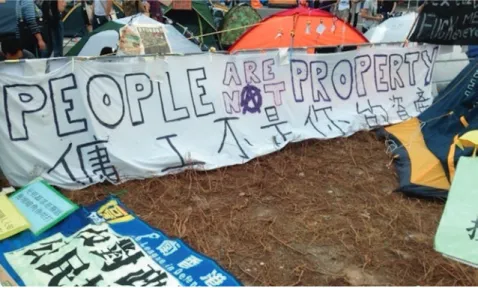
xix Fig. 5.1 Sign in the Admiralty site of Occupy Central 91
Fig. 5.2 Sign at Occupy Central 92
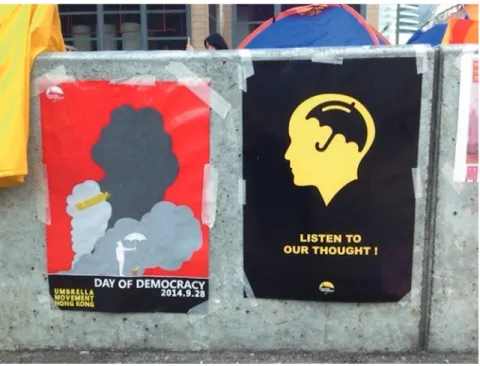
Fig. 5.3 Signs at Occupy Central 93
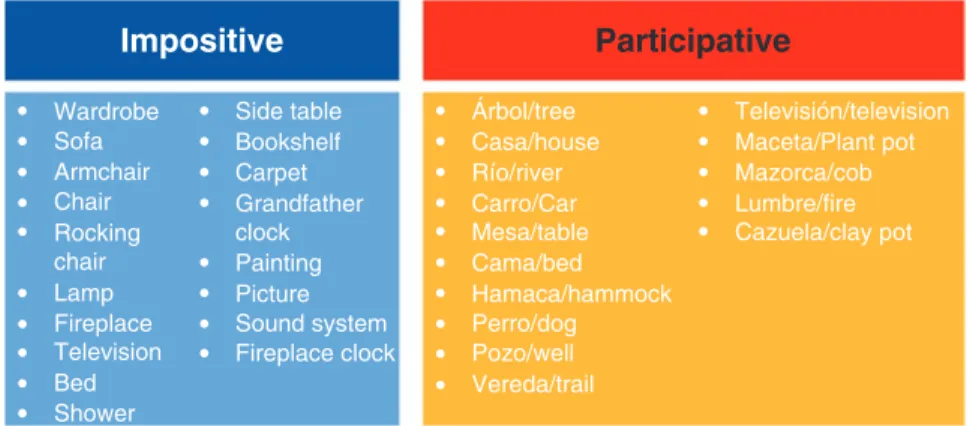
Fig. 6.1 Model of house discussed in planning sessions 110 Fig. 6.2 Impositive vs. participative house vocabulary 111 Fig. 6.3 The meaning of teaching English, as perceived before the practicum 119 Fig. 6.4 The meaning of teaching English, as perceived toward the end of
the practicum 120
Fig. 7.1 Course assignment 134
Fig. 7.2 Using gender as an introduction to learning 137
Fig. 7.3 Moving into deconstruction 138
Fig. 7.4 Avoiding queer discourses 140
Fig. 7.5 Using subversive texts 141
Fig. 7.6 Model for discourses of hyperinclusivity 142
Fig. 9.1 A local restaurant 176
Fig. 9.2 Students’ drawings of what they consider are “the coolest places” in
their barrio 184
xxi
List of Tables
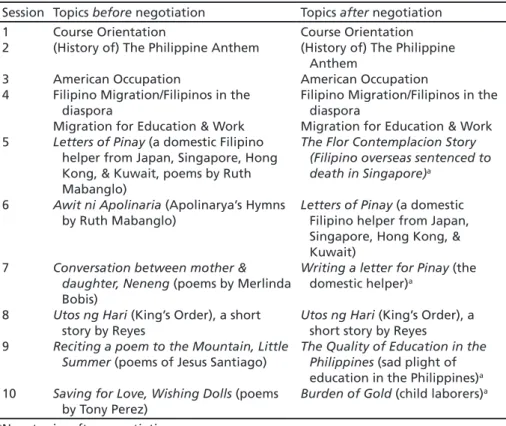
Table 4.1 Some changes in the syllabus topics after negotiation 70 Table 11.1 Salient features of the anonymized research participants from
the three universities in South Australia 237
1
© The Author(s) 2019
M. E. López-Gopar (ed.), International Perspectives on Critical Pedagogies in ELT, International Perspectives on English Language Teaching,
https://doi.org/10.1007/978-3-319-95621-3_1
1
Introducing International Critical Pedagogies in ELT
Mario E. López-Gopar
The purpose of this edited collection is to bring to the forefront attempts to connect critical pedagogies and English Language Teaching (ELT) in different parts of the world. Critical pedagogy originated from the work of several authors in Europe, North America, and South America, in particular the work of Brazilian educator, Paulo Freire (Glass, 2001; Kincheloe, 2005;
Kirylo, 2013; Steinberg, 2015; Wink, 2005). Following from Freire (1970) who held critical pedagogy as a non-prescriptive method, for the last three decades critical language educators have appropriated and reinvented critical pedagogy according to their own contexts and have theorized about the con- nection between critical pedagogy and language learning and teaching (Auerbach, 1986; Canagarajah, 1999; Cummins, 2000, 2001; Morgan, 1997, 1998; Motha, 2014; Norton 1997, 2000; Norton Peirce 1989; Pennycook, 2001). Critical language educators (e.g., Norton & Toohey, 2004), along with researchers working on general education studies (e.g., Porfilio & Ford, 2015), agree that critical pedagogies, in the plural, is a better term so as to acknowl- edge the multiple approaches and practices of educators and their students who are concerned with how to work against discriminatory practices and alleviate human suffering through pedagogy.
Despite the recognition and theorization about the importance of critical pedagogies as a way to engage students in discussions regarding discriminatory
M. E. López-Gopar (*)
Universidad Autónoma Benito Juárez de Oaxaca, Oaxaca, Mexico
2
practices, social inequality, identity negotiation, and issues of power (Chun, 2015, 2016; López-Gopar, 2014, 2016), examples of actual classroom prac- tices, both in language classrooms and teacher preparation programs, remain scarce. The few examples that can be found have originated in the so- called inner-circle countries, and these studies largely ignore ELT critical practices conducted by critical teachers and language educators elsewhere, including the so-called periphery countries, where educators have also reinvented their own critical pedagogies in order to respond to their local realities. These local criti- cal pedagogies do have resonance with global contexts, but they have not been disseminated. Consequently, this book attempts to counteract this trend and introduce the readers to critical pedagogies that have been developed in differ- ent parts of the world.
The international perspective of this book makes this collection unique in terms of its contextual constraints and possibilities as well as its deconstruction of “ELT” that goes beyond the typical English as a Second or Foreign Language (ESL/EFL) distinction. In this book, ELT is brought closer to bilingual and multilingual arenas, in which ELT juxtaposes with “othered” languages and cultures. Furthermore, the chapters in this collection connect micro-contexts (classrooms) with macro-contexts (e.g., world migration, politics, and social struggles). The authors of these chapters write from the trenches: their own classrooms, preparation programs, and contexts. This gives the chapters a nuanced description and understanding of the everyday struggles that teachers, teacher educators, and researchers face within different contexts. The chapters consequently ground critical pedagogies and show that change occurring in micro-contexts can make a difference in other contexts around the world once they reach their audience who may reinvent their own critical pedagogies, not- withstanding any currently held distinctions such as inner-circle or periphery.
The overall purpose of the collection should prove significant, by problematiz- ing ELT in order to move it away from its imperialistic agenda (Phillipson, 1992, 2015) and impel it to work in favor of othered languages and peoples.
In the next section, I provide attempts to define critical pedagogies. As part of this section, I incorporate the conceptualizations of critical pedagogies per- taining to contributors included in this book. After this section, I present the three historical waves of critical pedagogies identified by Porfilio and Ford (2015), concluding that the chapters of the present collection are an intellec- tual bricolage of the ideas and works of the previous critical pedagogues. In the last section of this introduction, I briefly introduce the three sections of this book: (1) teaching beyond language, (2) dialoguing with teachers, and (3) questioning the critical. In each of the three sections, I provide a succinct description of each of the critical pedagogies “reinvented” in this book.
M. E. López-Gopar
Defining Critical Pedagogies
Due to the pluralistic nature of critical pedagogy, defining critical pedagogies has been challenging and open to discussion. “The question ‘What is critical pedagogy?’ is one that will elicit various and probably irreconcilable answers”
(Porfilio & Ford, 2015, p. xv; quotations in original). From the field of gen- eral education, Kirylo (2013) offers an encompassing definition, arguing that critical pedagogies are “an empowering way of thinking and acting, fostering decisive agency that does not take a position of neutrality in its contextual examination of the various forces that impact the human condition” (p. xxi).
Also from general education, Porfilio and Ford (2015) argue that critical ped- agogies are “concerned with the ways that schools and the educational process sustain and reproduce systems and relations of oppression, [and how educa- tion] can also potentially be a site for the disruption of oppression” (p. xvi). In applied linguistics in particular, Norton and Toohey (2004) argue that critical pedagogies in language learning focus on “local situations, problems, and issues, and see responsiveness to the particularities … [and] resist totalizing discourses about critical teaching, subjects, and strategies for progressive action” (p. 2, emphasis in original). All the aforementioned authors empha- size the transformation goal of critical pedagogies as a result of the agency, responsiveness, and resistance of all the actors who experience social injustice and discrimination.
In this collection, all the authors work toward co-creating agency and transformation by redefining critical pedagogies in their own terms and in connections to other constructs, disciplines, and their own context. Chun (Chap. 5) highlights the inherent connection of ELT to colonial heritage and its framing of students and so-called non-native speakers as the perpetual Other who are regarded as inferior and in need of help and assistance by the English language (López-Gopar, 2016). Relying on the work of critical applied linguists such as Suresh Canagarajah, Chun (Chap. 5) also emphasizes the agency of students, and teachers, and their resistance to this Othering, dis- courses that may be racist, sexist, and/or homophobic, and complex power dynamics. In Chap. 7, Govender also stresses the Othering suffered by mar- ginalized groups in Africa and develops his critical pedagogy to counteract this phenomenon through four educational approaches: (1) education for the Other; (2) education about the Other; (3) education critical of privileging and Othering; and (4) education that changes students and society. Even though Sterzuk and Hengen (Chap. 2) do not follow Govender’s educational approaches per se, they work along the same lines with their students to
4
educate them about how Indigenous peoples of Canada have dealt with this colonial legacy. They have developed their own critical pedagogy as an attempt to disrupt settler disposition toward Indigenous peoples of Canada. In a dif- ferent continent, but with the same purpose, Swan (Chap. 11) underscores how her critical pedagogy deals with the way students from “other” back- grounds are positioned in Australian universities. Finally, working also at the university level, Barnawi (Chap. 3) argues that his critical pedagogy questions the role of schooling, including his university institution, as a major side for capital reproduction and works with his students to raise questions and sub- vert Western hegemonies.
The critical pedagogies developed by the authors of this collection take the classroom as the arena where their critical pedagogies come to life, challenging the Othering ideology prevailing in ELT. Parba and Crookes (Chap. 4) focus on how the language classroom can be transformed into a site of inquiry, in which students not only acquire languages but also use them to address issues that need serious attention. In a similar way, Dantas-Whitney (Chap. 8) argues that a needed practice of critical pedagogy is to use issues relevant to students’ lives not only for classroom activities but also for curriculum devel- opment. Along with Parba and Crookes (Chap. 4) and Dantas-Whitney (Chap. 8), Clavijo and Sharkey (Chap. 9) stress the importance of teachers viewing their learners as active agents who can negotiate the content of the instruction of the classroom, so that their life experiences, histories, and lan- guages practices are honored, valued, and used as anchor for further reflec- tions. Moreover, León Jiménez, Sughrua, Clemente, Huerta Cordova, and Vásquez Miranda (Chap. 6) ground their critical pedagogy within classroom dynamics that are in direct relation to social, cultural, and political issues. In their view, as well as all the other authors in this collection, learning is neither neutral nor objective within critical pedagogy. It is rather a situated experience that originates in the classroom and reaches the global in a never-ending and mutually affecting cycle.
All the critical pedagogies developed by the authors of this collection are aware of the problematic nature of the ELT industry and its material conse- quences. Hélot, Yoshimura, and Young (Chap. 10) state that learning English is not exempt from political and ideological dimensions. Along with all the authors of this collection, their critical pedagogy addresses the English lan- guage hegemony and attempts to reconceptualize ELT in a more inclusive, ethical, and critical manner. Clavijo and Sharkey (Chap. 9) argue as well that critical pedagogies must focus on issues of power and asymmetries found in societies where ELT is put into practice. Hudson (Chap. 12) contends that his critical pedagogy, and most others, deals with the inequalities in society. He
M. E. López-Gopar
further argues that the focus on social justice in ELT means acknowledging the political dimension of the global spread of English that renders the ELT practitioners as political entities. Hence, in the critical pedagogies developed by the authors of this collection, critical pedagogy is not merely a theoretical construct but also a political stance taken by the different actors in their respective roles such as teacher educators, researchers, language teachers, stu- dents, and so forth. Critical pedagogies are hence a personal and political enterprise that views in ELT a possibility to go against its own imperialistic and colonial nature and make it work in favor of the Other.
The critical pedagogies illustrated in this collection did not originate out of thin air. They are historical processes emerging from the different dialogical waves produced by educators from around the world who are concerned with human oppression and discrimination. In the next section, I frame the chap- ters in this book within the three waves of critical pedagogies that have occurred ever since the construct of critical pedagogy made its way into edu- cation, applied linguistics, and ELT.
Situating the Chapters
Critical pedagogies have been present throughout the history of humankind.
Although these pedagogies have not been labeled as such, they have always been present in the ways of thinking and acting of both women and men who have resisted and fought against oppressive regimes. Kirylo (2013) argues that when “dehumanizing forces perpetuated slavery, racism, patriarchy, bigotry or any number of oppressive, exploitive and unjust practices, groups of people responded and courageous leaders emerged with bold voices … denouncing injustice” (p. xx). Similarly, Chun (Chap. 5) argues that critical pedagogies should not be regarded as a Western construct. Basing his chapter in Hong Kong, Chun provides different examples in the last 60 years of young people from Asian countries who have demanded social, political, and economic jus- tice before the construct of critical pedagogy made its way into education in the 1970s with Paulo Freire’s seminal work Pedagogy of the Oppressed (1970).
After Freire’s recommendation that critical pedagogy should be reinvented, different authors have named their critical pedagogy in different ways. Key examples are “a pedagogy of love” (Darder, 2002), “transformative education”
(Ada & Campoy, 2004), “transformative pedagogy” (Cummins, 2000), and
“revolutionary pedagogies” (Trifonas, 2000). All the aforementioned critical pedagogies, along with the ones developed by the authors of this collection, appear to fall into the three waves of critical pedagogy identified by Porfilio
6
and Ford (2015). Before I describe the three waves, it is important to mention that these waves should not be regarded as exclusive but rather as overlapping.
Freire’s early work and the introduction of his work in education in North America in the 1970s and 1980s represent the first wave of critical pedagogies.
In this wave, critical pedagogies “inherited most directly the theoretical incli- nations of the Frankfurt school and its insistence upon the centrality of class”
(Porfilio & Ford, 2015, p. xvii). In Brazil, and relying on Marxist theory, Freire worked with peasants so they could challenge the oppression they were suffering in terms of social class. In the ELT field, one of the first attempts to connect critical pedagogies with language teaching was conducted by Auerbach (1986) who claimed that ELT teachers were maintaining the social class order by teaching English without problematizing the nature of the jobs they were preparing their students for. Most of the work around critical peda- gogies was carried out in the general education area led by Giroux (1988) and McLaren (1989). During the first wave, different critics of critical pedagogy emerged and framed their criticism from a feminist perspective (Ellsworth, 1989; Yates, 1992; Weiler, 1991), which questioned the unproblematized notion of oppressor and oppressed from a solely social class perspective.
Different applied linguists (e.g., Crookes & Lehner, 1998; Johnston, 1999;
Lin, 2004) joined the critics, arguing that critical pedagogies were overly the- oretical and lacked examples from the educational and ELT context.
These criticisms against critical pedagogies during the first wave prompted other educators and applied linguists to adapt them during the late 1980s, 1990s, and beginning of the twenty-first century. These new reinventions rep- resent the second wave. Critical pedagogues were aware that the critical peda- gogies of the first wave “lacked the sophistication to understand the myriad forces giving rise to the lived experiences of teachers and students and … the sensitivity to recognize the complexity behind how social domination oper- ates on the structural axes of race, gender, sexuality, and (dis)ability” (Porfilio
& Ford, 2015, p. xviii, parenthesis in original). During the second wave, acknowledging that class domination existed, critical pedagogies followed two routes: the feminist/poststructural philosophy as well as the postmodern phi- losophy (Porfilio & Ford, 2015). This was particularly the case in the area of applied linguistics.
During the second wave, critical pedagogues started to question the “neu- tral” role of the English language and the ELT industry around the world.
Focusing on adult ESL classes, Graman (1988) argued that exclusively linguistic- based instruction seemed irrelevant and non-engaging to students as it was not tied to the students’ own lives. As illustrated above, centering the
M. E. López-Gopar
curriculum on the students’ lived realities is a sine qua non of critical pedago- gies. Crookes and Lehner (1998) questioned that “ESL/EFL teachers com- monly see themselves as contributing to general welfare simply by helping people to communicate with other people” (p. 320), without reflecting about the inherent connections of ELT. The connection between critical pedagogies and ELT grew stronger with Pennycook’s (1999) special edition of TESOL Quarterly, Critical Approaches to TESOL, and his later book Critical Applied Linguistics (2001). Pennycook’s critical work was a combination of the two routes followed by critical pedagogies during the second wave. According to Pennycook (2001), critical applied linguistics, as he termed his critical peda- gogy, “involves a constant skepticism [and] it demands a restive problematisa- tion of the givens of applied linguistics that seeks to connect it to questions of gender, class, sexuality, race, ethnicity, culture, identity, politics, ideology and discourse” (p. 10). In addition, Norton and Toohey’s (2004) edited collection entitled Critical Pedagogies and Language Learning grouped the different criti- cal pedagogies that had been reinvented from Freire by different applied lin- guists during the second wave of critical pedagogies. Furthermore, during this wave, critical pedagogues such as Crookes (2013) brought his critical peda- gogy closer to teachers by discussing how it comes to life in classrooms in every decision teachers make regarding curriculum, materials, and learning goals, among other factors.
The third wave of critical pedagogies started at the beginning of the twenty- first century and into the fourth and fifth decade of critical pedagogy.
According to Porfilio and Ford (2015), critical pedagogies in this wave have returned to social class while maintaining the problematization of “underlying assumptions about the operations of power and oppression, ultimately lead- ing to the inclusion of various forms of identity and difference” (p. xviii) that were developed in the second wave. They further argue that returning to social class in critical pedagogies “does not represent a retreat…[but] comes as a result of a resurgence of Marxist educational theorizing…and the economic crisis of 2007–2008” (Porfilio & Ford, 2015, p. xviii). This crisis gained the attention of educators in education in general and in applied linguistics as they realized “the devastating ways that processes of capitalist value produc- tion…can make and remake our daily lives” (Porfilio & Ford, 2015, p. xviii).
In applied linguistics, different critical pedagogues have connected the field to social class (Block, 2012, 2014), neoliberalism (Block, Gray, & Holborow, 2012), and capitalism (Chun, 2017). López-Gopar and Sughrua (2014) high- light the inherent role of ELT and social class division. They state that “English teachers are part and parcel of the intrusion of the English language with its connection to globalization and neoliberalism as well as to its perpetuation of
8
the gap between social classes” (p. 109). This is particularly the case if their teaching practice is not problematized.
As evident in the following chapters in this collection, the critical pedago- gies developed by the authors take bits and pieces from the three waves. Their critical pedagogies are an intellectual bricolage of the three waves of develop- ment, without ignoring the issues faced by ELT students and their communi- ties in their current sociopolitical contexts. They connect their critical pedagogies to critical literacy (Chun, Chap. 5; Govender, Chap. 7), indige- nous studies (Sterzuk & Hengen, Chap. 2), neoliberalism studies (Barnawi, Chap. 3), hybrid views of language practices (Parba & Crookes, Chap. 4), and community-based pedagogies (Clavijo & Sharkey, Chap. 9), among others.
The chapters in this collection are a testament that “the field of critical peda- gogy now represents a constellation of insights from other intellectual fields”
(Porfilio & Ford, 2015, p. xviii). Nevertheless, the goal for transformation and social justice remain intact. In the next section, I present a brief overview of the three sections of this collection and the chapters included in each of them.
The Critical Pedagogies of This Collection
This book is divided into three sections: (1) teaching beyond language, (2) dialoguing with teachers, and (3) questioning the critical. In the first section, the authors provide examples of how they have reinvented critical pedagogies in their own classrooms by working with language learners. In these chapters, it is evident that linguistics-related goals are not the only goals. The authors in the four chapters comprising this section demonstrate how they engage their students in dialogue and tackle the inherent connections of language with politics, minoritized groups, and monoglossic language ideologies.
Chapter 2, by Andrea Sterzuk and Simone Hengen, considers the potential for disrupting settler dispositions through English language teaching by draw- ing on (1) a study of ESL students at a Canadian university and (2) pedagogi- cal activities designed to introduce alternative discourses around Indigenous peoples. In one activity, students’ summarized biographies of Indigenous leaders precipitated critical questions about Canada’s history, which were answered by a cultural expert. Through inquiry-based activities like this, par- ticipants learn about their appointed place in Canada’s racial hierarchy by learning about the place of Indigenous others. They negotiate the settler dis- position as they construct Canadian identities. These local pedagogical exam- ples illustrate language teachers’ responsibility to give students tools to
M. E. López-Gopar
critically examine societal inequity globally and to participate in the reconcili- ation between Indigenous and settler peoples.
Chapter 3, by Osman Z. Barnawi, captures and documents how the author’s academic writing students made sense of written texts in a question- ing manner through a pedagogical task called “read, reason and respond” that he implemented during one semester. It also demonstrates how engaging in critical dialogue with students, without self-righteous approaches, helps both teachers and students disrupt dominant affect-positions and challenge their
“comfort zones” (Zembylas & McGlynn, 2012). The findings of this chapter reveal that such teaching pedagogies have great potential in raising critical consciousness among EFL learners. It should be mentioned, however, that students’ critical discussions and consciousness seem to be cramped in today’s neoliberal societies, owing to the “strength of neoliberal ideologies, the corpo- ratization of universities, the conflation of human freedom with consumer satisfaction and a wider crisis of hope in the possibility or desirability of social change” (Amsler, 2011, p. 47).
Chapter 4, by Jayson Parba and Graham Crookes, makes the case that in studies of critical language pedagogy around the world, the language mostly under study is English conventionally understood as monolingual. Yet increas- ingly languages are used together and hybrid language is used as learner identi- ties are multiple. This chapter describes a critically oriented, US university-based, intermediate Filipino as an L2 classroom, in which English played an impor- tant role. The class was located in the diverse multiethnic state of Hawai‘i, where immigrant groups form a near-majority of the population. Student materials, audio recordings of classroom instruction, instructor lesson plans, journals, and field notes were collected and analyzed. The findings of this chapter indicate that the active negotiation of the classroom language policy shifted the classroom from a nominally monolingual one to the one that better reflected students’ identities as heritage language learners or as learners for whom English was a crucial “flotation device.” This also led the instructor to select bilingual materials for the class, and legitimize use of hybrid language forms and heteroglossic language practices, both by students and the instruc- tor. The liminal location of the class is also considered in this chapter.
Chapter 5, by Christian W. Chun, features a classroom lesson in an intro- ductory English course with first-year university Hong Kong students that addresses the cultural dynamics of famous images and advertisements while analyzing at times discriminatory discourses in visual representations. The chapter examines how the students mediated these discourses and then addresses how many students showed their own critical discourses in action a few months after the lesson through their involvement in the “Umbrella
10
Movement” in September 2014. The chapter’s examination of the intersec- tions between critical pedagogy highlighting language and discourse in soci- ety and subsequent protest movements aims to contribute toward an understanding of how such pedagogical approaches and public pedagogy enactments can mutually inform and enrich each other, with implications for ELT classrooms the world over.
In the second section of the book, Dialoguing with Teachers, the authors narrate their attempts to engage both student teachers and practicing teachers in their critical pedagogies. This section is particularly important if one wants to see critical pedagogies come to life in different classrooms around the world. In the five chapters included in this section, the authors do not regard the student teachers and teachers as technicians who will later apply critical pedagogies in their classroom, but as reflective subjects who have been also reinventing their own critical stances.
Chapter 6, by Edwin N. León Jiménez, William Sughrua, Angeles Clemente, Vilma Huerta Cordova, and Alba E. Vásquez Miranda, illustrates how the authors have worked with students doing their teaching practicum in a juvenile detention facility, a daytime shelter for vulnerable children, a mar- ginalized public school, and the state penitentiary of Oaxaca, Mexico. Acting as ELT teacher educators, the authors relocate the experiences of planning, performing, and evaluating teaching and teacher training roles in terms of Critical Pedagogies in English Language Teaching (CPELT), while glimpses of teacher identity emerge, including a counter-hegemonic and “critical”- tinted identity. Their research project entitled “Teaching English in Marginalized Communities” demonstrates that the CPELT approach facili- tates the construction, reconstruction, or otherwise formation of teachers’ and teacher educators’ identities while raising issues of power, national concerns, ethnicity, social justice, and domestic coloniality.
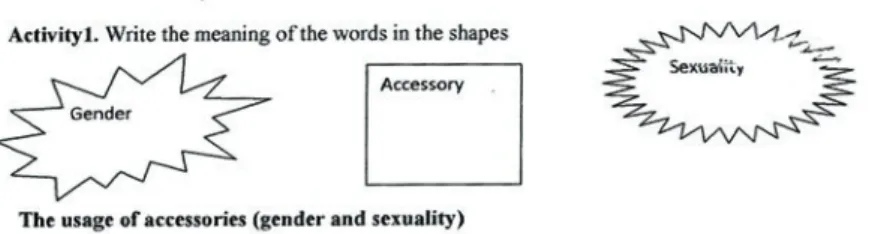
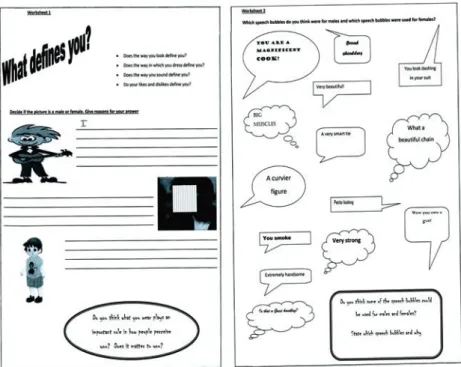
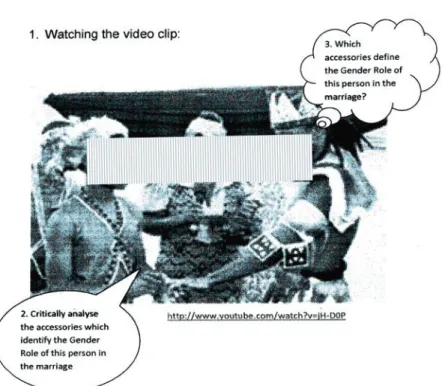
Chapter 7, by Navan N. Govender, considers how the author used a critical literacy course in a South African university to engage Bachelor of Education (B.Ed.) students in issues related to sex, gender, sexuality, and the conflations inherent. Govender further argues that confronting controversial topics in the classroom requires that both teachers and learners enter risky spaces in order to deconstruct, disrupt, and reconstruct relations of power in context. The pre-service English teachers were required to produce educational materials that used critical literacy to teach about gender and sexual diversity. The author begins by discussing what it means to do critical literacy before analyz- ing the materials. His analysis unpacks the kinds of risks students were prepared to take and the slippery landscapes that come with confronting real and uncomfortable conversations, identities, and ideologies.
M. E. López-Gopar
Chapter 8, by Maria Dantas-Whitney, describes an assignment designed to prepare ELT teachers in the USA to best serve their bilingual students. Using a critical pedagogical framework, teachers are encouraged to adopt an asset orien- tation that views home languages and cultures as valuable resources for learning at school, and to work against discourses that frame children’s home languages as obstacles to English acquisition and assimilation. The assignment requires teachers to conduct ethnographic research to examine the situated experiences of particular bilingual learners and their families through multiple approaches such as observations, interviews, and critical reflection. As the teachers explore the complexity of their learners’ lives, the teachers begin to question school practices and plan for advocacy and change. This chapter showcases the reflec- tions and collaborative exchanges of 43 teachers conducting such projects. The teachers’ narratives can inspire other educators within and outside the USA to adopt similar ethnographic projects in their own contexts.
Chapter 9, by Amparo Clavijo-Olarte and Judy Sharkey, describes how the authors have revised their teacher education curriculum to take a more devel- opmental approach to critical pedagogies, and they share the experiences, classroom practices, and insights of three Colombian public school teachers who learned how to see and use their urban contexts as resources for an English language learning curriculum. Through community mapping, work- shops on curriculum development, and community-based pedagogies, these three teachers learned how to connect la vida cotidiana, everyday life, with their subject areas and national/international standards. The experiences pro- vided the teachers with the tools and inspiration to see their students’ worlds as the starting point for their English language curriculum and worthy sub- jects of study with global relevance.
The last section of this book, “Questioning the Critical,” brings a critical perspective to the construct of critical pedagogy. The authors of these chapters present the contextual constraints and possibilities faced by teachers who want to reinvent critical pedagogies in their classroom.
Chapter 10, by Christine Hélot, Masahito Yoshimura, and Andrea Young, analyzes the co-construction and implementation of a teacher education course for Japanese teachers of English by a Franco/Japanese team of research- ers. Based on research conducted on ideology in language education policy in both France and Japan, the course aimed to reconceptualize the teaching of English in a more inclusive, ethical and critical fashion in order to better pre- pare teachers to deal with diversity in their classrooms. The authors describe the learner-centered and problem-based learning approaches they chose in order to give teachers an experience of their own use of language(s) as social actors, as well as an awareness of diversity and its relevance to the unequal
12
power of languages induced by policies focusing on English only. Finally, they analyze the discourses of the participating teachers, based on the recorded oral and written group reflections on issues such as approaching difference with literacy activities, children’s literature, translation, and critical language awareness.
Chapter 11, by Anne Swan, explores current attitudes regarding critical pedagogies developed for English language programs for international stu- dents in Australian universities. The discomfort with their learning situations expressed by two international students is the springboard for an analysis of the current Australian situation with regard to how students from diverse learning cultures are understood when they reach Australia. Local ignorance of these cultures, sometimes giving rise to deficit discourses, is seen to contrib- ute to frustrations among both educators and learners. However, awareness of the issues involved is growing, as interviews conducted with local Academic Language and Learning (ALL) educators reveal. A major concern of both stu- dents and educators includes institutional attitudes to academic writing and how these can negatively influence cultural understanding and acceptance.
Chapter 12, by Paul Hudson, argues that a critical pedagogy could be said to be one that involves both focusing on the inequalities in society and building the students’ critical awareness so that they may fight the oppression such inequalities cause. However, for many English teachers working in Arabia, although adopting a critical pedagogy may appear attractive given the inequali- ties they may perceive in local society, in practice such an approach is usually seen as a way of committing professional suicide. This chapter discusses the role and the appropriateness of critical pedagogy in situations where English lan- guage teaching is provided by easily replaceable foreigners whose political, social, religious and cultural attitudes may be at odds with those of their students.
Finally, Chap. 13, by William M. Sughrua, provides a concluding com- mentary on the above 11 studies of critical pedagogy and ELT (Chaps. 2–12).
The focus of Sughrua’s conclusion is the type of research methodology seem- ingly shared among the 11 chapters: “politicized qualitative research method- ology” (PQRM). As Sughrua explains in the first part of Chap. 13, a focus on PQRM is relevant. This is because within studies such as those collected in this volume the “qualitativeness” of the methodology naturally becomes entangled with the “criticality” of the purpose. While drawing examples and illustrative detail from Chaps. 2 to 12, this closing chapter situates critical studies in ELT such as those in this collection within qualitative research and more specifically PQR in such a way that the critical intentions of the chap- ters and of this collection as a whole are effectively reflected upon and summarized.
M. E. López-Gopar
References
Ada, A. F., & Campoy, I. (2004). Authors in the classroom: A transformative education process. New York: Pearson.
Amsler, S. S. (2011). From “therapeutic” to political education: The centrality of affective sensibility in critical pedagogy. Critical Studies in Education, 52(1), 47–63.
Auerbach, E. (1986). Competency-based ESL: One step forward or two steps back?
TESOL Quarterly, 20(3), 411–429.
Block, D. (2012). Economising globalisation and identity in applied linguistics in neoliberal times. In D. Block, J. Gray, & M. Holborow (Eds.), Neoliberalism and applied linguistics (pp. 56–85). London: Routledge.
Block, D. (2014). Social class in applied linguistics. New York: Routledge.
Block, D., Gray, J., & Holborow, M. (2012). Neoliberalism and applied linguistics.
New York: Routledge.
Canagarajah, S. (1999). Resisting linguistic imperialism in English teaching. Oxford, UK: Oxford University Press.
Chun, C. (2015). Power and meaning making in an EAP classroom: Engaging with the everyday. Clevedon, UK: Multilingual Matters.
Chun, C. (2016). Addressing racialized multicultural discourses in an EAP textbook:
Working toward a critical pedagogies approach. TESOL Quarterly, 50(1), 109–131.
Chun, C. (2017). The discourses of capitalism: Everyday economists and the production of common sense. New York: Routledge.
Crookes, G. V. (2013). Critical ELT in action: Foundations, promises, praxis. New York:
Routledge.
Crookes, G., & Lehner, A. (1998). Aspects of process in an ESL critical pedagogy teacher education course. TESOL Quarterly, 32(2), 319–328.
Cummins, J. (2000). Language, power and pedagogy. Toronto, Canada: Multilingual Matters.
Cummins, J. (2001). Negotiating identities: Education for empowerment in a diverse society (2nd ed.). Los Angeles: California Association for Bilingual Education.
Darder, A. (2002). Reinventing Paulo Freire: A pedagogy of love. Boulder, CO:
Westview Press.
Ellsworth, E. (1989). Why does this feel empowering? Working through the repres- sive myths of critical pedagogy. Harvard Educational Review, 59(3), 297–324.
Freire, P. (1970). Pedagogy of the oppressed. New York: Continuum.
Giroux, H. (1988). Schooling and the struggle for public life: Critical pedagogy in the modern age. Minneapolis: University of Minnesota Press.
Glass, R. D. (2001). Paulo Freire’s philosophy of praxis and the foundations of libera- tion education. American Educational Research Association, 30(2), 15–25.
Graman, T. (1988). Education for humanization: Applying Paulo Freire’s pedagogy to learning a second language. Harvard Educational Review, 58(4), 433–448.
14
Johnston, B. (1999). Putting critical pedagogy in its place: A personal account.
TESOL Quarterly, 33(3), 557–565.
Kincheloe, J. L. (2005). Critical pedagogy primer. New York: Peter Lang.
Kirylo, J. D. (Ed.). (2013). A critical pedagogy of resistance: 34 Pedagogues we need to know. Rotterdam, Netherlands: Sense Publishers.
Lin, A. M. (2004). Introducing a critical pedagogical curriculum: A feminist reflexive account. In B. Norton & K. Toohey (Eds.), Critical pedagogies and language learn- ing (pp. 271–290). Cambridge: Cambridge University Press.
López-Gopar, M. E. (2014). Teaching English critically to Mexican children. ELT Journal, 68(3), 310–320.
López-Gopar, M. E. (2016). Decolonizing primary English language teaching. Bristol, UK: Multilingual Matters.
López-Gopar, M. E., & Sughrua, W. (2014). Social class in English language educa- tion in Oaxaca, Mexico. Journal of Language, Identity and Education, 13, 104–110.
McLaren, P. (1989). Life in schools. New York: Longman.
Morgan, B. (1997). Identity and intonation: Linking dynamic processes in an ESL classroom. TESOL Quarterly, 31(3), 431–450.
Morgan, B. (1998). The ESL classroom: Teaching, critical practice and community devel- opment. Toronto: University of Toronto Press.
Motha, S. (2014). Race, empire, and English language teaching: Creating responsible and ethical anti-racist practice. New York: Teachers College Press.
Norton Peirce, B. (1989). Toward a pedagogy of possibility in the teaching of English internationally: People’s English in South Africa. TESOL Quarterly, 23(3), 401–420.
Norton, B. (1997). Language, identity, and the ownership of English. TESOL Quarterly, 31(3), 409–429.
Norton, B. (2000). Identity and language learning: Gender, ethnicity and educational change. Harlow, UK: Longman/Pearson Education.
Norton, B., & Toohey, K. (Eds.). (2004). Critical pedagogies and language learning.
Cambridge: Cambridge University Press.
Pennycook, A. (1999). Introduction: Critical approaches to TESOL. TESOL Quarterly, 33(3), 329–348.
Pennycook, A. (2001). Critical applied linguistics. Mahwah, NJ: Lawrence Erlbaum Associates.
Phillipson, R. (1992). Linguistic imperialism. Oxford: Oxford University Press.
Phillipson, R. (2015). Americanization and Englishization as processes of global occupation. In P. Orelus (Ed.), Affirming language diversity in schools and society:
Beyond linguistic apartheid (pp. 188–214). New York: Routledge.
Porfilio, B. J., & Ford, D. R. (2015). Schools and/as barricades: An introduction. In B. J. Porfilio & D. R. Ford (Eds.), Leaders in critical pedagogy: Narratives for under- standing and solidarity (pp. xv–xxv). Boston, MA: Sense Publishers.
Steinberg, S. R. (2015). Preface. In B. J. Porfilio & D. R. Ford (Eds.), Leaders in criti- cal pedagogy: Narratives for understanding and solidarity (pp. ix–xi). Boston, MA:
Sense Publishers.
M. E. López-Gopar
Trifonas, P. (2000). Introduction. In P. Trifonas (Ed.), Revolutionary pedagogies (pp.
xi–xxi). London: Routledgefalmer.
Weiler, K. (1991). Freire and a feminist pedagogy of difference. Harvard Educational Review, 61(4), 449–474.
Wink, J. (2005). Critical pedagogy: Notes from the real world. New York: Pearson Allyn and Bacon.
Yates, L. (1992). Postmodernism, feminism and cultural politics or, if master narra- tives have been discredited, what does Giroux think he is doing? Discourse, 13, 124–133.
Zembylas, M., & McGlynn, C. (2012). Discomforting pedagogies: Emotional ten- sions, ethicaldilemmas and transformative possibilities. British Educational Research Journal, 38(1), 41–60.
Part I
Teaching Beyond Language
19
© The Author(s) 2019
M. E. Ló