
All Wizards characters, character names, and their distinctive likenesses are the property of Wizards of the Coast, Inc. Any reproduction or unauthorized use of the material or artwork contained herein is prohibited without the express written permission of Wizards of the Coast, Inc. Dungeon Master (DM) plays the role of the antagonists in the adventure, but the DM does not play against the player characters (PCs).
Each player contributes to the fun of the game and helps bring the fantasy world to life. Multiple Characters: Usually one player controls one character in the D&D game. Troubleshooting: How to deal with some of the most common problems encountered in the game.
RUNNING THE GAME
At times the players discuss the events of the game or spend time making their plans. You can also have the players find a map during the adventure. Prepare for the players to do what they discussed they would do at the end of the session.
COMBAT ENCOUNTERS
Unless the PCs are particularly sneaky, most of the monsters the PCs encounter are on standby. A success leaves the target lying on the edge of the field before entering the danger field. If you are infected, you suffer the initial effect of the disease and begin moving along the path of the disease.
BUILDING ENCOUNTERS
Save it for the end of the encounter when you award XP to the players. You can also choose to allocate some of the adventure's treasures to the challenge. If the characters get lost in the jungle, it will lead to further challenges and not the end of the adventure.
Other puzzles are about the players finding out something related to the adventure. The characters must determine which son and which sword lies in the crypt of the disgraced. When you reach the end of a line, continue in the leftmost square of the next line.
The inhabitants of the city in the remote jungle don't know that. the empire of Nerath has fallen. The hand is suitable for characters in the middle of the paragon tier and above.
NONCOMBAT ENCOUNTERS 70
ADVENTURES
For example, one of the adventure hooks for The Keep on the Shadowfell has the characters learn of a ruined castle that may contain treasures from a fallen empire. Consider placing a partial map from your next adventure somewhere in the current adventure - in the main villain's body is a particularly strong choice. The adventure may present unsolved questions for the characters, the villains may have escaped, or the characters may have left parts of the dungeon unexplored.
They discover a shortcut the adventure designer didn't foresee and head straight for the climactic battle of the adventure. The end of an adventure speaks in a satisfying way to the suggestion of the beginning and the content of the middle. Meaningful Victory: Whatever the purpose of the adventure, the characters' success must be meaningful.
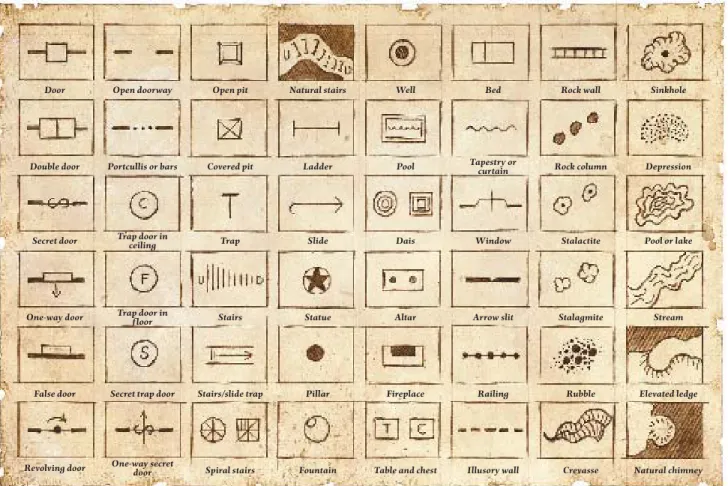
The Grand Quest should be important to each party member, and its completion should define success in the adventure. Your map is a tool that helps you follow your adventure and conveys the setting to the players. Or you can throw every encounter the characters way, regardless of the choices they make.
It's almost a cliché of the game, but an outdoor encounter on the way to the dungeon - or an outdoor encounter that takes the characters to the dungeon -.
REWARDS
The number of experience points in the game is built up by characters completing eight to ten encounters for each level achieved. All players can share the excitement of leveling up at the same time. It's only fair - a large quest is like an encounter that spans multiple play sessions, and everyone who participates deserves a share of the reward.
As with other rewards, all the PCs share the rewards for quests, even if the quest was intended for an individual member of the party. The XP reward varies based on the number of characters in the party, as does the XP value of an encounter. Completing a minor task is equivalent to defeating a single monster, and that XP reward is shared among all the characters in the party.
Since the small quests are more likely to be individual quests, the number of characters in the group helps determine how many small quests the characters complete. You can assign one or more treasure plots (see page 126) to its completion, or you can place all the treasure in the dungeon. Magic items include all magical weapons, armor, equipment, and wondrous items detailed in the Player's Handbook and other resources.
Astral Diamonds will never completely replace Platinum, but they are a useful measure of wealth in the high epic tier.
CAMPAIGNS
At its most fundamental level, a campaign is the story of the characters in your game. Characters may choose to clear out the drow from the Phantom Tower before engaging the raiders in the ruins of Dorbren Keep, for example. Intelligent survivors of the characters' first incursion into their domain respond accordingly, bolstering their defenses or evacuating the area.
You provide the context—the setting, the background, and the tasks that get the characters stuck. If nothing else, you'll at least have an idea of the campaign's climax and how the characters might get there. You don't need to draw a map of the world right away, because the characters only know about the town where they start the game, and maybe the nearby dungeon.
If the characters start in the baron's dungeon, you do have to design it - it's the location of your first adventure - but you don't have to worry about the names of all the baron's knights just yet. But when you take the opportunity to introduce the right elements, you can effectively hook the players and the characters. The fate of a town may depend on the success or failure of heroic level adventurers, to say nothing of the characters' own lives.
Ideally, try to connect the individual goals of all the characters to the ultimate goal of the final adventure.
THE WORLD
Civilization: Civilized parts of the world are bright spots in the darkness and can be both exciting adventure spots and safe home bases. The primordial beings, elemental beings with enormous power, formed the world from the Elemental Chaos. Note the location of the village center and any significant terrain features in the area.
In the magical world of the D&D game, most settlements follow the patterns described above. As characters adventure into the wilderness, the weather can be one of the main threats they face. Just as the gods originated in the Astral Sea, the first inhabitants of the Elemental Chaos were the primordial, beings of raw elemental power.
This story is told in more detail in the "Demon" entry in the Monster Manual). The user knows about the factors that change conformance - it is in the artifact's best interest to communicate its wishes and expectations. For example, the user may wake up in the middle of the night to find the hand tied around the neck.
The Invulnerable Coat is suitable for characters in the mid-heroic level and above.
THE DM’S TOOLBOX
After completing the process, be sure to "reality check" the monster by comparing its stats and abilities to others of similar power. Role: The monster's combat role is displayed in the upper right corner of the stat block header. Track the two skills separately—the one provided by the template may have a different reload requirement, for example.
Feyborn" is a template you can apply to any animal or human creature, representing a creature infused with the mystical power of the fey. The monster's level determines its key stats, including defense, attack bonuses, and hit points. In the rare case where you want to build a campaign-long villain, then fully declaring the NPC in PC fashion might serve you well, but that should be the exception—the rare exception.
If the template offers multiple options for a given difficulty (such as wolf pack), you can either choose one or choose it randomly. Boss: Add a card for a powerful monster (six or seven levels above that of the characters) and designate it as the "boss", the main villain of the adventure. All players can decide together what the monsters do and let the player who is the target of an attack make that attack (or have the person on the left roll for the monsters).
Whatever the nature of the base city, it is where your player characters return between adventures and where new adventures begin.
FALLCREST
Town of Fallcrest: This section is a brief description of the town's history, important characters, and important areas. A small city built from the ruins of a larger city, Fallcrest is the crossroads of Nentiri Valley. Government: The human noble Faren Markelhay is the Lord Warden (hereditary lord) of the city.
With the rise of the Empire of Nerath to the south, human settlers began to move up the Nentir, establishing cities such as Fastormel, Harkenwold, and Winterhaven. A Nerathan hero named Aranda Markelhay obtained a charter to build a guard at the portage of Nentir Falls. The city is a shadow of the former city; little trade passes up and down the river these days.
South of the cliff is Lowtown, which is generally newer and poorer. In the event of a serious threat, people retreat to Hightown; the cliff and city walls completely surround this part of Fallcrest, making it highly defensible. Four of the locations contain stats for non-player characters who may come into conflict with the PCs.
It was destroyed even before the old city was destroyed and is now little more than an empty shell infested with rats and birds.
