Recent advances in the synthesis and application of energetic polymers are reviewed by Paraskos in the chapter “Energetic Polymers: Synthesis and Applications”. In the chapter "Physical Properties of Selected Explosive Components to Assess Their Fate and Transport in the Environment", Boddu et al.
Some Governing Factors
Several sets of rules have been proposed for predicting the proportions of the final products; they are summarized elsewhere [25–27]. For DandPom to be similar for a given density, you need to be relatively independent of the product composition for that explosive.
Some Governing Factors
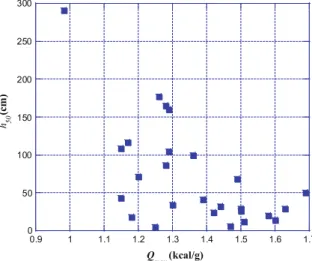
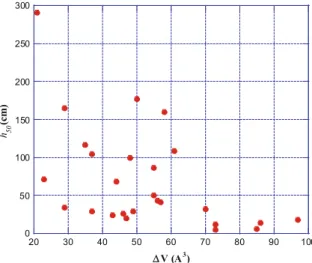
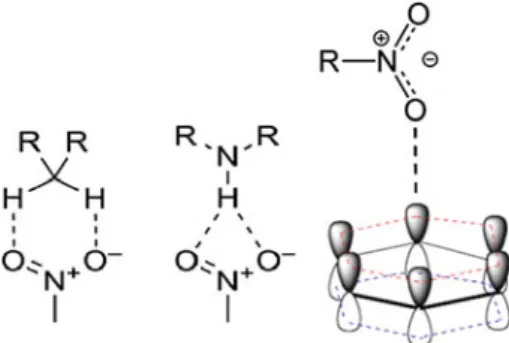
How is the sensitivity associated with the strongly positive electrostatic potentials in the central regions of the molecular surfaces of explosives? To be avoided are a strongly positive electrostatic potential in the central part of the molecular surface, a large amount of free space per molecule in the crystal lattice, DV, and a large maximum heat of detonation, Qmax.
Molecular Dimensions
To be sought are a high density q and a large number of moles of gaseous detonation products per gram of explosive, N.
Molecular Framework
Molecular Stoichiometry
Amino Substituents
Intermolecular hydrogen bonding should also promote the formation of a graphitic crystal lattice [56,89] (as in TATB), thereby reducing the resistance to shear/slip. It has further been suggested that intermolecular hydrogen bonding can increase thermal conductivity, thereby promoting the diffusion and distribution of hot coal energy [52].
Molecular Structural Modi fi cations
Once a gun system and propellant requirements are identified, propellant development can begin. Firstly, one third of the carbon monoxide formed is converted into carbon residues and carbon dioxide.

Energetic Binders
Other important aspects of NC properties are determined by the origin of the cellulose. It has been suggested that the more severe response to the impact of the fragment was due to the higher burning rate of the CAN propellant, which caused overpressure before the deflagration propellant could vent through the holes created by the fragment [26].
Energetic Plasticizers
Also, grain failure was shown to occur beyond the limits of the apparatus. Together they successfully lower the glass transition temperature of the propellant and are quite energetic yet stable due to the geminal.

Energetic Fillers
Differential scanning calorimetry (DSC) at heating rates of 5, 10 and 20 °C/min enabled the calculation of the activation energy (Ea) for thermal decomposition of the HMX. This leaves the surface of the propellant with less CO2 than the core of the propellant.
Validation of QSPR Models
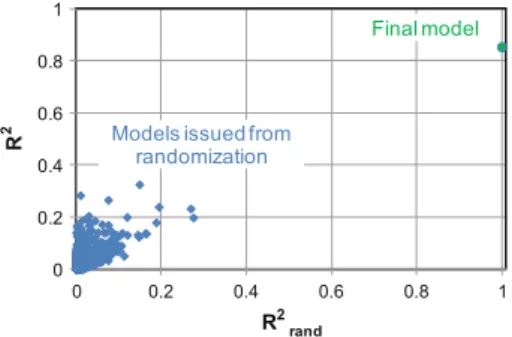
Thus, to avoid any over-parameterization of the model, it is necessary to reduce the number of descriptors in the model. Additional internal validations are performed to check the robustness of the model (by cross-validation) and to avoid any chance correlation (by Y-randomization).
Robust Use of QSPR Models
Nevertheless, it should be noted that for environmental concerns, the EPI Suite [29] was developed by the EPA's Office of Pollution Prevention Toxics and the Syracuse Research Corporation (SRC) to provide predictions of the relevant properties to assess the fate of environmental organic compounds. 30] showed that this tool, which includes QSAR modules, proved to be relevant for a variety of energetic materials, provided they stay close to the models' training set (i.e., they remain in the models' applicability domain).
Detonation Properties
In general, except for the most recent ones, they have not been developed according to OECD validation principles. For the detonation pressure P, he proposed a six-parameter linear equation with a maximum error of 16.9% obtained on a series of 22 explosives for which experimental values were available [32].
Brisance
33] developed new models to predict the detonation velocity of 54 nitrogen-rich compounds based on quantum chemical descriptors with RMSEs of 0.223 and 0.167 km s−1 for MLR and SVM (Support Vector Machine) models, respectively.
Density
Heat of Formation
In particular, he proposed a model to predict the condensed heat of formation DHf(c) of nitramines, nitrate esters and nitroaliphatic energetic compounds [44], in Eq.9 for a data set of 79 compounds with RMSE of 29 kJ/ mole.
Melting Point
The ANN model was calculated based on the same six descriptors and achieved slightly better predictability with an average error of 3.82% in external validation. It should be noted that these models have been fully validated by applying internal and external validation methods, as summarized in Table 1, and by determining their applicability domain based on William's graphs [50].
Sensitivity
59] based on 3-dimensional descriptors for a set of 156 nitro compounds (127 in the training set and 29 in the validation set) with errors of 0.177 and 0.130 (log) in standard deviation for their MLR and ANN models, respectively. Keshavarz [62] also proposed a model based only on constitutional descriptors with a correlation coefficient R2= 0.77 (for a training set of 17 nitroaromatic compounds) and with a maximum error of 4.58 J observed over a test set of 14 other connections.
Thermal Stability
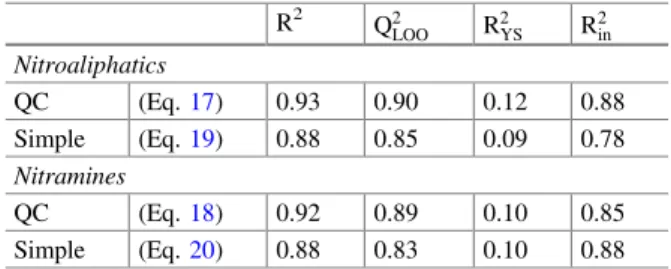
In the last decade, we developed several QSPR models for the explosive properties of nitro compounds, including their impact sensitivity. The model obtained for nitramines, in eq 18, was also a four-parameter equation (from a training set of 40 compounds).
Use of QSPR Models in Regulatory Context
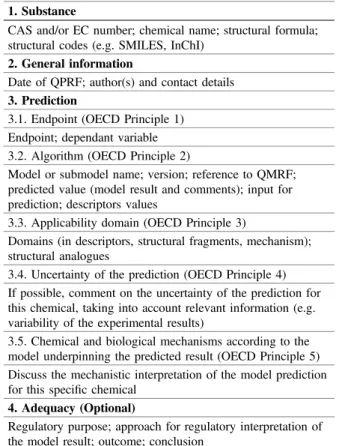
Providing a mechanistic interpretation (OECD principle 5) Mechanistic basis of the model; mechanical interpretation a priori or a posteriori; other information about mechanics. In addition to model validation, the correct and relevant use of the QSPR model must also be demonstrated by the end user.
Use of QSPR Models for the Design of New Energetic Materials
QSPR models are implemented after acceptance by an expert committee on the scientific validity of the model and the technical feasibility of its implementation in the platform. Models have yet to be developed for some of the properties required in energetic materials applications such as the burning rate.
Poly(vinyl nitrate)
Energetic Polyesters, Polyamides and Polyurethanes
Energetic Polyacrylates
Polynitrophenylene (PNP)
Nitramine Polymers
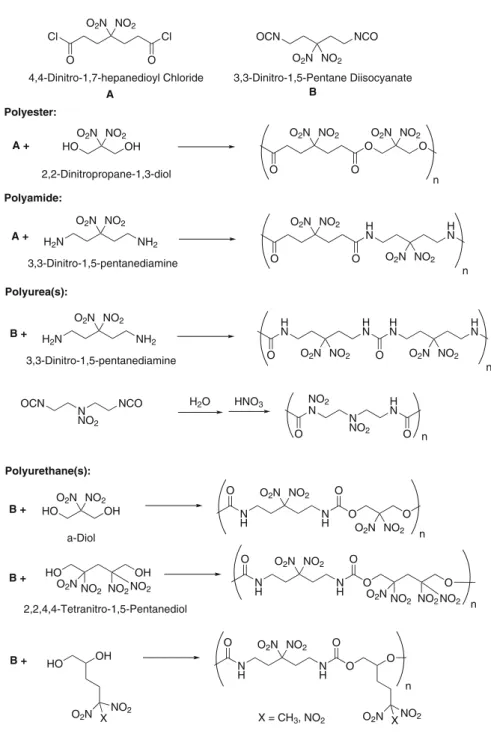
The molecular properties can be widely customized by varying both the length and nitramine content of the dicarboxylic acids, as well as the length and combination of the ethylene glycol-based diols used. A number of analogous polyethers have also been formed by reacting the corresponding nitramine-containing bischloromethyl monomers (instead of dicarboxylic acid) with ethylene glycol based diols [13].
Poly(phosphazene)s
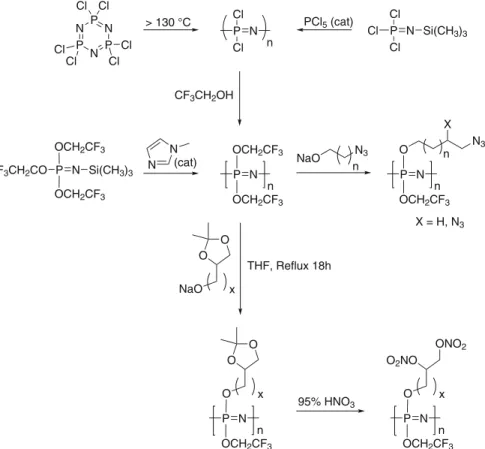
In an attempt to increase the molecular weight of the polymer while simultaneously lowering the glass transition temperature as well as the viscosity of the material, polynitramine/ethers composed of DCDNH with different ratios of ethylene glycol, diethylene glycol and 1,3-propanediol were prepared. . Nitrolysis with 95% nitric acid gives polynitrate-substituted polymers; several different protection groups are available and the degree of substitution is also variable, which allows for tailoring of the relative degree of nitriding and thus the viscosity, oxygen balance and

Polysul fi des
PPZs have been reported with glass transition temperatures as low as −99.5 °C and energy densities as high as 4750 J/cm3. The use of cross-linkable binders in rocket propellant systems allows the mixing of the propellant components as a liquid slurry that is poured into the motor case where it can then harden into a tough rubbery (elastomeric) solid material.
Polybutadienes with Carboxyl Functional Groups
While PBAA and PBAN are both synthesized by free radical emulsion polymerization, CTPB is produced by a more controlled organolithium-initiated (anionic) polymerization. As a result of this chemistry, the functionality, molecular weight, distribution of cis-versus trans-double bonds, and degree of branching are more tightly controlled in CTPB, resulting in improved properties over PBAA and PBAN.
Polyurethanes and Hydroxy-Terminated Polybutadiene (HTPB)
The PBAN connector has been used extremely successfully for several large rocket systems, including the Titan 3, Minuteman as well as Solid Rocket Boosters for the Space Shuttle [20]. Hydroxy-terminated polybutadiene (HTPB) was then developed in the 1960s and eventually provided a higher specific impulse for rocket propellants as well as better mechanical properties.
Nitrated HTPB
Many different diol/triol polymers have been used as the prepolymer component of the binder, including polyesters such as poly(neopentyl glycol azelate) (NPGA) and polyethers such as poly(propylene glycol) (PPG) and poly(butylene glycol) [21]. The glass transition temperature of HTPB can be varied by changing the catalyst used during the polymerization of butadiene, which changes the amount of vinyl content (higher vinyl content leads to lower Tg).
Cyclodextrin Nitrate (CDN)
The advantage of this approach is in the simplicity of production; no melting or temperature controlled environments are required. Many of the polymer systems developed for propellant formulation were quickly adapted for use in explosive formulations as well.
Poly(glycidyl nitrate) (PGN)
More recent studies have suggested that a combination of two mechanisms is most likely at work in the polymerization of alumina to PGN [38]. A notable difference to the UK method was in the production of aluminum monomer by the action of dinitrogen pentoxide (N2O5) on glycidol; this method was used to form several cyclic nitrate ester materials at the time, including glyn and 3-nitratomethyl-3-methyloxetane (NIMMO) [41–43].

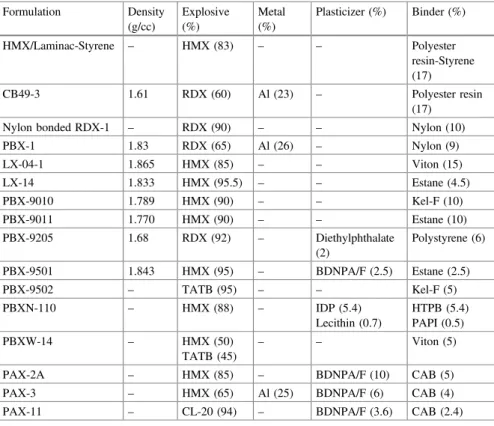
End-Group Modi fi cation of Poly(glycidyl nitrate)
The postulated decomposition method involves chain cleavage caused by the acidity of the hydrogen beta to the nitrate ester combined with the proximity and somewhat basic nature of the urethane nitrogen as shown in Fig.15[50]. It is postulated that the decrease in reactivity may be a result of the lower basicity of nitrogen atom when attached to a phenyl ring (aromatic) than when attached to an aliphatic chain (due to inductive effect of phenyl ring) .
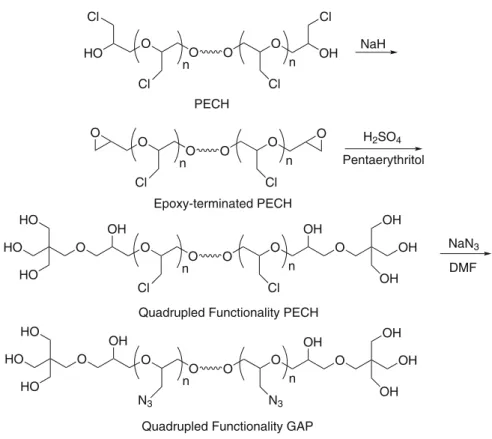
Glycidyl Azide Polymer (GAP)
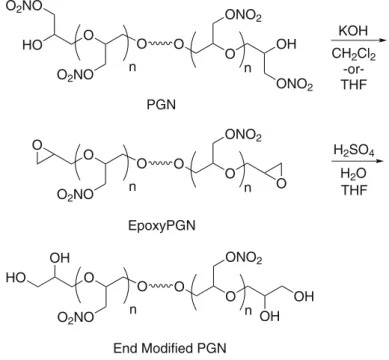
An example of a simple nitramine-containing GAP-based castable explosive formulation is shown in Table 5 and the sensitivity data is shown in Table 6 [62].
Variants of Glycidyl Azide Polymer (GAP)
Other Oxirane-Based Energetic Polymers
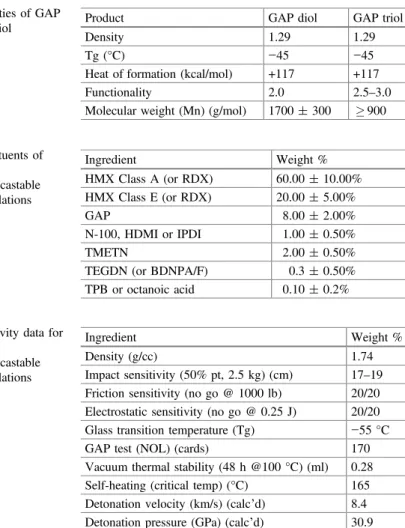
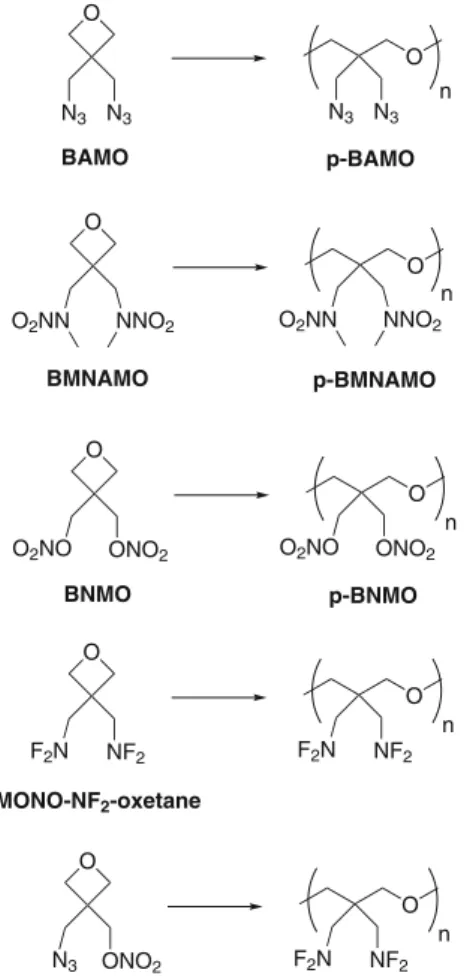
Polymerization of the materials with various di- and trifunctional initiators has resulted in materials with theoretical MWs of up to 12,000 g/mol. Oxetane polymers are prepared from their monomeric units by the same cationic ring-opening polymerization methods used for oxirane polymers, and many of the considerations are identical.
Ring-Substituted Oxetanes
As with oxirane systems, the activated monomer method (AM1) is still preferred for the controlled growth of polymer chains into materials with low polydispersity and reproducible molecular weight. Polymer chain extension in methylene chloride with toluene diisocyanate (TDI) and ferric acetylacetonate (Fe(acac)3) was also described.
Methyl-Substituted Oxetanes
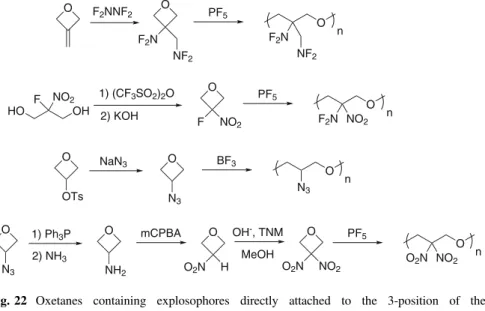
In general, the cationic polymerizations were carried out in the presence of catalytic boron trifluoride and an initiator such as 1,4-butanediol in methylene chloride. It was discovered that in some cases the use of catalytic boron trifluoride-tetrahydrofuranate (BF3THF) produced polymers with improved functionalities and lower polydispersities.
Energetic Thermoplastic Elastomers (ETPE ’ s)
The realization of energetic thermoplastic elastomers required greater control over the polymerization conditions, resulting in the controlled formation of functional blocks within the polymer chain. In: Proceedings of the American Defense Readiness Association Joint International Symposium on Energetic Materials Technology, 5-7. October 1992, Louisiana, USA.

Aluminum Nanopowder
As seen in Fig. 1, with a 4 nm thick oxide layer, an 80 nm aluminum nanoparticle is already up to *85% unreacted aluminum. Unfortunately, the SAM-passivated aluminum nanoparticles ended up yielding only *15% unreacted aluminum due to their very small size compared to the SAM coating.
Iron Nanopowder
Another well-documented non-equilibrium processing technique that can be used to make nanoscale and nanostructured pyrophoric materials is mechanical milling (MM) or milling of metal powders. Hard, brittle materials, such as silicon, can be pulverized to nanoscale particle sizes of less than 100 nm.
Mechanism
At steady state, size reduction is no longer thermodynamically favored and the particle size reaches a lower limit, dmin, but further structural deformations (eg, alloying) are possible. It is typical when producing pyrophoric materials to stop grinding in the early or intermediate stages (<2 hours in a high energy ball mill) where flame formation and particle size reduction mechanisms dominate.
![Fig. 7 Schematic of particle entrapment during high energy mechanical milling of a single brittle particles b a ductile and brittle particle blend c single ductile particles [23]](https://thumb-ap.123doks.com/thumbv2/123dok/10298306.0/151.659.105.574.87.197/schematic-particle-entrapment-mechanical-milling-particles-particle-particles.webp)
Process Control
PCAs contribute to contamination of the powders and are embedded in folds and inclusions in the powder during milling. The grinding chamber, the attritor blades and the grinding media also all contribute to contamination of the powder.

Tunability
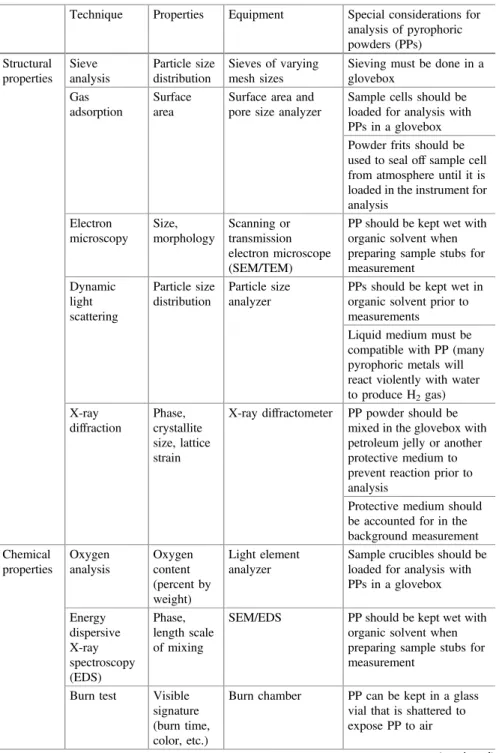
Sample cells should be loaded with PPs in a glove box for analysis. Powder frits should be used to seal the sample cell from the atmosphere until it is loaded into the instrument for analysis. SEM/EDS PP should be kept wet with organic solvent when preparing sample stubs for measurements.
Substrate/Structure Production Techniques
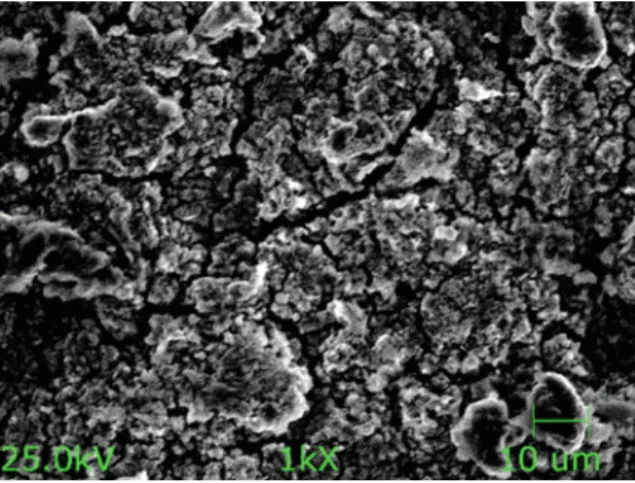
After coating, the FeOOH gels were calcined to form Fe2O3 nanoparticles on the surface of the substrates. The ceramic additive was used in the formation of the substrates to provide strength after the removal of the organic binder.
Dynamic Combustion Characteristics
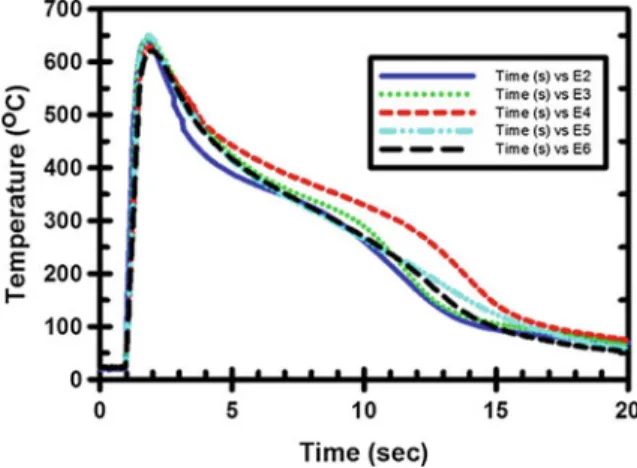
For these materials, higher consolidation pressure reduced the porosity of the structures, thereby limiting the pyrophoric response. The iron/ceramic composite substrates were characterized by dynamic analysis of the pyrophoric reaction in a flowing air atmosphere using infrared pyrometers.
Tunability Through Addition of Tertiary Reactives
Surface area is a function of particle size, but there are other ways to achieve high surface area materials besides reducing particle size. However, much of the development work in the field of metallic materials for energy applications has so far been limited to metallic nanopowders; the latest morphologies of metallic materials are largely overlooked, and there are few literature reports on their energetic application.
Metallic Foams
It was emphasized that the microstructure of materials can be controlled by adjusting the composition and distribution of reactants, and the porosity of the material depends on the percentage of reactive agents present in the synthesis matrix, which mainly contain hydrogen absorbed in elemental powders. Further heat treatment of the xerogel (or airgel) in a reducing atmosphere led to the formation of a porous iron material that had a relatively large surface area and could be ignited using a heat source such as a flame.
Metallic Composite Foams
Since the degradation of the precursor of iron metal molecules or clusters and the carbonization of the polymeric matrix both occur simultaneously, the synergy between these chemical reactions is fully exploited. The gaseous products of the decomposition serve as foaming and activating agents for the carbonization of the polymeric matrix, while the evolving carbon matrix is continuously excised to accommodate the newly formed pyrophoric iron particles.
![Fig. 21 Carbon foams produced by the conventional “ blowing ” process (left) and mesophase pitch-based carbon foam (right) [67]](https://thumb-ap.123doks.com/thumbv2/123dok/10298306.0/172.659.88.575.89.325/carbon-foams-produced-conventional-blowing-process-mesophase-carbon.webp)
Safety, Handling, and Characterization
Summary Propellant burn rate is one of the most desirable pieces of information for rocket engine design. The new models attempted to explain important aspects of APCP combustion that were not captured by previous models, such as the pressure dependence of the burning rate and the oxidant particle size distribution [2].
Linear Burning Rate Measurements
The environment is harsh with high pressures and temperatures; and the flame is generally dirty, making the flame test a difficult problem. Ideal experimental techniques are minimally intrusive, temporally and spatially resolved, species-, temperature-, or rate-specific, often multichannel, and stable [ 53 ].
Optical Emission and Transmission
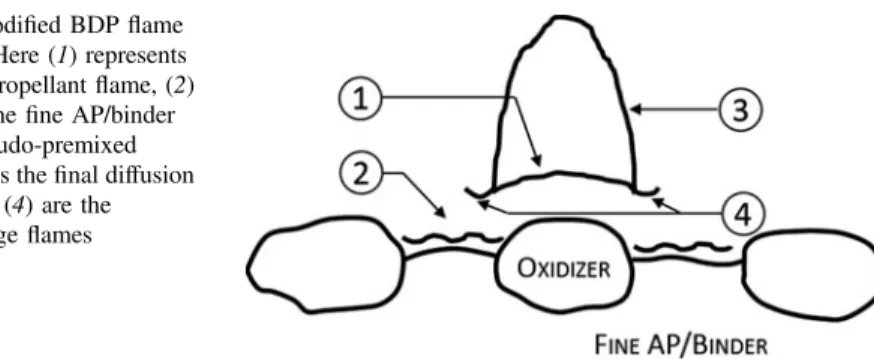
Furthermore, conduction is the natural state of an AP/HTPB propellant, and experimental methods require fast time responses to capture even the largest crystal timescale (on the order of 100 ms). These techniques are particularly useful in relating flame structure to different binder configurations and have been used to help determine the properties of the primary diffusion flame.
Laser Induced Fluorescence
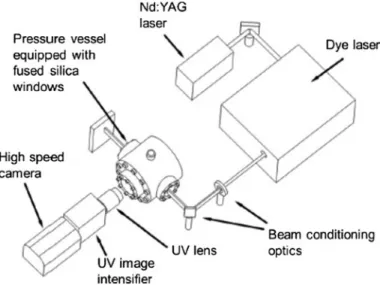
Scanned PLIF has recently been used in solid propellants to create pseudo-3D images of the burning surfaces of the solid propellants [70]. Other methods, including Raman scattering schlieren imaging [71], emission spectroscopy [72], thermocouple measurements and infrared surface temperature measurements [73] have been used to investigate the flame structure of propellant.
Counter fl ow Diffusion Flames
The hydrogen concentration also decreases with distance from the AP surface, indicating the formation of HCl. Although the peak temperature occurred in the region of the diffusion flame, the maximum heat release occurred close to the AP surface due to the highly exothermic chlorine chemistry [69].
Ported Pellets
Flame structure and regression rate were found to be sensitive to impurities in AP [69]. Diffusion is thought to play a role in the ignition delay, as the gaseous fuel will have to mix with AP breakdown products.
Sandwich/Lamina
If the bond pyrolysis/decomposition products are relatively small molecules, the LEF will sit closer to the surface. As the binder lamination thickens, LEF can form closer to the surface due to increased fuel supply.
Monomodal
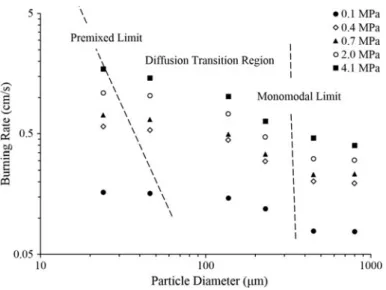
The increased flame height causes a decrease in heat flow back to the propellant surface and a corresponding decrease in burning rate. As the particle size increased, there was a decrease in the burning speed and the appearance of diffusion flame structures.
Bimodal