Intramolecular hydrogen-shift reactions of peroxy radicals
Thesis by
Eric Praske
In Partial Fulfillment of the Requirements for the degree of
Doctor of Philosophy
CALIFORNIA INSTITUTE OF TECHNOLOGY Pasadena, California
2019
Defended September 20, 2018
2018 Eric Praske
ORCID: 0000-0001-7169-4423
ACKNOWLEDGEMENTS
I sincerely thank my advisor, Paul Wennberg, for his support and guidance throughout my tenure as a graduate student. I have appreciated all the stimulating conversations, constructive feedback, and the many hours spent working patiently on manuscript drafts. I have learned so much from Paul’s tremendous chemical insight. To the remainder of my committee – John Seinfeld, Mitchio Okumura, and Jack Beauchamp – thank you for your support and caring about my future.
None of what I achieved would have been possible without the extraordinary support of John Crounse. John, aside from being our instrument guru and a phenomenal resource, guided me through my first year in the lab. I have succeeded in every project due to John’s assistance and helpful feedback and discussions. Jason St. Clair also substantially contributed to my success during my first year. I also thank Jason for welcoming me into the group and for organizing social activities.
I had the distinct pleasure of collaborating with Henrik Kjaergaard’s group at the University of Copenhagen. Rasmus Otkjær, Kristian Møller, and Theo Kurtén performed much of the computational heavy lifting that was required for our studies. I was fortunate to visit the University of Copenhagen in 2017 and I credit this visit with substantially accelerating the publication of my second work.
I am grateful to Caleb Hethcox in Brian Stoltz’s group who provided reagents that enabled my research. I’d also like to acknowledge Nora Oshima, Kathy Young, and Kathy Bravo who all made sure that funding flowed, that our offices and labs were operating properly, and that materials for research projects were efficiently procured.
Although not presented in this thesis, I appreciate the opportunity I had to conduct field work in Michigan and the amazing people who shared that experience with me. I especially acknowledge Krystal Vasquez, Hannah Allen, Steve Bertman, Dylan Millet, Geoff Tyndall,
Dede Montzka, Nate Slade, and Jean Rivera-Rios. I have fond memories of the late nights spent on the shores of Douglas Lake after challenging days at the field site.
Fellow colleagues Alex Teng, Becky Schwantes, Kelvin Bates, Lu Xu, Ran Zhao, and Jacob Hedelius passed along words of wisdom and advice that were much appreciated. It is my sincere hope that I have done an adequate job of conveying many of these same messages to the next generation of students.
I was actively involved in a science policy group that significantly contributed to my decision to pursue a career in policy. For this I thank Kat Saad, who was the driving force behind the creation of the policy group and what it eventually became. I hope that my contributions to the group have helped solidify Kat’s legacy.
I decided to begin this journey at Caltech due to the outstanding mentorship of my undergraduate advisor, Katie Purvis-Roberts. I thank Katie for believing in my abilities and for her unrelenting encouragement.
I would be remiss not to acknowledge the memorable moments I shared with officemates Ted Present, Cody Finke, Guillame Paris, and Nithya Thiagarajan. And, of course, I acknowledge the friendship and support from ESE compadres Zach Erickson, Giuliana Viglione, and Xiaozhou Ruan. Caltech has been a wonderful place to work due to the companionship of all those mentioned and countless others.
Finally, I will forever be indebted to my family who have been amazingly supportive, appreciative, and proud of what I have achieved.
ABSTRACT
Straight chain alkanes with more than five carbons, emitted in cities due to incomplete combustion and fuel evaporation, undergo atmospheric gas-phase oxidation with the hydroxyl radical to produce alkyl radicals. These alkyl radicals subsequently add O2, leading to the formation of peroxy radicals. Following further reaction of these radicals in urban areas, hydroxy-substituted peroxy radicals are formed. Previously, the fate of these peroxy radicals was assumed to be dominated by reaction with nitric oxide, a common air pollutant.
Computational and experimental investigations of the oxidation mechanism of 2-hexanol, however, demonstrate that hydrogens α to the hydroxy group exhibit a significantly reduced energetic barrier toward intramolecular hydrogen shifts to the peroxy radical. The barrier reduction for these hydrogen shift reactions results in rate constants that are orders of magnitude larger than for alkyl hydrogens that lack α substitution. Due to significant reductions of nitric oxide emissions in North America, these rate constants are sufficiently large to suggest that this chemistry is competitive even in large cities, particularly during warm summer days. Gas-phase alkyl hydroperoxides, a class of compounds previously expected to exist in negligible quantities in cities, are major products of this chemistry.
Further oxidation of alkyl hydroperoxides leads to the formation of hydroperoxy-substituted peroxy radicals. The chemistry of such peroxy radicals is evaluated through the oxidation of 2-hydroperoxy-2-methylpentane. Experimental observations confirm the previously reported computational result that these peroxy radicals rapidly isomerize by intramolecular hydrogen shift of the hydroperoxide hydrogen. This isomerization occurs on timescales that are much faster than those of bimolecular reaction in essentially all regions of the troposphere. As a consequence of the isomerization, one peroxy radical isomer produced in the oxidation of 2-hydroperoxy-2-methylpentane exhibits an α hydroperoxide hydrogen shift. This reaction rate constant is similar to that reported for the α hydroxy hydrogen shift in the 2-hexanol system.
Alkoxy radicals produced in the oxidation of 2-hydroperoxy-2-methylpentane are similarly shown to undergo a very rapid hydrogen shift of the hydroperoxide hydrogen. One of these
shifts results in a peroxy radical that exhibits an α hydroxy hydrogen shift. Thus, the rapid scrambling of hydroperoxy-subsituted alkoxy and peroxy radicals is a key process that can enable additional unimolecular pathways that are otherwise inaccessible. This chemistry has the potential to introduce significant mechanistic complexity and, due to the rapid nature of the reactions, cannot be neglected even under typical “high NO” conditions employed in chamber studies.
PUBLISHED CONTENT AND CONTRIBUTIONS
Praske, E. et al. (2018). “Atmospheric autoxidation is increasingly important in urban and suburban North America”. In: Proc. Natl. Acad. Sci. U.S.A. 115.1, pp. 64-69. doi:
10.1073/pnas.1715540115.
E.P. performed experiments, analyzed data, and wrote the paper.
Praske, E. et al. (2015). “Atmospheric Fate of Methyl Vinyl Ketone: Peroxy Radical Reactions with NO and HO2”. In: J. Phys. Chem. A. 119.19, pp. 4562-4572. doi:
10.1021/jp5107058.
E.P. performed experiments, analyzed data, and wrote the paper.
TABLE OF CONTENTS
Acknowledgements………...iii
Abstract ……….v
Published Content and Contributions………...vii
Table of Contents………viii
List of Illustrations………...……….……ix
List of Tables.……….……xiii
Chapter I: Introduction ... 1
Chapter II: Atmospheric Fate of Methyl Vinyl Ketone: Peroxy Radical Reactions with NO and HO2 ... 4
Abstract ... 4
Introduction ... 5
Experimental methods ... 6
Quantum chemical methods ... 14
Results and discussion ... 16
Quantum chemical calculations ... 26
Atmospheric implications ... 28
Conclusions ... 30
Chapter III: Atmospheric autoxidation is increasingly important in urban and suburban North America ... 36
Abstract ... 36
Introduction ... 37
Results and Discussion ... 39
Atmospheric Implications ... 47
Chapter IV: Intramolecular Hydrogen Shift Chemistry of Hydroperoxy- substituted Peroxy Radicals ... 56
Abstract ... 56
Introduction ... 57
Methods ... 60
Results and Discussion ... 66
Atmospheric Implications ... 75
References ... 76
Chapter V: Conclusions and Outlook ... 83
Appendix A: Supporting Information for Chapter II ... 85
Appendix B: Supporting Information for Chapter III... 110
Appendix C: Supporting Information for Chapter IV ... 155
LIST OF ILLUSTRATIONS
Chapter II Page
Figure 1. Diagnostic experiments using commercially available precursors were conducted to identify structures associated with mass signals in MVK oxidation. The detected products resulting from NO/HO2
reaction are shown. ... 10 Figure 2. Reaction profiles demonstrating the HO2 and NO dependence of
the chemistry. Species shown are glycolaldehyde (dark blue), a 4,3- hydroxy hydroperoxide (green), an α-diketone (red), organic nitrates (×10, orange), and MVK (light blue diamonds). Data are derived from a) experiment 2 in the low NO regime and b) experiment 8 in the high NO regime. Error bounds reflect the uncertainty in the GC- FID quantification of MVK. ... 16 Scheme 1. Proposed mechanism for the high NO regime (after Tuazon and
Atkinson).6 Observed species are indicated in blue. Branching and yields (T = 296 K, P = 993 hPa) are in red. ... 20 Scheme 2. Proposed mechanism for the OH-initiated oxidation of MVK
following R1a in the HO2-dominated regime. Observed products are indicated in blue. Yields (T = 296 K, P = 993 hPa) are in red. ... 22 Figure 3. Photolysis the 4,3-hydroxy hydroperoxide, assuming cleavage of
the O-OH bond, is expected to form PA, glycoladehyde, and recycle OH. Rapid photolysis of this species was observed. ... 24 Figure 4. A 1,5 H-shift, as suggested by Peeters et al. and Asatryan et al.,19,
54 is difficult to detect by the end products alone, as two pathways exist to their formation. ... 25 Figure 5. Relative energies (ΔG298K) for the three RO2 + HO2 channels. We
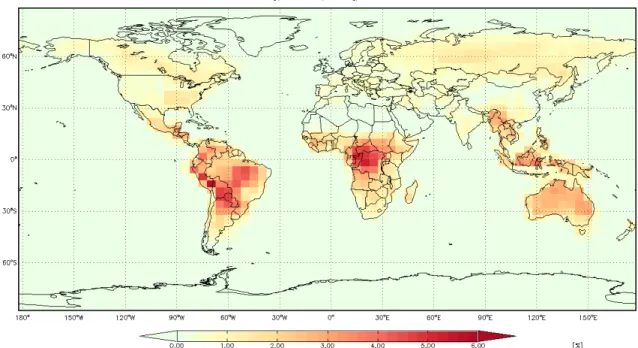
have used wB97XD/aug-cc-pVTZ thermochemistry with ROHF- ROCCSD(T)-F12/VDZ-F12 energies. The wB97XD/aug-cc-pVTZ geometries for each of the stationary points are shown. ... 26 Figure 6. Annual-averaged OH mixing ratio difference for 2012 resulting
from the revised MVK mechanism (MVK + RCO3). Results are reported for 0-1 km above the surface. ... 29 Chapter III
Scheme 1. The mechanism to produce the 2,5 RO2 (orange box) from n- hexane in the atmosphere is shown. This RO2 reacts with NO to produce a hydroxy ketone (RONO2, as shown in Scheme 3, are also produced in a minor channel). Competing with this chemistry is a unimolecular 1,6 RO2 H-shift (autoxidation), which produces a ketohydroperoxide and HO2, after further reaction with O2. The first
order rate constants are provided at 300 K and one atmosphere of pressure. ... 38 Scheme 2. We oxidize 2-hexanol with OH in air to produce a suite of RO2
radicals including the 2,5 RO2 (orange box) shown in Scheme 1. ... 39 Figure 1. A chromatogram of five first generation organonitrate (RONO2)
isomers formed in the OH oxidation of 2-hexanol. We measure the isomer distribution relative to the 2,3 isomer at different bimolecular lifetimes (τbimolecular). Loss of the 2,4 and 2,5 RONO2 is evident in the experiment at τbimolecular≈4 s (black) compared to the experiment at τbimolecular < 0.03 s (red). Details on structural assignment can be found in the SI. ... 40 Scheme 3. Peroxy radicals produced in the reaction of OH with 2-hexanol
produce organonitrates (RONO2, blue boxes) after reaction with NO, in a branching ratio measured here to be ~25% at 296 K. Reaction with HO2 produces hydroperoxides (ROOH). In competition with bimolecular chemistry, the 2,4 RO2 undergoes a unimolecular H- shift to produce QOOH. By measuring the changing yield of the 2,4 and 2,5 RONO2 isomers relative to that of the 2,3 RONO2, an isomer that isomerizes negligibly under the conditions of these experiments, we experimentally constrain the H-shift rate constant. The chemistry of the 2,5 RO2 radical (not shown) parallels that of the 2,4 isomer. ... 41 Figure 2. Comparison of experimental (black dots) and computational (red
lines) results at 296 K for the 1,5 H-shift (top) and 1,6 H-shift (bottom). We demonstrate the difference in calculated 2,5 RO2 H- shift rate coefficients between S,R and S,S diastereomers with the two dashed red lines that, when combined assuming an initial racemic mixture, produce the solid red line. The gray shaded region represents the range of uncertainty in the calculated rates. ... 43 Figure 3. ωB97X-D/aug-cc-pVTZ optimized structures of the lowest energy
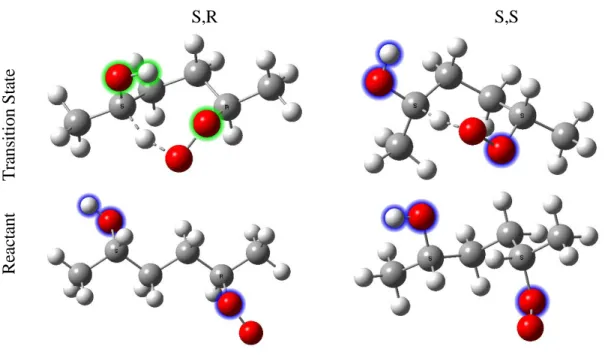
conformers of the reactant and transition state. The S,R diastereomer of the 2,5 RO2 exhibits a hydrogen bond-like interaction which stabilizes the TS. Consequently, the H-shift rate of this isomer is enhanced by a factor of ~5. Green halos indicate atoms involved in the hydrogen bond-like interaction. Blue halos are used when no such interaction exists. ... 46 Scheme 4. Formation mechanism of ketohydroperoxides (blue highlighted).
Hydrogen atoms involved in the H-shifts are orange highlighted.
Also shown is the route to hydroxy ketohydroperoxides, suspected products of a 1,5 H-shift from the 2,5 RO2. Approximate, calculated rate coefficients are provided where available at 296 K. ... 47 Chapter IV
Scheme 1. Peroxy radicals (RO2) formed following OH-initiated oxidation of 2-hydroperoxy-2-methylpentane. Abstraction of the
hydroperoxide hydrogen is a major channel (a). Abstraction of secondary alkyl hydrogens, (b)-(c), dominates over that of primary alkyl hydrogens, (d)-(e). ... 58 Scheme 2. RO2 formed following pathways (b) and (c) in Scheme 1 undergo
rapid H-shifts of the hydroperoxy hydrogen producing two pairs of RO2 (denoted here as 2,3 and 2,4 RO2). In the presence of NO, these RO2 form distinct hydroperoxynitrates (HPN) that are quantified in this work (shown in boxes). For the 4-hydroperoxy-2-methyl-2- peroxy isomer of the 2,4 RO2, a unimolecular 1,5 α-OOH H-shift competes with the bimolecular reaction with NO. The forward rate coefficients shown are those measured at 296 K. The reverse rate coefficients for the 2,3 and 2,4 RO2 are similar given the measured distribution of the products of the two sets of isomers. ... 59 Scheme 3. Pathways following reaction of RO2 with NO. In addition to the
organonitrate pathway shown in Scheme 2, the reaction of RO2 with NO produces alkoxy radicals. These alkoxy radicals rapidly isomerize to produce hydroxy RO2 which react with NO to produce hydroxy nitrates (HN - boxes) and other products. The 4-hydroxy-2- methyl-2-peroxy RO2 can also undergo a 1,5 α-OH H-shift. β- scission is only expected to be competitive for the 2,3 alkoxy radicals and thus this pathway is omitted in the scheme for the remaining alkoxy radicals. ... 60 Scheme 4. Chromatographic assignment is based on the oxidation of
commercially available precursors. A) The NO3-initiated oxidation of 2-methyl-2-pentene produced the 2,3 HPN from 2-hydroperoxy- 2-methylpentane. B) The OH-initiated oxidation of 4-methyl-2- pentanol produces the HN isomer shown in the orange box in Scheme 3. ... 64 Figure 1. The RONO2 are separated and identified by GC-CIMS.
Chromatographic assignment of the HPN (clustered with CF3O-at m/z 264): A) OH-initiated oxidation of 2-hydroperoxy-2- methylpentane B) NO3-initiated oxidation of 2-methyl-2-pentene (see Scheme 4A) produced the 2,3 HPN isomers. Chromatographic assignment of the HN(m/z 248): C) OH-initiated oxidation of 2- hydroperoxy-2-methylpentane. Note the relatively lower abundance of the 2,3 HN as compared to the 2,3 HPN in panel A. As discussed in the text, we attribute this to the fast decomposition of the 2,3 alkoxy radicals, which outruns the 1,5 alkoxy H-shift of the hydroperoxide hydrogen (see Scheme 3). D) OH-initiated oxidation of 4-methyl-2-pentanol (see Scheme 4B) primarily produced the tertiary HN. In each of the chromatograms, the signal has been normalized to the intensity of the tallest peak. ... 65 Figure 2. Two chromatograms following 2-hydroperoxy-2-methylpentane
oxidation at 318 K are displayed. The loss of the 2,4 HPN is apparent
in the experiment at τbimolecular ≈ 5 s (red) compared to the experiment at τbimolecular≈ 0.1 s (black). Measurement of the ratio 2,4 HPN:2,3 HPN as a function of bimolecular lifetime is used to estimate the α-OOH H-shift. The black line chromatogram has been normalized to the intensity of the tallest peak, while that of the red line has been normalized to the 2,3 HPN reference. ... 70 Figure 3. Experimental data used to constrain the 1,5 α-OOH H-shift at 296
K (black squares) and 318 K (red circles). The solid black (296 K) and dashed red (318 K) lines are simulations using the calculated 1,5 α-OOH H-shift rate together with the assumption that the concentration of the 2-OO-4-OOH isomer is equal to that of the 2- OOH-4-OO isomer. Both the model and experimental points have been normalized by the mean of the ratio obtained at the two shortest τbimolecular. Due to the limitations of our method, it is not possible to lengthen τbimolecular beyond 100 s; thus, the sigmoidal tail at long lifetimes is poorly constrained. ... 71 Figure 4. Experimental data used to constrain the 1,5 α-OH H-shift at 296 K
(black squares) and 318 K (red circles). Simulated curves using computational results for the α-OH H-shift are shown at 296 K (solid black) and 318 K (dashed red). The simulations use the experimentally constrained rate coefficient for the 1,5 α-OOH H- shift (Table 3), while the calculated rate coefficient is used for the 1,5 α-OH H-shift. Both the model and experimental points have been normalized by the mean of the ratio obtained at the two shortest τbimolecular. ... 72
LIST OF TABLES
Chapter II Page
Table 1. List of photo-oxidation experiments performed. ... 13 Table 2. List of diagnostic experiments performed. Parentheses are used to
indicate the isolation of peroxy radicals produced by reactions R1a or R1b. ... 14 Table 3. Measured yields based on experiments 7 and 8 for the high NO
regime and experiments 1-3 for the RO2 + HO2 regime.
Methylglyoxal was not measured in these experiments. ... 17 Table 4. Energetics of the Different RO2 + HO2 Channels. ... 28 Table 5. Comparison of various model scenarios with the increase determined
relative to the base chemistry (see SI for scenario definitions). Global mean OH values were determined by averaging over all space between 0-1 km above the surface. ... 30 Chapter III
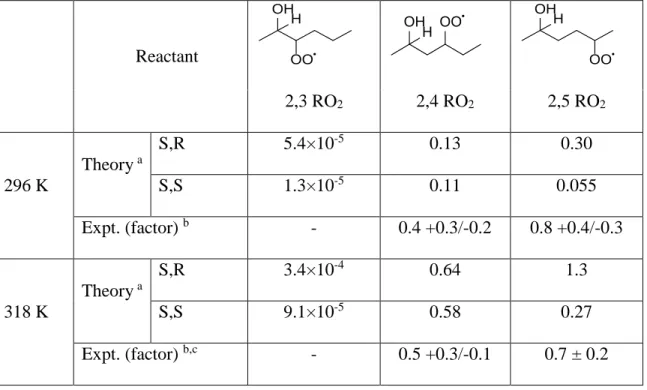
Table 1. H-shift rate coefficients (s-1) and factors derived from theory and experiment. ... 45 Chapter IV
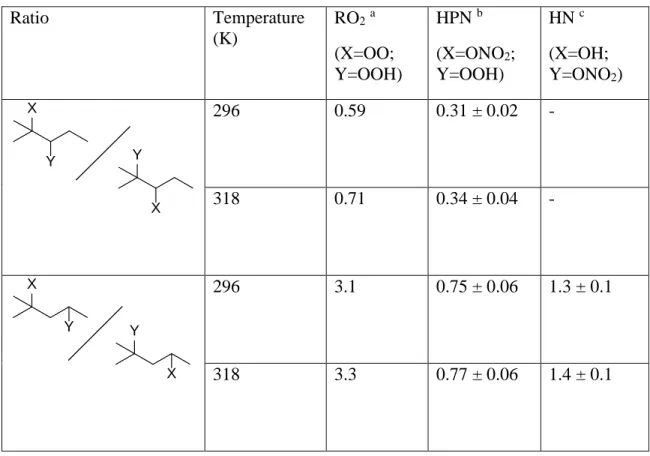
Table 1. Comparison of the calculated ratio of the equilibrated RO2 isomers and the measured ratio of their products. ... 67 Table 2. MC-TST calculated rate coefficients for selected H-shifts of alkyl
hydrogens at 298.15 K for the reference RO2, with the abstracted hydrogen shown explicitly in bold. ... 68 Table 3. α-OOH and α-OH H-shift rate coefficients (s-1) derived by theory
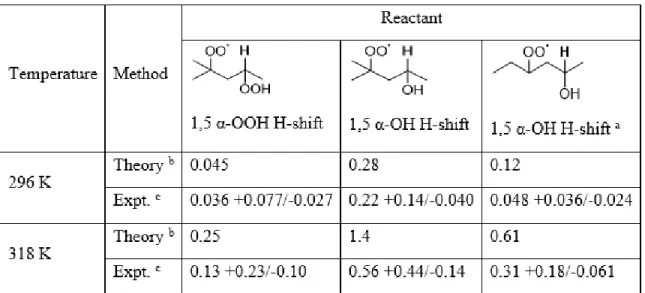
and experiment. ... 74
C h a p t e r 1
INTRODUCTION
Atmospheric chemistry involves the study of gas and particle phase emissions and their subsequent transformation and fate. Most atmospheric chemists spend their time studying the reactivity and physical properties of trace gases and particles that comprise less than 0.1%
by volume of Earth’s atmosphere. Despite their low abundance, these trace constituents profoundly influence air quality and climate. Due to the strong oxidizing nature of Earth’s atmosphere, a significant aspect of atmospheric chemistry involves the elucidation of oxidation mechanisms of hydrocarbons, important components of these trace species. The gas-phase oxidation of hydrocarbons is typically initiated by the hydroxyl radical (OH), nitrate radical, or ozone.
This thesis is broadly concerned with the OH-initiated oxidation mechanism of hydrocarbons. This mechanism generally entails the formation of alkyl radicals, which promptly add O2 in air to produce peroxy radicals (RO2). During the early years of atmospheric chemistry, research was primarily devoted to understanding the interaction of oxides of nitrogen (NOx = NO + NO2) with RO2. Research at Caltech in the 1950s led to the discovery that RO2 react with NO to produce NO2. NO2 promptly photolyzes in sunlight and air to yield ozone, one of the main pollutants contributing to photochemical smog. Due to this finding, a multitude of air quality regulations over the past several decades have aimed to reduce NOx levels. As NOx emissions have steadily decreased, a greater share of the research has been devoted to understanding the effect of this transition on the fate of RO2. Typically, as NOx is decreased, the complexity of the oxidation mechanism increases.
Additionally, reactions in this lower NOx regime tend to produce unstable compounds (e.g.
peroxides) that are difficult to quantify. For these reasons, considerable effort must be expended to ensure that these mechanisms are properly assigned.
The reaction of RO2 with the hydroperoxyl radical (HO2) is one pathway that is accessible in the lower NOx regime. Chapter 1 reports the oxidation mechanism of methyl vinyl ketone (3-buten-2-one, MVK) under conditions in which the RO2 fate is dominated by HO2. MVK is an important atmospheric degradation product of isoprene, a hydrocarbon emitted in large quantities by the biosphere. OH reacts with MVK almost exclusively by addition across the olefin to produce two distinct β-hydroxy RO2. We discovered reaction channels that recycle OH and HO2, which together comprise the HOx family. Thus, the chemistry of MVK in the RO2 + HO2 channel was found to be much less HOx consuming than previously thought. A chemical transport model was used to demonstrate that this chemistry has an impact on oxidant budgets over large forested regions such as the Amazon.
Chapter 2 significantly departs from the theme of the previous chapter and focuses on the title of this thesis. New experimental and computational approaches were applied to determine the effect of the transition to lower NOx regimes in urban areas. Specifically, we studied OH-initiated n-alkane oxidation under varying abundances of NO. Alkanes are emitted in cities from natural gas distribution and are present in vehicle tailpipe exhaust. In general, small alkanes (C1-C4) arise from natural gas, medium sized alkanes (C4-C8) arise from gasoline vehicles, and large alkanes (≥C8) arise from diesel vehicles. As alkanes with more than five carbons oxidize in the presence of NO, hydroxy-substituted RO2 are produced. Our study focused on the chemistry of these hydroxy-substituted RO2.As NO decreased in our experiments, some of these RO2 isomers began to react through intramolecular hydrogen shifts (H-shifts). We discovered that the hydroxy group lowers the intramolecular H-shift barrier for α hydrogens and, consequently, significantly increases the rate constants of these reactions. As a result, the rate constants are sufficiently large that these reactions directly compete against the RO2 + NO chemistry, even under modestly polluted conditions. The overall significance of the chemistry is attributed to the formation of hydroperoxy-substituted alkanes, a class of compounds previously not thought to be formed in urban gas-phase oxidation.
Chapter 3 applies the same experimental and computational method to study H-shifts in a hydroperoxy-substituted alkane. The alkane employed in this study lacked a hydrogen α to the hydroperoxy moiety due to tertiary carbon substitution. Therefore, the initially produced RO2 were unable to undergo fast alkyl H-shifts. However, theoretical work had previously suggested that RO2 undergo rapid isomerization with nearby hydroperoxy hydrogens such that a pair of RO2 isomers is formed (e.g. HOOROO· ⇌ ·OOROOH). Our study confirmed this result and demonstrated that an equilibrium within the RO2 pair is established on timescales much faster than those typical of bimolecular chemistry. Due to asymmetry in the substrate, the RO2 that comprised these pairs were distinct and, therefore, each possessed unique reaction channels. One of the RO2 in the pair had an accessible α-OOH H-shift pathway. This configuration resulted in an activated hydrogen and therefore enhanced the H- shift rate constants in a manner similar to that observed with α-OH hydrogens in Chapter 2.
Thus, this study clearly demonstrated the importance of the rapid isomerization of hydroperoxy-substituted RO2.
Overall, this thesis contributes to a comprehensive understanding of the oxidation mechanisms of hydrocarbons. Specifically, gas-phase alkane oxidation in the lower NOx
regime is reported, although the findings almost certainly apply to a much broader array of substrates. As this thesis demonstrates, it is important to account for intramolecular H-shifts due to the formation of organic hydroperoxides, as well as the unique reaction channels enabled in the further oxidation of these species.
C h a p t e r 2
ATMOSPHERIC FATE OF METHYL VINYL KETONE: PEROXY RADICAL REACTIONS WITH NO AND HO2
Praske, E. et al. (2015). “Atmospheric Fate of Methyl Vinyl Ketone: Peroxy Radical Reactions with NO and HO2”. In: J. Phys. Chem. A. 119.19, pp. 4562- 4572.
Abstract
First generation product yields from the OH-initiated oxidation of methyl vinyl ketone (3- buten-2-one, MVK) under both low and high NO conditions are reported. In the low NO chemistry, three distinct reaction channels are identified, leading to the formation of 1) OH, glycolaldehyde, and acetyl peroxy (R2a), 2) a hydroperoxide (R2b), and 3) an α-diketone (R2c). The α-diketone likely results from HOx-neutral chemistry previously only known to occur in reactions of HO2 with halogenated peroxy radicals. Quantum chemical calculations demonstrate that all channels are kinetically accessible at 298 K. In the high NO chemistry, glycolaldehyde is produced with a yield of 74 ± 6.0%. Two alkyl nitrates are formed with a combined yield of 4.0 ± 0.6%. We revise a 3-D chemical transport model to assess what impact these modifications in the MVK mechanism have on simulations of atmospheric oxidative chemistry. The calculated OH mixing ratio over the Amazon increases by 6%, suggesting that the low NO chemistry makes a non-negligible contribution toward sustaining the atmospheric radical pool.
Introduction
MVK is one of the most abundant oxygenated volatile organic compounds in the Earth’s atmosphere. It is a major product of the gas-phase oxidation of isoprene, a compound emitted by terrestrial vegetation to the atmosphere at a rate of approximately 500 Tg/yr.1 Oxidation of isoprene by the hydroxyl radical (OH) produces MVK with a yield that depends on the concentrations of NO and HO2,and temperature. MVK is also produced during the oxidation of isoprene by ozone and has been quantified in car exhaust.2-3 Globally, approximately 100 Tg of MVK are produced annually from isoprene according to the simulations described here.4
MVK has an atmospheric lifetime of approximately 10 hours with respect to oxidation by OH ([OH] = 1.5 x 10⁶ molecules/cm3), which constitutes its principal atmospheric loss process.5 OH adds to either of the two olefinic carbon atoms forming distinct alkyl radicals.
In the atmosphere, these alkyl radicals rapidly react with O2 forming peroxy radicals (RO2):
O OH
CH•
O OH O2 O
OO
OH R1a
O OH
CH2• O
OH
O2 O OH
OO R1b
Tuazon et al. studied the OH-initiated MVK oxidation in the gas phase and determined that R1a accounts for 72 ± 21% of the OH reactivity with the remaining following pathway R1b.6 The dominant fate of RO2 radicals in the atmosphere is reaction with either HO2 or NO. The reaction of MVK-derived RO2 and NO to produce NO2, HO2, and carbonyl products has been previously characterized. Glycolaldehyde, methylglyoxal, formaldehyde, and peroxyacetyl nitrate have all been quantified as the primary first generation products of MVK oxidation under conditions where reaction with NO dominates the RO2 fate.6-7 The yields of glycolaldehyde and methylglyoxal through NO-mediated chemistry were determined to be 64 ± 8% and 25 ± 4%, respectively.6 The yield of organic nitrates has been estimated to be 10 ± 10%.8 Alkyl nitrates are of interest due to their interactions with aerosol as well as their
ability to act as temporary reservoirs of NOx, which can be transported and lead to ozone formation downwind.9
The primary focus of this study is the chemistry of the reaction of the RO2 radicals formed in R1a and R1b with HO2. This chemistry is notably distinct given the diverse set of reactions that RO2 + HO2 may undergo.10 Traditionally, these reactions have been viewed as sinks for atmospheric radicals through the formation of organic hydroperoxides.11 As demonstrated here, however, this chemistry is largely HOx neutral in the case of MVK. Two reaction channels (R2a-R2b), previously described for the reaction of acetonyl RO2 and HO212-15, are observed to occur for MVK RO2 with substantial yields. We have also identified a carbonyl forming channel (R2c), which has only been reported in the reactions of halogenated RO2
with HO2.16-18 The reaction pathways are shown below:
CH3C(O)CH(O2●)CH2OH + HO2 →CH(O)CH2OH + CH3C(O) + OH + O2 R2a
→CH3C(O)CH(OOH)CH2OH + O2 R2b
→CH3C(O)C(O)CH2OH + OH + HO2 R2c
The discovery of efficient HOx recycling in MVK chemistry adds to the growing number of new findings that the oxidation of isoprene and other biogenic alkenes in low NO environments is less HOx consuming than previously understood.19-22 Here, we use the GEOS-Chem atmospheric chemical transport model to evaluate the impact of this chemistry on simulated OH levels within the lower atmosphere.
Experimental methods
We performed a series of photo-oxidation experiments in a small Teflon-walled chamber (Table 1). Experiments were designed to evaluate the products of reactions of the peroxy radicals formed in R1a and R1b with both NO and HO2. To evaluate the importance of unimolecular reactions of these peroxy radicals, we also investigated the dependence of the product distribution on peroxy radical lifetime.
CHEMICALS
Methyl vinyl ketone (99%, Sigma Aldrich), 3-hydroxy-2-butanone (≥ 96%, Sigma-Aldrich), 4-hydroxy-2-butanone (95%, Sigma-Alrich), glycolaldehyde dimer (Sigma-Aldrich), H2O2
(30% w/w, Macron), nitric oxide (1993 ± 20 ppmv NO in N2, Matheson), and isopropanol (≥ 99%, Macron) were all used as purchased.
CHAMBER AND INSTRUMENTS
Experiments were carried out in a 1 m3 fluorinated ethylene propylene copolymer (Teflon- FEP, DuPont) environmental chamber at ambient laboratory pressure (~993 hPa), as previously described.20 The chamber was connected to instrumentation via ~2 m of 6.35 mm OD PFA tubing. Instrumentation included a Time of Flight Chemical Ionization Mass Spectrometer (ToF-CIMS), a triple quadrupole MS-MS CIMS, and a gas chromatograph with a flame ionization detector (GC-FID).
MVK was monitored by GC-FID, with product determination via CIMS. The GC-FID (Agilent 5890 II) had a run cycle of approximately 30 minutes and was equipped with a megabore 0.53 μm PLOT-Q column (JW Chemicals).
CIMS. The CIMS techniques have been previously described in detail.23-25 Reaction products were quantified using the CF3O- reagent ion (m/z = 85) at temporal resolution of 10 Hz.
CF3O- was formed by passing 1 ppm CF3OOCF3 in N2 through a 210Po radioactive source.
The reagent ion was then introduced to a flow tube where the chamber sample was diluted (dry N2, 1675 standard cubic centimeters per minute). Due to clustering with the reagent ion, most masses reported here are represented as the sum of the nominal compound mass and m/z 85. Fluoride transfer can occur for acidic analytes. For example, nitric and acetic acids were detected primarily at m/z 82 and m/z 79, respectively. Observed ion signals were normalized to that of the reagent ion to account for variations in CF3O- fluence. The reagent ion was represented as the sum of m/z = 86, 104, and 120, which correspond to 13CF3O- and its cluster with water and H2O2, respectively. Detection limits are typically ~10 pptv.
GC-CIMS
The CIMS was periodically connected to a GC column to enable the separation and quantification of isomers. The GC-CIMS technique has been previously described.26-28 Briefly, both prior to and after photo-oxidation, samples of chamber air were analyzed using a gas chromatograph with the output of a 4 meter Restek RTX-1701 column connected to the ToF-CIMS. The analytes were cryogenically trapped on the head of the column using an isopropanol bath at approximately -20 °C. Sample collection lasted 4 minutes to yield a total
sample volume of about 150 cm3, after which a temperature ramp program was initiated (30 °C for 0.1 min, +3 °C/min until 60 °C, and +10 °C/min to 130 °C).
CALIBRATION
Where available, synthetic standards were used to determine the sensitivity of the CIMS. For several of the products where standards are not available, we estimated the sensitivity using reagent ion-molecule collision rates, calculated using dipole moments and polarizabilities (see SI).29-30 Isomer specific sensitivities for the MVK-derived alkyl nitrates were previously determined by thermal dissociation LED-induced fluorescence coupled to the output of a GC column.26 Glycolaldehyde, the principal MVK oxidation product upon which other yields are based, was calibrated using an authentic standard. Gas phase standards were prepared by methods involving either the evaporation of a solution containing glycolaldehyde or by decomposition of crystalline glycolaldehyde dimer. In the first method, a gravimetric standard of glycolaldehyde dimer was dissolved in methanol to yield a 2.8% w/w glycolaldehyde solution. A known quantity of this solution was injected via syringe into a sealed glass three-way vial, which was then transferred to the chamber by flushing with a known volume of dry zero air. In a second method, crystalline glycolaldehyde dimer was placed into a vial and heated to 100 °C and vacuum purged to remove high volatility species as well as water and air. After 10 minutes, the vial was cooled to room temperature. A steady flow of dry N2 transferred the headspace over the remaining glycolaldehyde dimer into a 50 L Teflon bag. Between the vial and the bag, a cold trap (-15 °C) was used to reduce the transmission of dimer and other low volatility impurities. After the bag was filled, an aliquot was transferred into a glass sample cell and the absolute concentration of glycolaldehyde was determined by FTIR (Nicolet 560 Magna-IR) using tabulated absorption cross sections.31 The referenced Pacific Northwest National Laboratory glycolaldehyde cross-sections agree with those determined by Tuazon et al. to better than 10%.6 A 500 cm3 bulb was filled with the mixture and then flushed into the chamber with a known volume of air. The reproducibility of the calibration was verified twice for each technique, which confirmed that systematic and random error were below 7%. During each calibration, the signal on the chamber was monitored for 2-3 hours in order to constrain wall loss processes and determine
the effect of increasing relative humidity in the chamber. Over the timeframe in which the sensitivity was derived, the signal was stable to within ± 0.1%.
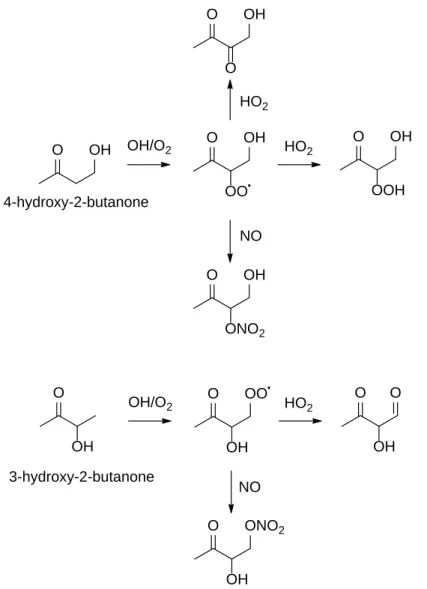
Standards for several of the proposed products of the oxidation of MVK are not commercially available. To identify these products, we synthesized several of the proposed compounds in the gas phase from commercially available precursors. 3-hydroxy-2-butanone and 4- hydroxy-2-butanone were oxidized in the presence of H2O2. Both compounds were first diluted in water to yield ~10% w/w solutions that were then volatized into the chamber using the three-way glass vial addition method described above. The experiments (see Table 2) were performed in both the HO2 and NO dominated regimes. The oxidation products (see Figure 1) were analyzed by GC-CIMS to compare retention times with those of the products of MVK oxidation.
O OH O OH OO
O OH
OOH
O OH
ONO2 O OH
O
O O OO
OH
O ONO2
OH
O O
OH OH
4-hydroxy-2-butanone
3-hydroxy-2-butanone OH/O2
OH/O2
HO2
HO2
NO HO2
NO
Figure 1. Diagnostic experiments using commercially available precursors were conducted
to identify structures associated with mass signals in MVK oxidation. The detected products resulting from NO/HO2 reaction are shown.
MVK PHOTO-OXIDATION EXPERIMENTS
The experiments performed are listed in Table 1. Experiments were conducted at 296 ± 2 K, with the exception of experiments 5, 6, 9, and 10 in which the chamber enclosure was heated and maintained at 323 K. Additions of MVK and oxidant were introduced sequentially to the chamber. MVK standards were prepared by serial dilution. First, a vapor pressure of ~13 hPa of MVK was siphoned into an evacuated 500 cm3 glass bulb. An atmosphere of nitrogen was
added to the bulb, which was subsequently pumped to ~13 hPa before being refilled with N2. All pressures were measured by an MKS Baratron. The resulting MVK mixing ratio (~100 ppm) was verified by FTIR using tabulated absorption cross sections.31 The sample was then introduced to the chamber and diluted with a regulated flow (20 L min-1, MKS mass flow controller) of dry zero air.
H2O2 was used as a HOx precursor in some experiments, while CH3ONO was used in others.
A known amount (~8 mg) of H2O2 (30% w/w in water) was transferred into a three-way glass vial and evaporated into the chamber using a stream of dry zero air for about 20 minutes to yield 2.50 ± 0.25 ppm H2O2. The residual mass of the vial was measured to ensure complete transfer of the contents to the chamber.
OH and HO2 are produced via the photolysis of H2O2 under full chamber UV lights (8 Sylvania 350 blacklights with JH2O2 ~ 1.7 x 10⁻⁶ s-1, JNO2 ~ 2.5 x 10⁻³ s-1,and Jglycolaldehyde ~ 1.5 x 10⁻⁶ s-1):
H2O2 + hν →2OH OH + H2O2 → HO2+ H2O
CH3ONO was used as a radical precursor to create conditions where the peroxy radicals react at approximately equal rates with HO2 and NO. Methyl nitrite was synthesized using a procedure similar to that outlined in Taylor et al.32 A known pressure of CH3ONO was added to a 500 cm3 glass bulb, following a method similar to the addition of MVK. Only 2 UV lights were used in these experiments because the photolysis rate of CH3ONO is much greater than that of H2O2 for the radiation emitted by our chamber lights. Radical generation proceeds by:
CH3ONO +ℎ𝑣𝑣+ O2 →HO2+ NO + HCHO HO2+ NO→ OH + NO2
For experiments designed to measure the alkyl nitrate yield (7, 8, 9 and 10), ~1 ppm NO was added to the chamber at the start of the experiments using the primary standard described above.
After filling the chamber with all reactants and diluting to the desired volume, background signals were quantified via direct (without chromatographic separation) and GC-CIMS sampling. UV lights were then switched on until the mixing ratio of MVK had decayed
~10%. This amount was chosen to minimize the influence of secondary reactions and other loss processes while producing quantifiable yields of products. The product yields reported here are derived from this initial oxidation period.
Experiments 5 and 6 were performed to probe unimolecular pathways in the mechanism.
Similar to previous experiments detailing the oxidation of methacrolein described by Crounse et al.,21 the peroxy radical lifetimes were extended by halving the concentration of both MVK and oxidant and employing very low light flux conditions. Additionally, the chamber was heated to 50 °C to increase the rate of any RO2 isomerization processes.
Finally, experiments 15 and 16 were performed to measure the photolysis of the products of MVK oxidation. MVK was oxidized in the presence of H2O2 until a sufficient signal level was attained for the product compounds of interest. At this point, oxidation was halted by switching the lights off. Isopropanol, an OH scrubber, was added to the chamber via a 500 cm3 glass bulb to yield a ~50 ppm mixing ratio. According to evaluated gas phase kinetic data,5 >99% of OH present or subsequently produced preferentially reacted with the scrubber under these conditions. The chamber was fully illuminated once again for ~10 hours.
Photolysis experiments were conducted both with (experiment 16) and without (experiment 15) the presence of the OH scavenger.
Table 1. List of photo-oxidation experiments performed.
experiment # objective [MVK]
initial (ppbv)
oxidant (ppmv) [NO] initial (ppmv)
temperature (±
2 K)
UV (%)
a
1 RO2 + HO2 85 H2O2, 2.5 - 296 100
2 RO2 + HO2 79 H2O2, 2.5 - 296 100
3 RO2 + HO2 62 H2O2, 2.5 - 296 100
4 RO2 + HO2
hot
95 H2O2, 2.5 - 323 100
5 RO2 + HO2
slow, hot
60 CH3ONO,
0.050
- 323 12.5
6 RO2 + HO2
slow, hot
28 H2O2, 1.6 - 323 12.5
7 RO2 + NO 75 CH3ONO,
0.100
1.3 296 25
8 RO2 + NO 440 H2O2, 2.5 1.2 296 100
9 RO2 + NO
hot
75 CH3ONO,
0.100
1.2 323 25
10 RO2 + NO
hot
78 CH3ONO,
0.100
1.2 323 25
a JNO2 = 2.5 x 10⁻³ s-1 at 100% illumination
Table 2. List of diagnostic experiments performed. Parentheses are used to indicate the
isolation of peroxy radicals produced by reactions R1a or R1b.
experiment # objective hydrocarbon oxidant NO added (ppmv)
OH scavenger
11 RO2 (R1a) +
HO2
4-hydroxy-2- butanone
H2O2 - No
12 RO2 (R1a) +
NO
4-hydroxy-2- butanone
H2O2 0.8 No
13 RO2 (R1b) +
HO2
3-hydroxy-2- butanone
H2O2 - No
14 RO2 (R1b) +
NO
3-hydroxy-2- butanone
H2O2 0.8 No
15 Photolysis MVK H2O2 - No
16 Photolysis MVK H2O2 - Yes
Quantum chemical methods
We employed theoretical calculations to evaluate the thermodynamics of the three proposed reaction pathways for the reaction of MVK-derived RO2 and HO2 (R2a-R2c). The lowest energy conformer for each of the stationary points along the reaction was found using the systematic search in Spartan’1433 except for the transitions states (TS) where the structures were inferred based on previous calculations in the literature.12, 16-18 The B3LYP hybrid density functional with the standard 6-31+G(d) double zeta basis set was used in these initial calculations. The optimized structure of each stationary point was subsequently refined with the wB97XD functional34 and the aug-cc-pVDZ and aug-cc-pVTZ, double and triple zeta basis set, respectively (wB97XD/aVDZ and wB97XD/aVTZ). Only minor differences in structures are found between the wB97XD/aVDZ and wB97XD/aVTZ optimized structures.
Harmonic vibrational frequencies are calculated for both wB97XD methods to confirm that each structure is either a minimum or a transition state (one imaginary frequency). The transition state (TS) structures are shown to connect the reactant or reactant intermediate and product on either side via intrinsic reaction coordinate (IRC) calculations with the wB97XD/aVDZ method. For all calculations we used the unrestricted Kohn-Sham
formalism with the spin symmetry of the initial guess wavefunction broken (Guess=Mix).
The wB97XD DFT calculations are calculated using the Gaussian09 program suite with the default convergence criteria.35
We improved the accuracy of the thermochemistry by calculating single point energies with the explicitly-correlated CCSD(T)-F12a/VDZ-F12 method (F12) at the wB97XD/aug-cc- pVTZ optimized structures.36 The F12 calculations on open-shell species are restricted open coupled cluster [ROCCSD(T)-F12] calculations based on a restricted-open Hartree-Fock (ROHF) determinant. The T1 diagnostic is less than 0.034 in all F12 calculations, which indicates that multiconfiguration effects are limited. All the F12 coupled cluster calculations are performed using the MOLPRO2010 program suite with the default convergence criteria.37
We obtain ΔG for each structure with the F12 energies and the thermal contribution from the wB97XD/aug-cc-pVTZ calculation.
Results and discussion
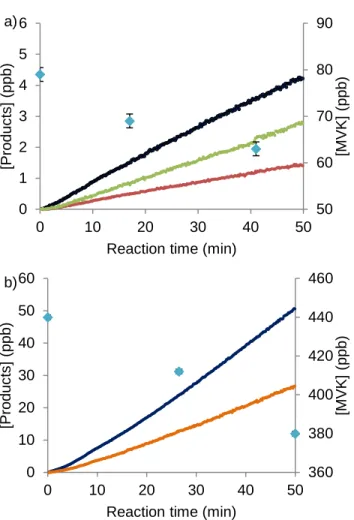
Figure 2. Reaction profiles demonstrating the HO2 and NO dependence of the chemistry.
Species shown are glycolaldehyde (dark blue), a 4,3-hydroxy hydroperoxide (green), an α- diketone (red), organic nitrates (×10, orange), and MVK (light blue diamonds). Data are derived from a) experiment 2 in the low NO regime and b) experiment 8 in the high NO regime. Error bounds reflect the uncertainty in the GC-FID quantification of MVK.
PRODUCT YIELDS
The product yields from the reaction of the hydroxy peroxy radicals formed via R1a and R1b with NO or HO2 are shown in Table 3. Example time traces of the decay of MVK and the growth of these products are shown in Figure 2.
50 60 70 80 90
0 1 2 3 4 5 6
0 10 20 30 40 50
[MVK] (ppb)
[Products] (ppb)
Reaction time (min) a)
360 380 400 420 440 460
0 10 20 30 40 50 60
0 10 20 30 40 50
[MVK] (ppb)
[Products] (ppb)
Reaction time (min) b)
The yield of glycolaldehyde is computed from the rate of its formation divided by the loss rate of MVK. The yields of the other products are determined relative to glycolaldehyde. The tabulated uncertainty in the yield of glycolaldehyde includes error in its measurement and from error in the amount of MVK oxidized (due to uncertainty in the GC-FID measurements and in the initial concentration of MVK resulting from error in the infrared cross sections).
The uncertainty in the yields of the other products includes error in the absolute yield of glycolaldehyde in addition to error in the slope of the linear regression of the relative rate of product formation. Uncertainty in the calibration of glycolaldehyde is ~7% and for the hydroxy nitrates is ~12%. Calibration of the remaining compounds is significantly more uncertain (30%) due to the lack of authentic standards (see Table S1). The error bounds in Table 3 also include uncertainty in both measured and calculated calibration factors. Due to uncertainty in the calibrations, the yields do not necessarily achieve carbon parity.
Table 3. Measured yields based on experiments 7 and 8 for the high NO regime and
experiments 1-3 for the RO2 + HO2 regime. Methylglyoxal was not measured in these experiments.
regime glycolaldeh yde
methylglyox al
C4α- diketone
C4 4,3 hydroxy hydroperoxi de
MVKN MVKN’
RO2 + NO 74 ± 6.0 % 24.12 ± 0.14
% a
- - 2.4 ± 0.4 % 1.6 ± 0.4 %
RO2 + HO2 38 ± 4.6 % 4 ± 1 % b 14 ± 5.3 % 27 ± 9.7 % - - a Galloway et al.7
b Personal communication from Keutsch, F. N.38
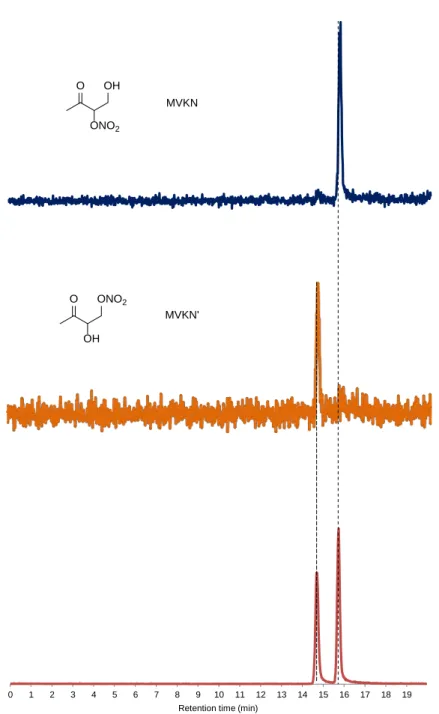
In direct sampling from the chamber, the signal from both hydroxy nitrate isomers produced from MVK, 4-hydroxy-3-nitrooxy-2-butanone (MVKN) and 4-nitrooxy-3-hydroxy-2- butanone (MVKN’), is measured as the cluster with CF3O- (m/z 234). The isomer specific yields were determined using GC-CIMS. We assigned the chromatographic peaks by
comparing the individual retention times with those of the hydroxy nitrate carbonyls produced in experiments 12 and 14 (Figure S2).
The yield and identification of the dicarbonyl compound was based on analysis of experiments 11, 13, 15, and 16. As discussed below, there are two possible compounds detected as a CF3O- cluster with C4O3H6 at m/z 187: an α-diketone (1-hydroxy-2,3- butanedione) or an aldehyde (2-hydroxy-3-oxobutanal). However, the oxidation of 4- hydroxy-2-butanone in experiment 11 produced a yield of the m/z 187 compound relative to glycolaldehyde identical to that shown in Table 3. On the other hand, the m/z 187 signal observed from 3-hydroxy-2-butanone oxidation in experiment 13 was produced as a second- generation product and was not accompanied by co-production of glycolaldehyde. Thus, we conclude that the observed m/z 187 signal primarily arises from the α-diketone and that the contribution of the aldehyde is likely small (<2%).
Only a single hydroxy hydroperoxide was observed in GC-CIMS chromatograms obtained following the low NO oxidation of MVK (experiments 1-3). The elution time of this compound matched that of the hydroperoxide formed in experiment 11. The hydroxy hydroperoxides produced in experiments 1-3 and 11 also share identical and characteristic ion chemistry. Three major product ions are observed: m/z 205 results from the cluster of CF3O-; m/z 139 (FC4H8O4-) results from fluoride transfer; m/z 101 (C4H5O3-) likely results from loss of water and HF; and FCO2- (m/z 63) is a fragment of m/z 205 characteristic of CF3O- chemical ionization of hydroxy hydroperoxides.24 The product ions (m/z 205:139:101:63) are produced in a ratio of 5:10:6.5:1. This analysis is further detailed in Figure S2. Given the identical elution time and similar product ion distribution between the MVK hydroperoxide and those derived from the oxidation of 4-hydroxy-2-butanone, we identify this hydroperoxide as the 4,3-hydroxy hydroperoxide.
REACTION OF RO2 WITH NO: CONSTRAINING THE RATIO R1a:R1b
In the reaction of the two peroxy radicals produced in R1a and R1b with NO, two alkoxy radicals and two alkyl nitrates are produced (see Scheme 1). Tuazon et al. and Galloway et al. suggested that the internal and external alkoxy radicals decompose to glycolaldehyde and methylglyoxal with 100% yield, respectively.6-7 Consistent with this hypothesis, we have
calculated the energy barriers associated with decomposition of the alkoxy formed from the reaction of the peroxy radical produced in R1a with NO. We find that fragmentation to methylglyoxal is likely uncompetitive with fragmentation to acetyl peroxy (PA) and glycolaldehyde (8.2 vs. 1.5 kcal/mole in electronic energy, see SI). This is consistent with the structure-activity relationship of Vereecken and Peeters which suggests these barriers to be 8.1 vs. 3.7 kcal/mole, respectively.39 Thus, the product yields shown in Table 3 suggest that the branching to R1a, derived by adding the glycolaldehyde yield and that of the corresponding hydroxy nitrate, is 76 ± 14%, while that to R1b is 24 ± 14%. The branching of R1b is defined as the difference between unity and the branching to R1a. Our estimation of the branching ratio is consistent with previous estimates.6-7
Scheme 1. Proposed mechanism for the high NO regime (after Tuazon and Atkinson).6 Observed species are indicated in blue. Branching and yields (T = 296 K, P = 993 hPa) are in red.
O
OH O•
HO2+ NO
O OO O
OH O
OH
OO
OH/O2 OH/O2
O OH
O•
O OO
O
•O
NO2 O2
PAN NO
CO2+ CH3O2•
NO ONO2O
OH
+
HCHO+ HO2 NO2 NO
NO2
NO2
NO NO2 O2 O
OH
ONO2
OH OH
O O
+ HCHO
0.03 R1b, 0.07
0.24 R1a,
0.76 0.97
NO
O2
0.93
MVKN' MVKN
REACTION OF RO2 WITH NO: FORMATION OF ALKYL NITRATES
The alkyl nitrate branching ratio from the reaction of the RO2 produced in R1a with NO is 3.2 ± 0.6% at 296 K, while the branching ratio from the RO2 produced in R1b is more than a factor of two larger (6.6 ± 1.5%). The combined yield at 296 K is 4.0 ± 0.6%, much lower than previously suggested.6, 8 Comparing the yields from experiments 7 and 8 with those of 9 and 10, we find that the combined yield is a factor of ~1.8 times lower at 323 K than at 296 K. Furthermore, at 323 K, the production ratio of MVKN to MVKN’ is 1.10 ± 0.05.
Alkyl nitrates likely form in a roaming radical mechanism. This mechanism proceeds following destabilization of the ROONO moiety. In some cases, the nascent radicals do not separate but rather reform an activated RONO2 complex, which then undergoes collisional stabilization to form the nitrate.40-43 As such, the yield will depend on the lifetime of the complex. This general mechanism is consistent with findings that alkyl nitrate yields tend to increase with the size of molecule,44 and decrease with increasing temperature.45 In addition, several studies have suggested that the formation of nitrates becomes less favorable when neighboring groups weaken the RO-ONO bond enhancing the rate of decomposition.43, 46-47 Using the β-hydroxy nitrate yields quantified in our recent study of nitrates formed in the oxidation of alkenes,27 we expect, based on the molecular size alone, that the alkyl nitrate yield from MVK would be ~14%. The much lower yield measured likely reflects destabilization of the RO-ONO moiety by the electron withdrawing characteristics of the ketone group. Additionally, the lower yield and stronger temperature dependence of the nitrate formed from the RO2produced in R1a suggests that a β-ketone is more destabilizing than a γ-ketone.
The atmospheric fate of these nitrates remains unclear. A recent theoretical study has reported that the atmospheric lifetime of MVKN and MVKN’ will be limited by photolysis (~5 hours).48 Upon further oxidation by OH, the nitrates have been proposed to generate formic and pyruvic acid.24
Scheme 2. Proposed mechanism for the OH-initiated oxidation of MVK following R1a
in the HO2-dominated regime. Observed products are indicated in blue. Yields (T = 296 K, P = 993 hPa) are in red.
O O OH
OOH O
OH
O OH
O•
O OO
+ OH + O2
O O•
+ OH
+ O2 CH3OOH+ CO2 HO2+ O2
O OH
OO
+ O3 + O2 HO2
+ OH + HO2
OH
O 0.34 0.18
0.48
HO O
HOO O HO2
HO2
HO2 HO2
HO2
REACTION OF RO2 WITH HO2: NEW CHEMISTRY AND RADICAL RECYCLING Reaction of the peroxy radicals with HO2 is remarkably efficient in the recycling of radicals.
We identified R2a-R2c for the reaction of HO2 with the MVK RO2 arising from R1a (see Scheme 2).
The large yield of glycolaldehyde (~40%) suggests that the OH radical is recycled efficiently via R2a. This chemistry is not unprecedented. Recent studies have demonstrated that OH generation occurs in several similar systems.12-14 For example, reaction of HO2 with PA radical, produced in R2a upon addition of O2 to the CH3C(O) radical, has been shown to follow three pathways. The dominant channel (R3a, yield = 0.61 ± 0.09 49) produces OH and acetoxy radicals, while peracetic acid (R3b) and acetic acid and O3 (R3c) are produced in smaller yields:12-14, 50-51
CH3C(O)O2+ HO2 →CH3C(O)O + OH + O2 R3a
→CH3C(O)OOH + O2 R3b
→CH3C(O)OH + O3 R3c In the presence of HO2, the radical produced in R3a leads to formation of methyl hydroperoxide (MHP):
CH3C(O)O→CH3+ CO2 R4
CH3+ O2+ M→ CH3O2+ M R5 CH3O2+ HO2 →CH3OOH + O2 R6
All stable organic end products identified in R3-R6 were detected in the HO2-mediated reaction of MVK RO2 and suggest greater radical recycling occurring beyond the initial OH reformation in R2a.
The 4,3-hydroxy hydroperoxide produced via R2b was found to promptly photolyze (Figure 3). Independent of whether an OH scrubber was added (experiments 15 and 16), the hydroperoxide decayed with a first-order loss rate of 3.0 ± 0.1 x 10⁻⁵ s-1. Scaling the JNO2 in our chamber (2.5 x 10⁻³ s-1) to that of a typical noontime atmosphere (0.01 s-1) suggests that the atmospheric lifetime of this hydroxy hydroperoxide is short (<< 1 day). Assuming cleavage of the O-OH bond as the primary photolytic decomposition pathway, R2b will also recycle OH radicals efficiently.
The α-diketone produced via R2c likely results from a mechanism previously thought to be exclusive to halogenated RO2. As we show below, this route likely produces OH + HO2 in addition to the carbonyl. Similar chemistry was originally proposed by Wallington et al. to explain the formation of HC(O)F in the reaction of CH2FO2 and HO2.52 More recent theoretical studies have demonstrated that the energetic barrier for formation of OH and HO2
from single-carbon fluorinated and chlorinated RO2 is lower than the pathway to formation of H2O and O2 as originally proposed.16-18 To our knowledge, the MVK system provides the first evidence for this chemistry in non-halogenated peroxy species.
Rapid photolysis has been previously reported for α-diketones.53 We designed experiments 15 and 16 to measure the rate of photolysis for the hydroxy diketone (m/z 187). Both prior to and after the initiation of photolysis, the signal was monitored for a period of 2 hours to measure the wall loss rates. These were determined to be 2 x 10⁻⁷ s-1 and 2 x 10⁻⁶ s-1 before