KUMPULAN JURNAL
DUKUNGAN SOSIAL ORANGTUA DAN VOCATIONAL MATURITY
DISUSUN / DIUNDUH OLEH:
RISMAYANTI 1271041039
FAKULTAS PSIKOLOGI
UNIVERSITAS NEGERI MAKASSAR MAKASSAR
2017
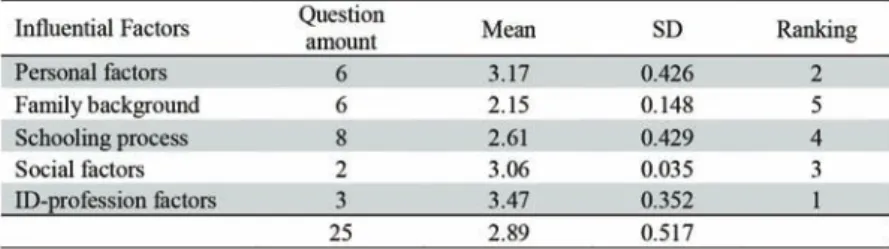
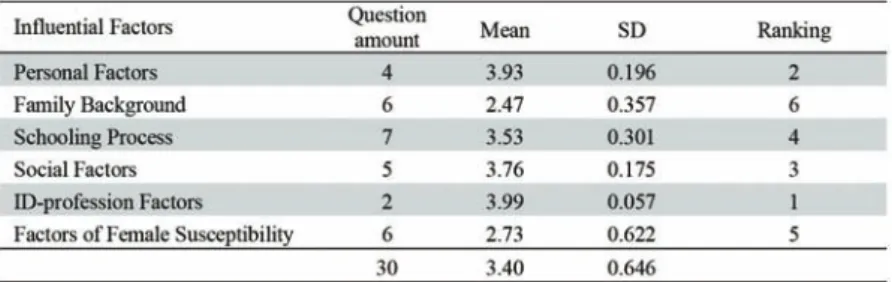
NO JUDUL JURNAL PENULIS PENERBIT TAHUN 1 A longitudinal study
of vocational maturity and ethnic identity
development
Perron, J., Vondracek, F.
W., Skorikow, V.
B., Tremblay, C dan Corbiere, M.
Journal of Vocational Behavior, 52:
409-424.
1998
2 Career maturity of senior secondary students in relation to
their self concept
Kaur, S dan Dogra, S
Dept. of Education, USOL, Panjab University,2(1):
117-126
2011
3 The influence of family on the career interests and choices
of youth
Bates, C.W International Journal of Education and Sosial Science, 2(9): 27-32
2015
4 Orientations of high school students and parents towards career decision-making
Vijaykumar S. D.,
& Lavanya, T
Journal of the Indian Association of
Career and Livelihood
Planning (IACLP), 4(1):
38-51
2015
5 The vocational maturity and career
choices of female industrial design students in Taiwanese
Universities
Yang, M.Y., Liao, Y.Y., & Chou, Y.
P.
Art, Design &
Communication in Higher Education, 14(1): 23-37
2015
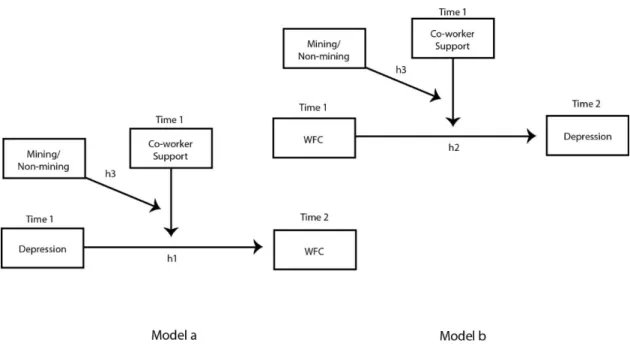
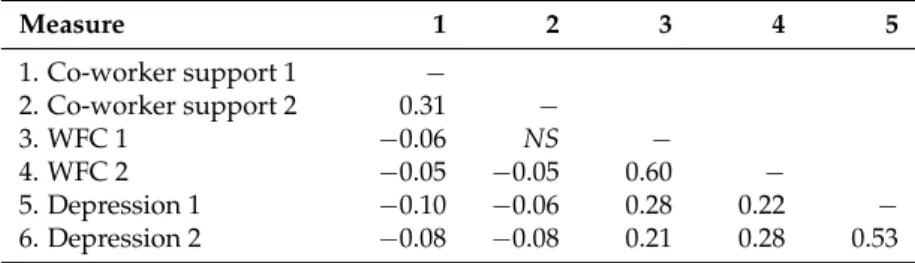
6 Enhanced co-worker sosial support in isolated work groups and its mitigating role
on thework-family conflict-depression
loss spiral
McTernan, W.P., Dollard, M. F., Tuckey, M. R., &
Vandenberg, R. J
International Journal of Environmental
Research and Public Health,
13(382):1-13
2016
7 Parental model as correlates of vocational maturity in
adolescents
Sharm, A dan Gaur, J
International Journal of Social Science
&
Interdisciplinary Research
2012
of senior secondary school students in relation to their family environment
Lingzay, M. T Research
Journal For Interdisciplinary Studies. 2(14):
2138-2145 9 Development of
vocational attitude maturity of
Secondary school students in kashmir:
an evaluative Study
Jan, K Journal of
Education Research and Behavioral Sciences,3(4):
87-92
2014
10
Vocational
guidance and career maturity among
Secondary school students: an indian experience
Hargrov, B. K., Inman, A. P., &
Crane, R. L
Journal of Career Development, 31( 4): 263-278
2005
In the present investigation an attempt has been made to reveal the relationship of career maturity and self concept among senior secondary school students. The sample consisted of 200 students of senior secondary level drawn from CBSE affiliated govt. and private schools of Ambala. The result of the study revealed that students have high self concept but below average career maturity and that there is no relationship between career maturity and self concept.
The construct of career maturity consists of readiness, attitude and competency to cope effectively with the career development tasks. The assumption can be made that a career mature person is more capable of making an appropriate and realistic career choice and decision. Career mature individuals have the ability to identify specific occupational preferences and to implement activities in order to achieve their goals. The concept of career maturity was defined as the place reached on the continuum of vocational development from exploration to decline (Super 1955). Career maturity is thus the degree which one has reached in cognitive, emotional and other psychological factors whereby one acquires the capacity of making realistic and mature career choices.
Career maturity refers to the individual's degree of maturity to choose, prepare and plan for vocations. Career maturity has come to be used as a prerequisite to the ability to make occupational based on the level of vocational job individual. Better and successful performance in a particular field of work leads to better social economic and emotional self.
Although educational and vocational choices are made by an individual but they are certainly influenced by many social and environmental factors which include socio- economic status of the family, home and family environment, sex, age, rural and urban background Psychological factors which may include intelligence, personality, achievement, motivation, interest, aptitude, self-concept, academic achievement etc. Thus, career selection is not an exclusively intellectual process in which various possibilities are sorted out in a logical manner. Instead, decisions are based on the interaction of career maturity with various social and psychological factors.
An insight into the possible factors underlying career maturity would suggest the guidelines for planning various activities for the students. It may also help the teachers, parents and guidance workers for developing desirable attitudes in children. Keeping in mind the determinant and predictor variables of career maturity, the present study is an endeavour to understand career maturity of senior secondary students in relation to self
in Relation to Their Self Concept
Abstract
Dr. Supreet Kaur and Sumati Dogra1 2
Introduction
Page 117
Adolescence is a period when the children experience stress and strain on account of career and occupational choices they have to make. They need proper guidance to enable them to make career choices. The present study has significance in the new system of education where students have a variety of courses to choose from. It is important for teacher and the counselor to know if their students have achieved the desired level of career maturity and a positive Self concept to survive in the world of cut throat competition.
The study will provide useful information about Career maturity and Self concept of Students studying in senior secondary schools.
Selection of a Stream at senior secondary stage is a very crucial decision. The decision of the child is influenced by the parents who may sometimes try to fulfill their unfulfilled ambitions precariously through their children. Also common trends prevailing in school circle affect the career choice. The students who score more than 60% marks opt for science and commerce even if they do not have innate abilities to study the above said courses. If they fail in the competitive entrance tests they face frustration and develop complexes. So it is very important to help them select the stream for which they are fit, keeping in view the two cardinal principles of Career maturity and Self concept. Hence, the investigator tried to study relationship between Career maturity of senior secondary school students in relation to their Self concept. CM research shows conflicting result for gender also, some studies finding higher levels in male, other in females (Naidoo, 1998). The present study was conducted to find out real situation about Career maturity and Self concept of boys and girls.
Objectives of the Study
1. To find the Career maturity of senior secondary school students.
2. To reveal the Self concept of senior secondary school students.
3. To find the relationship between Career maturity and elf concept of senior secondary school students.
Hypotheses
1. Students will exhibit an average level of Career maturity and Self concept.
maturity of senior secondary school students.
Significance of the Study
Page 118
Page 119
Sample
Tools Used
Results and Discussion
Mean, S.D. S.K. & K.U. for sample of boys (N=100) in case of Career maturity and Self concept
Variables
CCA
SA OI GS PL PS SC
Mean
28.54 4.95 5.87 4.49 3.90 2.50 179.39
SD
5.904 2.217 3.15 2.65 2.68 1.65 18.119
SK
-.78 .359 -.077 .094 .626 .567 .282
KU
2.50 -.385 -1.29 -.892 -.023 -.106 .054
KU
Below Average Below Average Below Average Below Average Below Average Below Average Below Average
Table 2
Mean, S.D. S.K. & K.U. for sample of Girls (N=100) in case of Career maturity and Self concept
Variables
CCA
SA OI GS PL
Mean
28.95 5.20 7.23 6.10 5.17
SD
5.71 2.53 3.47 2.83 2.94
SK
-.421
.112 -.141 -.252 .103
KU
2.19 -.956 -1.159
-.559 -1.14
KU
Average
Low Below Average Below Average
Average
Page 120
PS SC
2.43 176.08
1.29 15.155
.58 -.26
-.271 -.355
Low Above Average
Hypothesis II
There exists a significant gender difference in Career maturity of senior secondary school students.
For comparing boys and girls on the variable of Career maturity, ' t ' test was employed. The value of ' t ' in case of career choice attitude was - .49; for self appraisal -.729 and for problem solving .33 is found to be insignificant. Whereas in the other sub-variables of Career maturity viz Occupational Information t = 2.778, Goal Setting t = 4.12 and Planning t = 3.188, the difference between the two genders is significant favouring girls.
On the measure of occupational information, goal setting and planning the girls are perhaps more aware and realistic. The girls were found to have more information about jobs and occupations and thus appropriate to their capabilities.
The results obtained in the present study were partially in conformity with the studies that Career maturity proceeds differently in boys and girls (Aggarwal, 1981; Kaur, 1992;
King, 1989; Kumar, 2000; Badoni, 2006; Sharma, P., 2006; Kumar, 2000) and Sharma (2006) in their study reported that girls are more mature career wise than boys. However (Kaur, 1992; Dhillon & Kaur, 2005) found no difference in Career maturity for gender.
Variables Boys (N=100) Girls (N=100) t-value Remarks Table 3
t- ratio and level of Significance
Mean S.D. Mean S.D.
CCA 28.54 5.904 28.95 5.713 -.499 Not
Significant
Page 121
Hypothesis III
There exists a significant gender difference in Self concept of Senior Secondary School students.
For comparing boys and girls on the variable of Self concept maturity, mean, S.D.
and t-test were employed. A glance at the table 3 shows that the mean of Self concept for boys is slightly more than that of girls which is 179.39 and 176.08 respectively.
From the result of S.D., it is clear that Self concept of girls is slightly more scattered than that of boys.
To study of the significance of difference between the Self concept of senior secondary boys and girls, t-test was employed and the value from table 3 is found to be insignificant i.e. 1.401.
SA 4.95 2.217 5.20 2.5 -.799
Significant
OI 5.87 3.45 7.23 3.47 2.778** Not
Significant
GS 4.49 2.65 6.1 2.869 4.12** Not
Significant
PL 3.9 2.68 5.17 2.9 3.188** Not
Significant
PS 2.5 1.65 2.43 1.217 .333 Not
Significant
SC 179.39 18.119 176.08 15.15 1.401 Not
Significant
** Significant at 0.01 level
The findings of the present study are in confirmation to the study conducted by Badoni (2006) and Kaur (1992) who found that no sex differences exist in the variable of Self concept. However Sharma, (2004) in her study of Self concept and adjustment problems of adolescents in relation to sex found female adolescents higher in social, educational, moral and intellectual aspects of Self concept.
Page 122
Variables
CCA
SA OI GS
CCA
1 .243**
.278**
.232**
SA
1 .561 .435
OI
1 .641
GS
There exists a significant relationship between Career maturity and Self concept of senior secondary school students.
For testing the hypothesis, correlation approach was enclosed. The correlation intensity of Career maturity in two areas of attitude and competence (Self appraisal, Occupational Information, Goal Setting, Planning and Problem Solving) and Self concept was computed by Pearson's Product Moment method for 200 students of senior secondary level. A glance at the tables 4
concept is insignificant for the total sample. It means that there is no correlation between Career maturity and Self concept of senior secondary school students for the present sample.
This holds true of sample of boys; but in case of girls CCA and Self concept were positively correlated.
The results obtained in the present study on relation between Career maturity and Self concept were partially supported by Badoni (2006) who found that no significant correlation occurred between Self concept and all parts of Competence test in case of boys;
and in case of girls, Self concept and CCA along with all parts of Competence test were negatively correlated. But the present conclusion does not find confirmation with the results indicated by study of Kaur (1992) and Dixon (2000).
Table4
7x7 correlation matrix showing coefficient of correlation between Career maturity and Self concept for the total sample (N = 200).
PL PS SC
Page 123
PL PS SC
.217**
-.139*
.120
.348 -.150 0.085
.529 -.180 0.052
.602 -.110 .068
1 -.41
.019 1
1 -.028
* Significant value at 0.05 level is 0.138
** Significant value at 0.01 level is 0.181
Table57x7 correlation matrix showing coefficient of correlation between Career maturity and Self concept for the total sample of boys (N = 100).
Variables
CCA
SA OI GS PL PS SC
CCA
1 .221*
.330**
.169 .122 -.058 0.042
SA
1 .495**
.439**
.244*
-.010 .049
OI
1 .643**
.552**
-.079 .094
GS
1 .623**
.079 .146
PL
1 .87**
.006
PS
1 .043
SC
1
* Significant value at 0.05 level is 0.195
** Significant value at 0.01 level is 0.254
Table67x7 correlation matrix showing coefficient of correlation between Career maturity and Self concept for the girls sample.
Variables
CCA
CCA
1
SA OI GS PL PS SC
Page 124
SA OI GS PL PS SC
0.261 .221 .291 .302 -.247 .228
1 .623 .439 .427 -.309 .136
1 .605 .470 -.310 .047
1 .538 -.332 .052
1 -.294
.082
1
-.144 1
* Significant value at 0.05 level is 0.195
** Significant value at 0.01 level is 0.254
Implications
The conclusion of this study has some important implications not only for students and teachers but for all those who are concerned with education of the young, researchers, counselors and parents.
The findings of the study indicated that at senior secondary level Career maturity is inadequate and below average. There can be two reasons for this inadequacy; firstly, they are under the influence of their peers and parents to an extent that they are unable to make independent choice. Secondly, they are unaware of the horizons of opportunities open to them, and due to lack of information and counseling, they lack Career maturity. If they don't make choice of career according to their abilities and interests, it may lead to stagnation, failure and frustration among adolescents.
The present study also exhibited that Career maturity level among the senior secondary school students was low but the level of self concept was above average. The variable of high self concept which is an important factor for achieving success in life is not being properly utilized in our present system of school education. Such high level of self concept can be utilized to ensure academic and vocational development of our adolescents. A significant contribution can be made in this direction by providing latest information along with all the relevant material regarding various careers in school libraries.
Proper guidance to the students will help them to develop vocational awareness to make wise choice of career according to their interests and capabilities.
This will further enable the students to cope up with technological advancement and the rapid changes in the world of work and develop skills required for the career of their choice.
Page 125
References
Aggarwal, N. (1981). A study of factors related to Career maturity of school students.
Unpublihsed Ph.D. Thesis, M.S. University of Baroda.
Badoni, S.C. (2006). Career maturity, Self concept and gender differences of adolescent at high School stage. Unpublished M.Ed. Dissertation Panjab University, Chandigarh.
Crites, J.O. (1961). A model for the measurement of vocational maturity. Journal of Counseling Psychology, 98, p 255.
Dhillon, U. & Kaur, R. (2007). Career maturity of school children. Journal of India Academy of Applied Psychology, Jan. –July, 2005, Vol. No. 1-2, 71-76.
Dixon, R.A. (2002). Self concept, social support systems and career maturity of female college students. Dissertation Abstracts International, 62/01, 88.
Kaur, (1992). Efficacy of Self concept, locus of control and sex as predictors of Career maturity of students of class XI. Unpublished M.Ed. Dissertation Panjab University, Chandigarh.
King, S. (1989). Comparing male and female adolescents with a causal model of Career maturity. Paper presented at the Annual Meeting of American Educational Research Association, San Francisco.
Kumar, S. (2000). Vocational Maturity in 10+2 students of academic and vocational streams in relation to personality, achievement, motivation, socio-economic status.
Unpublished Ph.D. Thesis Panjab University, Chandigarh.
Naidoo, A.V. (1998). Gender disability and career maturity among college students, Journal of Career Development, 13(1-2), 149-161
Sharma (2006). A study of Self concept and adjustment problems of adolescents in relation to their socio-economic status. Unpublished M.Ed. Dissertation Panjab University, Chandigarh.
Assistant Professor in Education, USOL, Panjab University, Chandigarh Deptt. of Education, USOL, Panjab University, Chandigarh.
Page 126
67
The Influence of Family on the Career Interests and Choices of Youth
Charles W. Bates
M.A. - Youth Development, Michigan State University, East Lansing, Michigan J.D., William Mitchell College of Law, St. Paul, Minnesota
The economy and along with it the employment chances and options for our adolescents entering adulthood have worsened in recent years (Buchholz & Blossfeld, 2012). There is increasing uncertainty in the lives of our adolescents as they search for what career options they would like to pursue. In any day and age an adolescent’s family of origin might knowingly or unknowingly hold some sway over the direction the adolescent takes in career pursuits. However, given the reality of the economic times we are currently encountering (Buchholz &
Blossfeld, 2012) along with the changing composition, structure, and dynamics of families, including recent increases in divorce rates, the increase in single-parent households including parents who have always been single, and the increase in grandparents living with grandchildren (Demo & Acock, 1996; Kreider & Ellis, 2011), recognizing and understanding family influence on adolescent career choice may be more important now than in the past.
What it is about their family of origin that may influence our youth in career choice is not just important from a social science standpoint, but also from the standpoint of practical application. The more families and their adolescents know and recognize how their family and their family’s dynamics may influence their adolescents, the more that family can understand these influences and assert affirmative control to use those positive influences or, conversely, overcome any negative influences, to increase their chance of successful career choices for their adolescents. This paper will examine some of the potential influences of family composition, structure, and dynamics upon the career interests and choices of youth, along with how family systems theory may help in the recognition and understanding of family influence on those interests and choices. Although out of practical necessity this paper will discuss only some of the various potential family influences, and those only as a brief overview, it may spark an interest for more in-depth study and examination of this topic.
In particular we should view the question of family of origin influence on the career development and occupational choice of an adolescent through the lens of family systems theory. No adolescent exists in a vacuum.
The influence and impact of the family of origin undoubtedly has significant. This can include family composition, such as number of members and structure; parenting style or styles, including parental involvement in their children’s career development; the personal characteristics of every family member, such as level of education and occupation; and family constellation, such as the number of siblings, birth order, and the gender of the children; along with a host of other factors and attributes. We should keep in mind that family systems theory (Cox & Paley, 1997; White & Klein, 2008) teaches us that we are not researching about adolescents or working with an individual adolescent in a vacuum. A child or adolescent is, of course, influenced by his or her family, but the family also is influenced by the child or adolescent. Although this is sometimes referred to as the whole being greater than the parts, we should keep in mind that the whole is not static and every individual in the family changes the dynamics of that family with their entrance or exit and their behavior in between. From a positive youth development perspective, we are often interested in studying the family from the focal point of the adolescents in the family, but family systems theory teaches us that there are many other angles available for study, and every change in, and every attribute of each family member must be acknowledged as a part of what makes the family what it is and the adolescent a dynamic part of his or her family (Cox & Paley, 1997; White &
Klein, 2008). We will recognize the interworking of systems family theory in the studies reviewed and the conclusions reached.
Parenting styles and family dynamics. Parenting styles and family dynamics may very well influence adolescent career choice. One study that serves as a good general introduction to this issue was conducted through the use of interviews, to determine how family of origin relationships and experiences might influence career development (Altman, 1997). This study indicates family experiences can be very relevant. Sometimes the correlations are not extremely strong and there are many intervening factors involved.
68
or very negative, can make a difference in career outcomes. For example, there is a reasoned argument that lack of support in choices, discouragement at “higher” career choices by family members, or the need to choose an occupation sooner than later because of need to escape the family of origin because of the living situation is correlated with more negative outcomes in career development for adolescents. A positive environment in the family of origin, however, such as support in career choices and guidance in them is correlated with more positive outcomes in career development. What further specific correlates does the literature indicate?
Is there a relationship between the parent-child relationship and the children’s careers? One study hypothesized that a high-quality parent-offspring relationship would be associated with similar careers (or career aspirations) of parent and child (Tziner, Loverman, Dekel, & Sharoni, 2012). In fact, no direct correlation was found. However, a correlation was found between a high-quality parent-child relationship and job characteristics (though not exactly the same jobs) between the characteristics of the parents’ jobs and the job characteristics of the jobs the children expressed an interest in pursuing. Characteristics are those attributes of a job including skills, knowledge, and abilities to do a job, along with the type of interests and personality that might go well with job performance. So, one may argue there is some influence of parenting style on the type of career the children are interested in, even if not a lock-step correlation of the actual occupation of the parents and that which the child wishes to pursue.
Such family dynamics as the roles that family members take on may correlate to eventual career choices, whether an actual occupation or at least the general type of occupation. One study of early family experiences compared a sample of trainee counseling psychologists with a matched sample of those not going into a counseling profession (DiCaccavo, 2002). The results indicated counseling psychology trainees reported significantly lower levels of care from their mothers, but reported higher levels of self-efficacy toward caring. Counseling psychologists, as one of the professions related to helping and assisting, along with personal contact, may attract those who did not receive a great deal of warmth in their own young lives, which may then have driven the child or adolescent to want to exhibit that type of behavior in their occupation.
Games are sometimes developed for the purposes of social research and they are a unique method for families to maintain their interest in their participation in the study being conducted. In one such study family members used a game to interact with each other, making family decisions to address the career goals of the family adolescents, while researchers observed their behavior (Peterson, Rollins, Thomas, & Heaps, 1982). The study focused on 96 families that had two adolescents, one male and one female. The researchers concluded that family decisions regarding career choices for the two adolescents favored the male adolescents’ goals over the female adolescents’
goals by a ratio of 4 to 1. This was true even after controlling for other factors that one might think would have an influence, such as the ordinal position of the adolescents, the employment status of the mothers and the education of the fathers. A limitation of this study is that it was conducted over thirty years ago. It would be interesting to find out, by performing further research, as to how much we have progressed since 1982.
Although many people have concerns regarding the issue of girls growing up without the same level of career aspirations as boys, this concern was arguably more acute 20 or 30 years ago. One study, conducted in the 1980’s, examining the family influence on the career aspirations of girls examined the question of girls aspiring to careers that could be viewed as a higher level and traditionally dominated by males (Sandberg, Ehrhardt, Mellins, Ince, & Meyer-Bahlburg, 1987). This study calls females entering such careers “Pioneers”. For the most part there was no strong correlation found between most family factors and the willingness and interest of girls to become pioneers. The chief factor in adolescence predicting girls becoming pioneers was the correlation with parental higher education. To a smaller degree femininity tended to be emphasized less for these pioneer girls during their childhood and adolescence, and these girls more frequently had mothers who had worked outside the home when growing up. This perhaps provided a role model (even if in a more traditionally female occupation) for the pioneer girl. Therefore, although one would need to concede that there are few absolute predictors, at least a higher level parental education and the mother working outside the home are correlated with girls seeking occupations traditionally filled by men. As with any research performed regarding gender roles more than 15 or 20 years ago, it raises curiosity about whether the results would be replicated today.
Do youth seek advice and assistance from their family regarding career development? Yes, to some extent they do (Whitson & Keller, 2004). According to the authors youth will most likely seek assistance from family members.
69 Although parents are more frequently sought after than siblings, that may be a natural reaction to the greater work experience of parents versus siblings, parents being assumed to know more about the topic. How parents respond to these requests for assistance, however, may have an impact on adolescent career choices as well.
Parental involvement in career choices. Parental involvement in their children’s career choices can be considered closely linked to parenting styles, in that the degree of involvement in supporting and assisting versus hindering, or at least not supporting, one’s children in their career development would, one can logically argue, tend to match the parenting styles in other areas in which parents are developing their children. There were studies, in fact, that researched parenting styles in one manner or another related to their children’s career development and aspirations, so these studies are worthy of some discussion.
One Finnish study interrelates how the adolescents’ motivation (autonomous versus a high degree of parental control) and what the adolescents thought about the career development process (e.g. is their goal realistic, how much stress are they enduring, what kind of progress are they making) compared with the degree of their parents involvement in their career preparation (e.g. support versus lack of engagement – note actual discouragement was not measured) (Dietrich & Salmela-Aro, 2013). Parental warmth and career preparation involvement (from a support standpoint) was correlated to less stress by the adolescents in later years regarding their career decisions.
Adolescents were more likely able to pursue the careers they were interested in and motivated to pursue if their parents were involved in supporting and assisting them in their aspirations, and those youth had less stress related to their career decisions. These are of course Finnish adolescents and young adults, which may or may not be descriptive of the same or similar situations in the U.S.
A study was performed regarding what factors influenced an aspiration for a science career by 14-15 year old youth, (Rodrigues, Jindal-Snape, & Snape, 2011). The study concluded that the most important factor influencing the aspiration of a science career by the adolescents is their perception as to whether their parents want them to pursue such a career. This study illustrates the difficulty of trying to determine if career development and choice in the youth is influenced by the specific parental involvement in (for better or worse) the career development of their children, or in the style the parents use in the general overall raising of their children. We do not know if there is causation involved here in which parents wish for their children to pursue a science career, so the children aspire to such a career, or if these parents would be supportive of whatever career choice their children expressed (at least within a generally acceptable range).
Some influence of parental support and encouragement for career choices of adolescents may also be discerned from another recent study, indicating the type of involvement the parents have is correlated with the willingness of adolescents and young adults to be comfortable trekking down an occupational path that might not be the first choice of one or both parents (Cuiting & Kerpelman, 2007). Questionnaires were administered to 304 female undergraduates regarding parental feedback to the young adults, and their parents’ willingness to discuss and support their career choices. The researchers concluded that this willingness for the parent to positively engage in career discussions may influence young women’s certainty about pursuing particular careers – as opposed to changing their career decisions to fit parental expectations. Mothers and fathers may in fact have different levels and types of influences regarding this area. Having a close relationship with the mother and discussing career goals with her increases her influence, but decreased the father’s influence – at least in the area of the daughter’s certainty to pursue a particular career even if the father disagrees with that choice. In other words, a close relationship with the mother can reduce the daughter’s distress and increase her certainty on a career, even if her parents may disagree with that choice.
As might be expected, the type of relationship with the parents does influence the willingness of young women to disagree with them – or agree with them. For example, if the father has a higher than average education level and has held discussions with his daughter, the daughter is more willing to change her mind. Above all else, this study emphasizes deep parental influence, yet generally not overwhelming control on adolescents in their career choice.
Sibling influence. Do siblings influence occupational choices and aspirations of other siblings? There is some indication that although not large, there can still be some influence made by siblings, either intentionally or simply through circumstances. An Ohio State University study examined whether there were sibling influences on career plans, including specifically for male and female youth (Morgan, 1983). This study, using data from the National Longitudinal Surveys of Labor Market Experience, 1979-82, focused on career aspirations of youth.
70
standpoint to begin their pursuit. The study indicated no influence could be found linking girls to the career choices of their sisters. However, the study did indicate that brothers reinforce each other’s career aspirations, particularly during the high school and early college years when these youth are formulating their occupational ideas and goals and beginning the transition to full-time employment. Why is this? With the research performed the study can only offer a hypothesis. Some families may tolerate, or even subtly or outright encourage, more sibling rivalry and competition in brothers than they allow in sisters. If true, that may result in boys and young men using their brother’s career aspirations to influence their own career aspirations. As family systems theory indicates, adolescents do not live in a vacuum – others in their family, including siblings may have an influence on their actions.
The research results of one study, covering multiple factors and examined in more detail elsewhere in this paper, found that, although statistically borderline, girls aspiring to higher level careers, particularly those transitionally dominated by males, had somewhat fewer older brothers than girls not aspiring to those careers (Sandberg, Ehrhardt, Mellins, Ince, & Meyer-Bahlburg, 1987). One may speculate on why this correlation exists. For example, families without, or at least with fewer, older brothers may allow their aspirations for children obtaining post-secondary education and attaining higher level careers fall more on their daughter or daughters.
Future research. There are correlations between family dynamics and characteristics and adolescent career development and occupation selection. Yet, there are still numerous questions as to how these dynamics interact.
Answers to our questions will continue to be developed and refined, through research using a growing number methodologies and techniques. This includes the use of “family genograms”, more often used in family counseling, to map out the patterns and influences of an adolescent’s or young adult’s extended family, recording the family dynamics that could influence a young career-seekers decision-making (Malott & Magnuson, 2004). A well-mapped career genogram applied to a specific adolescent, indicating education level, degrees or professional certifications, occupations and related information, going back three or four generations, can be a valuable tool for analyzing that youth’s career interests and possible development from a family systems theory perspective.
Practical Implications. A practical question is, why do many, perhaps even most, current and proposed career exploration and development programs targeted at youth appear to not involve the parents and families of the youth? For example, a recent issue of New Dimensions for Youth Development (Hynes & Hirsch, 2012) featured the topic of career programing for youth, linking youth to and preparing them for the world of work. Yet, family of origin members are only mentioned once in the entire issue of nine articles, that being one sentence in one article recognizing parents and siblings as an influence on career choice, with no actual family dynamics mentioned (Klein, 2012). No career programing article mentioned families as being useful or worthwhile to work with in the career development of youth, or that family dynamics and composition of youth may either reinforce or discourage what most of the youth programing is trying to accomplish. Now that we are aware that family of origin composition, dynamics, and parenting style are correlated with various career considerations of a family’s adolescents, we should consider those factors in order to best determine if and how those factors should be considered in youth career programing. We should not treat career development programs as if they work with the youth in a vacuum. Some progress on this issue has arguably been made. For example, one career development program for youth engages the youth by trying to engender a sense of purpose in their career seeking (Dik, Steger, Gibson & Peisner, 2011). The program involves family, by having youth interview their parents regarding sense of purpose in their work, as a method to introduce and keep the parents involved and informed about the program.
Conclusion. Youth development and family relations go hand-in-hand, and it is throught the lens of family systems theory that we can observe that connection. Yet, there is still much work to be done, and much more to be understood on the topic of the influences of family of origin and their dynamics on adolescent career development and occupation choice. For example, although a number of research studies have been conducted on several factors regarding family composition and dynamics, there has been inadequate attention to social class and socioeconomic status in the studies thus far, particularly in the United States, in evaluating family influences on career development (Whitson & Keller, 2004).
Although our conclusion is that family relationship factors and family dynamics influence the career choice and career development process of our youth, our inevitable conclusion is that the influence is likely to a modest degree (Whitson & Keller, 2004). No decisions by youth, on any subject, are made in a vacuum, however.
71 There are many intervening influences other than factors and attributes of the family of origin that may guide an adolescent’s career choice, and it is difficult to isolate one from another. Yet, the use of systems theory allows a more rich examination of how complex family dynamics are, and a greater ability to sort through direct and competing influences. More research is needed (Blustein, 2004), but with that greater understanding we may better apply policy regarding adolescent career development in the future.
From a policy perspective, although many factors associated with families and the dynamics within the family may influence career choice, our goal as a society may legitimately be to encourage the access and attainment of any career by any adolescent in our society, to the degree the youth is capable and interested enough to pursue that occupation. So, we must examine ways to use the positive dynamics of a family while finding ways to “get around” what appear to be factors and dynamics in an adolescent’s family that may discourage that sort of free flow and access to their career of choice.
References
Altman, J.H. (1997). Career development in the context of family experiences. In Diversity & women’s career development: From adolescence to adulthood, by Altman, Janice H., 229-242. Thousand Oaks, CA: Sage Publications, Inc., 1997. ISBHN: 076190481, 0761904905. URL:
http://search.proquest.com/docvies/619151922?accountid=12598.
Blustein, D.L. (2004). Moving from the inside out: Further explorations of the family of origin/career development linkage. The Counseling Psychologist (32) 4. (July 2004) 603-611. The Society of Counseling Psychology. doi: 10.1177/0011000004265962. URL:
http://tcp.sagepub.com/content/32/4/603.
Buchholz, S., & Blossfeld, H.P. (2012). Changes in the economy, the labor marker, and expectations for the future: What might Europe and the United States look like in twenty-five years? New Directions for Youth Development: Theory, Practice, Research, 135 (Fall 2012). Noam, G.G., editor-in-chief; Chen, X, Christmas-Best, V., Titzmann, P.F., & Weichold, K., editors. San Francisco: Wiley Periodicals, Inc.
ISSN: 1533-8916.
Cox, M.J., & Paley, B. (1997). Families as systems. Annual Review of Psychology, 48, 243-267.
Cuiting, L. & Kerpelman, J. (2007). Parental influences on young women’s certainty about their career aspirations. Sex Roles, 56, 105-115. doi: 10.1007/s11199-006-9151-7.
Demo, D.H., & Acock, A.C. (1996). Family structure, family process, and adolescent well-being. Journal of Research on Adolescence, 6 (4), 457-488. ISSN: 1050-8392.
DiCaccavo, A. (2002). Investigating individuals’ motivations to become counseling psychologists: The influence of early caretaking roles within the family. Psychology and Psychotherapy: Theory, Research and Practice, 75, 463-472. The British Psychological Society.
Dietrich, J. & Salmela-Aro, K. (2013). Parental involvement and adolescents’ career goal pursuit during the post- school transition. Journal of Adolescence, 36 (1) (February 2013). ISSN: 0140-1971.
Dik, B.F., Steger, M.F., Gibson, A., & Peisner, W. (2011). Make your work matter: Development and pilot evaluation of a purpose-centered career education intervention. New Directions for Youth Development:
Theory, practice, research, 132 (Winter 2011). Noam, G.G., editor-in-chief; Mariano, J.M., issue editor.
San Francisco: Wiley Periodicals, Inc. ISSN: 1533-8916.
Hynes, K., & Hirsch, B.J. (2012). Career programming: Linking youth to the world of work. New Directions for Youth Development: Theory, practice, research, 134 (Summer 2012). Noam, G.G., editor-in-chief;
Hymes, K. & Hirsch, B.J., issue editors. San Francisco: Wiley Periodicals, Inc. ISSN: 1533-8916.
Klein, D. (2012). Building business-community partnerships to support youth development. New Directions for Youth Development: Theory, practice, research, 134 (Summer 2012). Noam, G.G., editor-in-chief;
Hymes, K. & Hirsch, B.J., issue editors. San Francisco: Wiley Periodicals, Inc. ISSN: 1533-8916.
Kreider, R.M., &Ellis, R. (2011). Living arrangements of children: 2009. Current Population Reports, P.70-126.
Washington, D.C.: U.S. Department of Commerce, Economics and Statistics Administration, U.S. Census Bureau.
Malott, K.M. & Magnuson, S. (2004). Using genograms to facilitate undergraduate students’ career development:
A group model. The Career Development Quarterly, 53 (2), (Dec. 2004), 178-186.
72
Morgan, W.R. (1983). Sibling influences on the career plans of male and female youth. Center for Human Resource Research). Columbus: Ohio State University. URL:
http://search.proquest.com/docview/63284030?accountid=12598.
Peterson, G.W., Rollins, B.C., Thomas, D.L., & Heaps, L.K. (1982). Social placement of adolescents: Sex-role influences on family decisions regarding the careers of youth. Journal of Marriage and the Family, 44 (3), 647-658. ISSN: 00222445.
Rodrigues, S., Jindal-Snape, D., & Snape, J.B. (2011). Factors that influence student pursuit of science careers;
the role of gender, ethnicity, family and friends. Science Education International ,22 (4) (December 2011), 266-273.
Sandberg, D.E., Ehrhardt, A.A., Mellins, C.A., Ince, S.E., Meyer-Bahlburg, H.F.L. (1987). The influence of individual and family characteristics upon career aspirations of girls during childhood and adolescence.
Sex Roles 16 (11) (June 1987), 649-668. ISSN: 0360-0025. URL:
http://search.proquest.com/docview/60043983?accountid=12598.
Tziner, A., Loverman, G., Dekel, Z, & Sharoni, G. (2012). The influence of the parent offspring relationship on young people’s career preferences. Revista de Psicología del Trabajo y des las Organizaciones 28, (2), 99-105. ISSN: 1576-5962. URL: http://dx.doi.org/10.5093/tr2012a8.
White, J.M., & Kein, D.M. (2008). Family theories, 3rd edition. Thousand Oaks, CA: Sage Publications (Chapter 6: The Systems Framework).
Whitson, S.C., & Keller, B.K. (2004). The influence of the family of origin on career development: A review and analysis. Counseling Psychologist, 32 (4) (Jul 2004): 493-568. College Park, MD: Sage Publications, Inc. ISSN: 00110000. URL: http://search.proquest.com/docview/203274703?accountid=12598. doi:
10.1177/0011000004266009.
Whitson, S.C., & Keller, B.K. (2004). Expanding research concerning family influences on career development:
Cultivating a number of brown spots. Counseling Psychologist, 32 (4) (July 2004): 612-617. College Park, MD: Sage Publications, Inc. ISSN: 00110000. URL:
http://search.proquest.com/docview/203274703?accountid=12598. doi: 10.1177/0011000004266009.
IJCLP Volume 4, Issue 1. 38
Orientations of High School Students and Parents towards Career Decision-making
Salome Divya Vijaykumar and T. Lavanya University of Madras, India
Abstract
This study explored the orientations of high school students and their parents towards career decision-making. One of two qualitative techniques—focus group discussions and personal interviews—was used with each participant. The sample was constituted of 9 students from Grade 9 in a private school and 11 parents of these students. The non-probability technique of convenience sampling was used. Content and thematic analyses were carried out.
Influences on career decision, challenges, attitudes, and expectations of high school students and the expectations that parents have regarding their child’s career development were identified.
Keywords: career guidance/counselling, challenges, influences on career decision, parental expectations
Giving adolescents the opportunity and facility to realistically plan for their futures is an important goal of education.
According to Erikson (1963), questions such as ‘Who am I? What is the purpose of my life?’ are pressing for the adolescent and need to be addressed at this stage of their development. Different people have different desires: to become successful, to make a lot of money, to make one’s life count, to make a difference in this world, to help others, to find meaning and purpose, and so on. People want to be happy, but what is it that leads to lasting happiness? Research suggests that vocational identity achievement and job satisfaction are positively associated with life satisfaction (Hirschi & Herrmann, 2012; Rode, 2004). This could set up a positive spiral where satisfaction leads to better job performance. Hence, it is
important for individuals to choose a career that brings out who they are. This would mean that they truly and deeply enjoy what they make a living out of and contribute to their family and society in their own unique way. People’s work impacts their personal lives, relationships, families, and surroundings. It is also the sphere of life in which people invest maximum time and energy. Hence, making one’s career count is a critical ingredient to longlasting satisfaction.
The need for vocational guidance and counselling varies across cultures.
Family businesses constitute a significant proportion of businesses in India (Ramachandran, 2012). Family businesses were considered as providing financial security and typically, the joint
Correspondence concerning this article should be addressed to Salome Divya Vijaykumar, email: [email protected]
ISSN 2319-2313
Volume 4, Issue 1, December 2015
IJCLP Volume 4, Issue 1. 39 family system used to encourage the next
generation to join the family business.
Then there were government jobs which were considered to be a secure option.
The last few decades have seen immense economic changes in India which have provided a platform for people to consider jobs other than family businesses or government jobs. Today, people have more options to explore different careers.
However, during adolescence peer pressure is at its peak and youth are tempted to make choices that would be appreciated and admired by their peers, friends, parents, and others. Career development may not be optimised when the individual makes choices outside his or her area of interest or if he or she has a low aptitude to pursue a particular career that is deemed to be popular. Some Indian studies have pointed out that poor career planning can result in delayed decision-making with regard to career and cause long lags in career development (Arulmani, 2000; Arulmani & Nag- Arulmani, 2004). An Indian survey on work orientations and responses to career choices showed that students who made career choices without professional counselling and guidance were likely to choose careers that were trending, instead of careers that might be suitable for them (Arulmani & Nag-Arulmani, 2006). These reports in the literature highlight how important it is for young people to engage in career planning. They need to understand themselves, their interests, their aptitudes, their context (e.g., family environment and economic resources) and set realistic goals for themselves.
Dhillon and Kaur (2005) compared career maturity, self-concept, achievement motivation, and locus of control between students going to government schools (owned by the State government) and private schools (owned by a private trust).
They found career maturity was higher, self-concept was better established, and achievement motivation was stronger amongst the private school students. It was also noted that private school students had a stronger internal locus of control. This was attributed to the possibility that a more conducive learning environment and access to a wider range
of extra-curricular activities facilitated the development of career maturity in high school students. Despite the finding that career maturity was higher amongst private school students in relation to those in government schools, Kaur and Dorga (2011) found that at senior secondary level, in both government and private schools, career maturity was inadequate to deal with the career development tasks of this developmental stage. Based on their research they attributed this finding to two possible reasons. Firstly, this could be because students are under the influence of their peers and parents and this influence is so strong that they are unable to make independent choices.
Secondly, they are unaware of the opportunities open to them, due to the lack of information and counselling. The same group of adolescents had high scores on positive self-concept. The authors point out that positive self-concept could be utilised for success and improvement in career maturity, if combined with the provision of relevant career development material such as career information in school libraries. In another Indian study, Bakshi, Gandhi, Shah, and Maru (2012) found that youth from Mumbai aged 18-to- 28 years perceived that they themselves had played a greater role in choosing their own specific career. In comparison, parents/other family members and teachers were cited as the next important influences on career choice. Career guidance services were hardly utilised when it came to career decision-making.
Developing a vocational identity is an integral part of the process of overall identity development (Blustein, Devenis, &
Kidney, 1989; Vondracek, 1994), and as Erikson (1963) has pointed out, individuation is an integral feature of identity formation. Hence, the family and its relationship to the individual emerge as an important factor. Research (e.g., Grotevant & Cooper, 1988; Rice, 1990) has shown that the process of individuation-separation and emotional bonding to the family predicts the exploration of identity. Based on his research, Blustein (1997) made three important observations: (a) There is a
IJCLP Volume 4, Issue 1. 40 positive relationship between
individuation-separation and self-efficacy in vocational exploration, (b) children’s ability to explore the world and make choices with regard to their vocation depends on the security of family relations, and (c) parental encouragement and support has a positive impact on children’s exploration behaviours and reduces the tendency to foreclose prematurely. Young, Friesen, and Borycki (1994) found that families with controlling, rigid parents blocked opportunities to explore, while family atmospheres with well-balanced control and discussion on different points of view promoted vocational exploration. With regard to socioeconomic status (SES), students from low SES homes underwent more confined vocational moratoria. In other words, searching, exploration, and introspection were limited. This could be related to economic limitations which could have diminished professional aspirations (Hartung, Porfeli, &
Vondracek, 2005).
Objectives
The literature reviewed shows that variables such as career maturity, self- concept, achievement motivation, and similar variables have been researched in the Indian context. These are mainly person-related variables. There seems to be lesser information available on contextual variables such as family support, attitudes, perspectives, and expectations in the Indian context. It also seems that much of the research has been quantitative in nature. This study was designed keeping in view the possibility that understanding the situation through qualitative research would add meaning to the existing quantitative data.
Hence, the following objectives were framed.
1. To explore the orientations of high school students from a school in Chennai with respect to career decision-making. The benefits of career guidance and counselling for high school students are evident in literature. This study explored the
perceptions of high school students in order to gain an understanding of the contextual influences and expectations from career guidance and counselling.
2. To understand the expectations of parents, of the children in the study, about their children’s career choices.
As seen in the literature reported earlier in the paper, parental support facilitated an improvement in career maturity among adolescents. Hence, it was assumed that exploring the attitudes and expectations of parents in the Indian context would make a further contribution to the literature and perhaps to the development of suitable interventions for parents.
Method The Qualitative Approach
The qualitative approach was selected for the following reasons. Firstly, standardised and culturally validated tools relevant to the Indian context to measure the variables identified for this study could not be identified. Secondly, the few studies that have focused on career development in India are mostly quantitative in nature. Hence, it was felt that non-numerical, more microscopically- analysed data would make a unique contribution to the literature. It was also assumed that studying the needs of high school students qualitatively could open a different dimension to understanding their needs and expectations with regard to vocational guidance and counselling, as quantitative methods do not go into person-specific, finer details.
Sampling and Sample Characteristics This is an exploratory study and its objective is not to generalise findings but to provide a platform for a more detailed analysis at a later stage. Hence, the non- probability sampling technique of convenience sampling was used.
Participants were selected based on ease of access and proximity of the school to the researcher.
IJCLP Volume 4, Issue 1. 41 Nine students from Grade IX (six
boys and three girls), studying in a private school in Chennai city, Tamil Nadu, participated in the study. These students were fluent in English and were from homes with middle socio-economic status.
Socio-economic status was ascertained based on family income and educational status of father and mother. The norms for family income were extracted using the formula from the Kuppuswamy Socio- economic Scale Modified (Ghosh &
Ghosh, 2009) and the National Urban Consumer Price Index for 2014 (i.e., the base year when study was conducted).
The mean age of the students was 12 years and 8 months (SD = 0.67 years).
Eleven parents from the same school comprised the parent sample (four were mothers only, three were fathers only, and four sets of both parents). In the case of couples, though both parents participated, the responses were consolidated into one. All parents were South Indians and employed. The main occupations were administrative services, business and teaching.
All participants were approached through the school after obtaining permission from the school principal.
Their participation was based on willingness, and allocation to the focus group discussion (FGD) or personal interview was based on their choice.
Table 1
Distribution of the sample across the two data collection methods Participants Focus group
discussion
Personal interview
Total High school students
Parents Total
8 9 17 (2 FGDs)
1 2 3
9 11 20 Measurement
One of two methods of data collection was used with each participant, namely, focus group discussion (FGD) and personal interview. The tools for both the methods had the same open-ended items comprising five questions each.
That is, the same items were used as discussion points for the focus group and as questions in the interview schedule.
The students and the parents had different questions to answer.
The questions were validated by two experts in the field of education (in private schools): One was the principal of the school where the study was conducted and the other was a headmistress in another school. Both the educationists had over fifteen years of experience in the education system, and were chosen to validate the questions .because of their
rich experience with students and parents and their understanding and knowledge of current trends. The experts were asked to scrutinise every question and comment on its difficulty level and relevance to the study. The questions were also given to three parents and three high school students from the school under study (these students and parents did not participate in the final study) for face validation. Based on the feedback obtained, changes were incorporated into the final interview schedule.
Questions for students. The questions addressed students’
perceptions of influences on their career choice, the challenges they may face, and their feelings and thoughts about the future. Table 2 presents the questions that were used with students, both for the FGD and the personal interview.
IJCLP Volume 4, Issue 1. 42 Table 2
Questions used for the focus group discussion and personal interview with students
No. Question
1 2 3 4 5
Have you decided about what you want to become in the future?
Who/what will influence you in making your choice?
What are your feelings towards making a choice of what you want to study next?
What difficulties do you anticipate (or face) in making your choice?
What would you expect from career counselling?
Questions for parents. The questions addressed parents’
expectations of their child’s career choice,
the freedom they would give their child and their dreams and concerns for their child. Table 3 presents the questions that
parents were asked.
Table 3
Questions used for the focus group discussion and personal interview with parents
No. Question
1 2 3 4 5
Would you allow your children to choose their field of study (career)?
What are your concerns about your child’s future career?
What are your dreams for your child?
How would you react if he/she chooses a field that you do not like?
What would you expect from career counselling for him/her?
Execution of the Study
Focus group discussion. Two FGDs were conducted, one for each of students and parents (see Table 1). The FGDs were facilitated by the first author.
A notetaker, who was a postgraduate student of psychology and trained in qualitative methods (including how to conduct FGDs), was present to record the points being said. Whereas the student FGD was of 50 minutes, the parent FGD was of 70 minutes.
Personal interview. A face-to-face individually-administered interview was conducted with a male student from Grade IX. Likewise, two personal interviews were conducted with parents: one with a mother of a female student and the second with both parents of a male student. The interviews were recorded in audio format with the permission of the participants. Verbatim transcripts were created after the interview.
Ethics and Informed Consent
The tools and design of the study were presented to the principal of the school and the necessary clearance was obtained to conduct the study in the school. The purpose of the study, matters related to confidentiality, the fact that the participant could opt out of the study at any time, and that the findings of the study would be shared with the participants were explained to the participants. Written informed consent was obtained from the students and parents.
Data Analysis
The data was analysed using content analysis through the following steps.
The first author read through all transcripts and made brief notes in the margin whenever an idea or a concept emerged and lists were created.
IJCLP Volume 4, Issue 1. 43
The lists were then organised into categories, each containing words and phrases with similar meaning.
The categories were examined more closely and themes were identified under each category.
A frequency analysis was conducted and themes were arranged in descending order of frequency under each category.
Findings and Discussion Findings from the Student Sample
Four categories emerged from the content analysis of the student data with specific themes linked to each category.
These are summarised in Table 4 and then discussed in detail with illustrations.
Table 4
High school students’ orientation towards career guidance and counselling
Category Themes
Influences on career decision-making
Personal preference Media
Role models Family preferences Attitudes and emotions
Hope/confidence Anxiety
Anticipated challenges in career decision-making
Parents’ objection Finance
Future scope Uncertainty Expectations from Career Guidance
Self-Understanding Parental counselling Direction/ideas Information Influences on career decision-
making. Four sub-themes emerged under this category. Interests, expressed as activity preferences, were a central element and characterised seven responses.
Examples:
“I love to play criket [sic] and I can play for the full day. I wish I can become a cricket player.” (Male [M]/14 years).
“I love to draw. I want to sell my drawings in the future.” (Female [F]/13).
It is important for individuals to enjoy what they do. Some of the most well- known theories in career psychology focus on identifying interests when it comes to career counselling (e.g., Holland, 1959).
Bakshi et al. (2012) found that (privileged, Mumbai) youth perceived their own self as
the most important influence on their career choice (followed by parents and teachers); their explanations for rating the self as the most important influence included making a career choice based on their interests, likes and dislikes, strengths and the match of these with the requirements in a particular occupation.
Concerning adolescents, the findings of Vondracek and Skorikov (1997) suggest that school, work, and leisure interests of high school students are closely interrelated and, most likely, all represented variation in the general interests of adolescents. In this study as well it was found that interests played a significant role in career decision-making among high school students.
Five students shared responses that indicated that their career interests were influenced by the media. Television programmes, movies, documentaries, and
IJCLP Volume 4, Issue 1. 44 internet resources were reported as being
strong sources of influence and information.
Examples:
“Watching documentaries on scientists has made me want to become one and I love science.” (M/13).
“I love to watch National Geographic and Discovery. I want to become a wildlife adventurist.” (M/14).
The power of the media is well known. While it is a strong influence it can also be a powerful tool to reach young people in today’s world. Studies have suggested that the media’s effects on adolescents are the result of social learning (Brown, 2002). Despite the common notion that media negatively influences youth, in this study the students identified it as a positive resource.
Exposure to professions that are not seen in everyday life through media can be an opportunity for adolescents to explore careers beyond the usual.
The influence of role models on vocational choices was reflected in four of the responses of students. In similar vein, the influence of family preferences was seen in four responses.
Examples:
“I want to become an IPS officer like my uncle.” (F/13).
“My dad wants me to become a civil engineer so this is my dream.”(M/14).
This is reflected in the findings of Arulmani and Nag-Arulmani (2006) who reported that significant others in the career aspirant’s life play a vital role in his or her career development behaviour. In the Bakshi et al. (2012) study, where 80%
of the youth identified their own self as having played a more or most important role in their career choice, a