Jürgen Altmann is a Ph.D. in physics and is a recognized expert in disarmament and arms control. 2 Park Square, Milton Park, Abingdon, Oxon OX14 4RN Published simultaneously in USA and Canada.
PREFACE
AFOSR Air Force Office of Scientific Research (US) AFRL Air Force Research Laboratory (US) AI Artificial intelligence. RDT&E Research, development, testing and evaluation RTO Research and Technology Organization of NATO SI Système International d'Unités.
INTRODUCTION
- Nanotechnology: ‘The next industrial revolution’ 1
- Goals and overview of the study
- Some NT history
- Promises and risks of NT
- Previous writing on military uses of NT
A major step forward was the invention of the scanning tunneling microscope (STM) in 1981, which allowed the first direct observation of single atoms on a surface, followed in 1986 by the atomic force microscope (AFM). One basis for hope is the US's renunciation of biological and chemical weapons within the relevant international convention.
OVERVIEW OF NANOTECHNOLOGY 1
- General aspects
- Molecular NT
- Convergence of nano-, bio-, information and cognitive sciences and technology
- Areas of NT
- NT research and development
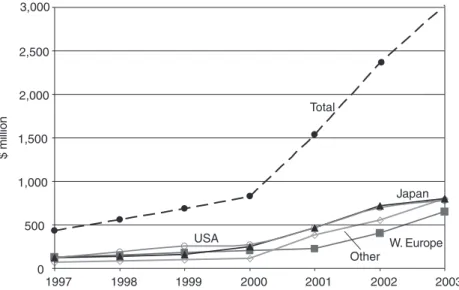
- Expected NT market
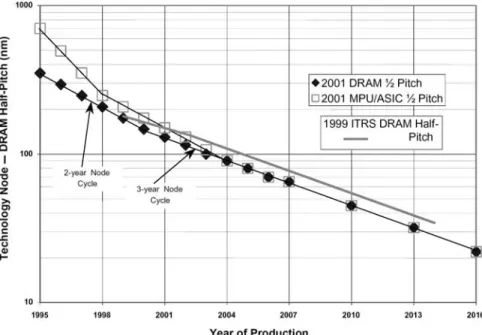
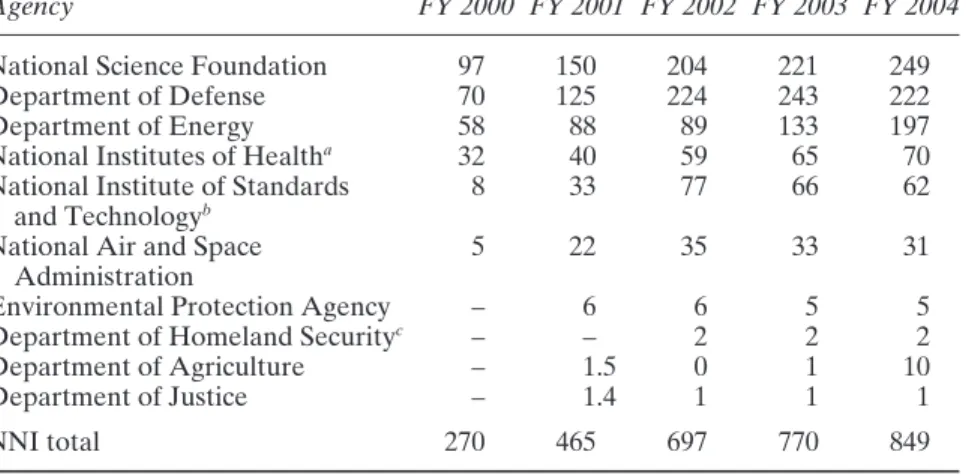
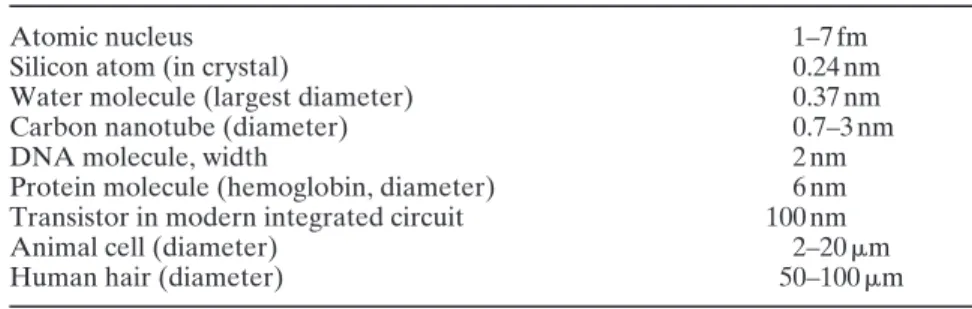
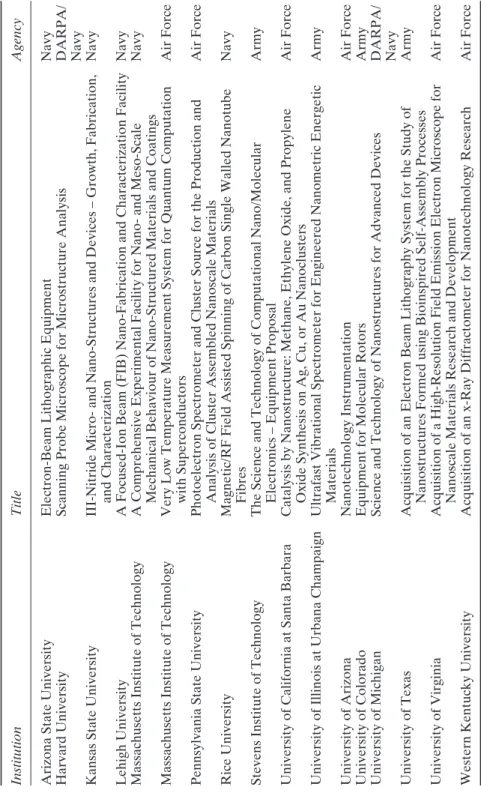
In the 2001 roadmap for the semiconductor industry, the extrapolation continues through 2016 with a feature size of 22 nm, Figure 2.1. For the distribution of the NNI funds between the various US agencies see table 3.1 in section 3.1.1.).
MILITARY EFFORTS FOR NANOTECHNOLOGY
Internal Data, Chemical, Communications and Signal (artificial systems within the soldier)
- Other countries
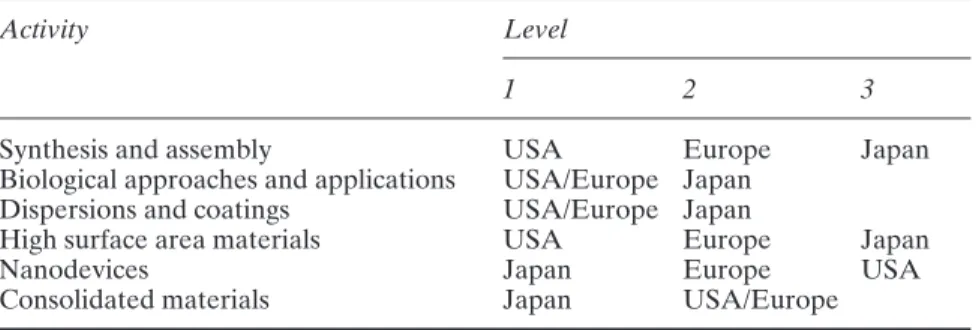
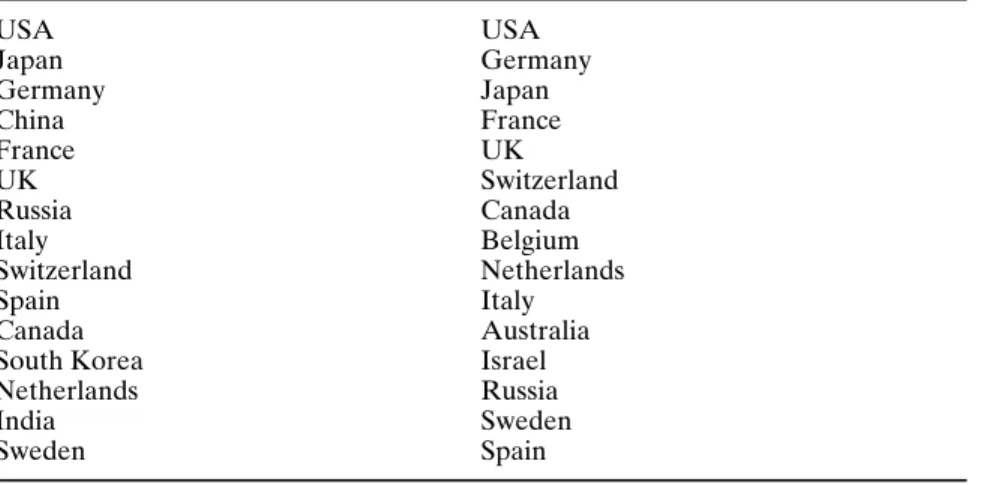
- International comparison of military NT efforts
- Perceptions driving an NT arms race?
Based on the activities of TNO-FEL in the field of MST (Altmann 2001: . Section 3.3), it may be assumed that the work in NT will increase. A technical case study on NT applications that could lead to EUCLID programs has been proposed in the European Defense Industry Group (EDIG) (Burgess 2002). This is likely to apply to NT in the future unless general Japanese policy changes.
From the Cold War, we know that threat perceptions are one of the important drivers in the search for new military technologies. In the RAND report, small-scale robots and insect platforms were mentioned as potential future US weapons.
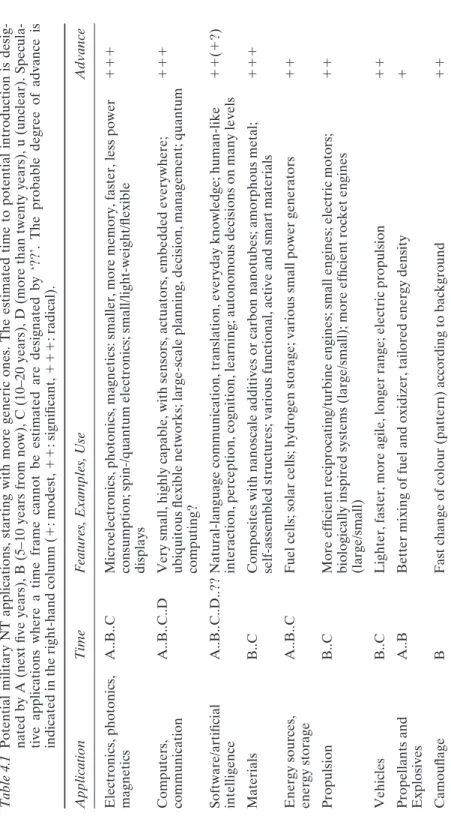
POTENTIAL MILITARY APPLICATIONS OF
Military applications of NT
Larger types (tens of kW and above) can be used for land vehicles and ships. Such high-altitude (15-20 km) aircraft could be used for surveillance or as communications relays (for a project using hydrogen, possibly not yet involving NT, see DARPA Budget 2003: 177). Mobile bio-tech hybrids can be used for the same purposes as mini-/micro-robots, from reconnaissance to attack (see section 4.1.16).
Together with biotechnology, NT will facilitate the creation of new microorganisms that can be used as biological weapons. In terms of proper protection, NT could be used in porous membranes that would block all but the smallest molecules.
Summary of military NT applications
In the field of sensors for chemical or biological warfare agents, several NT-based approaches are conceivable. Specific binding to antibodies could be detected by fluorescent or magnetic nanoparticles or by changes in the resonance frequency of vibrating cantilevers. It is to be expected that many more types of NT-based sensors and protective equipment will be developed in the course of increased R&D funding for US homeland security as well as in other countries.
Artificial intelligence and autonomous systems could only progress slowly, as they did in the past. However, in more specific military applications, where there will be little civilian demand or high technological risk, military R&D will certainly lead.
Potential military uses of molecular NT
The same applies to energy that can be transported in the form of electricity or as fuel (hydrocarbon, hydrogen). The required energy for production can be obtained from sunlight and/or organic matter. Moving ground vehicles can be reached from the ground by hopping or tethering, or by airborne moving/waiting systems.
MNT can be used to upgrade previous types of space weapons, such as boosters for projectiles, re-entry vehicles for ground targets; laser, Self-monitoring of information systems can be disabled or interrupted by information attacks.
Countermeasures against military NT systems
Artificial intelligence of (super)human capabilities can be reprogrammed by information attack, can be 'convinced' to change sides or can adjust its goals on its own. Protection schemes as devised above would be major interventions in the environment and the human body. Survival would depend heavily on the behavior of autonomous actors and uncontrolled interactions.
Even superhuman intelligence may not be able to control and control what is going on. However, there is no evidence of defense dominance, so counterattacks and preemptive or even preemptive strikes are likely to continue to play an important role in armed conflict.
PREVENTIVE ARMS CONTROL
General considerations on preventive technology limits
Another way out is mutually agreed limitation and reduction of armaments with appropriate verification, as with the Cold War nuclear arms control treaties and the Treaty on Conventional Armed Forces in Europe. Ideally, such restrictions could then be linked in the further process to a defensive restructuring of the armed forces as a whole. Continued progress in threat reduction can lead to improvements in political and economic relations that make armed conflict unthinkable.
Factors that greatly influence decisions to limit military technology are the tasks of the armed forces and the planned circumstances of their use. It is obvious that the requirements for the strength of the defense are very different between these tasks.
Preventive arms control: process and criteria
This discussion makes it clear that there are good reasons for preventive arms control even after the Cold War. The much more likely scenario is that military technology and weapons developed in the high-tech countries will be exported or otherwise distributed to non-state actors. In the course of the German joint projects on preventive arms control, of which this work and its predecessor on microsystems technology (MST) (Altmann 2001) form a part, a sophisticated set of criteria has been developed to identify where militarily relevant technologies may pose particular hazards , so that considerations about preventive limits should take place.
III Respect and further development of effective arms control, disarmament and international law. Of course, these criteria are not set in stone; 7 further discussion and development is required.
Design of preventive limitations
In particular, account should be taken of the fact that too wide limits on permitted activities would make it easier to circumvent military prohibitions. This is why the running text of the Compliance and Verification Protocol to the Biological Weapons Convention – negotiations since 1995 ended in 2001 after the US withdrawal (Nixdorff et al. 2003: ch. 8)9 – roughly provides similar inspection rights as the Chemical Weapons Convention (BWC AHG 2001). Theoretically, 'nanomonitors' could help if they could identify one illicit system, but they would have to be very numerous and offer many opportunities for circumvention themselves (see also considerations on 'active shields' in section 1.5). .1 and 1.5.5).
However, the ban on biological warfare may break down if the convention remains unratified in the face of rapid advances - accelerated by the NT - in molecular biology. Most research is inherently ambiguous, and the new knowledge gained can be used for civilian as well as military purposes; development of actual systems is usually specific to the respective sector.
PREVENTIVE ARMS CONTROL CONSIDERATIONS FOR
NANOTECHNOLOGY
Applying the criteria to NT
While various generic and more specific NT applications can be used for weapons of mass destruction - e.g. In space, (swarms of) small satellites could provide better detection capabilities for ground and airborne targets, and provide better communication channels that could be used for surprise attacks on Earth. Sophisticated chemical or biological means can be used against selective targets or for mass attacks, e.g.
They could at least be used by state authorities to eavesdrop and track individuals and vehicles. New chemical and biological weapons could be delivered through drinking water and thus could be used to shut down the supply.
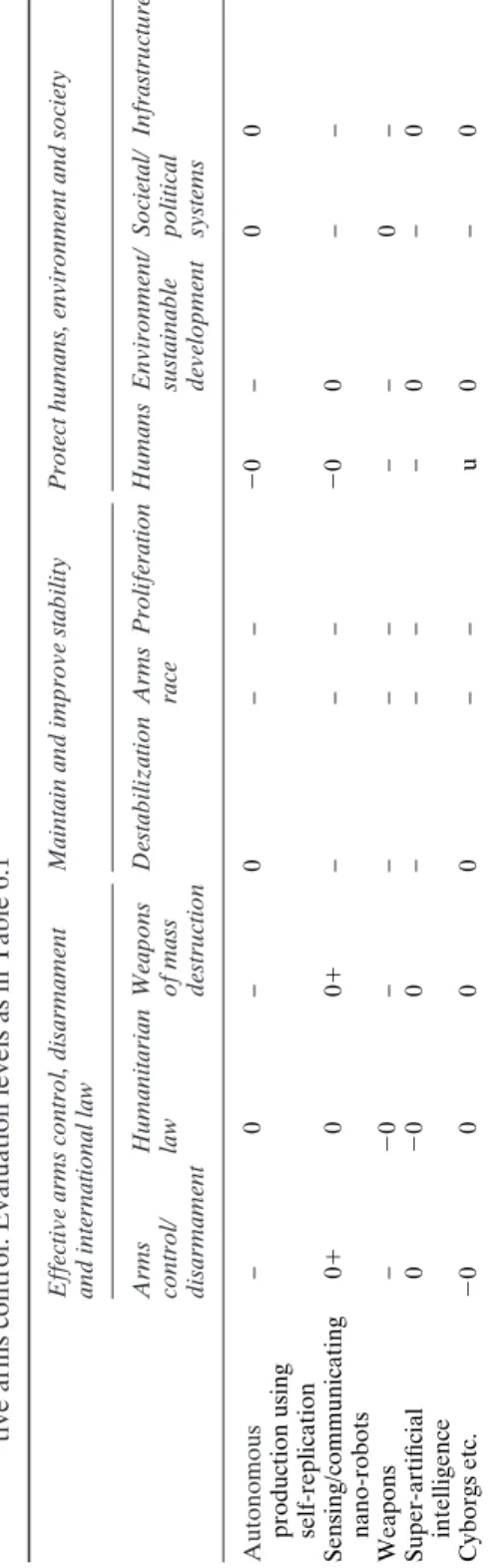
Preventive-arms-control criteria and molecular NT Because molecular NT (MNT) is not imminent and its military uses can
Among new conventional weapons, metalless weapons, small guidance and small missiles, if distributed in the hands of criminals, can be used for more effective/more stealthy attacks on the societal infrastructure. Replicating nano-robots could be used to create widespread, long-lasting and severe changes in the environment, which would violate the Environmental Modification Convention; general conversion of the ecosphere to gray goo would obviously go far beyond any intended military effect. People in peacetime may be put at risk if military MNT developments become available to sections of civil society.
robots can be used by government agencies, corporations or criminals to eavesdrop on people, subconsciously influence them or for attacks on health and life. Independent research and development and testing may be too complicated for an individual, but a program prepared in the military and disclosed to the outside world can be put into effect immediately.
Summary evaluation
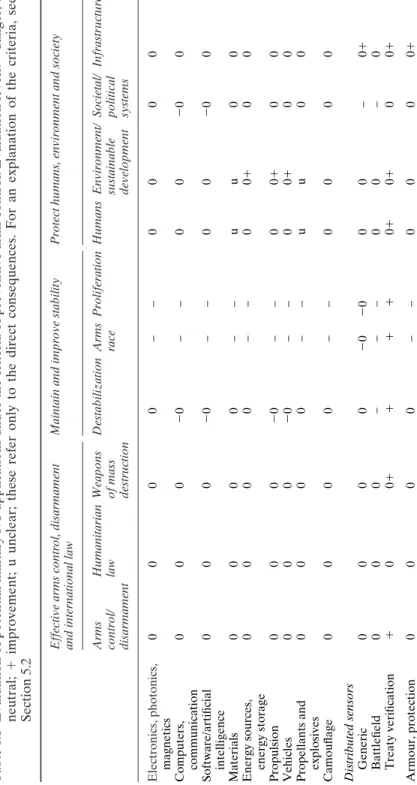
For an explanation of the criteria, see section 5.2 Effective arms control, disarmament Maintaining and enhancing stability Protect people, the environment and society and international law Artificial Intelligence Software/Materials0000 ––uu00 Energy sources energy storage Propulsion0000––0000 Vehicles0000– –0000 Fuel and 0000––uu00 Explosives Camouflage0000––0000 Scattered Sensors Generic00000000–0––Battlefield00000–0–Battlefield00000 0––0000. The sensors for verification must be designed in such a way that their use in battle is difficult. Also, the potential of their misuse for surveillance and tracking in civil society should be minimized, e.g.
For both purposes, the sensors should be kept macroscopic in size and not made smaller than a few cm. The corresponding ambiguity should be minimized by guidelines, international transparency, and a tiered peer-review process for research relevant to the CWC and BTWC (as recommended by Steinbruner and Harris 2003 and Nixdorff 2003).
Options for preventive limits on military NT
This ban should apply in the military as well as in the civilian sector and start at the development stage. Regulation similar to the CFE Treaty should be introduced in other regions of the world. The ban should apply in the military and civilian sectors and start at the development stage.
The only exception is weaponized systems for law enforcement purposes - preventing military buildup under the guise of police systems requires some restraint. Similar considerations apply to in-body surgical robots; here military medicine would be similarly affected and could be included.
Meta-aspects concerning preventive arms control
4 The discussion about manipulation of soldiers' bodies raises the issue of human rights for soldiers. 5 Even though NT will enable new systems and missions, considerations of comprehensiveness and verifiability have led to limitation proposals that do not focus on NT as such, but rather on specific classes of systems and missions, independent of the technology used. 6 Several of the recommendations are not NT-specific, but relate to arms control treaties that already exist (such as the BTWC and CWC), or that have been demanded for a long time (the space arms ban).
The theoretical advantage that NT as a qualitatively new technology would make pre-emptive limits easier is somehow negated here, and the general political problems of achieving meaningful gun limits become apparent. 7 By focusing on the most dangerous NT-compliant applications, all others are implicitly accepted and the proposed restrictions only cover a relatively small subset.
CONCLUSIONS AND RECOMMENDATIONS
- Recommendations for preventive-arms-control action for nanotechnology
- Transparency and confidence-building measures
- Recommendations for further research
- Concluding thoughts
If there is an urgent need for weapons and ammunition based on non-metallic materials, metallic patterns should be compulsorily incorporated for a clear signature on X-ray and metal detectors. Concrete interpretations of what constitutes illegal/unethical body manipulation should be developed by international understanding. In those areas where international agreement may prove difficult to achieve or negotiations may proceed very slowly, export controls should be agreed between the States active in NT research and development (R&D), with the aim of limit the spread of dangerous NT-based systems and applications.
Formal and informal transparency and trust-building measures are important and should be pursued at many levels. 5 Regarding the potential for dual use of NT R&D, which guidelines should be used in R&D policy – on the one hand in R&D funding, on the other hand in international cooperation.