ABC partners with other recognized school and community organizations to support and enhance the JQA high school athletic program and student athletes. Most of the literature confirms that parents are less engaged as their children move from primary to secondary school. What are the perceptions and understandings of parents of athletes about the John Quincy Adams Athletic Booster Club and its role in supporting student athletes.
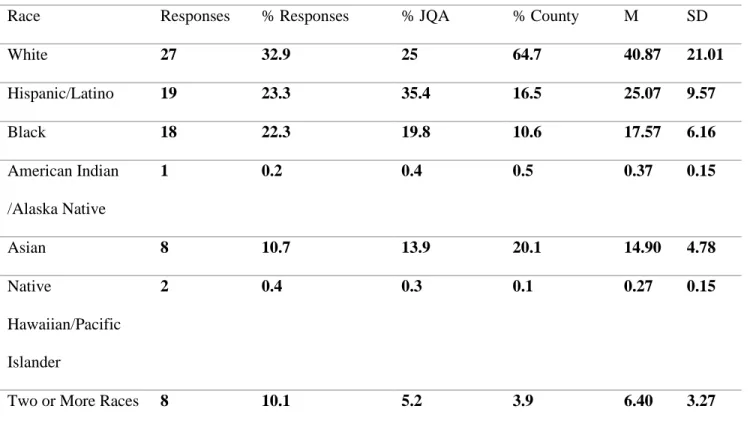
Answers from the interviews indicated less understanding and knowledge of the ABC than the initial questionnaire results would have indicated. Six out of eight of the mothers who complete the questionnaire and respond to the interviews are white women. JQA is one of the smallest schools in the country with an enrollment of 2,100 students.
The function of the Athletic Booster Club (ABC) is to promote, support and assist the JQA athletic activities and student athletes by providing advice, volunteer support and financial assistance to the Director of Student Activities (DSA) and his role as Head of Student Affairs. The coaches need the support of the ABC and parents to complete the tasks associated with leading a high school athletics team. The purpose of involvement changes as students progress through high school (Halsey, 2005).
It is a process based on choices that are influenced by beliefs and attitudes regarding the outcome of the choice. Along with the belief in the power of the outcome there is the belief in a benefit or reward. Research Question 1: What are parents' athletes' perceptions and understanding of the ABCs of the JQA and its role in supporting student athletes.

Sample and Recruitment
A mixed methods study using quantitative and qualitative methods in data collection answered the various research questions. Each phase informed the next phase and served as the basis for answering the research questions.
Questionnaire
A limitation of this approach was that parents were not actively engaged in ABC and their memory of their experiences may have been impaired. Each student athlete-parent pair was given a unique identification code as part of the questionnaire to maintain anonymity. An incentive (ie, $5 coupon code) for use at the booster store was offered to each parent who completed the questionnaire.
Interviews With Parents of Athletes
Their response rate was almost equal, but Hispanic students make up more than one-third of the student body at JQA. I was particularly interested in the response of the one Black parent in my sample group. Although I was consciously aware of confirmation bias, I was one of the most involved white mothers on the ABB for eight years.
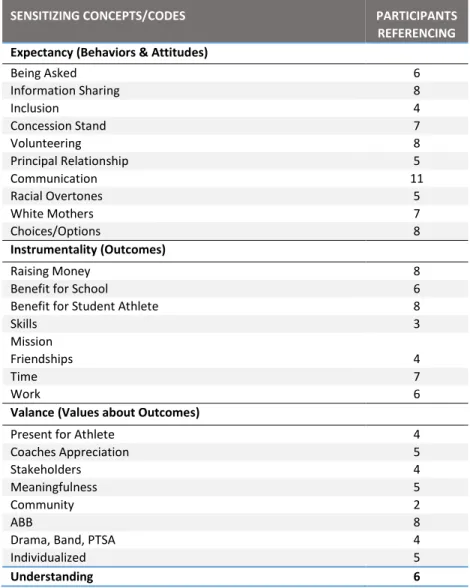
Research Question 1a: What are parents of athletes' perceptions of and understanding of the John Quincy Adams Athletic Booster Club and its role in supporting student-athletes. There are differences in the understanding of the purpose of the ABC between board members and all other ABC members and within club members. Valence is defined as the preferences and desires of the individual volunteer based on the possible outcomes (Grant and Shin 2011).
Responses to this question were again variable, ranging from indifference to a strong desire to pursue volunteer work to benefit the school, athletics, and their student-athlete. Although only a single board member from Band, Drama and PTSA was interviewed, the responses were quite similar to those of the ABC parents. One of the challenges in using expectancy theory to change organizational practice is that it is an intra-individual theory of motivation.
A "one size fits all" solution will not work for everyone due to the subjective nature of the evaluations of each part of the theory. This was especially frustrating for the board members of the various organizations, who noted that they had little communication with the principal, but some of the money they earned through gate sales, contests or fundraisers was asked to go back to the school and county. . During the interviews, some parents expressed confusion about the role and relationship of the DSA.
These recommendations need to be prioritised, perhaps through a strategic plan prepared with the needs and priorities of DSA and ABB in mind. Although not directly related to parent volunteering at athletic boosters, several parents mentioned not understanding the DSA's role. Schools ask for parents' time both inside and outside the classroom, but parents and schools may have different understandings of this commitment.
It all comes down to leadership”: The role of the school leader in promoting parent-school engagement. 18 Have you volunteered as staff for any of the concessions stand during the year for.
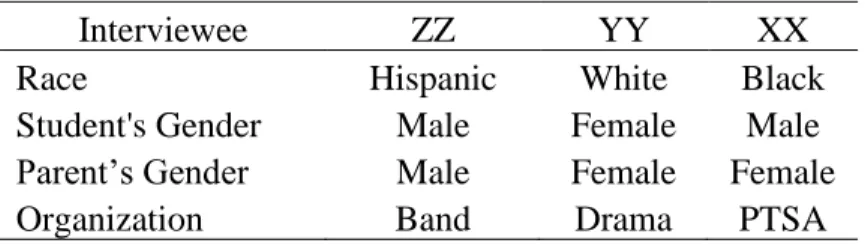
Interviews With Parents of Band, Drama and PTSA
The ABB working with the DSA should strive to have the director interact with student-athletes once per quarter through an awards luncheon or other recognition.
There is now a group of parents who do not have a direct understanding of ABC's role due to the closure of athletics during the pandemic. 88% of parents have never helped in the library or cafeteria (help is needed in common locations). 40% of mothers in the sample work full-time and are unable to participate. The choice between options is fluid and is influenced by beliefs and the relative benefits of the outcome of each decision.
Expectancy is the first element of the theory and consists of choices between alternatives and the belief that the chosen alternative will result in a positive outcome. When weighing expectancy beliefs, the volunteer will also consider instrumentality as part of the decision-making process. Valence is the final element of the theory and is the value or importance an individual places on the range of outcomes resulting from a behavior or choice.
For parents deciding whether or not to volunteer, they weigh the effort of the action or behavior and its value.