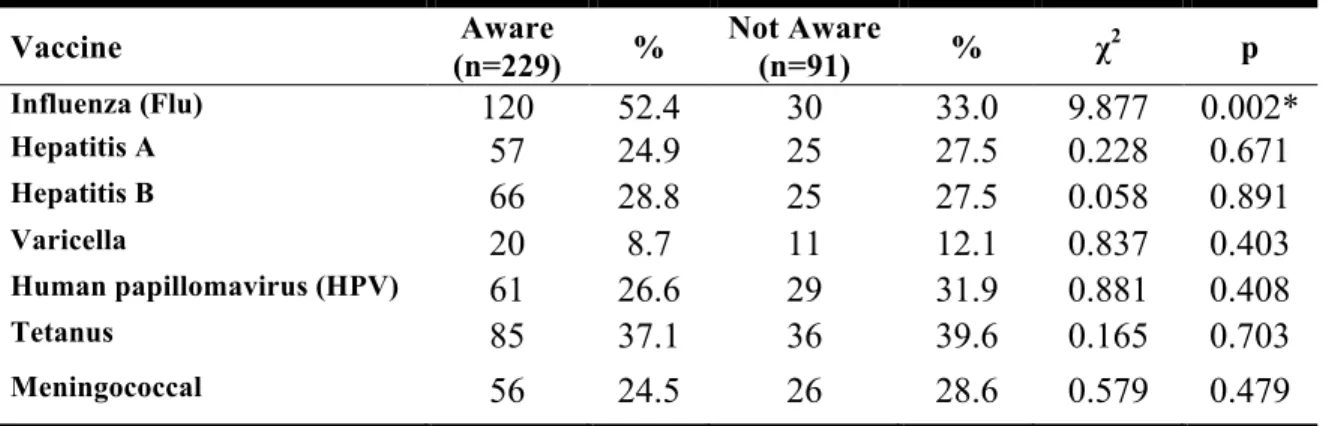
Vaccinations are a simple solution to provide immunity to the body for individuals without the individuals ever having to contract the disease and suffer from its symptoms. Antibodies are produced and trained to recognize the pathogens presented to the body so that the body can quickly recognize and kill the pathogen before symptoms appear after subsequent exposure. The body's newly synthesized antibodies can recognize pathogens and protect the body for years after the initial exposure; However, as the body mounts a defense against the foreign substance, an individual is affected by the disease and may exhibit adverse symptoms before the antibodies are fully able to clear the acquired disease from the body.1.
The body is able to recognize parts of a virus and produce antibodies, so it is not necessary to expose the body to the entire virulent strain of a pathogen to produce immunity. Some vaccines do not require a specific type of virus or bacteria to trigger an immune response in an individual, but instead, the body may recognize a specific protein or. Subunit and conjugate vaccines can trigger an immune response by presenting the body with only the protein or carbohydrates found on the outside of a virus or bacterium, and like inactivated vaccines, it is not possible to contract the disease after receiving the vaccine. a subunit or conjugate vaccine.
Why Vaccinate?
Not every individual is eligible for vaccinations, so herd immunity provides an effective way to protect those who cannot be vaccinated, such as most infants, pregnant and elderly populations. Some parts of the population, including young children, pregnant women and the elderly, may be at greater risk and more affected by the infectious disease because their immune systems may not be as strong as that of a healthy adult. In a failed herd immunity, a very small portion of the population is vaccinated, and a contagious disease is still more likely to infect the population as a larger portion of the population is still susceptible to disease.
The small population that cannot be vaccinated is still vulnerable to disease along with other unvaccinated members of the population. With successful herd immunity, a sufficiently large percentage of the population is vaccinated against an infectious disease, and a small population that cannot be vaccinated is protected from the disease. The success of herd immunity depends on the disease, but herd immunity is usually achieved when 80-95% of the population is vaccinated.
Diphtheria and rubella are as rare as measles in the United States, but since they have not been declared eradicated, an outbreak is still possible if we stopped vaccinating the population. If the population stops receiving vaccinations for rare diseases, one case of a rare disease can quickly spread to masses of the population, killing thousands. Even if only a small portion of the population received vaccinations, herd immunity would not be effective, and outbreaks would still occur. 6.
A child is exempt from receiving vaccines prior to admission if he or she is allergic to any component of the vaccine or cannot receive the vaccine due to a circumstance or. Survey participants were recruited from members of the Sally McDonnell Barksdale Honors College at the University of Mississippi.

Health Professionals’ Role
Today, almost every state in the United States gives specific authority to pharmacists to administer vaccines to the public, but unfortunately, not everyone is aware of the availability of local pharmacists to administer vaccines. Doctors and pharmacists not only need to work together to educate patients about getting vaccines, but it is also important to make patients aware that they may be able to get a vaccine from their local pharmacy as opposed to making an appointment. appointment to see their doctor. 13. Patients who received a vaccine from a pharmacist at the clinic were asked to answer a survey about their care and found that patients were very satisfied and satisfied with the care they received from the pharmacist.
Many patients (86%) were generally satisfied with receiving a vaccination from a pharmacist at the clinic, and 97.8% of patients felt that the pharmacist administering the vaccination spent adequate time caring for them. Furthermore, 97.8% agreed or strongly agreed that there was good communication with the pharmacist and felt that the pharmacist provided effective counseling and education. Most importantly, 98.9% of patients agreed that the pharmacist administering the vaccine was competent and able to administer the vaccine.
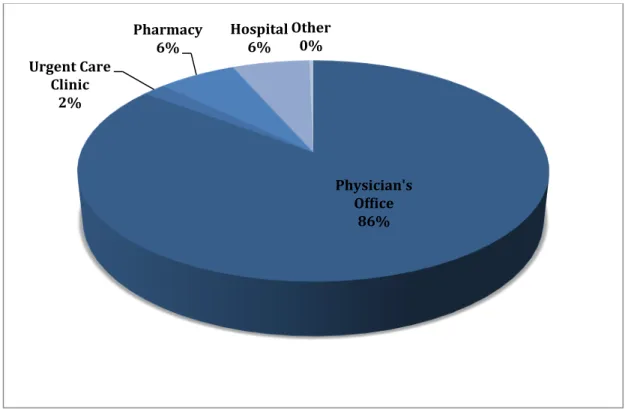
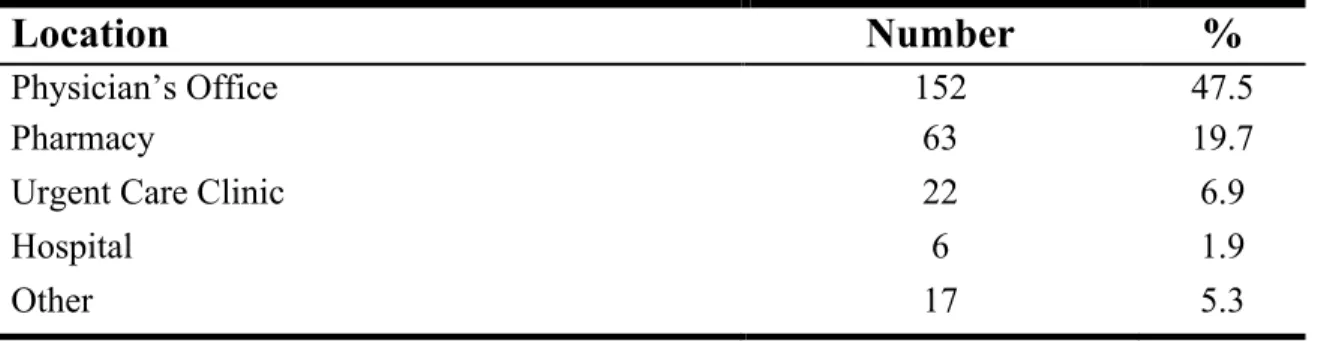
Overall, patients were satisfied with the pharmacist-led vaccine clinic and it is clear that pharmacists now play a key role in the health teams' goal of improving vaccination rates. It is important that pharmacists work to educate patients about opportunities that may be available for more convenient vaccination and vaccination education. 14. To determine the different roles of healthcare workers in administering vaccines, survey participants who had recently been vaccinated were asked to report the setting in which they received the vaccines and the healthcare setting in which participants would be most comfortable receiving them. the vaccine.
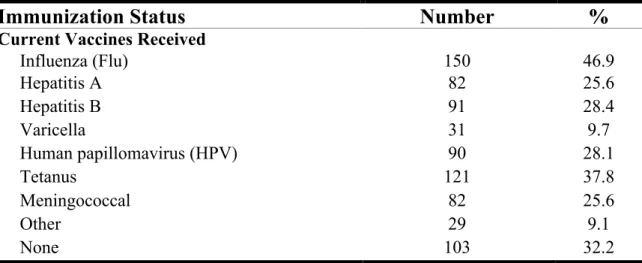
Overall, respondents who had recently received vaccines were more likely to receive them in a doctor's office (Table 3). Regardless of immunization status, most respondents reported that they would be most comfortable receiving a vaccine in a doctor's office, which is consistent with the likelihood that a respondent received a vaccine in a doctor's office, given they have recently received a vaccine (Figure 1).
Education
It is common for health professionals to assume that the population is well informed about their health, but unfortunately this is not always the case. The study found that patients who were not educated about vaccines were more likely to fear vaccinations and less likely to receive the appropriate vaccinations each year. Since it is common for patients to develop fears about vaccines when they are not properly educated about their specific vaccination recommendations, it is important that physicians and pharmacists strive to educate patients to make informed decisions about their health and vaccination status.
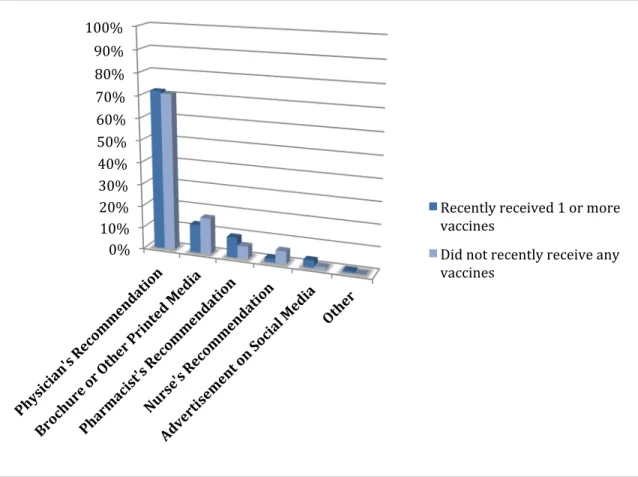
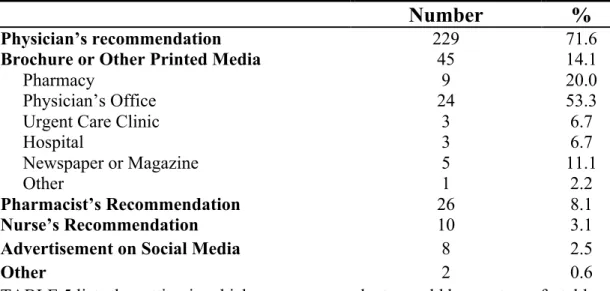
Healthcare professionals' advice has such a large impact on patients' decisions that it is imperative that doctors and pharmacists remember to simply suggest and inform their patients about vaccines.16 Another study attempted to improve vaccination rates by implementing a vaccine intervention by several doctors and their patients. practice. After conducting a survey to determine the best teaching method, it was found that most study participants who had recently received a vaccine were more likely to prefer receiving education from a physician (Table 4). Of the respondents who had not recently received a vaccine, it was found that they would also prefer to receive education from a doctor (Figure 2).
A large proportion of respondents also preferred to receive information through a brochure or other written media, and surprisingly, almost no participants preferred to receive educational materials through social media (Figure 3). In an effort to better understand the response choice "brochure or other print media," survey participants who chose Not surprisingly, respondents reported that they were more satisfied receiving education through a brochure or other written media in a physician's office; however, some respondents reported that they would also prefer to receive printed educational material at a pharmacy (Table 5).
The survey results demonstrate the overwhelming responsibility placed on physicians to act as advocates for vaccine awareness and to educate the public; However, a large number of respondents reported that they also felt comfortable receiving vaccines and information about vaccines from other healthcare professionals, and it is important that every member of the healthcare team continues to promote vaccine education and awareness. Every member of the healthcare team plays a critical role in educating patients and raising awareness.

Results
As there are many barriers to vaccination uptake and many ways have been shown to improve education and vaccination rates, it is important that health care professionals recognize their role in each process. While the survey results identified physicians and their practice sites as key players in educating patients and improving vaccination rates, it is important that other health care professionals also promote education and awareness. Since pharmacists are often more accessible than doctors, pharmacists can suggest vaccines to patients and also suggest patients follow up with their doctor as survey results show that patients are more receptive to a doctor's recommendation.
With so many different health care professionals capable of administering vaccines, physicians can also distribute responsibility to other health care professionals in an effort to improve vaccination rates. While the study on immunization perception and education had many strengths, it also had several limitations. Survey participants were drawn from the Sally McDonnell Barksdale Honors College at the University of Mississippi and not from a larger, more representative population.
Survey participants could have interpreted the phrase “recently received” differently and this could have influenced the self-reported results. Most recently, the survey was conducted in Mississippi, which already exhibits fairly high vaccination rates compared to other states in the United States. If you received recent vaccinations, where did you get the information about the vaccines administered. m.
If you have received recent vaccinations, in what setting were they administered? q I have not had any vaccinations recently. If you have NOT received any recent vaccinations, where would you be most comfortable getting information about vaccinations? If you answered "brochure or other print media" to the question above, in which setting would you feel most comfortable receiving the brochure or other print media? m.