1 Introduction to project management 3 1.1 Project management defined 12 1.2 Definition and context of the project 17 1.3 Key skills of the project manager 25 1.4 Introduction to the project. Project Management for Instructional Designers is published under a Creative Commons Attribution-NonCommercial-ShareAlike license.
PROJECT MANAGEMENT DEFINED
According to this view, project management is the application of everything a project manager does to meet these parameters. 1] Project Management Institute, Inc., A Guide to the Project Management Body of Knowledge (PMBOK Guide), 4th edition.
PROJECT DEFINITION AND CONTEXT
The PMO varies in structure and responsibilities depending on the parent organization's project management approach. The project office can maintain the organization's project management policies and procedures, maintain a historical database, maintain best practices, and provide training and specialized expertise when needed.
KEY SKILLS OF THE PROJECT MANAGER
However, the project manager may lead the $10,000 project that the operations manager requested to improve the organization's work process. Project managers create a team that is focused on the goal and energized about the success of the project.
INTRODUCTION TO THE PROJECT MANAGEMENT KNOWLEDGE AREAS
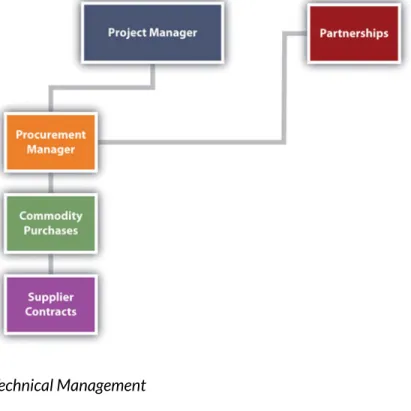
According to the Project Management Institute, a full scope statement should include:1. The provider of procurement management depends on the size of the project and the organization.
USING A PROJECT PROFILE
These two attributes—size and location—provide information about the project that enables a manager in the parent organization to assign a project manager with the relevant knowledge and skills. Organizations need good tools to understand and match a project's needs with the project manager who has the right skills and experience. Developing a project profile is a method of gaining an understanding of the project and providing a systematic approach to developing an execution plan to select a project manager who has the right kind of experience and skills.
The characterization will provide a more comprehensive understanding of the project that should result in the development of an appropriate execution approach and allocation of organizational resources. For example, you can characterize a project as a large project or a small project; the size of the project becomes the profiling attribute. You can characterize a project as national or global, making the project's location the profile characteristic.
PROJECT PROFILING MODELS
Although projects involve the use of various levels of technology, Shenhar and Dvir developed criteria for each type of technological uncertainty that made it possible to type the project. The system scope dimension ranged from assembly projects that dealt with building a single component, to. Shenhar and Dvir observed that the project execution approach is linked to the project type.
As the project system scope became more complex and the system scope of the project increased, more sophisticated management tools were introduced to reduce project uncertainty. In later research, Shenhar2 developed recommendations for adapting the project management approach based on the project typology. Some things to consider might be technological uncertainty and complexity of scope, risk, worker sophistication, location, urgency, and organizational design.
COMPLEX SYSTEMS AND THE
Any change to the kickoff activities will affect other activities and the project as a whole. The organization of the project responds to the nature of the work in a given phase. In other words, the system will adapt to the needs of the project in each phase.
During the second month of the project, the client faced a lawsuit that required the project to be put on hold. In the absence of an accurate assessment of the project environment, project management makes assumptions and develops the execution plan around those assumptions. The quantity and quality of these assumptions will significantly affect the effectiveness of the project execution plan.
DARNALL-PRESTON COMPLEXITY INDEX STRUCTURE
The consultant interviewed the project leader and asked if the objectives of the projects were clear. The structure of the project's client organization and the organizational decision-making processes influence the project complexity. Significant project time and resources will be devoted to identifying, understanding and managing expectations.
A project's technology refers to the product of the project rather than the technology used to manage the project. When legal issues are involved, they are usually significant and will add to the complexity of the project. A growing number of clients expect the project team to minimize the project's ecological impact.
USING THE DARNALL-PRESTON COMPLEXITY INDEX TO MEASURE
The project size is on the high or low end of the range of project sizes that the organization or team members have done before. The project size is approximately 20% higher or lower than projects that the organization or some of the team members have done before. The project size is about 50% higher or lower than projects that the organization or most of the team members have done before.
Remember that this category refers to the project team's knowledge of the technology that is part of the project. The technology is new to some of the team members who are not in key positions. Several team members have not worked with this technology, including some of the key team.
PROJECT PHASES AND ORGANIZATION
The initiation phase, which PMI calls “starting the project,” includes all the activities necessary to begin planning the project. The execution phase, labeled by PMI as “executing the work,” includes the key activities required to accomplish the project’s work. The project client takes control of the project's product and the project office is closed.
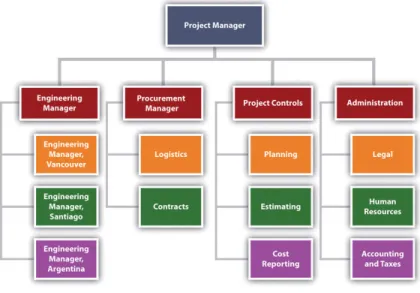
The amount of resources and skills needed to implement each phase of the project depends on the profile of the project. During the planning phase, the project team developed an integrated project plan that coordinated the activities of the engineering, procurement, and design teams. The execution phase, which PMI calls "doing the work," includes the major activities necessary to accomplish the project's work.
PROJECT PHASES AND ORGANIZATION
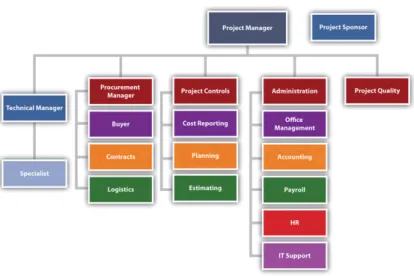
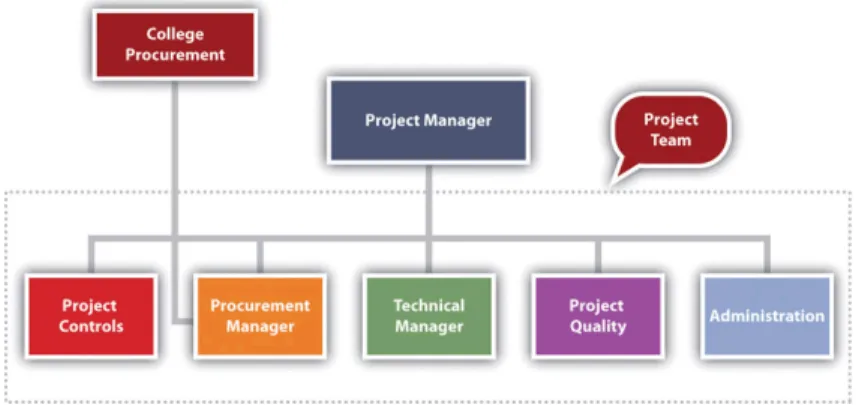
The role of the project manager may vary depending on the complexity profile and organizational structure. While the project manager's functional responsibilities may vary, the primary role is consistent on each project. The project quality manager is not responsible for the quality of the instructional materials the team produces.
For example, people assigned to the project receive HR support from the HR department of the parent organization. Salary, benefits, and HR policies for employees assigned to the project are supported from the HR department. Because project stakeholders can often exert significant influence over the success of the project with expertise, political.
INCLUDING THE CLIENT
During the final stages of a project, project team members are often tired and begin to anticipate the transition that will occur at the end of the project. The motivational approach that worked during the early stages of the project is less effective during the final stages, and the project manager applies different approaches to motivate the project team. The client translates the organization's needs through project design and project scoping to the project manager and project team.
This oversight is often accomplished through regular project reviews and reports from the project team. In addition to providing the formal overview of the project, most clients want to actively participate in the success of the project. During the development of a chemical plant employee training in Tennessee, the project team struggled with a very tight project schedule.
UNDERSTANDING VALUES AND EXPECTATIONS
The project manager also discussed potential concerns with the client during their weekly project update. After the project team captures the client's expectations, the team develops a method to track performance against expectations. The project team developed a survey to track the client's perception of inclusion in the problem solving process and tracked the client's responses.
As the project team meets and exceeds customer expectations, those expectations tend to change. The project team considered this behavior rude and hampered the effectiveness of the project. If the client finds the project manager's behavior unfair, then it is difficult to create a satisfied client.
DEALING WITH PROBLEMS
Decisions that affect the outcome of the project, such as a delay in the project completion date or an increase in project costs, usually involve the client. The project team debated how much urgency the project needed and how to inform the client. It empowered the client with the ability to capture the full attention of the project team.
When the customer presented the red button, the project manager immediately stopped ongoing activities and focused on the customer. Although the project manager believed that the card had been used too much to get the full attention of the project management team, he never regretted giving the customer the card. Decisions made in the conceptual phase of the project may not be effective in the design phase.
WORKING WITH INDIVIDUALS
Emotional intelligence is an important part of the project manager's ability to build trust among team members and with the customer. Most experienced project managers are able to adapt their management approach to the needs of the project phase. The project manager knew that building trust with the team was equally critical to the project's success.
One of the most important communication skills of the project manager is the ability to listen actively. The project manager also discovered that the client's future with the company depended on the success of the project. The project manager must also try to understand what outcomes are desirable for the project.