Email: [email protected] Email: [email protected] Email: [email protected] Jaypee Brothers Medical Publishers (P) Ltd Jaypee Brothers Medical Publishers (P) Ltd. Wholesale inquiries can be requested at: jaypee @jaypeebrothers.com Biochemistry Quick Review for Students - Questions and Answers First Edition: 2014.
Cell and Plasma Membrane
- Name all cellular organelles with one function for each
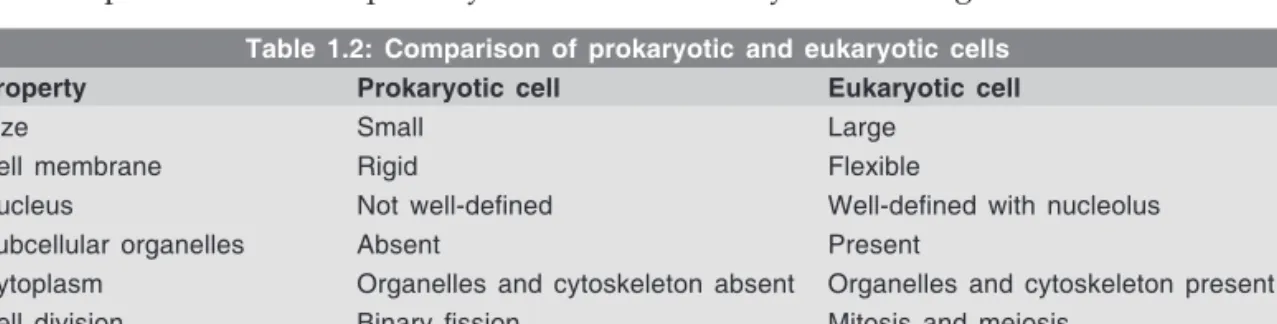
- Compare and contrast prokaryotic cell with eukaryotic cell
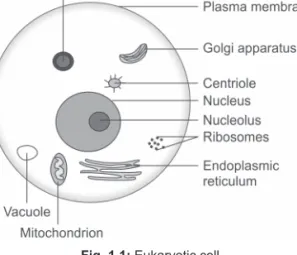
- Draw a neat and labeled diagram of eukaryotic cell
- Write short notes on fluid mosaic model of membrane
- Write the functions of plasma membrane
- Describe the characteristics of facilitated diffusion. Mention two examples of transport by facilitated diffusion
- Explain active transport with suitable examples
- Describe transport processes across the membrane
Functions of the plasma membrane • Protects the cytoplasm and organelles • Maintains the shape and size of the cell. Definition: Movement of the particles using transport proteins along the concentration gradient.
Enzymes
- What are coenzymes? Explain with two examples
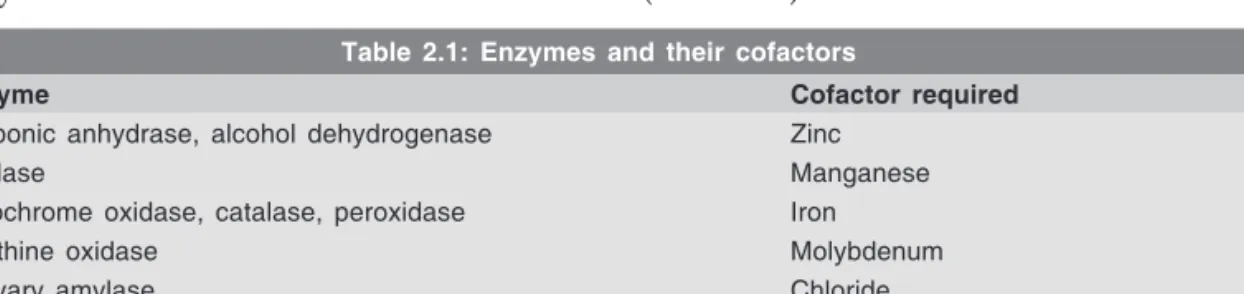
- What are cofactors? Explain with two examples
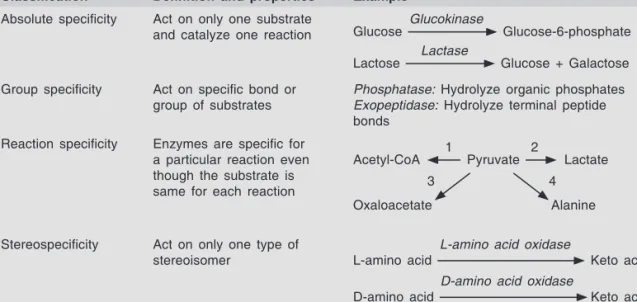
- Explain enzyme specificity with suitable examples
- Define and classify enzymes with suitable examples
- Write briefly on active site of an enzyme
- Explain the models proposed for interaction of substrate with active site of an enzyme
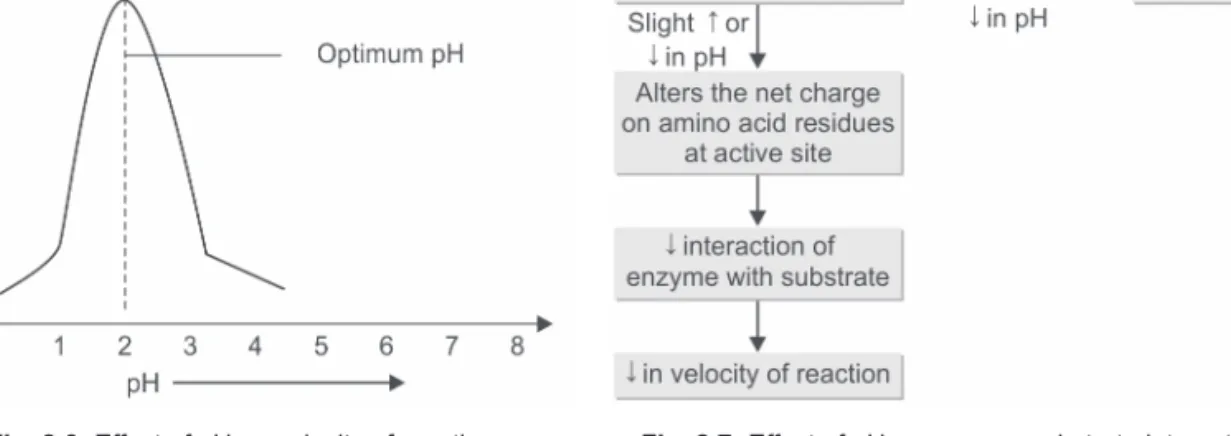
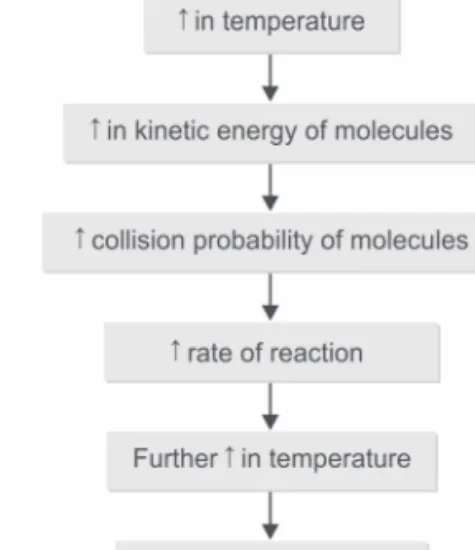
- What are the various factors affecting enzyme activity? Explain with suitable diagrams
- What is Michaelis-Menten equation? What is its significance?
- What is Michaelis constant? What does it signify?
- What is enzyme inhibition? What is its significance?
- Enlist the features of competitive inhibition. Give two clinically relevant examples
- Enlist the features of non-competitive inhibition. Give two examples
- What is suicide inhibition? Explain with two examples
- Explain enzyme regulation
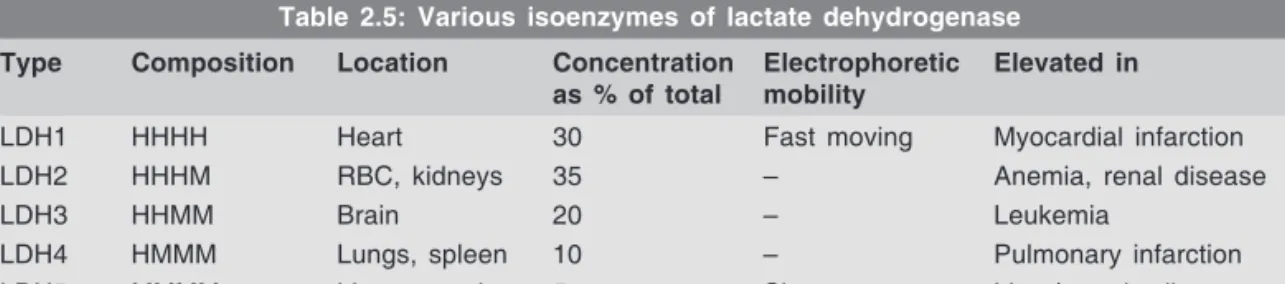
- What are isoenzymes? Explain their clinical importance with an example
- Explain the role of enzymes in diagnosis of acute myocardial infarction
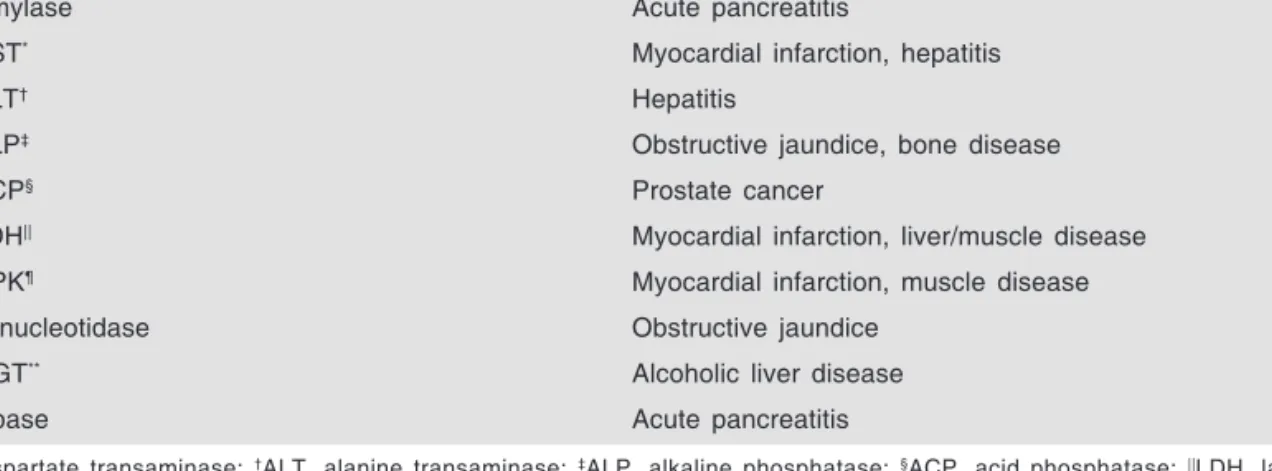
- Enlist some enzymes and conditions where they are elevated
- Define and classify carbohydrates with suitable examples
Definition: The active site of an enzyme is a three-dimensional structure that has amino acids or groups and occupies a small part of the enzyme. A competitive inhibitor is structurally similar to the substrate • It binds to the active site of the enzyme.
Chemistry of Carbohydrates
- What are the various functions of carbohydrates?
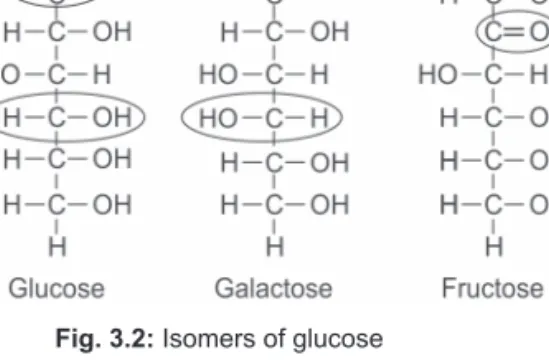
- Explain different types of carbohydrate isomers with examples
- What are the modified sugars encountered in our metabolism?
- What is mutarotation? Explain with an example
- What is a glycoside? Give some examples
- Compare the structure of starch and glycogen
- What are glycoproteins? Give some examples
Chondroitin sulfate N-acetylgalactosamine + glucuronic acid; present in cartilage, tendons, ligaments Dextran Heteropolysaccharide; used as a plasma volume expander. Deoxy sugars OH group is reduced to H Deoxyribonucleic acid (DNA) Amino sugars OH group replaced by amino group Glucosamine, galactosamine Sugar acid Alcohol group of first carbon of glucose is oxidized to gluconic acid.
Digestion, Absorption and Metabolism of Carbohydrates
Explain digestion and absorption of carbohydrates
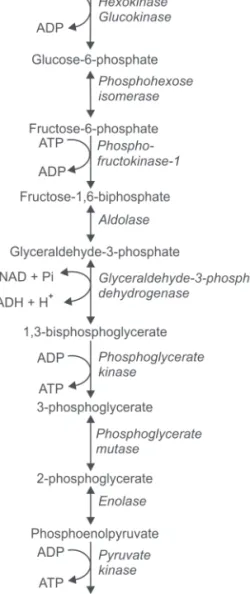
Write the individual reactions of glycolysis. Add a note on its energetics
Digestion, Absorption and Metabolism of Carbohydrates
Briefly write about the regulation of glycolysis
What is substrate level phosphorylation? Give any three examples for it
Enlist inhibitors of glycolysis
Explain metabolic disorders associated with glycolysis
What is BPG shunt (Rapoport-Luebering shunt)? What is its significance?
Write the reactions of tricarboxylic acid (TCA) cycle (Krebs cycle). Explain its energetics
Write a short note on the regulation of TCA cycle
Enlist the inhibitors of TCA cycle
Explain the amphibolic role of TCA cycle
Citrate → Acetyl-CoA → Malonyl-CoA Citrate lyase and acetyl-CoA carboxylase Fatty acid biosynthesis α-ketoglutarate → Glutamate AST* and ALT† Purine synthesis.
What are the anaplerotic reactions of TCA cycle?
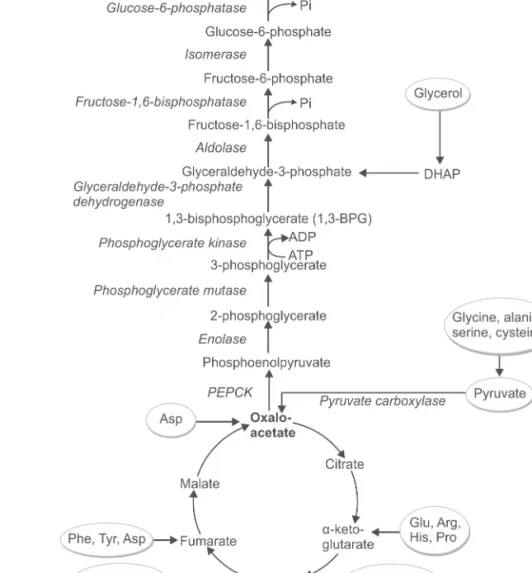
Define gluconeogenesis. Write the reactions of this pathway
What is Cori cycle?
Explain the regulation of gluconeogenesis
Mention the non-carbohydrate substrates for gluconeogenesis
Write the reactions of glycogenolysis
Write the reactions of glycogenesis. Add a note on regulation of glycogen metabolism
Enlist the types of glycogen storage disorders with respective metabolic defects
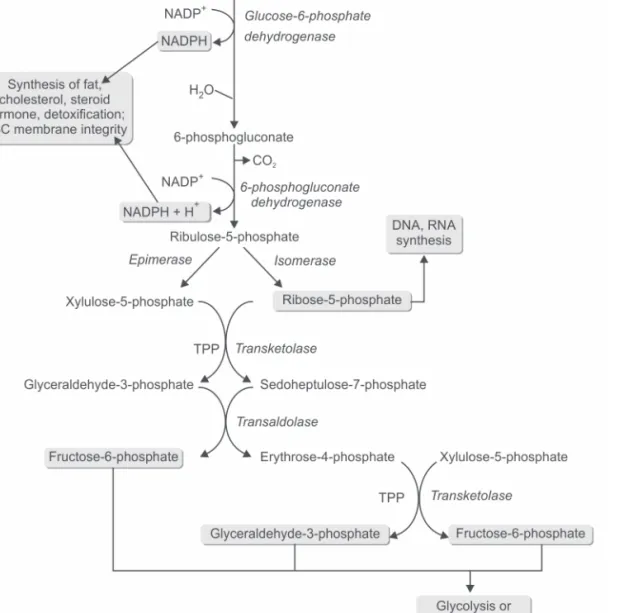
Write the reactions of pentose phosphate pathway (HMP shunt/direct oxidative pathway)
The generated NADPH is necessary for the synthesis of fatty acids, cholesterol, steroid hormones. NADPH also helps detoxify drugs (liver CYP450) • WBC depends on NADPH (NADPH oxidase) to kill bacteria.
Discuss the metabolic defects of HMP shunt
Enlist the metabolic disorders associated with fructose and galactose metabolism
What is the significance of uronic acid pathway? What is the metabolic disorder associ- ated with glucuronic acid pathway
Explain regulation of blood glucose level
List the actions of insulin and glucagon
Define hypoglycemia and hyperglycemia. Mention some causes for the same
When a person's fasting glucose is greater than 100 mg/dL and postprandial glucose is greater than 140 mg/dL, it is called hyperglycemia. 126 mg/dl or postprandial plasma glucose (PPG) > 200 mg/dl or random plasma glucose (RPG) > 200 mg/dl with signs and symptoms of hyperglycemia].
Define diabetes mellitus. Add a note on types and clinical features of the same
Glycated Hb (HbA1c): For every 60 mg/dL increase in blood glucose, there is approximately a 2% increase in HbA1c. Impaired Glucose Tolerance (IGT): In this condition, fasting blood glucose is greater than 100 and less than 126 mg/dL; postprandial blood glucose more than 140 and less than 200 mg/dl.
Chemistry of Lipids
- Define and classify lipids with suitable examples
- Give a brief account of functions of lipids
- Define and classify fatty acids
- Write a short note on essential fatty acids
- What are the types of rancidity? How can it be prevented?
- Define iodine number. Mention its significance
- Define and write the significance of saponification number
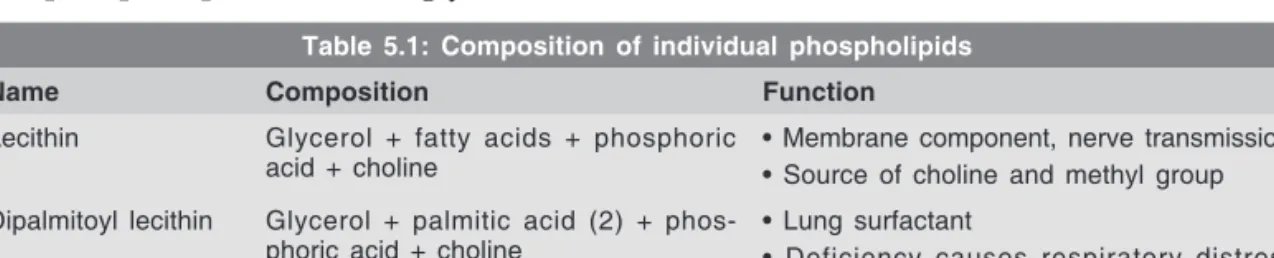
- Define and classify phospholipids. Write its compositions and one example for each class
- Mention the composition of glycolipids and give examples
- What are prostaglandins? Mention their functions
- Mention four biological functions of cholesterol
- What is the name of cholesterol ring? Mention the compounds derived from cholesterol
Unsaturated fatty acids: Contain one (monounsaturated) or more (polyunsaturated) double bonds in their hydrocarbon chain, e.g. Even-chain fatty acids: Natural lipids with an even number of carbon atoms in their chain, e.g. Essential fatty acids: Not synthesized in the body, therefore must be taken in the diet, e.g.
Hydrolytic rancidity: Due to bacterial hydrolytic enzymes, which lead to the formation of short-chain fatty acids.
Digestion, Absorption and Metabolism of Lipids
How are lipids in our diet digested and absorbed in gastrointestinal tract?
Digestion, Absorption and Metabolism of Lipids
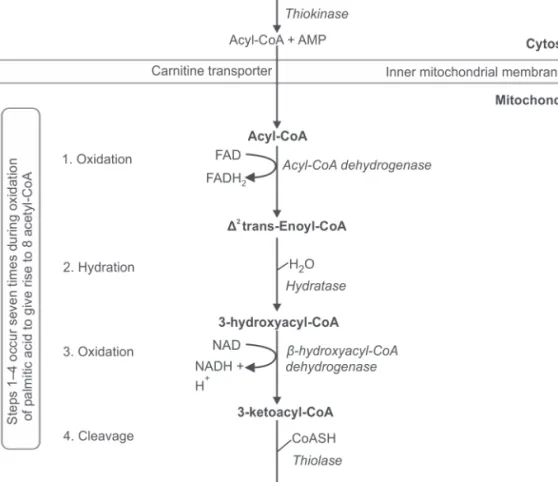
Explain β -oxidation of saturated fatty acids (or palmitic acid) under following headings
Energy status: In a well-nourished state, β-oxidation is blocked and fatty acid synthesis is active. Malonyl-CoA (precursor for fatty acid synthesis): It blocks the entry of fatty acids from cytosol to mitochondria by inhibiting carnitine palmitoyltransferase I.
Write briefly on oxidation of odd-chain fatty acids
Briefly mention the disorders associated with oxidation of fatty acids
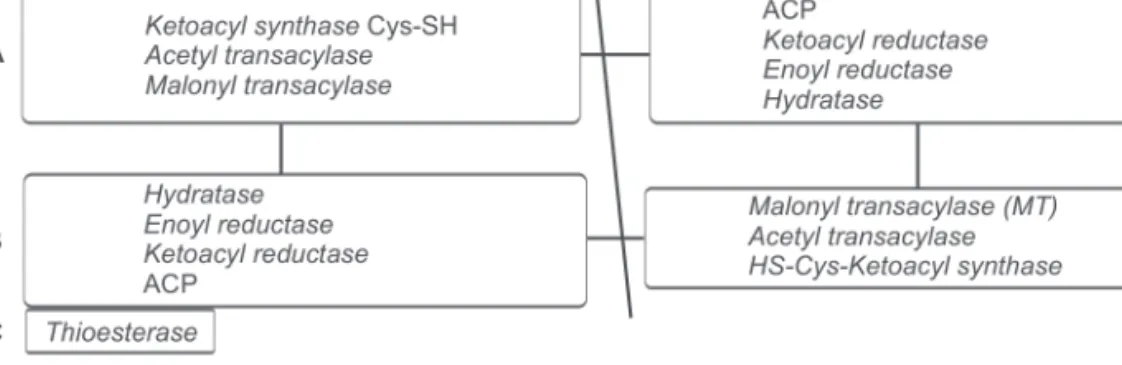
Describe the de novo synthesis of fatty acids. Add a note on role of citrate in this process
Enzyme: The fatty acid synthase complex (Figure 6.4), which is a dimer with seven enzymes and an acyl carrier protein on each subunit. Role of Citrate: Acetyl-CoA forms pyruvate in the mitochondria and is transported to the site of synthesis (cytosol) after being converted to citrate (Figure 6.5).
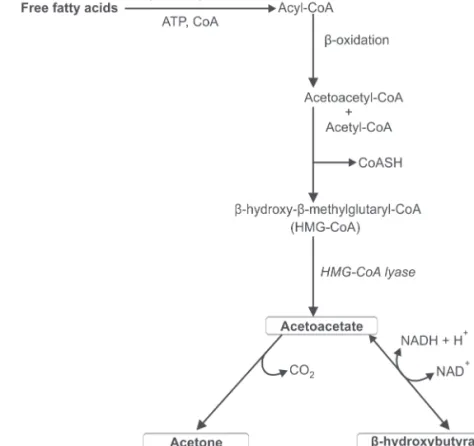
How are ketone bodies formed and utilized in our body? Add a note on ketosis
Use of ketone bodies (ketolysis): Enzyme thiophorase is present in all tissues except the liver, so the liver cannot use ketone bodies. Use of ketone bodies is shown in Figure 6.8 and regulation of ketogenesis is given in Table 6.4.
Outline the pathway for synthesis of cholesterol. What is its importance?
HMG-CoA reductase: It is the rate-limiting enzyme that is inhibited by high cholesterol levels and stimulated by low cholesterol levels (at the gene level). Medicines: Statins, competitive inhibitors of HMG-CoA reductase, are used to treat hypercholesterolaemia, e.g.
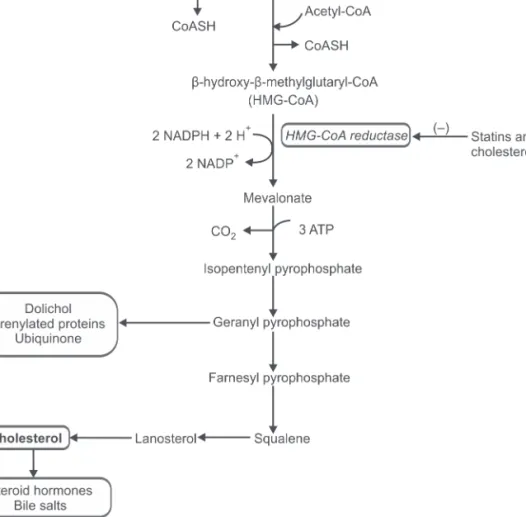
How are bile acids synthesized? What are their functions?
Write a note on enterohepatic circulation of bile salts
Classify lipoproteins with their composition and functions
Classification and functions: Depending on mobility and electrophoretic density, lipids are classified as given in Table 6.5. Briefly describe the metabolism of very low density lipoprotein (VLDL) and low density lipoprotein (LDL).
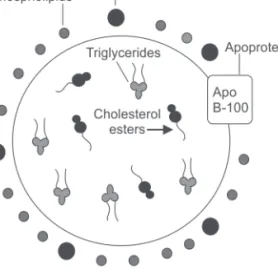
What is the normal serum cholesterol levels? Briefly describe the metabolism of very- low-density lipoproteins (VLDL) and low-density lipoproteins (LDL)
From the circulation, cholesterol-rich LDL is taken up by the liver via apo B-100-mediated uptake through the LDL receptor.
Give an account of metabolism of chylomicrons
How is HDL metabolized?
Enlist the functions of important apolipoproteins
Name the tests done under lipid profile and give their normal values
Classify hyperlipidemia with suitable examples
Primary hyperlipidemia (Frederickson's classification): It is due to a genetic defect in the metabolism or clearance of lipoproteins (Table 6.8). Type IIa LDL receptor defect • Elevated cholesterol-rich LDL with high risk of coronary heart disease. Type IIb Apo B Overproduction • Elevated VLDL and LDL with high risk of coronary artery disease.
Explain lipotropic factors with examples
Diet: Balanced diet with a low cholesterol level, supplementation of polyunsaturated and monounsaturated fatty acids and a diet rich in fibre. For example: choline, betaine, inositol and methionine (vitamin B12, glycine and serine are necessary for the synthesis of lipotropic factors). Choline is necessary for the synthesis of phospholipid lecithin and prevents accumulation of excessive amounts of fat, thus protecting against fatty liver disease.
Carnitine promotes increased movement of fatty acids into the mitochondria during β-oxidation and thus prevents fat accumulation.
Write a note on fatty liver
Explain lipid storage disorders or sphingolipidoses
Sandhoff disease Hexosaminidase A and B • Mental retardation, blindness, muscle weakness Fabry disease α-galactosidase • Renal failure; died at a young age.
Explain briefly about alcohol metabolism
What is the significance of brown adipose tissue?
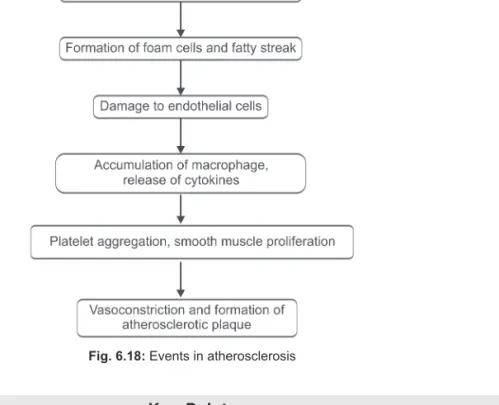
What is atherosclerosis? Mention the causes for it
Congenital abetalipoproteinemia: Characterized by the accumulation of triglycerides in the intestinal cells due to a lack of apo B-48, which is required for lipoprotein formation (chylomicrons). Refsum's disease: Autosomal recessive disorder characterized by accumulation of phytanic acid due to deficiency of α-oxidase (enzyme for α-oxidation). Tay-Sachs disease: Due to deficiency of b-hexosaminidase A leading to accumulation of gangliosides (GM2) and neurological manifestations.
Niemann-Pick disease: Due to sphingomyelinase deficiency and characterized by sphingomyelin accumulation, hepatosplenomegaly and neurological manifestations.
Amino Acid and protein chemistry
Classify amino acids with examples
Define various orders of protein structures by giving examples
Tertiary structure: This is the folding and linking of secondary structural elements of a protein to give it a three-dimensional structure. Quaternary structure: This refers to the regular association of two or more polypeptide chains to form a complex.
Explain secondary structures of proteins with examples
Amino Acid and Protein Chemistry
- Explain various bonds seen in protein structure
- What is isoelectric pH? Mention its significance
- What is denaturation of proteins?
- Name some biologically important peptides giving their significance
- Enumerate different functions of proteins with suitable examples
- Classify proteins based on nutritional value
- Explain methods for separation of plasma proteins
- Write short notes on albumin
- Write short notes on insulin
- Write short notes on immunoglobulins
- Write a note on structure of collagen
- Explain the structure and functions of hemoglobin
- Write briefly on oxygen transport by hemoglobin
Hydrophobic bonds: Formed by interaction between the side chains of non-polar amino acids. Peptide bonds: It is a covalent bond formed between the α-carboxyl group of one amino acid and the α-amino group of the next amino acid. Electrophoresis: It is the separation of proteins based on the migration of the charged molecule in an electric field.
Structure of mature hemoglobin (Fig 7.6): It is a tetrameric protein consisting of two types of polypeptide chains.

Digestion, Absorption and Metabolism of Proteins
Explain the digestion and absorption of proteins
Digestion, Absorption and Metabolism of Proteins
What is amino acid pool?
What are transaminases? What are their significance?
The amino acid pool is the total pool of amino acids available in the blood at any time for various anabolic and catabolic activities. Except for lysine, threonine, proline and hydroxyproline, all amino acids undergo this reaction • Transaminase levels will be increased in hepatitis, myocardial infarction, etc. – useful in. Transaminases funnel amino groups from excess dietary amino acids to those amino acids (eg glutamate) that can be deaminated.
What are deamination reactions? What is its significance?
L- and D-amino acid oxidase (minor pathway): catalyzes the removal of nitrogen from amino acids in peroxisomes of liver cells.
Explain the formation and metabolism of ammonia. Add a note on regulation of urea cycle
Urea cycle: Converts the toxic ammonia into less toxic and more soluble urea, which is excreted in the urine (Fig. 8.9).
Compare the enzymes carbamoyl phosphate synthetase I and II
Explain urea cycle defects
Explain glycine metabolism (anabolism + catabolism)
Explain the metabolic disorders of glycine
Explain the formation of specialized products of glycine and their significance
Explain the metabolism of phenylalanine. Substantiate why phenylalanine is both gluco- genic and ketogenic
Discuss the metabolism of tyrosine. Add a note on disorders associated with tyrosine metabolism
Explain the formation of specialized products from tyrosine
Explain the causes and features of phenylketonuria
Increased blood phenylalanine may not be detected until 3-4 days after birth, so these tests are done 2-3 days after birth.
Write a short note on alkaptonuria
Write short notes on tyrosinemia and albinism
Explain how tryptophan is both glucogenic and ketogenic
Explain formation of specialized products from tryptophan
Write a note on disorders of tryptophan metabolism
Hartnup disease Defect in intestinal/renal absorption of tryptophan and other neutral amino acids—valine, alanine, serine, threonine [MN: VAST]. Pellagra-like features—dementia, dermatitis, diarrhea, increased excretion of indican in urine and stool (Fig. 8.19a).
Discuss the metabolism of methionine
Explain transmethylation reactions
Name polyamines and mention their significance
Write a note on disorders of methionine metabolism
Explain the causes and features of homocystinuria
Explain the metabolism of cysteine (formation + degradation). Add a note on compounds formed from cysteine
Explain the metabolic defects of cysteine metabolism
Explain catabolism and specialized products from histidine
Explain the metabolic disorders of histidine
Discuss the catabolism of branched chain amino acids. Add a note on Maple syrup urine disease (MSUD)
Biochemical tests for diagnosis and screening: Rothera's test is positive (urine), detection of amino acids by chromatography or by enzyme analysis.

Write the reaction by which aspartate and asparagine are formed. Name the compounds derived from aspartate and asparagine
Explain how glutamate is synthesized and catabolized? Add a note on metabolic func- tions of glutamate
Formation of N-acetyl glutamate (NAG): This is a positive modifier of carbamoyl phosphate synthetase I in the urea cycle.
What is the metabolic significance of glutamine?
Write a note on compounds formed from arginine
Ornithine—used for urea cycle, polyamine and glutamate synthesis • Glucose—arginine is glucogenic amino acid. Hartnup disease: An autosomal recessive disorder with impairment of neutral amino acid transport in renal tubules and small intestine resulting in decreased intestinal absorption and increased renal loss of tryptophan. Difluoromethylornithine (DFMO): Suicide inhibitor of ornithine decarboxylase; used in the treatment of Pneumocystis carinii, kala-azar and sleeping sickness.
It is an indicator of folate deficiency and can be used to differentiate megaloblastic anemia due to folate or B12 deficiency.
Biological Oxidation
- Define and give examples of high-energy compounds
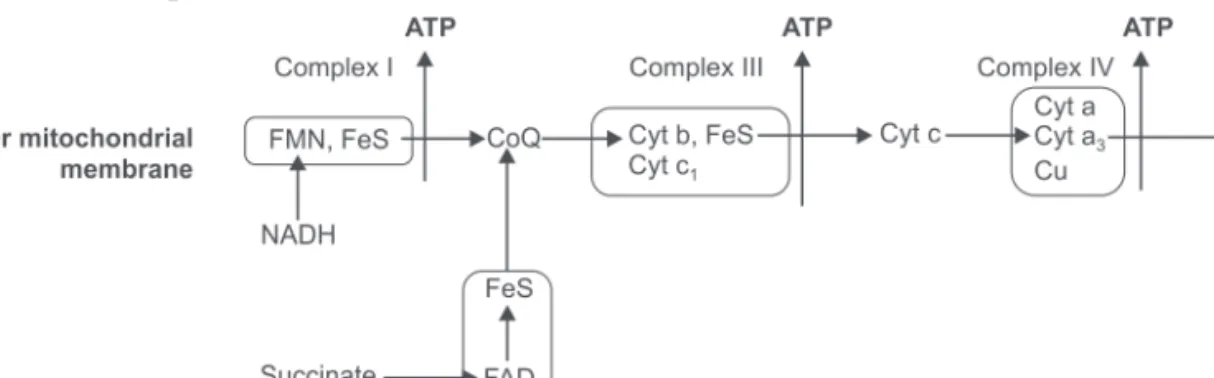
- Draw a neat diagram to show the flow of electrons in electron transport chain indicating ATP producing sites
- Define chemiosmotic hypothesis with neat labeled diagram
- Explain the shuttle mechanisms. What is their significance?
- Enlist various inhibitors and uncouplers of electron transport chain indicating where they act
Draw a neat diagram to show the flow of electrons in the electron transport chain indicating ATP producing sites. Electron Transport Chain: It is involved in the transport of electrons and the generation of ATP from free energy released during the electron transport (oxidative phosphorylation). Coenzymes, which together with specialized electron carriers can donate/accept electrons, form the electron transport chain.
It states that free energy released during the transport of electrons by the electron transport chain is used to actively translocate protons from the matrix to the intermembrane space in mitochondria.
Vitamins
- Define and classify vitamins with suitable examples
- Why is vitamin D called hormone?
- Why does a person with chronic liver or chronic renal disease suffer from manifestations of vitamin D deficiency?
- What are the forms, sources, RDA, functions and deficiency manifestations of vitamin K?
- Mention the sources, RDA and functions of vitamin E
- What are the sources, RDA, functions and deficiency manifestations of thiamine?
- What are the sources, RDA and functions of riboflavin?
- What are the sources, RDA, functions and deficiency manifestations of niacin?
- What are the sources, RDA and functions of pyridoxine?
- What are the sources, RDA, functions and deficiency manifestations of folic acid?
- Mention folate antagonists and their uses
- What are the sources, RDA, functions and deficiency manifestations of cobalamin?
- What are the sources, RDA, functions and deficiency manifestations of biotin?
- What are the sources, RDA and functions of pantothenic acid?
- What are the sources, RDA, functions and deficiency manifestations of vitamin C?
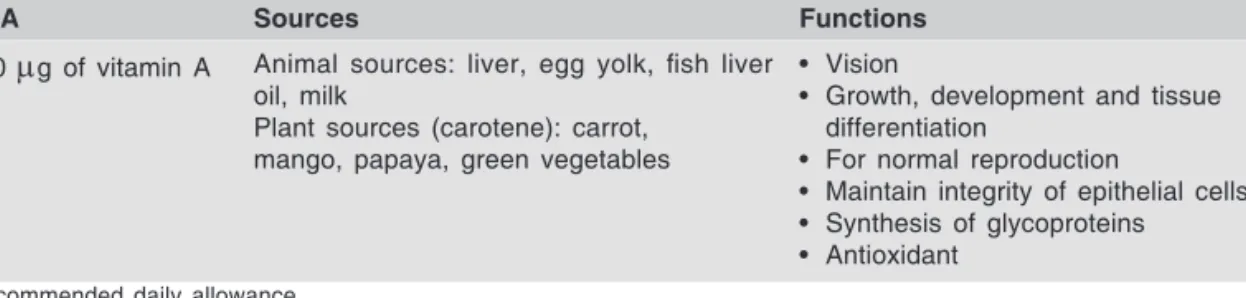
The all-trans retinal is converted to 11-cis retinal, which binds to opsin to regenerate rhodopsin and the cycle is completed (Fig. 10.2, p. 143). The sources, RDA, functions and deficiency manifestations of pantothenic acid (vitamin B5) are listed in Table 10.19.
Minerals
- Classify minerals. Add a note on the sources, requirements and metabolic functions of macrominerals
- Enlist the factors affecting calcium absorption
- Explain factors regulating serum calcium levels
- Enlist the causes of hypercalcemia and hypocalcemia
- Enlist the causes of hyperphosphatemia and hypophosphatemia
- Enlist the causes and clinical manifestations of hypernatremia and hyponatremia
- What are the causes and effects of hypokalemia?
- What are the causes and effects of hyperkalemia?
- Enlist the sources, daily requirements and metabolic functions of microminerals
- Enumerate iron absorption and factors affecting it
- What are the causes and manifestations of iron deficiency?
- What are the causes of iron overload?
Calcium balance is regulated by calcitriol, calcitonin, and parathyroid hormone (PTH) through their effects on the kidneys, bones, and gut (Table 11.4). The absorption of iron is shown in Figure 11.1 and factors affecting iron absorption are listed in Table 11.11. Menke's disease: It is caused by a defect in the transport of copper from intestinal cells to the blood.
Kashin-Beck disease: This is due to selenium deficiency characterized by the degeneration of the articular cartilage between joints.
Nutrition
- Define calorific value of food with examples
- Define respiratory quotient with examples
- Define basal metabolic rate (BMR). What is the unit of expression of BMR? Add a note on factors affecting the same
- Define specific dynamic action (thermogenic effect of food) with examples
- What are dietary fibers? Why are they important?
- Define glycemic index with examples. What is its significance?
- Write a note on nitrogen balance
- Write briefly on parameters used to assess nutritional value of proteins
- What is balanced diet? What are the factors to be considered, while prescribing a bal- anced diet?
- What is food guide pyramid?
- Define and classify protein energy malnutrition. Enlist the features of kwashiorkor and marasmus
- Write briefly about obesity
- Write a note on total parenteral nutrition (TPN)
It is used for metabolic interconversions of food in the liver before it can be used by the body (Table 12.3). Definition: It is a condition when a person's daily intake of nitrogen is equal to his daily excretion. Body mass index: It is defined as a ratio between weight in (kg) and the square of height in meters (W/H2).
Anorexia nervosa: It is a disorder associated with severe weight loss due to reduced food intake (fear of obesity).
Nucleic Acid Chemistry
- Explain purines and pyrimidines with suitable examples
- What are nucleosides?
- What are nucleotides? Give some examples
- Describe the structure and functions of different types of RNAs
The two strands are complementary to each other and are held together by hydrogen bonds between the bases. Base Pairing Rule: Adenine pairs with thymine with two hydrogen bonds; guanine pairs with cytosine with three hydrogen bonds. Poly(A) tail: 3' terminal contains a polymer of adenylate residues which stabilizes the mRNA • the mRNA is complementary to the template strand of DNA.
Base pairing rule: Adenine-thymine is connected by two hydrogen bonds and guanine-cytosine is held together by three hydrogen bonds.
Nucleic Acid Metabolism
- How are purine bases salvaged? Add a note on Lesch-Nyhan syndrome
- How is uric acid formed in the body? Add a note on gout
- Describe the causes and features of hyperuricemia. How is it treated?
- Describe the synthesis of pyrimidine ring. Add a note on its regulation and associated disorders
- Write a note on severe combined immunodeficiency (SCID)
- Write briefly about orotic aciduria
- Explain the synthesis of deoxyribonucleotides
HGPRTase → ↑ phosphoribosyl pyrophosphate (PRPP), ↓ GMP and ↓ IMP → ↑ de novo synthesis of purines; incorrect utilization + ↑ production of purines → ↑ breakdown of purines → ↑ uric acid. Red, tender, swollen joints in feet and hands; ↑ uric acid → sodium urate crystals deposited in the joints → arthritis → gout. Allopurinol: Inhibits xanthine oxidase → ↓ uric acid production • Probenecid → ↑ urinary uric acid excretion.
Allopurinol (competitive and also suicidal inhibitor): Inhibits xanthine oxidase, thereby decreasing the production of uric acid.
Molecular Biology-I
Write an account on replication. Add a note on xeroderma pigmentosum