HEALTH, DISEASES AND MANAGEMENT
A REVIEW ON SWEET ORANGE (CITRUS SINENSIS L Osbeck):
1
2Department of Applied & Environmental Biology, Rivers State University of
diverse diseases caused by fungi (sweet orange scab, citrus black spot, powdery mildew) bacteria (pierce's disease, citrus variegated chlorosis ctrus greening or huanglgbin, citrus all over the world as an excellent source of vitamin C, a powerful natural antioxidant that
orange production, nutritional value and market qualities. These diseases can be controlled
health, diseases, and management. American Journal of Research Communication, 2014,
Etebu, et al., 2014: Vol 2(2) [email protected]
flavonoid hesperidin, polyphenols, pectin, and sufficient amount of folacin, calcium,
storage facilities and other disease management practices to reduce postharvest damages.
Considering its health benefits, there is a need for public awareness on the importance of sweet Department of Biological Sciences, Niger Delta University, Wilberforce Island, Bayelsa State, Nigeria;
Science & Technology, PMB 5080, Port Harcourt, Nigeria. *Current Address: Embrapa Agroenergia- PQEB- Final W3 Norte, Asa Norte, Brasilia, DF, CEP 7077091, Brazil
potassium, thiamine, niacin and magnesium are also present. These are biologically active
cholesterol level and high blood which promote human health. However, the impact of
year round.
Abstract
Citrus sinensis (L. Osbeck) or sweet orange originates from south East Asia, but is consumed
canker), viruses (citrus tristeza, citrus ringspot, etc) and a complex of nematodes limits sweet
2(2): 33-70} www.usa-journals.com, ISSN: 2325-4076.
through chemical treatment of fruits, use of biological control agents, proper packaging and E. Etebu1 and AB Nwauzoma2 *
builds the body's immune system. Important phytochemicals like liminoids, synephrine,
33
* Email of corresponding author: [email protected]
compounds prevent arteriosclerosis, cancer, kidney stones, stomach ulcers and reduce in
orange, especially in rural areas as the fruit is relatively cheap and common almost all
{Citation: E. Etebu, AB Nwauzoma. A review on sweet orange (Citrus Sinensis Osbeck):
108 million tons (FAO Statistics 2006). Sweet orange (Citrus sinensis L. Osbeck) commonly
Oranges probably originated from south East Asia, and were cultivated in China by 2500 BC (Nicolosi et al, 2008), where it was referred to as ''Chinese'' apple (Ehler, 2011).
(Angew, 2007). Economically, oranges are important fruit crops, with an estimated 60
The sub-genus Citrus (Swingle), family Rutaceae and subfamily Aurantioideae are of
high nutritional values, source of vitamins and other uses. Propagation through seeds is this total, half came from Brazil and the United States of America (Goudeau et al, 2008;
eighteen defined species, but other natural mutations exist resulting in numerous hybrids
embryo (Mortton, 1987). Therefore budding onto appropriate rootstocks is the common means of assuring the reproduction of cultures of known quality. Arsingrin (2011), posited which are widely spread throughout the world (Guo and Deng, 2001). Citrus is widely grown
Bernardi et al 2010). The global citrus acreage according to FAO statistics in 2009 was nine
diseases, and these limits production (Katzer et al, 1999). This paper reviews the importance of volume in production, citrus ranks after banana as the world's second fruit crop with more than
called orange is a member of this family and a major source of vitamins, especially vitamins
all the fruit crops (Xu et al, 2013).
1.Introduction
C, sufficient amount of folacin, calcium, potassium, thiamine, niacin and magnesium
Today, it is grown almost all over the world as a source of food for humans because of its
associated with problems like poor pollen production, self-incompatibility and muscle
three types: Citrus, Fortunella (Kumquat) and Poncirus Trifoliata. There are three genera and
million metric tonnes produced worldwide as at 2005 for a total value of 9 billion dollars. Of in Nigeria and many other tropical and subtropical regions (Piccinelli et al, 2008). In terms of
million hectares with production put at 122.3 million tons, ranking sweet oranges first among
the use of tissue culture to produce good quality plantlets, but are highly susceptible to root
tropical, semi-tropical and some warm temperate regions to become the most widely planted
skin consists of an epidermis of epicuticular wax with numerous small aromatic oil glands that gives it its particular smell. The quantity of wax is dependent on the variety, climatic and 2.5-9.5 cm wide, often bearing narrow wings on the petioles. It bears fragrant white should be adopted to realize its maximum benefits in the promotion of human health.
are present on the skin and more copious in damp climates. This justifies the need for
[email protected] stamens. The small, white or purple scented hermaphroditic flowers produce nectar for
Sweet orange (Citrus sinensis L. Osbeck) (to distinguish it from closely related
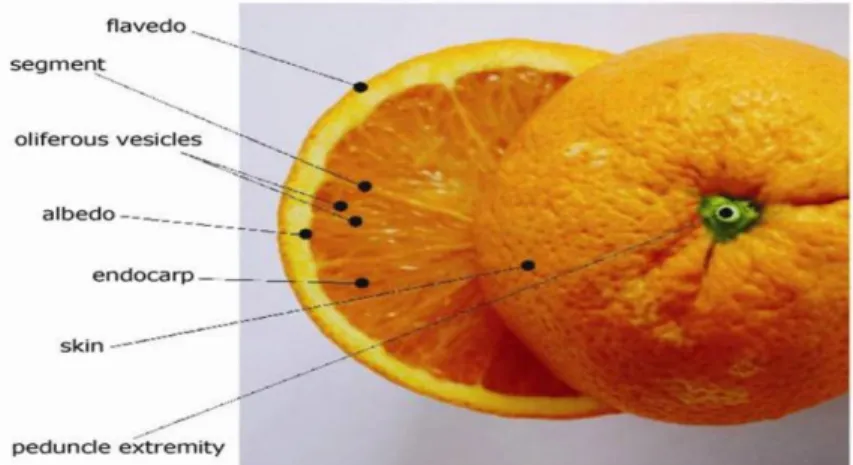
The pericarp consists of the outer flavedo, or epicarp largely made of parenchymatous cells and cuticle. Embedded oil glands create terpenoid aromatic compounds such as valencene, species like sour orange, C. aurantium C. reticulata and mandarin orange), is a small
pollination by insects. The fruit, which may be globose to oval is 6.5 to 9.5 cm wide, and
Etebu, et al., 2014: Vol 2(2)
where it has been cultivated for many years, but is today grown commercially worldwide in
fruit trees in the world (Nicolosi et al., 2000; Ehler, 2011). Orange produces leathery and
the pericarp also called the peel, skin or rind, and the endocarp, or pulp and juice sacs. The evergreen leaves of different shapes, ranging from elliptical to oblong to oval, 6.5-15 cm long oranges to human health, the impact of diseases on its production and control measures that
conditions and growth rate. A plethora of microflora consisting mainly of fungi and bacteria
appropriate washing of the fruit before eating or proceeding to extract juice and essential oils.
2. Botany
flowers either singly or in whorls of 6, about 5 cm wide, with 5 petals and 20-25 yellow evergreen tree 7.5 m high and in some cases up to 15 m. It originates from southern China
ripens to orange or yellow. Anatomically, the fruit consists of two distinct regions (Fig. 1):
limonene, and alpha/beta sinsenal (Goudeau et al, 2008; Sharon-Asa, et al, 2003). Beneath
35
ed. The ripe fruit is classified as a hesperidium which is a type of berry with multiple seeds is very fine and fragile containing oliferous vesicles on the inside which can be collected by
intercellular areas. The albedo is rich in flavonoids, which if transferred to the juice imparts a the epidermis is the flavedo, with its characteristic yellow, green or orange color. The flavedo
segments (although there are seedless varieties) and ranges in color from yellow to orange to
Fig. 1: Structure of Citrus fruit. (Goudeau et al, 2008).
causing difficulties in the extraction of nucleic acids and proteins. The endocarp and the mesophyll that changes character and thickness throughout fruit development, properties that scraping on the flavedo layer. The flavedo is a generally colorless, spongy inner layer of
and is fleshy. Fleshy juice sacs accumulate sugars, organic acids and large amount of water, consists of tubular-like cells joined together to constitute the tissue mass compressed into the
point of view should be considered as the liquid released by the cytoplasm and by the
determine ease of peeling (Webber, 1989). The albedo, or mesocarp lying beneath the flavedo
carpels in which the juice containing vesicles are found and which from a synthetic biology The flesh or pulp of the fruit is typically juicy and sweet, divided into 10 to 14 bitter taste.
constitutes the greater part of the fruit.
vacuoles in the vesicles' internal cells. A spongy tissue similar to that of the albedo
The Chinotto bitter orange is mainly cultivated in Italy as one of the main citrus species (Xu et al, 2013). Hence, its many cultivars are grouped into four major
the fruit. There are three types of blood oranges: moro, tarocco and sanguinello, each single navel orange originates from it because they do not produce seeds and propagation is The navel oranges are named because of their shape, (segmented skin looks like a human navel)
others, because they are from myrtle-leafed orange trees (Ehsani et al., 2007). Peel quality is relatives of citrus are native to China, the Southeast Asia, the Malay Archipelago, New
success across the world. The Valencia orange was named by William Wolfkill, an
in Seville, Spain. Spaniards brought this orange over to St. Augustine, Florida,\ where settlers beverages.
Mediterranean. Many countries have claimed origin to the Seville orange. There are reports
37
2007). Blood oranges named from their crimson flesh range from sweet to tart depending on
al., 2007).
although it is believed to be derived from the interspecific hybridization of some primitives
categories or varieties according to origin (Mediterranean and Spanish oranges) and taste.
differing in taste, size and origin. Blood oranges are used to make sorbets, marmalade and
ingredients in many Italian wines and soft drinks. They possess unusual leaves compared to originated as a single mutation in a Brazilian monastery in 1820 (Ehsani et al. 2007). Every
Etebu, et al., 2014: Vol 2(2)
The Seville orange is a type of bitter orange, primarily grown around the
[email protected] The center of origin of most citrus cultivars is perhaps unknown, but the ancient
through graft cuttings. The popularity of these oranges continued to grow resulting to its
of this fruit in ancient Fuji, Guam and Sicily. However, it is not known that it was first cultivated Caledonia and Australia (Atta et al, 2012). The genetic origin of sweet orange is not clear,
cultivated it and sent it to England. It is used to make marmalade, liquor and wine (Ehsani et agronomist after the Spanish city of Valencia known for its orange production (Ehsani et al.,
flavonoids, essential for maintenance of human health. Multiple dietary sources of these
vegetables and when eaten potentially modulate human metabolism in a favorable manner, aroma, texture, and ease of peeling influence consumer demand. For example, the Clementine
compounds found in citrus fruits such as phytochemical antioxidants, soluble and insoluble of particular economic importance in orange production because factors such as shape, color,
antioxidant nutraceuticals or phytochemicals. Phytochemicals are present in edible fruits and
benefits. Moreover, it is now appreciated that other biologically active, non-nutrient scientifically proven that oranges being rich in vitamins and minerals have a lot of health Vegetable consumption protects against degenerative pathologies such as cancer and (US Citrus Genomics Steering Committee, 2003).
such as arthritis, obesity and coronary heart diseases (Crowell, 1999).
Dietary fibers are known to be helpful in reducing the risk for cancers, many chronic diseases Mandarin has replaced navel varieties largely due to convenient size and ease of peeling
thereby preventing chronic and degenerative diseases (Tripoli et al, 2007). Increase in fruits and The human diet contains important micronutrients namely vitamins C and E, carotenoids and
between dietary flavonoid intake from citrus and cardiovascular diseases (Hertog et al., 1993;
3. Oranges, human health and nutrition
therosclerosis (Keys, 1995); as epidemiological surveys had shown an inverse relationship The importance of foods is due to the presence of these functional food ingredients and compounds are present virtually in all plant materials (Di Majo et al, 2005). The nutritional
and for a long time have been valued for their wholesome nutritious and antioxidant properties. It is Di Majo et al, 2005). Citrus fruits are the main source of important phytochemical nutrients
involved in inflammation. Flavonoid inhibition of the immune and inflammatory responses have been reported (Tripoli et al, 2007). These groups of pigments as found in plants and
degenerative diseases (Ejaz et al., 2006). Consumption of foods rich in vitamin C improves Studies indicate that flavonoids are excellent radical-scavengers of the hydroxyl radical dietary fruits and vegetables (Macheix et al., 1990), and exercise their antioxidant activity in
Etebu, et al., 2014: Vol 2(2)
uniformly distributed over the surface. Such oranges must be firm with a fairly smooth
radical and donate hydrogen atoms (Di Majo et al., 2005, Tripoli et al. 2007). Oranges as
due to the presence of regulatory enzymes (protein kinase C, phosphodiesterase,
radicals from the blood. Sweet orange contains a variety of phytochemicals like hesperetin
scavenger, anti-inflammatory, and immune system modulator.
[email protected] other bioactive components, such as carotenoids and flavonoids that prevent cancer and
biological mediators, responsible for the activation of endothelial cells and specialized cells blemishes. The biological activity and the healthy effects of citrus flavonoids as antioxidants
together with anthocyanin play a role in flower and fruit coloration. Also, they are present in
body immunity against infectious agents and scavenging harmful, pro-inflammatory free
can be associated with their inhibition of these enzymes (Tripoli et al 2007). Indeed, citrus several ways, including the activities of metal chelation (Bombardelli and Morazzoni, 1993).
39
and narigenin. Naringenin has a bioactive effect on human health as antioxidant, free radical 3.1 As antioxidant: A high quality orange is one that is mature with good color intensity
(Cillard and Cillard, 1988; Darmon et al., 1990), due to their ability to inhibit the hydroxyl
3.2 Anti-inflammatory: Citrus flavonoids contain compounds with anti-inflammatory activity excellent source of vitamin C, contains powerful natural antioxidants, folate, dietary fiber and
phospholipase, lipoxygenase, and cyclooxygenase) that control the formation of the texture and shape that is characteristic of the variety, free from decay, defects and other
acid, potassium, pectin, beta-carotene and amino acids and fiber. A single orange is said to 1993). Tripoli et al, (2007) reported that hesperidin obtained from citrus cultures may have a
ability to absorb ultraviolet light (Stapleton and Walbot, 1994). They neutralize free radicals (LPS)-induced over expression of cyclooxygenase-2, inducible nitric oxide synthase (iNOS), of new flavonoids endowed with this activity (Da Silva et al., 1994). Studies using mouse transduction and activation. They also affect the activation of a number of cells involved in
3.3 Anti-Cancer and anti-Arteriosclerosis: Citrus flavonoids can prevent cancer through
syngenetic rats have been reported (Bracke et al., 1989). The ability to function as such by body irradiated with c-ray (Shimoi et al., 1994). Flavonoids can also protect the DNA by
bleomycin (Heo et al., 1994). The inhibitory effect of citrus flavonoids on tumors
et al., 1994). Flavonoids are antimutagenic, thus protecting the DNA from damage by them
are also rich in iron, chlorine, manganese, zinc, sodium, phosphorous, iodine, calcium, folic flavonoids also prevent atherosclerosis, inhibiting the formation of atheroma (Hertog et al.,
potential therapeutical use as a mild anti-inflammatory agent, being also useful as a precursor
that promote mutations when they are generated near DNA. This has been shown in mice
have about 170 phytonutrients and over 60 flavonoids with anti-tumor, anti-inflammatory, macrophage cells also show that hesperidin has an inhibitory effect on lipopolysaccharide
interacts directly with the tumoral agents, as in the induced chromosomal aberrations by
Flavonoids are able to inhibit the kinases and phosphodiesterases essential for cellular signaling
over-production of prostaglandin E2 and nitric oxide (NO) (Sakata et al., 2003).
development and cell proliferation by rat malignant cells, in cardiac and hepatic tissue of the immune response, including T and B lymphocytes (Manthey et al., 2001). Citrus
citrus flavonoids are based on cell mobility inhibition (Bracke et al., 1989, 1991). Oranges selective cytotoxicity, antiproliferative actions and apoptosis (Elangovan et al, 1994; Hirano
3.5 Wholesome health: Oranges also contain very good amounts of vitamin A, and others health (Cha et al. 2001).
cholesterol levels by decreasing its re-absorption in the colon by binding to bile acids in the
Consumption of natural fruits rich in flavonoids helps the body to protect from lung and oral blood clot inhibiting and antioxidant properties. All these properties help to promote overall
stress that oxidizes the LDL (low-density lipoprotein) in the blood.
required for maintaining healthy mucus membranes and skin and is also essential for vision.
components of cells and body fluids help control heart rate and blood pressure. Vitamin A too
41
lutein, compounds that have antioxidant properties. Vitamin A is rnecessary for maintaining but is rich in dietary fiber, pectin which is very effective in persons with obesity. Pectin as
and calcium (Table 1). Potassium is an important component of cell and body fluids and cervical cancer. Orange fruit also contains a very good amount of minerals like potassium flavonoid antioxidants such as alpha and beta carotenes, beta-cryptoxanthin, zeaxanthin and 3.4 Anti-Obesity: Sweet oranges contain low calories and no saturated fats or cholesterol,
binding to cancer causing chemicals in the colon. Pectin has also been shown to reduce blood
complex vitamins such as thiamin, pyridoxine and folates. These vitamins are essential in the
Etebu, et al., 2014: Vol 2(2)
helps to control heart rate and blood pressure. The alkaline properties in the orange stimulate bulk laxative protects the mucous membrane from exposure to toxic substances, as well as by
healthy mucus membranes, skin and essential for vision. It is also a very good source of B- production of cholesterol in the liver. The antioxidant elements in oranges combat oxidation
[email protected] colon (Walton et al. 1945). Orange peels contain the alkaloid synephrine, which reduces the
very good amount of minerals like potassium and calcium. Potassium is important
sense that the body requires them from external sources to replenish. Orange fruit also contains a
into concentrate, both used in numerous soda and cocktail drinks, punches, oranges, and
peels, as well as flowers, leaves, and twigs are used as an essential oil in perfumes; orange seeds chances in the formation of calcium oxalate which causes kidney stones. Polyphenols present in
plants like alfalfa, peach, plum, almond, elm, coffee, sycamore, oak, maple and pear the digestive juices, thus, relieving constipation. Regular intake of orange juice reduces the
marmalades, candied peels, as well as cookies, cakes, and candies. Oil derived from orange
grafts (Redak et al., 2004). X. fastidiosa also causes citrus variegated chlorosis (CVC) in bacterium, transmitted by sharp-shooter insects, contaminated budwood and natural root- 4. Diseases of Citrus Sinensis
radicals, thereby helping you look young and keeping the skin fresh and glowing (Tsuda et al,
feeding on the xylem of infected plants and transmitting the same to healthy plants. Disease among other hosts (Chatterjee et al, 2008) The insect vectors contact the bacterium through oranges prevents viral infections. Oranges protect the skin from damage caused by free
oil may also be used in cooking or as a component in plastics.
Oranges can be processed into juice, which can be consumed directly or further processed
losses.
Symptom first begins as drying or "scorching" of leaves which become slightly yellowish 2004).
Sweet oranges are susceptible to a large number of diseases that can cause severe economic problems from a combination). Orange fruits and peels are used in numerous desserts, jams and
liqueurs (although many orange liqueurs are made from sour, rather than sweet, oranges, or
4.1.1 Pierce's disease (PD): The disease is caused by Xylella fastidiosa, a xylem-limited 4.1 Bacterial diseases
Choline
Riboflavin (vit. B2)
Pantothenic acid (B5)
Potassium Zinc 0.07 mg (1%)
11 ÿg (1%)
0.18 mg (1%) Folate (vit. B9)
(Stevenson et al, 2005). There is extensive colonization of the xylem vessels of susceptible
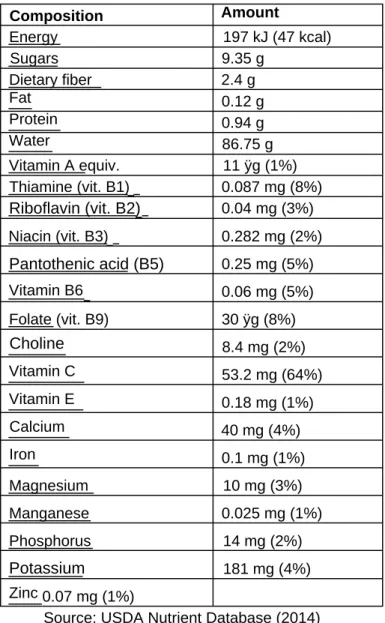
Table 1: Nutrient composition of sweet orange
Vitamin C
43
initially thought to result from the accumulation of bacteria and its associated gum within the
0.04 mg (3%)
green. Typically, the leaves dry progressively over a period of days to weeks, leaving a series
Thiamine (vit. B1)
0.12 g Amount
30 ÿg (8%)
0.1 mg (1%) 9.35 g
0.25 mg (5%) Niacin (vit. B3)
86.75 g
53.2 mg (64%)
senescence, petiole 'matchsticks', incomplete periderm development and eventually death
0.025 mg (1%)
Source: USDA Nutrient Database (2014) 181 mg (4%)
Calcium 40 mg (4%)
Magnesium
Phosphorus
citrus plants. The aggregate symptoms are collectively referred to as Pierce's disease, and was
Vitamin B6
0.087 mg (8%)
Etebu, et al., 2014: Vol 2(2) [email protected]
xylem vessels, causing vascular occlusions and water deficit (Purcell and Hopkins, 1996).
0.282 mg (2%) 197 kJ (47 kcal)
10 mg (3%) Vitamin E
0.06 mg (5%)
14 mg (2%) Iron
(chlorotic) along the margins before drying out, or the outer leaf may dry suddenly while still
Composition Energy Sugars Dietary fiber Fat
Protein Water
Vitamin A equiv.
2.4 g
Manganese
of concentric zones of discolored and dead tissue. Other symptoms include, premature leafing
0.94 g
8.4 mg (2%)
al., (1992) reported that DSA-ELISA assays using CVC antisera gave high OD readings with approximately 1,950 species representing almost 9% of the total number of Cicadellidae
collaborative research activities between scientists from Brazil, the State of Florida and devastating citrus diseases in South America, France and the United States, especially in the fastidiosa also affects coffee, almonds, alfalfa, stone fruits, landscape ornamentals, and natives
also gave positive results with both symptomatic and asymptomatic leaf samples from the same (PD) is caused by xylem-limited bacterium similar to Xylella fastidiosa (Rossetti, et al 1990).
States of Minas Gerais and Sao Paulo where it was called citrus variegated chlorosis
grasses and other native plants (Lefevre et al., 1988). Serological studies for the detection and fastidiosa has been found to be pathogenic to other plants, where it causes serious diseases
organism resembles the bacteria in other hosts (Almeida and Purcell, 2006). The insect vector citrus-growing areas of South America, spreading to North America (Redak, et al, 2004). A
preparation has been reported (Beretta et al., 1991a; 1991b; Garnier et al., 1993). Chang et sharpshooters (Cicadellids), a subfamily that is taxonomically diverse, consisting of
species with X. fastidiosa as the most important known vector (Knight and Webb, 1993). X.
France has provided some insight into the disease. Like in Pierce's disease, strains of X.
several X. fastidiosa strains. In Brazil, ELISA assays are conducted with fresh plant materials hardwoods (Ryan et al., 2006; Siciliano et al., 2007; Koide et al., 2006). It's one of the most
(Barnard et al., 1998). In affected citrus fruits, the size and cell wall composition of this 4.1.2: Citrus Variegated Chlorosis (CVC): Citrus variegated chlorosis like Pierce's disease
States of Florida and Oregon. In Brazil, the disease was first formally described in 1987 in the
Cicadellids are also known vectors in other hosts and abundant in citrus orchards, on trees, CVC is transmitted by leafhoppers (Homalodisca coagulata Say), commonly called
isolation of the virus using a dot-immunobinding assay (DIBA) and polyclonal antibody (Rossetti, 1990). It became important in the early 1990s before expanding throughout many
(RH Brlansky University of Florida, Citrus Research and Education Center)
affected orchards and trees in unaffected areas gave negative results (Garnier et al., 1993).
light to dark brown (Brlansky et al., 1996). Possible long-term management strategy in areas branch. However, root tissues of symptomatic trees, leaf tissues of asymptomatic trees in
Fig. 2: Citrus Variegated Chlorosis.
huanglongbing (HLB) disease is a very destructive disease of sweet orange. The disease was resembling zinc deficiency, more pronounced on younger leaves, but may also be present on The most prominent foliar symptoms of CVC are bright interveinal chlorosis and mottling
4.1.3 Citrus greening or Huanglongbing disease: Citrus greening also known as
limbs, the underside of the leaf corresponding to the chlorotic area on the upper side becomes
to become one of the biggest challenges for citrus growers (Cevallos-Cevallos et al., 2012).
old leaves (Fig. 2). In newly infected trees, the foliar symptoms are restricted to individuals
first noticed in China in the early 1900's but has now spread across the world (Bove, 2006), control of vectors and pathogens and eradication of infected citrus (Brlansky et al., 1996).
where the vector is present include: biological control of vectors, cultural methods, chemical
Etebu, et al., 2014: Vol 2(2)
Although Koch's postulates have not been confirmed, the disease has been associated with a
yellowish shoot, vein corking, stunted growth, poor root growth, small, greenish malformed C. Liberibacter spp. is a member of the proteobacteria group based on its 16S rDNA
Fujikawa and Iwanami (2012) used rDNA specific primers to identify Candidatus
detection and removal of infected trees is currently encouraged to minimize damage and loss phloem-limited fastidious, gram-negative bacterium of the Candidatus Liberibacter species.
world (Farber, 1991). Symptoms include blotchy chlorosis and/or mottling of leaves,
identification of tolerant varieties is considered a critical step towards effective control. Early and Iwanami 2012). As one of the most destructive diseases of citrus worldwide, rapid and stunted growth. Fruits from diseased trees are small and distorted. The blotchy mottle Liberibacter africanus and Candidatus Liberibacter americanus (Gottwald et al., 2007;
development of tolerant and resistant citrus varieties is being emphasized as an alternative to (Committee on the Strategic Planning for the Florida Citrus Industry, 2010). Also, the
sequence with three known species: Candidatus Liberibacter asiaticus (Las), Candidatus
fruits and finally death (Bove, 2006). Other symptoms include twig dieback, poor flowering, Diaphorina citri and Trioza erytreae (Abdulla et al., 2009; Folimonova et al., 2009].
(Mishra et al, 2011).
reducing the impact of the disease (Halbert, 2005).
Sagaram and Burns, 2009). C. liberibacter is transmitted by grafting and sap-sucking psyllids
used for HLB detection consists of blotches of yellow on dark greenish-grey leaves (Fig. 3) Brazil and North America, affecting more than 90% of sweet oranges in different parts of the Liberibacter asiaticus (Las) as the most widely spread and economically important disease in Asia,
infected trees and budwoods in quarantine is the most important control measure (Fujikawa In regions that are still not infested with greening, rapid identification and culling of
be observed on both the upper and lower sides of the leaf. The diseased stem and twig may (Mishra et al, 2011)
severity results to premature leaf and fruit drop, twig dieback, general decline and blemishes Fig. 3: Citrus leaf samples showing (a) visible HLB symptoms and (b) healthy leaves.
Hello. The spots (technically called lesions) are usually surrounded by a yellow halo, and can
Etebu, et al., 2014: Vol 2(2)
originated from Southeast Asia, but is today present in all citrus growing areas in several
appear scabby or corky, often surrounded by a water-soaked margin. Even stems can have 4.1.3: Citrus Canker: Citrus canker is caused by Xanthomonas axonopodis pv. citri, and
erumpent lesions on fruit, leaves and younger stems (Rossetti, 1977). Increase in disease
[email protected] countries. The pathogen was identified in Brazil (Sa˜o Paulo) early in 1957 where it caused
47
on the leaves and progresses to distinct necrotic-raised corky lesions that often have a yellow on fruits quality and yield (McBride et al., 2010). The disease starts as tiny blister-like lesions
raised and often have a yellow halo. Similar symptoms can appear on fruit (Fig. 4).
Reports in the late 1800s and early 1900s on declining sweet orange trees on sour orange symptoms with brown bumps or lesions. The fruit shows dark brown to black lesions that are
2000). The pathogen is reported to be responsible for the death and debilitation of citrus trees.
(Photo credits: Timothy Schubert, Florida Department of Agriculture and Consumer Services, Bugwood.org and Sheila McBride, Texas AgriLife Extension Service).
certain scion varieties and sour orange roots (Philemon, 1994). Atta et al, (2012) gave a Fig. 4: Citrus Canker on fruits and leaves.
rootstocks led scientists to conclude that tree failure was due to an incompatibility between 4.2.1: Citrus Tristeza Virus (CTV): Citrus tristeza virus (CTV) is one of the most important
of tristeza occurred in Argentina in 1930, then appeared in Brazil in 1937 and was named 4.2: Viral diseases
historical and geographical spread of the disease as follows: ''the most destructive epidemics Pathogens to unaffected areas are mostly through the movement and propagation of the infected plants or infected buds and then locally it is spread by a few of aphid species (Timmer et al.
destructive agents of citrus diseases and exists as numerous strains. The spread of the
tristeza. The epidemics occurred in Ghana in 1938, California (1939), Florida
affected by the disease (Atta et al, 2012). Some species of the cotton or melon aphid, Aphis
infected tree. Preventive measures include quarantine and bud wood certification programs to prevent introduction of CTV into areas where CTV does not exist yet. It can be controlled spread of CTV (Atta et al, 2012; Rocha-Peña et al. 1995). Symptoms are extremely variable been reported from other citrus groves in Cyprus in 1989, Cuba in 1992, Mexico in 1995, the
et al, 2002).
49
et al. 2008). However, common symptoms include reduced fruit size, leaf vein-clearing, Davino et al. 2003). Presently CTV is widespread in Israel, Morocco, India, China, Japan,
Florida and California, USA by Swingle and Webber in 1896 (Fawcett, 1933) and Wallace
and Drake (1968). Also, the disease has been associated with citrus psorosis, an economic condition Pakistan, Iran, Syria, Egypt, southern California and Florida in USA, Argentina, Brazil,
yellowing and cupping of leaves, and stem pitting. Infection on sweet orange, mandarin, or
occurring mainly in orange and grapefruit trees, characterized primarily by the scaling and (EPPO 2006), previously free of the disease''. All species, including hybrids of citrus are
gossypii, namely: A. spiraecola (the spirea aphid), Toxoptera aurantii (the black Citrus
rootstock just below the bud union. This girdling causes eventual decline and death of the (1951), Spain in 1957, Israel in 1970, and Venezuela (1980). Disease outbreaks have also
aphid) and Toxoptera citricida (the Brown citrus aphid) have been associated with the natural
by eradication or suppression programs in orchards where disease incidence is low (Gottwald
[email protected] 4.2.2 Citrus Ringspot Virus (CRV): The disease was first reported in citrus sp. from
and depends on the viral isolate, host, environment and scion/rootstock relationships (Moreno Dominican Republic in 1996 and Italy in 2002 (Garnsey et al. 2000; Gottwald et al. 2002;
South Africa, Tanzania, Australia, and southern Spain and is moving into northern Spain
grapefruit trees on sour orange rootstock causes necrosis in the phloem of the sour orange
important disease of unknown etiology. It is an occasional problem in old citrus plantations,
Etebu, et al., 2014: Vol 2(2)
Different species of parasitic nematodes have been found associated with the rhizosphere of
diverse soil textures and information on control measures are most extensive for this nematode (Duncan and Cohn, 1990). The disease has become more widespread with increasing
spp. are considered to be agriculturally important, because they cause significant economic disease is sometimes referred to as scaley bark. Symptoms do not occur until the tree is usually
fumigant DBCP, which was previously used as a post plant fumigant for control (Agrio,
cause significant economic losses or are restricted to relatively small geographic areas. These and main branches. These areas become dry and scaled and as they enlarge, the tree becomes
approximately 50 to 60% (Nairn et al, 1998). Although T. semipenetrans is widespread distributed, it has a narrow host range with occurrence restricted to citrus, grape, olive and a stressed and less productive. Experimentally infected plants mostly show systemic mosaics,
include Hemicycliophora arenaria, H. nudata, Paratrichodorus lobatus, P. minor,
usually the result of introductions via contaminated nursery stock.
4.4 Nematode Diseases
citrus plants, but only a few that can reproduce and cause damage on infected trees. Amongst
semipenetrans however, is the dominant pathogenic species in most citrus regions and among flaking of the bark on the scion cultivar (Philemon, 1994). Because of these symptoms, the
these, Tylenchulus semipenetrans, Radopholus similis, Pratylenchus coffee and Meloidogyne
importance because present control options are limited, following the withdrawal of the soil
2005). Results from surveys indicate that infestations of citrus areas range from
losses in different regions of the world. Others are of minor importance because they rarely over ten years old. First symptoms of scaley bark consist of small flecks of gum on the trunk
mottles, ringspots or necrosis.
Pratylenchus brachyurus, P. vulnus, Xiphinema brevicolle and X. index (Duncan, 1999). Q.
several additional plant species of minor importance. Thus, the presence of T. semipenetrans is
uniform fruit, defoliated upper branches and yield reduction. Dieback is particularly important
greatest when other root-limiting factors such as fungal infections, water stress or poor growth during early development also impacts nematode-infected trees. Because symptoms may not samples. Nematode damage to the root system affects water and nutrients absorption by the to be within the range of 10% to 30%, depending on the level of infection (Duncan and Cohn,
Infected trees growing under optimum conditions may appear healthy for some time (Duncan
[email protected] Heavily infected by the citrus nematode are slightly thicker than healthy ones and have a dirty vigor or decline symptoms, however younger trees exhibit poor growth, when replanted in
infected root systems eventually cause a reduction in yield and quality of fruit. Trees early stages of decline however, may have relatively vigorous root systems. Affected trees appear nematode-infested soils (Duncan and Cohn, 1990). Symptom development depends on
or stubby appearance due to the adhesion of soil particles to the gelatinous matrix
Etebu, et al., 2014: Vol 2(2)
ground symptoms include stunting, slow growth, yellowing, sparse foliage, small, non-
visible in the upper portion of trees. Such symptoms are not readily distinguishable from
affects water and nutrients absorption by the roots necessary for normal growth. Damage is In terms of economic importance, most studies estimate yield losses due to T. semipenetrans
other production problems without sampling and extraction of nematodes from root and soil
be apparent on lightly infected roots, infected nursery stocks may not be easily detected.
and Cohn, 1990). For this reason, the disease is often referred to as slow-decline. Heavily 1990). Mature trees can tolerate large populations of these nematodes before exhibiting lack of
roots necessary for normal growth. In the case of below ground symptoms, feeder roots Overall orchard conditions. As with other root diseases and nutrient deficiencies, above
deposited by the female nematode on the root surface. Nematode damage to the root system
similar to stress conditions caused by Phytophthora root rot, poor nutrition, and inadequate
51
damaging citrus is the burrowing nematode (Radopholus similis), which causes a severe
documented (Sivanesan et al 1998). Citrus scab disease was first discovered in Brazil in 1935 where it causes scab lesions on citrus fruit, leaves, and twigs and is present in most humid conditions 4.5. Fungal diseases
occurs for three to five years after heavy infection. Infected roots may appear coarse and dirty.
primarily with respect to host range. Citrus scab rarely occurs on sweet oranges or limes, but citrus in different parts of the world. Citrus scab, also called common citrus scab or sour gelatinous matrix in which eggs are embedded (Vogelzang, 1999). Positive identification
mandarins, satsumas, tangerines and tangerine hybrids. In contrast, sweet orange scab occurs on sweet oranges, limes, lemons, mandarins, satsumas, kumquats, grapefruit, tangerines and requires the extraction of the nematodes from soil samples taken in the feeder root zone
orange scab is caused by Elsinoë fawcettii, while sweet orange scab is caused by another
2011), Argentina and Paraguay. A specific pathotype, E. australis pv natsudaidai occurs microscopically on infected roots in the laboratory (Vogelzang, 1999). Another nematode
spreading decline disease of citrus. In addition, lesion, root-knot, sting, dagger, stubby root
spp. fruit as a pathway for the introduction and spread of Elsinoë australis is well
irrigation. Tree decline, which depends upon care of the grove and overall tree vigor, may not
and other ecto-parasitic nematodes can damage citrus (Richard et al., 1999).
citrus producing areas (Spósito et al, 2011). Sweet orange scab differs from citrus scab
occurs primarily on sour oranges (used primarily as rootstocks), grapefruit, lemons, Female nematodes are found in small groups on the root surface. Soil adheres to the
4.5.1: Sweet orange scab (SOS) and citrus scab diseases: Both diseases regularly affect between the trunk and the drip line of the tree. The nematodes may also be identified
related fungus Elsinoe australis (Kunta et al. 2013; Chung, 2010). The significance of citrus
tangerine hybrids. The disease is common in South America, especially Brazil (Spósito et al.,
generally develop one week after tissue infection (USDA, 2010). Lesions start on the
2000). A protuberance is formed on leaf tissue where the infection develops due to induction of cell hyperplasia and forms a depression on the opposite side. In addition to the pustules, infection in later stages (INTA, 2010). Once established in an area, E. australis can spread confirmed in the states of Arizona, Florida, Louisiana, and Texas (USDA, 2010). Symptoms
resistant or immune, the pustules are smaller and no distortion of the leaf blade occurs
53
inoculum. Long distance dissemination of E. australis is most likely through the movement that promotes disease development like warm temperatures and moist plant tissues. The
and fruits to infection in later physiological stages (INTA, 2010). During the six to eight weeks after 'petal fall,' fruits are highly susceptible to E. australis (Timmer et al, 2000) or up incubation period is at least 5 days. Artificially inoculated seedlings develop scab symptoms
of infected nursery stock, including budwood (CABI, 2010). Leaves are susceptible to
decreases susceptibility rapidly as fruit matures (Fig. 5.) (USDA, 2010).
early spring which coincides with the formation of new tissues and fruits. Symptoms
underside of leaves as water soaked spots, typically forming along the edge of the leaf or the
and 'petal fall' commences; thereafter they become immune to infection (Timmer et al., only in Korea on Citrus natsudaidai (Hyun et al. 2001). In the United States, it has been
mid-vein (Fig. 5). There is a dramatic increase in the resistance of the leaves and fruits to
the leaves exhibit distortions, but if infections develop close to when the leaves become
[email protected] (Hernandez and Mendes, 2003). There is a dramatic increase in the resistance of the leaves development begins a few days after infection and is dependent on environmental conditions
ready to nearby hosts in the natural environment with adequate rainfall, temperatures and after 7 to 14 days (Timmer, 1999). The best time to detect the disease in the field is during
infection when young (flush stage), primarily in the early spring as they emerge from the bud
to 12 weeks after petal fall. Infected fruit readily express symptoms after infection, but tissue
Etebu, et al., 2014: Vol 2(2)
blemished rendering them unsellable in the fresh produce market. Further, the disease can infected in the very early stages of their development are subjected to premature fall. The
Source: USDA APHIS SOS – New/Science/Survey
http://www.aphis.usda.gov/plant_health/plant_pest_info/citrus/sweet_orange.shtml Fruits are highly susceptible to E. australis during the 6 to 8 weeks after petal fall. Fruits
Fig. 5: Citrus Scab disease Early lesions and Advanced lesions on fruit.
citrus fruits which do not cause post harvest decay, but affect consumers' acceptability. In was later renamed Phyllostictina citricarpa McAlp Petrak. CBS produces lesions on infected disease is now present in South Africa, Zimbabwe, Swaziland, Mozambique, China,
the lesion expands, it takes on a cracked or warty appearance and may change color to a Initial scab forms on immature fruit are slightly raised and pinkish to light brown in color. US
4.5.2 Citrus Black spot (CBS) disease: First discovered in Australia some 80 years ago, CBS like water splashes. Although there is little effect on internal fruit quality, the fruit is severely affected
producer of citrus favors the disease. The sexual stage of the causal organism was yellowish-brown and eventually to dark-gray. The scabs typically form a pattern on the fruit
Indonesia, Japan and Brazil (Kotze, 1981). The climatic conditions in Brazil, a leading plantings.
cause premature fruit drop and stunted young nursery trees on newly established field
citricarpa Kiely (Kotze, 1981). The imperfect stage was named Phoma citricarpa McAlp and Discovered in 1948 by Kiely in New South Wales, Australia and was called Guignardia
spot is characterized by dark brown lesions surrounding a depressed, round, light brown to
laden water flows over the fruit (Fig. 6). This symptom appears on green fruit, and the lesions disease and heavy losses may occur in 'Valencia' and navel orange varieties (Kotze, 1981).
(Kotze, 1981)
spots distributed over the fruit, sometimes giving rise to a tear-streaked pattern when spore- addition to Citrus sinensis, other citrus species (except sour orange) are affected by the
Fig.6: Typical hard spot lesion with pycnidia at the center of necrotic tissue.
reduce disease symptoms on fruit (Rossêtto, 2009).
by small red depressed lesions that usually appear at fruit maturation and post-harvest.
disease management strategies. Symptoms on fruits have been classified into three categories
Etebu, et al., 2014: Vol 2(2) 55
The disease may be present for many years before producing symptoms and these effects
do not have fungal fructifications. The third symptom is freckle spots, which is characterized group, malonose spot was added by Kotze (1981) for citrus infected in South Africa. Hard
enhanced by fallen citrus leaves that serve as source of inoculum for the production of
[email protected] as hard spot or shot-hole, freckle spot and virulent or spreading spot (Kotzé, 2000). A fourth
Pycnida are produced in the freckle spot center ((Spósito et al 2011). Disease spread is changes color. The second symptom is false melanose, and is characterized by small black gray center that contains pycnidia (Spósito et al, 2011). This symptom appears as the fruit
grass mulching was unsuccessful and at least five fungicide applications are necessary to ascospores and pynicdiospores (Kotzé, 1981). In Brazil, many attempts to control CBS by
species), pink disease (Pellicularia salmonicolor), twig blight or citrus (Diplodia natalensis)
thiabendazole (TBZ) as systemic fungicide also has a trans-laminar effect as post-harvest surface treatments for several citrus fungi including: Diplodia, Alternaria, Fusarium, 5.1 Chemical methods: Post-harvest treatments with chemicals effectively reduce the important disease causes the shoots to collapse and dry with a white color. Under severe
has a range of activity similar to that of benomyl (Ware and Whitacre, 2004). Studies on the disease that causes lesions on citrus fruit (Korf et al. 2001). Routine packinghouse treatments get covered by the fungus and they drop off prematurely, leading to reduction in yield.
found on the surface of the fruit and in the peel and only small amounts migrate into the flesh (Friar and Reynolds, 1994). Systemic fungicides (benomyl, carbendazim) are commonly used Suckers running from the base to the center of the tree are usually affected. Damp mornings
with chlorine dips, warm water bath, or chemical tank dip (1000 ÿg/ml guazatine, 503 ÿg/ml (Sastra-Hidayat, 1992). Other fungal diseases of C. Sinensis are Gummosis (Phytophthora
and anthracnose or wither tip (Colletotrichum gloeosporioides).
wax treatments reduce the viability of conidia (Korf et; al. 2001). Imazalil (IMZ) and 4.5.3: Powdery mildew. This disease is caused by Acrosporium tingitaninum a very
5. Control measures
Botrytis, Molinia, Rhizoctonia, and apple scab (Ware and Whitacre, 2004). Thiabendazole
distribution of postharvest fungicides on citrus fruit shows that residues are predominantly conditions, affected leaves drop off and the twigs show die-back symptoms. Young fruits too
viability of pycnidiospores in lesions on symptomatic citrus fruits with fungal black spot with a few hours of sunshine are the most favorable conditions for the onset of the disease
imazalil sulphate, 500 ÿg/ml 2,4-D, sodium salt) and combination of these treatments and
before flushing and after petal fall (Canteros, 1998). Benomyl has been used to effectively
controlling postharvest diseases of citrus fruits, and antagonistic activity has been correlated
and production of reactive oxygen species (Gilchrist, 1998). Achilea et al, (1985) studied the (Whiteside, 1980). Its use was however discontinued because of the emergence of resistance
suggest that syrB1 gene could be involved in biocontrol activity (Achilea et al, 1985).
metabolic modifications, such as systemic acquired resistance, induced systemic resistance control Elsinoe australis that causes common old scab lesion disease in citrus fruits
Penicillium digitatum resulted to be strongly stimulatory only to syrB1 expression, thus Pseudomonas strains were grown on orange peel broth as compared to NB and PDB.
57
P. syringae pv. syringae biocontrol strains in vitro on different culture media and in vivo on and is still recommended for scab control (Knapp 2000). No chemicals are present
and uniformity, firmness, shape, size, smoothness, freedom from decay, as well as freedom 5.3 Packaging: Grade standards for sweet oranges are based on maturity, color intensity strains of the causal pathogen (Whiteside, 1977). Benomyl is still effective in many locations
expression of syringomycin (syrB1) and syringopeptin (sypA) synthetase genes from 5.2 Use of Bio-control agents: Strains of Pseudomonas syringae are very effective in
using quantitative RT-PCR. Similarly, gene transcript levels of chitinase (CHI1), allene oxide
Etebu, et al., 2014: Vol 2(2)
from defects (bruises and abrasions), insects, fungal attack, growth cracks, chemical burns, recommended for post-plant control of the citrus nematode (Ehsani et al 2007).
citrus fruits (Citrus sinensis cv. Tarocco) and their interactions with Penicillium digitatum, range of defense mechanisms of resistance in citrus tissue that results in a broad spectrum of
[email protected] with in vitro production of lipodepsipeptides. Additionally, biocontrol agents can induce a
were measured. SyrB1 and sypA genes were more actively expressed when antagonistic synthase (AOS), glutathione peroxidase (GPX1) and phenylalanine ammonia-lyase (PAL1)
Before placing into storage, fruit should be pre-cooled to slow respiration and treated with an are also used to market oranges. Oranges may be singly sealed or wrapped with various
of decay or disorders. Such problems will advance rapidly once the fruits are removed from
with anti-tumor, anti-inflammatory, blood clot inhibiting and antioxidant properties. It is
and physiological disorders. Well-vented polyethylene and plastic mesh bags of various sizes
conditions, and postharvest handling. During storage, fruit should be inspected often for signs
pectin etc. A single orange is said to have about 170 phytonutrients and over 60 flavonoids phytochemical compounds like liminoids, synephrine, hesperidin flavonoids, polyphenols, 6. Conclusion
5.4 Storage conditions: Under normal weather conditions, fruits are better stored on the tree
nutritional value and market qualities through chemical treatment of fruits, use of biological therefore necessary to control the impact of diverse pathogens that limits its production, plastic films, a practice that has not been widely adopted (Webber, 1989).
cold storage (Webber 1989).
Been expanded by prolonged tree storage. Once harvested, fruit quality will not improve.
human health: treatment of arteriosclerosis, prevention of cancer, kidney stones, stomach than in cold storage. Cold storage should not be attempted if the fruit storage potential is limited
We have reviewed the importance of sweet orange (Citrus sinensis L) in different areas of optimum storage conditions. Ultimate storage-life depends on cultivar, maturity, pre-harvest approved fungicide to reduce decay. Oranges can be stored for up to 12 weeks under
immune system. These health benefits are as a result of vitamins, especially vitamin C, ulcers and reduction in cholesterol level, high blood pressure and strengthening of the
huanglongbing (HLB) disease with reference to its occurrence in Malaysia, Afr. J.
practices to reduce postharvest damages. Breeding for resistance, the most effective tool with
Considering its health benefits, there is the need for public enlightenment on its importance
Angew, ON (2007). Functional foods, Trends in Food Science and Technology, 30: 19-21.
control agents, proper packaging and storage facilities and other disease management
Abdullah, T.L., Shokrollah, H., Sijam, K., Abdullah, SNA (2009). Control of
Ame. 99, 884–890.
precibarium of sharpshooter vectors relative to transmission to plants, Ann. Entomol. Soc.
[email protected] Achilea, O., Fuchs, Y., Chalutz, E., Rot, I. (1985). The contribution of host and pathogen to but may be uncommon if new pathogenic races evolve. Inadequate host resistance can be a
2nd Edition, Welford Publications, pp. 258–261.
Arsingrin, PS (1999). Citrus Sinensis Information, In: Bennie and Simpson (Eds), Fruits.
Biotechnol. vol. 8, pp. 4007-4015.
which many of these diseases are managed is usually available in coevolved pathosystems,
common pathogens. In the later cases, other disease management may be employed.
Pathology 27, 55–63.
Etebu, et al., 2014: Vol 2(2) 59
significant barrier in the management of these new races, as well as those that are caused by
ethylene biosynthesis in Penicillium digitatum- infected citrus fruit. Physiological Plants References
of sweet oranges as the fruit is relatively cheap and common almost all year round.
Almeida, RPP, Purcell, A.H. (2006). Patterns of Xylella fastidiosa colonization on the Agrio, G.N. (2005). Plant Pathology, 5th edn. Academic Press, USA. 922 pp.
Beretta, MJG, Lee, RF, Derrick, KS, Bach, EF, Teixeira, ARR, Rossetti, V.
Marocco, A. (2010). Use of a custom array to study differentially expressed genes during Advances of Citrus tristeza virus, Journal of Integrative Agriculture, vol. 11, no. 3, pp. 346-
into embryonic chick heart in vitro, Clinical and Experimental Metastasis, 7, 283–300.
Atta, S., Zhou, CY, Zhou, Y., Cao, M.J., Wang, X.F. (2012). Distribution and Research
Bernardi, J., Licciardello, C., Russo, MP, Chiusano, ML, Carletti, G., Recupero, G.R.,
Pestel, G. H., et al. (1989). The flavonoid tangeretin inhibits invasion of MO4 mouse cells Bracke, M.E., Vyncke, B., Van Larebeke, N.A., Bruyneel, E.A. De Bruyne, G.K., De 301–310.
Barnard, E.L., Ash, E.C., Hopkins, D.L., McGovern, R.J. (1998). Distribution of Xylella
causal agent of citrus variegated chlorosis, Xylella fastidiosa with a sharpshooter leafhopper Brlansky, RH, Damsteegt, VD, Howd, DS Hartung, JS (1996). Transmission of the
358.
blood orange (Citrus sinensis L. Osbeck) ripening, Journal of Plant Physiology, vol. 167, pp.
Dis. 82, 569–72.
activities and therapies, Chimica Oggi, 25–28.
vector from Florida, Phytopathology 86:S74.
fastidiosa in oaks in Florida and its association with growth decline in Quercus laevis, Plant
Bombardelli, E. Morazzoni, P. (1993). The flavonoids: New perspectives in biology
Brazil. XI1 Int. Plant Prot. Congr. Riode Janeiro, Summa Phytopathol. 18, Abstr. 107, p. 47.
(1991). Serological studies on Xylella fastidiosa associated with citrus variegated chlorosis in
citrus, Jour. Plant Pathology, 88, 7–37.
Bove´, J. M. (2006). Huanglongbing: a destructive, newly-emerging, century-old disease of
sensitivity to citrus huanglongbing, Plant Physiology and Biochemistry 53, 69-76.
Cillard J., Cillard, P. (1988). Compose´s phe´noliques et radicaux libres'', STP Pharma, vol.
4, pp. 592–596.
phosphohydrolase activity in orotic acid-fed rats, Plant Foods for Human Nutrition, 56, 349–
scab).http://www.cabi.org/cpc/DatasheetDetailsReports.aspx?&iSectionId=110*0/141*0/122
Journal of Nutrition 129 (3): 775S–778S, PMID 10082788.
61
Chatterjee, S., Almeida, R.R.P., Lindow, S. (2008). Living in two Worlds: The Plant and Canteros, B.I. (1998). Manejo de la sarna de los cítricos, Hoja de divulgación Estación
flavonoides vis-a`-vis de l'anion superoxide et Du radical hydroxyle. Liaison-Groupe Polyphenols Bulletin, vol. 15, pp. 158–162.
Experimental Agropecuaria Bella Vista. Bellavista, Corrientes, Argentina, no. 9.
Insect Lifestyles of Xylella fastidiosa, Annu. Rev. Phytopathol. 46: 243–271.
anti-inflammatory activity of a citrus bioflavonoid, hesperidin, and the isoflavonoids, duartin (2012). GC-MS metabolomic differentiation of selected citrus varieties with different
Cha, JY, Cho, YS, Kim, I., Anno, T., Rahman, SM, Yanagita, T. (2001). Effect of
citrus scab. Molecular Plant Pathology, pp13. BSPP and Blackwell Publishing Ltd.
CABI. (2010). Elsinoë australis, Crop Protection Compendium report- Elsinoë (citrus
hesperetin, a citrus flavonoid on the liver triacylglycerol content and phosphatidate
Crowell, P.L. (1999). Prevention and therapy of cancer by dietary monoterpenes. The
[email protected] Darmon, N., Ferrandiz, V., Canal, M.T., Mitjavilla, S. (1990). Activite antiradicallaire de
*0.
358.
Cevallos-Cevallos, J.M., Futch, D.B., Shilts, T., Folimonova, S.Y., Reyes-De-Corcuera, J.I.
Chung, K. R. (2010). Elsinoë fawcettii and Elsinoë australis: the fungal pathogens causing
Da Silva, EJA, Oliveiraand, AS, Lapa, AJ (1994). Pharmacological evaluation of the
Etebu, et al., 2014: Vol 2(2)
International, 38, 1161–1166.
Elangovan, V., Sekar, N., Govindasamy, S. (1994). Chemopreventive potential of dietary bioflavonoids against 20-methylcholanthreneinduced tumorigenesis, Cancer Letters, 87, 107–
Ehler, SA (2011) Citrus and its benefits, Journal of Botany, vol. 5, pp. 201-207.
118–122.
EPPO. (2003). Citrus tristeza closterovirus. Distribution maps of quarantine pests for
residues in citrus fruit: residues of imazalil, 2-phenylphenol and thiabendazole in 'home- Harvested by a Canopy Shaker Harvesting Machine, Abstracts for the 2007 Joint Annual virus outbreak found in a relevant citrus producing area of Sicily, Italy, Plant
Farber, J. M. (1991). Microbiological aspects of modified atmosphere packaging technology- a review, Jour. Food Prot, 54, 58-70.
Diseases, 87, 314.
Meeting of the Florida State Horticulture Society.
Phytopathology, vol. 23, pp. 930.
(2005). Flavanones in Citrus fruit: Structure antioxidant activity relationships, Food Research
Duncan, L. W. (1999). Nematode diseases of citrus, In: LW Timmer and LW Duncan
agents, Journal of the Science of Food and Agriculture, vol. 86, pp. 339–345.
and claussequinone, in rats and mice, Journal of Pharmacy and Pharmacology, vol. 46, pp.
(eds.), pp. 136–148 . Citrus Health Management, St. Paul, MN: APS Press.
113.
Europe'', Data sheet on quarantine pesrs of Europe.
Davino, S. Davino, M., Sambade, A., Guardo, M., Caruso, A. (2003). The first Citrus tristeza
Ehsani, R. (2007). In-situ Measurement of the Actual Detachment Force of Oranges Di Majo, D., Giammanco, M., La Guardia, M., Tripoli, E., Giammanco, S., Finotti, E.
Ejaz, S., Ejaz, A., Matsuda, K., Chae, W.L. (2006). Limonoids as cancer chemopreventive
Fawcett, H. S. (1933). New symptoms of psorosis, indicating a viral disease of citrus.
Friar, P. M., Reynolds, S. L. (1994). The effect of home processing on postharvest fungicide
Fujikawa, T., Iwanami, T. (2012). Sensitive and robust detection of citrus greening
International Organization of Citrus Virologists (IOCV). IOCV, Riverside, CA. pp. 57-68.
Gilchrist, D. G. (1998). Programmed cell death in plant disease: the purpose and promise of Garnier, M., Chang, C.J., Zreik, L., Rossetti, V., Bove, J.M. (1993). Variegated citrus
pp. 57-70.
Gottwald, T., Polek, M., Riley, K., (2002). History, present incidence, and spatial distribution
Etebu, et al., 2014: Vol 2(2) [email protected]
disease, p. 301-305. In: Proc. 12th Conf. IOCV. IOCV, Riverside.
http://faostat.fao.org/default.aspx;
Graça JV, (eds.), Proceedings of the 15th Conference of the International Organization of Citrus Virologists. IOCV, Riverside, CA. pp. 83-94.
Folimonova, S.Y., Robertson, C.J., Garnsey, S.M., Gowda, S., Dawson, W.O. (2009).
Garnsey, S.M., Gottwald, T.R., Hilf, M.E., Matos, L., Borbón, J. (2000). Emergence and
The Pathogen and its impact'', Plant Health Progress, http://hdl.handle.net/
greening) under different conditions, Phytopathology, vol.99 pp.1346-1354.
(huanglongbing) bacterium Candidatus Liberibacter asiaticus by DNA amplification with
Graça JV, Lee RF, Yokomi RK, eds., Proceedings of the 14th Conference of the
made' marmalade, prepared from late Valencia oranges, Food Addit Contam. vol. 11, no. 1,
new 16S rDNA specific primers, Molecular and Cellular Probes 26, 194-197.
cellular suicide. Annual Review of Phytopathology 36:393-414.
63
of Citrus tristeza virus in the California Central Valley. In: Duran-Vila N, Milne RG, da chlorosis: serological detection of Xylella fastidiosa, the bacterium associated with the Food and Agriculture Organization of the United Nations (2006). (FAO Statistics),
Examination of the responses of different genotypes of citrus to huanglongbing (citrus
spread of severe strains of Citrus tristeza virus isolates in the Dominican Republic'', In: da
Gottwald, T.R., da Graca, J.V., Bassanezi, R.B. (2007). Citrus huanglongbing:
10113/12085, pp. 36.
mouse spleen lymphocytes, Mutation Research – Fundamental and Molecular Mechanisms of
INTA-Concordia. (2010). Ficha Phytosanitaria: Sarna de los citricos. Instituto nacional de Tecnologia Agropecuaria, Estación experiemtal Agrícola-Concordia, Asociación de flavonoids and risk of coronary heart disease, Lancet, vol. 342, pp. 1007–1011.
Dandekar, A. M. (2008). Tuning the orchestra: Selective gene regulation and orange fruit
Katzer, G. (1999). Orange (Citrus sinensis L. Osbeck). University of Graz. Retrieved 2009- agents against human leukemia HL-60 cells, Life Science, 55, 1061–1069.
Guo, W.W. and Deng, XX (2001). Wide somatic hybrids of Citrus with its related genera
Keys, A. (1995). Mediterranean diet and public health: Personal reflections, American Journal of Clinical Nutrition, vol. 61, pp. 1321–1323.
and their potential in genetic improvement, Euphytica 118, 175-183.
Hyun, JW, Timmer, LW, Lee, SC, Yun, SH, Ko, SW, Kim, KS (2001).
Agric. Sci. Publ. No. SP-43.
Anticlastogenic effects of galangin against bleomycin induced chromosomal aberrations in
Mutagenesis, 311, 225–229.
diseases of citrus in Jeju Island in Korea. Plant Disease, 84, 1013-1017.
Goudeau, D., Uratsu, S.L., Inoue, K., daSilva, FG, Leslie, A., Cook, D., Reagan, L. and
Hertog, M.G., Hollman, PCH, Katan, M.B., Kromhout, D. (1993). Dietary antioxidants
Citricultores de Concordia, y la Asociación Cultural para el Desarrollo Integral.
10-16.
quality, Plant Science, 174, pp. 310–320.
Hirano, T., Gotoh, M., Oka, K. (1994). Natural flavonoids and lignans are potent cytostatic Heo, HY, Lee, SJ, Kwon, CH, Kin, SW, Sohn, DH, Au, WW (1994).
Pathological characterization and molecular analyzes of Elsinoe isolates causing scab
Knapp, J. L. (ed.) (2000). Florida Citrus Pest Management Guide. Univ. Florida. Inst. Food