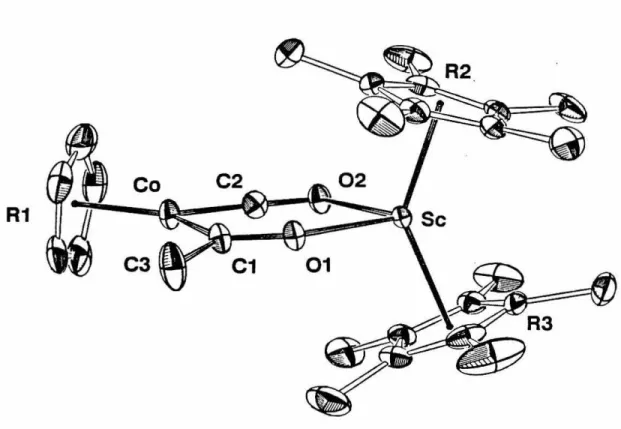
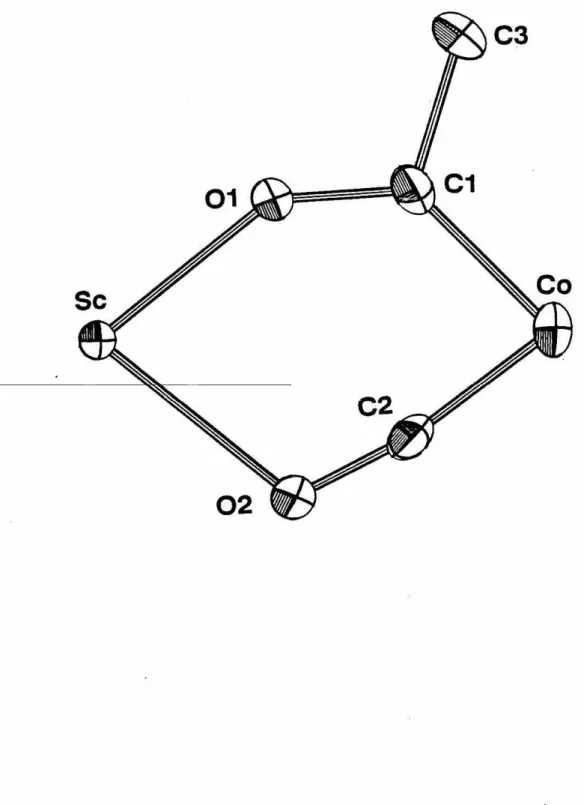
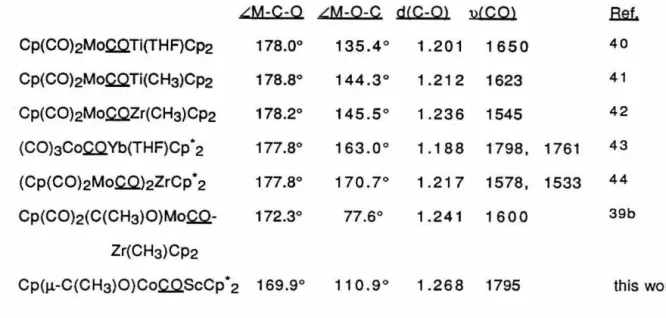
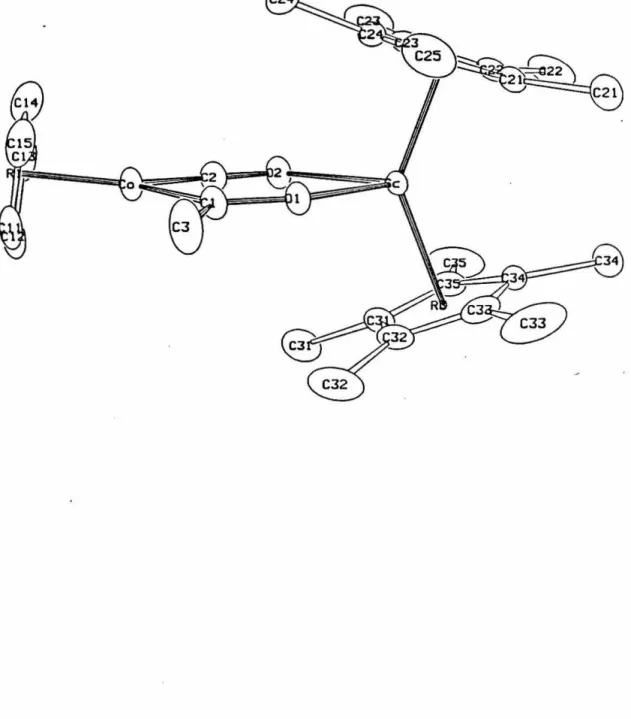
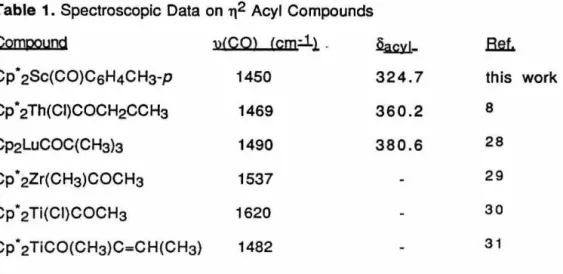
The insertion of carbon monoxide into a metal carbon bond is one of the most extensively studied processes in organometallic chemistry. The overlap between the alkyl cr donor orbital and the CO 1t" orbital then facilitates migration of the alkyl to the carbonyl.4 In Cp2ML2 systems, extended by Hucke. The most famous example is the reaction of AIH3 and BH3 with metal carbonyls to form hydrocarbons; the initial coordination of the metal center to the 0 carbonyl follows nucleophilic attack of H- on carbon CO.14.
Each of these mechanisms has some kind of precedent among CO insertions of the early transition metals and f-block elements. In Cp* 2ThCI(CH2Si(CH3)3), insertion of CO is followed by migration of the silyl group to the acyl carbon.32 In this case 1H NMR again showed only decomposition products. Decomposition is also observed with most aldehydes tested (with the exception of benzaldehyde) and with acetone.
In contrast, addition of 2-butyne to a variety of alkyl complexes of the Cp*2ScCH2CH28 type (including Cp*2ScCH2CH2CsHs). The resulting polarization of the carbonyl C-O bond results in greater susceptibility to nucleophilic attack (on carbon) by the migrating R group. The color of the solution gradually changes from green to brown as the reaction progresses.
C02 to the Zr-H bond, followed by intermolecular reduction of the formate species with a second equiv of Cp2ZrHCI to give a bridging dioxomethylene unit. Similarly, the reaction of Cp* 2ScCH3 with C02 leads to a number of decomposition products, regardless of the conditions used. For a recent review of the reactivity of C02 with transition metal complexes, see Braunstein, P.; Matt, D.; Nobel, D.
Scheme 1
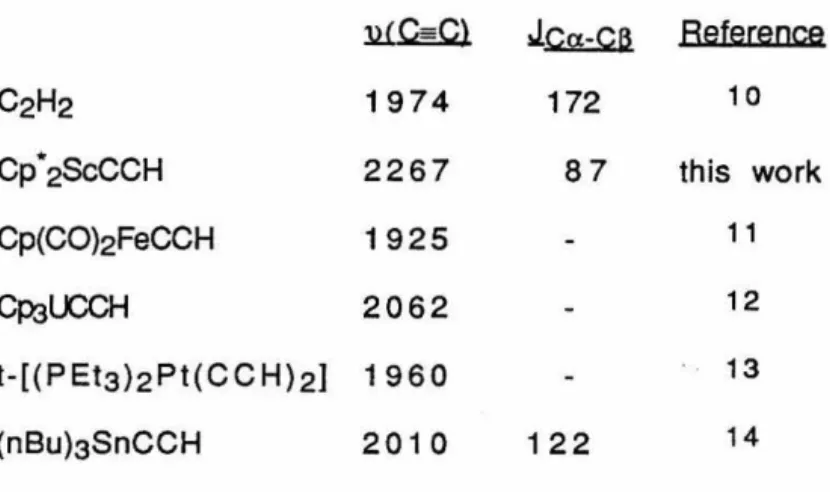
Ziegler-Natta polymerization of olefins is one of the most important industrial carbon-carbon bond-forming reactions used today. Insertion is generally not observed for other α-olefins, except for the reaction of Cp • 2Sc-Me with propylene, in which a single insertion is observed. Spectroscopic data are useful in assessing the nature of the C:eC bond.
An increase in the s-character of the Se-C bond and a correspondingly smaller s-character of the C-C bond can explain the small coupling constant. This is confirmed by the crystal structure of the compound, which shows a C:eC distance of 1.27 A.15 v(C:eC) for Cp. The final organometallic product of the reaction of acetylene with Cp*2ScR was also of interest.
No stretches were observed in the characteristic C=C region of the infrared spectrum; however, an intense Raman absorption at 1899 cm-1 signaled the presence of a symmetrical C=C bond in the molecule. The molecule crystallizes at a two-fold axis, which relates a Cp* 2Sc unit and half of the bridging acetylene to the other half of the molecule. M has also been synthesized.25) Spectroscopic and structural comparisons of the present work with other C=C units are listed in Table 3. H is 2.13A; the same correction of 0.07A added to his calculations gives the experimentally determined numbers for the Cp • 2Sc compounds.?.
Other features of the structure are similar to those found for other structurally characterized Cp* 2Sc compounds.26. The dimer does react with excess ethylene at 80°C to give polyethylene; however, the Cp" signal of the starting material remains unchanged. Given the current understanding of cr-bond metathesis, a possibility for C-C bond activation in this system seemed to lie in maximizing the s character of the C-C bonds broken and formed must be in the transition state.
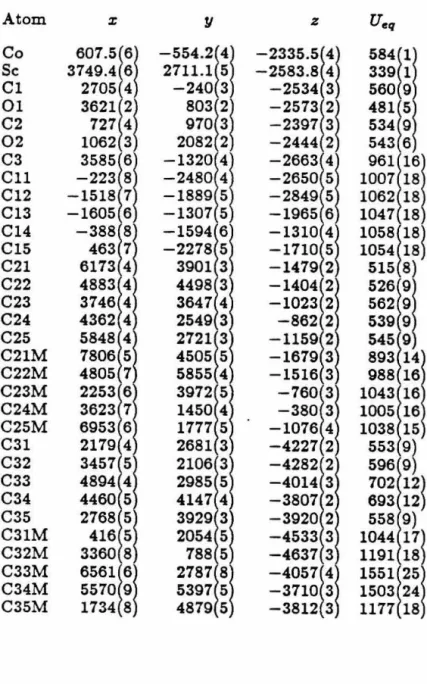
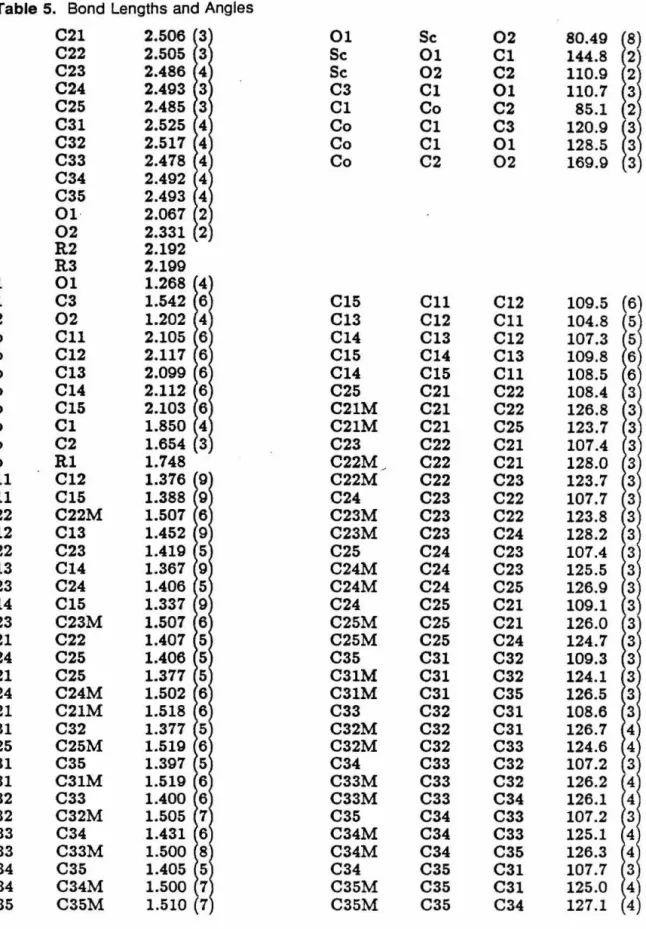
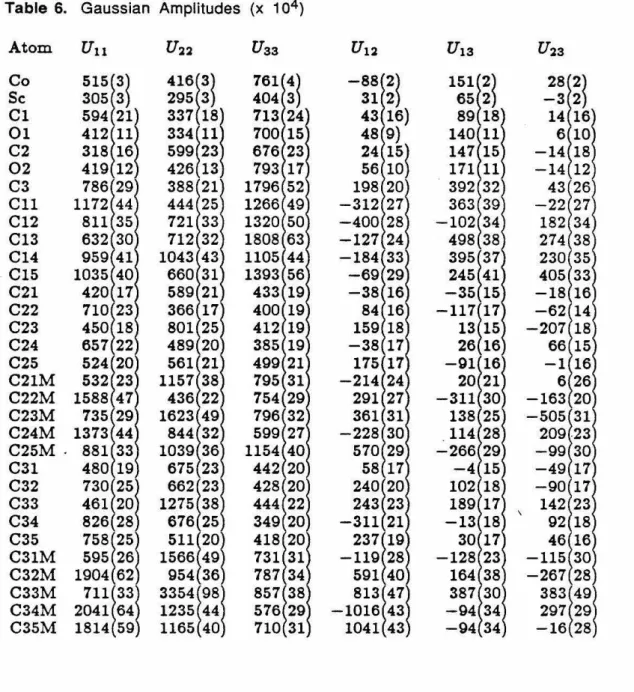
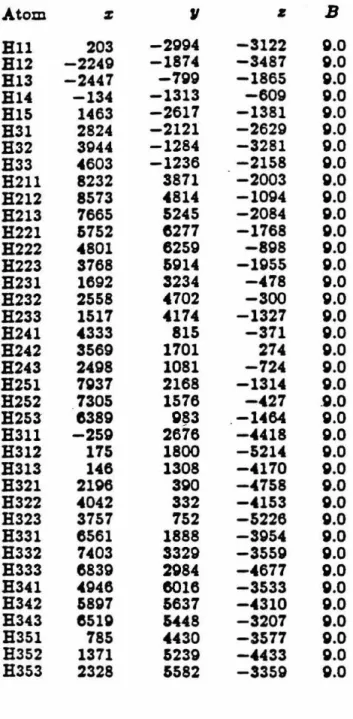
The scandium atom was located from a Patterson map and the remaining atoms in the molecule were found with subsequent structure factor Fourier cycles. Variances of the individual reflections were assigned based on count statistics plus an additional term, 0.001412. Variances of the merged reflections were determined by standard error propagation plus another additional term, 0.0014<1>2.
34; Organometallic Compounds: Transition Elements", Vol. Cp2 TiC=CTiCp2)n is reported by Wailes as the reaction product of. Studies of the heterogeneous system under working conditions have led to the proposed reaction sequence shown in Scheme 1, with bond cleavage C-N which is believed to be the rate-determining step. Fractional distillation of this compound at temperatures greater than 100°C gives two products: (1'12_ . CH3CH2N=CHCH3)Ta(N(CH2CH3)2)3 and imido ( CH3CH2N =)Ta(N(CH2CH3)2)3.6 The observation of this type of reaction in the Cp*2Ta system suggested that these could serve as model compounds to investigate the mechanistic details of the C-N bond cleavage step.
Previous work in these laboratories resulted in the synthesis of the first cis oxo-hydride compound, Cp*2Ta(=O}H, by addition of water to Cp*2Ta(=CH2)H, with simultaneous loss of methane. synthesis of of aryl analogs of 112 H2C=NCH3 species was initiated by the reaction of HN(CH3)(CsHs) with Cp.2Ta(=CH2)H. The initial protonation of N could promote C-N bond cleavage and H migration to CH2.
And, when D2O is used, the hydride signal of Cp*2Ta(=O)H is still clearly observable in 1H NMR, while the integrated intensity of the HN(C.I:i3)2 peak decreases by - 1/6 . As mentioned earlier, Park's observations of the 1,2 addition/elimination pathway for the reaction of Cp'"2Ta(=O'")H with 020 sparked interest as to. Interestingly, the reaction of isoelectronic Cp2Mo=O with H~S leads to Cp2Mo(SH)2.20 There is considerable precedent for the reaction of H2S with M=O to give M=S species in bioinorganic chemistry.
Cp* 2Ta(=S)H.24 The forcing conditions involved and the reactivity of the Ta-CH3 unit seem to indicate a mechanism other than 1,2-addition/elimination, which would be degenerate. While prolonged heating in CsDs does not result in H/D exchange, heating Cp* 2Ta(=NH)H below 4 atmospheres D2 results in a decrease in intensity and eventually the near-disappearance of the N-H signal in 1 .H NMR. An X-ray crystal structure determination of the phosphide compound reveals that while the proton is oriented correctly for transfer to.
The synthetic routes available for Cp.2Ta(n2-H2C-NCH3)H were not general for the synthesis of Cp.2Ta(n2-H2C-NCsH4X)H, so we could not investigate the electronics of the C-N bond breaking step. However, the reactivity of the parent N-methyl compound turned out to be interesting as it reacts with H2O and H2S to form Cp*2Ta(=O)H and Cp*2Ta(=S)H, respectively. In all cases, the non-organometallic reaction product could not be quantified in the spectrum, so one H2X was assumed as the product per Cp* 2Ta(=Y)H product.