Biochemistry and Molecular Biology, University of Szeged, Hungary, 1991 Postdoc: National Cancer Institute Started at NIH: 2008. Joe Wang, PhD Molecular Genetics, Ohio State University, 1994 Postdoc: University of California at San Francisco.
Contributors
The determination and classification of chemicals as human carcinogens is formally carried out by national and international agencies. This chapter discusses the IARC process, and the classification of ethanol and acetaldehyde as human carcinogens.
Outline of an IARC Working Group Evaluation
The International Agency for Research on Cancer (IARC) (http://www.iarc.fr), part of the World Health Organization, is responsible for evaluating and classifying human carcinogens.
Alcohol as a Human Carcinogen
At the end of the meeting, a public vote of the members of the working group determines the final ranking. Shortly after the meeting, a summary of the findings, including the final classification, was published in The Lancet Oncology.
Classification of Alcohol as a Human Carcinogen: IARC
The difference between 2A and 2B reflects an overall assessment of the strength of the available evidence. However, other members of the panel disagreed with changing the classification of acetaldehyde based on these data.
Carcinogen Classification of Alcohol and Acetaldehyde in the USA
Some in the group strongly believed that the evidence for acetaldehyde's carcinogenic properties was strong and compelling, based in large part on the dramatically increased risk of esophageal cancer in heavy drinkers, ALDH2-deficient, who are unable to metabolize acetaldehyde. The 2009 working group (Secretan et al. 2009) confirmed the Group 1 classification of alcohol consumption and of ethanol in alcoholic beverages, but also concluded that acetaldehyde associated with the consumption of alcoholic beverages is carcinogenic to humans (Group 1).
Conclusion
Introduction
Cancer and Alcohol: An Overview of Tumorigenesis
In addition to heredity, which can affect one's susceptibility to certain types of cancer, environmental and lifestyle risk factors, such as exposure to cancer-causing chemicals (such as those found in tobacco smoke and alcohol), radiation, infectious agents, and diet all contribute, often in combination to the development of cancer.

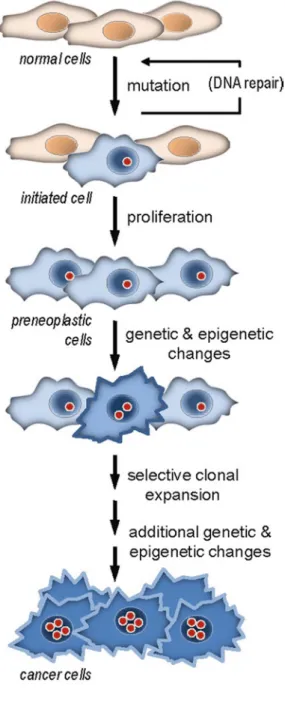
Multistep Process of Tumorigenesis
The third class of cancer genes, called stability genes (Vogelstein and Kinzler 2004), promote carcinogenesis in an entirely different way when mutated. Adapted from N Engl J Med, Molecular origins of cancer: Molecular basis of colorectal cancer, Markowitz SD, Bertagnolli MM.
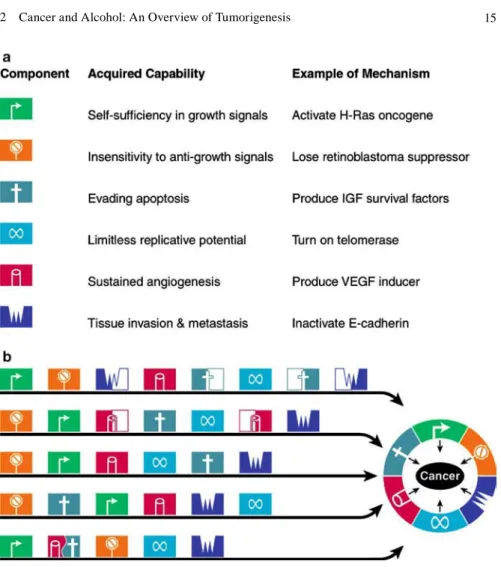
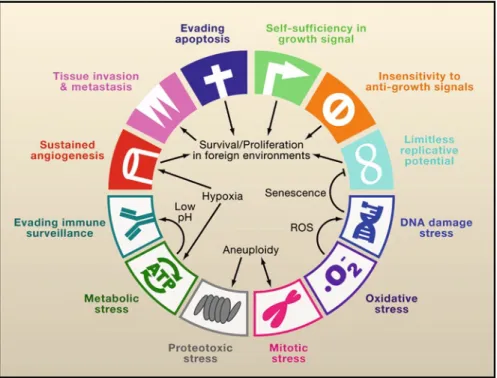
Acquired Capabilities of Cancer Cells The Hallmarks of Cancer
In addition to the six hallmarks of cancer first proposed by Hanahan and Weinberg in 2000 (top half, white symbols) and evasion of immune surveillance proposed by Kroemer and Pouyssegur (2008), Elledge and colleagues recently proposed a series of additional hallmarks that display stress phenotypes of cancer cells (bottom half, colored symbols). Although a detailed discussion of cancer genes and the signaling pathways they control during carcinogenesis is beyond the scope of this chapter, we refer the reader to several comprehensive reviews on the topic of the molecular circuits of cancer cells (Hahn and Weinberg 2002; Vogelstein and Kinzler 2004; Yeang et al. 2008).
Cancer and Alcohol
Nevertheless, Hanahan and Weinberg (2000) suggest “that however the steps in these genetic pathways are ordered, the biological endpoints that are ultimately reached—the hallmarks of cancer—turn out to be common to all tumor types. ". This chapter draws heavily on information presented in Principles of Cancer Biology by Lewis Kleinsmith (2006) and on the seminal review The Hallmarks of Cancer by Douglas Hanahan and Robert Weinberg (2000).
Alcohol and Cancer Epidemiology
Thomas Gentry
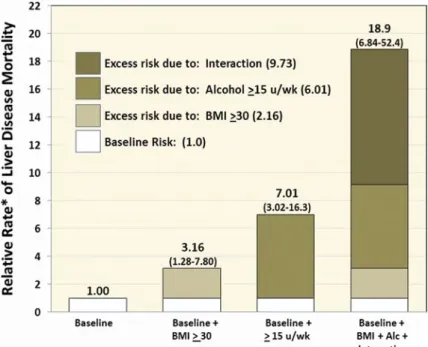
Using the Alcohol Attribute Fraction (AAF) to account for independent and synergistic effects suggests that the magnitude of alcohol's impact on cancer may be greater than otherwise indicated. Also, the sensitization of the effect of alcohol by another risk factor suggests that drinking rates that are usually considered safe may actually be dangerous if both factors are concurrent.
Upper Aerodigestive Tract Cancers
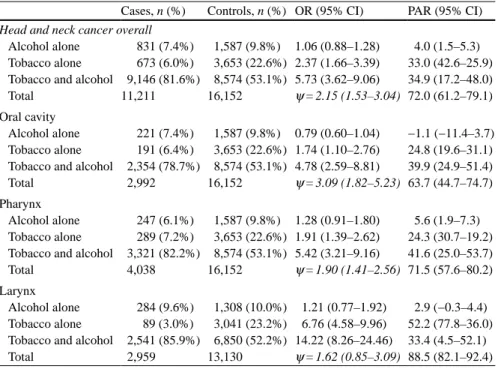
Susceptibility: A study of women in Great Britain (Allen et al. 2009), designed and powered (n = 1.28 million) to assess the effect of moderate drinking on cancer incidence, revealed an additional manifestation of the interaction of smoking and alcohol on UADT. cancer as listed in Table 3.2. Alcohol consumption, including the category with an intake of ³7 units/week, had no effect on UADT cancer rates if women were never smokers.
Hepatocellular Carcinoma
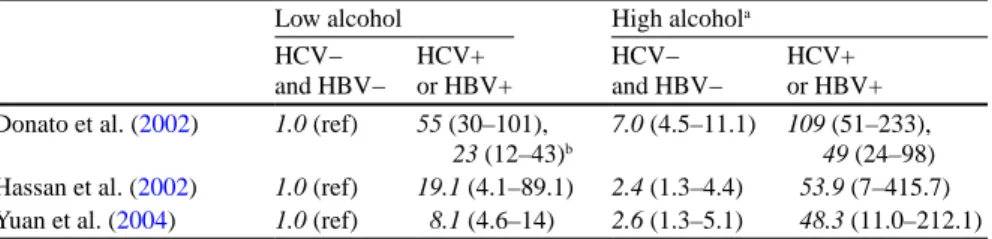
In Japan, the incidence of HCC is declining in younger people, although mortality rates lag, reflecting the acquisition of HCV several decades earlier (Tanaka et al. 2008). Anderson Cancer Center in Houston provides evidence that alcohol acts as a synergistic agent with diabetes (Hassan et al. 2002).
Breast Cancer
And for nonwhite women or women from developing countries, the effect of alcohol was not significant (Cooperative Group on Hormonal Factors in Breast Cancer 2002). Moreover, the alcohol-related effect on breast cancer appears to be effective in ER+ invasive lobular carcinoma, but not in ER+ invasive ductal carcinoma (Li et al. 2010).
Pancreatic Ductal Adenocarcinoma
While other smaller studies have documented alcohol-HRT interactions for breast cancer; some are based on the absence of an HRT effect among women who do not drink, or an alcohol effect only among "never users" of HRT (Colditz et al. And a meta-analysis of 32 publications indicated that high rates of drinking ( ³3 drinks/day) was associated with a significantly increased relative risk of pancreatic cancer: RR Tramacere et al. 2010).
Colorectal Cancer
Lung Cancer
Two indirect lines of evidence suggest that the potential interaction between alcohol and tobacco smoking on lung cancer should be reexamined. The second is the emerging evidence pointing to a genetic susceptibility to lung cancer associated with the alcohol- and acetaldehyde-metabolizing enzymes already associated with UADT cancers (Segado Soriano et al. 2005; Minegishi et al. 2007; Park et al. 2010).
Prostate Cancer
Stomach Cancer
Thyroid Cancer (Alcohol Lowers the Risk)
Second, very few risk factors have been identified for thyroid cancer, and those that have been identified are not characteristic of other cancers (iodine deficiency and childhood exposure to ionizing radiation, Dal Maso et al. 2009). Finally, the risk of thyroid cancer decreases with alcohol consumption, especially in women (Nagano et al.
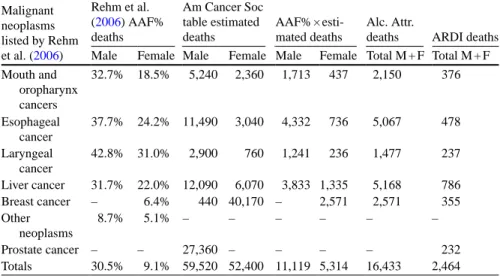
Estimating Alcohol’s Impact on Cancer Mortality in the USA
The National Cancer Institute's NIH-AARP study confirmed a protective effect due to alcohol (RR = 0.57, p < 0.01) with two or more drinks per day and also indicated that beer was more effective than wine or distilled spirits (Meinhold et al. 2009) ). Finally, thyroid cancer may not be unique, as several sources, including the Million Women Study, also found decreased incidence of non-Hodgkin lymphoma (RR = 0.77, p = 0.001) and renal cell carcinoma (RR = 0.66, p = 0.03 ) associated with alcohol consumption.
Summary
Corrao G, Bagnardi V, Zambon A, La Vecchia C (2004) A meta-analysis of alcohol consumption and the risk of 15 diseases. Larsson SC, Wolk A (2007) Overweight, obesity and risk of liver cancer: a meta-analysis of cohort studies.
Alcohol Metabolism and Its Implications for Cancer
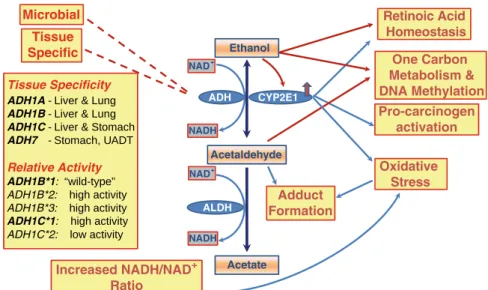
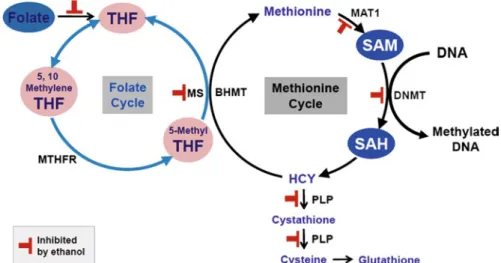
In this chapter, we discuss some of the different mechanisms involving alcohol metabolism or alcohol-induced changes in metabolic pathways (Fig. 4.1) that can lead to cancer. These include acetaldehyde formation, changes in the NADH/NAD+ ratio, increased oxidative stress, induction of cytochrome P450-2E1 (CYP2E1), procarcinogen activation, changes in folate and methionine metabolism, and effects on retinoid metabolism.
Metabolism of Ethanol to Acetaldehyde
Four genes from the ADH family, encoding class I (ADH1A, ADH1B and ADH1C) and class II (ADH4) enzymes, are significantly involved in ethanol metabolism in the liver (Han et al. In the liver, in addition to cytosolic ADH, the microsomal system for ethanol oxidation ( MEOS) contributes up to 30% to alcohol metabolism, especially after chronic ethanol consumption.
Microbial Alcohol Metabolism Oral Cavity
Genes for Alcohol Metabolism
Also, since the ALDH2 isozyme is a tetramer, only one of every 16 ALDH2 enzymes is fully functional in heterozygous individuals (Weiner et al. 2001). In the lower GI tract, coliforms and other gut bacteria possess ADHs with a low Km for alcohol capable of oxidizing the moderate amounts of ethanol ingested during social drinking and generating significant levels of acetaldehyde within the colon (Jokelainen et al. 1996; Nosova et al. 1997).
Acetaldehyde Metabolism
Also, the presence of one mutant (inactive) subunit inactivates the dimer pair, resulting in much less than half the activity of the ALDH2*1 enzyme (Weiner et al. 2001). As noted above, the acetaldehyde concentration in the colon of rats fed an alcohol diet has been reported to be as high as 2.7 mM (Visapaa et al. 1998).

The Role of Acetaldehyde in Alcohol-Related Cancer
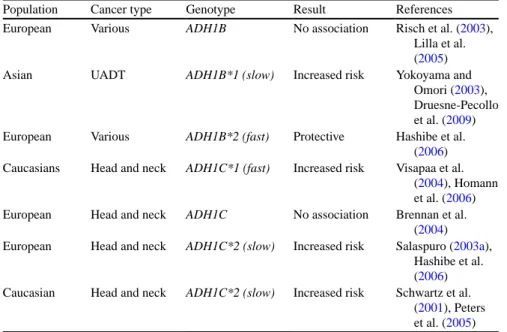
The observed tissue-specific expression of ADH1C in UADT (Liao et al. 1991; Moreno et al. 1994) supports an increased risk of cancer associated with increased metabolism. Although the liver is the major site of acetaldehyde metabolism by ALDH2, there is also no evidence of increased alcohol-related liver cancer in ALDH2-deficient individuals (Yokoyama et al. 1998).
Mechanisms of Acetaldehyde Carcinogenicity Acetaldehyde-DNA Adduct Formation
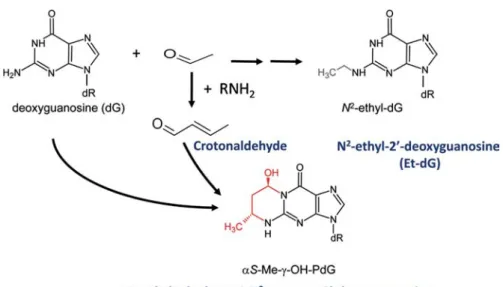
Studies of alcohol-related esophageal cancer in ALDH2-deficient individuals have provided compelling evidence in support of a role for acetaldehyde in esophageal squamous cell carcinoma. Matsuda and colleagues (Matsuda et al. 2006) showed that the levels of N2-Et-dG as well as those of the CrPdG adducts were increased in white blood cell DNA from ALDH2-deficient alcoholics compared to those with fully active ALDH2.
CYP2E1, ROS, and Oxidative Stress CYP2E1 and Oxidative Stress
In this way, acetaldehyde causes an increase in cell division and increased polyamine content, which in turn facilitates the formation of the more genotoxic CrPdG adducts (Theruvathu et al. 2005). The DraI variant has been reported to be associated with an increased risk of lung cancer in Mexican American smokers (Wu et al. 1998).
Adduct Formation
Adducts have been demonstrated at the stage of fatty liver in alcoholic liver disease (ALD) and increase in frequency in advanced ALD (Frank et al. 2004). Similarly, in samples from patients with alcoholic liver disease, ethene adduct levels are correlated with CYP2E1 levels (Wang et al. 2009).

Changes in NADH/NAD + Levels and Gene Activation
CtBP is an NAD+-dependent D2-hydroxyacid dehydrogenase, which mediates transcriptional repression (Kumar et al. 2002). Important SIR substrates include histones and the transcription factor p53 (Vaziri et al. 2001; Smith et al. 2002).
Conversion of Procarcinogens to Carcinogens
As such, NAD+ can be seen as a modulator of gene expression and thus, when alcohol causes a decrease in available NAD+, these genes can be expressed at higher levels. At the same time, in the absence of adequate NAD+ supply, the NAD+-dependent histone deacetylase activity of SIR is reduced, resulting in a decrease in gene silencing, suppression of DNA recombination, and clock/NPAS2 gene silencing that is involved. in regulating the circadian clock.
Folate Cycle: Global Hypomethylation, Focal Hypermethylation, and Epigenetics
Methyl Group Transfers and Pancreatic Cancer
A convincing argument for the effect of alcohol consumption on the risk of pancreatic cancer has been presented by (Suzuki et al. 2008) in a case-control study that investigated the effect of alcohol on pancreatic cancer in association with polymorphisms in four enzymes , which is essential for one-carbon metabolism. The effect of folate intake on breast cancer risk is more evident among subjects with the MTHFR 677TT genotype (Shrubsole et al. 2004) or in the context of a family history of breast cancer (Sellers et al. 2004).
Retinol and Impairment of Other Metabolic Processes
Chronic alcohol consumption is also associated with disturbances in sulfur-containing amino acid metabolism, leading to increased levels of the amino acids glutamate, aspartate, and homocysteine in alcoholic patients. The metabolism of these and other xenobiotics should be considered as potentially negative side effects of chronic alcohol use; however, the association with carcinogenesis may be weak.
Conclusions and New Directions
Alcohol dehydrogenase 3 genotype modification of the association of alcohol consumption with breast cancer risk. Activity of alcohol dehydrogenase (ADH) isoenzymes and aldehyde dehydrogenase (ALDH) in the sera of patients with breast cancer.
Epigenetics, Alcohol, and Cancer
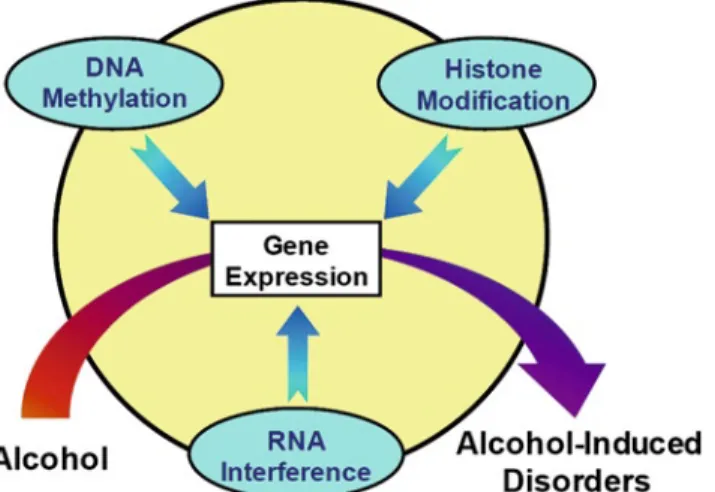
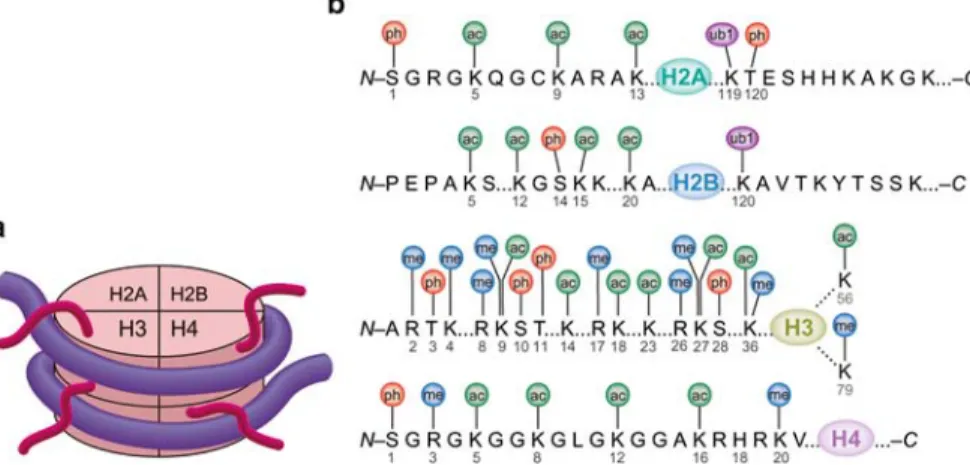
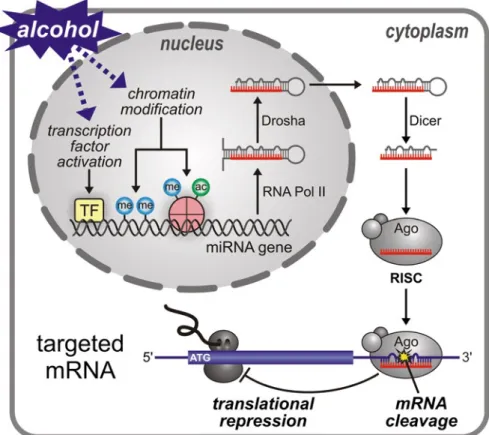
The variation in epigenetic regulation of gene expression also contributes in large part to this stochastic nature of biology. Epigenetic regulation of gene expression mainly involves three systems: DNA methylation, histone modification, and RNA-mediated gene silencing.
DNA Methylation
CpG Island
The same MTHFR polymorphism and chronic alcohol abuse have been found to be linked to colorectal cancers (reviewed by Hamid et al. 2009). This downregulation of DNMT-3b may be due to the feedback control of the increased genomic DNA methylation (Bonsch et al. 2006).
Histone Modification
DNA demethylation associated with low dietary folate intake may also be exacerbated by high alcohol intake (Halsted et al. 2002). Hepatic SAMe levels were found to be reduced by 50% in patients with alcoholic liver disease (Lee et al. 2004).
MicroRNAs
In this regard, chronic alcohol exposure has been shown to reduce expression of the NAD + -dependent HDAC SIRT1 by approximately 40% in rat liver ( Lieber et al. 2008 ). In addition to the report by Ladeira et al. 2008) discussed above, the role of miRNAs in alcohol-related cancer remains largely unexplored.
Future Directions
He J, de la Monte S, Wands JR (2007) Acute ethanol exposure inhibits hepatic insulin signaling. Sotiropoulou G, Pampalakis G, Lianidou E, Mourelatos Z (2009) Emerging roles of microRNAs as molecular switches in the integrated circuit of the cancer cell.
Alcohol, Cancer Genes, and Signaling Pathways
ADH Alcohol dehydrogenase ALD Alcoholic liver disease ALDH Aldehyde dehydrogenase bFGF Basic fibroblast growth factor CYP2E1 Cytochrome P450E1. This chapter focuses on (1) the molecular classification of alcohol-related cancers and how they may be related to acquired properties shared by all cancer cells, and (2) alcohol-related changes in specific cell signaling pathways that you can.
Alcohol and Mitogenic Signals MAPK Pathway
Levels of aromatase, a key enzyme responsible for estrogen biosynthesis, are altered by alcohol exposure in MCF-7 breast cancer cells (Etique et al. 2004a,b). Others have shown a dose-dependent increase in ERα expression and transcriptional activity in MCF-7 breast cancer cells after alcohol treatment (Fan et al. 2000).

Alcohol and Insensitivity to Antigrowth Signals Rb and Cell Cycle Control
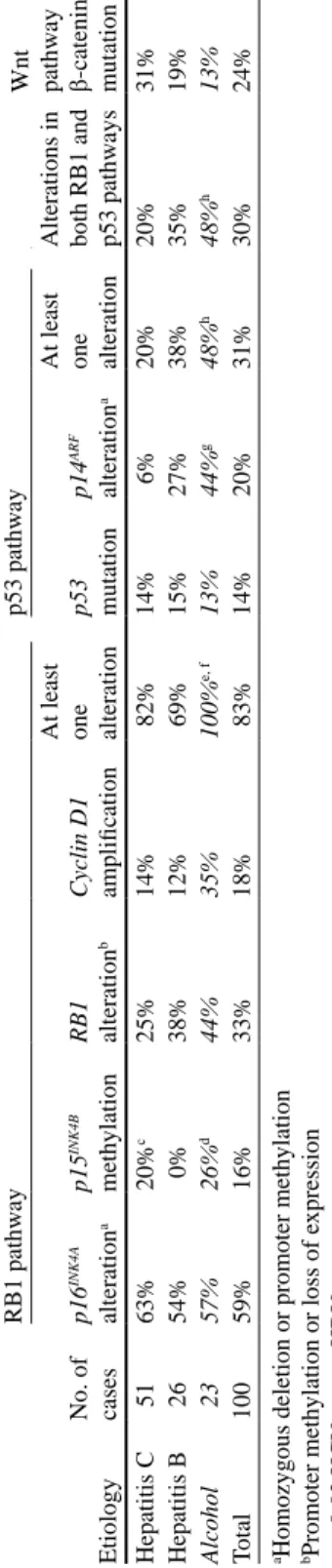
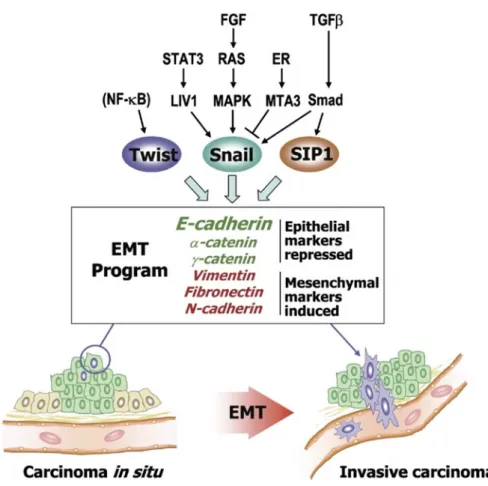
Interestingly, alcohol downregulates the tumor suppressor protein BRCA1 while reversing BRCA1-mediated inhibition of ERα activity (Fan et al. 2000), an additional suspected mechanism by which alcohol intake may contribute to breast cancer development. Subsequent studies of EMT in p19ARF null hepatocytes implicated MAPK signaling in the transmission of tumor-promoting effects of TGFb during later stages of liver tumorigenesis (Fischer et al. 2005).
Alcohol and Apoptosis Evasion
Somatic mutations in p53 have been clearly associated with HCC, with mutation frequency dependent on geographic location (reviewed by Hussain et al. 2007). The prevalence of p53 mutations in patients with invasive HNSCC is related to the level of exposure to cigarette smoke and to a lesser extent alcohol (Brennan et al. 1995).
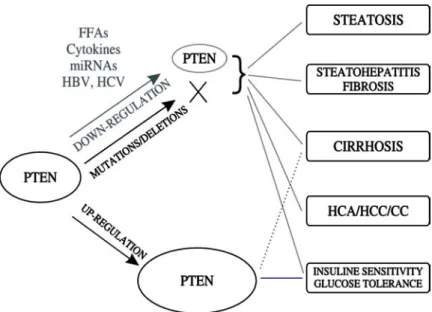
PTEN
Indeed, all mice carrying hepatocyte-specific deletions of PTEN developed hepatic adenomas, with nearly 70% of animals eventually developing HCC ( Horie et al. 2004 ). Since PTEN is also known to function as a haploinsufficient tumor suppressor (reviewed by Salmen et al. 2008), increased, decreased, and complete loss of PTEN activity appear to be important for development and progression.
Alcohol and Tumor Angiogenesis
Alcohol and Metastasis
L1CAM is among the transcriptional targets of Wnt/bcatenin signaling in colorectal cancer (CRC) cells (Gavert et al. 2005). This effect is dependent on MMP-2 activation mediated by protein kinase C (PKC) and JNK (Aye et al. 2004).
Alcohol and Stem Cell Maintenance
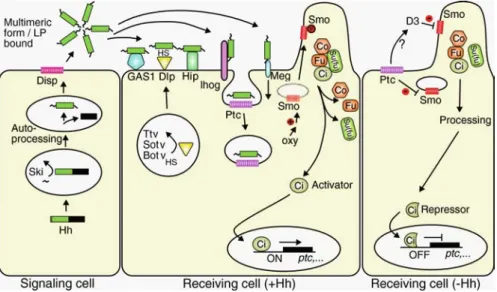
Regarding alcohol, the plasmin-plasminogen system and OPN in particular are thought to contribute to the pathogenesis of alcoholic liver disease (reviewed by Seth et al. 2010). Importantly, activation of the Hh pathway has been observed in alcoholic liver disease in mice and humans (Jung et al. 2008).
Concluding Remarks
Etique N, Chardard D, Chesnel A, Flament S, Grillier-Vuissoz I (2004b) Analysis of the effects of different alcohols on MCF-7 human breast cancer cells. Singletary KW, Frey RS, Yan W (2001) Effect of ethanol on proliferation and estrogen receptor alpha expression in human breast cancer cells.
Alcohol, Retinoic Acid, and Cancer
CRABP Cellular retinol-binding protein CRBP Cellular retinol-binding protein ECS Embryonic stem cells. RALDH Retinaldehyde dehydrogenase RAR Retinoic acid receptors RARE Retinoic acid response element RBP4 Retinol binding protein 4 RE Retinyl ester.
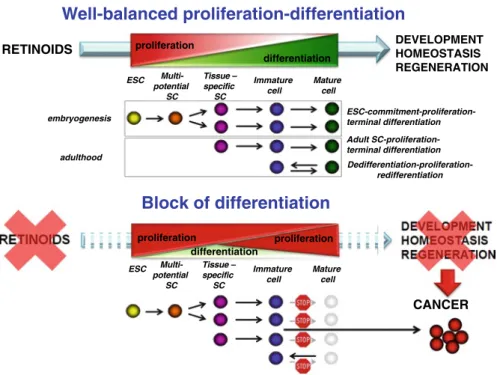
Retinoids and Carcinogenesis
Retinoids have been reported to reduce second malignancies in the liver, gastrointestinal tract, or breast (Hong and Sporn 1997; Sun and Lotan 2002; Freemantle et al. 2003). Importantly, the beneficial effects of retinoids are not limited to specific carcinogens, but rather to the type of organs involved (Okuno et al. 2004).
The Molecular Basis of Retinoid Action in Tumors
Degradation of RA is also an important balancing mechanism that protects cells from excessive RA stimulation (Taimi et al. 2004). Methylation-attenuated expression of RALDH2 (ALDH1a2) and lower RA levels have been reported in prostate cancer (Kim et al. 2005).
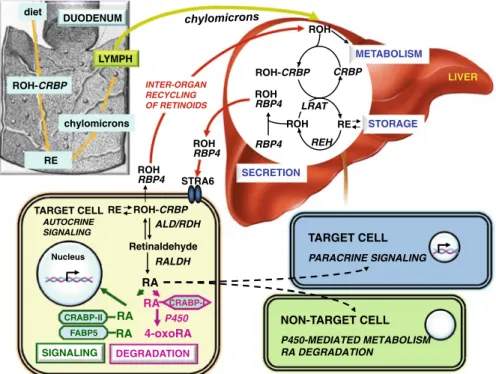
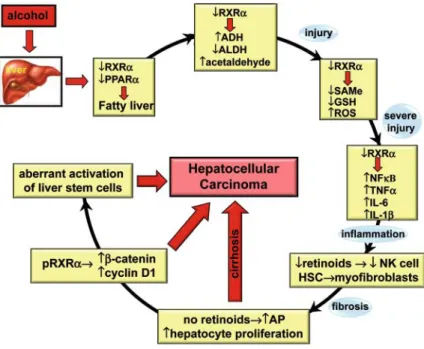
Retinoic Acid Promotes Nongenotoxic Alcohol-Related Carcinogenesis
Kurlandsky SB, Gamble MV, Ramakrishnan R, Blaner WS (1995) Plasma tissue delivery of retinoic acid in the rat. Liu M, Iavarone A, Freedman LP (1996) Transcriptional activation of the human p21(WAF1/CIP1) gene by the retinoic acid receptor.
Alcohol, Altered Protein Homeostasis, and Cancer
DNA-PK DNA damage response kinase ESCC Esophageal squamous cell carcinoma FAH Fumarylacetoacetate hydrolase GR Glucocorticiod receptor HCC Hepatocellular carcinoma HDAC Histone deacetylase HRGb1 Heregulin b1 HSE Heat shock element HSF Heat shock factor HSP Heat shock protein HSR Heat shock response.
Guardians of the Proteome: The Emerging Role of HSF1 and HSPs in Cancer
Recent studies have implicated a role for S121 phosphorylation in HSP90 binding and HSF1 inhibition (Wang et al. 2006). Finally, induction of HSF1 and its target genes, including the expression of HSP27, HSP90 and iNOS, has been demonstrated in sporadic colorectal cancer (CRC) (Cen et al. 2004).
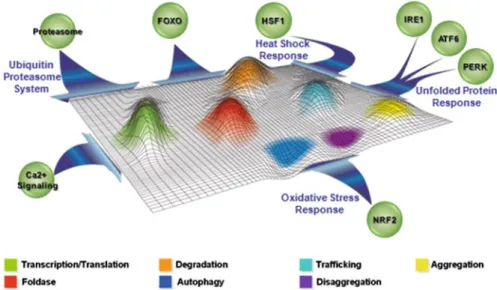
Conclusions
Rabindran SK, Haroun RI, Clos J, Wisniewski J, Wu C (1993) Regulation of heat shock factor trimer formation: role of a conserved leucine chain. Westwood JT, Clos J, Wu C (1991) Stress-induced oligomerization and chromosomal translocation of heat shock factor.
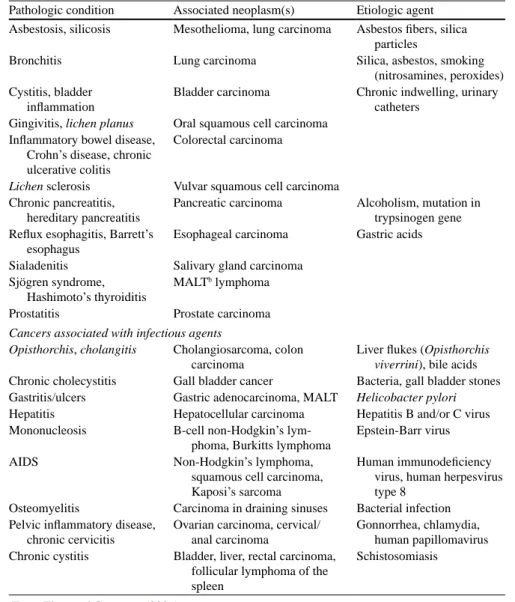
Alcohol and the Inflammatory Function of Immune Cells in Cancer Development
Joe Wang
It has since been supported by a large body of evidence from epidemiological, clinical and, more recently, molecular genetic studies (Mantovani et al. 2008). A recent study links the bacterial product lipopolysaccharide (LPS) in alcohol-fed animals with an increased incidence of liver cancer, further supporting the idea that alcohol-related inflammation may play a significant role in cancer development (Machida et al. 2009).
Major Components of an Inflammatory Response NF-k B and STAT3
These adaptive immune cells can act as inflammatory enhancers by secreting additional cytokines and chemokines (Murphy et al. 2007). The immune cells and cytokine milieu of a given chronic inflammation are also influenced by cellular and/or organismic feedback control mechanisms.
Mechanisms Underlying Cancer-Related Inflammation
NF-kB has also been implicated in epithelial-mesenchymal transition (EMT)-mediated cancer cell development (Chua et al. 2007). A protumorigenic role of NF-kB in myeloid cells has also been demonstrated in a murine model of colitis-associated colon cancer (Greten et al. 2004).