There is a strong focus on (1) health promotion and health maintenance for older adults; (2) age-appropriate verbal and non-verbal communication; 3) relevant nutritional and fluid needs, changes in pharmacodynamics, and concerns related to medication administration for older adults; (4) health assessment of the elderly; and (5) meeting the safety needs of older adults. Multiple critical thinking exercises provide practice in synthesizing information and applying it to the nursing care of older adults.
ACKNOWLEDGMENTS
TEACHING AND LEARNING PACKAGE
SPECIAL FEATURES
READING AND REVIEW TOOLS
Ureters and bladder, 53 Characteristics of urine, 54 Expected age-related changes, 54 Common conditions seen with aging, 54 The nervous system, 55. The integumentary system, 32 Expected age-related changes, 32 Common conditions seen with aging, 33 Musculoskeletal system, 35.
BASIC SKILLS FOR GERONTOLOGIC NURSING, 73
PSYCHOSOCIAL CARE OF OLDER ADULTS, 180
PHYSICAL CARE OF OLDER ADULTS, 269
Recommendation for exercise for older adults, 306 Effects of disease processes on activity, 308 Nursing process for the physically disabled. Identification of Nursing Goals/Outcomes, 336 Nursing Interventions/Implementation, 336 Appendix A Laboratory Values for Older Adults, 341 Appendix B The Geriatric Depression Scale.
INTRODUCTION TO GERIATRIC NURSING
Older adults now form a significant group in society, and interest in the study of aging is increasing. Geriatrics is therefore the medical specialty that deals with the physiology of aging and with the diagnosis and treatment of diseases that affect older adults.
ATTITUDES TOWARD AGING
Many cultures emphasize the importance of intergenerational obligation and dictate that it is the role of the family to provide for both the financial and personal support needs of the elderly. Older adults are essentially no different from the people they were when they were younger.
DEMOGRAPHICS
The number of single, never-married seniors remains somewhat consistent at around 4% of the over-65 population. The educational level of the older adult population in the United States has changed dramatically over the past three decades.

ECONOMICS OF AGING
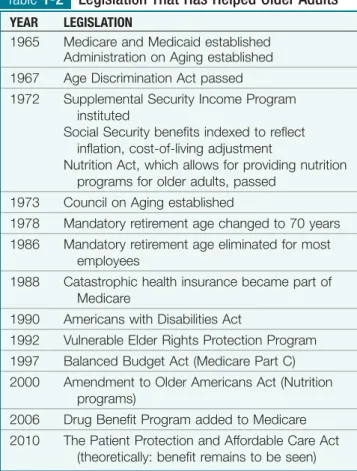
The major sources of total income for older adults include income from Social Security benefits, income from assets, pensions, and other income. Legislation and political activism among older people have helped improve economic prospects for older people (Table 1-2).

HOUSING ARRANGEMENTS
Many of the homes of older adults are in central cities with high crime rates. Once a house has been sold, what are the best housing options for the elderly?

HEALTH CARE PROVISIONS
Some believe that health care restrictions for older adults are the ultimate in age discrimination. Part of the debate over health care reform involves differing perspectives on end-of-life care.
IMPACT OF AGING MEMBERS IN THE FAMILY
Neglect is a passive form of abuse in which caregivers fail to meet the needs of the older person in their care. Neglect includes situations in which caregivers fail to meet the hygiene or safety needs of the older adult.
Get Ready for the NCLEX® Examination!
The Veterans Administration offers relief for enrolled members of the VA health care system. The United States will face significant challenges in meeting the costs of providing adequate health care to an aging population.
BIOLOGIC THEORIES
The excessive accumulation of free radicals in the body is thought to contribute to the physiological changes of aging and a number of diseases, such as arthritis, circulatory diseases, diabetes and atherosclerosis. This results in skin changes commonly attributed to aging, such as dryness, wrinkles and loss of elasticity.
IMPLICATIONS FOR NURSING
Newman's theory identifies the tasks of aging as: (1) coping with the physical changes of aging; (2) redirecting energy into new activities and roles, including retirement, grandparenting, and widowhood; (3) accepting one's own life; and (4) to develop a point of view about death. This is the so-called midlife crisis, which can lead to radical career or lifestyle changes or to acceptance of the self as it is.
PSYCHOSOCIAL THEORIES
Describe the most commonly observed functional changes that are part of the normal aging process. The peak years of physiological functioning last from the late teens through the thirties – the so-called prime period of life.
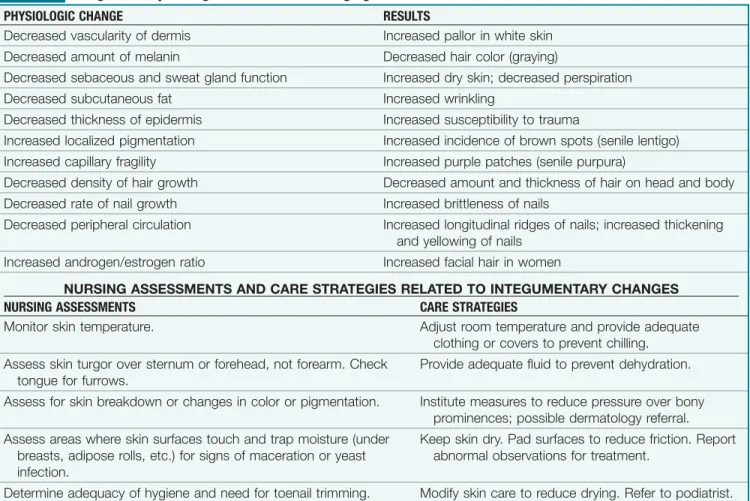
THE INTEGUMENTARY SYSTEM
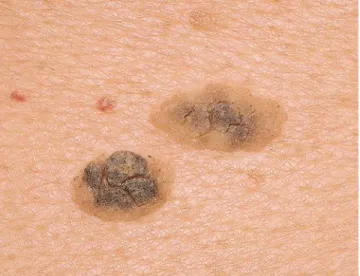
Older men in particular should be taught to self-examine for skin changes. Changes in the integumentary system in older adults increase the risk of skin inflammation and infection.
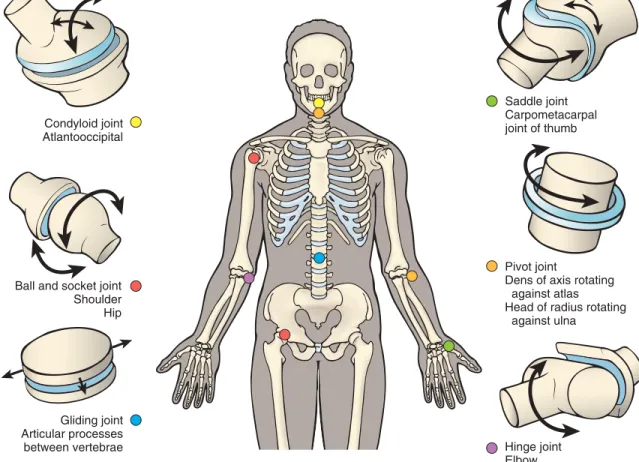
THE MUSCULOSKELETAL SYSTEM
Spontaneous fracture of the vertebrae or other bones may occur in the absence of obvious trauma. Air is forced out of the lungs until the pressure in the lungs corresponds to the atmospheric pressure.
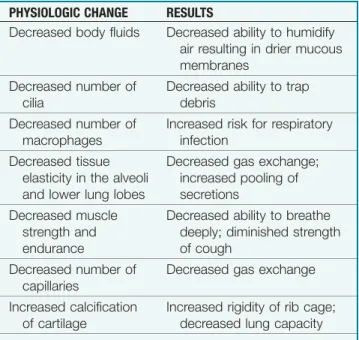
THE RESPIRATORY SYSTEM
Aspiration of small amounts of fluid can lead to continued and progressive inflammation of the lungs. After the blood is oxygenated, it returns to the left side of the heart through the pulmonary veins.
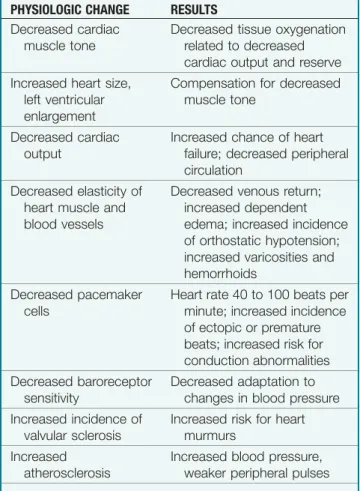
THE CARDIOVASCULAR SYSTEM
This layer is a continuation of the endocardial tissue that lines the inside of the heart. When the cells of the heart's electrical system are depolarized, the myocardium depolarizes and the heart contracts (systole), after which the special cells and the myocardium repolarize as the heart relaxes (diastole).
THE HEMATOPOIETIC AND LYMPHATIC SYSTEMS
The heme portion of RBC is converted to bilirubin in the reticuloendothelial system and then processed by the liver. WBCs are produced in the lymphatic tissue of the spleen, lymph nodes, thymus, and red bone marrow.
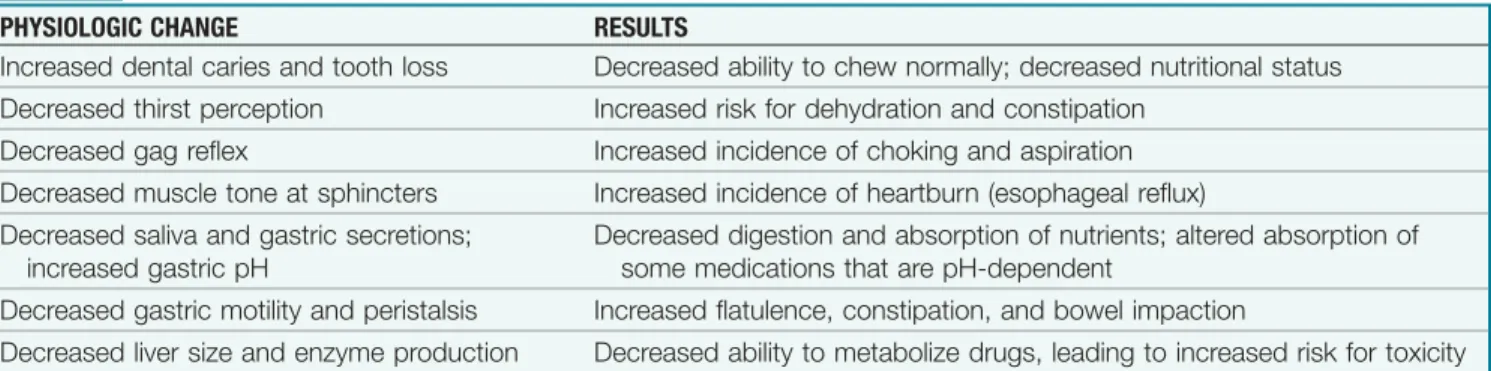
THE GASTROINTESTINAL SYSTEM
A hiatal hernia is the protrusion of the stomach into the chest cavity through the opening of the esophagus to the diaphragm (Figure 3-8). Oral food intake is limited and intravenous fluids are administered to "rest" the diseased area.
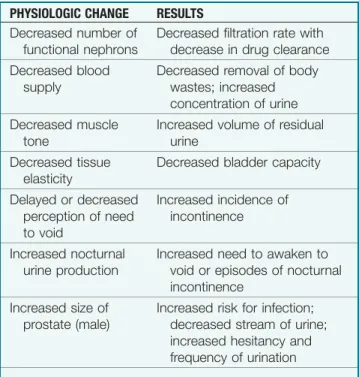
THE URINARY SYSTEM
The muscular wall of the bladder is lined with a mucous membrane and can stretch to hold large amounts of urine (up to 1000 ml or more). The urethra is a tubular passageway that leads from the bladder to the outside of the body.
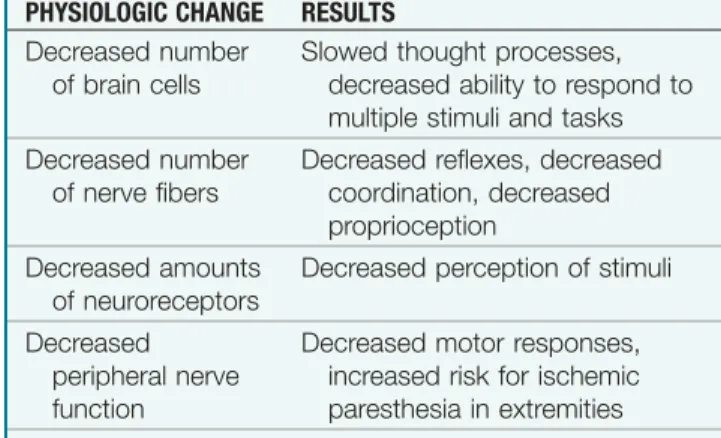
THE NERVOUS SYSTEM
If a person receives a copy of the APOE-e4 gene from one or both parents, the risk of Alzheimer's disease increases. A stroke, previously called a cerebrovascular accident (CVA), is a disruption of the blood supply to the brain.
THE SPECIAL SENSES
Located at the front of the choroid are the iris (the colored part), the pupil (an opening in the iris through which light enters the eye), the lens (a transparent oval disk) and the ciliary body (muscles that change) the shape of the lens to break light waves). Vitamin A is essential for the formation of the pigment in the rods, which enables their reaction.
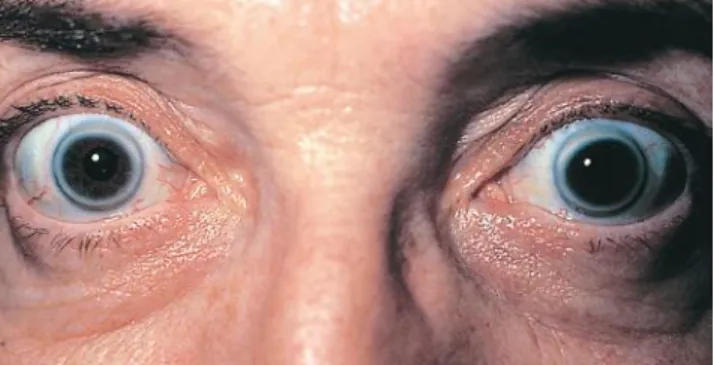
THE ENDOCRINE SYSTEM
The parathyroid glands are located on the posterior surface of the lobes of the thyroid gland. The endocrine secretions of the pancreas are produced by α cells and β cells in the islets of Langerhans.
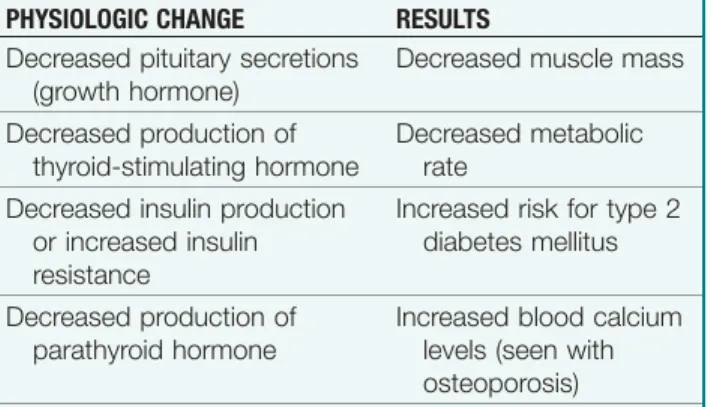
THE REPRODUCTIVE AND GENITOURINARY SYSTEMS
The tissues of the reproductive organs become less elastic and the amount of subcutaneous tissue. Nurses must be aware of the health promotion and maintenance practices that will most benefit older adults.
RECOMMENDED HEALTH PRACTICES FOR OLDER ADULTS
Older adults should be aware of the need to communicate any symptoms they are experiencing so that their primary care providers can determine the need for additional testing. Older adults should be examined more frequently annually by their primary care providers if known health problems exist.
FACTORS THAT AFFECT HEALTH PROMOTION AND MAINTENANCE
Factors other than religious and cultural beliefs also play a role in health perceptions and health maintenance practices. People with severe cognitive or perceptual problems are likely to experience injuries and changes in health maintenance practices.

HOME HEALTH
It is also advisable to schedule an introductory visit and trial sessions to determine if the caregiver and the older adult are compatible. Often they will require instruction, guidance and assistance as they learn to perform new skills and effective ways of responding to the needs of the older adult.
NURSING PROCESS FOR INEFFECTIVE HEALTH MAINTENANCE AND INEFFECTIVE
NURSING GOALS/OUTCOMES IDENTIFICATION The nursing goals for an older adult exhibiting ineffective health maintenance are to verbalize appropriate health maintenance practices, demonstrate adequate health maintenance practices, and identify community resources that can assist with health maintenance. If assistance is delayed, health maintenance may deteriorate to a point where hospitalization or institutional placement is required.
NURSING PROCESS FOR NONCOMPLIANCE
If the nurse verbally or nonverbally indicates that the older person's beliefs and practices are somehow inferior, the nurse will probably not be able to convince the person to comply with the desired health practices. If the person is not taking medication because of forgetfulness, more teaching will not help.
INFORMATION SHARING (FRAMING THE MESSAGE)
Listening carefully to the patient's speech can provide clues as to the appropriate level of language. Although this may seem less productive, your awareness that the patient and his family may be more satisfied with this type of communication may contribute to greater success in the long-term relationship.
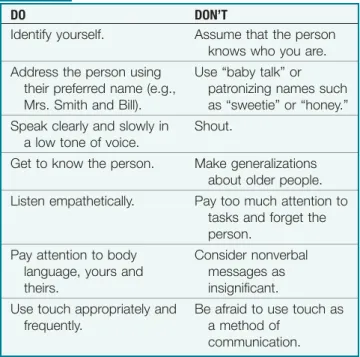
INFORMAL OR SOCIAL COMMUNICATION
The white uniform and cap were symbols that helped older adults distinguish nurses from other caregivers and distinguish the level of education that nurse had attained. This can be confusing for older adults because such clothing is not distinctive enough to identify the individual as a nurse, and because many older adults cannot read the fine print on name tags.
NONVERBAL COMMUNICATION
In healthcare, consistent styles and colors help patients distinguish between different caregivers. The simple presence of another human being expresses genuine concern and can be worth more than all the words in the world.
ACCEPTANCE, DIGNITY, AND RESPECT IN COMMUNICATION
While appropriate use of touch has great benefits for older adults, inappropriate touching can be destructive. The silence allows them to focus on the topic of the discussion, while constant talking is distracting.
BARRIERS TO COMMUNICATION
Ensure reciprocity by encouraging the patient to ask questions of the staff through the interpreter. List all the cultural or ethnic groups with whom you have occasional or regular contact.
SKILLS AND TECHNIQUES
Older adults will be more willing to learn when the subject matter is important to them. Identify the older adults most at risk for problems related to nutrition and hydration.
NUTRITION AND AGING
Excess amounts of the fat-soluble vitamins (A, D, E and K) are retained in fat tissue or stored in the liver. Sodium is a commonly occurring mineral and is one of the important elements in the body.

MALNUTRITION AND THE OLDER ADULT
Many older adults complain of a “metallic taste” that interferes with the enjoyment of food. Obtaining an appropriate variety and sufficient amount of food can be difficult for older adults.

NURSING PROCESS FOR RISK FOR IMBALANCED NUTRITION
Does the person complain of any of the following before, during or after meals: nausea or high acidity. Plan these snacks so that they do not hinder the person's appetite for regular meals.
NURSING PROCESS FOR RISK FOR IMBALANCED FLUID VOLUME
Boxes 6-3 and 6-4 list the risks of fluid deficiency or excess in older adults. The amount and concentration of urine produced is likely to change with fluid overload.
NURSING PROCESS FOR IMPAIRED SWALLOWING
Give individuals with swallowing problems a moderate amount of food (approximately 15 to 20 ml) at a time. People with swallowing disorders are likely to retain food particles in the mouth, leading to altered taste.
NURSING PROCESS FOR RISK FOR ASPIRATION
The family should be prepared to provide these life-saving measures if they plan to provide care at home. Describe nursing interventions that can reduce problems associated with self-administration of medications at home.
RISKS RELATED TO DRUG-TESTING METHODS
Explain specific precautions necessary when administering medications to older adults in an institutional setting. Describe specific nursing interventions and changes in technique related to medication administration to older adults.
RISKS RELATED TO THE PHYSIOLOGIC CHANGES OF AGING
Receptors can often be more sensitive to medications, placing older adults at increased risk for toxic reactions. Brain receptors are particularly sensitive, which is why older adults typically respond strongly to psychotropic medications.

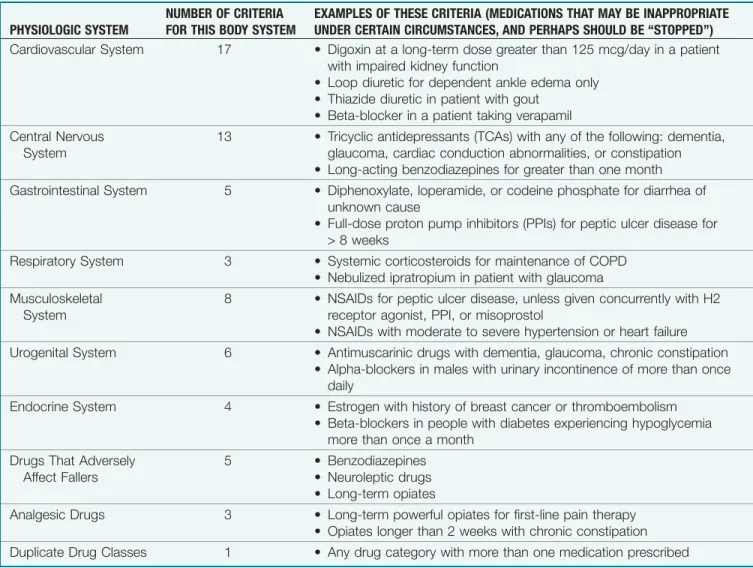
POTENTIALLY INAPPROPRIATE MEDICATION USE IN OLDER ADULTS
If the healthcare professional does not know which medications and over-the-counter products the patient is already taking, they cannot consider these medications when determining the safety of another prescription. Seeing no connection between eye problems and painful joints, the patient sought the advice of his rheumatologist.
RISKS RELATED TO COGNITIVE OR SENSORY CHANGES
Long-acting benzodiazepines for more than one month Gastrointestinal system 5 • Diphenoxylate, loperamide or codeine phosphate for diarrhoea. NSAIDs in moderate to severe hypertension or heart failure Urogenital system 6 • Antimuscarinic drugs in dementia, glaucoma, chronic constipation.
RISKS RELATED TO INADEQUATE KNOWLEDGE
The directions given may be very clear to a healthcare professional, but they can be easily misinterpreted by older adults. To reduce the risks, older adults often require additional instruction to take their prescriptions safely.
NURSING ASSESSMENT AND MEDICATION
RISKS RELATED TO FINANCIAL FACTORS
Signs of gastrointestinal disturbances, including nausea, vomiting, tarry stools, diarrhea or constipation, and occult blood loss; central nervous system side effects including dizziness, confusion, mood swings, depression and tinnitus. Many older adults who suffer from hearing or cognitive impairment give some form of response to any name.
MEDICATION AND THE NURSING CARE PLAN
This means that you must stay in the room and watch the older adult take the medication. The older adult who has arthritis in the hands or lacks coordination may need help using these devices.
PATIENT RIGHTS AND MEDICATION
If there is more than one older adult living in the home, separate the medications and evaluate each separately. Review each medication to determine if the patient knows why he or she is taking it, when to take it, and any precautions that need to be taken with the medication.
SELF-MEDICATION AND OLDER ADULTS
Discuss what method (if any) the older person uses to verify that the appropriate doses of all medications are taken each day (eg, does the person use a daily or weekly pill box?). Family members should be included in the teaching so that they are able to help if necessary.
SAFETY AND NONADHERENCE (NONCOMPLIANCE) ISSUES
If the person is unable to update the records, ask a nurse or family to help. This record should be taken with them each time the individual receives health care services so that all care providers have the necessary information.
TEACHING OLDER ADULTS ABOUT MEDICATIONS
The small pill boxes that many older adults use can be dangerous and should be avoided. Poor lighting can further reduce vision in older adults and increase the chance of error.
HEALTH SCREENING
Early screening also helps reduce frustration among seniors and the waste of time and resources. The health assessment of the elderly can be done at several levels, ranging from simple examinations to complex and in-depth assessments.
HEALTH ASSESSMENTS
Often, a younger family member present during the interview "takes over" the answers for the elderly person. Then, the conversation takes place between the nurse and the family member, while the elderly person remains passive.
INTERVIEWING OLDER ADULTS
The nurse should continue to direct the conversation to the older adult and, if necessary, tactfully request that the family member allow the older person to respond first before adding information. If the older adult is confused, unresponsive, or does not speak English, a family member will need to be more actively involved in translating or providing information.
OBTAINING THE HEALTH HISTORY
PHYSICAL ASSESSMENT OF OLDER ADULTS
Assessment of personal health habits such as diet, fluid intake, exercise, sleep patterns, bowel and bladder routines, alcohol, caffeine and tobacco use, etc. Gather equipment such as a flashlight, tape measure, scales, blood pressure monitor, stethoscope and thermometer before beginning the assessment, to convey a sense of competence and make the assessment run smoothly.
MEASURING VITAL SIGNS IN OLDER ADULTS
Apical pulse may be difficult to assess in obese older adults or in those who have a change in the shape of the chest cavity. Then the patient sits at the edge of the bed and the nurse takes the blood pressure again in 1 to 5 minutes.

PSYCHOSOCIAL ASSESSMENT OF OLDER ADULTS
SENSORY ASSESSMENT OF OLDER ADULTS
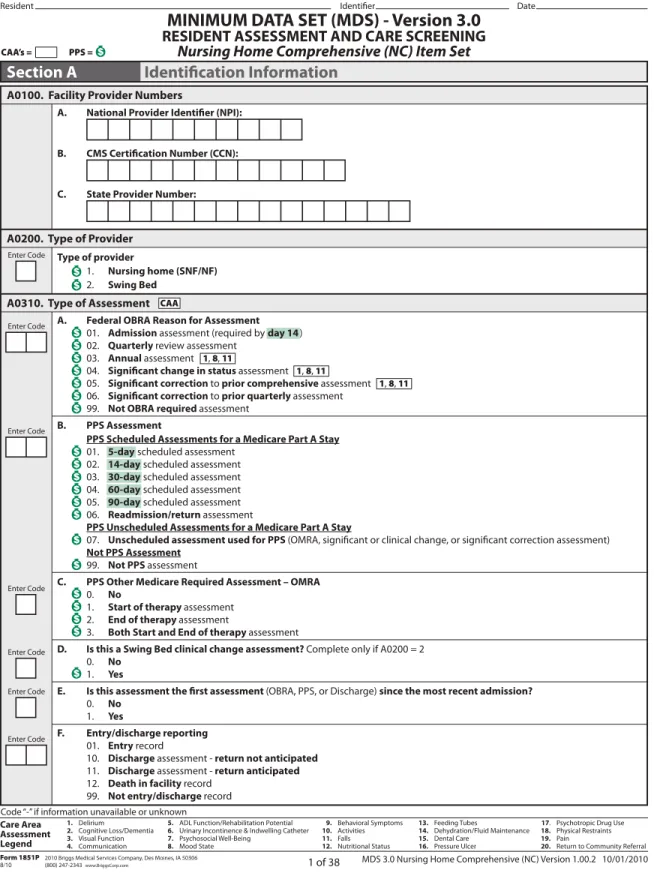
The first version of the database used to perform this assessment was a printed document called the Minimum Data Set (MDS) 1.0. Design improvements in the MDS 3.0 were aimed at increased reliability, improved accuracy, and expanded utility as a tool to improve clinical assessment.
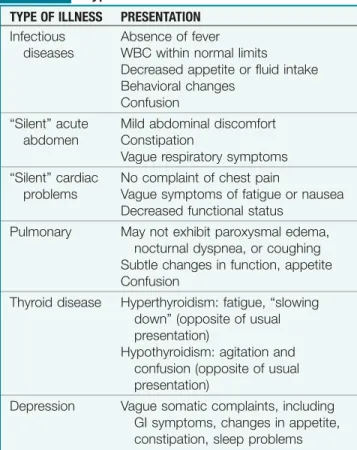
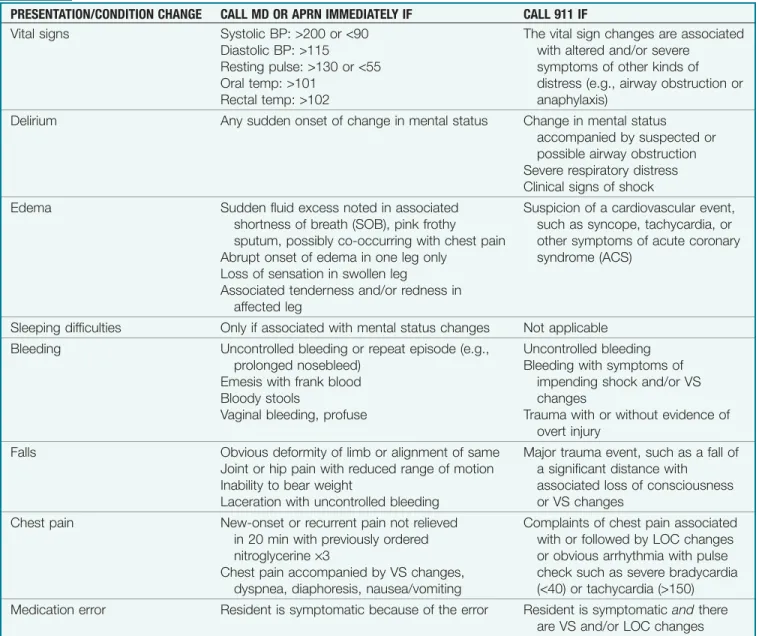
ASSESSMENT OF CONDITION CHANGE IN OLDER ADULTS
Describe those older adults who are most at risk for developing problems related to imbalanced thermoregulation. In low light or glare, older adults may not be able to see curbs, stairs, or other hazards.
INTERNAL RISK FACTORS
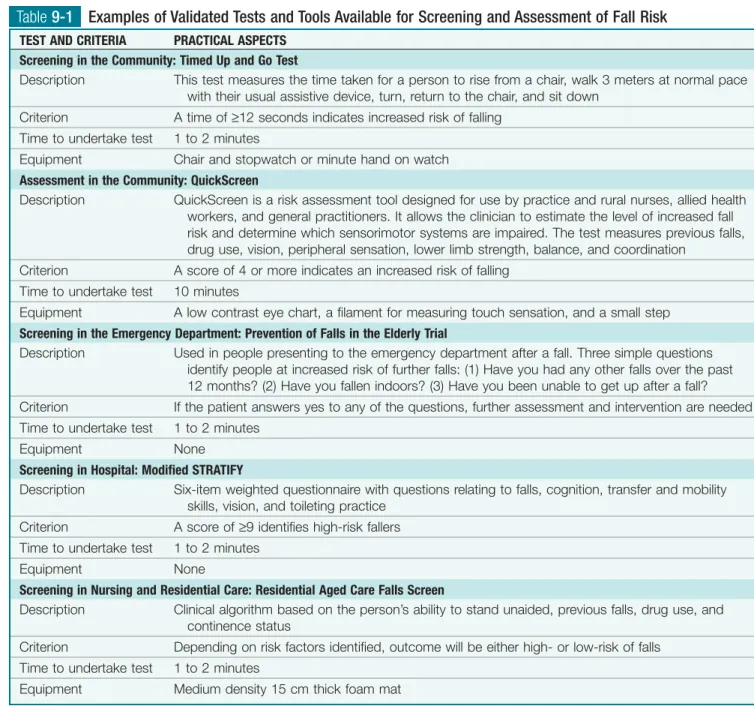
Older adults often experience one or more physiological changes that increase their risk for falls and other accidental injuries. Older adults and their family members should be aware of things they can do to reduce the risk of falling.
EXTERNAL RISK FACTORS
Older adults are often reluctant to stop driving despite the serious risks to themselves and others. Older adults who experience dizziness or fainting with positional changes are at increased risk for falls.
SUMMARY
The nursing goals for an older person at risk for injury, trauma, or poisoning are to experience a decrease in the frequency and severity of injuries and to identify and correct unsafe conditions and behaviors.
NURSING PROCESS FOR RISK FOR INJURY
They should not add hot water while sitting in a bathtub or adjust the temperature of the water while in the shower. To reduce the risk of legal liability, carefully document, including: (1) basic assessment of physical condition, including vital signs, infections, pain, fluid and nutritional status, elimination status, medications, vision, hearing, mental status and typical behavior patterns; (2) specific behavior that necessitated the need for restrictions, including persons or events that may have caused the behavior; (3) the type and time of use of the devices; (4) the patient's response to restraint; and (5) interventions identified as part of the care plan designed to prevent recurrence of the need for restraint.
NURSING PROCESS FOR HYPOTHERMIA/HYPERTHERMIA
Many public utility companies have special programs designed to ensure that older adults have adequate heat in the winter. Such plans may allow older adults to budget their limited resources while maintaining a safe thermal environment.
NORMAL COGNITIVE-PERCEPTUAL FUNCTIONING
Fluid intelligence is the ability to perform tasks or make judgments based on unfamiliar stimuli. Changes in vision and hearing, changes in taste and smell, and changes in touch and sensation interfere with the ability to gather accurate information from the environment (Figure 102).
NURSING PROCESS FOR DISTURBANCE IN SENSORY PERCEPTION