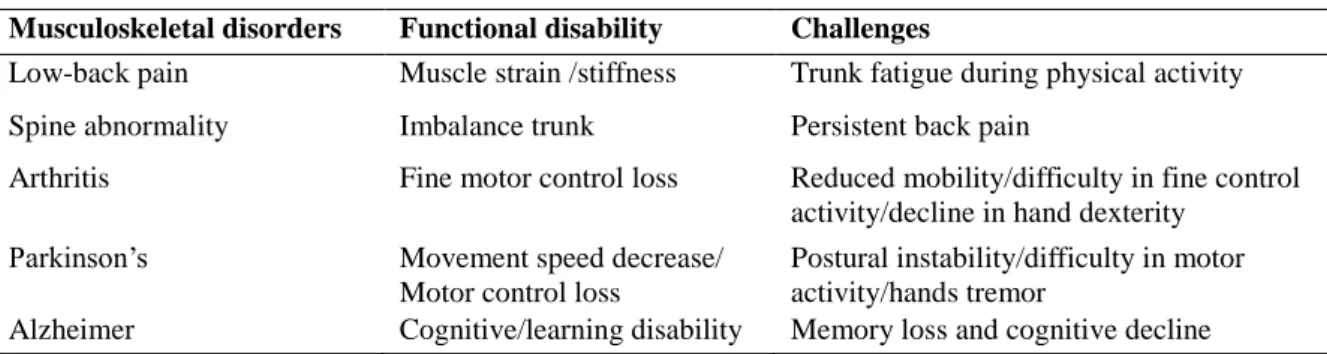
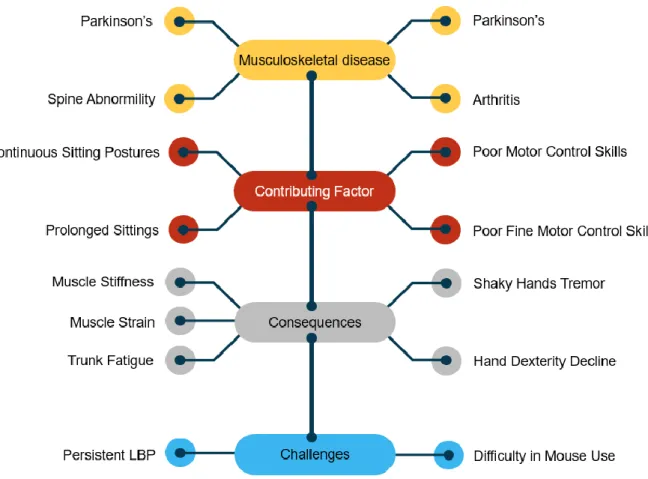
As such, difficulties with mouse use and persistent low back pain caused by musculoskeletal disorders will complicate computer use among older adults. The research provided solutions for problems with mouse use and low back complaints that affect computer use among the elderly.
Introduction
- Overview
- Background and Motivation
- Research Scope and Audience
- Research Objectives and Questions
- Research Approach
- Thesis Structure
- Terminology
Musculoskeletal disorders also cause chronic low back pain in the elderly and persistent low back pain is associated with prolonged sitting positions (Hayden et al., 2005). The research scope of this study focuses on musculoskeletal disorders that affect the performance of older people while working from home.
Literature Review
- Overview
- Population Aging and Age-related Problems
- Population Aging
- Age-related Problems and Computer Use
- Solutions for Effective Use of Computers in Old Age
- Design and Elderly Rehabilitation
- Design for Elderly
- Design for Elderly Rehabilitation
- Ergonomics and Rehabilitation Research
- Elderly Rehabilitation in Ergonomics
- Elderly Rehabilitation
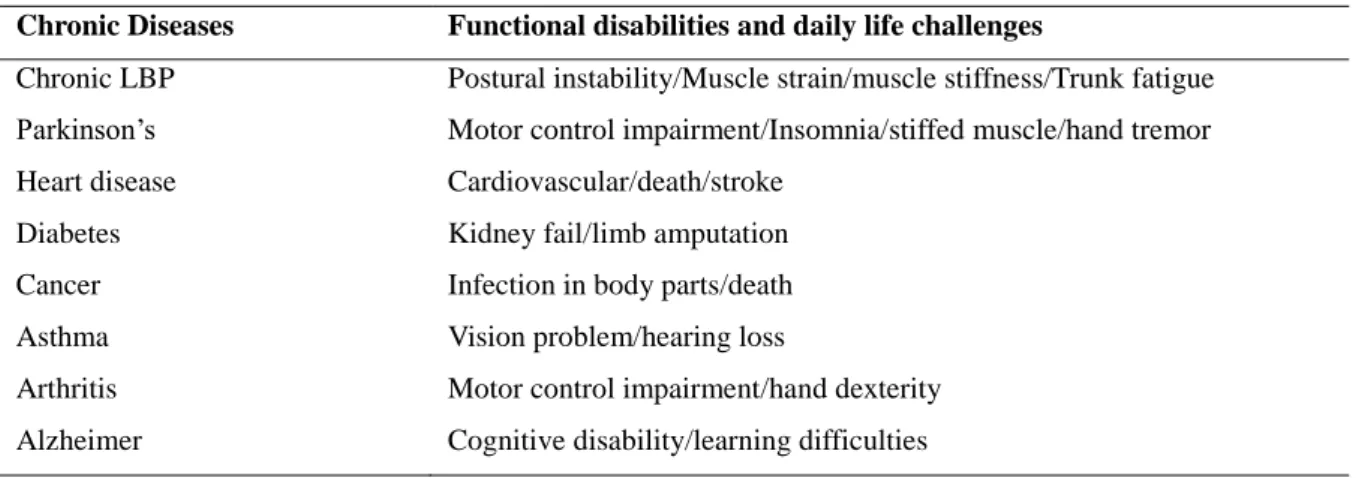
Much research has been conducted on the effect of chronic diseases on disability in the elderly (Griffith et al., 2010). Recently, the focus has been on the needs of older adults in the community, with or without disabilities (Mincolelli et al., 2019; Kumar, 2009).
Research Methods
Overview
Exercise protocols and training sets have also been developed for exercise objects and successively tested for comfort during exercise. At the end of this phase, training objects were assessed for ergonomic design and exercise protocols and training sets were reviewed and adjusted following user feedback. A second intervention then took place in which the training object was designed based on the design criteria and prototypes from the previous phase.
Subsequently, post-experimental studies were conducted on the effectiveness of the exercise object and protocols in the rehabilitation of low back pain. This phase is carried out in close collaboration with physicians, therapists, trainers and patients to gather as much feedback as possible to update and finalize the exercise intervention for LBP management.
Research Frame
The problems that older adults face when using computers can negatively impact their expectations and motivations to use computers. The exercise intervention was intended to measure trunk muscle activity to control low back pain in older people. The design for rehabilitation uses qualitative research to pay particular attention to the well-being of older people, mental health, social interaction, nutritional warnings and active living.
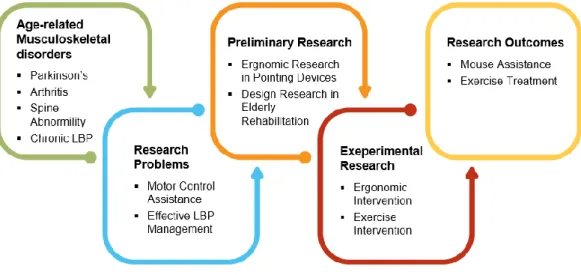
Thus, we have firstly used design methods to collect ground realities from older people and secondly provide solutions in the design scope. Third, we extend design practices to medical and ergonomic fields to further enrich the rehabilitation of older people.
Research Methods 1
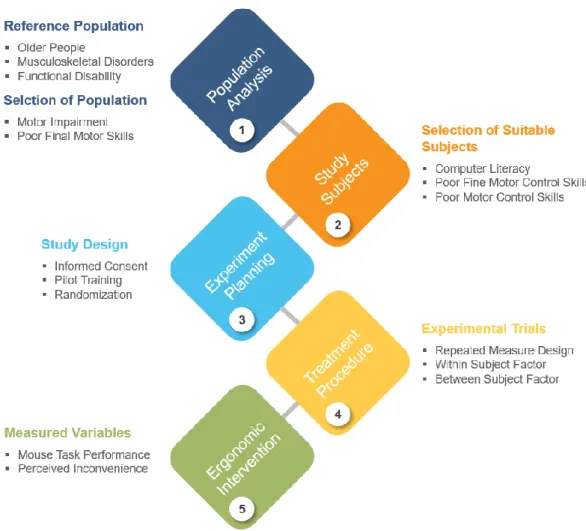
- Study Subjects
- Apparatus
- Procedure
- Study Design and Statistical Analysis
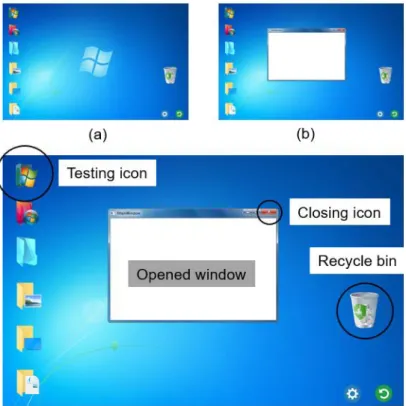
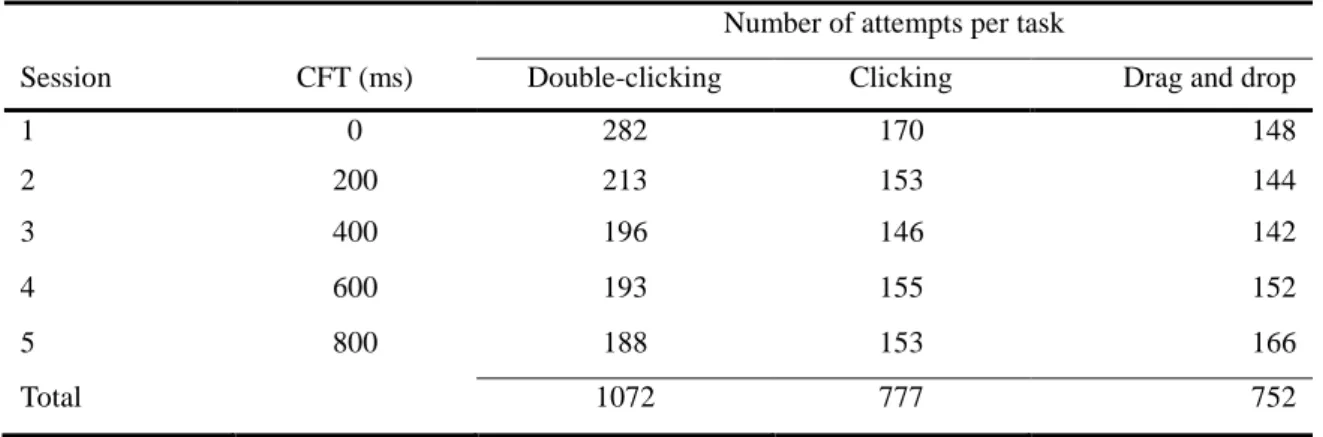
Each session lasted between two and five minutes at each level of CFT, with a two-minute rest period between sessions to avoid fatigue. The double-click task was tested when a participant double-clicked each of the five test icons one at a time. This procedure was followed for the five icons with the five sessions at the five CFT levels.
The analyzes were performed to compare the effect of each level of CFT on the mean values of the trials performed. Follow-up post-hoc comparison using least significant difference (LSD) was performed to explore a significant main effect at each level of the independent variable on the dependent variables.
Research Methods 2
- Background Research
- Intervention Study I
- Intervention Study II
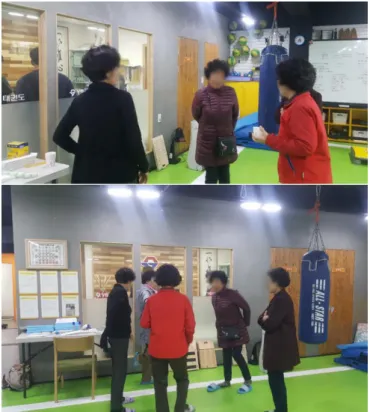
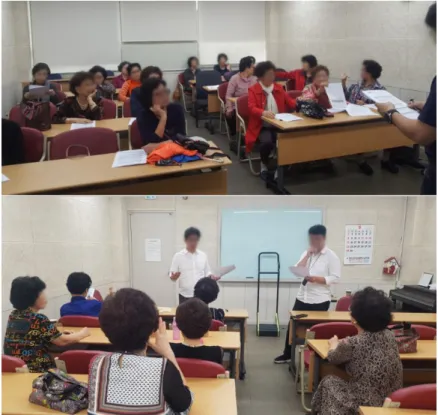
We organized a workshop in the senior care center in which we listened to the voices of the older people and their experiences with low back pain (See Figure 10 as an example). This was due to long standing with the existing standing exercise training and the long duration of the total exercise (about 60 minutes). The aim was to measure the effects of the training objects on the subjects' body parts' discomfort with the training objects.
The LBP scale was administered daily at the end of exercise training based on the subjective response measures: feelings about lower back pain. The muscle activation level, expressed as percentage of MVC, of the LD and LES muscles during exercise was quantified.
Results and Discussion
Overview
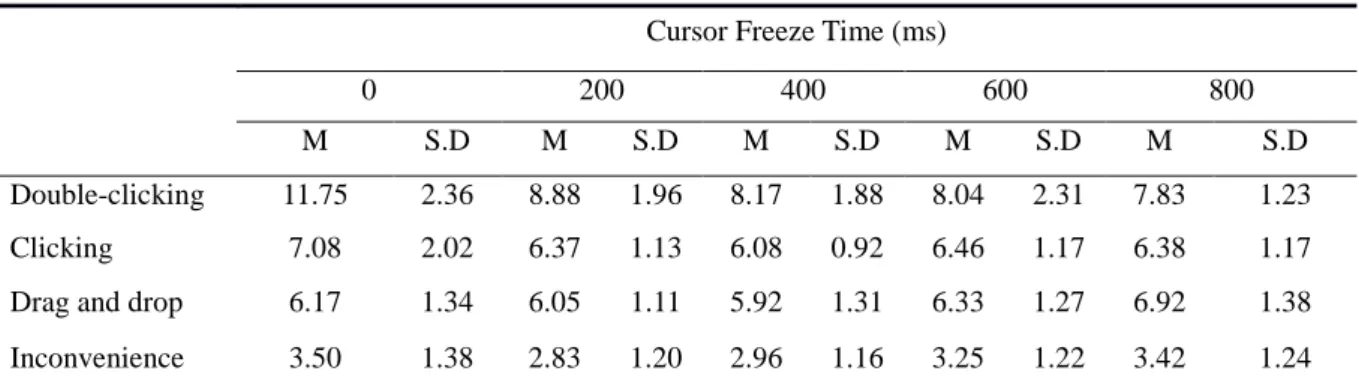
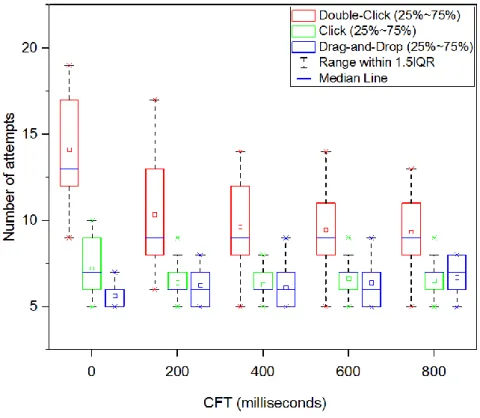
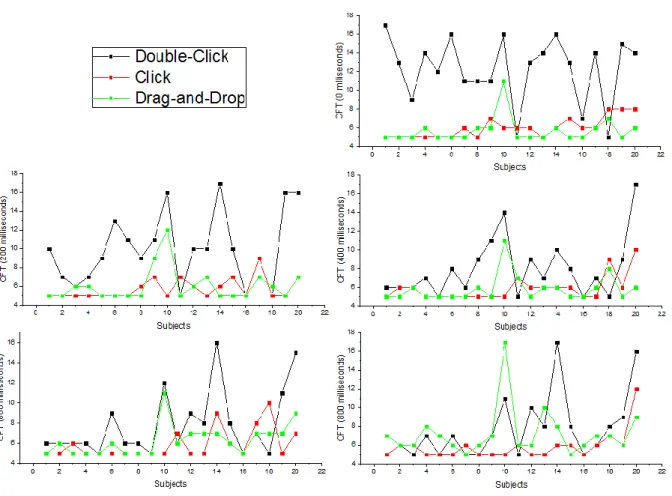
The results found significant differences in muscle activation levels, muscle endurance and LBP control over time. In the third section of this chapter, the results are thoroughly discussed, taking into account previous studies on mouse task performance and LBP management. Based on the previous studies and the current results, the results showed that these three generic mouse tasks are difficult for the elderly to perform with the normal computer mouse.
The results therefore suggest that adding 200 to 400 ms cursor freeze time is beneficial to be added with the current mouse for improved mouse task performance. The results of LBP management are discussed taking into account previous studies on elderly rehabilitation in the management of LBP.
Mouse Task Performance
- Double-Clicking Tasks
- Clicking Tasks
- Drag-and-Drop Tasks
However, the LBP reduction ratio was greater in the experimental group starting from W-3, which means that long-term exercise with current alternative exercises will relieve LBP more effectively than exercise without alternative exercises. In this section, the details of the causal relationship are explained using variables reported in previous studies. Previous studies on mouse applications from ergonomics and design studies are compared with the current results.
The discussion explains how the findings are consistent with previous studies conducted to identify the treatment of LBP through rehabilitation exercises that help improve the functional performance of older women with LBP. The discussion advances the reliability of the current findings in trunk-strengthening exercises that include lumbar flexion and extension for the elderly population with LBP.
Perceived Inconvenience
Field Research Outcomes
All patients were grateful that the training helped reduce pain, some patients felt that the training also reduced their leg pain. Patients requested to take the training object home so that the training could continue. Because the patients were active partners in the co-design process, we valued their opinions and wishes, which they expressed during the study.
According to their request, we have provided them with the training guide along with the training object so that they can continue training at their homes. Overall, we noted significant improvements in patients' health status based on the current results.
Intervention Study I Results
It used that the subjects in the experimental group had fatigue in the thigh due to the exercise objects. There was no difference in the rest of the body parts between the subjects in both groups (See Figure 22). For the experiment, we set the incline slope to 15°, which appeared to be a higher incline position at the beginning of the training exercise.
For example, to avoid discomfort in the thighs, the incline angle can be set with a minimal incline at the beginning; the angle of inclination can be set to 5° and then to 10°. We argued that this gradual increase in surface slope could reduce the fatigue ratio associated with the 15° slope angle.
Intervention Study II Results
- Trunk Muscle Activation
- Muscle Activities in Individual Tasks
- Trunk Muscle Endurance
- LBP Management
- Trunk X-ray Results
Similarly, LES muscle activation was 24.21% in subjects from the experimental group and 16.8% in the control group. To measure the significant difference in LD muscle activation between the control group and the PS experimental group over time, a post hoc analysis was performed using the LSD test. In the same task, LES muscle activation was 35.7% in the experimental group and 19.3% in the control group.
However, the results showed more significant effects in the experimental group than in the control group. Lateral view of the lumbar spine before a) and after (b) training for 5 weeks in the experimental group.

Discussion
- Mouse Task Performance
- LBP Management
The results showed that there was no interaction effect between gender and the clicking task, and both gender groups showed consistency across all five sessions at the five levels of the CFT. The results also confirmed no interaction effect between gender and drag-and-drop tasks, and both genders showed consistency across all five sessions at the five levels of CFT. Second, the common range for CFT is 200 – 400 ms for the three basic target acquisition tasks (see Figure 34).
The results showed that exercise training significantly affected the activation and endurance of the LD and LES muscles and LBP. They argued that semi squats can be used for trunk muscle strengthening training.
Conclusions
Overview
Summary of Results
- Difficulties in Mouse Use
- Improved Mouse Task Performance
- Exercise Intervention for Elderly
- Effective Management of LBP Conditions
Nevertheless, the outcome of the intervention practice in the current context is crucial for detailed insights into the age-related problems associated with working at home while using a computer. How research practice could measure the effects of an exercise intervention on muscle activation and trunk muscle endurance in the elderly. In the current study, results showed a higher amount of errors when using a computer mouse under normal conditions (CFT = 0 milliseconds).
This study evaluates the effects of exercise interventions aimed at reducing LBP in the elderly population. The results of this study evaluated the effects of the intervention on physical muscle activity and the management of LBP.
Summary of Contributions
- Ergonomics and Design
- Rehabilitation and Design
This is done by challenging the traditional design thinking approaches and by combining design practice with exercise rehabilitation and clinical physiology and active collaborations with medical and physiotherapy experts and older patients. Incorporating design practices into exercise rehabilitation and clinical physiology has facilitated multidisciplinary and interdisciplinary research goals via collective research approaches that offered a platform to identify complex issues regarding chronic diseases in older people. Nevertheless, the current study greatly benefited from this integrated approach, which enabled the current perspective by its iterative, empirical, and practical aspects to address LBP management in older women.
The design of the exercise facility and the experiments progressed simultaneously through the process of an integrated approach, which enabled both the design practice and the research facility as a medium to achieve the research goals and assumptions of this study. This study anticipates that design practice from the design of exercise facilities and knowledge gleaned from experimental evidence will help other design researchers to initiate interdisciplinary research that challenges the purpose of design in new areas of rehabilitation for the elderly population.
Recommendations for Elderly Assistance and Rehabilitation
- Elderly Assistance with Motor Impairment
- Mouse Interface Design for Older People
- Exercise Rehabilitation for LBP Management
- Exercise Intervention Design for Older People
- Design Guidelines for the design of elderly care
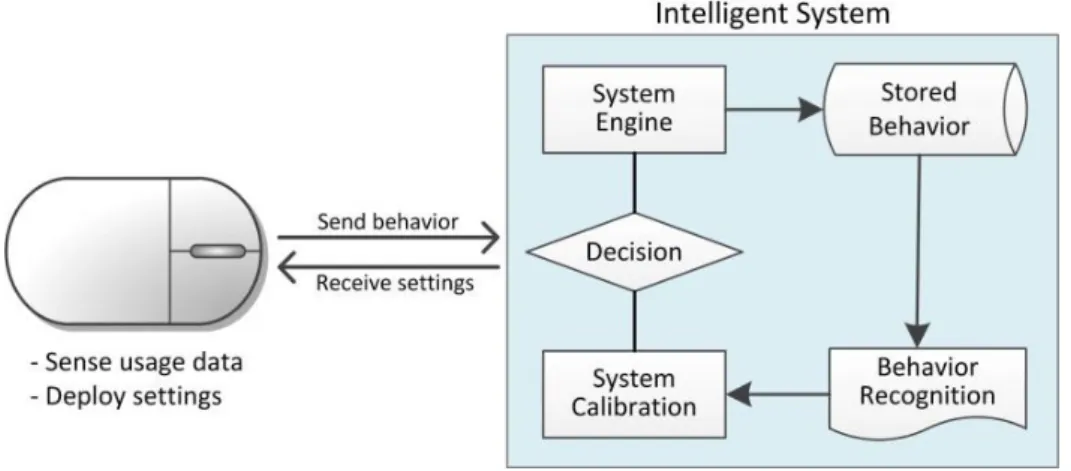
The current primary interaction input for computers needs to be more adaptive to the changing needs of older people. Intervention research may pave the way for designers to passively and objectively observe the actual performance of older adults with the use of computers. As shown in the diagram (See Figure 35), the system can store and recognize the initial mouse usage behavior (ie the number of error counts during mouse tasks) through sensing capabilities determined by the physical configuration of the mouse.
The purpose of the exercise is to strengthen muscle contraction and exercise to maintain body functions in the elderly. Based on the results, the exercise object and protocols were designed as an alternative treatment for low back pain in the elderly.
Limitations and Future Study
Effect of upper extremity strengthening exercises on the lumbar strength, disability and pain of patients with chronic low back pain: a randomized controlled trial. Changes in structure and function of the back muscles in low back pain: different time points, observations and mechanisms. Effects of a low back strengthening program in older women with chronic low back pain.
Activating therapy modalities in older people with chronic non-specific low back pain: a systematic review. Low back pain in healthy postmenopausal women and the effect of physical activity: A secondary analysis in a randomized trial. The effects of isometric exercise types on pain and muscle activity in patients with low back pain.
Older adults to use.‖ Proceedings of the SIGCHI Conference on Human Factors in Computing Systems - CHI.