FACTORS INFLUENCING CONSUMERS’
INTENTION TO ADOPT HYBRID ELECTRIC VEHICLES (HEV) IN MALAYSIA
OO YEW CHE YIN @ KATHY
MASTER OF BUSINESS ADMINISTRATION
UNIVERSITI TUNKU ABDUL RAHMAN
FACULTY OF ACCOUNTANCY AND MANAGEMENT
APRIL 2022
Factors Influencing Consumers’ Intention to Adopt Hybrid Electric Vehicles (HEV) In Malaysia
Oo Yew Che Yin @ Kathy
A research project submitted in partial fulfilment of the requirement for the degree of
Master of Business Administration
Universiti Tunku Abdul Rahman Faculty of Accountancy and Management
April 2022
Factors Influencing Consumers’ Intention to Adopt Hybrid Electric Vehicles (HEV) In Malaysia
By
Oo Yew Che Yin @ Kathy
This research project is supervised by:
Dr. Alexander Tay Guan Meng Assistant Professor
Department of International Business
Faculty of Accountancy and Management
iv Copyright @ 2022
ALL RIGHTS RESERVED. No part of this paper may be reproduced, stored in a retrieval system, or transmitted in any form or by any means, graphic, electronic, mechanical, photocopying, recording, scanning, or otherwise, without the prior consent of the authors.
v
DECLARATION
I hereby declare that:
(1) This Research Project is the end result of my own work, and that due acknowledgement has been given in the references to all sources of information be they printed, electronic, or personal.
(2) No portion of this research project has been submitted in support of any application for any other degree or qualification of this or any other university, or other institutes of learning.
(3) The word count of this research report is 18,728 words.
Name of Student: OO YEW CHE YIN @ KATHY
Student ID: 19UKM00682
Signature: ___________________________
Date: 8TH APRIL 2022
vi
ACKNOWLEDGEMENT
First and foremost, I would like to express my special thanks of gratitude to my supervisor, Dr. Alexander Tay Guan Meng for his continuous advice, guidance, motivation, patience, and immense knowledge. His guidance has helped me in all the time of research and writing of this study. I could not have imagined having to complete this final year project without his continuous support.
My sincere thanks also go to my families and friends. Without their precious support, it would not be possible to conduct this research.
Last but not least, I would like to thank UTAR, all lecturers and everyone who have enlightened me on this project or another way around.
vii
TABLE OF CONTENTS
Page
Copyright Page ……… iv
Declaration Page ………. v
Acknowledgement ……….. vi
Table of Contents ……… vii
List of Tables ……….. ix
List of Figures ………. x
Abstract ……… xi
CHAPTER 1 INTRODUCTION ………. 1
1.0 Introduction ……….. 1
1.1 Background of Study ……… 1
1.2 Problem Statements ……….. 6
1.3 Research Questions ………... 9
1.4 Research Objectives ………. 10
1.5 Hypothesis Statements ..……… 11
1.6 Significant of Study ..……… 11
CHAPTER 2 LITERATURE REVIEW ………. 14
2.0 Introduction ……….. 14
2.1 Theoretical Discussion ………. 14
2.2 Theory of Planned Behaviour …...………... 16
2.2.1 Attitude ………...……… 18
2.2.2 Subjective Norm .……… 23
2.2.3 Perceived Behavioural Control ……….. 24
2.3 Conceptual Framework ……...…...………... 26
2.4 Hypothesis Development …….…...………... 28
CHAPTER 3 RESEARCH METHODOLOGY ………. 31
3.0 Introduction ……….. 31
3.1 Research Method / Design ……… 31
3.2 Measurements/ Instruments ………...………... 32
viii
3.3 Sampling Procedures ….……… 39
3.4 Data Collection Method ……… 40
3.5 Method of Analysis ……..………. 40
CHAPTER 4 RESEARCH RESULTS ………. 43
4.0 Introduction ……….. 43
4.1 Demographic Profile …….……… 43
4.2 Descriptive Statistics …….………...……….... 48
4.3 Normality Testing ……….……… 53
4.4 Reliability Testing ……… 54
4.5 Hypothesis Testing ……..………. 55
4.5.1 Pearson Correlation ………...………..…… 55
4.5.2 Regression Analysis ……… 57
4.6 Summary of Hypothesis ………..……….…… 59
CHAPTER 5 DISCUSSION AND CONCLUSION ………..…. 60
5.0 Introduction ……….. 60
5.1 Discussion of Research Questions and Hypotheses …..… 60
5.1.1 Research Question 1 and Hypothesis 1 …....…… 60
5.1.2 Research Question 2 and Hypothesis 2 …....…… 61
5.1.3 Research Question 3 and Hypothesis 3 …....…… 62
5.1.4 Research Question 4 and Hypothesis 4 …....…… 63
5.1.5 Research Question 5 and Hypothesis 5 …....…… 64
5.2 Implications …………..….……....………... 65
5.2.1 Theoretical Implications………...…… 65
5.2.2 Practical Implications………...…… 66
5.3 Limitation …….…..……..…….……… 67
5.4 Future Recommendations …….……….……… 68
5.5 Conclusion ………...…….……….……… 69
References ………..………..…. 70
Appendix …...………..………..…. 83
ix
LIST OF TABLES
Page
Table 1: Breakdown of Independent Variables 28
Table 2: Dependent Variable 34
Table 3: Independent Variables 36
Table 4: Variables and Measurements 39
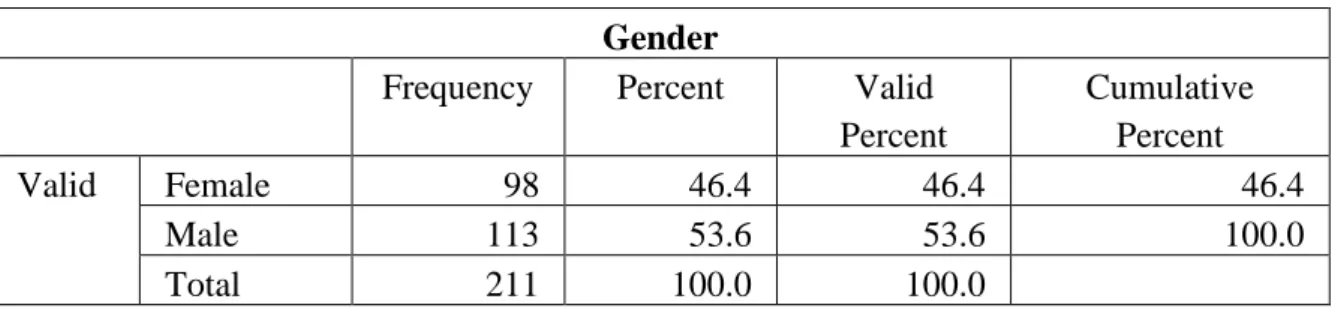
Table 5: Gender Distribution 43
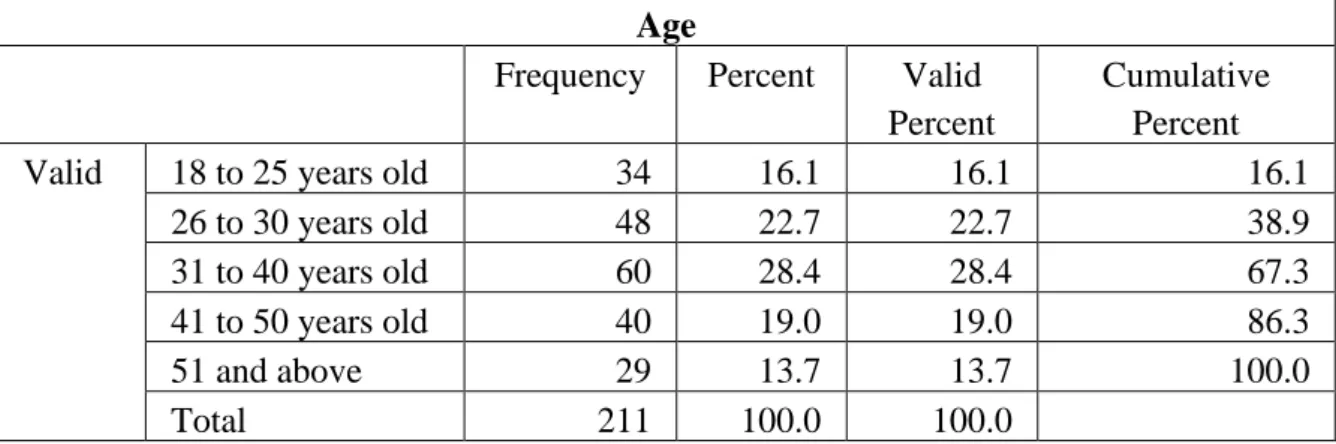
Table 6: Age Distribution 44
Table 7: Educational Level Distribution 45
Table 8: Monthly Income Distribution 46
Table 9: Occupation Distribution 47
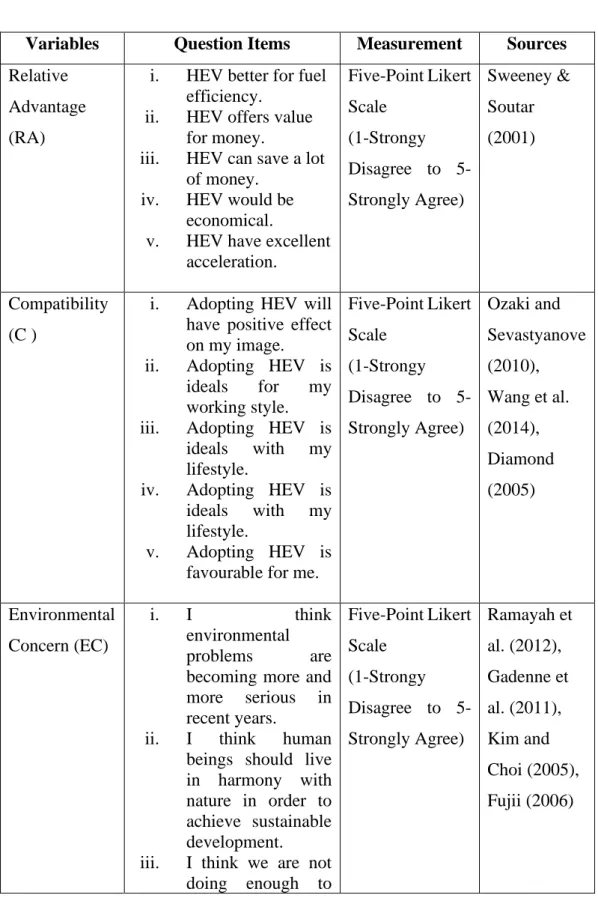
Table 10: Descriptive Statistics of Relative Advantage 49 Table 11: Descriptive Statistics of Compatibility 49 Table 12: Descriptive Statistics of Environmental Concerns 50 Table 13: Descriptive Statistics of Subjective Norms 51 Table 14: Descriptive Statistics of Perceived Behavioural Control 52 Table 15: Descriptive Statistics of Dependent Variable (Consumer Intention) 52
Table 16: Normality Test 53
Table 17: Reliability Test 54
Table 18: Pearson Correlation 56
Table 19: Model Summary 57
Table 20: Anova 57
Table 21: Coefficients 57
x
LIST OF FIGURES
Page
Figure 1: Electric Vehicle Market Percentage of Leading Countries in the World 6
Figure 2: Technology Acceptance Model 16
Figure 3: Theory of Planned Behaviour 18
Figure 4: Conceptual Framework 27
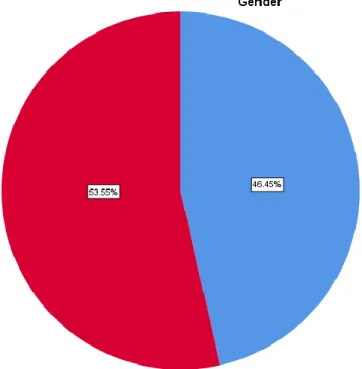
Figure 5: Pie Chart of Gender Distribution 44
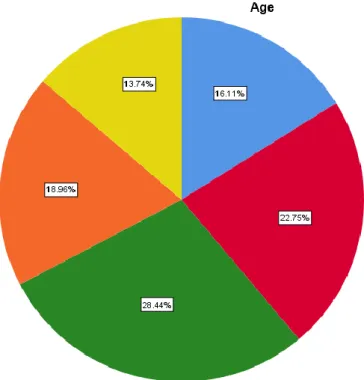
Figure 6: Pie Chart of Age Distribution 45
Figure 7: Pie Chart of Educational Level Distribution 46 Figure 8: Pie Chart of Monthly Income Distribution 47
Figure 9: Pie Chart of Occupation Distribution 48
xi
ABSTRACT
The main purpose of this study is to investigate the factors that influence the adoption of hybrid vehicles in Malaysia. This study also aims to contribute to a better understanding of the consumers behaviour that leads to the adoption of hybrid vehicles. A total of 211usable questionnaires were coded and analysed. Statistical techniques such as descriptive analysis, independent samples t-test, one-way ANOVA, factor analysis, and regression analysis were used in this study. The regression analysis results showed that relative advantage, compatibility, pro- environmental, and subjective norms were positively related to the adoption of hybrid cars in Malaysia. However, perceived behavioural control was found not to have a relationship with the adoption of hybrid vehicles. Attitudinal factors and perceived behavioural control are important determinants for the adoption of hybrid vehicles. Marketers can use these results to segment their market. Future study should look into the factors influencing the adoption of hybrid vehicles by early users rather than potential users.
Page 1 of 100
1.0 INTRODUCTION
In this Chapter, the research is about the background of the study, problem statements, research questions, objectives, hypothesis statements, and significant of study.
1.1 BACKGROUND
Human civilization has advanced tremendously with the new quick expansion of the global economy and technology in this decade. However, with the fast pace of advancement, it has also wreaked havoc on the worldwide ecological ecosystem (Tu,2002). Climate change and carbon emission issues has become one of the biggest ordeals on this millennium, thus has also become an important worldwide issue. Because of continual and out-of-control releases of deadly atmospheric pollutants from a range of human activities, the world is also experiencing serious difficulties with energy scarcity, air pollution, and greenhouse gas emissions. (Sang and Bekhet, 2015). Burning of fossil fuels is one of the major causes of this problem. Therefore, throughout the century, mankind is trying to come out with various solutions to the issues on salvaging the environment and its sustainable development.
Since most modes of transportation require burning of fossil fuels, The transportation sector has become a major contributor as a major emitter of carbon dioxide, ranking second only to electric power as the world's greatest source of carbon emissions (IEA, 2006). One of the most significant contributors to increased greenhouse gas emissions has been the transportation industry, as millions of gasoline-powered vehicles travel the roads at all hours of the day and night, emitting carbon dioxide (Larson et al., 2014; Klöckner et al., 2013; White and Sintov, 2017).
According to the International Energy Agency (IEA), the transportation sector contributes roughly one-fourth of total global greenhouse gas emissions, which are expected to rise from 23 to 50 percent by 2030 (IEA, 2009). Reducing carbon emissions from the transportation sector can help to alleviate critical environmental issues (Schuitema et al., 2013; Larson et al., 2014). In addition, there is also concern
Page 2 of 100
on the uncertain future of the accessibility of fossil fuels and stricter rulings on carbon emission which has become the world’s biggest challenge for the car industry.
To address the issues of oil price volatility and the requirement for a security strategy in many nations that rely on oil imports, an alternate option is required for sustainable mobility (Electrification Coalition, 2009). To impede these issues, for the past years, various facets of the development of environmentally friendly transportation have been investigated through research to promote a more sustainable economy as well as to mitigate the global environment concerns. It has been widely agreed that decarbonizing this sector and switching to electrification is significant in reducing carbon emissions and dependency on fossil fuels. This can be done through the switching of using gasoline-based automobiles to green technology vehicles. In most nations, the development for fuel-efficient and alternative-fuel vehicles has become one of the primary goals of the automobile industry. A variety of viable alternatives replacements to the typical standard diesel or gasoline combustion engine has been available, thanks to the advancement of technologies in this era (IPW, 2014).
The introduction of electric vehicles (EVs) is a significant breakthrough that has the most prominent sustainable responses to enhance fuel efficiency and reduce emissions (Egbue, O., Long, S., 2012). Electric vehicles are an energy-efficient mode of transportation innovation that has been identified as one of the most optimistic strategies to reduce carbon emissions in the transportation industry (Klöckner et al., 2013; Schuitema et al., 2013; Li et al., 2016). EVs have advantages over typical gasoline vehicles in terms of fuel efficiency and carbon emissions reduction. (Lieven et al., 2011; Egbue and Long, 2012). In a research done by Romm in 2006, it is said on average, EVs vehicles is able to reduce carbon emissions by 30–50 percent and enhance fuel efficiency by 40–60 percent as compared to conventional vehicles. Researchers and environmentalists regard EVs as a great substitute and promising solution for a lot of environmental concerns (Graham-Rowe et al., 2012; Wang et al., 2017). EVs registrations worldwide have risen from 6000 in 2010 to 750,000 in 2016, with predictions that the plug-in
Page 3 of 100
passenger light duty vehicle stock will reach 150 million by 2030 (Cazzola et al., 2016).
Electric vehicles (EVs) are cars that rely only on onboard electrical battery packs for motive power and can be charged using a plug in an electric outlet (Egbue and Long, 2012; Wang et al., 2017). Presently, the EVs on the market not only include Battery Electric Vehicles (BEVs), but also Hybrid Electric Vehicles (HEVs), Plug-in Hybrid Electric Vehicles (PHEVs) and Extended-range Electric Vehicles (E-REVs). In comparison to other EVs, BEVs fully employ an electric motor and batteries as the primary power source and are considered to have the largest battery capacity and the longest pure-electric driving range (Wenbo et al., 2017). HEVs is vehicles that uses two different types of power energy sources. The different types of power that they use are either with diesel or petrol engine and battery motor. The battery in HEV is charge by getting the energy from the internal combustion engine and through regenerative braking as it cannot be charge through an outlet. A PHEVs and E-REVs are similar in their functions as it is a new form of HEVs with a larger battery capacity and the ability to charge from both the grid and a plug-in charger (Wenbo et al., 2017).
Governments all across the world are enacting policies and programmes to minimise carbon emissions (Ustun et al., 2011). Malaysia has the world's third- highest automobile ownership rate, with 93 percent of the population owning one vehicle and 54 percent owning several vehicles (Channel News Asia, 2015).
Malaysia's total energy consumption is dominated by the transportation sector, which consumes the second most energy behind the industrial sector. This has caused Malaysia to be highly dependent on energy sources. Transportation sector in Malaysia accounts to about 40 percent of Malaysia’s total energy consumption (Ministry of Transport Malaysia, 2010). As a developing country, Malaysia is put into considerable pressured to increase its energy productivity and lower its carbon emissions by adopting and committing to a sustainable development model that protects the environment. (Adnan et al., 2018).
The government of Malaysia has noticed the importance and benefits of adopting EVs and thus has promised and pledged to cut and reduce carbon emissions by as much as 45% by the year 2030 at the United Nations Climate
Page 4 of 100
Change Conference (UNFCCC) in Copenhagen in 2009. Since 2011, the Malaysian government has been aiming to increase and speed up the development of the transportation industry in order to achieve zero-emission mobility. By 2020, they want to see a 10% rise in the number of ecologically friendly automobiles on Malaysian roads (Ministry of Transport 2010). Malaysian also aimed to have 5 million EVs by the year 2020 to be driven on Malaysian roads (The National Council of Malaysia, 2012) and measures and efforts have been made to encourage their use (Adnan et al., 2017).
Electric Vehicles is an emerging technology and in Malaysia's automotive sector, it is relatively new (Hong et al., 2013) and they are still in its growing stage.
As such public acceptance and diffusion towards the electric vehicles are relatively fresh in Malaysia and only few studies have been performed on this modern and new technology acceptance (Adnan et al., 2016; Sang and Bekhet, 2015). Among the different types of EVs that are available in the Malaysia market, HEVs variant are more commonly available and accepted as choice of electric car variants. This is due to those fully electrical vehicles requires its consumers to significantly change their usage behaviour and habits which are hard to achieved for country like Malaysia that has just started to familiarize with the technology. With HEVs consumers just need to make minor behavioural and habits changes to get started.
As such, HEVs adoption may be more practicable and realistic than a full EVs (Wang et al., 2016). Therefore, for the context of this study, the research is focus on the HEVs market in Malaysia.
Rather than one or the other, HEVs it is powered by a petrol or diesel engine and an electric motor. HEVs is considered the most innovative products in today automobile industry as it configures to provide higher fuel efficient and long-term cost savings (The Star, 2008). The number of consumers purchasing hybrid cars have shown an incremental trend worldwide in recent years as they realized the benefits provided by the hybrid vehicles which are to help the drivers to reduce their carbon footprint as it can help to reduce carbon dioxide emission. The best of HEVs is that, as they employ a system that combines fuel and electricity together, HEVs users can help to make the world a greener place while also saving money on fuel
Page 5 of 100
without sacrificing power or speed while keeping performance comparable to regular automobiles.
Unlike other type of EVs, HEVs do not need to be plugged into an electric grid to refuel which could provide solutions to many factors and problems that cause drawbacks in adopting EVs such as with insufficiency of public electrical charging points, and poor battery life with expensive replacement expenses (Pierre et al., 2011; Axsen & Kurani, 2013). Besides, as price of petroleum is surging in the market as the resource is diminishing, the use of less fuels by HEVs can helps to minimise the country’s reliance and dependency on imported oil as well as lowering its price domestically. Thus, automobile manufacturers are putting more effort in producing hybrid automobiles to fulfil the demand.
There is a very big potential on Hybrid vehicles markets development and growth and most countries are looking for its way to expand in this industry. Since 2017, electric automobiles have grown in popularity, with several governments declaring that they will phase out their reliance on fossil fuels and internal combustion engines by 2040 (Ministry of Transport Malaysia, 2018). To achieve this goals, Ministry of Transport (MOT), International Trade Ministry of Industry (MITI) and Department of Energy, Green Technology and Water (MEGTW) are uniting and collaborating on an integrated project to support and enhance the structure and plan for electric cars framework in Malaysia (MITI, 2013). With that, in 2014, Malaysia became a regional automotive centre for electric vehicles, achieving the goals set forth in the 2009 National Automotive Policies. The process of manufacturing safeguards and protects consumers' interests on a long-term, resulting in safer, higher-quality products at more competitive and affordable rates (MITI, 2014).
In addition, as the ringgit falling in value and our economy slowing, everyone is looking for ways to save money. Refuelling one's car is undoubtedly one of the most expensive expenses for Malaysians, especially now that the price of gasoline has risen. As such, automobile manufacturers are now aware of their customers' issue and are working to enhance their vehicles' engines so that drivers may obtain more miles for less money. Continuous EVs technology development is a critical factor in improving EV performance and ensuring its competitiveness.
Page 6 of 100
1.2 PROBLEM STATEMENTS
Although it is reported that the sales of HEV in Malaysia has positive future and hybrid vehicles are one the best alternative to conventional vehicles, however in Malaysia, total hybrid car sales are still very low and limited when compared to non-hybrid vehicle sales in the automotive sector. As compared to China, US, Japan and Europe market, hybrid vehicle in Malaysia is still considered to be relatively new on the markets. As seen on Figure 1, Malaysia is nowhere leading in the hybrid vehicle. The position of Malaysia in hybrid vehicles market is still a drop in the bucket compared from the volume in advanced markets. This statistic was gained from an online article in Automotive IT website written by Paul Fisher in 2018.
Figure 1: Electric Vehicle Market Percentage of Leading Countries in the World
The market is still in its early stages, and the number of electric vehicles currently on the road is still quite tiny in comparison to conventional automobiles as consumers have yet to fully accept the concept of electric vehicles. According to the Malaysian Automotive Association (MAA), overall hybrid and electric vehicle sales in Malaysia in 2019 amounted for only 2.2 percent of the 604,287 units delivered by automakers. This has shown that the advantages offered by the electric vehicles are not enough to persuade consumers to adopt it. Despite the claimed benefits of electrifying the conventional vehicle for the environment, the number of
Page 7 of 100
hybrid cars in operation is currently still modest and uptake has been lowered than planned (Adnan et al., 2017; Morton et al. 2016). One factor for the low adoption rates is that customers’ perceptions and views about hybrid vehicles have a big role in their acceptability. Therefore, it is crucial to learn more about the aspects that are likely to influence a customer's decision purchase a hybrid vehicle.
Despite efforts to reduce pollution and overly usage of fossil fuels, the number of hybrid vehicles on the road is still limited. One key problem is that HEV adoption is heavily reliant on private customer acceptability, and their readiness and willingness to embrace this form of transportation is still not strong (Schuitema et al., 2013). From a business standpoint, poor growth in hybrid car sales could result in losses for hybrid vehicle makers, forcing them to exit the industry. Because they are high-involvement items, they come with a hefty price tag in terms of financial, psychological, and other hazards with adopting it (Barbarossa et al., 2015;
Petschnig et al., 2014). Some obstacles and shortcomings that may impede consumers to adopt hybrid car are the high purchasing costs, short driving distance, low resale values and the complicity of the technical operation (Brand et al., 2017).
Although the manufacture and use of eco-car endorsements assist to reduce domestic gasoline consumption, eco-car performance is slightly less powerful than that of a conventional car. With these limitations, users may regard hybrid vehicle as inferior.
Previous research has linked it to innovation related perceived risks, such as economic loss and psychological anxiety and concern. Moreover, the high cost of batteries has put EVs at a disadvantage since the cost of an electric vehicle is much higher than that of a regular internal combustion engine vehicle. In addition, there are concerns concerning the battery's life cycle and safety features have been raised.
Furthermore, it was also observed that the future of hybrid cars in Malaysia is still uncertain and unknown as electric vehicles sales are struggling to attract customers, particularly due to the weak industry infrastructural development. Malaysians are still warming to the notion of buying hybrid cars, and it will take an amount of time to raise awareness of the benefits of owning one.
Only few studies have been conducted in Malaysia that focuses on the consumers' level of intention, main influencing variables and factors, and
Page 8 of 100
impediment purchasing hybrid vehicles. This has caused a knowledge and information gap between transportation policymakers as well as the automakers and marketers in Malaysia. There is very limited information disclose about how well electric vehicles are received and accepted from the Malaysian customer’s perspectives. Public acceptability can act as a major roadblock to market spread and stifle the advancement of technology adoption. Researchers believe that the outcomes have a significant impact in providing visions that will help policymakers and consumers to better understand the importance of bolstering environmental sustainability ingenuities to reclaim the success of such programmes (Schneidereit et al, 2015).
Despite the fact that green marketing initiatives and efforts are increasing and continue to grow, but according to Haytko and Matulich (2008), marketers still lack of effective techniques and do not have adequate tools for measuring green marketing success, determining consumers' environmental views, purchase intent, and consumer behaviour regarding green marketing. Because of the lack of information and knowledge in the Malaysian market, only a few car manufacturers introduced them at small production in Malaysia. Due to a dearth of knowledge on the country's eco purchasing intentions and customer behaviour toward eco automoniles, companies, local and international marketers faced the challenge of devising appropriate and successful marketing strategies to meet those aims.
Therefore, it is important and critical to learn more about the factors and aspects that are likely to influence a customer’s decision to purchase a hybrid vehicle.
This research is to study whether consumer attitudes towards electric vehicles, subjective norms, and perceived behavioural control, technology acceptance, and environmental awareness have any bearing on consumers adoption intention and decisions for environmentally friendly vehicles. There is a scarcity of empirical research that connects and link these variables together to examine their impact and effects. Furthermore, the conflicting and inconsistent results and outcomes from prior studies on hybrid vehicles purchase prediction has raise the needs to further investigate these variables.
Page 9 of 100
1.3 RESEARCH QUESTIONS
It can be observed that it is difficult to get widespread adoption of HEVs in Malaysia. Therefore, the questions that this study would like to find out through this research is that what could have led to the slow sales in hybrid markets and what are the attribution that contribute to the consumers choices in their transport preferences. A solution must be developed in order to improve hybrid vehicle sales.
To come up with a viable answer, automakers must first comprehend the current market situation, as well as the reasons and factors that drove hybrid vehicle acceptance.
As hybrid electric vehicle adoption is essentially associated to customer choice and remaining primarily in the realm of individual decision-making, thus, determining the factors that encourage and prevent their adoption at the individual level is critical (Liu et al., 2019). To move on, firstly, this study will investigate if consumers who want to buy a hybrid automobile are willing to pay a higher price in compared to conventional vehicles, and how do the additional benefits that come with owning a hybrid will pay off? Next, this study would also like to find out is consumer understanding of hybrid cars also a factor in their decision to buy one? Is the evolution of technology influencing customers' purchase intention from a technological standpoint? As better understanding demand for HEVs is critical for designing more effective adoption policies (Sheldon et al., 2017), these efforts would be aided by a better understanding of the consumer decision-making process, including factors that would increase acceptance (Axsen et al. 2015; Barbarossa et al. 2015; Mortan et al., 2016) and perceived risks that might limit uptake (Doorn &
Verhoef, 2015; Hüttel et al., 2018).
By posing the following questions, the current study addresses gaps in existing knowledge as well as the difficulties described in the preceding paragraphs:
1. What is the relationship between relative advantage and consumer’s intention to adopt hybrid electric vehicle (HEV) in Malaysia?
2. What is the relationship between compatibility and consumer’s intention to adopt hybrid electric vehicle (HEV) in Malaysia?
Page 10 of 100
3. What is the relationship between pro-environment and consumer’s intention to adopt hybrid electric vehicle (HEV) in Malaysia?
4. What is the relationship between subjective norm and consumer’s intention to adopt hybrid electric vehicle (HEV) in Malaysia?
5. What is the relationship between perceived behavioural control and consumer’s intention to adopt hybrid electric vehicle (HEV) in Malaysia?
1.4 RESEARCH OBJECTIVES
The purpose of this research is to examine the elements and factors influencing consumers intention and decision to adopt hybrid electric vehicles (HEV) in Malaysia. The intention and motivation for this study is the believe that low penetration rate and low owners of hybrid vehicles in Malaysia are attributable to lack of research into the Malaysian adoption of hybrid electric vehicles. This study also aims to contribute to a better understanding of the consumer behaviour that leads to the adoption of hybrid vehicles.
As such, the objectives for this research are:
1. To examine the relationship between the independent variables (attitude, subjective norm, perceived behavioral control) and consumer’s intention to adopt hybrid electric vehicle (HEV) in Malaysia.
2. To contribute in the understanding of the consumers behaviour that leads to the adoption of hybrid electric vehicles (HEV) in Malaysia.
Hence, the role and integration of attitude, subjective norm, perceived behavioural control, demographic factors, technology acceptance, and environmental knowledge in affecting hybrid vehicles purchase intention will be further explored. Up-to-date research are needed to help companies and marketers identify and understand consumers' wants for environment-friendly vehicles and to assist in developing market solutions. These findings will also be used to provide managerial insights for legislators and manufactures into potential consumers’
behaviour of HEVs. Consequently, the focus of this research is on determining ways
Page 11 of 100
to improve customer acceptability of hybrid electric cars and exploring the circumstamces that influence consumer acceptance of hybrid electric vehicles.
1.5 HYPOTHESIS STATEMENTS
H1: There is a significant relationship between relative advantage and consumers intention to adopt hybrid electric vehicles in Malaysia.
H2: There is a significant relationship between compatibility and consumers intention to adopt hybrid electric vehicles in Malaysia.
H3: There is a significant relationship between pro-environment and consumers intention to adopt hybrid electric vehicles in Malaysia.
H4: There is a significant relationship between subjective norms and consumers intention to adopt hybrid electric vehicles in Malaysia.
H5: There is a significant relationship between perceived behavioural control and consumers intention to adopt hybrid electric vehicles in Malaysia.
1.6 SIGNIFICANT OF STUDY
For more than a decade ago, the International Trade and Industry Ministry has said to revise the National Automotive Policy to encourage domestic automakers to produce and develop Electric vehicles. As Malaysia has yet to make much progress in terms of promoting electric cars, the Malaysian government has stated its strong intention and commitment towards developing, strengthening and improving the transportation system. To promote and encourage the use of EVs in Malaysia, the government has taken a variety of steps and initiating number of policies, including subsidising the purchase of electric vehicles. In addition, the government has made a special effort in its eleventh five-year plan that are taking into account the advancement and manufacture of electric vehicles (Sang and Bekhet, 2015; Zhang et al., 2011). Thus, in this research, the study is to investigate
Page 12 of 100
the factor of perceived behavioural control with customer intention to adopt HEV and determine their effects in consumers adoption intention behaviour. Hence, by getting the result, more evidence can be collected to support how importance government policies and subsidies is towards the adoption rate of HEV in Malaysia.
In 2009, Malaysia government has announced a 10-city-thousand-vehicles effort to encourage the growth of electric vehicles and to promote and stimulate the usage of electric vehicles. Nonetheless, even with these efforts and policy initiatives that have been take on, consumer reaction and support on electric cars adoption are still insufficient and below expectations (Sang and Bekhet, 2015). This indicates that government incentives and rebates to encourage the adoption of HEVs has not been very successful. The lack of enthusiasm for electric vehicles among customers highlights the need to look into the links between policy measures and EV acceptance. This research also assessed other factors like relative advantage, compatibility, pro-environment, and subjective norm separately. Therefore, through this study, it can validate whether how other factor has any contribution towards the consumers’ behaviour in HEV adoption.
Automakers are becoming more aware of the residual consequences of automobile production as a result of the technological revolution, and they are attempting to employ technology to reduce greenhouse gas emissions by prioritising the usage of electric automobiles. In line with this target, Malaysia Automotive Institute (MAI) CEO Datuk Madani Sahari announced that Malaysia plans to debut and launch entirely green vehicles by 2025, representing a 100 percent green vehicle penetration rate, up from 42.8 percent in 2016. Datuk Madani also expects that by 2025, all new models marketed in Malaysia would be environmentally friendly (Ee, 2017). Owning a green vehicle contributes to citizens' increased obligation to be more responsible and appreciative of the environment, as well as the future's sustainability. The significant results discovered in this research are beneficial to aid local automakers to build hybrid electric vehicle that can meet the preferences of their consumers. Manufacturers can plan and develop marketing strategies accordingly to result in more green automobiles being delivered to customers. Thus, by encouraging local manufacturers to develop green automobiles on a constant
Page 13 of 100
basis and encouraging customers to choose green cars, Malaysia air pollution can be greatly reduced.
Page 14 of 100
CHAPTER 2 : LITERATURE REVIEW
2.0 INTRODUCTION
Several researchers have strived to study the values, benefits, and hazards that influence the EV market's development by examining data collected from a variety of persons, drivers, and businesses; where they defined consumer adoption of an innovation as a behavioural response that comprises of the purchase and use of the innovation (Schuitema et al., 2013; Huijts et al., 2012; Jansson et al., 2010).
This behavioural response has been linked to a variety of antecedents or predictors.
The second chapter provides an overview of the Theory of Planned Behavious idea.
Following that, previous literature research is examined using the selected factors.
In addition, this research shall use the given theoretical framework as the research foundation.
2.1 THEORETICAL DISCUSSION: TECHNOLOGY ACCEPTANCE MODEL
The technology acceptance model (TAM) is a theory that studies how people embrace and accept technology. Because it is widely used in research, the technology acceptance model has been working on studying technology acceptability for a long time. Davis (1986) developed the Technology Acceptance Model, which deals more in depth and specifically with the prediction of the acceptance of an information system, with the goal of assessing or interpreting the usage behaviour of information technology users, based on the theory of reasoned action. Researchers Davis and Venkatesh (2000) also presented expanded technology acceptance model by introducing subjective social variables norms. And as HEV is a new leading-edge technologies, Peters and Dutschke (2014) also utilized the developed and broaden technology acceptance model to interpret and explore further on adoption intention.
Page 15 of 100
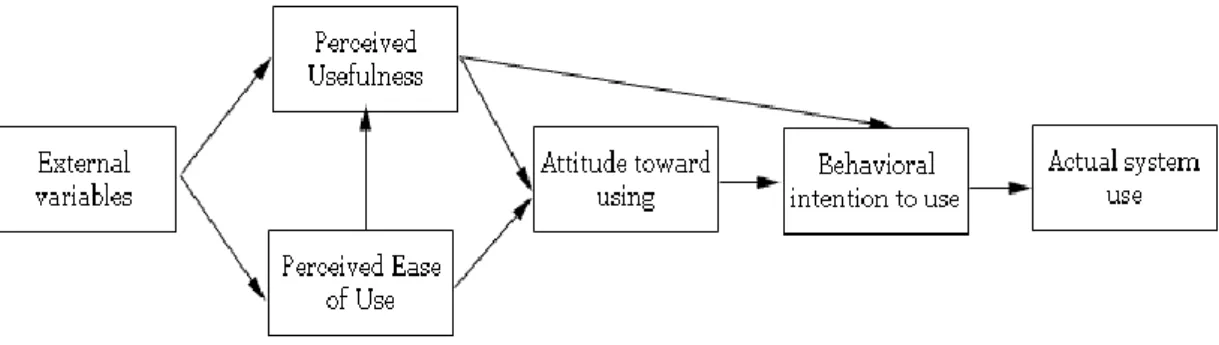
The goal of this model is to anticipate a tools or system’s acceptance and to indicate the changes that must be made to the system in order for it to be acceptable to users. According to this approach, an information system's acceptability is defined by two key factors which are perceived usefulness and perceived ease of use. Perceived usefulness and perceived ease of use are regarded independent factors in the Technology Acceptance Model, while attitude, behavioural intention, and usage behaviour are considered dependent variables. It promotes the idea that perceived usefulness and perceived ease of use will influence one’s attitude toward technology. In addition, the model also takes into account and considers the influence and impact of external variables. As a technique of explaining user behaviour and attitude, external influences will also influence intention, perceived usefulness, and perceived ease of use. According to Legris et al. (2003), the technological acceptance paradigm can basically represent how external influences influence internal "attitude," "belief," and "behavioural intention."
The amount to which a person believes that using a system would improve his performance, such as when the individual believes in the new system's positive and beneficial effects on the task or work, is characterised as perceived usefulness.
Perceived ease of use, on the other hand, is the degree to which a person believes that using a system would be simple and easy. Perceived ease of use refers to an individual's perception of how difficult it is to utilise a system. The Technology Acceptance Model suggests that the use of an information system is determined by the behavioural intention, and meanwhile, the behavioural intention is dictated by the person's attitude toward the use of the system and also by their perception of its utility, as demonstrated by the Theory of Reasoned Action. Individual attitude is not the only thing that influences whether or not they employ a system, but rather it also depends on the impact it may have on their performance. The perceived usefulness of new technology influences the user's view of its ease of use, and vice versa. Both have a positive relationship and linked in a favourable way.
Page 16 of 100
Figure 2: Technology Acceptance Model
2.2 THEORY OF PLANNED BEHAVIOUR (TPB)
Several hypotheses and theories have been proposed to explain human behaviour. The theory of planned behaviour (TPB) is the most commonly mentioned theory on the attitude-behaviour relationship (Ajzen 1991). The Theory of Planned Behaviour (TPB) claims that humans make decisions based on logical appraisals of inputs and the consequences of those actions and decisions (Ajzen, 1991), with intentions predicting this behaviour directly. There are four key elements of the notion of planned behaviour that help to explain human behaviour which are attitudes, subjective norms, perceived behavioural control (PBC) and demographics effects. These variables determine the intention to conduct in the behaviour, as well as the intention to engage in the behaviour, which has direct impact on behaviour (Ajzen,1991). The decomposed theory planned behaviour model also incorporates concepts from the literature on innovation which are relative advantage, as well as compatibility.
According to Theory of Reason Action (TRA) and Theory of Planned Behaviour (TPB), certain behaviours of individuals are determined by their
“behavioural intention”, which is simultaneously influenced by the “attitude” and
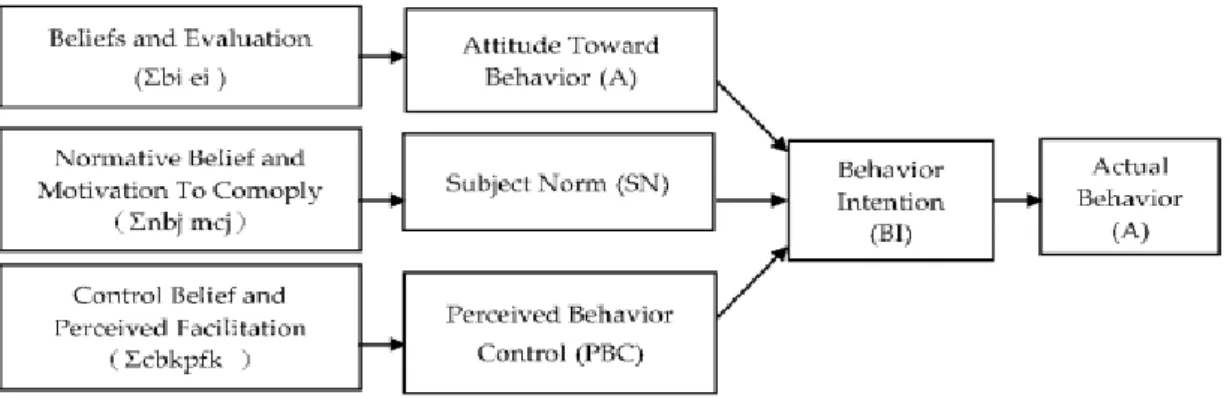
“subjective norm” of individuals regarding a given behaviour. Individual willingness to engage in a behaviour is measured by behavioural intention, whereas subjective norm relates to the expected social pressure that an individual would face when engaging in a behaviour. It also offers a thorough understanding of how an individual's attitude, subjective norms, and perceived behavioural control might
Page 17 of 100
influence his or her inclination to embrace or acquire innovative products (Taylor and Todd, 1995b).
According to the TPB, Human action is guided by three types of reflections;
beliefs about the likely outcomes of the behaviour (behavioural beliefs), beliefs about the normative expectations of others (normative beliefs), and beliefs about the presence of factors that may help or hinder the behaviour’s performance (Ajzen, 1991). Behavioural beliefs, taken as a whole, produce a favourable or unfavourable attitude toward the behaviour; normative beliefs produce a subjective standard; and control beliefs produce the outcome of perceived behavioural control over the behaviour’s execution. The formation of a behavioural aim was influenced by the attitude, subjective norm, and perceived behavioural control. The TPB also allows for the inclusion of other factors and extra variables if they are specified that these variables contribute significantly to the explanation of the model's predicted behaviour (Ajzen, 1991).
The subjective norm has a higher impact on behaviour intention when it is more firmly impacted and strongly influenced. Individuals' expected process control when participating in a behaviour, namely the difficulties experienced when participating in a behaviour, is measured by perceived behavioural control.
Individuals' resources and opportunities to engage in the behaviour are reflected in this component. Therefore, as shown in Figure 3, TPB contends that in addition to attitude toward behaviour and subjective norm, perceived behavioural control also influences and affects behavioural intention. In the TPB framework, attitudes are also predicted by perceived feasibility of the decision or perceived behavioural control (PBC), as well as perceived expectations of a particular group of individuals or subjective social standards. According to the theory, the more a consumer believes a behaviour is a social norm, the greater the likelihood he or she is to engage in it (Ajzen, 1991).
Page 18 of 100
Figure 3: Theory of Planned Behaviour
In a study done by Moons and De Pelsmacker (2012) they also examine the impact of Perceive Behavioural Control (PBC) and subjective societal norms on consumer intentions to buy electric vehicles in addition to attitude. PBC considers if consumers can afford electric vehicles and whether they can use them in their daily lives in their examination. Another important part of the TPB framework is consumer knowledge and experience, which influences attitude and PBC. In consumer EV adoption research, this construct is mostly made up of consumer comprehension of the environmental implications of driving automobiles and experiences with vehicles in general, with EVs in particular.
The decomposed theory of planned behaviour model also uses constructs such as relative advantage, and compatibility as well as exploring and breaking down subjective norms such as social influence and perceived behavioural control into a more concrete dimensions. It also gives a comprehensive framework for determining and understanding how an individual’s attitude, subjective norms and perceived behavioural control influences a person willingness to adopt and innovative products (Taylor and Todd, 1995).
2.2.1 THEORY OF PLANNED BEHAVIOUR (TPB) – ATTITUDE (Relative Advantage, Compatibility, Pro-Environment)
Attitudinal factors are one of the most important predictors of whether or not people are willing to adopt eco-innovations (Jansson et al., 2010). The attitude has been identified as a significant prior variable of behavioural intention in a
Page 19 of 100
number of studies (Kang et al. 2006; Dickinger and Kleijnen 2008). Relative advantage, compatibility, and pro-environmental are the three attitudinal elements that are used in this study. Plötz et al. discovered that attitudes are related to many elements and also were the most effective predictors of a variety of factors, such as technological acceptance, the environment and surroundings, comfort, and image.
Moore and Benbasat stated that in Technology Acceptance Model (TAM), relative advantage is equivalent to perceived usefulness, and complexity is similar to perceived ease of use.
Relative advantage (IV1) of an invention is the degree to which innovation is perceived as superior as compared to existing product such as hybrid cars that is more fuel efficient (Kotler & Armstrong, 2012). Many prior research has shown that relative advantage is a critical factor in determining whether or not new innovative items are adopted. According to Tornatzky and Klein (1982), relative advantage is a critical element determining innovation uptake. According to Wu et al. (2010), relative advantage is one of the factors that influences consumers' willingness to buy biofuels and hydrogen-powered cars in Taiwan. The relative advantage in terms of financial rewards also has a considerable influence on the buying motivations of consumers. The greater the perceived relative advantage, the more probable it is that the innovation will be adopted. Incentives can be used to stimulate the adoption of innovation by increasing the perceived relative advantage of the innovation, subsidising trials, or lowering the cost of incompatibles.
According to innovation diffusion theory, consumers will adopt new innovations only if they see a relative advantage over traditional way. In innovation diffusion theory, relative advantage is conceptualized as a multidimensional construct that the benefits of an innovation on such dimensions as lower costs, savings in time and effort, social prestige and decreased in discomfort (Rogers 1995). The relative advantage of new innovation adoption, according to researchers, is complex and entails a cumulative assessment of the perceived relative advantages of channels on three dimensions which are convenience, trust, and information acquisition efficacy. Therefore, this research is focusing on whether the relative advantage of electric vehicles such as their cost-effective, convenient, appealing,
Page 20 of 100
and drive satisfaction have any impact on the adoption intention of Malaysia consumers.
Compatibility (IV2) refers to how well an innovation fits their lifestyles, previous experiences, and ideals or values (Kotler & Armstrong, 2012). The new innovation must be compatible with the lives and lifestyles of potential adopters for it to be accepted. The more the adopters must change their current routine and/or the innovation or invention contradicts their beliefs, the less likely they are to accept it (Zaltman & Lin, 1971). Furthermore, the user's prior experience with the adoption of new tools, whether favourable or negative, will have an impact on technology adoption. A bad previous experience with one innovation can lead to innovation negativism, which occurs when a bad past experience with one innovation has a negative impact on the adoption of another innovation. It will be more likely to fail, if a consumer must make a big lifestyle change or requires purchasing more products as a result of a new innovation. A new innovation is most successful, when users can embrace an innovation without hesitation and when it able to replace a current product or idea effectively and also for the better.
Existing abilities and practises, as well as ideas and conventions, are two areas of compatibility to consider. The degree to which an invention matches the current skills, equipment, procedures, and performance criteria of a potential user is crucial and relatively simple to assess. The cost of adoption and use may be influenced by the availability of information about the technology from other users, trained skilled users, technical help and maintenance, and complementary innovations. Like other innovations and eco-innovations, the issue of HEV compatibility with customers' daily lives and routines has been noted as a major contributing feature for potential adopters (Graham-Rowe et al., 2012; Peters and Dütschke, 2014). According to Wu et al. (2010), compatibility is favourably associated with consumers' desire and willingness to purchase biofuels or hydrogen- powered vehicles. Hybrid car adoption may be influenced and affected by their compatibility with green principles and support from personal references (Ozaki and Sevastyanova, 2011).
Customers' perceptions of electric vehicles suiting their travel profiles may differ, since they may not keep track of their exact driving routes or prefer to be
Page 21 of 100
flexible when it comes to lengthier spontaneous travels. Besides individual needs, Values play an essential part in determining whether electric vehicles are seen as compatible. Consumers who are passionate about environmental and resource protection, for example, may see electric vehicles as an enticing and environmentally benign means of transportation that allows them to lessen their car's environmental impact (Skippon and Garwood 2011). Air pollution, climate changes, and environmental issues are causing consumers to become increasingly concerned. Due to this, a growing number of companies are eager and willing to produce green goods. Furthermore, increased knowledge of pollution reduction and care for the environment will indirectly enhance hybrid vehicle sales.
Attitudes are always related as important psychological aspects that will influence the adoption intention. It is characterised as individual mental experiences that reflect attitudes or habit such as likes and dislikes as well as individual positive or negative evaluations of behaviours. For example, in a study done by Hidrue et al. (2011) through a national survey on whether consumers are willing to spend more for green automobiles, it was found that consumers that have a favourable attitude about green automobiles are more likely to adopt them. This demonstrates that the more positive a customer's attitude is, the more likely they are to do a specific task or mannerisms (Beck and Ajzen 1991).
Consumer awareness of climate change issues and willingness to take action to address them is referred to as environmental concern (Bamberg, 2003). HEVs are advocated all around the world as they can save money on gas and reduce pollution level. Several research have reported on these environmental benefits, which have been examined as motivators for consumer adoption intentions.
Customer environmental beliefs and understanding of environmental challenges and human consequences has been theorised to impact consumer EV adoption intentions (Lane and Potter, 2007; Carley et al., 2013). According to some study, researchers have found that consumers who display high levels of environmental awareness during their purchase are more likely to acquire HEVs. Consumers who are less concerned about the environment are less likely to purchase HEVs (Heffner, Kurani & Turrentine, 2007; Kahn, 2007). As a result, the promotion of HEVs should
Page 22 of 100
not only emphasise the benefits of energy conservation, but also the importance of environmental protection, which may help to increase the adoption rate.
Environmental (IV3) values are strong predictors of some consumer actions and have a favourable influence on willingness to take environmental action (Oliver
& Rosen, 2010). According to Beck et al., environmental protection, which outweighs the impact of energy conservation, has become one of the most important factors in attracting customers. It is widely accepted that some customers examine social and environmental issues when making purchasing decisions in order to assess the social and environmental effects of their purchases and to enhance environmental quality (Follows & Jobber, 2000). With this, the market can anticipate to see a rise in the purchasing of ecologically friendly goods (Follows &
Jobber, 2000).
With the next half of the motivational mix, concern for others and the ecology (Bamberg and Möser, 2007), normative theories such as the value-belief- norm theory (Stern, 2000) are used to explain the pro-environmental behaviour.
Internal normative beliefs are viewed differently in these theories than they are in TPB where they view internal normative beliefs and values as motivations for pro- environmental action. Consumer environmental behaviour has been studied in many consumer EV adoption research where adoption behaviour and intentions are thought to be influenced by values, beliefs, and norms. Customers’ Environmental concern is frequently assessed in EV research by asking if they consider climate change to be a serious problem and if they are willing to contribute individually to the solution, such as reducing traditional gasoline vehicle usage and purchasing electric vehicles (Egbue and Long, 2012; Carley et al., 2013).
Previous study (Asadi et al., 2019; Cai et al., 2019) has identified two primary categories in predicting individual environmentally friendly behaviours:
self-interest and pro-social motivations (Han and Hwang, 2016). Based on some perspective, consumers want to display more ecologically friendly behaviours for their own personal interest. For example, greater favourable attitudes toward an environmentally friendly product will increase the likelihood of its purchase. With that being the case, attitudinal theories, like the TPB, can be used to foreseen people's ecologically friendly activities (Asadi and Dahlan, 2017; Huang and Ge,
Page 23 of 100
2019). Considering the environmental benefits and features of electric vehicles, various studies have found that they are eco-innovations with the ability to lessen negative environmental impact (Egbue and Long, 2012). As a result, EV adoption has been viewed as pro-environmental, and environmental concerns are frequently considered in studies of consumers' intentions to embrace EVs (Egbue and Long, 201; Wang et al., 2017).
While the theory of reasoned action (TRA) seeks to explain how the relationship between attitudes and behaviours interact in human action. It is mostly used to forecast how people will act based on their past attitudes and behavioural intentions. It also investigates how values influence attitudes toward purchasing decisions that are environmentally conscious. Furthermore, other research looked at the impact of attitudes based on the theory of planned behaviour (TPB), which states that human behaviour is the outcome of meticulous thought, and that behavioural change is a difficult mental process. Although attitudes cannot directly impact human behaviour, but they can influence individual intentions indirectly.
Attitudes are also thought to have a greater impact on a consumer's intention to adopt a HEV than demographic and environmental considerations. Other factors, such as risk, social approbation, and uncertainty, may also influence the rate of adoption, according to Kotler and Armstrong (2012).
2.2.2 THEORY OF PLANNED BEHAVIOUR (TPB) - SUBJECTIVE NORM (IV4)
Based on TRA and TPB, individual behaviours are governed by their behavioural purpose, which is impacted by people's attitudes and subjective norms about a particular behaviour and given conduct. Subjective norm refers to how an important individuals in their lives believe that they should or should not execute the behaviour in question” (Fishbein and Ajzen, 1975). According to Jeon et al.
(2012), the higher the consumer's perceived subjective norm, the more likely they are to acquire hybrid electric automobiles. Perceived behavioural control, on the other hand, refers to the circumstances that can delay or prevent a behaviour from being performed. Many HEV adoption studies focus on subjective social norms,
Page 24 of 100
which refer to a person’s sense and feeling of being out of the ordinary or under pressure from certain external sources. These allusions can be figurative or literal.
The willingness to engage in a given conduct is measured by behavioural intention (Fishbein and Ajzen, 1977), whereas the expected social pressure received by an individual when doing a behaviour is measured by subjective norm. The subjective norm has a higher impact on behavioural intention when it is more firmly impacted (Fishbein and Ajzen, 1975). Many researchers discussed human behaviours from the sociological standpoint and perceived that a certain behaviour is both a personal and also a society action. What others do have an impact on how an individual adopts a particular behaviour. Because most people constantly adjust their behaviour in light of public opinion, a behaviour is often thought to be acceptable if others around us do similarly. In other words, the opinions of individuals who are important to them have an impact on an individual's decision to acquire a new product.
The value an individual has to the approval of his or her conduct by others, such as family members and friends, plays a vital impact in a consumer's intents to adopt a HEV. Subjective norm has been demonstrated to have a positive impact on behavioural intention in previous studies (Han et al. 2010; Abou-Zeid and Ben- Akiva 2011; Axsen and Kurani 2012; Castanier et al. 2013). Because of the increased societal pressure, persons who believe they should do a given activity will be more likely to do so. Adopting a certain innovation or technology is one of these activities. Consumers' decisions on whether or not to buy a HEV are influenced not only by themselves, but also by their family members. Involvement in the decision- making process and consideration by family members has a significant impact on customer adoption intentions.
2.2.3 THEORY OF PLANNED BEHAVIOUR (TPB) - PERCEIVED BEHAVIOURAL CONTROL (IV5)
The elements that may obstruct the performance of a behaviour, as well as a person's opinion of how simple or difficult it is to carry out various behaviours, are referred to as perceived behavioural control (Ajzen, 1991). Individuals who
Page 25 of 100
believe they have complete control over their behaviour will be more willing to engage in the behaviour in issue (Ajzen, 1991). The perceived ability to accomplish the behaviour in issue is significantly linked to an individual's behaviour.
Individual’s behaviours are fuel not only by the appraisal and expectations processes that follow cognition and emotion, but also by the role of control belief.
There are two components of perceived behavioural control. The first component of perceived behavioural control is self-efficacy, often known as an inner force, which is defined as an individual's self-sufficiency or self-confidence in their capacity to accomplish a behaviour. The second component is the outer force, which is in charge of controlling external situations as well as facilitating conditions in which it reflects the availability of resources required to engage in the behaviour (Tan and Teo, 2000). From the existing literatures, most researchers discuss the Perceived Behavioural Control within the context of TPB.
The psychological factors can be linked to the first component. Consumers' psychological aspects play a role in deciding whether or not to adopt a HEV.
Psychological factors are significant because they have the ability to directly influence adoption intentions as well as moderate the effects of objective factors.
For example, rather than purchasing costs, how consumers feel often influences their vehicle adoption decisions. According to the PBC theory, the more a consumer believes a behaviour is a social norm, the more likely he or she is to engage in it (Ajzen,1991). People, for example, must examine their attitudes once they have established them. By conquering their fears in gaining confidence in their ability to buy or use a HEV, it will reduce the drawbacks of the outcome. Therefore, as PBC is stronger, consumers are more likely to buy and use a HEV.
For the second component, consumer behavioural intentions can be influenced by resources such as time availability, budget, and talent. Normally attribute related to cost and government support are deemed to have effect on the behaviour. According to the study done by Moons and De Pelsmacker in 2012, PBC dimensions include consumers’ ability to afford electric vehicles and their ability to use them in their daily lives while considering the limitations in driving range.
Currently, technology, pricing, availability, or knowledge of how to use green products, as well as the ability to do behaviours, are all thought to be sources of
Page 26 of 100
perceived behavioural control. The greater the ability of people to alter these parameters, the more likely they are to change their behaviour (Axsen & Kurani, 2013).
Educating consumers about the real benefits of HEVs by discussing the savings as well as the cost of fuel and other costs during the course of life of the vehicle can be very beneficial to induce the adoption of HEVs. Government support and policy also hold a very important attribute in adoption of HEV (Callagher &
Muehlegger, 2008). Many prior research have shown that supports in financial subsidies, preferential taxation, free parking, and driving privileges have a favourable impact on customer adoption intentions. And it was discovered that these effects grew stronger when more powerful policies were implemented.
According to research, financial incentives are a significant component in encouraging the use of cleaner fuel cars, but they are insufficient to drive behavioural change (Lane & Potter, 2006).
2.3 CONCEPTUAL FRAMEWORK
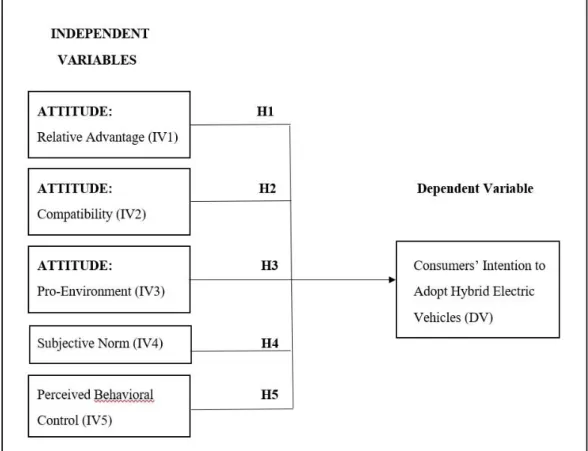
The theoretical framework for this research is depicts in Figure 4 which was adopted from the decomposed Theory of Planned Behaviour (TPB). This theory tries to understand how a person's belief, embracing attitude (relative advantage, compatibility, pro-environment), subjective norm and perceived behavioural control can influence their intention. Two versions of the model of the theory of planned behaviour (TPB) which is pure and decomposed are examined and compared to the Theory of Reasoned Action (TRA).
Page 27 of 100
Figure 4: Conceptual Framework
This research applied Theory of Planned Behaviour and discussed on previous literature studies in this Chapter 2. For the association between the five IVs and the DV, as well as the theoretical framework, five hypotheses are suggested.
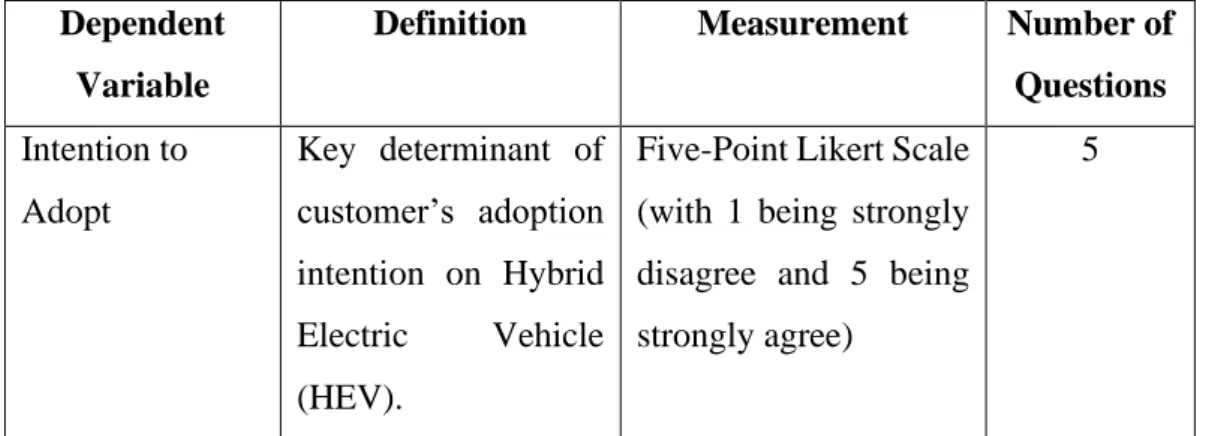
Dependent Variable (DV): Consumers’ Intention to Adopt Hybrid Electric Vehicles
Different forms of deliberate measurements, such as consumer readiness and willingness to accept the innovation, are the most important determinants of adoption behaviour, which are also utilised as a proxy variable in much research (Arts et al., 2011; Schuitema et al., 2013). As a result, our assessment of the literature reveals that consumer EV adoption has primarily been investigated by focusing on adoption intentions rather than actual adoption.
Page 28 of 100
Independent Variables (IVs): Attitude (Relative Advantage, Compatibility, Pro- Environment), Subjective Norm, and Perceived Behavioural Control.
The item in the independent variable is further explained in Table 1 as below:
Independent Variables
Items (The Driving Forces) ATTITUDE
(Relative Advantage)
• Better for fuel efficiency
• Economic driving
• Lower cost ATTITUDE
(Compatibility)
• Compatible with working style / lifestyle
ATTITUDE
(Pro-environmental) • Reduce effect of climate change
• Preserve the environment
• Reduces the pollution level Subjective Norms
(person perception) • Influence by friends, family, or colleagues Perceived
Behavioural Control
• Factors that may impede the performance of the behaviour
• Government tax/sales incentives
• Government petrol/diesel policy Table 1: Breakdown of Independent Variables
2.4 HYPOTHESES DEVELOPMENT
Hypotheses are developed to discuss on the research topic or to address any phenomenon or problems related to it. They can also help in assisting the researcher to build a specific path as well as better grasp of the study’s subject matters.
Hypothesis also further aids in the cautious and focused investigation on information gathered. This method can be used to develop multiple hypotheses for a single problem in order to determine its effects and find solutions. The analysis of the literature reveals that there is a substantial amount of research on the EVs elements of the acceptance model. However, there is a scarcity of empirical study on EVs dimensions that have a notable impact on the usage intentions of this innovative product and, as a result, on related acceptance, as far as the researcher is