Plant fiber sources are in favor because they are renewable, widely distributed, locally available and also biodegradable. The creation of the S-Cane Package has the potential to be a partial solution to many environmental problems such as deforestation and lack of landfill space. The importance of the project is to find alternatives for wood in the papermaking process to reduce deforestation by utilizing farm waste such as sugar cane. Not only will the rate of deforestation be reduced, the S-Cane Pack also promotes waste recycling instead of simply throwing it away and further increases landfill space.
The outcome of the project is a packaging prototype made from sugarcane waste that exhibits reasonable properties in terms of its tensile strength and also appearance-wise. Tensile strength of the prototype is also compared with the existing packaging available in the market such as Styrofoam, cardboard and paper. However, there are future recommendations that should be made to further improve the quality of the prototype.
After the completion of the project, entitled S-Cane Pack, I am able to apply some theoretical knowledge in an experimental project. Mohd Zaki Abdullah, my co-supervisor for his continuous cooperation throughout the project. The final year project of the two semesters provides an experience of developing my personal skills through anticipation in planning and executing the project.
INTRODUCTION ...................................................................................... 2-3
Problem Statements
Objective
Scope of Study
LITERATURE REVIEW ....................................................................... 4-13
Sugarcane Fiber (Bagasse) ................................................................................. 4-5
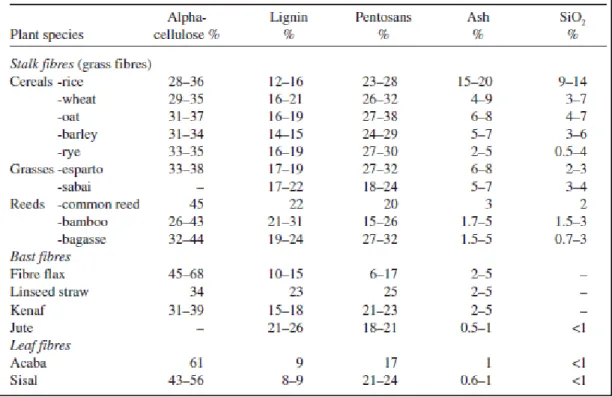
The composition and amount of fibers is reflected in the properties of cell walls where cellulose is the main component. Paper consists of pulp fibers derived from wood or other plants from which lignin and other non-cellulosic components are combined. In the papermaking process, fibers, lignin and other non-cellulosic components are separated by chemical and mechanical pulping processes.
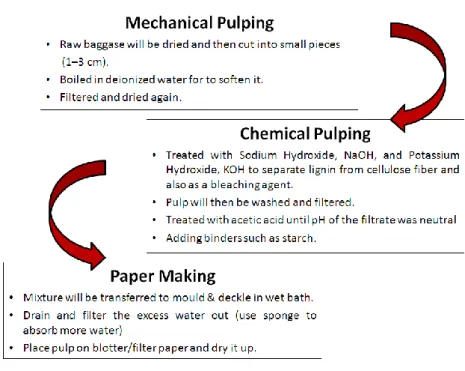
In the final stages of papermaking, the pulp mixture is applied to a wire screen and water is removed by gravity, compression, suction, and evaporation (Biermann 1993a). The preparation of pulp for papermaking is a delignification process in which the lignin is chemically dissolved, allowing the fibers in the raw material to be separated. Pulp mechanical processing separates the fibers from each other by mechanical force, such as crushing and grinding on the fiber matrix, resulting in the gradual breaking of fiber bonds and the release of fiber bundles, individual fibers, and fiber fragments (Smook 1992; Biermann 1996b).
Chemical pulping is used for materials that need to be stronger to achieve the desired characteristics. The fibers are separated by chemical treatments which partially remove the lignin and other non-cellulosic components from the matrix. Some of the chemicals used in chemical pulping are sodium sulfite, caustic soda, and sulfuric acid.
Paper Formation .................................................................................. 6-7
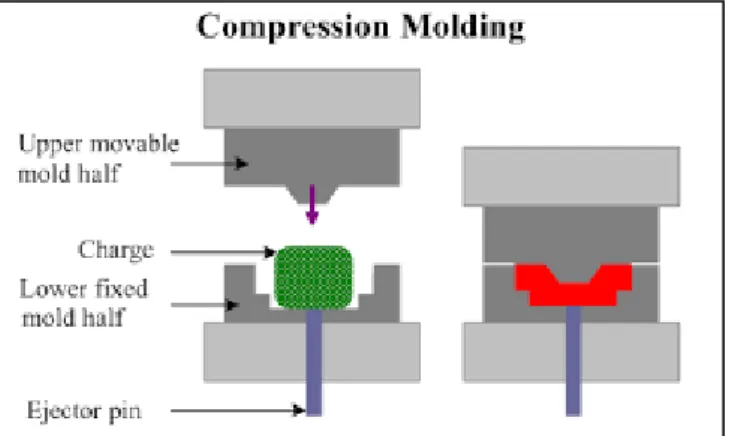
Package graphic design and physical design attract potential buyers to purchase the product. The prototype of packaging material can be produced using several molding techniques such as injection molding, vacuum forming, and compression molding. The mold is then removed and the slurry is hardened into the mold. The expected result of the project is a prototype of packaging material made from sugarcane waste with desirable mechanical properties. The method is divided into three main phases.
Chemical pulverization of the fiber, which involves treatment with sodium hydroxide solution, potassium hydroxide solution and acetic acid solution. Photos of the completed hamburger box mold for the packaging prototype are attached in Appendix 8. The slurry is evenly spread, drained and filtered onto the deckle screen.
Bagasse is then boiled in deionized water for 6 to 7 hours as part of the mechanical pulping process to soften the fiber. The dried bagasse is then soaked in 10% potassium hydroxide solution for 5 to 6 hours to break down the lignin from the cellulose part of the fiber.

Sample of Sugarcane Food Packaging .............................................................. 9-10
METHODOLOGY ................................................................................ 14-21
Second Phase.................................................................................................. 14-16
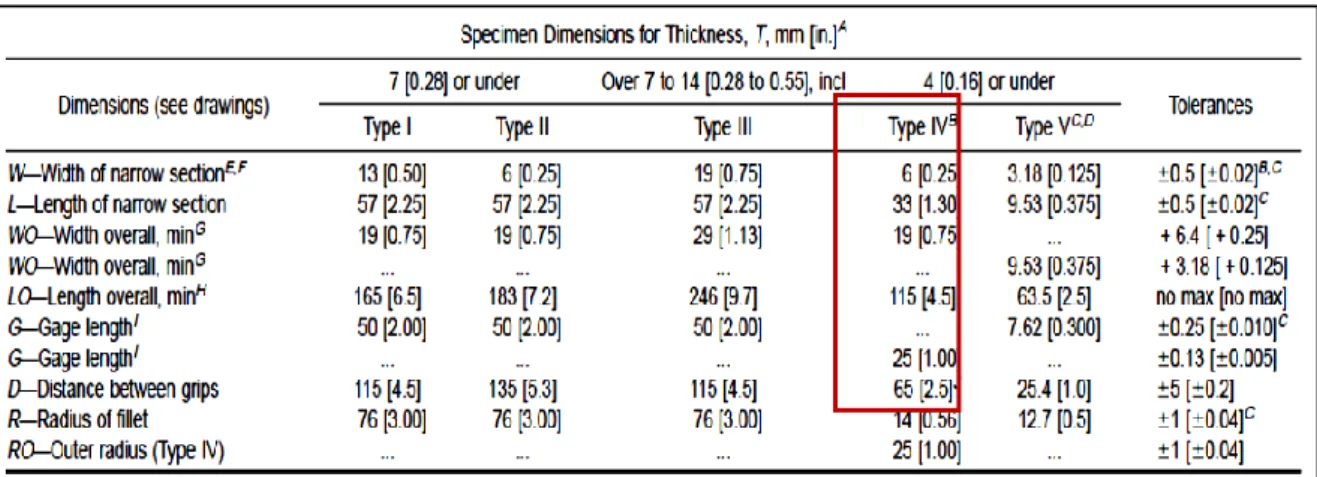
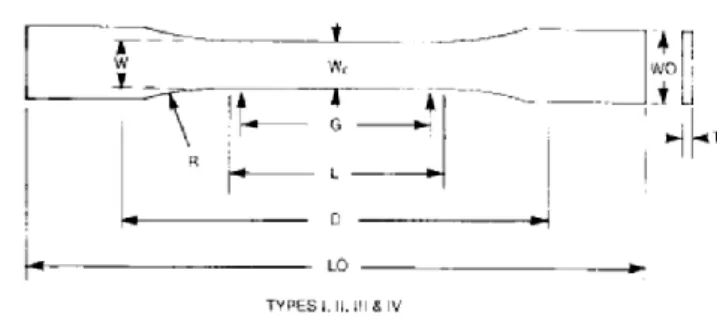
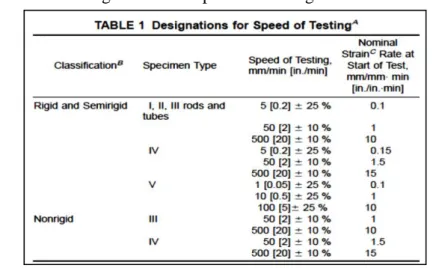
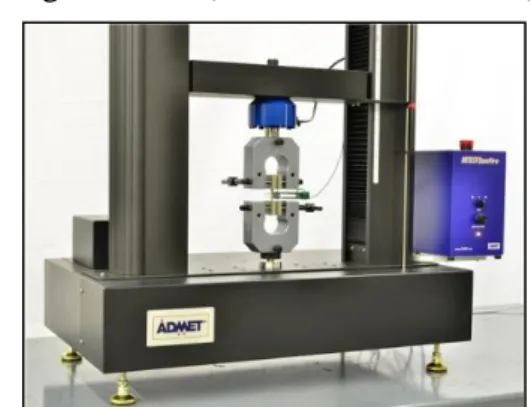
A tensile test is carried out to measure the properties of S-Cane Pack and compare it with existing Styrofoam package and cardboard. The ASTM D638 standard is used as the test method. A graphical comparison of the average tensile strength values for S-Cane Pack, Styrofoam, cardboard and paper is shown in Figure 20 below. Based on the graph in Figure 20, cardboard exhibits the highest tensile strength compared to Styrofoam, S-Cane Pack and paper.
It has the highest tensile strength value of 5 MPa, while Styrofoam reaches only 0.98 MPa, S-Cane Pack with only 0.8 MPa in value and Paper with 3.3 MPa. From the chart, Cardboard is the highest in strength, followed by Paper, Styrofoam and S-Cane Pack. -The cane package can be written and drawn and cut into desired shapes or patterns.
Based on the results, S-Cane Pack exhibits lower tensile strength compared to Styrofoam, paper and cardboard. The production of a single prototype S-Cane Pack is done only by manual unrefined processes with economical materials. Therefore, there are many further improvements that can be made to the experimental procedure to improve the properties of the product.
Based on the experiment, by adding an amount of recycled paper to the mix, the structure of the paper and prototype produced is more rigid and firm. Therefore, as a future recommendation, the addition of other additives will improve the properties of S-Cane Pack, such as mineral fillers to add more strength to the structure, optical brightener and pigments to whiten the color and also wet strength additives to ensures that when the paper is wet, it can still retain its strength. Since S-Cane Pack is a food packaging prototype to be used daily, safety in terms of properties and chemical content is also important.
By performing more mechanical, physical and chemical testing, S-Cane Pack will achieve a comparable property to the existing food packaging. - Cane Pack must also be manufactured to comply with the Malaysian regulations of the Food Act 1983 and the International Food & Drug Administration, which outline the general requirements for safe food packaging.