Satisfaction in E-Banking: Bangladesh Perspective Md Abdul Bashir, Mass Hareeza Ali, Amer Hamzah Jantan, Zaleha Mohd Noor, Md. This book contains twenty-one chapters contributed by authors who specialize in their own fields of entrepreneurship, marketing, and tourism.
INTRODUCTION
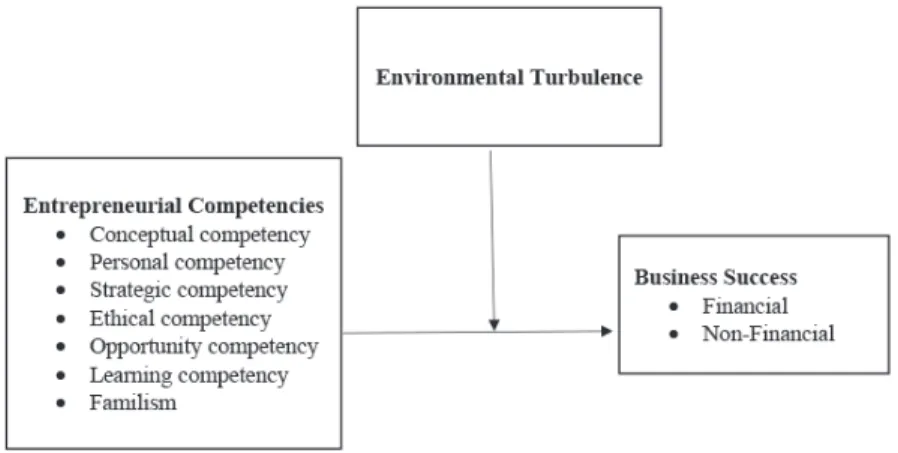
Does the Contingent Role of Turbulent Environment
For example, Woodruffe (1993) listed entrepreneurial competencies as a few patterns of different behaviors of an individual for skillful performance of tasks and functions. Similarly, Thompson (1997) viewed entrepreneurial competencies as the combined sets of human actions to effectively achieve a goal.
Entrepreneurial Competencies and Resource Based View
On the other hand, some researchers have also linked the entrepreneurial competencies with the individual behavior. Similarly, Brophy and Kiely (2002) defined them as behaviour, approach, attitude, skills and knowledge required to perform a function effectively.
Environmental Turbulence and Fit Approach in Strategic Contingency Theory
Thus, based on the appropriate approach of strategic contingency theory, this study claims that capabilities must match the external business environment to face threats and exploit opportunities. In other words, Malaysian SME entrepreneurs need to equip themselves with the latest competencies to protect their venture against any rapid changes in the business environment and to maintain SME business success in a highly competitive environment. cloudy
THE BUSINESS SUCCESS CONCEPT IN SMES
In addition, contingency theory is considered an indispensable component in the field of entrepreneurship research and has a long history in entrepreneurship research (Qureshi, Aziz, & Mian, 2017; Patel & Conklin, 2012; Chowdhury, 2011;).
Financial and Non-Financial Dimensions of Business Success
Literature also shows criticism by many other researchers about the measures of the firm's success. Wiklund (1999) suggested that financial and non-financial performance complement each other and indicate the actual performance of the enterprise.
HYPOTHESISED THEORETICAL FRAMEWORK
In contrast, the latter group emphasized more the importance of nonfiscal measures of success (Hoque, 2004; O'Regan & Ghobadian, 2004; Frese, Brantjes, & Hoorn, 2002). For example, Parasuraman et al. 1996) made the adaptation of the limited view of success, where it is measured by "hard" measures of performance, and that such studies ignored the "soft" measures of firm performance, which also reflect internal careers.
DISCUSSION
This research paper argues that if Malaysian SMEs in the service sector are equipped with the most essential entrepreneurial competencies, they can definitely boost the country's economy and help achieve Vision 2050. As a result, successful SMEs add more to the country's GDP. , exports and employment status.
CONCLUSION
This research paper determines that entrepreneurial skills of Malaysian entrepreneurs are crucial for the survival, success and growth of Malaysian SMEs.
A contingency model of the association between strategy, environmental uncertainty and performance measurement: impact on organizational performance. Entrepreneurial competences and the performance of small and medium-sized enterprises: an investigation through a competitiveness framework.
Moderating Effect of Culture on the Relationship between Psychological and
The study came about as a result of high and persistent unemployment and poverty among the people, especially among university graduates in Nigeria and particularly in the North East region. Nigeria, the most populous country in Africa, unemployment among university graduates is one of the problems facing the country (Ekore & Okekeocha, 2012).
LITERATURE REVIEW Entrepreneurial Intention
However, this situation creates a threat to the peace and security of the entire country which includes; terrorism, kidnapping, robbery, fraudulent acts, cyber crimes (Ihugba, Odii, & Njoku, 2013). Attitude is the belief about the expected outcome of a behavior; Subjective norms are beliefs that expectations of a specific incentive have led to a particular behavior and perceived behavioral control is about the belief in the sufficient components that motivate or demotivate the performance of the action and the strength of those components.
CONCEPTUAL FRAMEWORK Self-efficacy
The Theory of Planned Behavior which was developed by Ajzen (1991) asserted that an individual's action is guided by three elements (ie, attitude, subjective norms, and perceived behavioral control).
Risk Taking Propensity
Locus of Control
Need for Achievement
Innovativeness
University Environment
Government Support Programme
Moderating Role of Culture
CONCLUSION AND RECOMMENDATION
In Malaysia, the empowerment of women and their role in entrepreneurship is not a new phenomenon, but today, even in the 21st century, gender inequality persists everywhere and social progress stagnates (Puspha,2016). Women's empowerment is an ideological process that must be overcome in male-dominated society.
Cultural Empowerment and Barriers to Malaysian Indian Women’s Participation in
The role of women in the 21st century is changing, as we can see and hear that women are very much in favor of economic growth and development. Even in the 21st century, we can still feel the influence of this culture and social oppression.
LITERATURE REVIEW
Traditionally, most of the small businesses in Malaysia are owned and operated by male entrepreneurs (Shah, 2012). Evidence on Characteristics of Women Entrepreneurs in the Kingdom of Saudi Arabia: An Empirical Study.
The Trial of Effectuation in Entrepreneur Development in Education
With this, there must be an innovative and entrepreneurial response to face such challenges and also create opportunities from them. Inspired, confident and talented entrepreneurial graduates are more likely to initiate and lead dynamic new organizations and social enterprises and have the capacity to transform the organizations they lead and manage.
Entrepreneurship in Education
Traditional Methods
Currently, there are other ways in which a realistic image of the entrepreneur can be brought into the classroom, such as accessing a website, watching a TV series and using a training package (Heck et al., 2000; Hytti and O'Gormon, 2004). Aware of the problem, the discussion below will focus on the alternative methods that relate to entrepreneurship teaching and learning entrepreneurship.
Non-Traditional Methods
The development of the curriculum for entrepreneurship education must include the principle of experiential and contextual education. A large part of the course's delivery and assessment revolves around achieving the PMF, with project checkpoints designed to ensure that the major start-up process is covered by each of the student entrepreneurs.
The Business and Personal Coaching (BPC) Model
THE CASES
FruniPrint Sdn Bhd
There is also the issue of ownership of the work being done that the previous partner invested in and needed to be resolved. This is an organic process that should not only be done at the beginning of the business, but periodically as the business progresses.
Ryse Apparel (Lift and Conquer Enterprise in 2015, now M N Ryse Sdn Bhd as of 2017)
The team spent nearly six months on product design and creating several versions of the MVP. Upon receiving the second version of the MVP four months later, the team hit the ground running and tried to sell the product.
LEARNINGS AND RECOMMENDATIONS
At the same time, prematurely deciding to use the majority of their financial resources in production and marketing means that they have fewer available resources to work with in their next round of decision making. The Ryse team also initially found it difficult to move from the built-in causality approach to decision-making that they were familiar with in the education system to the effectuation approach.
Learnings from the use of Effectuation in New Venture Creation
As reflected in the cases, all the entrepreneurs currently took time to move away from the causality approach in decision making. It is difficult to capture and objectively assess all the components involved in building the enterprise.
ACKNOWLEDGEMENTS
Entrepreneurship education and training programmes: A review and evaluation – Part 2, Journal of European Industrial Training, 18(11), p. page 2017).
Crowdfunding as Potential Engines for Capital Source for Survival Startups
Nowadays, with the advancement of the new technology, start-ups have become increasingly independent and innovative in raising capital through crowdfunding models (Rahman and Duasa 2016). The main purpose of this article is to serve as an introduction to research that attempts to understand how crowdfunding serves as a potential source of capital for startup companies to survive.
Crowdfunding Models and Their Platform
In addition, information on the education of entrepreneurs; skills, product quality and product usability are key factors supporting motivation to invest in a project (Allison et al 2017). Although Hornuf and Schwienbacher (2017) have a contrary opinion, they stated that platform security is the main motivating factor for crowdfunding success.
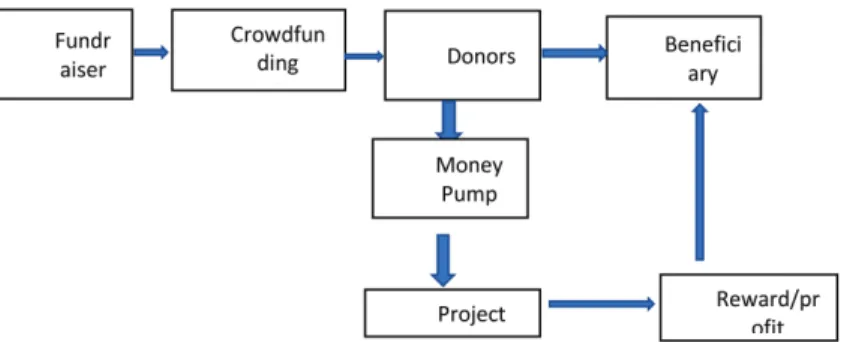
Crowdfunding Conceptual Framework
As a result, rules and regulation are needed to ensure fairness, efficiency and transparency in the crowdfunding industry. However, in the operationalization of crowdfunding, the platform facilitates the campaign from donors to fundraisers as a third party.
Crowdfunding as Potential Engines for Capital Source
Despite the advantage of crowdfunding models in financing the project, the major problem facing the industry is the issue of risk. Advantages of Crowdfunding as an alternative source of financing for small and medium-sized enterprises.
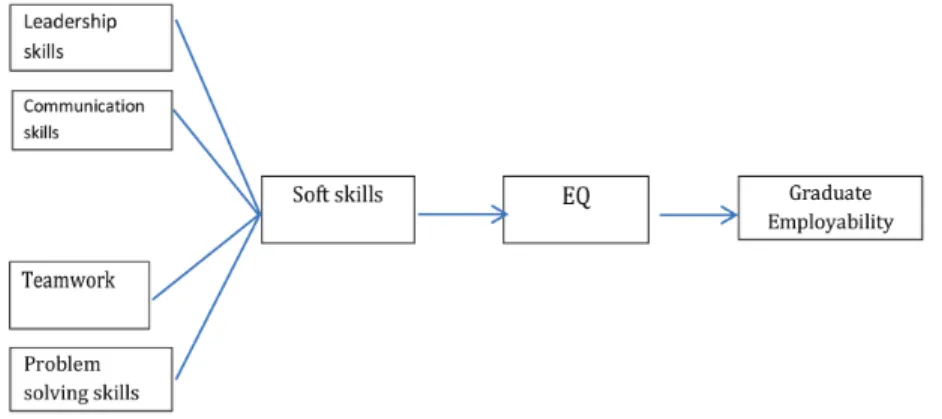
Graduate Employability Model
This enforces the idea that graduate employability requires graduates to be equipped with the necessary attributes and skills aligned with the demands of the labor market. In its policy outlook report, Bank Negara Malaysia (2017) states that graduate employability is a growing concern in Malaysia, with graduates accounting for 23% of the country's total youth unemployment.
A Malaysian Perspective
The Department of Statistics Malaysia (2014) reported that the highest number of unemployed Malaysian workers are between the ages of 20 and 29 in the graduate and post-secondary category. The need for research in the area of graduate employability is therefore imperative, not only to contribute to knowledge but also to assist in the development of the Malaysian workforce.
Defining Graduate Employability
Employers’ Expectation
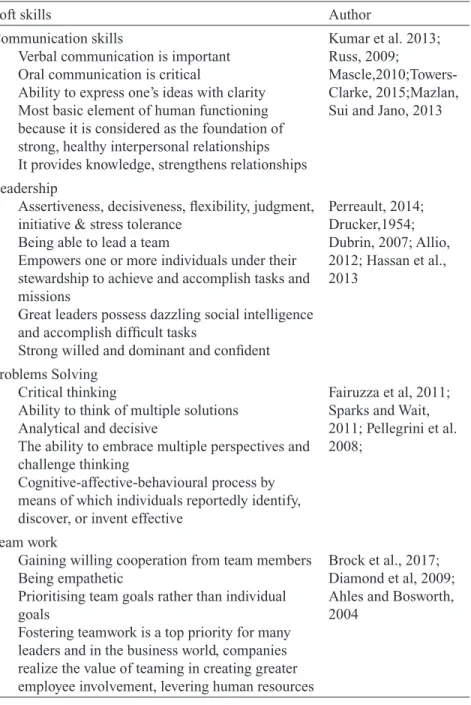
Most Sought-After Soft Skills
Similarly, communication skills have been noted as essential for graduates and recognized as one of the strong employability factors by both academics and practitioners (Russ, 2009). As teamwork is increasingly used in the workplace, firms have begun to concentrate on hiring graduates and potential candidates with (or developing) necessary skills to work in a team (Agwu, 2015).
Emotional Intelligence (EQ)
As the banking industry is one of the most important industries in this country, most banks have their own banking websites to increase their efficiency. With the rest of the world, Asian consumers are rapidly moving towards digital banking (Barquin & HV, 2015).
Investigation of the Effective Factors of Customer Satisfaction in E-Banking
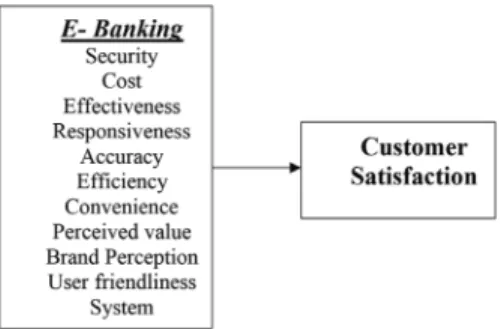
And undoubtedly, automation of banking procedures has unlocked new prospects for banking sector in Bangladesh. There are several influencers that work significantly in the relationship of e-banking services and customer satisfaction.
Bangladesh Perspective
The first aim is to evaluate the effectiveness factors of customer satisfaction in e-banking in Bangladesh. This research paper adds to the literature on the relationship between e-banking and customer satisfaction.
Effective Factors of Customer Satisfaction in E-Banking
Due to the nature of customer satisfaction, it is very difficult to provide significant quality service so that all the customers will be satisfied. Perceived value is one of the most important factors of customer satisfaction measurement and is used to evaluate the actual benefits of the service.
FINDINGS & DISCUSSIONS
System availability in E-banking system
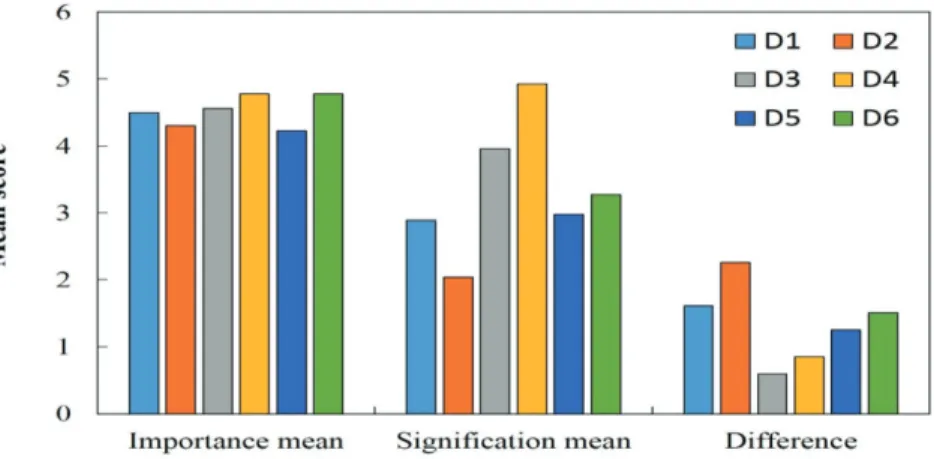
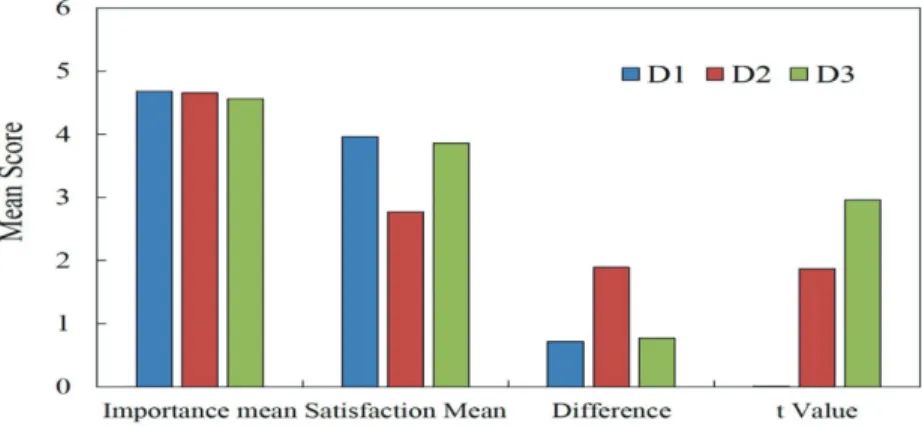
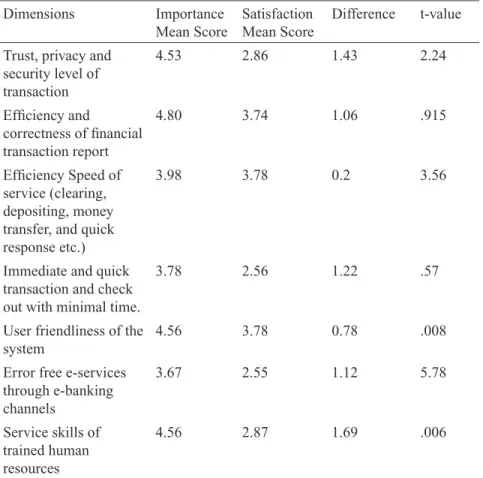
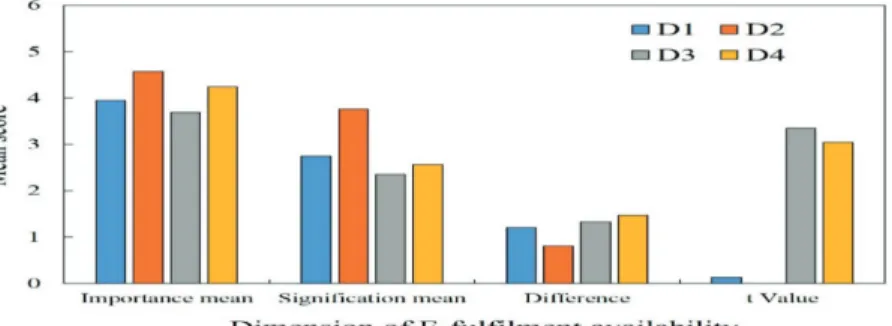
Digitization of business information provides higher values of the mean rating of importance, but at the same time it contains an average rating of satisfaction and a significant difference in this area. The mean importance score is higher for fast and on-time services, the satisfactory mean score is also higher and a significant difference was found.
Accuracy, Efficiency, Security, User Friendliness and Convenience
Here, importance mean score and satisfactory mean score are higher in efficiency and correctness of financial transaction report and we have found significant difference in this field. Trust, privacy and security level of transactions are the vital issues in banking and we found a higher t-value and significant difference.
RECOMMENDATION
Errors may occur in e-banking services and banks should take initiative to overcome these problems and banks should establish error-free e-services through e-banking channels.
LIMITATIONS AND FUTURE RESEARCH
Electronic banking is a new form of banking that uses information and telecommunication technologies, computer networks and telecommunications media to provide banking services to individuals and legal entities. The results of the study show that 11 variables were found to be significant predictors of overall customer satisfaction in e-banking.
ACKNOWLEDGEMENT
According to Haas (2008), the catering industry can be classified as one of the fastest growing industries in the world market. During an economic downturn, players in the food industry must remain competitive in order to maintain their performance in the market.
Halal Food Service Industry in Malaysia
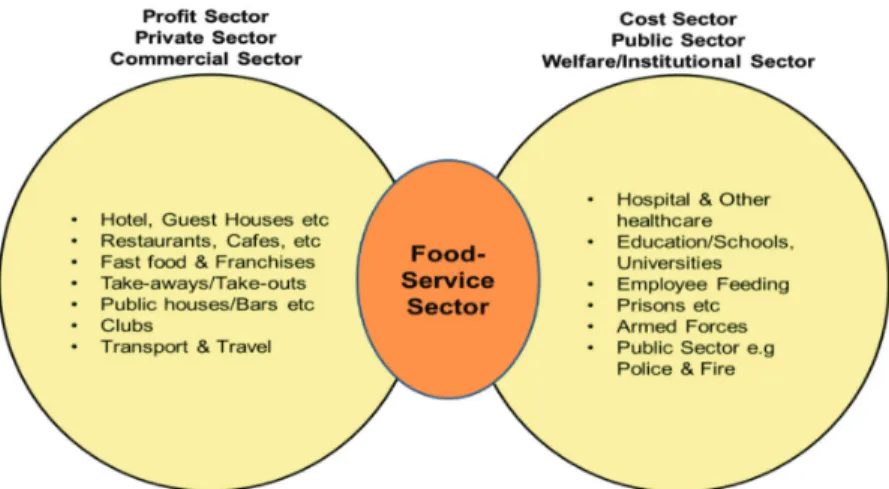
In the ever-changing market environment, today's foodservice operators must consider sustainability with strategic implementation and understand the needs of the global market. The food services sector is categorized into two sectors; profit sector and cost sector (Edwards and Hartwell, 2009).
The Opportunity for Growth
To increase business performance amid economic uncertainty and turmoil, players in the hospitality industry need to get the best results by offering promotional offers or increasing availability to meet all types of consumer demand. According to Figure 1, the first category of the hospitality sector included the for-profit, private or commercial sector, which includes establishments such as various types of restaurants, cafes and fast food outlets.
HALAL FOOD SERVICE INDUSTRY IN MALAYSIA
The existence of the Halal standard is seen as important criteria that influence consumer decision-making. Therefore, the Malaysian foodservice industry is expected to continue its positive performance due to the growing sophistication and affluence of foodservice customers.
Drivers for the Growth of Halal Foodservice Industry in Malaysia
Therefore, the next subsections will identify the drivers for halal food demand from domestic and international tourists, and how these factors are able to capture the awareness of food service industry players in Malaysia to implement halal in business operations.
Consumer Lifestyle
Tourism and Demand for Halal Food
In addition, past experience and religious factor are important factors influencing food consumption among the local population (Mak et al., 2012). However, research on birthplace decision-making has not been the main focus of most previous studies (Grigg et al., 2014;
Millennials Mom Decision Making in Choosing Birthplace
Choosing the right place of birth is a complex task for women of childbearing age, as they must consider many factors before making a decision (Hendrix et al., 2009; Edwards, 2008). Experts are aware of the importance of childbirth and the decision about the place of birth for women, so extensive research has been conducted to comprehensively understand these life events (see for example: Grigg et al., 2015; Grigg et al., 2014; . Kornelsen et al. al., 2010). ).
MILLENNIAL MOMS: WHAT WE KNOW ABOUT THEM
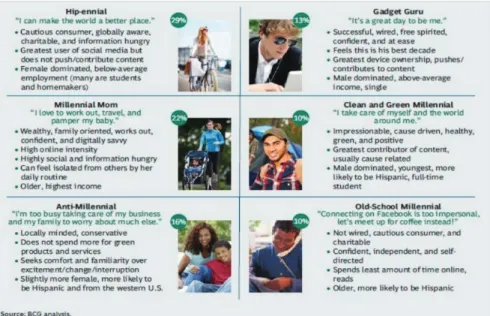
Born a digital native, the millennial mom is a digitally savvy generation. They are the generation that is not easily influenced by marketer-generated content activities (i.e. traditional marketing) (B. Valentine & L. Power, 2013). Market research by Weber Shandwick (2013) and Ovia Insight (2017) reported that millennial moms are a key influencer, are highly connected to social networks, are active content creators (i.e., product reviews), and are able to influence the purchasing decision of others.
USER GENERATED CONTENT (UGC) AND EXPERIENCE ECONOMY
An exploration of the influences on women's birthplace decision-making in New Zealand: a prospective mixed method cohort within the Maternity Ward Evaluative Study. A qualitative study of information on available options for the delivery location and the preference of pregnant women for a place of delivery.
The Impact of Negative Electronic Word of Mouth
Electronic Word of Mouth: How Bad News Travels Fast
In certain cases, word of mouth negatively affects brand switching (Berkowitz & Harmon-Jones, 2004). Many researches have proven dire impacts of spreading negative electronic word of mouth.
Factors Influencing the Success of Franchise Industry
The main focus is on the characteristics of franchisees that directly influence the success of the franchise business. This method enables a thorough understanding of the franchisee criteria that contributed to the success factors from various perspectives.
Types of Franchise Business System
In this type of structure, the franchisee is empowered with a detailed plan detailing almost everything related to the operation of the franchise. In this type, the franchisee is offered training on things like advertising and marketing the franchise, managing the premises, recruiting and training staff, greeting new and old customers and everything else related to running the franchise.
Factors Affecting Success of Franchise Business
This chapter evaluates the factors that affect success in the franchise industry, which will be a guide and reference for the success of the industry. Therefore, the study of the factors that influence success in franchising is important as it will help provide guidelines for franchising development in Malaysia.
RESEARCH METHODOLOGY Meta-Analysis
Previous research by Mohd Ali in 2009 reported that limited studies have been completed on franchise system in Malaysia. Since the right selection of a prospective franchisee can generate favorable results for the franchisor and franchisee.
Sample
FINDINGS AND DISCUSSION
Dimensions of Factors Influencing the Success of Franchise Industry
Internal competence refers to the competence used in the performance of a company's internal work such as expertise, capital, production equipment, building units and type of knowledge (Okumus, 2004). In this study, internal competence is defined as the competence used in the performance of firm's internal work.

Outcomes of Factors Influencing Success
This means that the franchisee must have knowledge of the necessary professional and managerial skills required for the successful development of the franchise business. Consequently, selecting the right franchisees with the right attributes during the selection process will increase the level of franchisee success and satisfaction.
Organic Food Purchase Intention in Malaysia
Organic food is healthy food that does not contain any biochemical product that can harm the human body. According to the Department of Agriculture and Rural Affairs (DEFRA), organic food is the product of a farming system that avoids the use of fertilizers, insect repellents and feed additives.
Problem Statement
In addition to the inconsistent supply of local organic food products, they also lack the diversity of local organic food products (Somasundram C. et al., 2016). So, Malaysia still needs to import organic food products from outside the country to meet the demand for local organic food products (Dardak et al., 2009; Stanton, 2011).
Intention in Purchasing Organic Food Product in Malaysia
In Malaysia, the organic food industry is growing more and the demand has strengthened because consumers in Malaysia are starting to raise their awareness about the benefits of organic food products. According to Suprapto and Wijaya (2012), nowadays consumers are started to believe the beneficial of the organic food products, and therefore directly have a positive attitude to influence the purchase intention of organic food products.
HEALTH CONCERNS
As reported by Bahri (2015), consumers who are concerned about their health are willing to pay a premium price and according to Irianto (2015) organic food is healthier, harmless and also environmentally friendly compared to conventional food. Consumers nowadays are aware of the food they consume can actually affect their health so they escalate their health and natural food more and start switching from conventional food to organic food (Nina, 2009).
Organic Food Knowledge and Awareness
The importance of consumer knowledge and awareness regarding organic food products can be divided into two. So it is important that the consumers have knowledge and awareness about the organic food products among the Malaysian consumers.
Attitude towards Organic Food Product Purchase
In Malaysia, attitude towards organic food products is quite low compared to the developing country (Jaafar, S. N. et al., 2012). So, there is a lack of attitude towards organic food products among Malaysian consumers towards organic food products.
Social Influence towards Organic Food Product Purchase
This is because they have a variety of food in Malaysia that was not produced with organic food products. Therefore, this study will discuss two factors that influence the attitude towards buying organic food, namely health concern and knowledge and awareness about organic food.
Perceived Behavioral Control towards Organic Food Product Purchase
This study will measure two different contexts: internal factors and external factors that influence Malaysian consumer intentions towards organic food products. The external factors that influence the purchase of organic food in Malaysia in this study are divided into two: the food safety of the product and the price of organic food products.
Product Food Safety
Most consumers in European countries, especially Germany, Denmark, Great Britain and France, like to consume organic food (Yiridoe, 2006). 90% of consumers choose to consume organic food because they believe that organic food reduces the risk of pesticide residues (Deus, 2013).
Price of Organic Food Product
CONCLUSIONS AND FUTURE RESEARCH
Consumers' Attitude and Intention to Purchase Organic Food: An Extension of the Theory of Planned Behavior in Gender Perspective. The role of health consciousness, food safety concern, and ethical identity in attitudes and intentions toward organic food.
The Influence of Socio-Demographic and Travel Characteristics on Tourist Perception
Although restaurant food handling practices contribute tremendously to foodborne illness (Soon et al., 2011), consumers primarily consider the cleanliness of the physical environment, equipment, and personnel as risk factors contributing to foodborne illness. caused by food (Jones, 2002). This is mainly due to the fact that the main security operations of the restaurant are hidden behind the scenes of the restaurant (Henson et al., 2006).
REVIEW OF LITERATURE Risk Perception
Risk perception defined by popular health theories such as defense motivation theory (Rogers, 1983) and the health belief model (Rosenstock, 1974) is usually concerned with the cognitive appraisal of a specific threat. They postulate two dimensions of fear appeal including the perception of risk and the efficacy of an adoptive response.
SOCIO-DEMOGRAPHIC AND TRAVEL FACTORS OF INFLUENCE
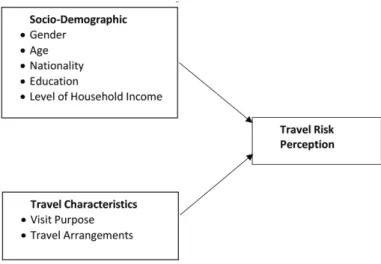
Also, tourists who purchased tour packages showed a greater degree of travel risk perception compared to the travelers who planned their trips individually (Qi et al., 2009). Regarding the food safety risks, nationality appeared to differentiate between tourists' levels of risk perception (Larsen et al., 2007).
RESEARCH METHODOLOGY Survey Instrument
Sample and Data Collection
Data Analysis
RESULTS AND DISCUSSION
Demographic Profile of the Respondents
In addition, the highest percentage of respondents earned a bachelor's degree (52.3%), followed by a high school diploma (18%) and a master's degree (15.8%), respectively. Simply put: tourists visiting family and friends (11.7%) had a larger share than medical tourists (7.6%).

Perceived Level of Risk
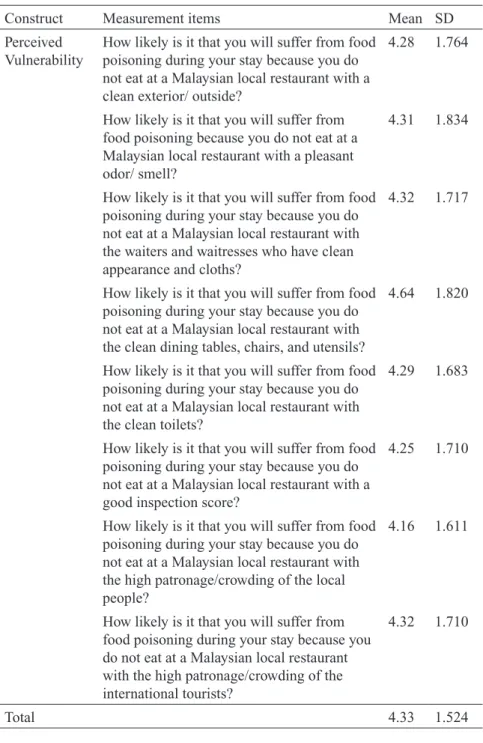
Among the perceived vulnerability-relevant topics, the highest average score has been linked to the topic of clean dining tables, chairs and utensils (M=4.64, SD=1.820). The lowest average score belongs to the topic of patronage/crowding by local people (M=4.16, SD=1.611).
Influence of Socio-demographic and Travel Factors on Risk Perception
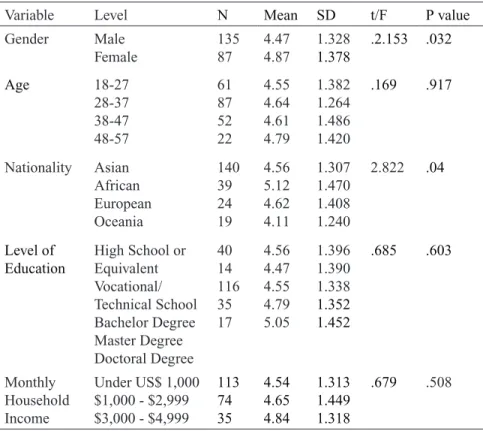
The individual travelers who planned and booked their trips themselves scored higher on risk perception (Mean=4.77, SD=1.426) compared to the travelers who bought tours (Mean=4.36, SD=1.190). Similarly, the one-way ANOVA revealed that the visit goal made the significant difference to the levels of risk perception (F=6.86, p=0.000).
CONCLUSIONS, IMPLICATIONS, AND FUTURE RESEARCH
Such an exploration can lead to the better conceptualization and measurement of risk perception in the tourism context. The influence of terrorism risk perception on purchase involvement and security concerns of international travelers.
Determinants of Revisit Intention of Muslim Tourists
Based on Tourism Malaysia statistics, Malaysia received the most tourists from countries such as Singapore, Indonesia and China. Finally, based on the commentary on culture and heritage preservation needs, the appeal of the destination could be one of the factors in the intention to visit again, which should also be taken into account.
LITERATURE REVIEW Halal Tourism Attribute
In addition, it is rare to find the study of the characteristics of halal tourism using the Theory of Planned Behavior (TPB). Therefore, it is suggested that the halal tourism attribute is one of the determinants of a Muslim tourist's intention to revisit a destination.
Service Quality
Mohsin and Alsawafi (2011) found in their research on the push and pull motivation of Omani students to travel abroad that the pull motivation at the destination, such as halal food and the availability of prayer facilities, attracted the most students. They concluded that this is evidence that Islamic elements in the destination could be the attraction and influence the choices of potential tourists.
Destination Attraction
The Theory of Planned Behavior
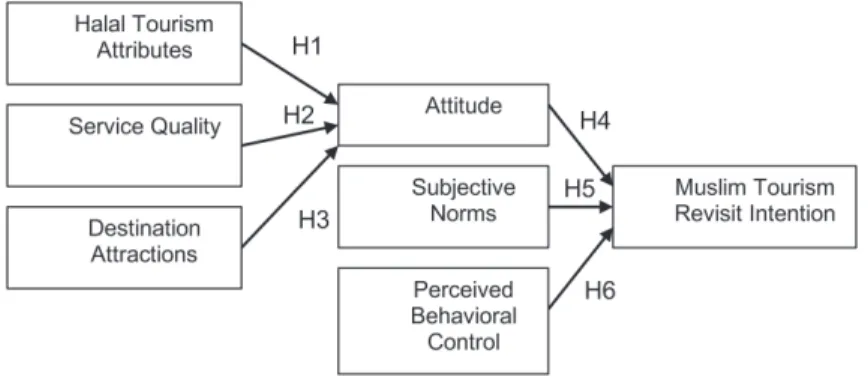
Therefore, in this study, based on Ajzen (2011), the attitude is operationalized as a reaction of Muslim tourists because of the belief in the value of the image of the Malaysian destination. In this study, based on Amaro & Duarte (2015), perceived behavioral control is described as the self-efficacy of Muslim tourists due to the availability of resources and opportunities to revisit the destination.
CONCEPTUAL FRAMEWORK
Due to remoteness, revisiting a destination in a short period of time is highly unlikely, so revisit intention is used to measure tourist behavior (Leong et al., 2014). Therefore, in this study, based on Battour et al., (2012), the Muslim tourist's revisit intention is operationalized as the Muslim tourist's intention to repeat a visit due to a high level of loyalty and proposed as an outcome of the study.
Halal Tourism Attributes, Service Quality and Destination Attraction with Attitude
Intention is the effort indicator of willingness to perform the behavior, and people are more likely to perform the behavior when their intention is stronger (Ajzen, 1991). Similarly, Quintal, Thomas and Phau (2015) found that the wine landscape of the destination influences tourists' intention to return.
Relationship between Attitude, Subjective Norms and Perceived Behavioral Control with Muslim Tourist Revisit
However, Han and Kim (2010) found that perceived behavioral control influenced revisit intention. Furthermore, other constructs under TPB, namely subjective norm and perceived behavioral control, are proposed to be the determinants of Muslim tourist revisit intention.
CONCLUSIONS AND IMPLICATIONS
An investigation of green hotel customer decision formation: Developing an extended model of the theory of planned behavior. The influence of electronic word of mouth on the choice of a tourist destination: Testing the theory of planned behavior (TPB).