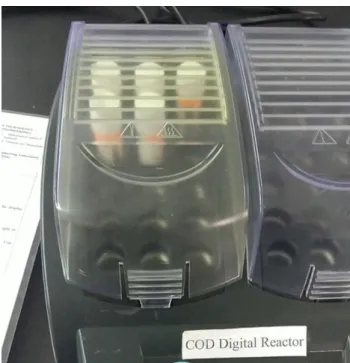
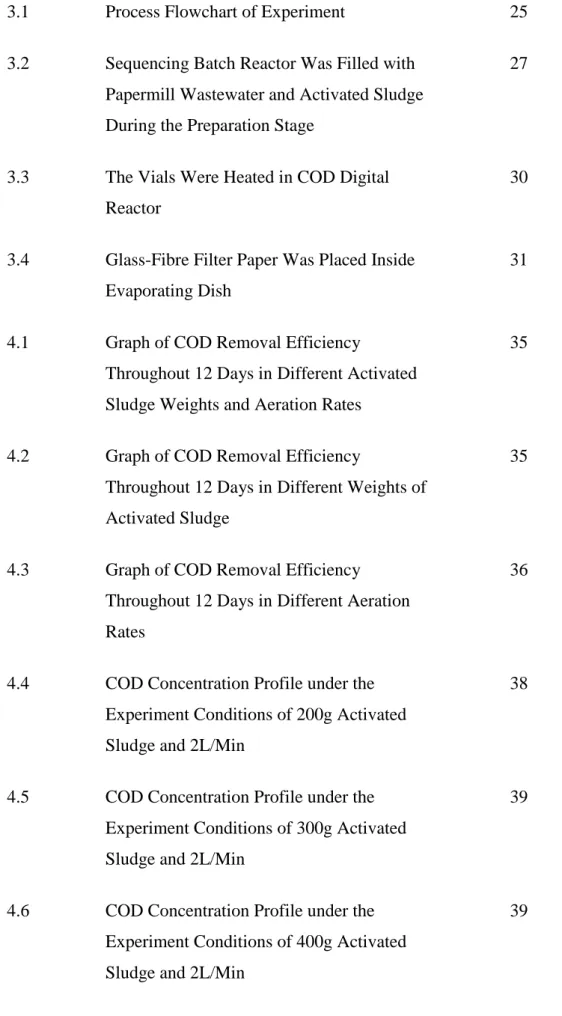
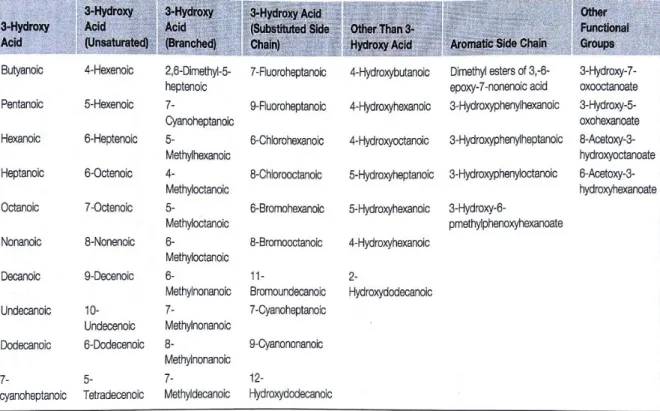
In this study, different activated sludge weights and aeration rates showed different results in COD removal efficiency. Therefore, a further study was conducted to investigate the effect of activated sludge weight aeration rate on the yield of PHA produced from paper mill wastewater.
Background
A necropsy revealed that dozens of plastic bags clogged the whale's stomach, which weighed a total of 7.7 kg. The waste found in the whale was in the pile of 80 shopping bags and other plastic materials, preventing the whale from absorbing nutritional food.
Biopolymer
Therefore, the development of biopolymers is a viable way to reduce the use of non-degradable polymers. There are many types of biopolymers that can be used in industrial fields, such as polylactide (PLA), polyhydroxyalkanoate (PHA), and polyglycolide (PGA). These biopolymers could be synthesized via fermentation of bacteria and extraction from genetically modified plants and biomass (Vroman and Tighzert, 2009).
Fossil fuel is widely used as plastic material due to the high demand in the manufacture of commercial products. It is a non-renewable and finite resource, but the rate of consumption of fossil fuels is much higher than the rate at which they can be regenerated through natural cycles. As a result, biopolymers become competitive when the availability of fossil fuels becomes lower and the price becomes higher than biopolymers' raw materials, such as corn and bacteria.
Thermal Properties
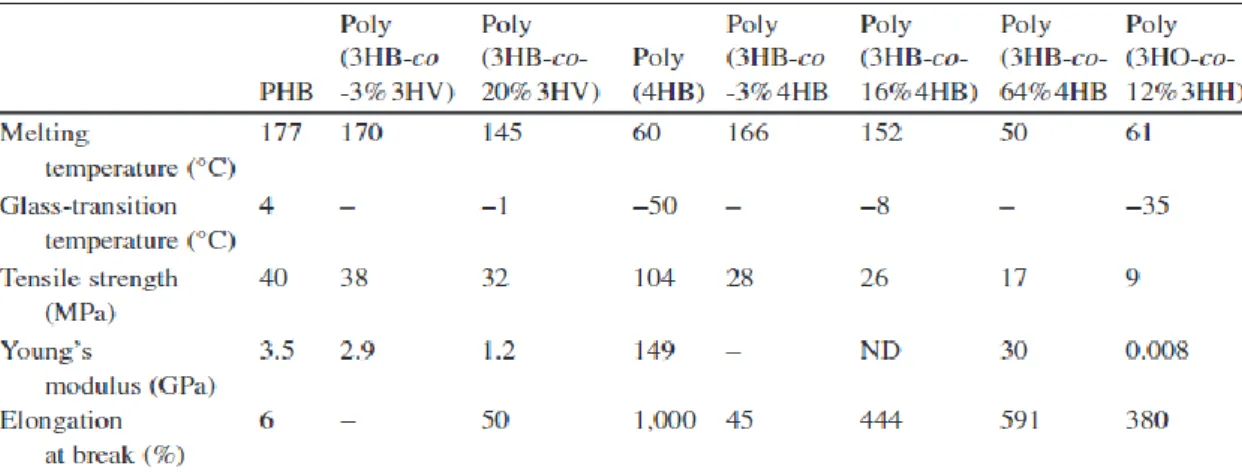
They have similar properties to traditional petroleum-based polymers, which have a wide range of mechanical, physical and chemical properties, chemical resistance and are easy to manufacture. Thermal expansion is defined as the expansion or contraction of a material in length, shape or volume due to a change in temperature. On the other hand, thermal conductivity is known as the rate of heat transfer through a unit thickness of a material from a high temperature region to a low temperature region per unit area per temperature difference (Bahrami, 2011).
Last but not least, thermal stress is the stress a material experiences due to expansion or contraction caused by temperature change. These thermal properties can further understand a material's glass transition temperature, melting temperature, and thermal degradation temperature, which are typically tested and measured to identify the optimum temperature at which a polymer can be manufactured and applied.
Biodegradation
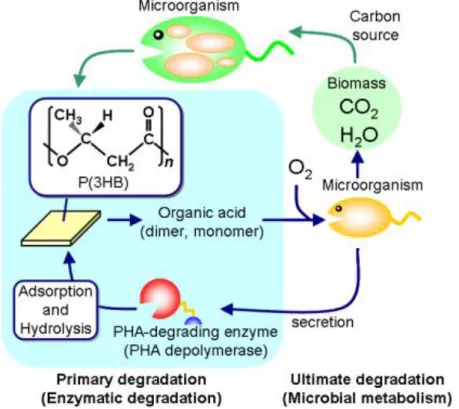
The mechanisms for the biodegradation of polymers are enzymatic degradation and hydrolysis, also known as bioerosion (Malla Reddy College of Pharmacy, 2014). On the other hand, surface erosion is the erosion that takes place only on the outer surface of the polymer, and the inner part of the polymer remains unchanged. In addition, enzymatic degradation is known as the degradation mediated by water, enzymes and microorganisms and finally broken down into simpler substances.
Problem Statement
PHA can be produced from paper mill wastewater and is a type of renewable, biodegradable, bio-based polymer in the form of polyesters. PHAs have the greatest diversity in terms of structure, resulting in the most inconsistent thermal properties, including melting temperature, glass transition temperature, and thermal decomposition temperature. Therefore, the objective of this study is to review the thermal and biodegradation properties of PHA produced from paper mill wastewater.
Objectives
Structure of Polyhydroxyalkanoates (PHA)
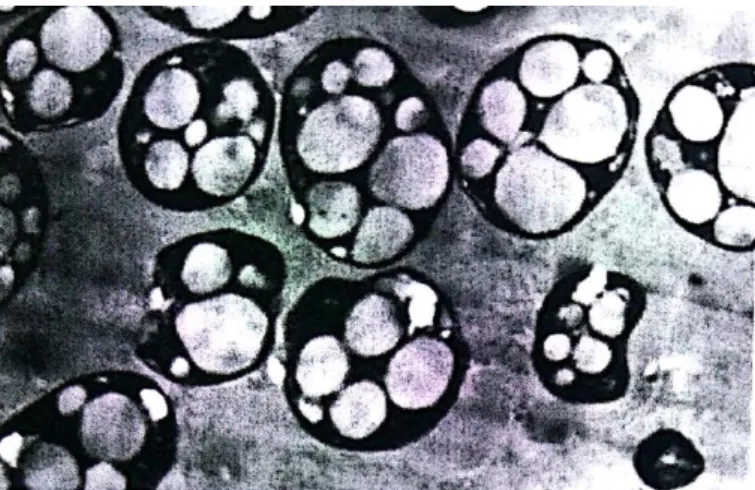
PHA synthesis can be maximized to 90% of the dry mass of some species as a polymer under certain specific fermentation conditions. Due to their biodegradability, they are attractive as potential alternatives to non-degradable petroleum-based polymers. Polyhydroxybutyrate (PHB) is classified as a short-chain PHA (scl PHA) due to its monomers comprising only 4 - 5 carbon atoms.
Although the production cost of PHA is relatively high compared to petroleum-based plastics, efforts are being made to develop PHA production processes such as fermentation, extraction and purification technologies. In addition, researchers are also focusing on improving bacterial strains to lower the price of PHA and ensure that it can compete with other biodegradable polymers such as PLA and aliphatic polyesters. Since almost half of the production cost of PHA depends on the cost of the carbon source, there is considerable interest in using low-cost carbon substrates for PHA production.
Types of PHAs
Poly[R-3-Hydroxybutyrate] (P[HB])
The low molecular weight PHB, also defined as complex PHB (cP3HB), acts as a ubiquitous cell constituent that exists in eubacteria, archaea and eukaryotes (Reusch, Hiske and Sadoff, 1986). Despite the low molecular weight cP3HB, microbial cell cytoplasm will produce high molecular weight P3HB and accumulate in the form of water-insoluble inclusion bodies. The high molecular weight P3HB gained a lot of interests in the 1960s and 1970s due to its thermoplastic property.
As of now, the ultra-high molecular weight P3HB has achieved the desired production due to advances in fermentation technology using a recombinant Escherichia coli cultured under specific conditions. It appears to reveal some improved properties compared to high molecular weight P3HB, which has high brittleness (de Graaf and Janssen, 2000). On the other hand, the complete degradation of ultra-high molecular weight P3HB at 25 °C in a natural freshwater river within a period of three weeks showed that it has good biodegradability.
Poly[R-3-Hydroxybutyrate-co-R-3-Hydroxyvalerate] (PHBV)
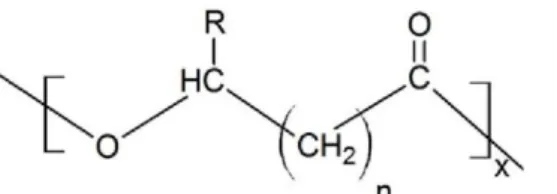
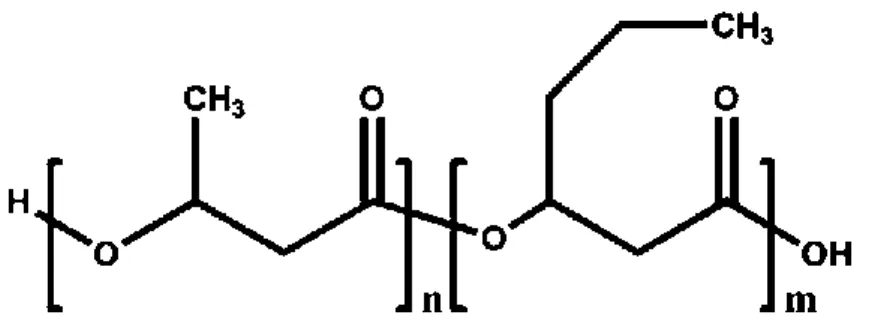
The molecular weight of this storage P3HB is typically in the range of 200,000 to 3,000,000 Da, and the value may be affected by the species of microorganisms and growth conditions. Due to its popularity, many studies have been conducted on it to determine its physical properties and discover its possible uses. PHBV has received much attention from researchers due to its properties and biodegradability (Singh et al., 2008). It can be synthesized using the same fermentation process as the PHB production process, by supplying propionic acid and glucose as the carbon source. .
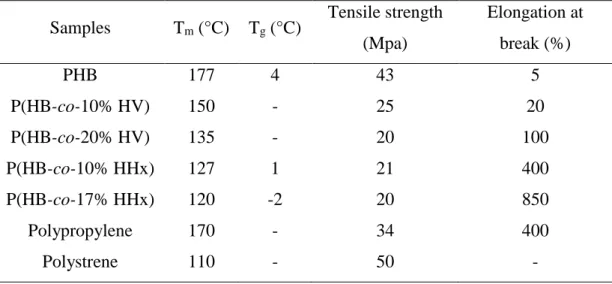
The melting temperature, glass transition temperature and crystallinity decrease with increasing HV content, thus improving the machinability and toughness of PHBV (Brunel, et al., 2014). The research shows that the melting point was significantly reduced while the HV content of PHBV increases from 0 to 50% (Wang, et al., 2013). Although a variety of different types of carbon sources could synthesize PHBV, the major barrier limiting the economic production of PHBV is the cost of the raw material, which accounts for 28–50% of the total production cost during microbial fermentation (Wong, et al., 2012) ) .
![Figure 2.5: Chemical Structure of Poly[R-3-Hydroxybutyrate-co-R-3- Poly[R-3-Hydroxybutyrate-co-R-3-Hydroxyvalerate] (PHBV) (Bastioli, 2005)](https://thumb-ap.123doks.com/thumbv2/azpdforg/10255583.0/28.892.251.661.517.699/figure-chemical-structure-poly-hydroxybutyrate-hydroxybutyrate-hydroxyvalerate-bastioli.webp)
Poly[3-Hydroxybutyrate-co-3-Hydroxyhexanoate] (PHBHHx)
Thermal Properties of PHA
The glass transition temperature of PHB would be reduced due to increased molecular motion by adding plasticizer. The cooling rate and nucleation density of PHB can also affect the nucleation rate and spherulite size of the blends. The poor resistance of PHB against thermal degradation has been the main problem during PHB processing.
To overcome this problem, the lubricant will be applied during the treatment of PHB to prevent breakdown of chains and to ensure. The production of PHB derivatives through the biosynthesis of co-polyesters containing PHB units with other 3-hydroxyalkanoate units, such as poly(3-hydroxybutyrate-co-hydroxyvalerate) (PHBV) or poly(3-hydroxybutyrate-co-3-hydroxyhexanoate) ) (PHBHHx), with different molar ratios of hydroxycarboxylic acids could improve the basic properties of PHB. Therefore, mixing PHB with plasticizers and nucleating agents is usually done to reduce the glass transition temperature and crystallinity by forming numerous, fine and imperfect crystallites.
Biodegradation Process
Subsequently, these decomposition products will be metabolized by the microorganisms into water and carbon dioxide. The types of PHA depolymerases can be classified into two types based on their degradation methods, which are extracellular degradation and intracellular degradation. This will occur in the state of nutrient depletion and intracellular PHA depolymerases will be synthesized to catalyze the intracellular degradation of PHA.
The distinction between extracellular and intercellular degradation is important because the biophysical states of PHA will vary according to the location of PHA with respect to in vivo and outside the cell. In addition to its benefits, the breakdown product components of PHA released into nature are non-toxic in nature. In addition, the study also shows that monomers of PHA may not be toxic, yet they can release some nutrients to the organisms.
Process Flowchart
Sequencing Batch Reactor
Wastewater and Aerobic Granules
Cultivation of Aerobic Granules
During the 12 days, the experiment was classified into non-full-cycle and full-cycle conditions. The chemical oxygen demand (COD) test was performed in the feeding phase and decanting phase daily. However, for the entire cycle day, the COD test was also performed every hour for 6 hours.
In addition, PHA extraction and MLSS assay were also performed on the full cycle day.
Effect of Activated Sludge Weight and Aeration Rate
Extraction of Polyhydroxyalkanoate (PHA)
The top layer was the sodium hypochlorite solution, the middle layer contained the cell debris, and the bottom layer consisted of PHA-enriched chloroform. To obtain the PHA-enriched solvent, the upper layer and middle layer of the mixture were removed by pipetting and simple filtration method, respectively. An empty 100mL beaker was weighed and the filtered solvent was transferred into the beaker.
The precipitated PHA formed as a dry solid layer at the bottom of the beaker. The weight of the beaker was measured again to calculate the weight of the recovered PHA. Equation 3.1 was used to calculate the PHA content of the collected aerobic granules.
Analysis Methods
- Chemical Oxygen Demand (COD) Measurement
- Mixed Liquor Suspended Solids (MLSS)
- Fourier Transform Infrared Spectroscopy (FTIR) Analysis
- Differential Scanning Calorimetry (DSC) Test
- Biodegradation Test
A glass fiber filter paper was then weighed and the sample was filtered through the filter disc using a multi-channel manifold filter. The filter paper was placed in the correct position in the device and a vacuum was applied continuously until all liquid contents had been removed. Then the filter paper was carefully removed from the filter and transferred to an evaporating dish, as shown in Figure 3.4.
Finally, the filter paper was dried in an oven at a range of 60 – 80°C for 24 hours to remove the moisture from filter paper. The filter paper was removed from the evaporation pan and its weight was measured after the drying process was done. FTIR analysis was performed to identify the organic and polymeric components that existed in the sample.