REVIEW ARTICLE
Oil Palm Economic Performance in Malaysia and R&D Progress in 2020
Vol. 33 (2) June 2021
RM30 per issue for Malaysians. USD15 per issue for international subscribers.
Allow 14 days for delivery after receipt of order.
JOURNAL OF OIL PALM RESEARCH, an international refereed journal, carries full-length original research papers, short communications and scientific review papers on various aspects of oil palm and palm oil and other palms.
JOURNAL OF OIL PALM RESEARCH is published four times per year, i.e.
March, June, September and December.
© Malaysian Palm Oil Board, 2021
All rights reserved. No part of this publication may be reproduced in any form or by any means without the written permission of the Malaysian Palm Oil Board.
Impact Factor:
1.564
data from 2019 Journal Citation Report® Science Edition – A Clarivate Analytics product.
For more information on advertisement for the JOURNAL OF OIL PALM RESEARCH, please write to:
Editor-in-Chief
Journal of Oil Palm Research
6 Persiaran Institusi, Bandar Baru Bangi 43000 Kajang, Selangor, Malaysia Tel: 603-87694400
Fax: 603-89259446 E-mail: [email protected] Website: www.mpob.gov.my
DISCLAIMER
Views of writers expressed in this publication are not necessarily endorsed by or represent the views of the Malaysian Palm Oil Board.
Published by the Malaysian Palm Oil Board ADVERTISEMENT RATES
POSITION RATE DIMENSION
Full Page (Black & White) RM600/USD300 Full page : 280 mm × 190 mm Full Page (Colour) RM800/USD400 Bleed : 300 mm × 210 mm REPRODUCTION MATERIAL
Advertisers are required to submit thier own black and white or colour artwork in CD
CLOSING DATES March Issue – 1 February June Issue – 1 May September Issue – 1 August December Issue – 1 November
Oil Palm Economic Performance in Malaysia and R&D Progress in 2020
Ghulam Kadir Ahmad Parveez; Azmil Haizam Ahmad Tarmizi; Shamala Sundram; Soh Kheang Loh; Meilina Ong- Abdullah; Kosheela Devi Poo Palam; Kamalrudin Mohamed Salleh; Sheilyza Mohd Ishak and Zainab Idris
Soil Fungal Composition and Diversity in Oil Palm Plantation at Sungai Asap, Sarawak, Malaysia Sharron Wong; Farah Melissa Muharam; Osamah Rashed and Khairulmazmi Ahmad
A Proof-of-Concept Study: Determining the Geographical Origin of Crude Palm Oil with the Combined Use of GC-IMS Fingerprinting and Chemometrics
Goggin, K A; Brodrick, E; Wicaksono, A; Covington, J A; Davies, A N andMurphy, D J
Isolation and Characterisation of Gibberellin 2-oxidase 6 Gene from Oil Palm (Elaeis guineensis Jacq.) Zatty Syamimi Adura, M S; Nurniwalis, A W and Zubaidah, R
Expression of Cadherin Gene in Bacillus thuringiensis Cry1A Toxin Resistant and Susceptible Strains of Tirathaba mundella
Calvin Tan Zhe Khai; Patricia King Jie Hung; Su Chong Ming; Ho Kok Lian and Lau Wei Hong
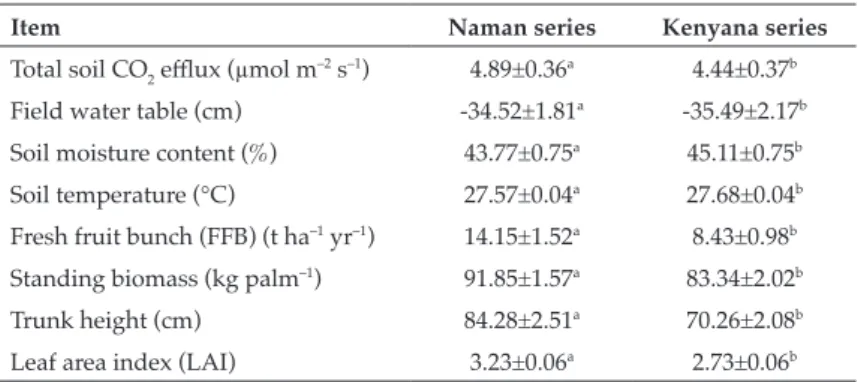
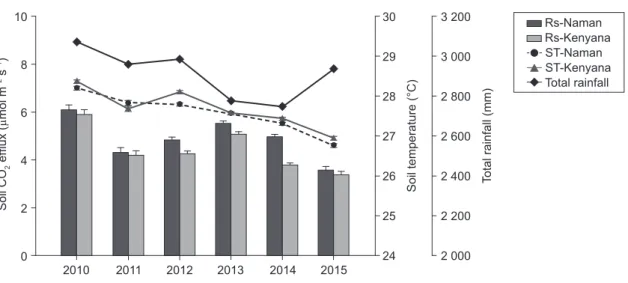
Soil Carbon Dioxide (CO2) Efflux Rate and Oil Palm Yield from Different Peat Types in Sarawak, Malaysia Hasimah Mos,; Mohd Haniff Harun; Kho Lip Khoon; Nur Maisarah Jantan; Afifah Abdul Razak; Nur Amanina Shahabuddin; Hasnol Othman; Norman Kamarudin; Ghulam Kadir Ahmad Parveez; Ahmad Kushairi Din;
Paramananthan Selliah; Ngab Dollah Salam and Yusri Yusup
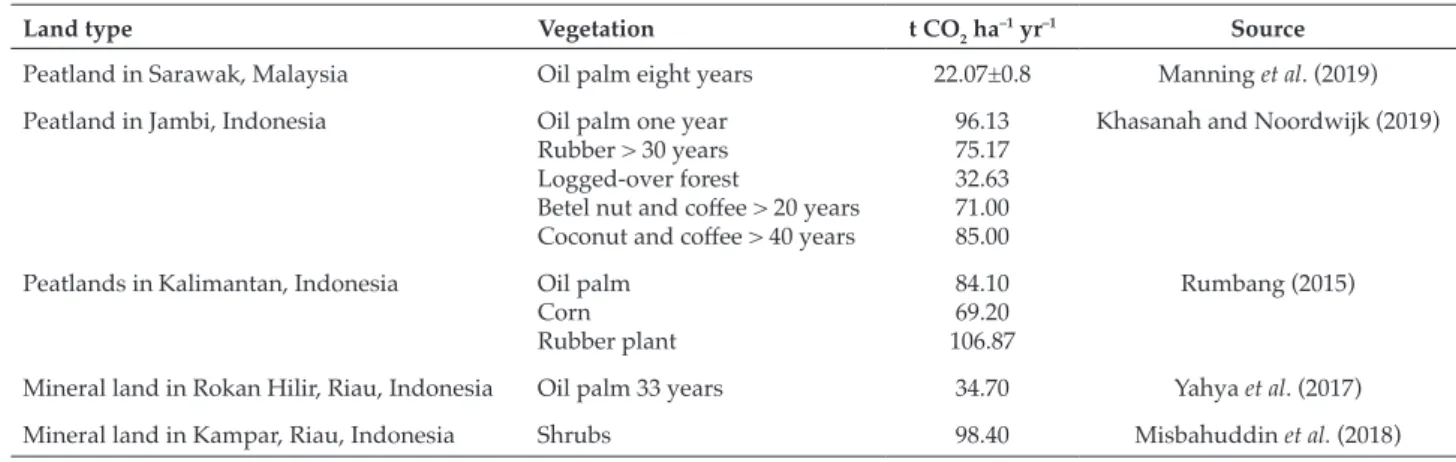
The Dynamic of Carbon Dioxide (CO2) Emission and Land Coverage on Intercropping System on Oil Palm Replanting Area
Sri Ambar Kusumawati; Sudirman Yahya; Hariyadi; Sri Mulatsih and Ida Nur Istina
Quantitative Approach for Irrigation Requirement of Oil Palm: Case Study in Chuping, Northern Malaysia Mohd Shahkhirat Norizan; Aimrun Wayayok; Yahya Abd Karim; Ahmad Fikri Abdullah and Muhammad Razif Mahadi,
Odour Exposure Level Measurement Surrounding Palm Oil Mill
Andrew Yap Kian Chung; Nastaein Qamaruz Zaman; Rohaya Mohamed Halim; Fatah Yah Abd Manaf and Nu’man Abdul Hadi
Investigation on the Effect of Monoglyceride Concentration on Palm Oil-based Alkyd Resin Preparation Ridzuan Ramli; Huei Ruey Ong; Chi Shein Hong; Md. Maksudur Rahman Khan; Rosli Mohd Yunus; Rohaya Mohamed Halim; Astimar Abdul Aziz; Zawawi Ibrahim and Muhammad Remanul Islam
Xylan Recovery from Dilute Nitric Acid Pretreated Oil Palm Frond Bagasse Using Fractional Factorial Design
Nurul Aishah Mazlan; Kamaliah Abdul Samad; Hafizuddin Wan Yussof; Rozaimi Abu Samah and Jamaliah Md Jahim Methanolic Extraction of Free Ferulic Acid from Oil Palm
Ng Mei Han
Growth Performance and Carcass Traits of Goats Fed with Oil Palm By-products Based Feed Pellet Nur Atikah Ibrahim; Wan Nooraida Wan Mohamed; ‘Abidah Md Noh and Mookiah Saminathan
Effect of Feeding Palm Oil Sludge as Partial Replacement of Maize in Growing-Finishing Pigs on the Growth Performance, Nutrient Digestibility and Blood Profiles
Temjennungsang; Samanta, A K; Ali, M A; Das, B Kand Girin, G K
Phase Behaviour of High, Medium and Low Melting Fractions in Lauric Fat Blends Formulated Based on Melting Triacylglycerol Group
Bangun Nusantoro; Yanty Noorzianna Manaf; Davy Van De Walle; Filip Van Bockstaele and Koen Dewettinck Blended Palm Fractions as Confectionery Fats: A Preliminary Study
Norazura Aila Mohd Hassim; Sivaruby Kanagaratnam and Noor Lida Habi Mat Dian
Potential of Syncephalastrum racemosum and Rhizopus arrhizus Isolated from Oil Palm Trunks Produce Chitosans That Inhibit the Growth of Ganoderma boninense
Fahrizal, M; Sarifuddin and Sabrina, T
SHORT COMMUNICATION
JOURNAL OF OIL PALM RESEARCH
Vol. 33 (2) June 2021 C O N T E N T S REVIEW ARTICLE
227 248 235 181
257 267 278 289 307 320 327 335 347 360 381
RESEARCH ARTICLES
215
299
PUBLICATION COMMITTEE
Dr Ahmad Parveez Ghulam Kadir Malaysia (Editor-in-Chief)
Dr Gee Ping Tou Malaysia
Dr Trevor Anthony Jackson New Zealand
Dr Carl Traeholt Malaysia
Prof Dr Tom Sanders United Kingdom
Prof Dr Matthias Finkbenier Germany
Mr Roch Desmier de Chenon Australia
Prof Dr Stanislav Miertus Slovakia
Dr Julie Flood United Kingdom Prof Douglas G Hayes USA
Prof Dr Dahlan Ismail Malaysia
Prof Dr Zarinah Hamid Malaysia
Prof Dr Dirk Prufer Germany
EDITORIAL BOARD
(1 January 2021 – 31 December 2021)
CHAIRPERSON Dr Ahmad Parveez Ghulam Kadir
SECRETARY Anita Taib
COMMITTEE MEMBERS Dr Zainab Idris
Dr Ramle Moslim Rosidah Radzian Dr Astimar Abdul Aziz Dr Mohamad Arif Abd Manaf Dr Idris Abu Seman
Dr Yeong Shoot Kian Dr Aki @ Zaki Aman Ruba’ah Masri Fauziah Arshad Mohd Saufi Awang Iptisam Abdul Wahab
AR TICLE IN PRESS AR TICLE IN PRESS
Journal of Oil Palm Research Vol. 33 (2) June 2021 p. 181-214 DOI: https://doi.org/10.21894/jopr.2021.0026
* Malaysian Palm Oil Board,
6 Persiaran Institusi, Bandar Baru Bangi, 43000 Kajang, Selangor, Malaysia.
E-mail: [email protected]
OIL PALM ECONOMIC PERFORMANCE IN MALAYSIA AND R&D PROGRESS IN 2020
GHULAM KADIR AHMAD PARVEEZ*; AZMIL HAIZAM AHMAD TARMIZI*; SHAMALA SUNDRAM*;
SOH KHEANG LOH*; MEILINA ONG-ABDULLAH*; KOSHEELA DEVI POO PALAM*; KAMALRUDIN MOHAMED SALLEH*; SHEILYZA MOHD ISHAK* and ZAINAB IDRIS*
ABSTRACT
The year 2020 faced unprecedented challenge for most of the global economic growth due to the outbreak of Coronavirus disease (COVID-19). Despite a downward trend performance of the Malaysian oil palm industry, particularly for the first half of 2020, the impact is less severe due to the encouraging palm oil export revenue through the National Economic Recovery Plan (PENJANA) which nurtures a notable increase in crude palm oil (CPO) price. In honouring the Malaysian pledge on forest conservation, land expansion for the oil palm cultivation remains stagnant over the years. The effort is now shifting towards enhancing the oil palm yield performance through new planting materials and good agricultural practices, coupled with systematic pest and disease management. Sustainability continues to be the key agenda of the oil palm industry, in moving forward to sustain the industry ecosystem. The industry is now open for innovative palm oil processes to comply with the dynamic and stringent food safety and quality standards and trade regulations. Owing to the distinction in food and feed applicability together with health prospects, translating the information into consumer-friendly language is becoming crucial for effective communication. Valorisation via the concept of ‘waste to wealth’ has compelled series of innovations in capitalising oil palm co-products for greener bioenergy and oleochemicals, and source of phytonutrients to generate higher earnings without having to heavily rely on palm oil trade as commodity. Mandatory enactment of the Malaysian Sustainable Palm Oil (MSPO) certification scheme has portrayed a success story of showing the utmost commitment towards sustainability. With persistent dedication, the oil palm industry is envisaged to be self-sustaining, amidst the never-ending challenges surrounding economy, well-being and environment.
Keywords: bioenergy, COVID-19, food safety and health, MSPO, oleochemicals, palm oil, sustainability, valorisation.
Received: 30 March 2021; Accepted: 21 May 2021; Published online: 11 June 2021.
INTRODUCTION
Palm oil sector is one of the crucial revenue earners for Malaysia’s economy after the electrical and electronic, petroleum and chemicals industries (MATRADE, 2021). The challenges in confronting the COVID-19 pandemic did not jeopardise its ranking as the fourth world’s largest producers of oils and fats in 2020 accounting at 8.1% of the
global total production (Oil World, 2020). Indeed, Malaysia is more prominent as the major exporter of palm oil, as reflected by 18.3% of the global oils and fats (17.37 million tonnes) while contributing to 34.3% of the total palm oil trade. The prevalence of COVID-19 pandemic, however, has shown less impact to most of the national oil palm industry performance indices particularly after the relaxation of movement restrictions, resumption of economic sectors in most countries and exemption of CPO export duty under the National Economic Recovery Plan or PENJANA. It is also worth to note that the aforesaid pandemic led to unexpectedly positive
REVIEW ARTICLE
AR TICLE IN PRESS AR TICLE IN PRESS
effects on the national oil palm industry evidenced tremendous increase of 29.2% from the previous year (RM2079.00 t–1), and this further reflected by the improvement of total export revenue by 8.4%.
Over the past few years, palm oil research is geared towards the sustainable development goals across the oil palm supply chain. Despite all the efforts made, palm oil cultivation is recently reported to adversely impacting the environment associated to deforestation, biodiversity and carbon footprint (Meijaard et al., 2020). Furthermore, the issues on nutrition and health relating to palm oil are imposed to suppress its applicability and potential use in food applications. Food safety concerns with regard to 3-monochloropropane-1,2-diol esters (3-MCPDE) and glycidyl esters (GE) have reached their pinnacles when the European Commission (EC) implemented the maximum limits of these contaminants in edible oils and fats on 1 January 2021 for 3-MCPDE (Commission Regulation (EU) 2020/1322, 2020) in addition to 19 March 2018 for GE (Commission Regulation (EU) 2018/290, 2018).
Notwithstanding this, the world’s reliance to palm oil is undeniable witnessing its significant global export in 2020 surpassing, 50% in comparison to other leading vegetable oils (Oil World, 2020).
In order to remain sustainable and competitive globally, it is imperative to combat the aggravating environmental issues and move forward so that palm oil meets the quality and safety standards, hence gaining international recognition. Such effort can be seen from the commitment of the Malaysian Government to fully implement sustainable palm oil cultivation and processing practices across the whole value and supply chains through the Malaysian Sustainable Palm Oil (MSPO) certification scheme effectively from 1 January 2020. This initiative would enlighten the image of the national’s palm oil in the arena of sustainability and to cater the demand of certified palm oil from the global markets. In order to safeguard the palm oil trade and authenticate the viability of palm oil industry, more proactive research and development (R&D) is needed to address outstanding issues particularly those requiring immediate action.
This article reviews the oil palm industry performance for the year 2020 as well as the key findings from some of the published scholars locally and internationally in the respective year.
The discussion will emphasise on the current research advancement and innovation across the oil palm supply chain covering the upstream, midstream and downstream sectors so that the oil palm industry remains competitive and resilient.
Finally, this review will highlight the strategies and directions to strive for the betterment of the oil palm industry performance in the coming years.
PERFORMANCE OF THE MALAYSIAN OIL PALM INDUSTRY
The year 2020 has been very tough as the COVID-19 pandemic disrupted the global political, social, economic and financial structures (Verma et al., 2021). In the light of the Malaysian palm oil industry, the pandemic has led the industry to experience a slowdown in the production, export demand and prices particularly at the beginning of the year. Approaching second half of the year, many countries have re-opened their economic sectors through the relaxation of movement restrictions and the Malaysian government has exempted the export duty of crude palm oil (CPO), crude palm kernel oil (CPKO) and refined, bleached and deodourised (RBD) palm kernel oil (PKO) from 1 July 2020 until 31 December 2020 under the PENJANA. This positive environment has led to the recovery of export demand of palm oil and other oil palm products despite the tight supply of CPO. In the end, the palm oil stock level in the country has subsequently reduced, hence improving its price. Overall, the year 2020 had witnessed the declining of Malaysian oil palm planted area, CPO production as well as palm oil exports, imports and stocks decline but an unexpected improvement in the CPO price and export revenue of palm oil products in comparison to the previous year.
Planted Area
Oil palm planted area in 2020 had reached 5.87 million hectares, which denoted a marginal drop of 0.6% (5.90 million hectares) recorded in the previous year. This is mainly attributed by the reduction of the planted area in the Peninsular Malaysia by 1.1%
or 13 280 ha (Table 1). The restriction of the oil palm expansion and the delay in the oil palm replanting are primarily associated with the imposition of movement control order (MCO) that contributes to the downturn in planted area. Sarawak remains the largest oil palm planted state owing 1.58 million hectares or 27.0% of the total Malaysian oil palm planted area, and subsequently Sabah and Pahang with 1.54 million hectares and 0.78 million hectares, respectively.
The oil palm matured area reported for 2020 is 5.23 million hectares which accounts for 89.2% of the total oil palm planted area (Table 2). Sarawak has a total of 1.43 million hectares of matured oil palm trees constituted by 90.3% of total oil palm planted area in the respective state. With regard to ownership, oil palm plantation consists of approximately 4.24 million hectares which accounts for 72.2% of the total planted area (Table 3). On the other hand, organised and independent smallholders only hold 11.5% and 16.3% of the total share of the oil palm planted area, respectively. In comparison from the previous year,
OIL PALM ECONOMIC PERFORMANCE IN MALAYSIA AND R&D PROGRESS IN 2020
AR TICLE IN PRESS AR TICLE IN PRESS
the total planted areas from both organised and independent smallholders have dropped for which the latter encountered 0.4% loss due to the shrinkage in the planted area.
Status of Mills and Plants
A total of 457 oil palm mills in Malaysia are in operation in 2020 with a total processing capacity of 116.81 million tonnes of fresh fruit bunches (FFB) per year of which 53.0% of the oil palm mills were located in the Peninsular Malaysia (58.16 million tonnes) (Table 4). The current year also witnessed a 4.40% depreciation in the milling capacity by 83.30% when compared to 87.16% in 2019 as a result of lower FFB production.
In the refining sector, a total of 50 palm oil refineries were in operation in 2020 with a total processing capacity of 25.35 million tonnes of CPO and CPKO. About 35 refineries are located in the Peninsular Malaysia with a total processing capacity
of 14.84 million tonnes. The refining capacity showed a reduction of 8.50% from 72.12% to 66.02%
in comparison to the previous year due to lower CPO production but higher CPO exportation.
There are a total of 42 Malaysian palm kernel crushers in operation in 2020 with a total processing capacity of 7.17 million tonnes. About 61.90% or 26 palm kernel crushers are located in the Peninsular Malaysia with a total processing capacity of 4.40 million tonnes. The palm kernel crushing capacity declined by 1.50% from 65.47% in 2019 to 64.48%
because of inferior palm kernel supply arising from lower FFB production.
In 2020, a total of 20 Malaysian oleochemical plants and 19 biodiesel plants are in operation with processing capacities at 2.63 million tonnes and 2.23 million tonnes, respectively. The oleochemical and biodiesel plants are mainly located in Selangor and Johor with eight and seven oleochemical plants respectively, and six biodiesel plants are located in Selangor and Johor, respectively.
TABLE 1. MALAYSIAN OIL PALM PLANTED AREA AS AT DECEMBER (million hectares)
Planted area
2020 2019 Difference (%)
Peninsular Malaysia 2.74 2.77 (1.1)
Sabah 1.54 1.54 (0.1)
Sarawak 1.58 1.59 (0.1)
Malaysia 5.87 5.90 (0.6)
Source: Department of Statistics Malaysia (2021).
TABLE 2. MALAYSIAN OIL PALM MATURED AREA AS AT DECEMBER (million hectares)
Matured area
2020 2019 Difference (%)
Peninsular Malaysia 2.46 2.44 0.5
Sabah 1.34 1.35 (0.7)
Sarawak 1.43 1.42 0.9
Malaysia 5.23 5.22 0.3
Source: MPOB (2021).
TABLE 3. DISTRIBUTION OF OIL PALM PLANTED AREA BY OWNERSHIP IN MALAYSIA AS AT DECEMBER (million hectares)
Ownership 2020 2019
ha % ha %
Plantation 4.24 72.2 4.23 71.7
Organised smallholders 0.67 11.5 0.68 11.6
Independent smallholders 0.96 16.3 0.99 16.7
Source: MPOB (2021).
AR TICLE IN PRESS AR TICLE IN PRESS
TABLE 4. NUMBER OF OIL PALM MILLS, REFINERIES, PALM KERNEL CRUSHERS, OLEOCHEMICAL PLANTS AND BIODIESEL PLANTS AND THEIR CAPACITIES IN
MALAYSIA IN 2020
Facility No. Processing capacity
(million tonnes per year) Oil palm mill
Peninsular Malaysia 242 58.16
Sabah 132 34.65
Sarawak 83 24.01
Malaysia 457 116.81
Palm oil refinery
Peninsular Malaysia 35 14.84
Sabah 9 7.24
Sarawak 6 3.28
Malaysia 50 25.35
Palm kernel crusher
Peninsular Malaysia 26 4.40
Sabah 12 2.07
Sarawak 4 0.70
Malaysia 42 7.17
Oleochemical plant
Selangor 8 0.80
Johor 7 0.68
Others 5 1.16
Malaysia 20 2.63
Biodiesel plant
Johor 6 0.85
Selangor 6 0.67
Sabah 3 0.40
Others 4 0.32
Malaysia 19 2.23
Source: MPOB (2021).
CPO Production
Malaysian CPO production in the first quarter of 2020 was significantly lower by 22.1% when compared to the corresponding period of 2019. It is also reported that decreasing CPO production is contributed by lower FFB supply, and partly attributed by the dry season in early 2019, low fertiliser application during low CPO price in 2019 and flood in most areas in Malaysia due to northeast monsoon season (CPOPC, 2020; Leng, 2020). The highest CPO production was recorded in June 2020 (1.89 million tonnes) while the lowest production was observed in January (1.17 million tonnes). Overall, the CPO production in the current year portrayed a drop from 19.86 million tonnes in 2019 to 19.14 million tonnes where Sabah witnessed a notable reduction by 7.7%
(Table 5).
The FFB yield for 2020 went down by 2.7% (16.73 t ha–1) in comparison to 17.19 t ha–1 in 2019 due to lower yield performance in the first quarter of 2020 (Table 6). Comparable to that of the CPO production, all regions experienced FFB yield decline, especially in Sabah and Sarawak, which recorded a notable decline of 4.6% and 3.7% to 16.84 t ha–1 and 14.99 t ha–1, respectively. Similarly, the oil extraction rate (OER) dropped by 1.4% from 20.21% (2019) to 19.92%
in 2020 reflecting the inferior quality of FFB supplied to the palm oil mills (Table 7). On a monthly year- on-year comparison, OER performance for 2020 was found lower throughout the year in correspondence to the previous year; June 2020 recorded the lowest OER at 19.47% while the highest OER was achieved in October 2020 at the rate of 20.36%. Sarawak suffered severe OER reduction by 2.0% (19.62%) whereas OER loss in Sabah was published at 1.1%
(20.74%).
OIL PALM ECONOMIC PERFORMANCE IN MALAYSIA AND R&D PROGRESS IN 2020
AR TICLE IN PRESS AR TICLE IN PRESS
Exports
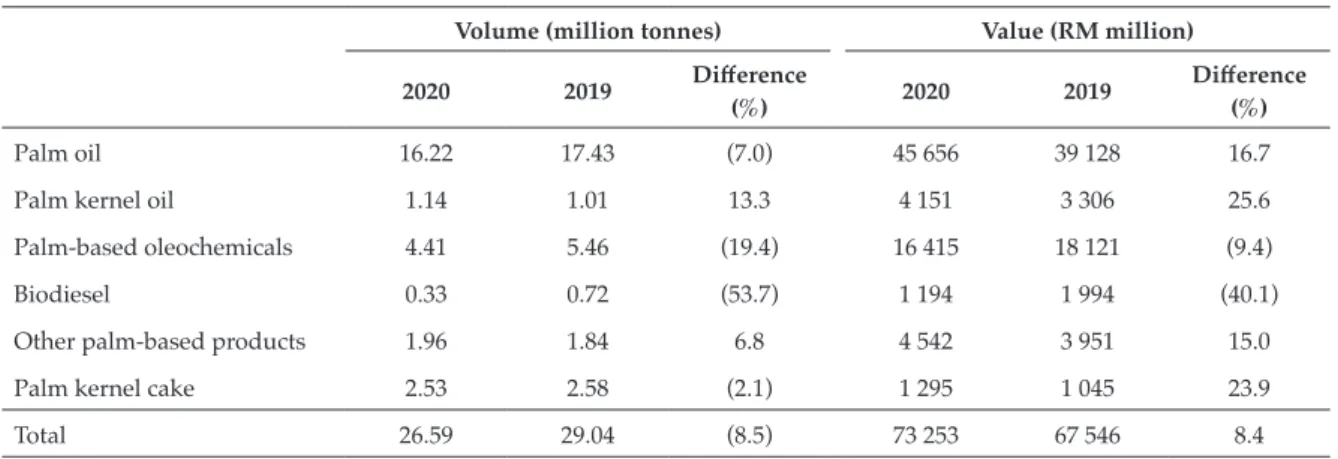
According to the Department of Statistics Malaysia, the total exports of oil palm products in 2020 stood at 26.59 million tonnes, down by 8.5%
against 29.04 million tonnes reported in 2019 because of weakening in palm oil, palm-based oleochemicals and biodiesel exportation (Table 8). Exports of palm oil for 2020 was 16.22 million tonnes, which was reflected by a significant decrease of 7.0% from 17.43 million tonnes in 2019, primarily caused by lower CPO production. On the other hand, exports of PKO in 2020 had surged by 13.3% to 1.14 million tonnes from 1.01 million tonnes in 2019 due to the higher demand from the European Union (EU), China and USA. Meanwhile, exports of palm-based oleochemicals and biodiesel had also dropped substantially by 19.4% and 53.7% to 4.41 million tonnes and 0.33 million tonnes, respectively, due to lower demand from the EU and China.
In spite of low exports performance, the total export revenue for palm products had increased by
8.4% to RM73.25 billion from RM67.55 billion in 2019 due to higher export prices of palm oil and other oil palm products in 2020. Export revenue of palm oil and PKO surged by 16.7% and 25.6% to RM45.66 billion and RM4.15 billion in 2020, respectively. In the case of palm-based oleochemicals and biodiesel, the higher prices in 2020 eased the export revenue loss to 9.4% and 40.1%, respectively.
Imports
The importation of Malaysian oil palm products stood at 1.29 million tonnes in 2020, down by 1.7%
from 1.31 million tonnes in 2019. Palm oil represents 73.6% of total Malaysian imports of oil palm products for 2020, followed by PKO (21.7%) and palm kernel (4.6%) (Table 9). Imports of palm oil declined by 3.1%
to 0.95 million tonnes from 0.98 million tonnes in 2019 which was associated with lesser demand from domestic palm oil refining and processing sector by 13.9% to 17.51 million tonnes as against 20.34 million tonnes in 2019.
TABLE 5. MALAYSIAN CRUDE PALM OIL (CPO) PRODUCTION (million tonnes)
2020 2019 Difference
Volume %
Peninsular Malaysia 10.44 10.58 (0.14) (1.4)
Sabah 4.65 5.04 (0.39) (7.7)
Sarawak 4.05 4.24 (0.18) (4.3)
Malaysia 19.14 19.86 (0.72) (3.6)
Source: MPOB (2021).
TABLE 6. MALAYSIAN FRESH FRUIT BUNCHES (FFB) PRODUCTIVITY (t ha–1)
2020 2019 Difference
Volume %
Peninsular Malaysia 17.76 17.95 (0.19) (1.1)
Sabah 16.84 17.66 (0.82) (4.6)
Sarawak 14.99 15.56 (0.57) (3.7)
Malaysia 16.73 17.19 (0.46) (2.7)
Source: MPOB (2021).
TABLE 7. MALAYSIAN OIL EXTRACTION RATE (OER) (%)
2020 2019 Difference
Volume %
Peninsular Malaysia 19.68 19.93 (0.25) (1.3)
Sabah 20.74 20.97 (0.23) (1.1)
Sarawak 19.62 20.03 (0.41) (2.0)
Malaysia 19.92 20.21 (0.29) (1.4)
Source: MPOB (2021).
AR TICLE IN PRESS AR TICLE IN PRESS
Closing Stocks
Palm oil closing stocks in December 2020 was lower by 37.0% to 1.27 million tonnes vis-à-vis 2.01 million tonnes recorded in December 2019, mainly due to lower palm oil production (Table 10). All the three regions in Malaysia experienced a substantial reduction in the palm oil stocks with major drop recorded in Sarawak and Sabah by 52.1% and 45.9%
to 0.17 million tonnes and 0.35 million tonnes, respectively.
Price
All major oil palm products were highly traded in 2020 as opposed to 2019 (Table 11). Local CPO price peaked by 29.2% or RM606.50 t–1 to RM2685.50 t–1 when compared to RM2079.00 t–1 in 2019. The highest traded CPO price for 2020 was reported in December amounting at RM3620.50 t–1 while the lowest was recorded in May at RM2074.00 t–1. The higher CPO price in 2020 was in line with the higher prices of other major vegetable oils in the global market due to the supply disruptions in key edible oils as well as lower palm oil supply, which in turn indicates lower palm oil stocks in 2020 (CPOPC, 2020).
Following the increase in CPO price, export prices of major processed palm oil products namely RBD palm oil, RBD palm olein and RBD palm stearin in 2020 had showed an increment by 28.6% (RM2887.00 t–1), 27.2% (RM2844.00 t–1) and 29.1% (RM2801.00 t–1), respectively while the price of palm fatty acid distillate (PFAD) rose by 40.9%
(RM2546.00 t–1).
In the lauric-based market, the price of palm kernel increased by 26.2% (RM1532.00 t–1) compared to RM1214.00 t–1 in 2019 mainly due to the higher domestic CPKO price. Moreover, the CPKO price in 2020 improved by 23.6% (RM3247.00 t–1) in comparison to RM2626.50 t–1 as reported in the previous year. The higher CPKO price in 2020 was in agreement with higher PKO price in the global market by USD158.00 or 23.7% (USD826.00 t–1) which coincided with higher price in coconut oil by USD276.00 or 37.4% (USD1014.00 t–1).
Conforming to the substantial increase in CPO and palm kernel prices, FFB price at 1% OER in 2019 had increased by 34.7% to RM28.51 as opposed to RM21.17 in 2019. With reference to the national OER, FFB price in 2020 was equivalent to RM561.00 t–1, which was higher by 32.9% when compared to RM422.00 t–1 reported in 2019.
TABLE 8. MALAYSIAN EXPORTS OF PALM OIL AND OIL PALM PRODUCTS Volume (million tonnes) Value (RM million) 2020 2019 Difference
(%) 2020 2019 Difference
(%)
Palm oil 16.22 17.43 (7.0) 45 656 39 128 16.7
Palm kernel oil 1.14 1.01 13.3 4 151 3 306 25.6
Palm-based oleochemicals 4.41 5.46 (19.4) 16 415 18 121 (9.4)
Biodiesel 0.33 0.72 (53.7) 1 194 1 994 (40.1)
Other palm-based products 1.96 1.84 6.8 4 542 3 951 15.0
Palm kernel cake 2.53 2.58 (2.1) 1 295 1 045 23.9
Total 26.59 29.04 (8.5) 73 253 67 546 8.4
Source: Department of Statistics Malaysia (2021).
TABLE 9. MALAYSIAN IMPORTS OF OIL PALM PRODUCTS (million tonnes)
2020 2019 Difference
Volume %
Palm oil 0.95 0.98 -0.03 (3.1)
Palm kernel oil 0.28 0.26 0.02 7.9
Palm kernel 0.06 0.07 -0.01 (18.0)
Total 1.29 1.31 -0.02 (1.7)
Source: MPOB (2021).
OIL PALM ECONOMIC PERFORMANCE IN MALAYSIA AND R&D PROGRESS IN 2020
AR TICLE IN PRESS AR TICLE IN PRESS
R&D FOCUS AREAS IN 2020
Biotechnology and Green Approaches in Upstream The demand of palm oil has been in continuous growing trend over the years. To meet this demand, large conversion of tropical peatlands in the last decade with more than 3.1 million hectares area have been cultivated with oil palm (Miettinen et al., 2016). While tropical peatland in the South East Asia (SEA) cover more than half of the global peatlands area, it is Malaysia and Indonesia which occupy the largest areas (Page et al., 2011). The significant peatland conversion has sparked an on-going debate internationally, predominantly due to the loss of biodiversity, ecosystem carbon emissions, reduced carbon sink source and loss of flood regulators (Kiew et al., 2020; Lupascu et al., 2020; Meijaard et al., 2020). Most of the articles in 2020 narrated the negative impacts of tropical and peatland conversion for agricultural purposes.
Several articles reported a significant loss in bacterial, macrofungi and spider community diversity (Kusai and Ayob, 2020; Potapov et al., 2020; Shuhada et al., 2020) while Cooper et al. (2020)
highlighted the importance to include the different stages of peatlands conversion in estimating global warming potential (GWP). The net impact of forest conversion to oil palm was found nearly doubling GWP over a period of 30 years.
Besides the general negative accounts of peatlands conversion by scientific findings, the role of media coverage in providing misleading claims on the peatlands sustainability; an article, denialist narrative as analysed by Liu et al. (2020) had heavily criticised the role of media in supporting unproven claims on peatland cultivation, influenced by political and socio-economic nuances respective to the country. On the contrary, a big data analytics study had found the same media specifically discusses the role of social media that drives negative public perception on palm oil through on- going online discussions and campaigns despite the continuous efforts by the oil palm industry to lift the negative perception (Teng et al., 2020). Ultimately, we foresee the amalgamation of these reports with the conscious move by Malaysian government prohibiting future oil palm planting on peatlands in 2019, reflecting its commitment to establish oil palm as a sustainable crop. The oil palm industry strives
TABLE 10. MALAYSIAN PALM OIL CLOSING STOCKS AS AT DECEMBER (million tonnes)
2020 2019 Difference
Volume %
Peninsular Malaysia 0.74 1.00 (0.26) (25.9)
Sabah 0.35 0.65 (0.30) (45.9)
Sarawak 0.17 0.36 (0.19) (52.1)
Malaysia 1.27 2.01 (0.74) (37.0)
Source: MPOB (2021).
TABLE 11. MALAYSIAN PRICES OF OIL PALM PRODUCTS (RM t–1)
2020 2019 Difference
RM t–1 %
CPO 2 685.50 2 079.00 606.50 29.2
RBD palm oil 2 887.00 2 245.50 641.50 28.6
RBD palm olein 2 844.00 2 236.50 607.50 27.2
RBD palm stearin 2 801.00 2 169.00 632.00 29.1
PFAD 2 546.00 1 807.00 739.00 40.9
Palm kernel 1 532.00 1 214.00 318.00 26.2
CPKO 3 247.00 2 626.50 620.50 23.6
FFB at 1% OER 28.51 21.17 7.34 34.7
Note: CPO - crude palm oil; RBD - refined, bleached and deodourised; PFAD - palm fatty acid distillate;
CPKO - crude palm kernel oil; FFB - fresh fruit bunches; OER - oil extraction rate.
Source: MPOB (2021).
AR TICLE IN PRESS AR TICLE IN PRESS
hard and continues to innovate and address the negative social impacts implied on palm oil trade with some of the perceptions illustrated in the 57 case studies reported by Ayompe et al. (2021).
The potential threat and impact of climate change on the environment and livelihood of people is acknowledged especially in the agricultural sector and the economy. A 30 years’ time series data on oil palm production found a significant negative relationship between annual average temperatures and oil palm production (Sarkar et al., 2020). A maximum of 41% of oil palm production decrease was recorded for a 4°C temperature rise and a similar impact was also recorded by the sea level rise. The authors suggest several mitigation strategies to methodically reduce the negative impacts but requires revamping the current water and agriculture policies while providing adequate trainings to planters with viable financial aid.
The multibillion-dollar industry requires greater attentions to investigate impacts of palm oil production compared to alternatives for the trade- offs to be assessed at a global scale (Meijaard et al., 2020).
Research in the past decade recognises the well- being of the below ground, soil as one of the most pertinent backbone of the agriculture sector. Looking back a few decades ago, the mainstream research in oil palm industry has always been predominantly focusing on the above ground which is the yield while unconsciously neglecting below ground.
The scenario is further aggravated by activities such as agronomic practices, fertiliser and chemical applications, and land use changes that took place in agriculture which negatively impact the general soil health in the long run (Sundram et al., 2019). With sustainable development sought after in each sector of the supply chain, research is emphasised more in sustainable approaches of fertiliser management in the field. This conventional assessment for nutrient deficiency requires in situ leaf sampling which then goes through laborious and lengthy protocols. This additional activity increases the production cost of the already overly dependent industry with foreign labour. Therefore, any reduction in labour and cost of production is highly welcomed by the industry.
Yadegari et al. (2020) investigated the use of satellite imagery in determining nitrogen deficiency in field. The technique used vegetative indices (VI) via SPOT-7 satellite images and compared the predicted satellite data and actual leaf analysis with an accuracy of 77%. The approach allows appropriate dosage of nutrients to be applied to the palm, to avoid excessive application that will lead to environmental and ecological disruption. Whilst the application of agrochemicals is an integral component in the well-being of palm, it is still not recognised as a sustainable practice and affects the soil health in the long run. Leveraging on the
prospect of sustainable approaches, the mixing of 75% cow manure together with 25% nitrogen, phosphorus and potassium (NPK) compounds fertiliser was found to give the best vegetative growth among the five dosages examined on pre and main nursery seedlings (Adileksana et al., 2020).
These are some of the optimisations that can be incorporated into best management practices (BMP), which has the appropriate fertiliser application in achieving optimum production. Despite the fact that BMP in oil palm is well established, failing to adopt the practices will result in yield declines as seen in the two studies reported in Ghana and Cameroon (Kome et al., 2020; Rhebergen et al., 2020).
The studies identified production issues such as labour constraints, and funding limitations apart from recognising characteristics such as variation in soil properties which contribute to compromised yield. Both studies identified the intrinsic details that led to the decline and recommended mitigation approaches in addressing the yield decline. Besides the need for the industry to establish sustainable farming, active agronomic research using advanced technological methods need to be performed, by focusing on yield improvements and incorporating green technologies for the sustainable well-being of the palm. One such research area which needs to be explored intensely in the oil palm cultivation is the identification of nutrient solubilising microbes (NSB) as a long-term programme, either to replace or to be used in combination with agrochemicals in the future.
The description of an undesirable presence of organisms in agriculture is commonly referred to as pest and diseases (P&D), particularly when grievous losses to agricultural sector is experienced, hence affecting the national economy. The oil palm industry is no exception in facing multifaceted challenges which include the severe yield decline incurred by the P&D infestation. In Malaysia for instance, P&D research is mainly driven by the significant economic losses suffered by the industry which then navigates investment to focus more on the biology, early detection and control of these P&D. Chemical application promises an almost immediate control of P&D outbreaks, but the approach is not sustainably commended due to its harmful effects on beneficial insects, microbial community and chemical residues. Therefore, green approaches using naturally occurring enemies are more preferred, which play a key role in integrated pest management (IPM). Natural predators such as Sycanus dichotomus STAL. and Bacillus thuringiensis are among the two naturally occurring enemies in the environment and can be formulated to control bagworm in oil palm fields. Ahmad et al. (2020b) found the adult stage of S. dichotomus as a potential predator of bagworm based on the voracity and predation rate. The study has completed its initial
OIL PALM ECONOMIC PERFORMANCE IN MALAYSIA AND R&D PROGRESS IN 2020
AR TICLE IN PRESS AR TICLE IN PRESS
laboratory stage and will be expanded to assess the dynamics of the control in the field.
Moving on to a more established biocontrol agent (BCA) of bagworm, the bacterium, B.
thuringiensis’ (Bt.) performance as a BCA has been influenced by the fermentation protocols during its cultivation stage. Masri and Ariff (2020) reported that intermittent fed-batch cultivation recorded higher mortality rate at 80% after seven days of treatment. This is an interesting finding considering the fact that the method of Bt. cultivation influences its toxicity towards its target pest and establishes that the efficiency and performance of Bt. depend largely on the control and monitoring of every step of production and delivery of any Bt. are in fact crucial. A more innovative approach in pest control is explored by a group of researchers that investigated the transcriptome dataset from four different developmental stages of Metisa plana (Rahmat et al., 2020). The study found seven regulatory genes in chitin biosynthesis; an important biosynthesis pathway across each development stage of the pest.
RNAi-mediated pest management by targeting certain pathways to cease the chitin biosynthesis in the leaf defoliator is proposed. More than a decade ago, red palm weevil (RPW) emerged as a potential threat to the local coconut industry. Initial records only reported the infestation in 58 localities which then quickly spread to 858 localities in Terengganu within a short span of four years (DOA, 2011). The pest was then reported to be able to transit in oil palm with no damage or reports of outbreak. Whilst being mindful on the potential threat on oil palm, immediate surveys and research investigations were initiated. Based on the two studies reported in 2020, the pest preferred bait from pineapple tissue to oil palm or coconut tissues while the artificial infectivity of the pest in oil palm seedlings indicated compromised physiological readings (Haris- Hussain et al., 2020; Harith Fadzilah et al., 2020).
More studies should be conducted to investigate and suggest measures to prevent, mitigate and to understand the potential threat imposed by the pest as part of the biosecurity plan of oil palm.
It is very interesting to note that the year 2020 had witnessed the overwhelming increase in studies conducted on one of the deadliest oil palm diseases in SEA countries namely basal stem rot (BSR) caused by a white rot fungi Ganoderma boninense. More than 60 articles covering various research areas of the pathogen were published and can be categorised as follows: (1) early detection methodologies; (2) chemical-based controls; (3) BCA articles; (4) plant- pathogen interactions at cellular and molecule; (5) genetic diversity of the pathogen; (6) economic impact of disease, and finally (7) soil characteristics on disease development. The oil palm industry is already witnessing the impact of the disease prevalence increase over the years with all evidence
leading to the significant reduction in productivity.
Evidently, the highest number of publications recorded in 2020 was also coincidentally on the control and early detection of the disease. To begin with, Olaniyi and Szulczyk (2020) published an interesting forecast of the economic damage caused by BSR disease. The article discussed on the potential economic damage based on four infection rates and treatment costing models. Despite the fact that BSR is a slow-spreading disease, the model stimulation predicts significant economic losses by 2040. Nevertheless, the predictive models did not include the effect of prevention and surveillance as part of the disease mitigation measures which in turn reinforces the need to increase research activities in preventing and controlling the disease.
Additionally, climate change was also noted to affect BSR incidences in oil palm cultivation by 2050 (Paterson, 2019).
Timely prevention with effective mitigation measures are important components of both integrated disease management (IDM) and integrated pest management (IPM) which also requires a reliable early detection of the P&D.
Among the early detection tools, multispectral and hyperspectral remote sensing imaging have been explored quite extensively in the past decade with most reports reporting its efficiency on field palms (Izzuddin, et al., 2020). A similar approach was then designed to detect early infection of the disease but at the seedlings stage via the spectral reflectance with an accuracy of 100% for disease classification (Noor Azmi et al., 2020). This gave rise to the potential use of the multispectral technology to be utilised in quick screening of disease onset, especially in the selection of progeny tolerance, assessment of biological and chemical control agents with an added advantage of reduced experimental time. Nevertheless, this technique requires further exploration and validation before it can be recommended. Apart from the aerial detection tools, application of ground-based Light Detection and Ranging (LIDAR) also known as Terrestrial Laser Scanning (TLS) have been gaining popularity based on its high precision in detection and innovative plant phenotyping (Husin et al., 2020a, 2020b, 2020c). The studies examined the use of the technology in the application, classification and characteristics of BSR disease in mature palms.
The classification study for instance, gave a 100%
accuracy in predicting actual disease severity using TLS. This is an emerging technology potential to be exploited further for disease detection, pest outbreak and other physiological assessments such as nutrient deficiency in palms. Aside from the contactless aerial and ground census tools, the use of deoxyribonucleic acid (DNA)-nanoparticle is another emerging technology with a huge potential for early detection devices (Rani et al., 2020).
AR TICLE IN PRESS AR TICLE IN PRESS
Ultimately, effective control measures are the backbone of any IDM programmes and can be categorised into three universal approaches: (1) biological, (2) chemical, and (3) cultural practices.
In recent years, we have witnessed developments in greener technologies with most research attempting to control or prevent diseases in oil palm. It is an undeniable fact that greener technologies compliment Sustainable Development Goals (SDG) due to their added environmental benefits. However, the preliminary investigation of these technologies that focuses too much on the early stage, neglected the more crucial stage; delivery and persistence of the BCA in the environment for a continued control (O’Brien, 2017). Once again in 2020, we see a surplus of publications identifying potential microbes, their modes of actions and disease suppression either in the laboratory or in the nursery stages (Ahmad et al., 2020a; Anggita et al., 2020; Goh et al., 2020a;
Naeimi et al., 2020; Parvin et al., 2020; Pramudito et al., 2020). There were no article focusing into the efficacy of an established product in the field. There has been an interesting development on the use of fungicide for BSR control through nanoformulation.
A series of studies was conducted on encapsulated hexaconazole fungicide, using chitosan nanoparticles for their delivery as a sustainable alternative to the conventional fungicide application (Maluin et al., 2020a; 2020b). The formulation emerges to be a successful application in controlling the BSR with 74.5% suppression compared to that of untreated seedlings.
Aside from addressing the potential control measures and early detection tools, deciphering the role of soil in predisposing the palms to BSR disease was also addressed. A study by Anothai and Chairin (2020) has put forward some interesting postulations on the role of soil physico-chemical properties; pH, fungal enzymes and plant defence enzymes in predisposing the palms to the disease.
It was established that there is a correlation between soil organic matter (OM), organic carbon (OC) and pH influencing the fluctuation of enzymes in the soil. These enzymes include the cell wall degrading enzymes (CWDE) such as chitinase, β-1,3-glucanase, peroxidase (POX) and degradation enzymes (e.g.
laccase, lignin peroxidase and manganese peroxide) with the former enzymes dominant in the natural suppression of phytopathogens while the latter are influential in accelerating degradation. In a similar approach, the profiling of soil microbial community in two contrasting BSR disease affected areas were compared through a high-throughput sequencing (Goh et al., 2020b). Interestingly, the soil community in the less affected BSR area had a higher abundance of rare metabolically diverse and versatile bacterial taxa as compared to the presence of predominantly disease-inducible bacterial taxa in the higher disease incidences area. The two studies identified the role
of physico-chemical properties such as pH and carbon content in driving the distinct differences in the soil microbial community. It is therefore recommended that more investigations should be conducted for the industry to move forward to a sustainable green management of the disease, with innovative technologies embedded along the way.
Nevertheless, the increased number of publications in the varied research fields resonates with the industries’ commitment to decipher, understand and formulate sustainable control for the disease in the future.
Mitigating the Changing Environment through Technology
The year 2020 started with some devastating news of fires raging the forests from Australia to West America, Amazon to Siberia (Cove, 2020; Pike, 2020) and reports of crop destruction by swarms of desert locust decimating crops in India and Pakistan (Agarwal and Jain, 2020; Khan, 2020). One common denominator that seems to link these incidences is likely, climate change. It is believed that these, once considered as natural disasters, but more so now as human-induced calamities (Union of Concerned Scientists, 2021), were triggered by general global warming. With rising temperatures, extreme weather has become a norm. We are now witnessing prolonged heat waves, cold spells as well as severe drought and flooding. Even the invasion by crop pests such as the desert locust was attributed to climate change (Khan, 2020).
Crop threatening extreme weathers have influenced some of the research direction undertaken in agriculture (Lesk et al., 2016; Zandalinas et al., 2020). Similarly, for the oil palm, there has been a concerted effort to address the impact of abiotic stresses on yields of this oil-bearing crop. To further dissect the biology involved in environment adaptation, accessibility to genome information is crucial. The publicly available oil palm reference genome (Singh et al., 2013b) expedited the application of molecular breeding approaches for crop improvement, which has to date been further improved. The updated physical genome coverage of 79% from the earlier 43%, has successfully placed 1968 unassigned scaffolds onto the genome which extended the 16 pseudochromosomes thus, enhancing its overall quality (Ong et al., 2020).
Leveraging the available oil palm genome databases as well as next generation sequencing technologies, Zhou et al. (2020) and Wang et al. (2020) identified candidate genes, potential pathways as well as transcription factors likely to be involved in drought tolerance in the oil palm. Aside from drought, EgMYB transcription factors (Zhou et al., 2020) were also found to be differentially expressed when exposed to other stresses such as cold and salinity.
OIL PALM ECONOMIC PERFORMANCE IN MALAYSIA AND R&D PROGRESS IN 2020
AR TICLE IN PRESS AR TICLE IN PRESS
Oil palm generally adapts well to high water table, but prolonged waterlogging has negative effect on its root system due to oxygen deprivation which could lead to lower yields. Nuanlaong et al. (2020) carried out differential gene expression studies of oil palm roots under waterlogging conditions using a less commonly used sequencing platform, the ion torrent as opposed to Illumina. This study established the Deli x Ghana variety to be tolerant to waterlogging with genes such as (Glutathione S-Transferase (GST), Serine/threonine-Protein Kinase (SAPK10) and NAC transcription factor 29 (NAC29) acting as potential markers.
Developing planting materials that are adaptive to the environment aligns well with the industry’s aspirations. However, improved yields as well as quality of the palm oil produced remain the key criteria that directly tackles both consumer-driven sustainability and food security demands. That being said, a series of publications had addressed yield traits (Babu et al., 2020; Teh et al., 2020; Bhagya et al., 2020) and oil quality based on fatty acids composition (Ting et al., 2020a; Constant et al., 2020) and successfully identified quantitative trait loci as well as candidate genes, using approaches such as Genome Wide Association Study (GWAS) and Genotyping-by-Sequencing (GBS). Herrero et al. (2020) explored the Single Primer Enrichment Technology (SPET) as an alternative to GBS and microarrays in constructing a high-density linkage map which apparently is a more cost-effective alternative.
As the oil palm industry continues to embrace technology in its research pursuit, genome editing has begun to gain traction due to its precision and less invasive nature supported by available whole genome information (Yarra et al., 2020).
This revolutionary technology also known as the CRISPR/Cas9 system is pioneered by Jennifer Doudna and Emmanuelle Charpentier, which won the 2020 Nobel Prize in Chemistry, touted as a game- changer for crop agriculture (Carpenter, 2019) and more so if coupled with speed breeding (Haroon et al., 2019). Recently, with the introduction of prime editing, this has opened up more avenues for editing the plant genome (Lin et al., 2020).
As the saying goes, ‘Necessity is the Mother of Invention’, and this holds true for Daza et al. (2020).
Despite the fact that cultivating OxG interspecific hybrids requires assisted pollination due to its poor bunch formation, it is still a promising genotype to grow for its productivity, oil quality and partial resistance to some diseases. OxG hybrids tend to produce both types of fruits, with and without seeds. Hence, it was an attractive idea to stimulate the production of seedless or parthenocarpic fruits without assisted pollination, via the application of plant hormones. Daza et al. (2020) showed that with auxins, in particularly NAA and 2,4-D, it is
feasible to produce good bunch of parthenocarpic fruits without having to rely on pollination. With its striking characteristics and the need to diversify the current guineensis-based planting materials, more efforts are being channelled to further unravel the oleifera and its hybrids for future applications (Ting et al., 2020b; Zulkifli et al., 2020).
Research in tissue culture-derived oil palm is picking up pace with renewed confidence in utilising clonal oil palms as a choice for commercial planting (Nur Nadia et al., 2020; Ang et al., 2020). Through studies carried out by Aroonluk et al. (2020) and Sarpan et al. (2020), a better understanding of the mechanisms, both from the aspects of genetics and epigenetics could shed light on further improving the process. Nyouma et al. (2020) suggested that the genomic selection (GS) approach could be extended to improve selection of ortets prior to cloning as its predictive power is by far more accurate than phenotypic selection for most traits of interest.
Whilst it is argued that genomics, in particularly the Human Genome Project has yet to deliver any major clinical breakthroughs (November, 2018), and with agricultural genomics being well behind that of human genomics, it was envisaged that the latter would probably realise the benefits earlier, generally because it is easier and less controversial to put the technology into practice. One of the earliest demonstrations of the commercial use of genomics in oil palm is in addressing the non-tenera contamination in the industry (Ooi et al., 2016). The discovery of SHELL gene (Singh et al., 2013a) which subsequently led to the unearthing of more novel mutant alleles (Ooi et al., 2016; Singh et al., 2020) was the basis of the diagnostic assay. Despite the potential of the technology in improving overall yields, its broad adoption within the industry has been lukewarm. Although we are empowered to drive discovery as well as pursue new applications, we foresee the adoption of any future technologies requires a clear strategic advocacy plan without which the impact of the research will not make a difference to the industry (ASHG, 2020).
Sustainable Development for Smallholders
The implementation of Good Agriculture Practice (GAP) is considered as the baseline for the MSPO certification. Soil and water conservation (SWC) practices are of importance for the production of oil palm whilst preserving the quality of natural resources and environment protection. To date, there is no scientific study conducted to reflect the degree of awareness and adoption of SWC amongst independent smallholders (ISH). Realising this limitation, the study done by Johari et al. (2020) had revealed that adoption of SWC by the members of Saratok Sustainable Oil Palm Growers Cooperation by quantitative and qualitative analyses and through
AR TICLE IN PRESS AR TICLE IN PRESS
in-situ assessment and face-to-face interviews were albeit high degree of awareness amongst ISH, and thus, recommends government assistance in promoting MSPO through the smallholders’
cooperative.
Weed management at the oil palm plantation is also another aspect of GAP requirement. These unwanted plants intensely compete for nutrients, water, light and space with the oil palm. Ismail et al. (2020b) revealed that no oil palm seedlings are contaminated by Bipolaris sorokiniana. Other host plants such as strawberry, okra, sweet corn, chives, bananas, eggplants, chillies, sweet potatoes, spinach and Napier lawn exhibited a moderate B. sorokiniana manifestation between 10% and 20%. It was also suggested that an appropriate biological control agent is required to control Eleusine indica and B. sorokiniana at the oil palm plantation. According to Ibrahim et al. (2020a), a total of 3450.70 ha owned by the ISH is contaminated with BSR covering planting area in three states in Peninsula Malaysia namely Johor (1032.97 ha), Sabah (930.85 ha) and Perak (718.49 ha).
The requirement of optimum fertiliser application is crucial in capitalising the palm oil productivity. Research work by Tan et al. (2020) revealed that majority of ISH have a general understanding of good practice to fertilising oil palm. However, the rate of fertiliser applied by the ISH is relatively lower than the recommended dosage. Most of the ISH not only have inadequate information on oil palm nutrient deficiency but also failed to perform soil analysis prior to planting.
There is a need to reinforce the extension service in providing awareness to the ISH on proper fertiliser application. More studies are needed to understand the impact of ISH decision on the application of fertiliser. A survey was done by Zaki et al. (2020a) which aimed to understand the behaviour of purchasing fertiliser amongst ISH in Sabah in term of price, distributor and fertiliser purchase intention.
Almost two-third or 61.2% of ISH has applied fertiliser based on their own experience and expertise while the remaining ISH obtained technical advice from MPOB. It was also noted that about 40.0% of ISH have hired workers to fertilise their oil palm.
Except for price, brand and dealer portrayed good relationship with fertiliser purchase. Factors such as types and dosage of fertiliser, number of harvesting rounds, weed control and farm management were all found to be affecting the oil palm yield.
In 2016, the Malaysian Government has allocated about RM37.60 million and RM1.03 billion through Oil Palm Seedling Assistance Scheme (SBABB) and Tenth Malaysian Plan, respectively, with the aim to facilitate ISH for replanting in order to improve productivity through proper adherence to GAP. Sheilyza and Abd Manaf (2020) correlated the influence of knowledge, attitude and skill on
GAP of the SBABB recipients towards the oil palm production, which clearly showed that most of the ISH aged between 48 and 59 years old have a moderate knowledge and skill operating at their farms. Majority of the respondents was reported to only harvest FFB between 10 and less than 20 t ha–1 yr–1, which are notably lower than the national average production (20 t ha–1 yr–1). Factors such as farm size, knowledge on farm management, farm operating skills, perception towards SBABB and perception towards MPOB as the implementer agency were positively correlated with the productivity. This observation is in agreement with the study done by Sheilyza et al. (2020) where another scheme known as the Oil Palm Replanting Scheme (TSSPK) and New Planting Scheme (TBSPK) were introduced to gauge its effectiveness towards oil palm replanting and hence improve the productivity and income of the ISH. The FFB harvested was found to be lower than 4.6 t ha–1 yr–1 for the first two years of replanting, but the ISH still enjoyed an uptrend price reflected by their income.
The researchers also proposed that future schemes shall incorporate agricultural input distribution and clustering of the ISH into cooperatives for the betterment of input distribution and deliverability of extension services.
Clustering the ISH was found to be the best way to overcome issues on extension services. The Sustainable Oil Palm Growers Cooperative (KPSM) is responsible to boost the income of ISH whilst creating job opportunities in the Malaysian oil palm sectors. Based on the study by Zaki et al. (2020b), almost 70% of KPSM’s Board Members possess experience in managing the business and had accomplished their cooperative-related training.
Albeit most of them understood their positions in terms of communication with other Board Members, as well as internal control system policy and cooperative regulations, the researchers observed their lack of experience in financial literacy, and hence, suggested the Board Members to be equipped with appropriate knowledge to contribute new ideas in churning profit to the cooperative.
Biomass and Bioenergy Innovations
The research in palm oil midstream sector concentrates on utilisation and management of biomass in reducing environmental impacts. Two main by-products generated from the palm oil milling process are the solid oil palm biomass and liquid wastewater or palm oil mill effluent (POME).
These abundantly generated lignocellulosic materials have been the main feedstock for the value-added conversion into bioenergy, biochemicals and bioproducts (Figure 1). Due to the inherited recalcitrance characteristics, pre-treatment is required before the biomass can be efficiently