DEVELOPMENT OF NATURAL DYE-SENSITIZED SOLAR CELL GREENHOUSE FOR PLANT CULTIVATION
GLENNISE FAYE MEJICA
MASTER OF ENGINEERING IN RENEWABLE ENERGY ENGINEERING MAEJO UNIVERSITY
2021
DEVELOPMENT OF NATURAL DYE-SENSITIZED SOLAR CELL GREENHOUSE FOR PLANT CULTIVATION
GLENNISE FAYE MEJICA
A THESIS SUBMITTED IN PARTIAL FULFILLMENT
OF THE REQUIREMENTS FOR THE DEGREE OF MASTER OF ENGINEERING IN RENEWABLE ENERGY ENGINEERING
ACADEMIC ADMINISTRATION AND DEVELOPMENT MAEJO UNIVERSITY 2021
Copyright of Maejo University
DEVELOPMENT OF NATURAL DYE-SENSITIZED SOLAR CELL GREENHOUSE FOR PLANT CULTIVATION
GLENNISE FAYE MEJICA
THIS THESIS HAS BEEN APPROVED IN PARTIAL FULFLLMENT OF THE REQUIREMENTS FOR THE DEGREE OF MASTER OF ENGINEERING
IN RENEWABLE ENERGY ENGINEERING
APPROVED BY Advisory Committee
Chair
(Dr. Rameshprabu Ramaraj) .../.../ ...
Committee
(Assistant Professor Dr. Natthawud Dussadee) .../.../ ...
Committee
(Assistant Professor Dr. Yuwalee Unpaprom) .../.../ ...
Committee
(Associate Professor Theerapol Thurakitseree) .../.../ ...
Program Chair, Master of Engineering
in Renewable Energy Engineering (Assistant Professor Dr. Rotjapun Nirunsin) .../.../ ...
CERTIFIED BY ACADEMIC
ADMINISTRATION AND DEVELOPMENT
(Associate Professor Dr. Yanin Opatpatanakit) Vice President for the Acting President of Maejo
University
.../.../ ...
C
AB ST R ACT (T HAI)
ชื่อเรื่อง การพัฒนาโรงเรือนกระจกโซล่าเซลล์แบบย้อมสีไวแสงธรรมชาติเพื่อการ เพาะปลูกพืช
ชื่อผู้เขียน Miss Glennise Faye Mejica
ชื่อปริญญา วิศวกรรมศาสตรมหาบัณฑิต สาขาวิชาวิศวกรรมพลังงานทดแทน อาจารย์ที่ปรึกษาหลัก Dr. Rameshprabu Ramaraj
บทคัดย่อ
การพัฒนาเซลล์แสงอาทิตย์ชนิดสีย้อมไวแสง (DSSC) ซึ่งเป็นเซลล์แสงอาทิตย์รุ่นที่สาม ได้มีการน าสีย้อมสังเคราะห์ใช้เป็นสารย้อมไวแสงกันอย่างแพร่หลาย ส าหรับการผลิตสีย้อมดังกล่าว ต้องผ่านกระบวนการที่ซับซ้อนซึ่งเกี่ยวข้องกับการใช้สารเคมีที่เป็นพิษและก่อให้เกิดความเสี่ยงต่อ สุขภาพและเป็นอันตรายต่อสิ่งแวดล้อม เนื่องจากผลกระทบโดยรวมที่มีต่อมนุษย์และธรรมชาติ
ดังกล่าวนี้ การสกัดสีย้อมธรรมชาติหรือเม็ดสีจากพืช เช่น คลอโรฟิลล์ แอนโธไซยานิน แคโรทีนอยด์
เป็นต้น จึงเป็นที่น่าสนใจของการท าวิจัยในฐานะสีย้อมทางเลือก อีกประการหนึ่ง เนื่องจากการ แข่งขันระหว่างการน าพืชไปใช้ประโยชน์เพื่อเป็นอาหารและแหล่งพลังงาน เทคโนโลยีเซลล์
แสงอาทิตย์ที่ใช้สีย้อมจากวัสดุที่ไม่กระทบกับห่วงโซ่อาหารจึงเข้ามามีส่วนส าคัญในกิจกรรมต่างๆ ที่
เกี่ยวข้องกับการผลิตพลังงานไฟฟ้าที่แปลงมาจากพลังงานแสงอาทิตย์ ดังนั้น งานวิจัยนี้ได้ท าการ ประเมินศักยภาพองสีย้อมธรรมชาติ จากผลผักปลัง (Basella alba), ใบคราม (Strobilanthes cusia Nees), ใบล าไย (Dimocarpus longan) และใบอินทนิลบก (Lagerstroemia macrocarpa) (ใบสีแดง) ในกระบวนการเตรียมฟิล์มบาง TiO2 ได้ใช้เทคนิคดอกเตอร์เบลด การสกัดสีย้อมธรรมชาติ
ใช้วิธีการสกัดด้วยตัวท าละลาย และรายละเอียดขั้นตอนการทดลองได้น าเสนอในบทวิธีการ จากผล การทดลอง พบว่า ใบอินทนิลบกมีศักยภาพในการแปลงพลังงานสูงสุดที่ 1.134%, Voc= 0.5426 V, Isc= 0.2952 mA, Isc= 0.2952 mA นอกจากนี้ ใบล าไยมีประสิทธิภาพรองลงมาคือ 0.158% โดยมี
ค่า Voc= 0.5552 V และ Isc=0.05332 mA ผลผักปลังมีค่าประสิทธิภาพ 0.1021%, Voc= 0.4877 V, Isc= 0.0682 mA และใบครามให้ประสิทธิภาพต่ าสุดคือ 0.0118%, Voc=0.283 V แล ะ Isc=0.00943 mA
นอกจากนี้ ใบอินทนิลบกที่แสดงศักยภาพสูงสุด จึงถูกน าไปพัฒนาเรือนกระจก DSSC โดยให้แรงดันที่ 9.0 V และกระแสไฟฟ้าที่ 6.0 mA ตามล าดับ นอกจากนี้ Solanum melongena หรือที่รู้จักในชื่อมะเขือยาวได้ใช้เป็นพืชทดลองในการประเมินผลของหลังคา DSSC ต่อการปลูกพืช จากผลการวิจัยพบว่าความเข้มแสงผ่านเรือนกระจกเพียงประมาณ 50% เมื่อเทียบกับภายนอก เมื่อ
D เพิ่มความเข้มแสงด้วยหลอดไฟแอลอีดีด้วยระบบ DSSC เป็น 55% ความเข้มของแสงภายในเรือน กระจกวัดได้จาก 5 ต าแหน่ง ได้แก่ ด้านหลังซ้าย (BL) ด้านหลังขวา (BR) ตรงกลาง (C) ด้านหน้าซ้าย (FL) และด้านหน้าขวา (FR) และการวัดที่สอดคล้องกันคือ 29,250 ± 657.65 Lux, 18,225 ± 521.42 Lux, 26,325 ± 491.81 Lux, 27,010 ± 468.29 Lux และ 26,080 ± 536.84 Lux อย่างไร ก็ตาม จากการสังเกตทางกายภาพ (ความสูงและจ านวนใบใหม่) พบว่าพืชมีการเจริญเติบโตอย่างเป็น ผลส าเร็จ ดังนั้นจึงสามารถสรุปได้ว่าแสงที่ส่องผ่านเรือนกระจกจาก DSSC และต่อด้วยหลอดไฟ แอลอีดี นั้นเพียงพอส าหรับการเพาะปลูกพืช
ค าส าคัญ : เซลล์แสงอาทิตย์ชนิดสีย้อมไวแสง, สีย้อมธรรมชาติ, โรงเรือนกระจก, สารไวแสง, การสกัด สีย้อม
E
AB ST R ACT (ENGLISH)
Title DEVELOPMENT OF NATURAL DYE-SENSITIZED
SOLAR CELL GREENHOUSE FOR PLANT CULTIVATION
Author Miss Glennise Faye Mejica
Degree Master of Engineering in Renewable Energy
Engineering
Advisory Committee Chairperson Dr. Rameshprabu Ramaraj
ABSTRACT
For years, the synthetic dye has been a widely used dye sensitizer for the development of dye-sensitized solar cells (DSSC), the third generation of solar cells.
However, producing such dyes undergoes complex processes that involve the use of toxic chemicals that pose a health risk and are harmful to the environment. Due to its overall impact on humans and nature, the extraction of natural dyes or pigments from plants such as chlorophyll, anthocyanin, carotenoid, etc., has attracted the interest of research as an alternative dye. Moreover, because of the competition between the use of plants as a food source and as an energy source, photovoltaic technology plays a part in helping the various activities related to food production and subsequent supply chains by providing electricity converted from solar energy.
Hence, this study investigated the potential of natural dye from Malabar spinach (Basella alba) fruits, Indigo plant leaves (Strobilanthes cusia Nees), Longan leaves (Dimocarpus longan), and Inthanin bok leaves (Lagerstroemia macrocarpa) (red leaves) as photosensitizers, and also developed a DSSC greenhouse. In the preparation of the TiO2 thin film, the doctor blade technique was used. In addition, the natural dyes were extracted using the solvent extraction method. Further experimental procedures were presented in the methodology chapter. Based on the evaluation of natural pigments, Inthanin bok had the highest energy conversion efficiency (η) of 1.134%, Voc= 0.5426 V, Isc= 0.2952 mA. , Isc= 0.2952 mA.
Furthermore, the longan leaves had a 0.158% efficiency with Voc= 0.5552 V and
F Isc=0.05332 mA. The Malabar spinach produced η=0.1021% Voc= 0.4877 V, Isc= 0.0682 mA and. and lastly, the Indigo plant produced the lowest efficiency, with 0.0118%, Voc=0.283 V, and Isc=0.00943 mA.
In addition, Inthanin bok showed the highest potential and was further used in developing the DSSC roofed greenhouse. The voltage and current produced by the DSSC roof were found to be 9 V and 0.5 mA, respectively. Solanum melongena, also known as eggplant, was used as an experimental crop to evaluate the effect of DSSC canopy on crops. According to research results, the intensity of light passing through the greenhouse is only about 50% compared to outside. With the addition of the LED by DSSC, the light intensity was increased to 55%. The light intensity inside the greenhouse was measured in five (5) locations: back left (BL), back right (BR), center (C), front left. (FL) and front right (FR) and corresponding measurements are 29,250 ± 657.65 Lux, 18,225 ± 521.42 Lux, 26,325 ± 491.81 Lux, 27,010 ± 468.29 Lux and 26,080 ± 536.84 Lux. Based on the physical observations (height and number of new leaves) of the plants, it was found out to be growing successfully. Therefore, it can be concluded that the light transmitted through the greenhouse from DSSC and connected with LED lamps is sufficient for the cultivation of plants.
Keywords : Dye-sensitized solar cell, Natural pigment, Greenhouse, Photosensitizer, Dye extraction
G
ACK NOWLEDGEMENT S
ACKNOWLEDGEMENTS
The researcher would like to express her heartfelt gratitude to the following people for their utmost support, guidance, expertise, and inspiration in the completion of this paper:
To her adviser and committee, Dr. Rameshprabu Ramaraj, Asst. Prof. Dr.
Natthawud Dussadee, Asst. Prof. Dr. Yuwalee Unpaprom, Assoc. Prof. Dr. Theerapol Thurakitseree, and Asst. Prof. Dr. Rattanachai Pairintra for their advice for making this work possible;
To the School of Renewable Energy and Faculty of Science for allowing the researcher to conduct her experiments in their laboratories;
To Ms. Sawitree Tudtou of the Faculty of Science for guiding and assisting her during the conduct of the study, as well as Asst Prof. Dr. Sermsuk Buochareon for helping in the construction of the greenhouse and sharing his knowledge;
To the School of Renewable Energy for giving her a full scholarship grant and financial support while studying; and
To her family, lab mates, friends, colleagues, and all the people who in one way or another shared their contributions morally, and with sympathetic understanding, that contributed immensely to the completion of this thesis. Also, thank you to Ms.
Tabetha Velasco for her kindness and wisdom.
Most importantly, she would like to thank her parents, Mr. Joemarie G. Mejica and Mrs. Gwendolyn C. Mejica, as well as her siblings, Dr. Frenz Jansen C. Mejica, Mac Andrew C. Mejica, and Angel Marie C. Mejica, for inspiring, supporting, and trusting her to overcome all odds and challenges while writing this research work.
Above all, to the Almighty God, for all the spiritual guidance, grace, and strength.
Glennise Faye Mejica
H
TABLE OF CONTENTS
Page ABSTRACT (THAI) ... C ABSTRACT (ENGLISH) ... D ACKNOWLEDGEMENTS ...F TABLE OF CONTENTS ... H LIST OF TABLES ... L LIST OF FIGURES... M
CHAPTER 1 INTRODUCTION ... 1
1.1 Background of the study ... 1
1.2 Research objectives ... 4
1.3 Scope of the research ... 5
1.4 Significance of the study ... 5
CHAPTER 2 LITERATURE REVIEW ... 6
2.1 Agrivoltaic ... 6
2.2 Dye-sensitized solar cells ... 6
2.2.1 Structure of dye-sensitized solar cells ... 7
2.2.1.1 Photo-electrode ... 7
2.2.1.1a Transparent conducting oxide (TCO) ... 8
2.2.1.1b Titanium dioxide (TiO2) ... 9
2.2.1.1c The dye ... 9
2.2.1.2 The counter-electrode ... 10
2.2.1.3 The REDOX electrolyte... 10
2.2.2 Operating principle and charge transport mechanisms in DSSC ... 11
2.3 Natural dye sensitizer ... 15
2.3.1 Chlorophyll ... 17
2.3.2 Anthocyanin ... 17
2.3.3 Flavonoids ... 21
2.3.4 Carotenoids ... 21
2.4 Plant materials ... 22
2.4.1 Malabar spinach fruit ... 22
2.4.2 Indigo plant ... 23
2.4.3 Longan leaves ... 25
2.4.4 Inthanin bok ... 26
2.6 Greenhouse ... 27
2.6.1 Considerations for greenhouse (interior environment control) ... 28
2.6.1a Temperature ... 28
2.6.1b Light... 28
2.6.1c Carbon dioxide ... 29
2.6.1d Water and humidity ... 29
CHAPTER 3 METHODOLOGY ... 30
3.1 Material and chemicals ... 30
3.2 Dye extraction ... 31
3.2.1 Malabar spinach extraction ... 31
3.2.2 Indigo plant dye extraction ... 34
3.2.3 Longan and Inthanin leaves extraction ... 35
3.3 Preparation of FTO substrates ... 36
3.4 Preparation of TiO2 paste ... 37
3.5 Preparation of TiO2 photo-electrode ... 37
3.6 Preparation of counter electrode ... 38
3.7 Assembly of DSSC ... 38
3.8 Performance parameter of dye-sensitized solar cells ... 40
3.8.1 Short circuit current density ... 40
3.8.2 Open circuit voltage ... 41
3.8.3 Fill factor ... 41
3.8.4 Power conversion efficiency ... 41
3.9 Construction of DSSC greenhouse ... 42
3.8 Prepation of DSSC roof ... 42
CHAPTER 4 RESULTS AND DISCUSSION ... 46
4.1 Analysis of Strobilanthes cusia dye ... 46
4.1.1 Evaluation of chlorophyll pigment content of Strobilanthes cusia ... 46
4.1.2 Surface morphologic analysis of TiO2 film and SC dye/TiO2 composite film ... 47
4.1.3 Characterization and performance analysis of fabricated DSSC ... 49
4.2 Analysis of Malabar Spinach ... 53
4.2.1. Anthocyanin Pigment Evaluation ... 53
4.2.1.1 Comparison with red cabbage ... 58
4.2.1.2 Application of Malabar spinach and red cabbage dye ... 58
4.2.2. Impacts of pH on anthocyanin pigments for the photovoltaic properties of malabar spinach based dye-sensitized solar cells ... 60
4.2.2.1 Effect of pH variations to malabar spinach dye extract ... 63
4.2.2.2 Morphological analysis ... 66
4.3 Analysis of Longan ... 71
4.4 Analysis of Inthanin Bok ... 72
4.5 Surface and Morphology analysis of TiO2 nanoparticles with Longan and Inthanin dyes ... 73
4.6 DSSC greenhouse and Evaluation of plant growth ... 77
CHAPTER 5 CONCLUSION ... 84
APPENDIX A PROCEEDING PAPER ... 86
APPENDIX B PUBLICATION ... 105
APPENDIX C CERTIFICATE OF PRESENTATION ... 123
APPENDIX D CERTIFICATE OF AWARDS ... 127
APPENDIX E CERTIFICATE OF MJU-TEP RESULTS ... 130
REFERENCES ... 131
CURRICULUM VITAE ... 139
L
LIST OF TABLES
Page Table 1 Most common pigment types found in flower and fruit colors in plants ... 16 Table 2 Anthocyanidins found in nature ... 19 Table 3 Photoelectrochemical parameters of the with anthocyanin dyes extracted from leaves, seeds, flowers, fruits, vegetables and tree barks (Shalini et al., 2015) .... 19 Table 4 EDX weight ratio of TiO2 film and TiO2 photoanode loaded with
Strobilanthes cusia dye. ... 49 Table 5 Photovoltaic Performance of chlorophyll based DSSC ... 53 Table 6 Some common fruits and vegetables with their anthocyanin content (Giusti and Wrolstad, 2001; Shamina, 2007). ... 56 Table 7 Photoelectric performance of DSSC with natural dye from various plants ... 60 Table 8 DSSC parameters with pH variations in dye solutions from Malabar Spinach.
... 61 Table 9 Structural identification of the common anthocyanidins (Giusti et al., 2003).
... 66 Table 10 EDX weight ratio of TiO2 film, TiO2 composite film loaded with dye under pH variations (pH 1, pH 6 and pH 9), and counter electrode (activated carbon). ... 71 Table 11 Light intensity at Cloudy weather inside DSSC greenhouse... 83 Table 12 Light intensity at Cloudy weather outside ... 83
M
LIST OF FIGURES
Page
Figure 1 Structure of dye-sensitized solar cell (Roslan et al., 2018) ... 7
Figure 2 Composition of photo-electrode ... 8
Figure 3 Composition of counter electrode ... 10
Figure 4 Electrolyte ... 10
Figure 5 Schematic structure of DSSC (Iftikhar et al., 2019) ... 12
Figure 6 The operating mechanism of a typical dye-sensitized solar cell with iodine electrolyte ... 13
Figure 7 DSSC working principle ... 14
Figure 8 Chemical structure of Chlorophyll... 17
Figure 9 Basic structure of anthocyanin (Khoo et al., 2017). ... 18
Figure 10 Visible color range of common anthocyanidins (Sladonja, 2013) ... 18
Figure 11 Basic structure of flavonoids ... 21
Figure 12 Malabar Spinach (Basella alba)... 22
Figure 13 Strobilanthes cusia (Nees) ... 24
Figure 14 Longan tree ... 25
Figure 15 Inthanin bok (Lagerstroemia macrocarpa) red leaves ... 26
Figure 16 Greenhouse ... 27
Figure 17 Experimental procedure of the study ... 30
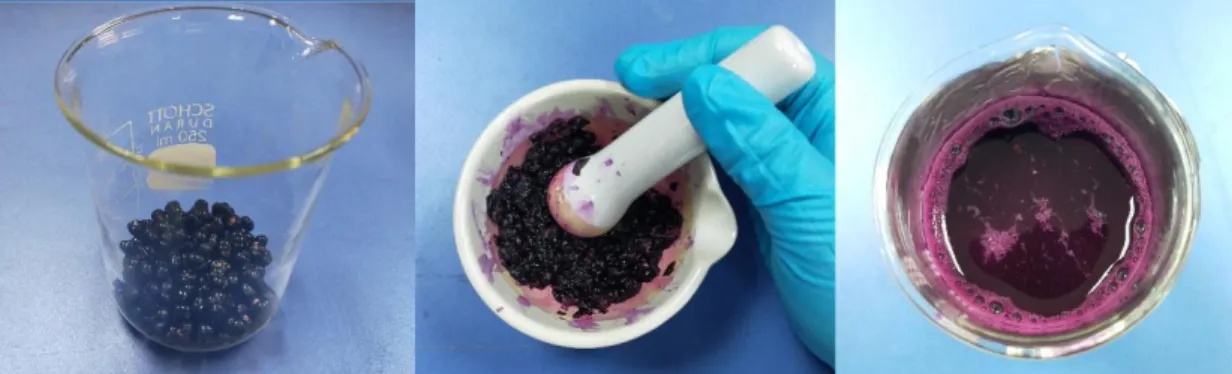
Figure 18 Raw materials are washed, dried at room temperature then weighed (left), then crushed with mortar and pestle (middle), mix with solvent (right) ... 32
Figure 19 Solutions are filtered (left), transferred to the volumetric flask (right) ... 32
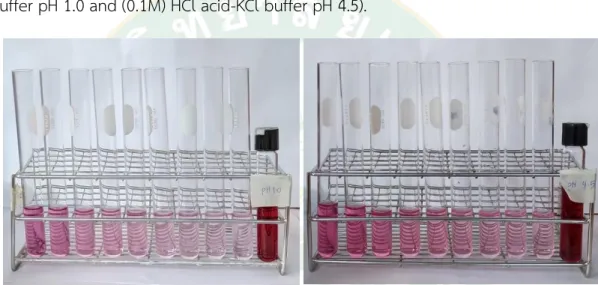
Figure 20 Diluted with HCl acid-KCL buffer pH 1.0 (left), Acetic acid-sodium acetate
buffer pH 4.5 (right) ... 33
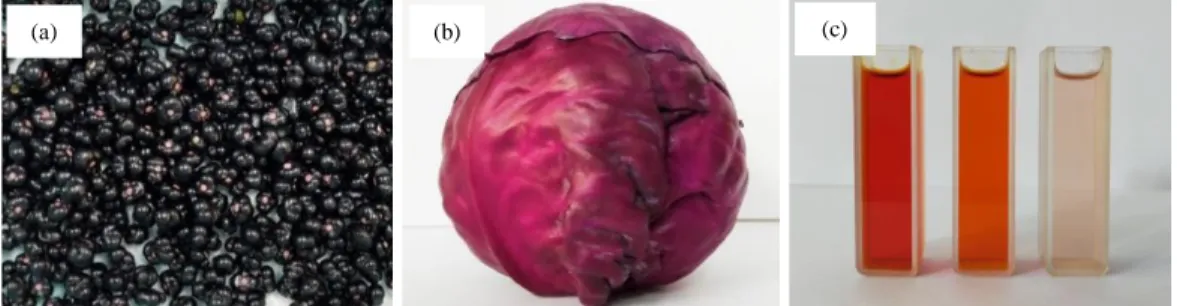
Figure 21 a.) Malabar spinach fruits, b.) Red cabbage c.) Natural dye (left to right): malabar spinach, 50% (MS) + 50% (RC), and red cabbage. ... 34
Figure 22 Strobilanthes cusia sample preparation & dye extraction process (a-d), residue (e) ... 34
Figure 23 Longan extract (left), Inthanin bok extract (right) ... 35
Figure 24 Spectrophotometer... 36
Figure 25 Soap solution (left), distilled water (middle) and methanol (right)... 36
Figure 26 Measurement of the resistance of FTO glass (40 Ω / sq) by multimeter. ... 36
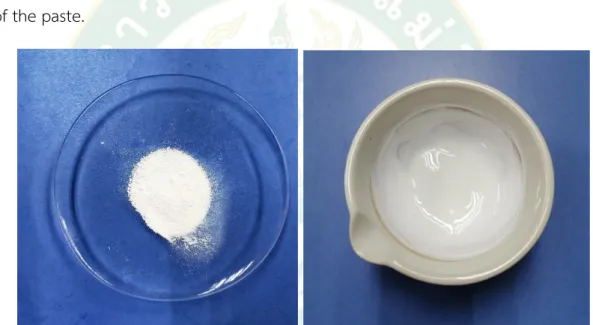
Figure 27 Preparation of TiO2 paste: TiO2 nanoparticles powder (left) and mixture of TiO2 powder and 5% acetic acid (right) ... 37
Figure 28 Strobilanthes cusia photosensitizer (a), dye loading to TiO2 (b-d) ... 38
Figure 29 Counter electrodes: FTO glass (a), FTO glass with graphite (b), FTO glass coated with platinum (c) ... 38
Figure 30 Photoanode and counter electrode (a) cell assembly (b), sealing (c) ... 39
Figure 31 Injection of electrolyte to different counter electrodes: FTO glass (a), FTO glass with graphite (b), FTO glass coated with platinum (c) ... 39
Figure 32 Schematic circuit diagram of the experimental setup used for measuring the current–voltage characteristics of DSSC with voltmeter (V), ammeter (A), and potentiometer variable resistance (10k Ω). ... 39
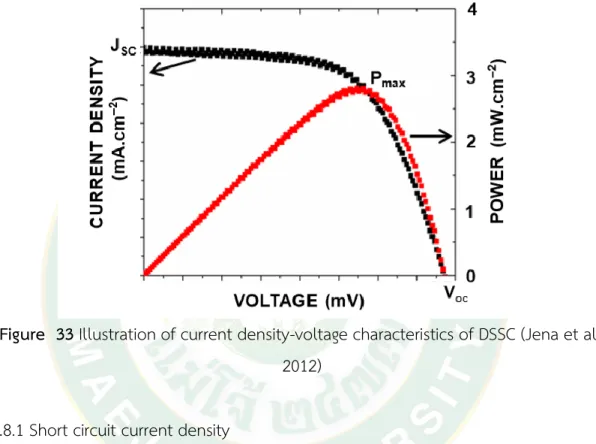
Figure 33 Illustration of current density-voltage characteristics of DSSC (Jena et al., 2012) ... 40
Figure 34 Fabrication of DSSC cells for greenhouse ... 42
Figure 35 DSSCs for the greenhouse ... 43
Figure 36 Schematic circuit diagram of the DSSC roof ... 43
Figure 37 Experimental DSSC roofed greenhouse: Dimension (a), and materials (b) .. 45 Figure 38 SEM and EDX image of TiO2 film (a1 and a2), and TiO2 film loaded with Strobilanthes cusia dye (b1 and b2). ... 48 Figure 39 Schematic circuit diagram of the experimental setup used for measuring the current–voltage characteristics of DSSC with voltmeter (V), ammeter (A), and potentiometer variable resistance (10k Ω). ... 49 Figure 40 I-V and power density curve of DSSC using different counter electrode:
FTO glass (a) graphite/FTO glass (b), and pt/FTO glass (c). ... 51 Figure 41 Extracted dye using pure methanol solvent diluted with: (1a) buffer pH 1.0
& (1b) buffer pH 4.5; Extracted dye using 50% methanol solvent diluted with (2a) buffer pH 1.0 & (2b) buffer pH 4.5; Extracted dye using 50% methanol & 1% HCl solvent diluted with (3a) buffer pH 1.0 & (3b) buffer pH 4.5. ... 54 Figure 42 The absorption spectra at three different solvent: 1.) pure methanol, 2.) 50% methanol, and 3.) 50% methanol & 1% HCl; and diluted at: (a) 0.4M Acetic acid- sodium acetate buffer pH 1.0, (b) 0.1M HCl acid-KCl buffer pH 4.5). ... 55 Figure 43 Anthocyanin pigment content of the dye extracted from Malabar spinach fruits. ... 55 Figure 44 a.) UV-vis absorption spectra and b.) Anthocyanin content ... 58 Figure 45 TiO2 immersed to dye: a.) Malabar spinach, b.) 50% MS with 50% RC and c.) Red cabbage. ... 59 Figure 46 Binding of TiO2 to anthocyanin in acid (flavilium) and base (quinonoidal) conditions (Cherepy et al., 2013). ... 61 Figure 47 Power density to Voltage curve at (a) acidic conditions, and (b) alkaline conditions. ... 63 Figure 48 shows the results of dye solution absorbance from malabar spinach fruits with pH variations. ... 64 Figure 49 Pigment absorbance of malabar spinach dye. ... 65
Figure 50 SEM surface and cross-sectional image : TiO2 film (a1 & a2), TiO2 composite film with pH 1 dye (b1 & b2), TiO2 composite film with pH 6 dye, and TiO2 composite
film with pH 9 dye (c1 & c2) (d1 & d2). ... 68
Figure 51 EDX spectrum and mapping of (a) TiO2 film, (b) TiO2 film loaded with dye pH 1, (c) TiO2 film loaded with dye pH 6, (d) TiO2 film loaded with dye pH 9, and (b) Activated carbon counter-electrode. ... 70
Figure 52 I-V and power density curve of Longan based DSSC. ... 72
Figure 53 I-V and power density curve of Inthanin based DSSC. ... 73
Figure 54 Scanning electron microscope of morphological characteristics of TiO2 thin. ... 74
Figure 55 Scanning electron microscope of morphological characteristics of TiO2 thin films with natural dye extraction from (a) Longan and (b) Inthanin bok leaves dye. .. 75
Figure 56 The energy-dispersive X-ray spectroscopy (EDX) analysis of TiO2 coated on FTO glass substrate (a1,2). ... 76
Figure 57 The energy-dispersive X-ray spectroscopy (EDX) analysis of TiO2 coated on FTO glass substrates with natural dyes immersion a(1&2) Longan, and b(1&2) Inthanin bok leaves. ... 76
Figure 58 Plant preparation (a), and Structure of the DSSC: front view (b), side view, and back view (d). ... 78
Figure 59 Plant growth: Inside DSSC greenhouse (a), outside (b) ... 79
Figure 60 Plant inside the DSSC greenhouse: day 1(a), and day 7 (b) ... 80
Figure 61 Plant outside greenhouse at: Day 1 (a), and Day 7 (b) ... 81
Figure 62 LED light powered by DSSC ... 83
CHAPTER 1 INTRODUCTION
1.1 Background of the study
According to the current US Census Bureau, the world population estimated in June 2019 shows that the global population is 7,577,130,400, which far exceeds the census conducted in 2015, with the world population of 7.2 billion. With this, as the earth’s population increase, the demand and consumption of the energy escalate (World Population Review, 2019). Based on predictions by the US Energy Information Administration, by the year 2040, the total world energy consumption will rise to 25 TW. Hence, the continual rise of energy demand is catalyzed by an increase in the global population and the rapid industrialization undergone by large markets such as China and India (Lau and Soroush, 2019). In these countries and the rest of the world, carbon-based fossil fuels such as coal, oil and natural gas remain as main energy resources consumed and considered as a dominant energy provider. These fossil fuels generate approximately 90% of the world’s electricity (Kabir et al., 2019;
Lau and Soroush, 2019). Not only that, but it also provides thermal energy for industrial and domestic uses (Kabir et al., 2019).
However, fossil fuels are non-renewable energy resources. The problem with the production of energy from fossil fuel is it is not sustainable; moreover, the resources are depleting at a rapid rate. In addition, within 50-60 years, fossil fuels and natural gas reserves currently available will run out (Kabir et al., 2019; Lau and Soroush, 2019).
The consumption of fossil fuels have resulted to various environmental issues such as global climate change, ozone layer depletion, acid rain, water pollution, air pollution, land pollution, maritime pollution, etc. Furthermore, fossil fuels are the primary contributor to global warming (Kabir et al., 2019). Greenhouse gas emissions have been increasing rapidly, reaching a rate of 49 gigatons of CO2-equivalents/year (GT CO2eq/year) in 2010, with carbon dioxide gas emissions alone from fossil fuels and industrial processes accounting for 78% of total emissions. If present activities
continue without any further mitigation efforts, atmospheric greenhouse gas concentrations could potentially increase from 430 ppm CO2eq in 2011 to 1300 ppm by 2100, which could cause the global mean surface temperature to rise by up to 4.8°C (Lau and Soroush, 2019).
To counter the effects of fossil fuels in the environment, this led to an exploration of finding new energy from renewable resources. Such sustainable energy resources are solar energy, wind power, hydropower, wave energy, tidal energy, biomass, biofuel, and geothermal energy. These are potential alternatives to conventional fossil fuel. Unlike fossil fuels, these renewable energy resources are not limited to a few countries but exist worldwide (Kabir et al., 2019). The research for the past few years aims to develop and commercialize renewable energy technologies that can suffice the energy demand globally (Lau and Soroush, 2019).
Among all the sustainable energy, the sun has the most noteworthy potential in providing cleaner, more carbon-neutral energy to fulfill the ever-growing energy demands of the future as its resource base is much larger than all the other renewables combined (Lau and Soroush, 2019) and are easily extractable by a photovoltaic (PV) system (Kabir et al., 2019). In the year 2000, the mean global energy consumption rate was 13 TW. By the year 2050, the global energy demand will increase approximately 28 TW (Hagfeldt et al., 2010). Solar energy, besides fusion, has the enormous potential to satisfy the future global need for renewable energy sources. From the 1.7×10⁵ TW of energy from the sun that hits the earth’s surface, it is estimated that only 600 TW are practically harvested and solar farms are only 10% efficient, approximately 60 TW of power could be supplied, that can sufficiently provide the energy demands (Hagfeldt et al., 2010).
Even though a wide variety of solar technologies have been developed, there is still no definite solution that could eliminate our reliance on fossil fuels. The main challenge is to find a solar technology that is inexpensive, efficient, easily deployable, and versatilely adaptable, particularly to emerging and rapidly growing markets. As some of the countries can not house large-scale centralized energy grid systems, it is essential to look for ways that can aid the distribution of solar energy
through a more localized, individualized approach using more efficient, durable, high- capacity, and easily installed energy systems (Lau and Soroush, 2019).
In comparison to the wide variety of solar technologies, the dye-sensitized solar cell (DSSC) shows remarkable potential in providing an efficient and low-cost solution that could lead us to a society free of fossil fuels. In addition, a study shows that the production of DSSC is inexpensive compared to traditional PV systems and offering a short payback period of less than one year (Lau and Soroush, 2019).
The photosynthesis and PV have a similar principle of harvesting the photons and converting it to energy, but they play different functions for bio-production and electricity production. Plants have provided humans not only for food but also been utilized as energy resources throughout the history of the human race. Hence, due to the rise of environmental problems caused by using fossil fuels and scarcity of its non-renewable resources, scientists are now utilizing plants to produce cleaner and renewable energy (Yano and Cossu, 2019).
Moreover, because of the competition between the uses of plants as a food and as an energy source, PV plays a part in helping the various activities related to food production and subsequent supply chains by providing electricity converted from solar energy (Yano and Cossu, 2019). Greenhouse plant production is a cultivation practice that controls the production environment, such as temperature and humidity, making it suitable for crop growth, development and production. Fuel and electricity are necessary to control the greenhouse interior environment, aiming to improve and maintain crop yields and quality, but because of the increasing prices of fuel and electricity, it reduces grower profits (Yano and Cossu, 2019). Hence, farmers struggle to increase crop production efficiency while minimizing the consumption of fuel and electricity. One of the possible solutions is to utilize actively in a greenhouse the renewable energy. These could aid in decreasing the consumption of fossil fuels and electricity (Yano and Cossu, 2019).
Currently, there are studies conducted about agrivoltaic. It is a system designed combining commercial agriculture and electricity within the same land unit area.
However, the major problem manifested by agrivoltaics or photovoltaic greenhouse is the competition between PV roofs and plant to get incident solar radiation. Thus,
dye-sensitized solar cell (DSSC); the third generation of solar PV gained the interest of this study due to their simple manufacturing process, low fabrication cost, low light level sensitivity, ease of use for bigger applications and flexibility in scaling characteristics. Which stirred the best candidates use as green energy buildings (Roslan et al., 2019). Moreover, the various color of DSSC (determined by the dye) can act as a plant growth regulator or can modify the solar spectrum which enters into the greenhouse. As a result, plant growth and photomorphogenesis can be optimized (Roslan et al., 2019).
The dye plays a major role in the absorption and conversion of the incident light ray to electricity. There are two types of dyes organic dyes such as natural dyes from leaves, fruits and flowers and inorganic dyes such as ruthenium (Ru), which provide greater efficiency. However, ruthenium-based dyes are quite expensive (Bagavathi and Clara Dhanemozhi, 2019). Due to the high cost and availability concern of the production of conventional photovoltaic cells, DSSC using natural dyes are considered a better alternative in recent years. The advantages of natural dyes over organic dyes are low cost, eco-friendly and natural abundancy (Kumar et al., 2016).
Moreover, the process of producing synthetic dyes are more complex, complicated and costly. Alternatively, natural dyes can be used for the same purpose with an acceptable efficiency (Alhamed et al., 2012).
The objective of this research is to develop a multicolor natural dye- sensitized solar cell greenhouse, utilizing natural dye extracted from Malabar spinach (Basella alba), Indigo plant (Strobilanthes cusia Nees), Longan and Inthanin.
1.2 Research objectives
1. To develop a natural dye from Malabar spinach (Basella alba) fruits, Indigo plant Strobilanthes cusia (Nees), Longan (Dimocarpus longan) and Inthanin bok (Lagerstroemia macrocarpa) as photosensitizer.
2. To create a multicolor natural dye-sensitized solar cell.
3. To produce an agrivoltaic system for portable greenhouse integrated with natural dye based DSSC.
1.3 Scope of the research
1. Malabar spinach (Basella alba) fruits, Indigo plant Strobilanthes cusia (Nees), Longan (Dimocarpus longan) and Inthanin bok (Lagerstroemia macrocarpa) leaves extracted by organic solvent will be used as natural sensitizer.
2. Evaluation of Malabar spinach (Basella alba) fruits, Indigo plant Strobilanthes cusia (Nees), Longan (Dimocarpus longan) and Inthanin bok (Lagerstroemia macrocarpa).
3. Light intensity comparison of conventional greenhouse and natural DSSC greenhouse on plant growth.
4. The temperature and humidity outside and inside the mini greenhouse will be analyzed.
1.4 Significance of the study
1. The results of this study will contribute to the development of simple, economical and portable natural dye-sensitized solar cell greenhouse for plant cultivation.
2. This research could aid the growers increased their crop yield and plant quality while minimizing the cost of using fuels and electricity in maintaining the suitable environment of the greenhouse.
3. This study will also help the researchers and future researchers to expound and expand the research about the dye-sensitized solar cells and its practical applications.
CHAPTER 2 LITERATURE REVIEW
2.1 Agrivoltaic
Agrivoltaic is a system designed combining commercial agriculture and electricity within the same land unit area. However, the major problem manifested by agrivoltaics or photovoltaic greenhouse is the competition between PV roofs and plant to get incident solar radiation. Thus, dye-sensitized solar cell (DSSC); the third generation of solar PV is recently attracted due to their simple manufacturing process, low fabrication cost, low light level sensitivity, ease of use for bigger applications and flexibility in scaling characteristics which stirred the best candidates use as green energy buildings (Roslan et al., 2019).
Moreover, the various color of DSSC (determined by the dye) can act as a plant growth regulator or can modify the solar spectrum which enters into the greenhouse. As a result, plant growth and photomorphogenesis can be optimized.
Hence, in this research a practical fieldwork is proposed by using integrated semi- transparent DSSC mini greenhouse to define DSSC module systems potential and performance nearby the tropical climate conditions (Roslan et al., 2019).
2.2 Dye-sensitized solar cells
The dye-sensitized solar cell or also known as DSSC belongs to the third generation solar cells. It is a low-cost solar cell due to the cost of materials and labor used during the construction. Aside from being affordable, DSSCs are also efficient, renewable and environmentally friendly. Same with the function of chlorophyll in plants, dye-sensitized solar cell harvested light from the sun and made it possible for the energy to transfers into an electron capture (Amadi et al., 2015).
Roslan et al., 2018 stated that DSSC is an electrochemical device that uses light-absorbing dye molecules adsorbed on semiconductor nanoparticles to generate electricity from sunlight. In DSSC, when the sunlight strikes on the surface of the cell, photons are absorbed by dye molecules, which then become excited.
2.2.1 Structure of dye-sensitized solar cells
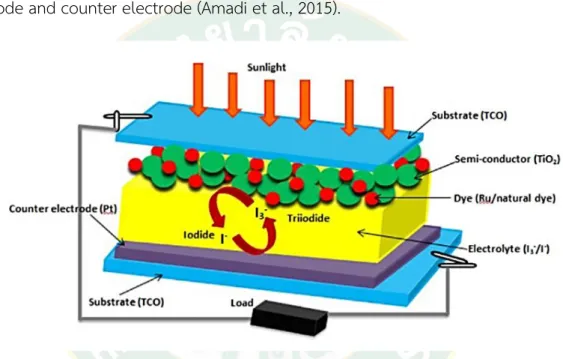
Dissimilar with the typical solar cells, the DSSC at present shows as one of the ideal photovoltaic technologies alternative that can be used in replace of the conventional silicon-based solar cells (Carella et al., 2018). Carella and Borbone, 2018 stated that dye-sensitized solar cell is a multilayered device and all the layers undergo a systematic examination to assay it individually and the interaction of the components to other layers. The dye-sensitized solar cell is composed of a photo- anode and counter electrode (Amadi et al., 2015).
Figure 1 Structure of dye-sensitized solar cell (Roslan et al., 2018) 2.2.1.1 Photo-electrode
The oxidation process occurs in the photoanode. As illustrated in figure 2, the photo-electrode is composed of glass coated with transparent conducting oxide (TCO) material, usually, FTO or ITO, then followed by an electron capture materials commonly titanium dioxide and same with the purpose of CO2 in the photosynthesis, TiO2 accepts an electron, and lastly, the dye. The dye plays a vital role in the dye-sensitized solar cell because it serves as the light harvester. When the dye absorbed enough energy from the light, it produces excited electrons (Cherepy et al., 1997).
Figure 2 Composition of photo-electrode
2.2.1.1a Transparent conducting oxide (TCO)
According to (Dong et al., 2019), an electrode should be transparent because it is essential for solar cells as it allows incoming light to reach the photoactive layer.
The transparent conducting oxides, also known as TCOs, are electrically conductive materials that exhibit low absorption of light. These materials are usually prepared with thin-film technologies and used in devices such as displays, circuities and solar cells. Commonly TCOs are semiconductors compound where oxygen composed the nonmetal part. Moreover, metal elements were used as compound materials or dopants with just a low percent content (Stadler, 2012).
Indium tin oxide (ITO)
Indium tin oxide (ITO) is a colorless and transparent thin film. It is a compound of indium (III) oxide (In2O3) and tin (IV) oxide (SnO2) and it is in solid-state.
Technically, it has a chemical composition of 90%wt In2O3, 10%wt SnO2. Indium tin oxide is the most widely used transparent conducting oxide because of its two key properties, its electrical conductivity and optical transparency (Stadler, 2012).
Fluorine doped tin oxide (FTO)
In recent years, in making the organic solar cell (OSC), ITO has been favored compared to FTO as the transparent bottom electrode. However, due to the price of indium, which usually has a fraction of more than 70% in the ITO, is comparatively high compared to fluorine and tin (Dong et al., 2019). Studies revealed that the cost of the ITO coated substrate is the highest among the material costs for manufacturing organic photovoltaic modules. Notably, FTO also outperforms the ITO, in terms of the high-temperature processability and stability. It was concluded that FTO has higher thermal stability than ITO (Dong et al., 2019).
Aluminum doped zinc oxide (ZnO: Al)
The aluminum-doped zinc oxide thin films (AlxZnyOz, ZnO: Al) is composed of approximately 2%wt aluminum. Typically the ZnO: Al can be produced through spray pyrolysis, sol-gel technology, electrodeposition, vapor phase deposition and etc. (Stadler, 2012).
2.2.1.1b Titanium dioxide (TiO2)
Titanium dioxide (TiO2) is a white solid inorganic substance that is thermally stable, non-flammable, and almost insoluble (Titanium Dioxide Stewardship Council, 2012). TiO2 is the preferred and suitable material for DSSC because its surface contains high resistant to the continued charge electron transfer molecule in sensitizers that have in dye molecules attached to the semiconductor surface (Gomesh et al., 2014)
2.2.1.1c The dye
García-Salinas and Ariza, 2019, mentioned that in the past, people used dyes from bioresources or natural dyes. Due to environmental issues and health concerns regarding synthetic dyes, this paved the way for natural dyes to be most preferable to use in different fields such as food industries, textile cosmetic, or pharmaceutical.
Most natural dyes are found in the roots, barks, leaves, bracts, flowers, skins, and shells of plants. These plant pigments are classified into four major categories: 1.) tetrapyrroles, such as green chlorophylls; 2.) carotenoids, usually red, orange or yellow; 3.) flavonoids, of which red, purple or blue anthocyanins are an important subgroup; and 4.) betalains (yellow betaxanthins and red-purple betacyanins). Among the stated pigments, chlorophylls are the most abundant, followed by carotenoids.
Carotenoids can coexist with other families, but betalains are incompatible with anthocyanins (García-Salinas and Ariza, 2019).
2.2.1.2 The counter-electrode
The counter-electrode (figure 3) is an electrode used to close the current circuit in the electrochemical cell and this is where the reduction process or the gain of electrons takes place. This electrode is composed of glass doped with FTO or ITO followed by an inert material also known as the catalyst layer (e.g., Pt, Au, graphite, glassy carbon) and usually, it does not participate in the electrochemical reaction (Patel et al., 2012).
Figure 3 Composition of counter electrode
2.2.1.3 The REDOX electrolyte
In between the photo-electrode and counter-electrode is the electrolyte. An electrolyte is a substance that contains free ions, which behaves as an electrically conductive medium. It is a good conductor and insulator for small voltages and open-circuit conditions, respectively. The electrolyte gives electrical contact and pathway for the ions to be injected into or ejected from the electrodes (Patel et al., 2012).
Figure 4 Electrolyte
According to (Lau and Soroush, 2019)), similar to the dyes, improving the redox electrolyte properties has been focused of researchers for the past few years.
Ideally, the electrolyte should provide efficient charge transport in a noncorrosive environment without any appreciable light absorption. The original DSSC design involving the I−/I3− redox shuttle remains a popular design choice given its favorable charge transfer characteristics, from the fast regeneration of the oxidized dye with the iodide to the extremely slow back electron recombination of the electrons in the TiO2 with the triiodide. The highest certified DSSC efficiency to date at 11.9% utilizes the I−/I3− redox (Lau and Soroush, 2019).
2.2.2 Operating principle and charge transport mechanisms in DSSC
DSSCs are photoelectrochemical devices, which convert light energy into electrical energy by receiving photons from sunlight that excite the electrons of the dye molecule, followed by their injection into the conducting band of the adjacent mesoporous TiO2 layer (Iftikhar et al., 2019). The dye-sensitized solar cells work differently from other types of solar cells because of its similarities to the natural process of photosynthesis. Hence, since the landmark publication by O’Regan and Gratzel, (1990), the system has repeatedly been described in terms of artificial photosynthesis (Lenzmann and Kroon, 2007). Like the chlorophyll in plants, a monolayer of dye molecules (sensitizers) absorbs the incident light, giving rise to the generation of positive and negative charge carriers.
Figure 5 Schematic structure of DSSC (Iftikhar et al., 2019)
A traditional DSSC (as shown in figure 5) typically consists of the following components (Iftikhar et al., 2019):
1. A photoanode, which is traditionally, fabricated on a transparent conducting oxide (TCO) glass, such as a glass substrate that is coated with indium-doped tin oxide (ITO) or fluorine-doped tin oxide (FTO), by depositing the mesoporous electron transporting TiO2 layer on this, via either doctor blading, screen-printing, or inkjet printing.
2. A monolayer of dye, which is usually based on ruthenium sensitizers, adsorbs over the mesoporous TiO2 layer through its anchoring groups.
3. A liquid electrolyte containing a redox mediator, such as iodide/triiodide along with other additives, including an organic solvent to perform electron exchange during cell operation.
4. A CE (cathode), comprising a similar TCO-coated conducting glass substrate to that of the photoanode loaded with a catalyst layer, such as Pt or carbon, which receives electrons from external circuits and reduces the triiodide ion back to an iodide ion through an efficient charge transfer process.
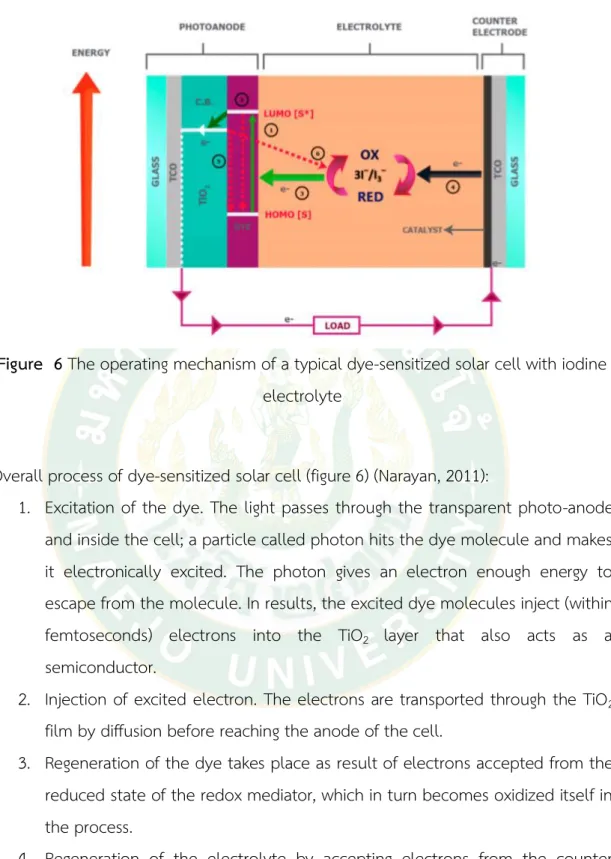
Figure 6 The operating mechanism of a typical dye-sensitized solar cell with iodine electrolyte
Overall process of dye-sensitized solar cell (figure 6) (Narayan, 2011):
1. Excitation of the dye. The light passes through the transparent photo-anode and inside the cell; a particle called photon hits the dye molecule and makes it electronically excited. The photon gives an electron enough energy to escape from the molecule. In results, the excited dye molecules inject (within femtoseconds) electrons into the TiO2 layer that also acts as a semiconductor.
2. Injection of excited electron. The electrons are transported through the TiO2
film by diffusion before reaching the anode of the cell.
3. Regeneration of the dye takes place as result of electrons accepted from the reduced state of the redox mediator, which in turn becomes oxidized itself in the process.
4. Regeneration of the electrolyte by accepting electrons from the counter electrode and returning to reduced state.
Figure 7 DSSC working principle
The photons from the light hit the dye molecules and make it electronically excited. The excited dye molecules then injected electrons to the TiO2 layer.
Moreover, within the electrolyte, the mediator (I−/I3−) undergoes oxidation at the dye and regeneration at the catalyst-coated counter electrode as current flows through the electrical load (Smestad and Gratzel, 1998).
The overall chemical reactions operating the dye-sensitized solar cell are shown below (Iftikhar et al., 2019; Matthews et al., 1996; Narayan, 2011):
Dye excitation
] TiO [
* S hv ] TiO
[S 2 2 (2.1) Electron injection
] TiO [ e ] TiO [ S ] TiO [*
S
2
2
2 (2.2) Dye regeneration/ Mediator oxidationOx ] TiO [S d Re ] TiO [
S
2
2
… (2.3)Mediator regeneration
CE d Re ]
CE [ e
Ox ………… ………… … (2.4) Dye recombination
] TiO [S ] TiO [ S ] TiO [
e
2
2
2 ……… (2.5) Recombination due to Oxd Re Ox
] TiO [
e
2
……… (2.6) 2.3 Natural dye sensitizerAs the dye plays a vital role in solar energy to electricity conversion, several studies have conducted and focused on molecular engineering of several organic metal complexes and organic dyes. These natural colorants have been of interest in different fields and applications. Particularly interesting is the use of natural dyes as sensitizers in dye-sensitized solar cells (DSSCs) their main advantages being a simple extraction procedure, low cost, wide availability, and their environmentally friendly nature. For almost three decades, DSSCs are on the focus line of renewable energies, as a promising simple alternative power source. Points of interest of employing these natural dyes as photosensitizers in dye-sensitized solar cells are due to their large absorption coefficients in visible region, resource abundance, uncomplicated preparation and environment friendly. Significantly, the synthesis way for natural dye based DSSC is cost effective as it doesn’t involve costly materials and noble metals like Ru (Hemalatha et al., 2012; Ludin et al., 2014; Shalini et al., 2015).
These plant pigments exhibit either electronic structure that interacts with sunlight and alters the wavelengths that are transmitted or reflected by the plant tissue. This process leads to the occurrence of plant pigmentation and each pigment is described from the wavelength of maximum absorbance (λmax) and the color perceived by humans. Chlorophyll, carotenoid, flavonoid and anthocyanin are the pigments for natural dyes that are relatively easy to extract from nature compared to synthetic dyes. Table 1 illustrates the most common pigment types found in flower and fruit colors in plants (Delgado-Vargas et al., 2000).
Table 1 Most common pigment types found in flower and fruit colors in plants
Name Specific pigment type Examples
Cream Flavonols or flavones Most cream flowers Pink to red Pelargonidin and/or cyanidin
Anthocyanin and carotenoid Betacyanin
Tomato, Lisianthus flowers, apple fruit
Tulipa flowers Bougainvillea flowers Orange Carotenoid
Pelargonidin alone
Anthocyanin and aurone mix Anthocyanin and chalcone mix Betacyanin
Marigold flowers Pelargonium flowers Snapdragon flowers Carnation flowers Purslane flowers Yellow Carotenoid
Aurone Chalcone Flavonol Betaxanthin
Most yellow flowers and fruit Antirrhinum majus flowers Dianthus flowers
Cotton flowers Portulaca flowers Green Chlorophyll
Delphinidin Cyanidin
All green flowers and fruit Most blue flowers and fruit Morning glory flowers Purple Carotenoid
Cyanidin and/or delphinidin Cyanidin and/or Delphinidin
Pepper fruit Eggplant
Cymbidium orchids
Black Delphinidin Few black flowers, e.g. Viola
(pansy)
2.3.1 Chlorophyll
Chlorophyll belongs to natural photosynthetic pigments that give plants green color. There are two major types of chlorophyll namely: chlorophyll-a and chlorophyll-b. This pigment and its derivatives are used as photosensitizers in DSSC because of their ability to absorb blue and red lights. The most efficient is the derivative of chlorophyll-a (methyl trans-32-carboxy-pyropheophorbide). The absorbance spectrum of chlorophyll-b shows a characteristic blue tinge and has a red shift when compared with chlorophyll-a. Chemical structure of chlorophyll-a and chlorophyll-b ` is shown in figure 8 (Shalini et al., 2016).
Figure 8 Chemical structure of Chlorophyll 2.3.2 Anthocyanin
Next to chlorophyll, anthocyanins are the most important group of pigments that are visible to human eye that are found in plants (Shalini et al., 2015).
Anthocyanins are responsible for many of the attractive colors like blue, red, or purple pigments found in fruits and plants (Delgado-Vargas et al., 2000), and they have light absorbance in the wavelength range of 520–550 nm (Kumara et al., 2013).
The appearance of these pigments depends on the environment it lives, generally in acidic condition, anthocyanin appears as red pigment while blue pigment
anthocyanin exists in alkaline conditions. Figure 9 shows the general molecular structure of anthocyanin. They are considered as one of the flavonoids although it has a positive charge at the oxygen atom of the C-ring of basic flavonoid structure.
The stability of anthocyanin is dependent on pH, light, temperature, and structure.
Moreover, many natural food colorants are anthocyanin derived from grape-skin, red- cabbage, purple-carrot extract and etc. (Giusti and Wrolstad, 2001).
Figure 9 Basic structure of anthocyanin (Khoo et al., 2017).
Figure 10 Visible color range of common anthocyanidins (Sladonja, 2013)
Table 2 Anthocyanidins found in nature
Name Color produced
Pelargonidin Orange, salmon
Cyanidin Magenta and Crimson
Peonidin Magenta
Delphinidin Purple, mauve and blue
Petunidin Purple
Malvidin Purple
Apigeninidin Orange
Aurantinidin Orange
6-Hydroxycyanidin Red
Luteolinidin Orange
Triacetidin Red
Furthermore, anthocyanin molecules have carbonyl and hydroxyl groups bound to the surface of TiO2 semiconductor, which helps in excitation and transfer of electrons from the anthocyanin molecules to the conduction band of porous TiO2
film (Shalini et al., 2015). Table 3 summarizes photoelectrochemical parameters of the dye-sensitize solar cells utilizing flavonoid anthocyanin dyes extracted from leaves, seeds, flowers, fruits, vegetables and tree barks (Shalini et al., 2015).
Table 3 Photoelectrochemical parameters of the with anthocyanin dyes extracted from leaves, seeds, flowers, fruits, vegetables and tree barks (Shalini et al., 2015)
Dye Photos λmax
(nm)
Jsc
(mA/cm2) VOC
(V)
FF η
(%)
Begonia 540 0.63 0.537 72.2 0.24
Rhododendron 540 1.61 0.585 60.9 0.57
Violet 546 1.02 0.498 64.5 0.33
Hibiscus rosa- sinensis
534 4.04 0.40 0.63 1.02
Hylocereus costaricensis (Dragon fruit)
535 0.20 0.22 0.30 0.22
Brassica oleracea (Redcabbage)
537 0.50 0.37 0.54 0.13
Allium cepa (Red onion)
532 0.51 0.44 0.48 0.14
Sesbania grandiflora
544 4.40 0.41 0.57 1.02
Bauhinia tree 665 0.95 0.572 66.0 0.36
2.3.3 Flavonoids
Flavonoids are the most widespread and physiologically active group of natural constituents with a basic C6-C3-C6 carbon framework. Flavone consists of two benzene rings, joined together by a γ ring that distinguishes one flavonoid compound from the other. Figure 11 shows the basic chemical structure of commonly occurring flavonoid. In case of flavonoids, the charge transfer transitions from HOMO (highest occupied molecule orbital) to LUMO (lowest un-occupied molecular orbital) require lesser energy, energizing the pigment molecules by visible light, leading to a broad absorption band in the visible region. This flavonoid is rapidly adsorbed to the surface of TiO2 by displacing an OH– counter ion from the Ti (IV) site that combines with a proton that is donated by the flavonoid.
Figure 11 Basic structure of flavonoids 2.3.4 Carotenoids
Carotenoids are a large family (over 600 members) of isoprenoids that provide many fruits and flowers with distinctive red, orange, and yellow colors. These are organic molecules comprising of a C40 polyene backbone that is often cyclized to generate terminal ionone rings. This structure allows carotenoids to absorb short- wave visible light. These pigments occur in many flowers, fruits as well as in certain microorganisms. It contributes to red, orange and yellow colors and the pigments can play an important role in photosynthesis protection. Carotenoids can be categorized into two major classes known as xanthophylls (contains oxygen), and carotenes (purely hydrocarbons and has no oxygen).
2.4 Plant materials 2.4.1 Malabar spinach fruit
Even though natural dye based solar cells have lower light to electricity conversion efficiency compared to cells employing synthetic dyes, natural dyes are inexpensive, ecologically friendly, non-toxic, and are easily extractable. Thus, low conversion efficiencies of these natural sensitizers can boost research interest and provide opportunities to explore new natural dyes rendering good stability and higher efficiencies (Kabir et al., 2019; Shalini et al., 2015). Hence, it paved the way to research and develop natural dye from Malabar spinach fruits and Indigo plant.
Malabar spinach (figure 12) is a perennial plant that can grow easily under proper soil and climate condition as it prefers a warm climate. It can grow in an optimum temperature of 32ºC and when the temperature drops to 26ºC, the development is depressed. Specifically, this plant prefers soils that are warm, rich in minerals, moist and well-drained. The roots grow sufficiently in soils with a pH of 6.5- 6.8 (Acikgoz and Adiloglu, 2018). The Malabar spinach can grow from the seeds and stems. The plant is suitable for continuous harvesting. In addition, during harvesting season, the stem, branches, leaves and young flower sprouts can be harvested (Acikgoz and Adiloglu, 2018).
Figure 12 Malabar Spinach (Basella alba)
Rank Scientific classification
Kingdom: Plantae
Clade: Tracheophytes
Clade: Angiosperms Clade: Eudicots Order: Caryophyllales Family: Basellaceae Genus: Basella Species: B. alba Binomial name: Basella alba
Furthermore, Malabar spinach is rich in kaempferol, which is a flavonoid that is protective against cardiovascular diseases and cancer (Acikgoz and Adiloglu, 2018;
Ray-Yu Yang et al., 2008). This plant also has antioxidant and phenolic compounds.
The Anthocyanin that is a natural color pigment is present in stem, leaves and flowers (Acikgoz and Adiloglu, 2018).
2.4.2 Indigo plant
Probably one of the oldest and most famous dye is indigo, which has an intense dark blue color. Historically, the word “indigo” is derived from the Greek word “indikon” which means “Indian”. From Asian civilization, at that time, dyes were imported from the Indian subcontinent as a highly expensive commodity. The main source of the Indigo dyes is from plants such as Polygonum tinctorium, Isatis indigotica, and Strobilanthes cusia (Nees) (Stasiak et al., 2014).
Figure 13 Strobilanthes cusia (Nees) Rank Scientific classification
Scientific name: Strobilanthes cusia (Nees) O.Kuntze Family name: Acanthaceae
Strobilanthes cusia (Nees) is a perennial plant with a height that can reach up to 60 cm. It grows in clay and wet soils and is tolerant of different soil pH levels. The species blooms well in either partial or complete shade and has oval-shaped leaves and hermaphrodite flowers (Stasiak et al., 2014).
2.4.3 Longan leaves
Figure 14 Longan tree Rank Scientific classification
Kingdom: Plantae
Clade: Tracheophytes Clade: Angiosperms Clade: Eudicots Clade: Rosids Order: Sapindales Family name: Sapindaceae Genus: Dimocarpus Species: D. longan
Binomial name: Dimocarpus longan
Dimocarpus longan, also known as Longan is as perennial subtropical tree that produces edible fruits. This tree is commonly found in tropical countries such as Thailand. It is the well known member of the Sapindaceae family. In spite of the fact that longan flowering can dependably be actuated through the application of potassium chlorate and hence generation is possible all year round, directly almost
80% of longan natural product is created amid the ‘on-season’, which starts with blooming in February and with natural products basically collected in July (Wiriya- Alongkorn et al., 2013).
2.4.4 Inthanin bok
Figure 15 Inthanin bok (Lagerstroemia macrocarpa) red leaves Rank Scientific classification
Kingdom: Plantae
Clade: Tracheophytes Clade: Angiosperms Clade: Eudicots Clade: Rosids Order: Myrtales Family name: Lythraceae Genus: Lagerstroemia
Inthanin bok (Lagerstroemia macrocarpa) could be a medium-sized tree eight to 20 meters tall. It features a circular canopy with long, dainty stems clearing down to cover more than half of the tree's trunk. The leaves are usually 12-17cm wide and 20-30cm long, dark green and shiny. In addition, it has big flowers, 10-12cm wide, with cup-shaped sepal secured by thin hair. The Petals are purple, which turn to
white before they fall from the tree. Leaves begin to fall in February and the color changes from dark green to red-orange-brown (Figure 15). While from the month of March to May new leaves grow.
2.6 Greenhouse
Many greenhouse types are used for plant protection worldwide. Some may be better than others may for particular applications, but there is no best greenhouse (Aldrich and Bartok, 1992). Commonly, the major crops produced through greenhouse systems are vegetables, fruits, and flowers. Greenhouse are usually made of transparent glass or plastic, enabling cultivation even when low temperatures restrict open field crop growth. This purpose is particularly useful in temperate zones. In addition, the greenhouse extends the cultivation season and broadens the choices of crop species. Actually, greenhouses can shorten the cultivation duration, increase the number of crop cycles, and thereby greatly enhance annual crop yields (Yano and Cossu, 2019).
The crop's quality can be improved by keeping up a suitable environment in greenhouses. The time for the greenhouse crop harvest can be adjusted to meet market demands until it becomes profitable for growers. If a greenhouse is designed as a closed system, including the ground area, then the use of water and fertilizers can be saved with optimum plant growth. Thus, the use of pesticides can be avoided because the cover materials protect the crops against insect infestations (Yano and Cossu, 2019).
Figure 16 Greenhouse
2.6.1 Considerations for greenhouse (interior environment control) 2.6.1a Temperature
Sunlight penetrates easily into a greenhouse because of roof and wall transparency. The cover materials block thermal leakage. Consequently, the internal temperature becomes higher than that outside. By exploiting this thermal property, various technologies related to nighttime heating have been applied. Mainly, such applications are based on the principle of thermal energy storage in walls, soil, or water tanks during the daytime, with the energy released into the greenhouse during nighttime (Yano and Cossu, 2019).
By contrast, greenhouse internal temperatures increase excessively during summer in high-insolation regions. Transitory or constantly high temperatures cause arrange of morpho-anatomical, physiological, and biochemical changes in plants.
They affect plant growth and development and might engender a drastic reduction in their economic yield. Roof whitening is a simple and inexpensive cooling method.
Plastic nets and thermal screens are also exploited to reduce sunlight energy penetration into greenhouses. To prioritize ventilation for cooling purposes, the roof and walls are replaced with mesh in some cases. Natural or forced ventilation, pad and fans, fogging, and heat pumps are often used for greenhouse cooling (Yano and Cossu, 2019).
2.6.1b Light
Sunlight is the original energy source of plant growth. Chlorophyll molecules in photosystems capture photons from the sunlight, where the photonic energy is converted into chemical energy to be stored in plants. Therefore, the number of photons colliding with the plant surfaces is necessary information when one considers plant growth. Greenhouse internal irradiance is usually less than the exterior irradiance because cover materials reflect or scatter partial sunlight to outside areas. Lighting during nighttime is also applied to regulate flowering for the timely delivery of produce to markets (Yano and Cossu, 2019).
2.6.1c Carbon dioxide
The greenhouse interior CO2 concentration fluctuates according to the respiration and photosynthesis of the greenhouse crops. The CO2 concentration in the greenhouse often falls to less than that of the exterior as plant photosynthesis proceeds in the daytime with limited greenhouse ventilation (Yano and Cossu, 2019).
Crop photosynthesis is limited under lower CO2 concentration conditions even if sufficient sunlight is available, and vice versa. Ventilation control plays a crucially important role for managing the CO2 concentration, temperature, and humidity of the greenhouse interior air. To provide sufficient CO2 to plants, CO2 supply systems are often used. Continuing interest in closed and semi-closed greenhouses abounds because they can increase CO2 levels inside the greenhouse, reduce pesticide application, and conserve energy and water. (Yano and Cossu, 2019).
2.6.1d Water and humidity
A greenhouse roof blocks Rainwater. Protecting leaves, flowers, and fruits from raindrop contact are desirable to prevent and suppress diseases. The greenhouse structure also contributes to the prevention of runoff of soils and crops during heavy rains. However, those benefits block the natural water supply that plants receive from rain. Therefore, irrigation is necessary for greenhouse cultivation.
Irrigation and water circulation of hydroponics can be automated using electric pumps. The control of water and nutrient supplies for optimum plant growth and retrieval of nutrient-filled water that is not absorbed by crops are possible with greenhouse cultivation (Yano and Cossu, 2019).
Greenhouse interior humidity affects plant transpiration and disease infections. Stomata close to prevent extra transpiration when the surrounding air is dry. Consequently, CO2 exchange between leaves and air is suppressed. Thereby, the net photosynthetic rate is decreased. For these reasons, humidity control