The degree of nanofiller dispersion and filler/matrix interaction can generally be improved by (i) using surface-treated filler to reduce aggregation phenomena and (ii) incorporating a compatibilizer or a tensing agent within the polymeric matrix (such as propylene glycol). Nanoclays affect the bacterial degradation of the polymer due to the affinity of the bacteria for the clay.
![Figure 1. Representative images for nanofillers for nanocomposites. adapted from [17–19].](https://thumb-ap.123doks.com/thumbv2/1libvncom/9201451.0/10.723.115.608.186.662/figure-representative-images-nanofillers-nanocomposites-adapted.webp)
Polymer Nano-Coatings in Food Packaging
Different biodegradation conditions can be taken into account: hydrolytic, composting, enzymatic, depending on the final applications and post-use of the newly developed materials [128]. Surface immobilization of the bioactive compounds was performed for a wide range of inert hydrophobic polymeric packaging materials.
![Figure 2. Summary of coating technologies (adapted from [135–140]).](https://thumb-ap.123doks.com/thumbv2/1libvncom/9201451.0/22.723.131.593.488.778/figure-summary-coating-technologies-adapted.webp)
Applications
The reduction and control of bacterial colonization through the modification of the surfaces can be achieved [254]. Due to the tortuosity effect created by the presence of highly crystalline CNCs (1% CNC) in the PLA-based nanocomposites, which increased the degree of crystallinity, all barrier properties are significantly improved (WVP (lower ~40%; OP ~75% than pure PLA films).
Possible Risks
Commercial Level
Conclusion and Future Trends
Effect of halloysite nanotube morphology and size on functional pectin bionanocomposites for food packaging. Metal-based micro- and nanocomposites in food contact materials and active food packaging. Trends Food Sci.
Evaluation of the Rosemary Extract Effect on the Properties of Polylactic Acid-Based Materials
Introduction
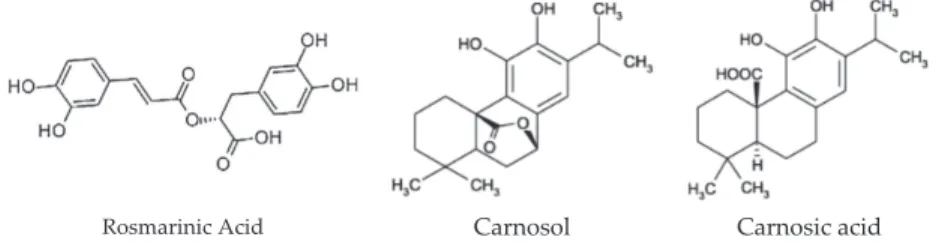
Literature reports either rosmarinic acid, an ester of caffeic acid and 3,4-dihydroxyphenyllactic acid or/and the phenolic diterpenes carnosol and carnosic acid as the main antioxidant components of the rosemary extract (Figure 1) [9,10]. Almost 90% of the rosemary leaf extract's antioxidant activity can be attributed to carnosol and carnosic acid [11].
Experimental 1. Materials
To determine the total surface free energy of a solid material (γsvTOT), a system based on equation (4) should be used. Each animal was used only once, and the length of experiments was kept as short as possible.
Results and Discussion
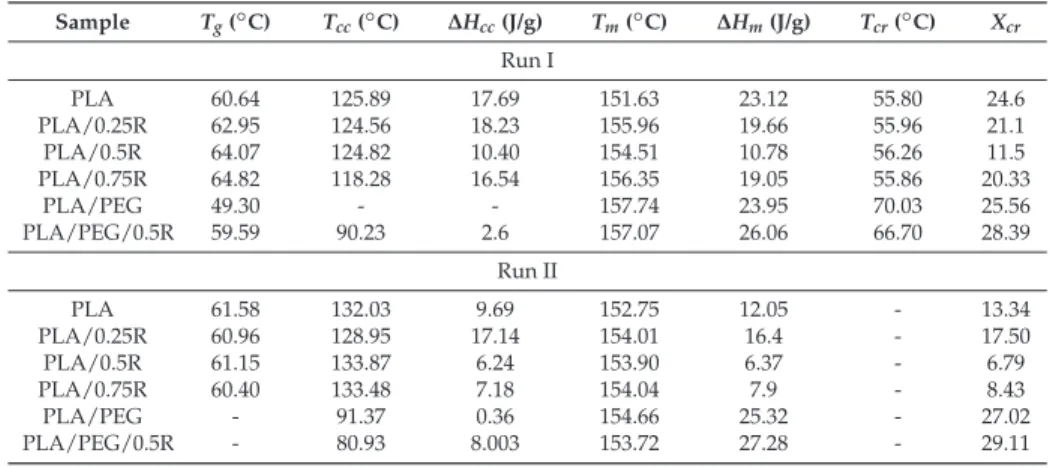
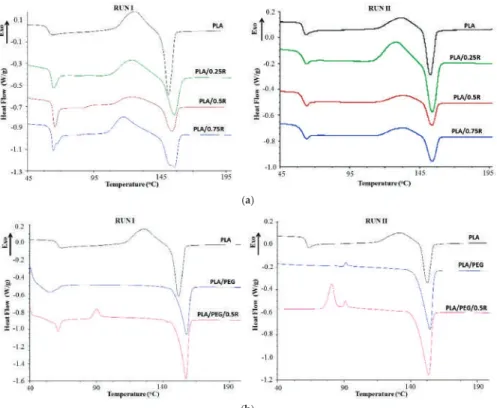
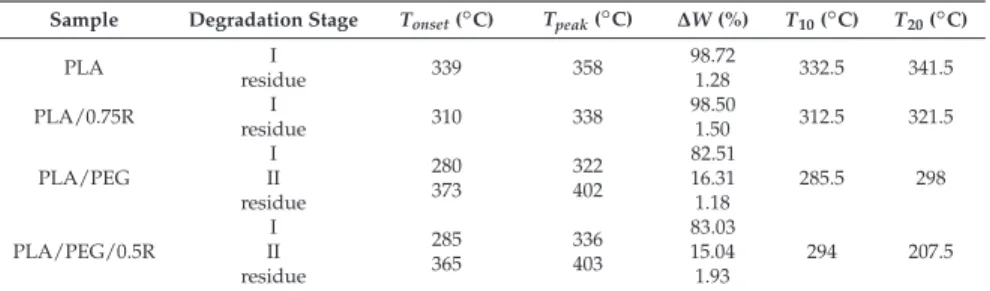
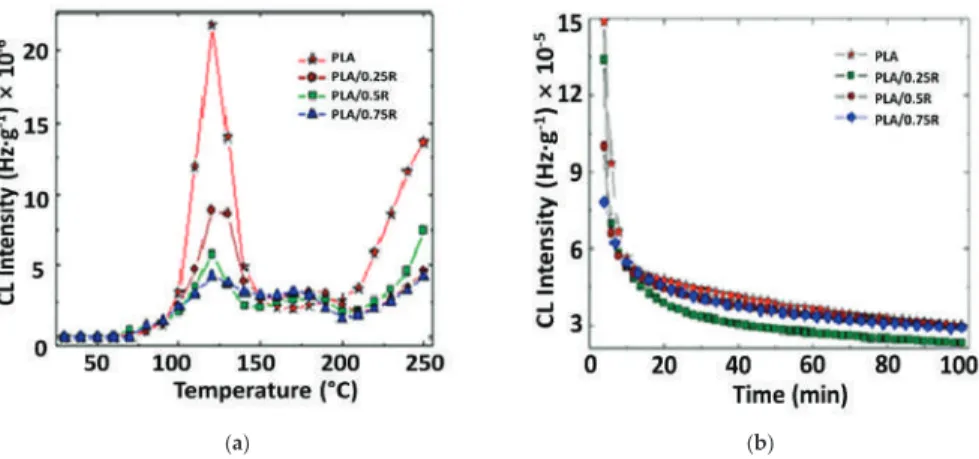
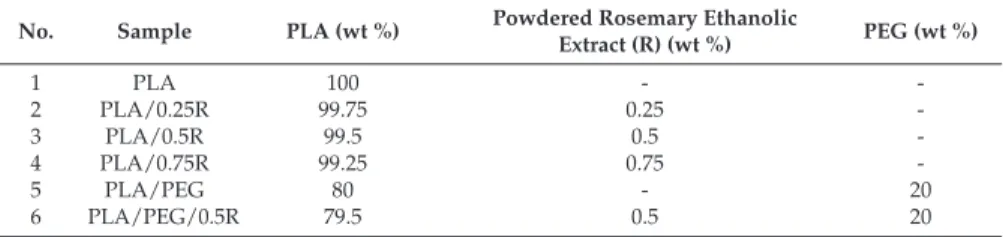
The ATR-FTIR spectra of the PLA before and after loading with powdered rosemary ethanol extract are shown in Figure 4. There is a strong dependence of the thermal properties of the powdered rosemary ethanolic extract containing samples on their particle distribution in the PLA matrix. The second step was assigned to the decomposition of the residue formed in the first step.
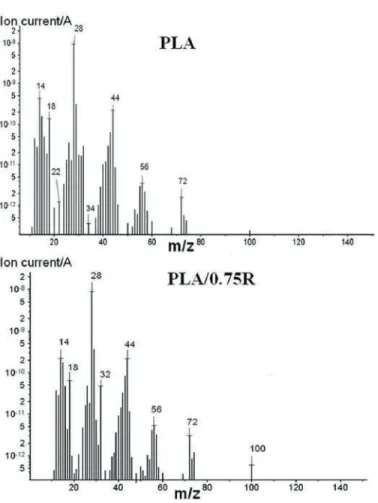
The FTIR spectra show differences in the intensity of the bands as well as in the PLA/0.75R system. 3D-FTIR spectra of volatile degradation products resulting from thermal degradation of PLA (a) and PLA/0.75R (b) samples. Effects of PLA-based materials containing rosemary ethanolic extract on differential white blood cell counts.

Conclusions
The effects of PLA-based materials containing rosemary ethanol extract on serum complement activity and the NBT test. Preparation of plasticized poly(lactic acid) and its influence on the properties of composite materials. PLoS ONE2018,13, e0193520. Summary: In the past, many studies have focused on the thiazolidine-4-one scaffold, due to the important biological effects associated with its heterocycle.
Based on the obtained results, these polymer systems consisting of thiazolidin-4-one derivatives filled with chitosan microparticles could. As we know that microbial growth occurs primarily on the surface of food, this new strategy involves the slow diffusion of an antimicrobial agent from packaging material such as polymer films [33]. Based on the unique properties of chitosan (biodegradability, biocompatibility) and the biological effects of xanthine derivatives with a thiazolidin-4-one framework, the developed polymer systems could have important applications in the food industry as active packaging materials and also in the medical field.
Materials and Methods 1. Materials
The morphology of the microparticles was studied using a scanning electron microscope (SEM), model Vega II SBH, manufactured by Tescan Company (Brno, Czech Republic). The XTD content in the TPP solution was evaluated spectrophotometrically at different wavelengths corresponding to each derivative as follows: λ = 276 nm for 6k, λ = 277 nm for 6c and 6e, λ = 280 nm for 6f. The concentration of XTD in solution was evaluated spectrophotometrically at specific wavelengths corresponding to each derivative using a previously obtained standard curve.
The animals were acclimated to laboratory conditions 7 days prior to the experiment, receiving standard chow and water ad libitum. The MIC value was determined as the lowest concentration, which determined the visual inhibition of the growth of the strain. MBC/MFC values were considered to be the lowest concentration, killing 99.9% of strains tested.
Results and Discussions
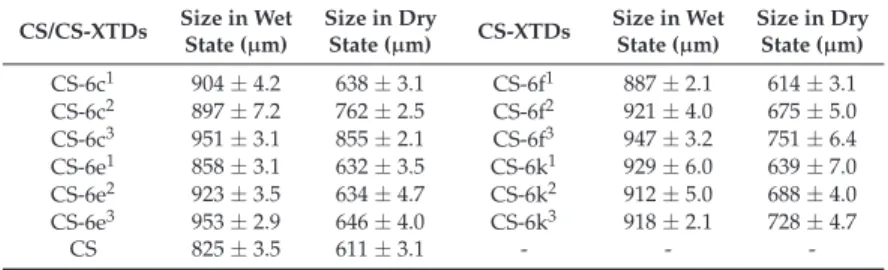
The CS-XTDs absorbed the greatest amount of water in the first 10 minutes of the experiment, with the SD value (%) being around 150% (Figures 3 and 4). These results can be explained based on the structure of the XTD(6k), which has a hydrophobic methyl group paraposition of the aromatic ring. The concentration of CS and XTDs are very important parameters, as they influence the physicochemical properties of the CS-XTD systems [49].
As we expected, loading of the XTDs into the chitosan-based polymer matrix was associated with increasing the antimicrobial effects, all CS-XTD systems (CS-6c, CS-e, CS-6f, CS-6k) show enhanced antibacterial and antifungal effects with respect to corresponding XTD (6c, 6e, 6f, 6k) (Table 3). The success of the loading process was proven by highlighting the specific functional groups of XTD in FTIR spectra of the CS-XTDs. The results showed a good degree of swelling for CS-XTDs and the entrapment efficiency of the XTD in the polymer matrix was between 63% and 94%.
Antioxidant/Antibacterial Electrospun Nanocoatings Applied onto PLA Films
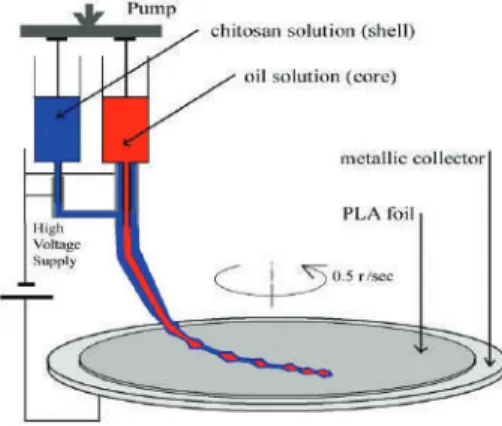
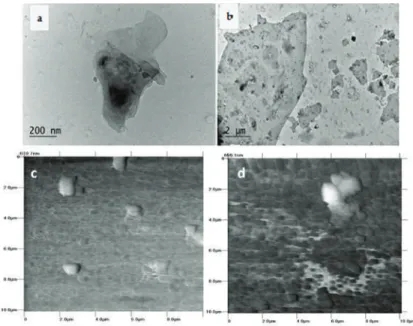
The absence of acetic acid in the applied grid was confirmed by IR spectroscopy (using a Bruker VERTEX 70 spectrometer, Ettlingen, Germany). NT-MDT Nova v software (NT-MDT Spectrum Instruments, Moscow, Russia) was used for image acquisition and analysis. Given that the entire result of the electrospinning syringe was deposited on a PLA-NATIVIA® film (10 μg/cm2), depending on the chitosan and the oil density, we should have a coated layer about 250 nm thick for maximum compactness of the chitosan (no porosity of the coated layer).
The antioxidant activity of the uncoated NATIVIA, which was the lowest of the samples tested, was due to the residual lactic acid in the films. The coating layer roughness was higher for the samples prepared with Chit-H compared to samples prepared with Chit-L. The TEM results and the antioxidant tests also confirm the encapsulation of the oil in the chitosan.
Characterization of Active Edible Films based on Citral Essential Oil, Alginate and Pectin
The changes in the film structure can be attributed to the effect on the drying kinetics of the thickness of the liquid film forming dispersion [21]. The low activation energy indicated a low temperature dependence of the gas transmission process. Also, the introduction of different amounts of EO citral did not affect the tensile behavior of the samples.
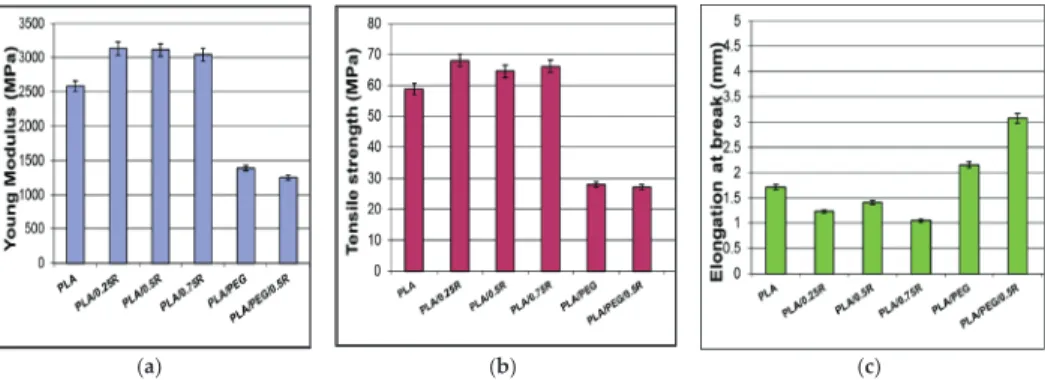
On the contrary, an improvement of the tensile strength and of the film stiffness was obtained. The second step, which contains two distinct peaks (as evidenced by the DTG curves), is related to the decomposition of the film components. The oil type and its interaction with the matrix determines the effectiveness of the edible films as food packaging material.

Chitosan-Based Bionanocomposite Films Prepared by Emulsion Technique for Food Preservation
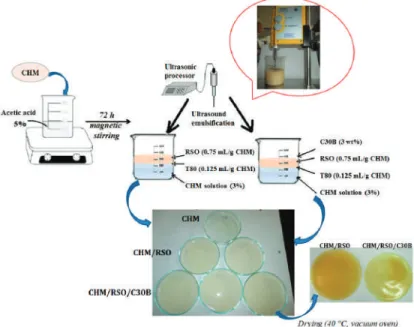
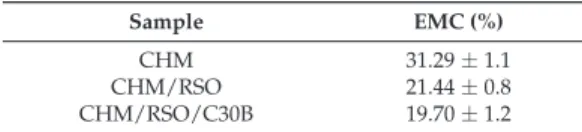
However, there are very few examples of the use of rosehip seed oil in the agro-food industry [19,20] or food packaging [21]. The schematic representation of the encapsulation of rosehip seed oil and C30B in the chitosan matrix by the emulsion/solvent casting method is shown in Figure 1. These suspensions were used to test the antibacterial activity of the surface of the chitosan films obtained by the emulsion method.
The zeta potential of the obtained emulsions showed positive values due to the presence of cationic polysaccharide (chitosan), as expected. Scanning electron microscopy examination reveals the film surface morphology obtained by the incorporation of rosehip seed oil and nanoclay C30B into chitosan films (Figure 3). The elevated values of O2 can be attributed to the plasticizing effect of the amorphous biopolymer backbone by the water molecules [50].
5HODWLYHKXPLGLW\
Radical scavenging activity (RSA) of chitosan-based films obtained by emulsion casting technique, determined after 30 minutes. Study of the combined effect of both clay and glycerol plasticizer on the properties of chitosan films. carbohydrate Effect of halloysite nanoclay on the physical, mechanical and antioxidant properties of chitosan films incorporating clove essential oil.Food Hydrocoll.
Effect of essential oils and homogenization conditions on properties of chitosan-based films.Food Hydrocoll. Antioxidant activity and physicochemical properties of chitosan film incorporated with Lycium barbarum fruit extract for active food packaging. International Assessment of antibacterial and antioxidant properties of chitosan edible film incorporated with maquiberry (Aristotelia chilensis). LWT-Food Sci.
Release of Graphene and Carbon Nanotubes from Biodegradable Poly(Lactic Acid) Films during
Degradation and Combustion: Risk Associated with the End-of-Life of Nanocomposite Food
Packaging Materials
Materials and Methods
TEM was performed for analysis of the residual ash after combustion at the three temperatures. TEM micrographs in Figure 4 visualize the content of the remaining ash after combustion at the three temperatures in air atmosphere. In this work, the effects are determined from the amount of released MWCNTs and GNPs, as rated according to the recommended exposure limit of carbon nanotubes and nanofibers (μg) in air (1 m3), REL = 1μg/m3, proposed by NIOSH [41].
GNPs/MWCNTs nanofiller can be released from the GNP/MWCNT/PLA nanocomposite film in the form of agglomerates and single nanoparticles due to the full degradation (hydrolysis) of the PLA polymer. However, the release of the entangled MWSNTs is only possible after full degradation (hydrolysis) of the PLA matrix polymer. Author Contributions: In this study, the concept, analysis of results and writing of the manuscript were by S.K. exported; the A.F.M.
Evaluation of Reliefs’ Properties on Design of Thermoformed Packaging Using Fused Deposition
- Construction of Test Specimens
- Materials and Methods 1. Tested Material
- Results and Discussion 1. Tensile Strength
- Conclusions
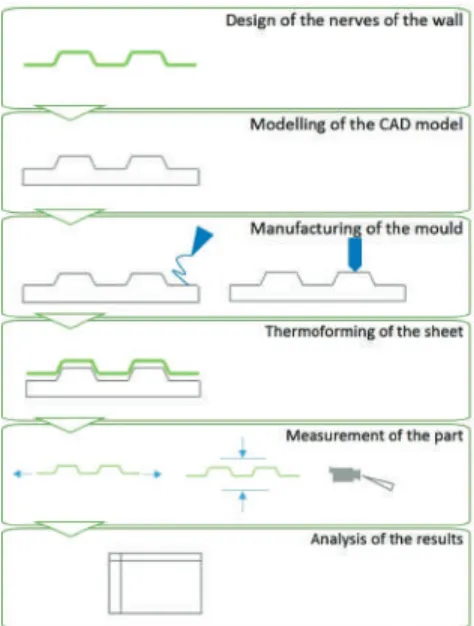
It also contains vacuum channels that ensure proper attachment of the PET sheet to the mold. This seems to reinforce what we discussed earlier about the section size. Figure 13 shows in detail the results obtained with respect to the middle part by calculating the stress from the force and the relief area.
Similarly, the size of the relief also affects the type of fit of the relief film. It is therefore within the value of the dispersion collected in the performance of 4 experimental tests. Figure 19a plots the results of Fy-T in relation to the force at the moment when the displacement has reached 0.5 mm.
Custom Design of Packaging through Advanced Technologies: A Case Study Applied to Apples
Results
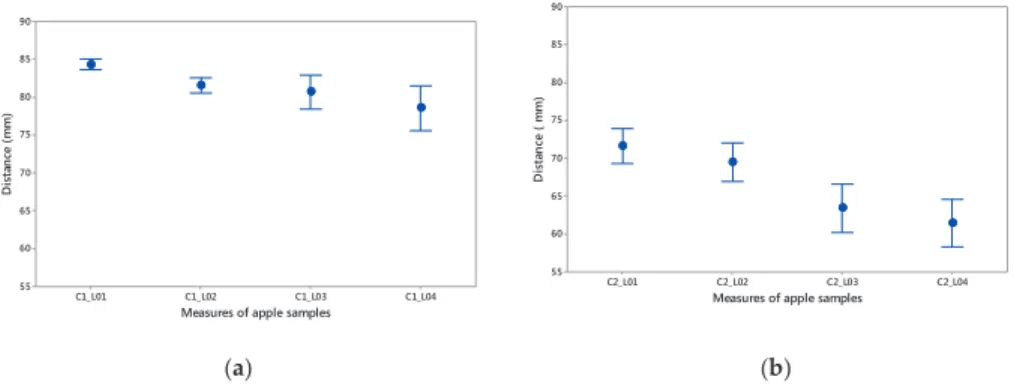
Therefore, a major axis, L01, and a minor axis, L02, can be defined to name the maximum dimensions of the digitized samples. It is worth mentioning again that L01 and L02 correspond to the average dimensions of the width of the apple. Regarding the height of the apple, for the parameters L03 and L04, the goal is to find the maximum per caliber of the apples.
L01, which has a greater influence in the design of the package, exhibits more homogeneity than the other dimensions. Therefore, the variations in the samples that affect the design of the packaging are the maximum width and height obtained from the grouping of the digital models. Thus, the linear dimension on the plant in one of the sides is lower with respect to its side.